The Situation
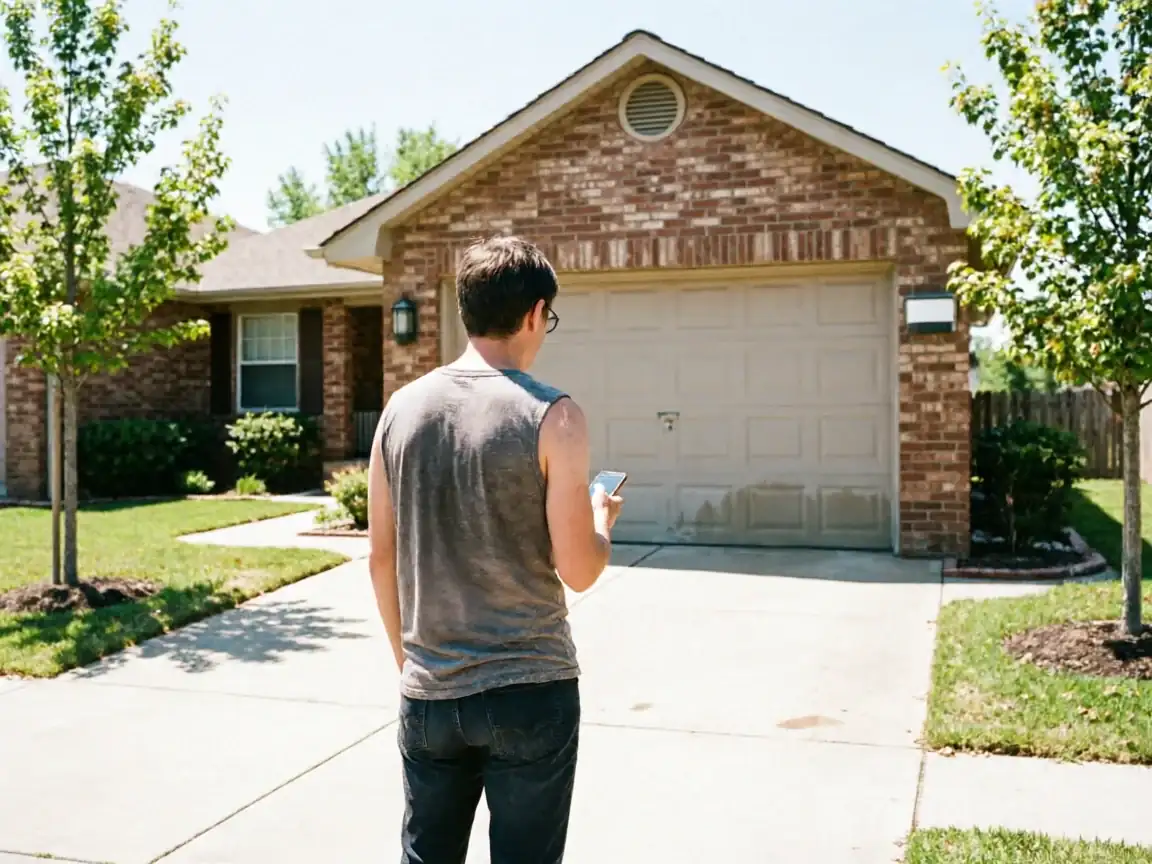
Walk this service area block by block, from a mile out to Hwy 84 West nine miles southwest, and you find the same pattern: most of the houses went up between 1959 and 1994, with the typical build year landing around 1983. That spread covers thirteen named areas - Woodway, Bellmead, Hewitt, Robinson, China Spring, and the rest out to Bruceville-Eddy and West - and nearly all of them carry the same generation of door hardware.
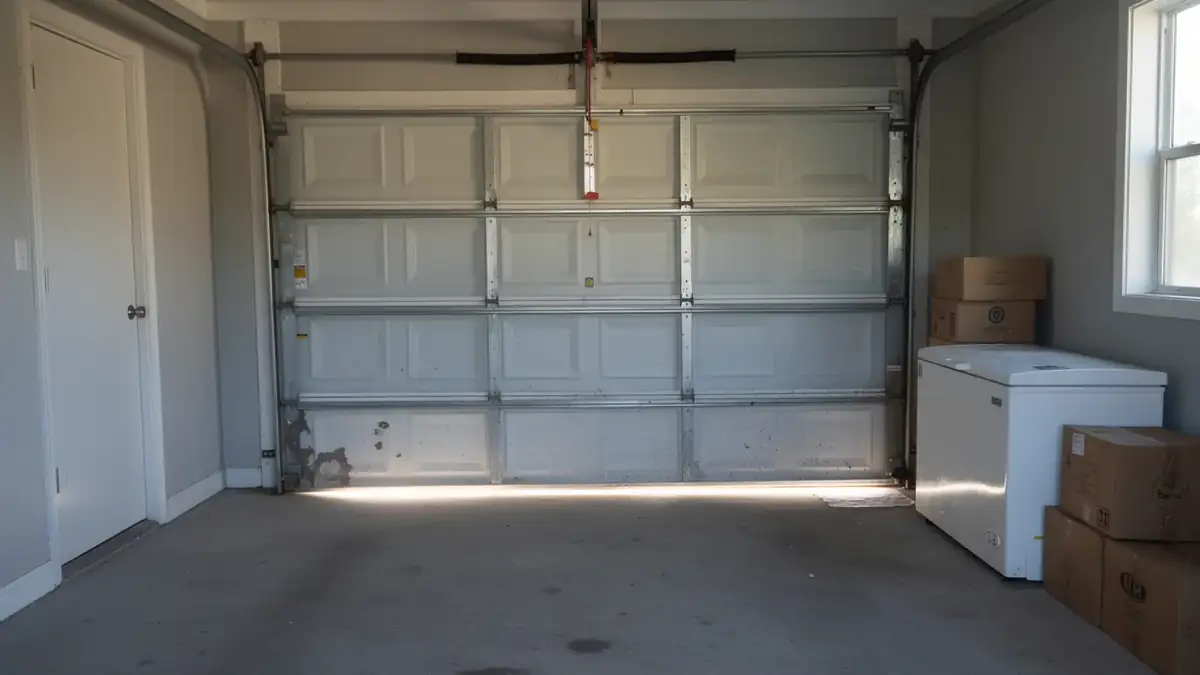
That matters because a door installed on a house built in 1983 is not the same animal as a door installed last year. The track gauge is lighter, the spring is often the original, and the opener, if it's survived this long, is a chain-drive unit with none of the safety sensors that became standard later. We see this stock constantly: doors on houses built before insulation rules, hung on hardware that was never meant to last four decades.
With 22,710 households in this area and 14,225 of those owner-occupied, a large share of the doors we're called out to aren't failing from abuse. They're failing from age, plain and simple, and the fix depends on which decade the house landed.
How Local Conditions Play In
This area sits in a moderate heat band - not the extreme end of the Texas heat map, but enough that steel panels expand and contract daily, and enough that older weatherstripping on a 1980s door dries out and cracks years before the panel itself fails. On a house from that 1959-1994 window, the door was built to a lighter standard than what's sold today, so that daily expansion works on hinges and rollers that have less tolerance for it.
We don't see the kind of extreme cold-snap failures some regions deal with, so we're not pushing heavy insulation packages as a safety requirement. What we do see is UV and heat fatigue on original paint and seals, especially on south and west-facing doors in areas. If your door still has its factory finish from the 1980s or 90s, that finish has usually outlived its working life even if the panel underneath looks fine.
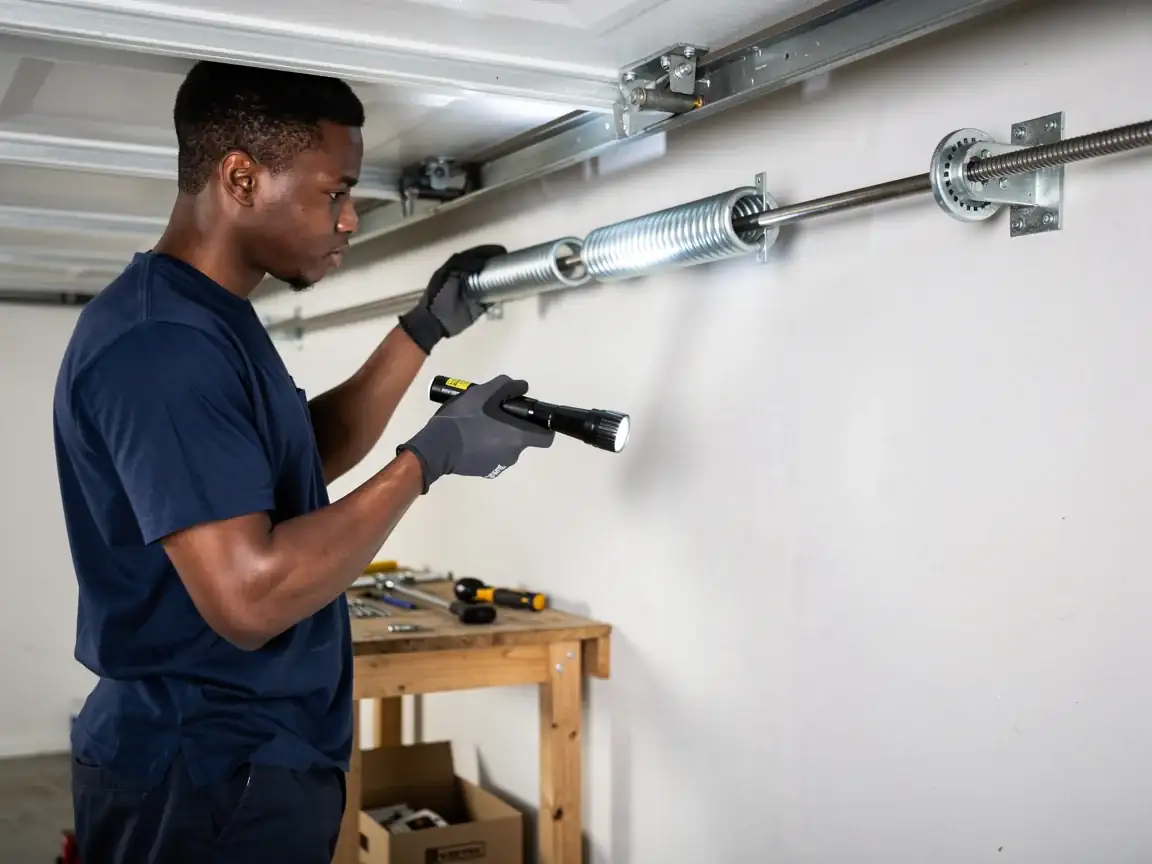
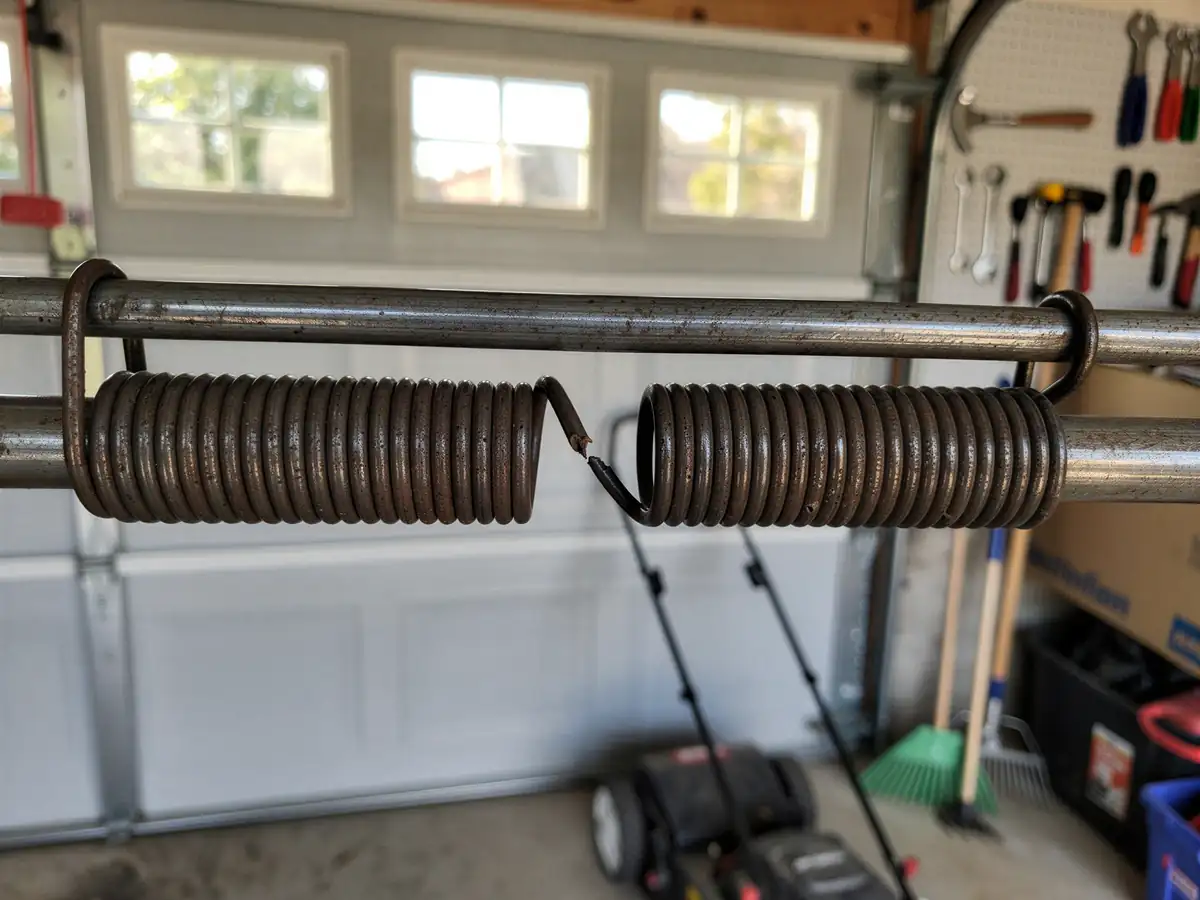
The honest limitation here: we can't make a 40-year-old torsion spring last indefinitely just by adjusting it. Past a certain point, the metal itself is fatigued, and no amount of lubrication changes that.
When to Call Someone
If your house falls in that 1959-1994 range and you've never replaced the spring
That's the first thing to ask about before anything else breaks. A torsion spring on a door that age is well past the manufacturer's cycle rating, and when it goes, it usually takes a cable or a panel bracket with it.
Call if the door is noticeably heavier to lift by hand than it used to be
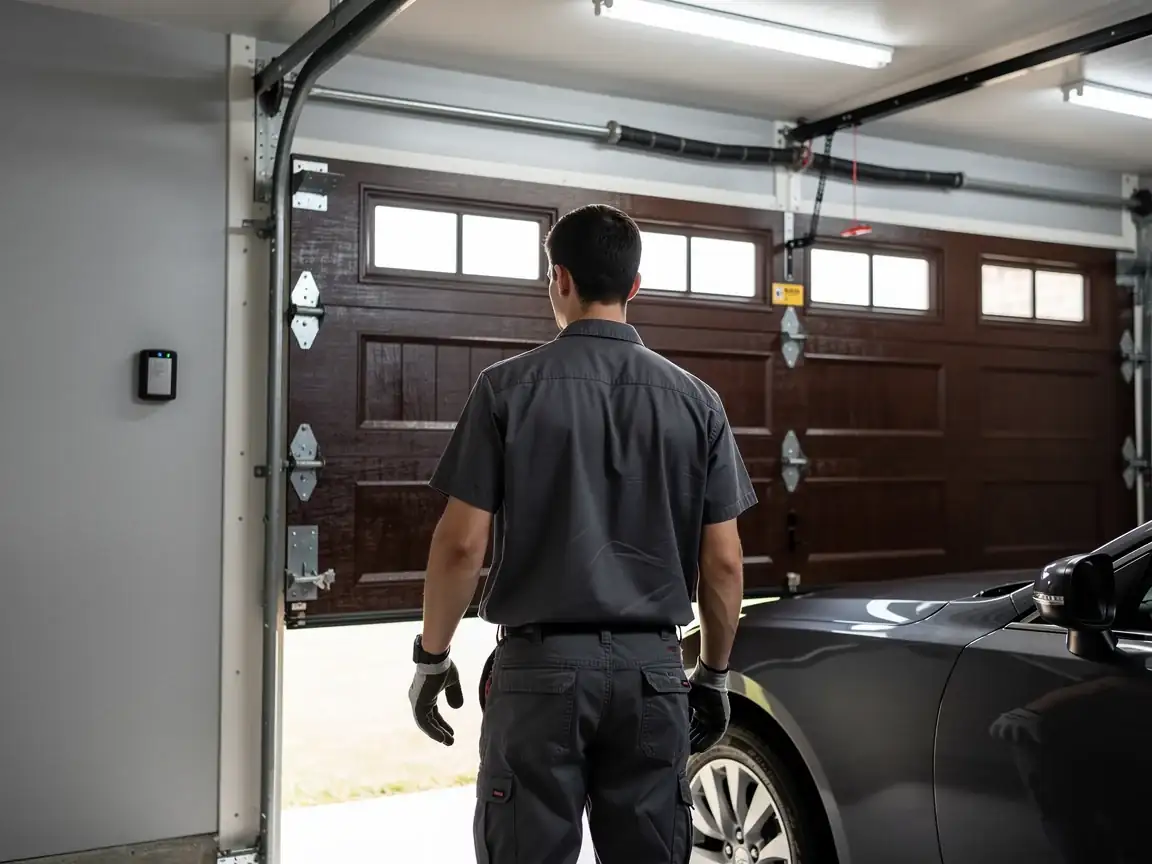
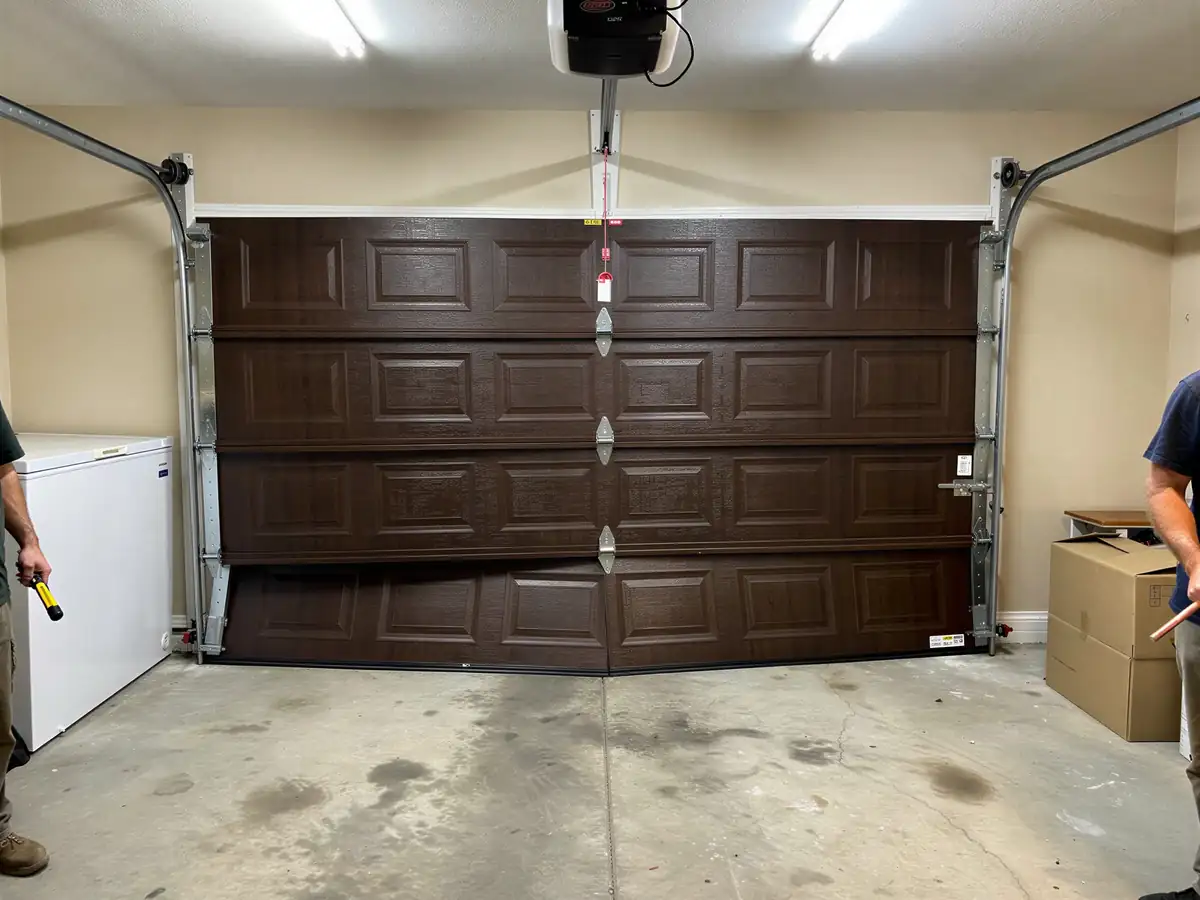
That's spring fatigue, not opener wear. Call if you hear a single loud bang from the garage and the door won't move; that's almost always the spring letting go. Call if a cable has frayed or slipped off its drum, because a door hanging unevenly on one side is a weight nobody should be standing under.
What doesn't need an emergency call
A door that's slow to close, or an opener that only responds on the second try. Those are adjustment issues, not safety issues, and they can wait for a scheduled visit rather than a rushed one.
What You Pay
We don't have a flat number to print here, because what a job costs on a house built in 1983 depends heavily on what's original and what's already been swapped out - the spring, the opener, the track gauge all vary house to house even within the same subdivision.
What we can tell you is how the decision usually breaks down in this area. With a median household income of $76,833 across these communities, most homeowners we talk to are weighing a full replacement against a repair on hardware that's already 30-plus years old - and for a door of that age, replacement often pencils out better over time than repeatedly patching original parts that are no longer made to the same spec.
We'll give you both numbers on site - repair cost and replacement cost - before any work starts, so you're not guessing which way makes sense for your specific door.