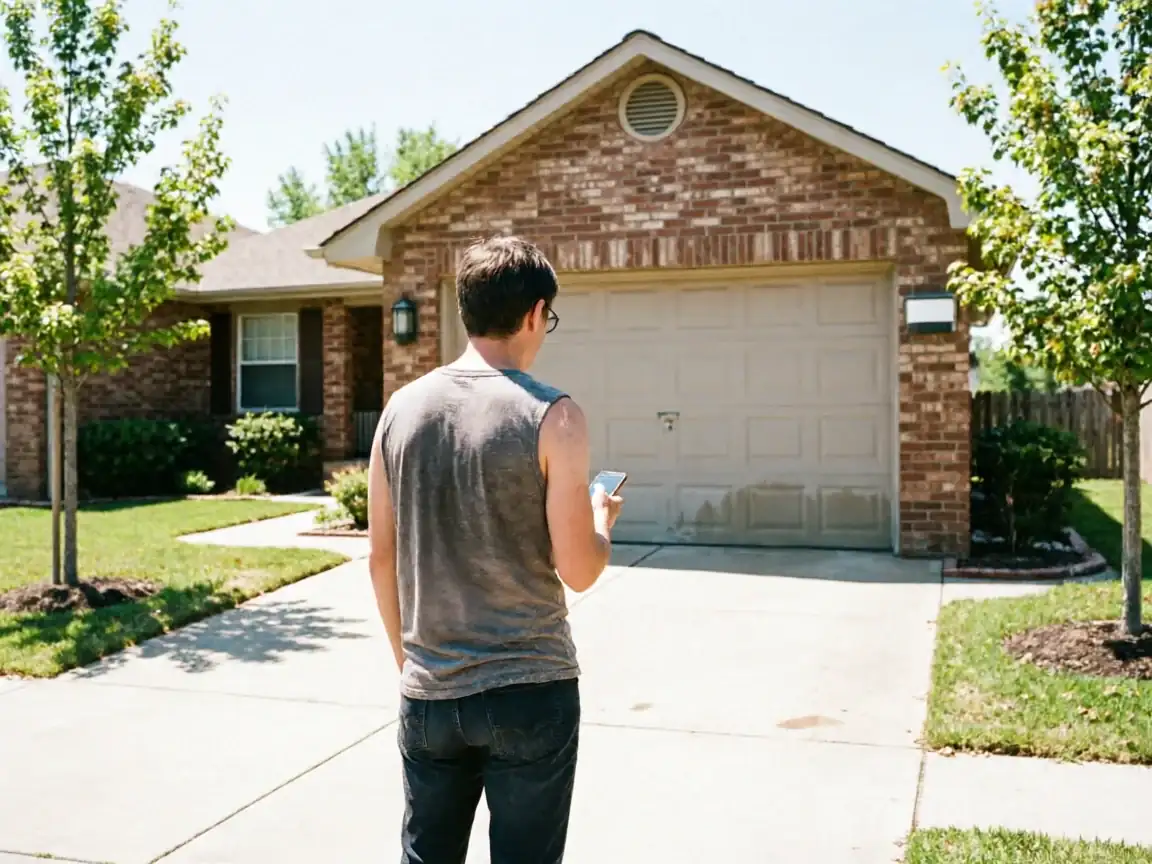
The Situation
Most of the houses we work on around Waco went up somewhere between 1959 and 1994, with the median build year sitting around 1983. That's a long stretch, but it means a lot of doors in this area are now 30 to 65 years old, running on hardware that was never meant to last that long without attention. A door installed in a mid-80s build in is hitting the point where springs, rollers, and the opener itself are all aging out around the same time.
The noise a door makes is usually the first sign something's changing before it actually fails. A grinding sound is different from a slapping sound, which is different from a sharp bang. Homeowners tend to lump all of it under "the door's acting up," but each sound points to a different part, and each part has a different timeline before it becomes a Saturday-morning no-go situation.
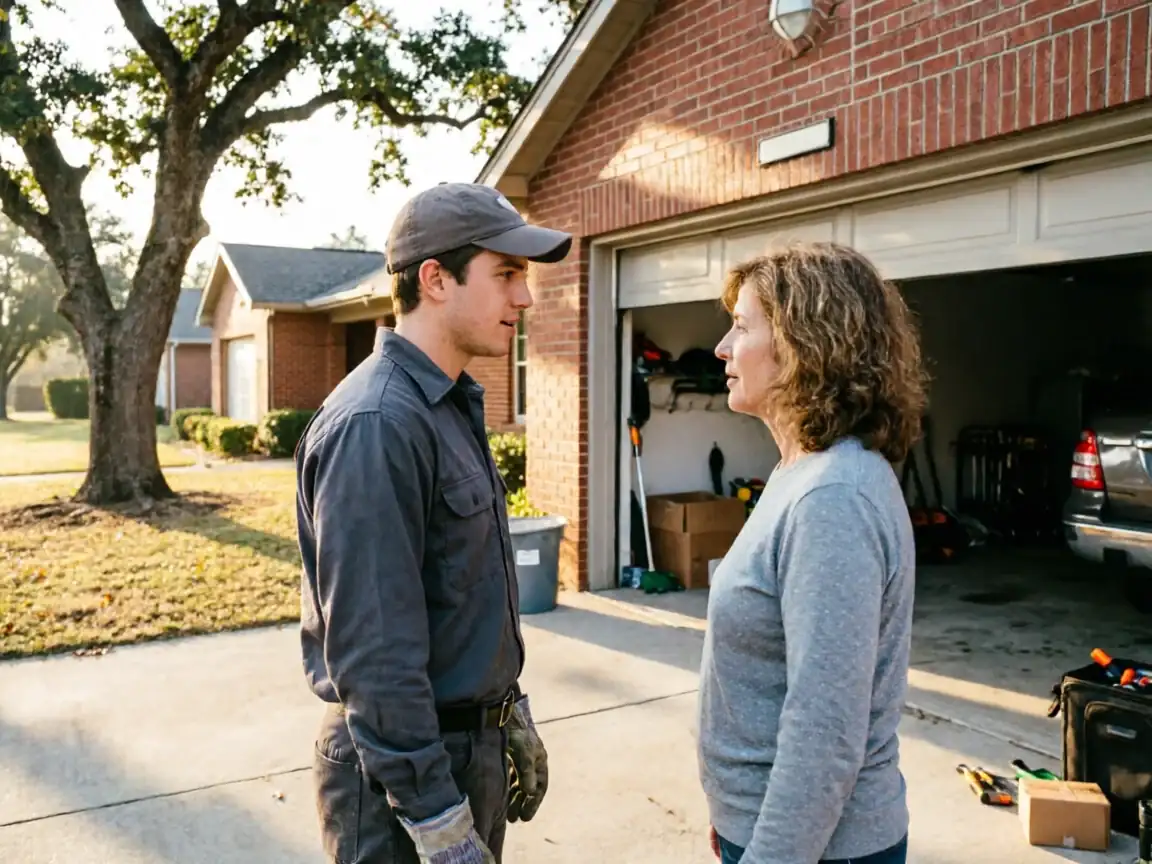
We see this across the service area - Woodway, Hewitt, Robinson, the older sections closer to - the pattern holds wherever the housing stock is from that same build window. The door doesn't fail all at once. It tells you first.
How Local Conditions Play In
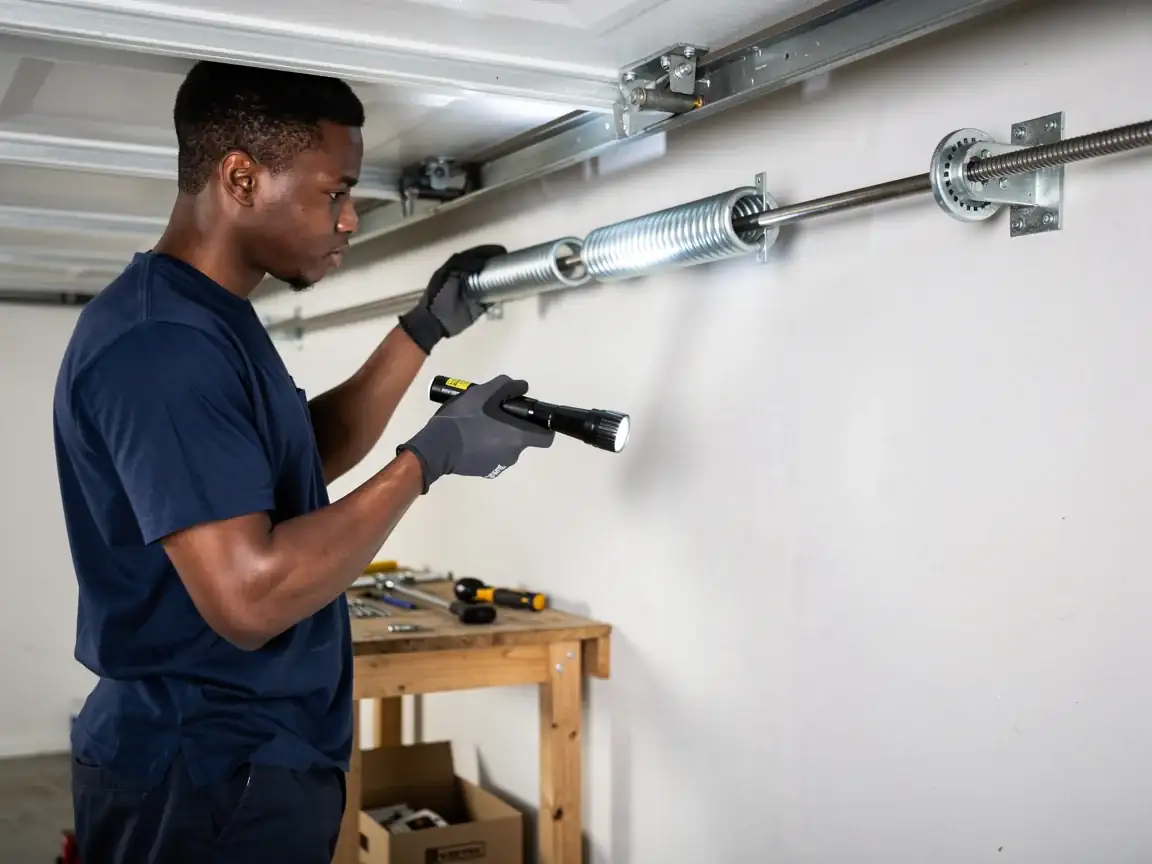
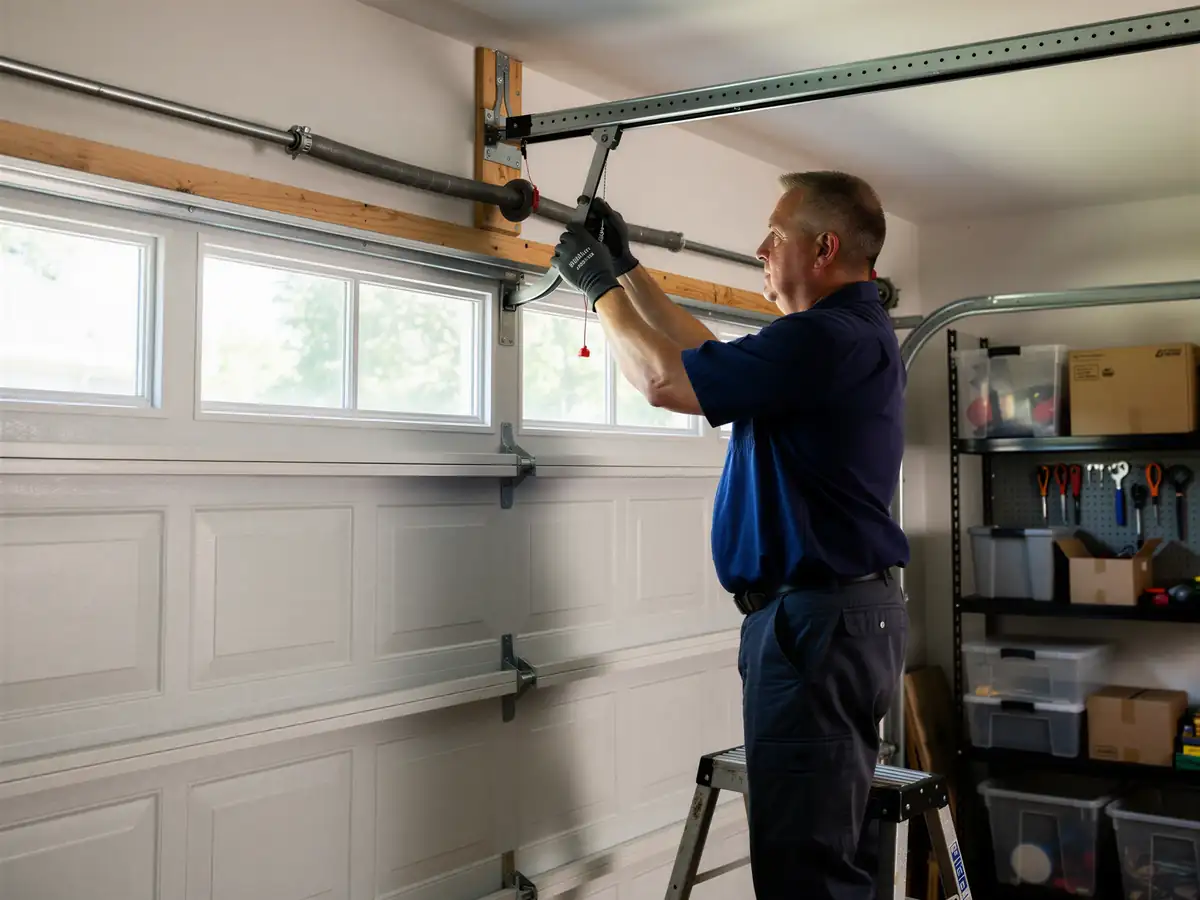
Waco sits in a moderate heat climate band, which doesn't sound dramatic, but it matters for the hardware specifically. Steel springs and metal track expand and contract with temperature swings across the year, and after three or four decades of that cycling, the fatigue shows up as noise before it shows up as a failure. A spring that's about to go often starts making a faint creak or a popping sound during the hottest part of the day, when the coil is under more tension from the heat.
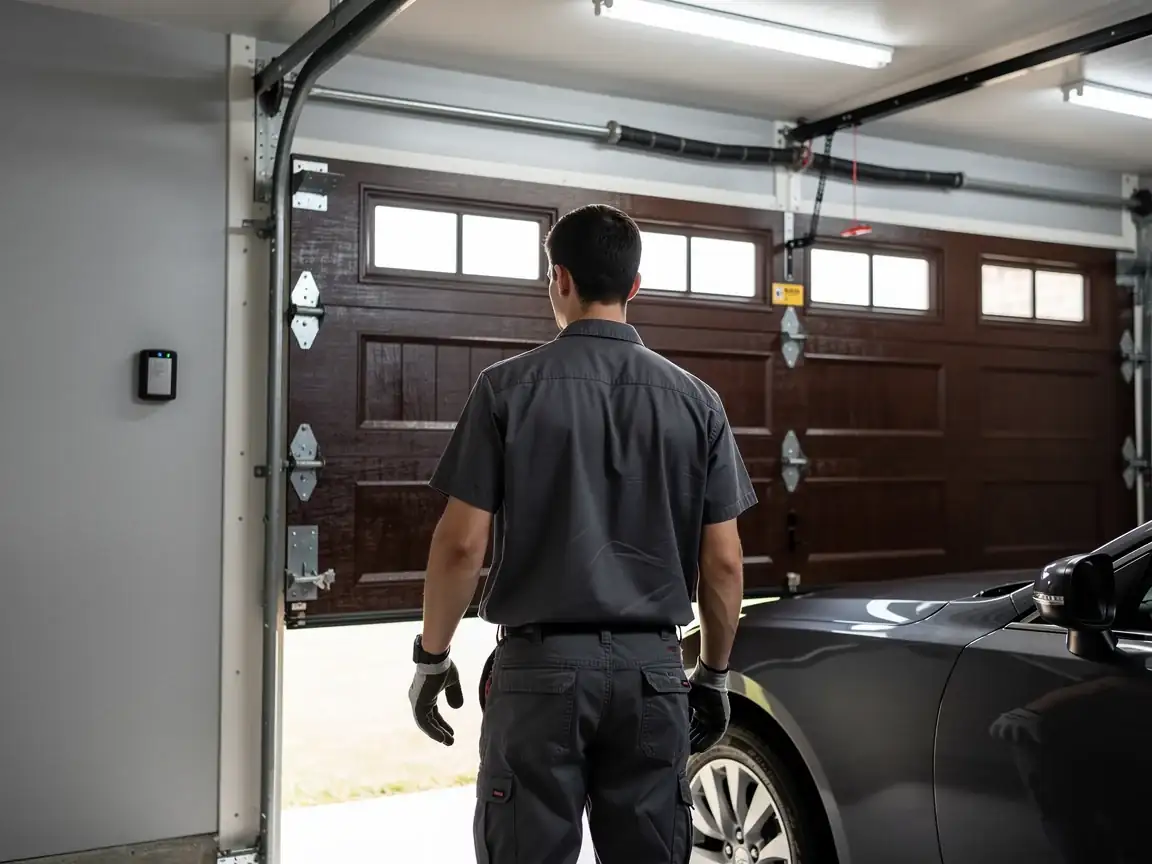
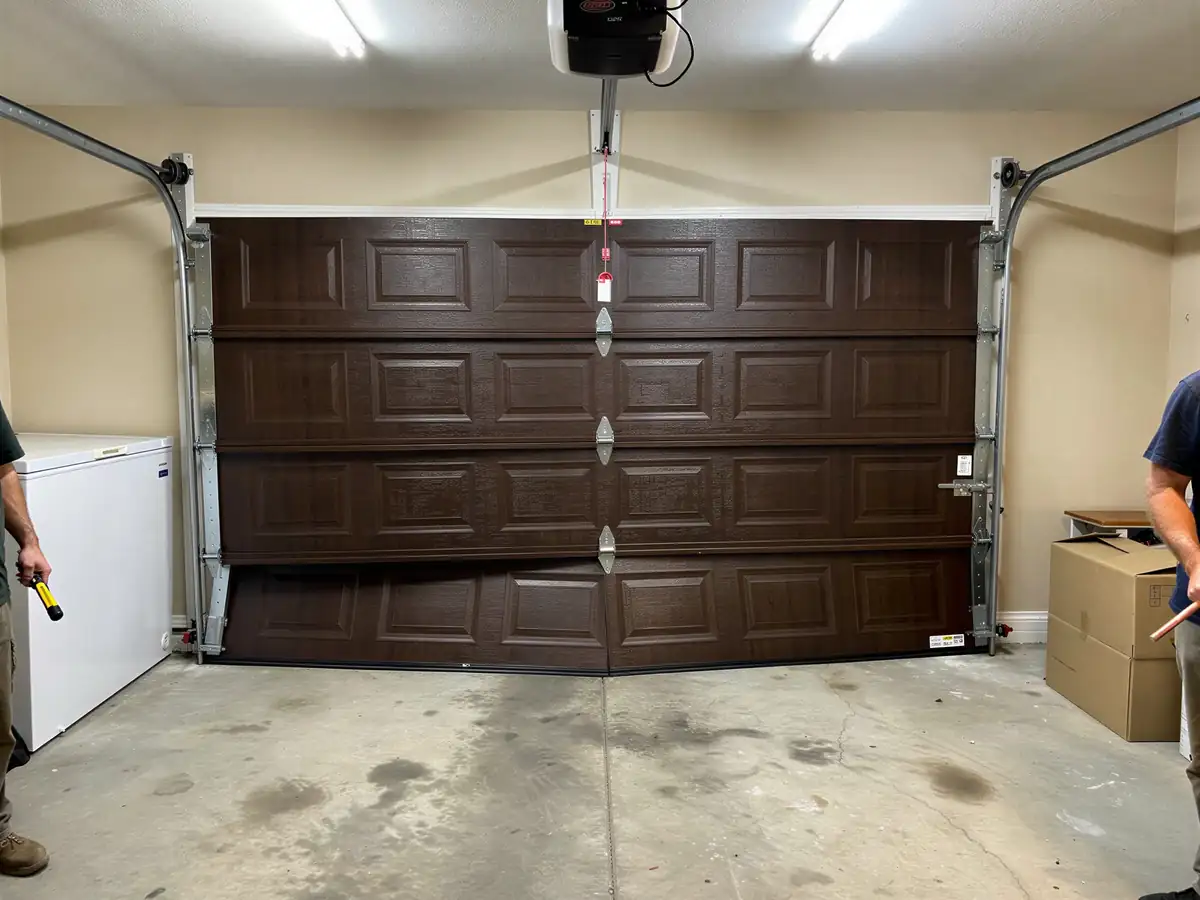
Track alignment is the other piece. Houses built in that 1959-1994 window, which covers the bulk of the stock across the 13 areas we work in were framed to standards from their decade, and garage openings have settled some over the years. A door that rattles on one side more than the other is often telling you the track has shifted slightly off the original line, not that the whole system is failing.
We don't treat every noise as an emergency call. A lot of what you hear is just the house and the door aging together, and some of it is cosmetic - a loose bracket, a dry hinge - rather than something that needs a truck out same-day.
When to Call Someone
Some sounds you can live with for a while
A squeaky roller on a door that otherwise opens smooth is a WD-40-and-wait situation, not a call. But a few sounds mean stop using the door and call.
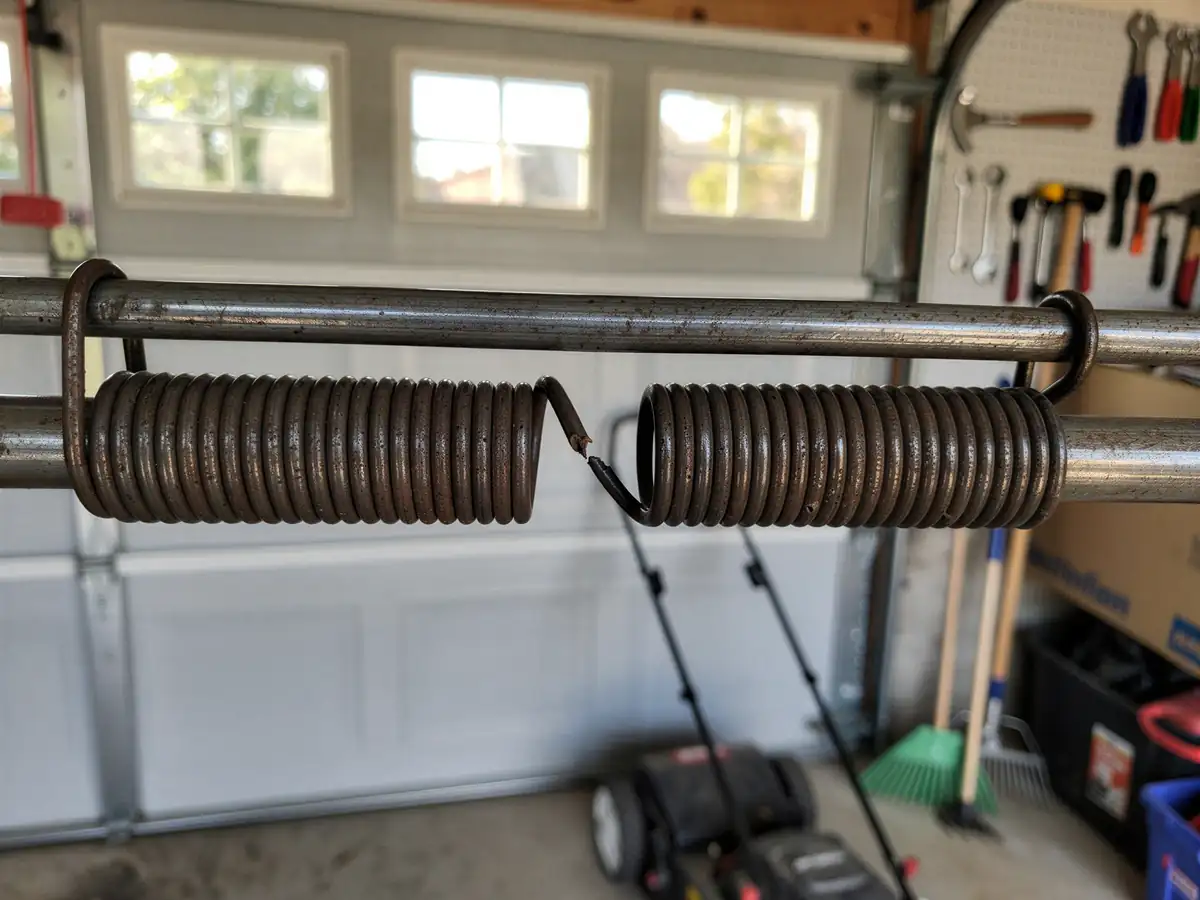
A loud bang, especially one that happens when the door isn't moving
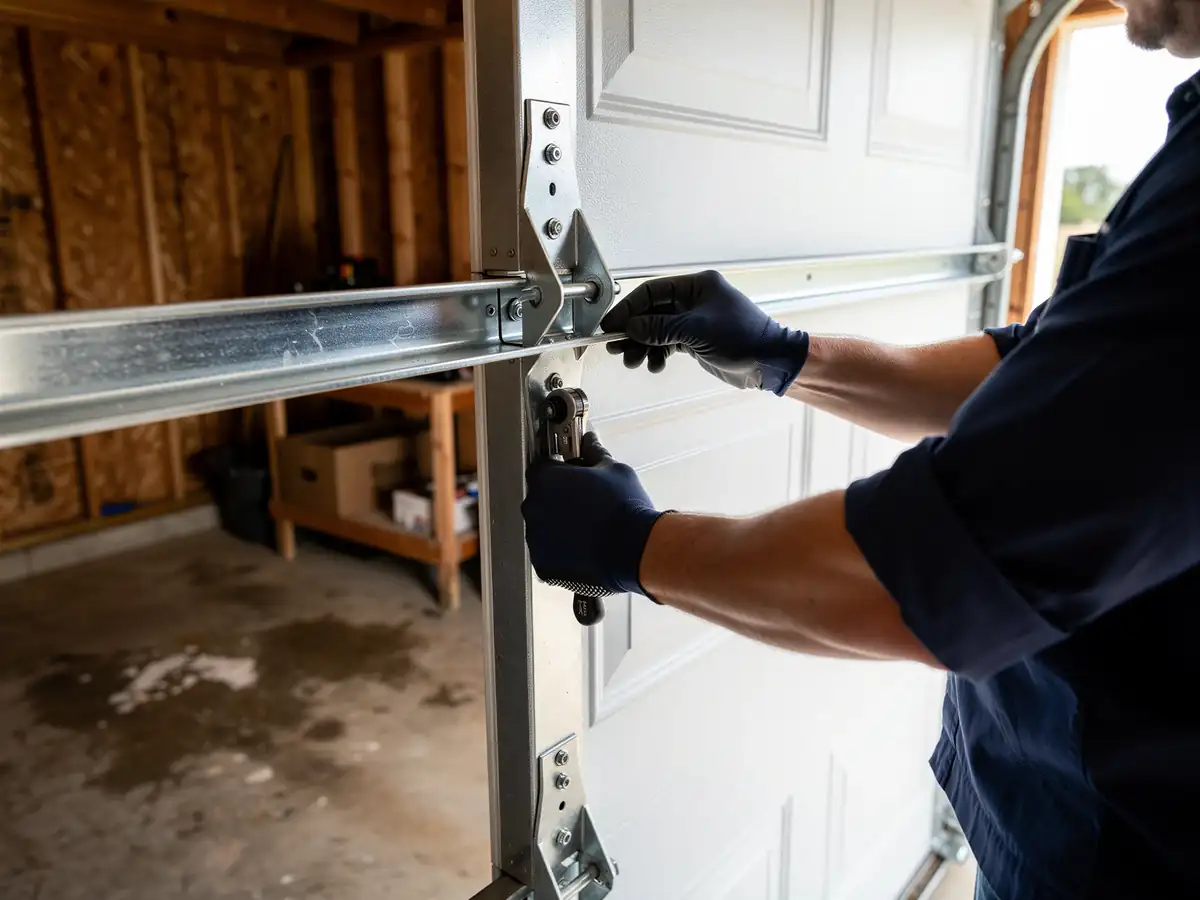
Usually means a spring has broken. Don't try to open it manually after that - the counterbalance is gone and the door is heavier than it looks. A grinding or scraping noise that's gotten louder over a few weeks is often a roller or bearing giving out, and it's cheaper to deal with before it takes the track with it. A rhythmic thump every time the door passes a certain point usually means a bent track section, which is a mechanical problem, not a lubrication one.
Here's the honest limit
If your opener is original to a build from the early part of that 1959-1994 range, parts for it may not exist anymore. At some point the math stops favoring repair, and we'll tell you that straight instead of patching an opener that's going to need replacing again in a year.
What You Pay
We don't have a flat number to hand out here, because what a repair costs depends on what's actually making the noise - a roller job is a different scope than a spring replacement, and a bent track is different again. What we can tell you is that in a service area where median household income runs around $76,833 across roughly 22,710 households, most of our calls are repair-first, not replace-first, because a repair on an otherwise sound door is almost always the cheaper path.
Where replacement makes more sense is on doors from the earlier end of the 1959-1994 build range, where the door itself - not just the hardware - is original. At that point you're not just fixing a noise, you're propping up a door that's going to keep generating new ones.
We'll give you a real number after we look at the door, not before. Anyone quoting a price over the phone without seeing the spring size, track condition, or opener model is guessing, and we'd rather not guess on something attached to 150-plus pounds of moving steel over your car.