What the Housing Means for Your Door
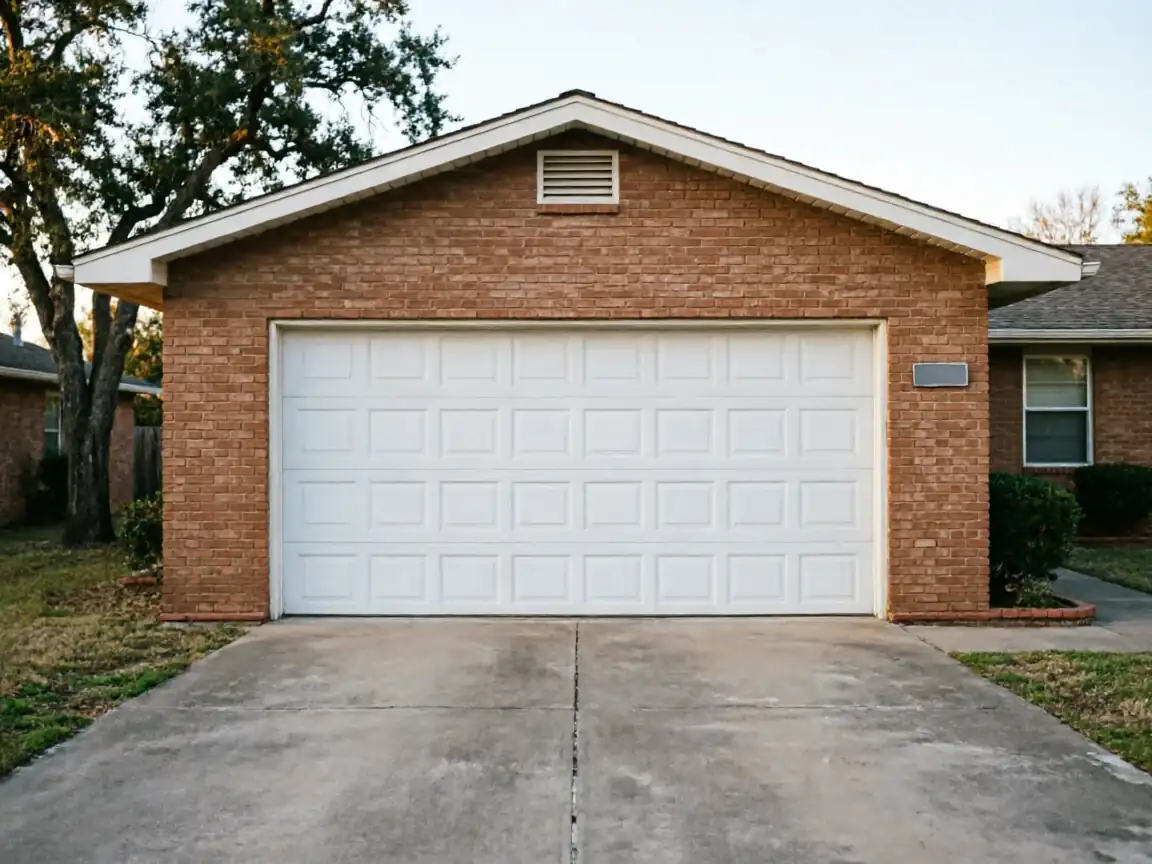
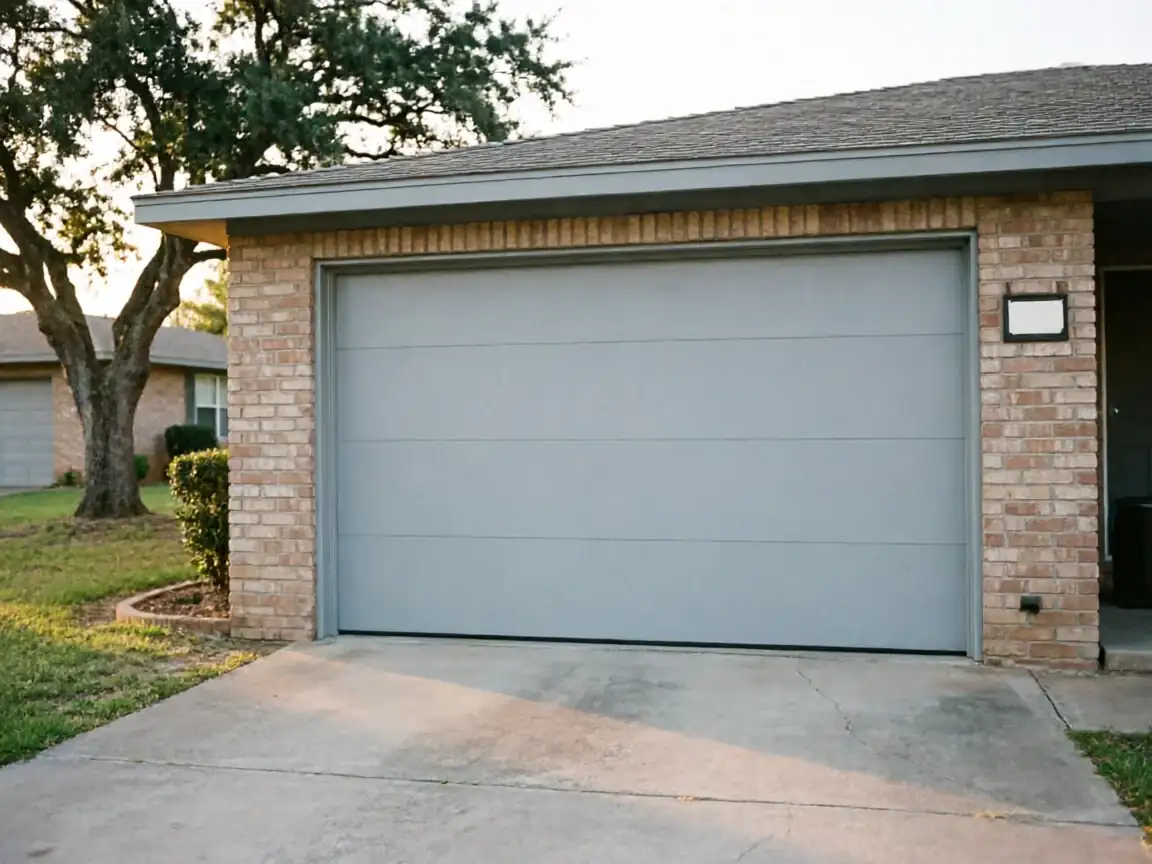
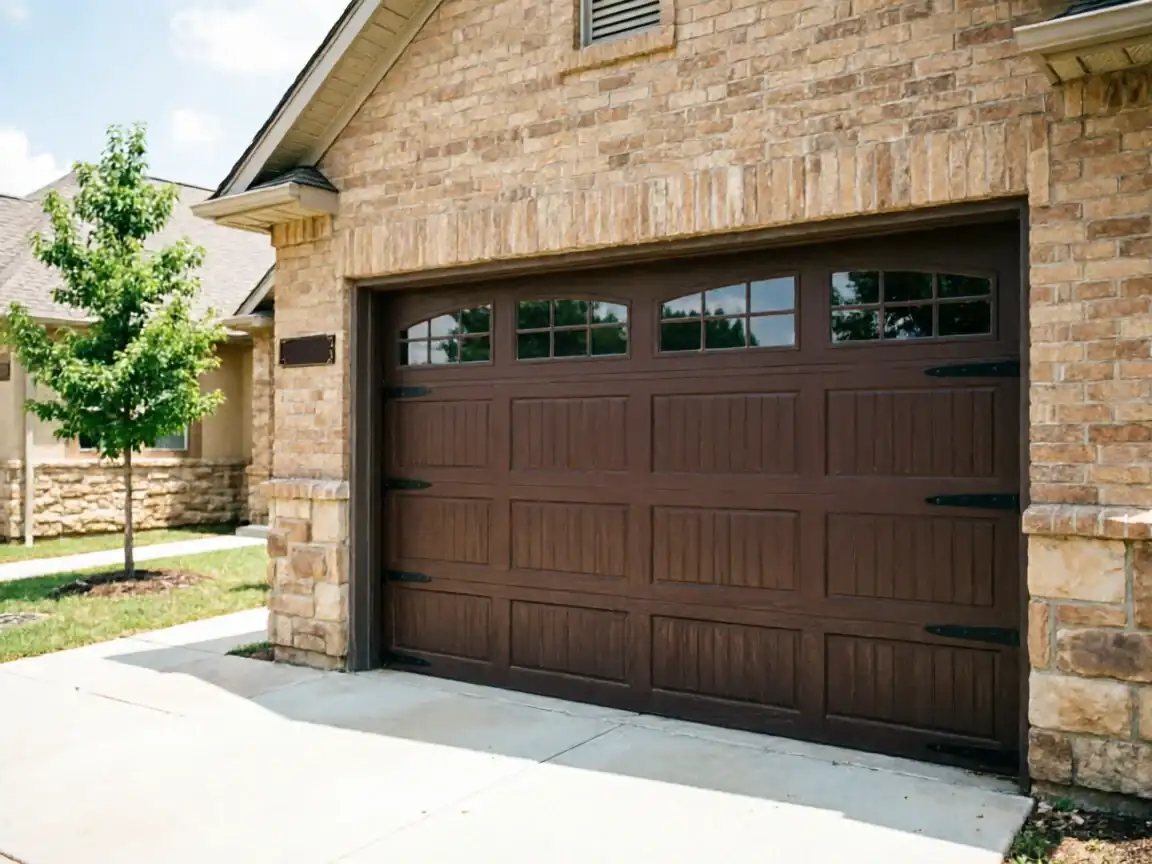
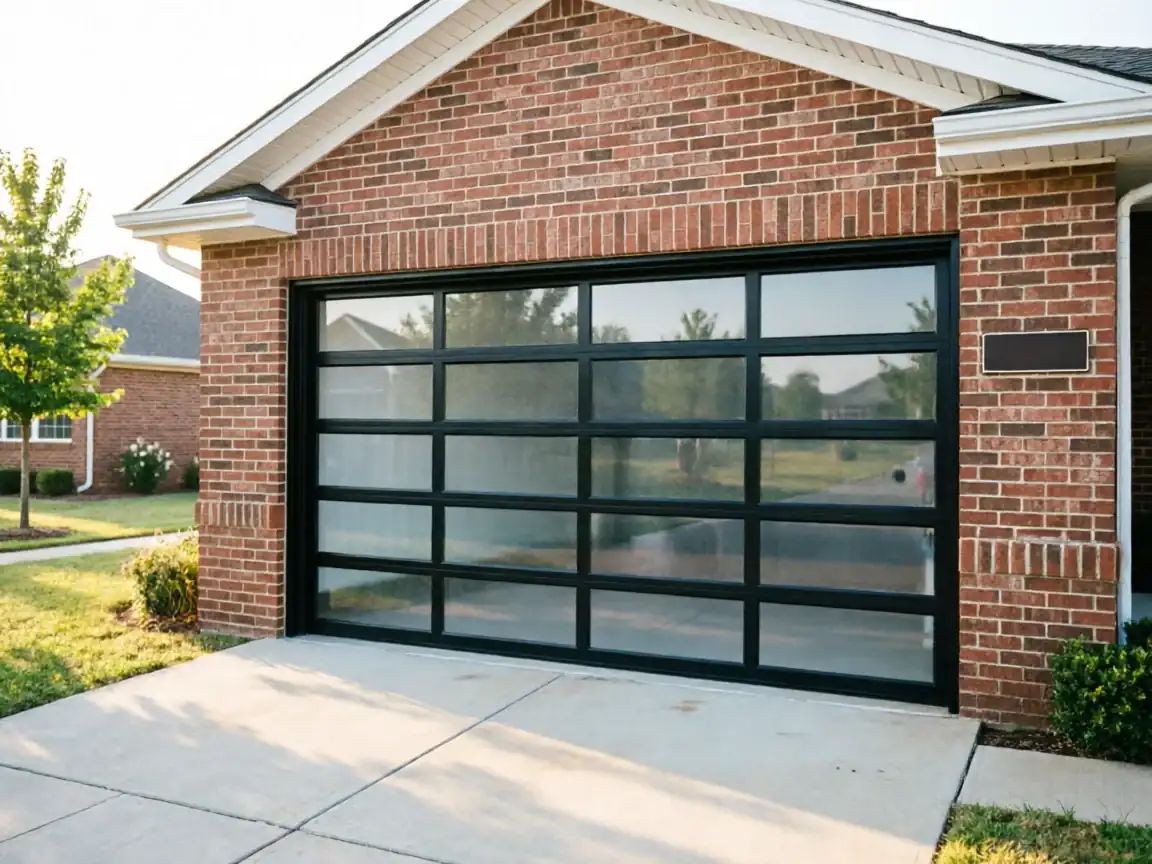
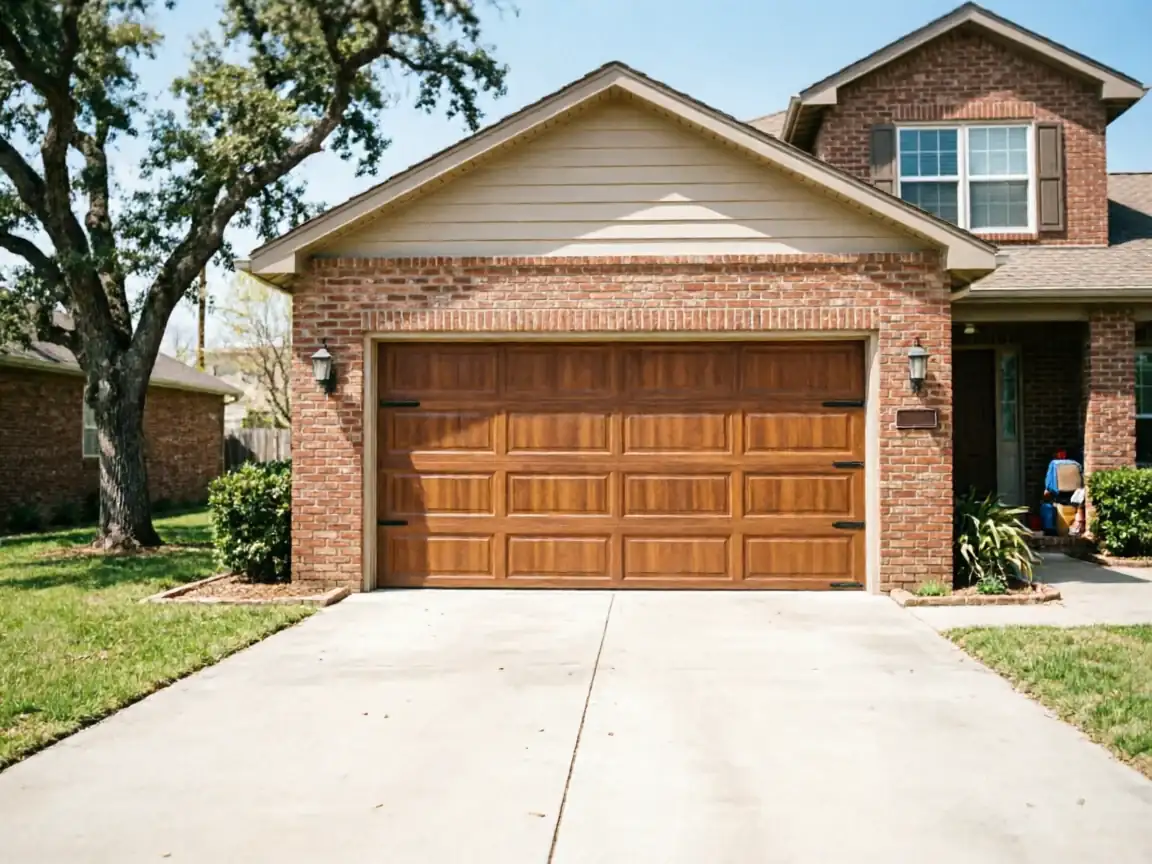
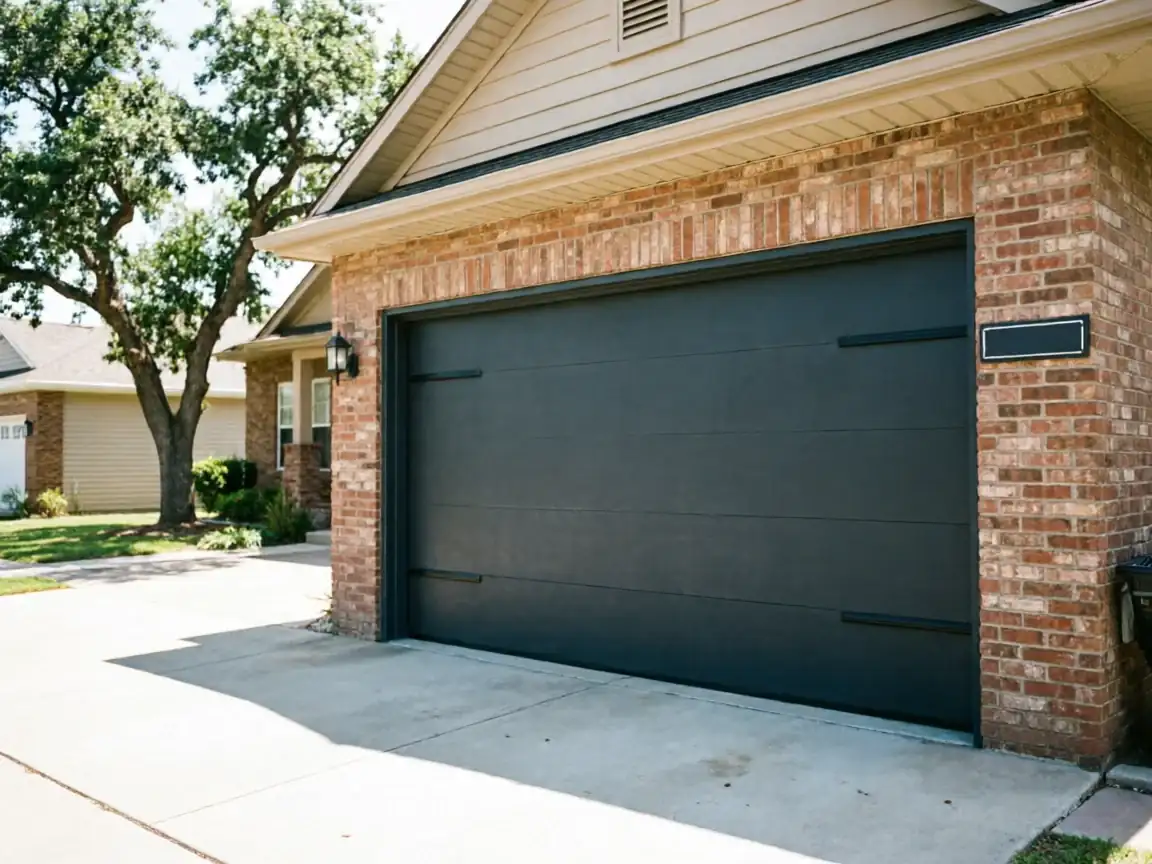
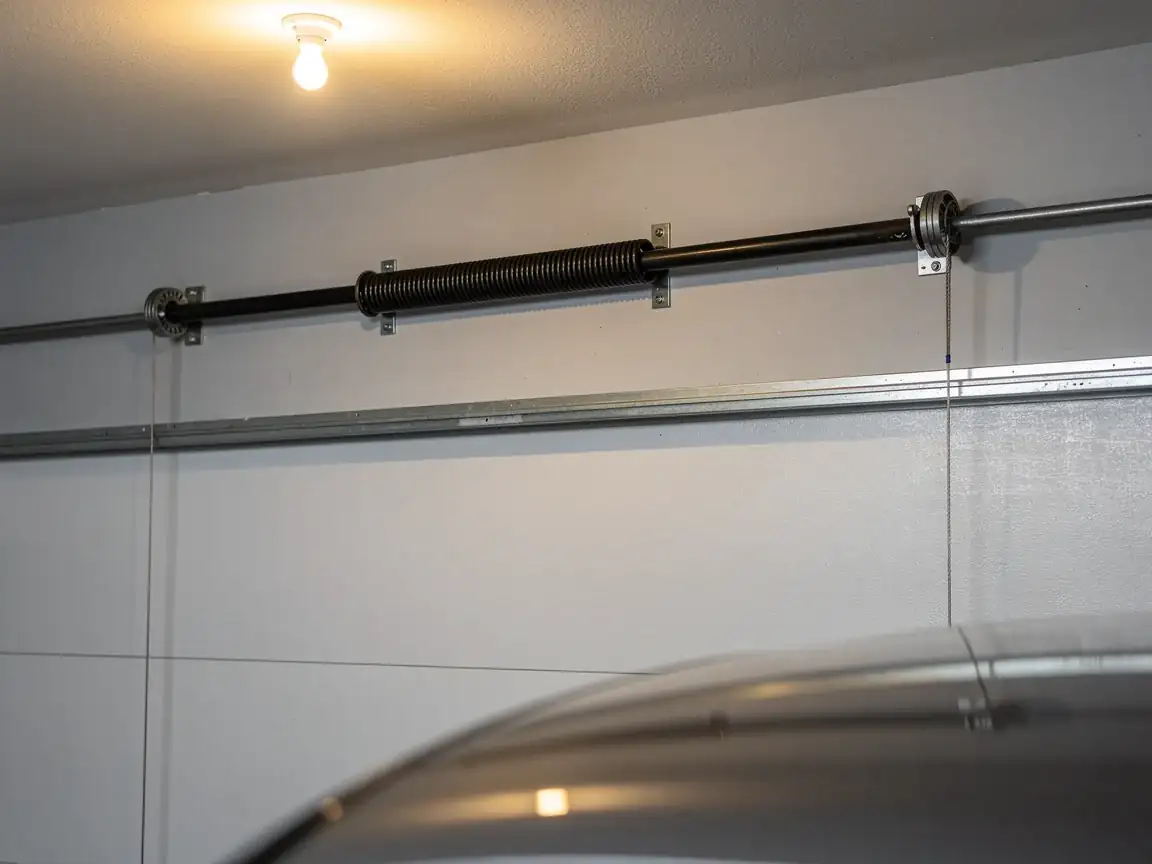
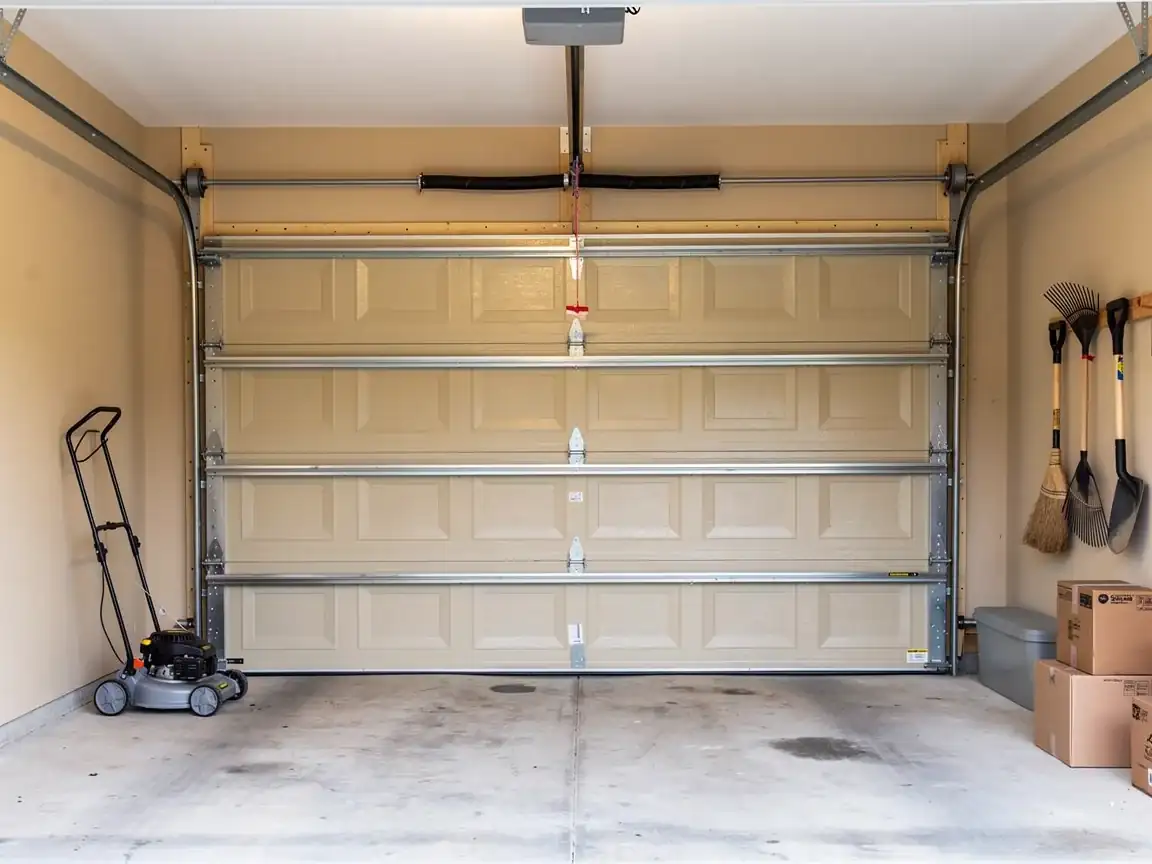
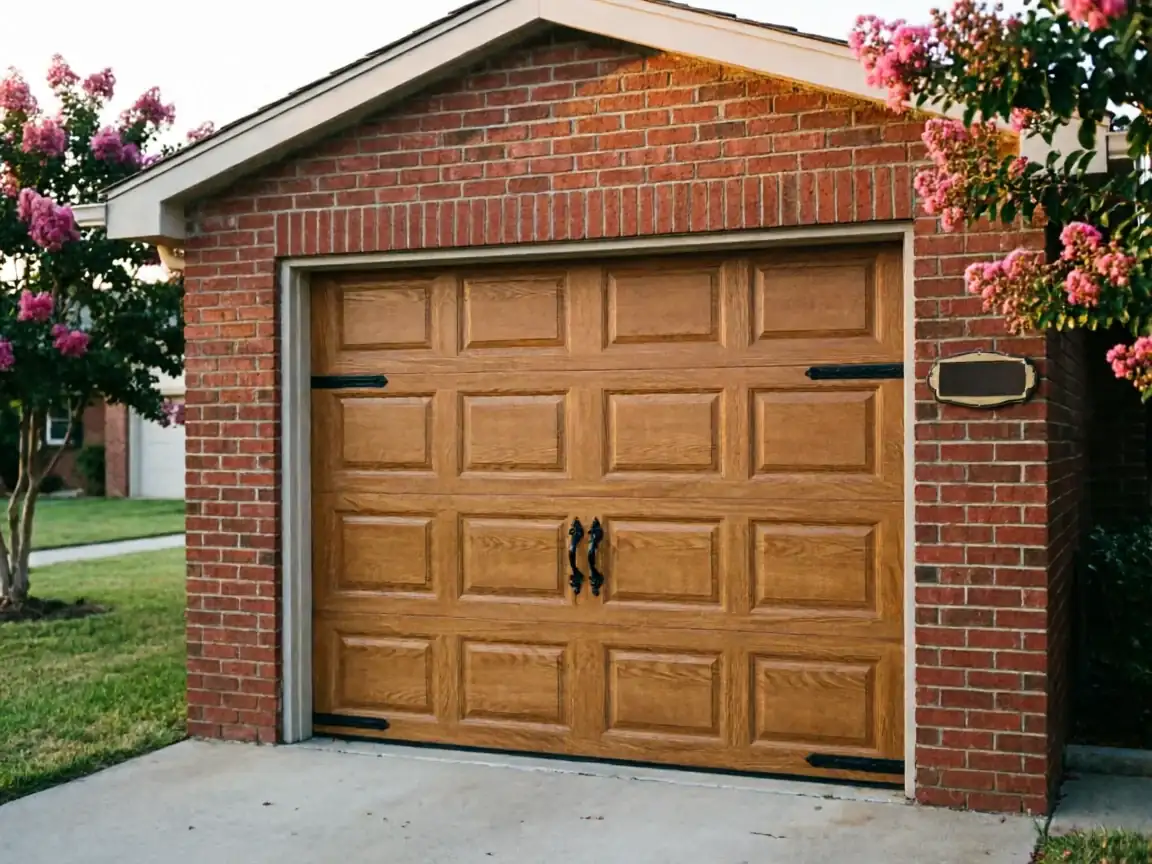
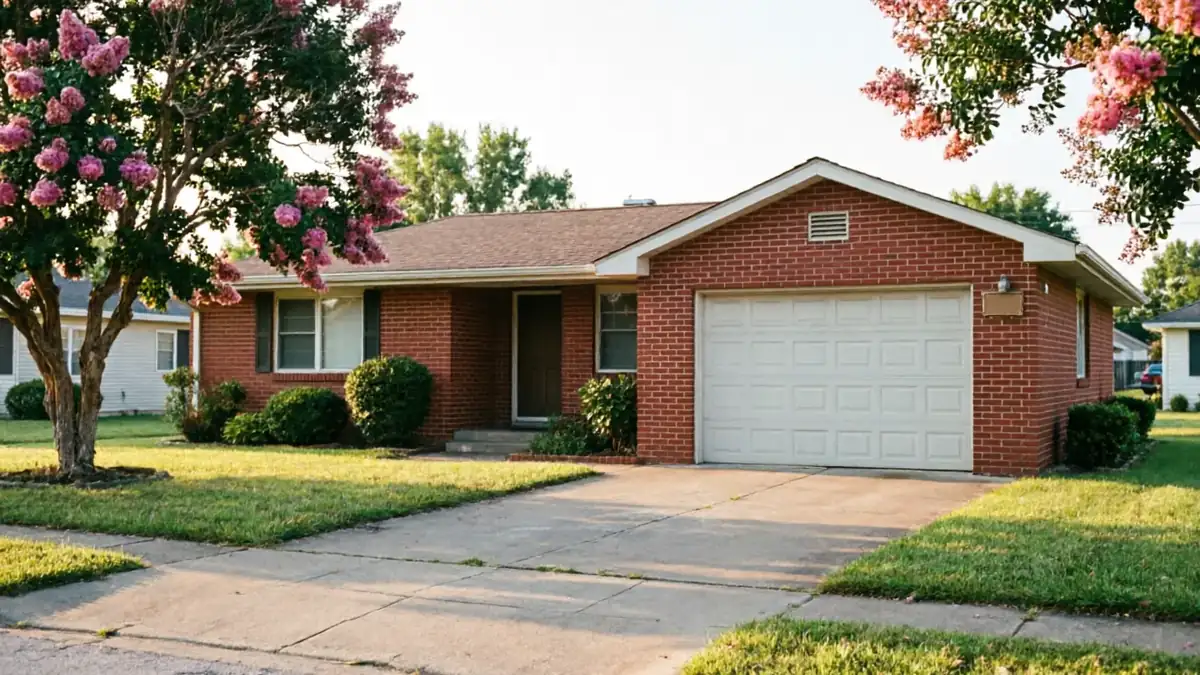
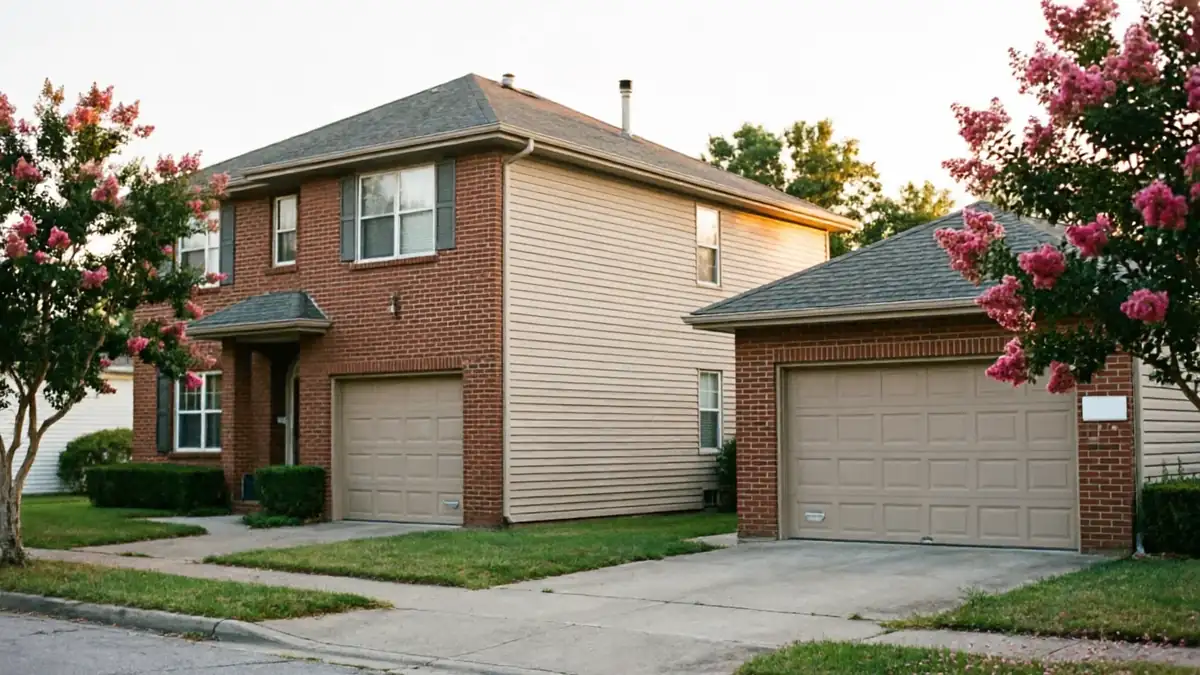
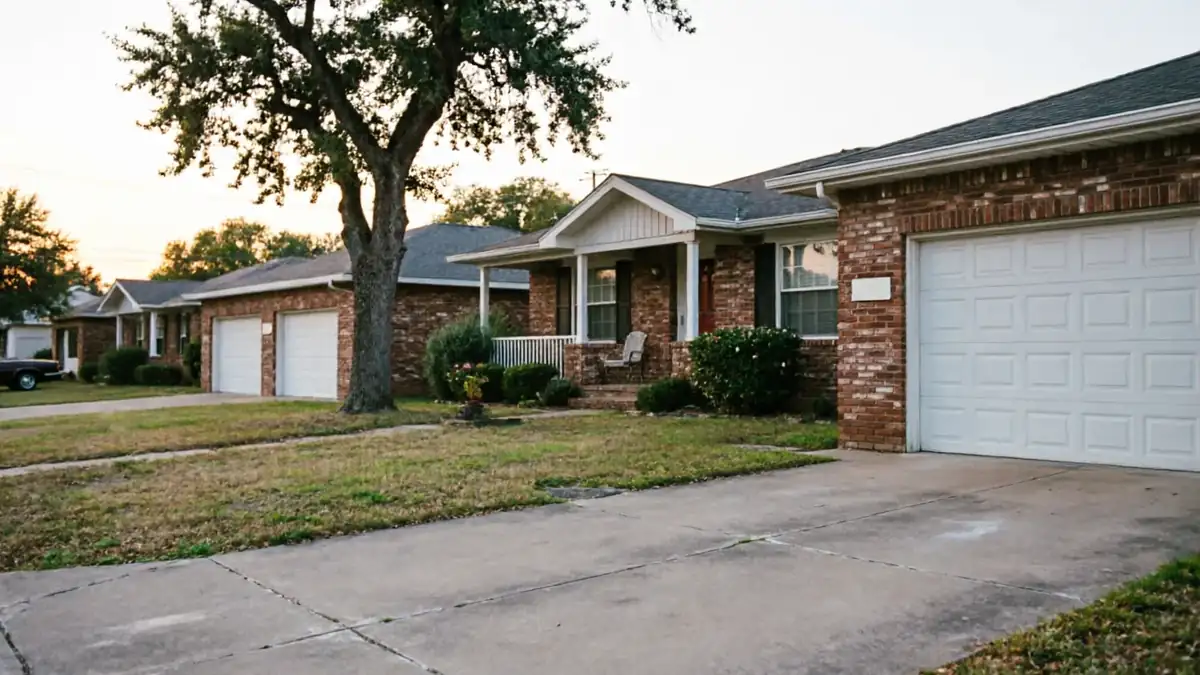
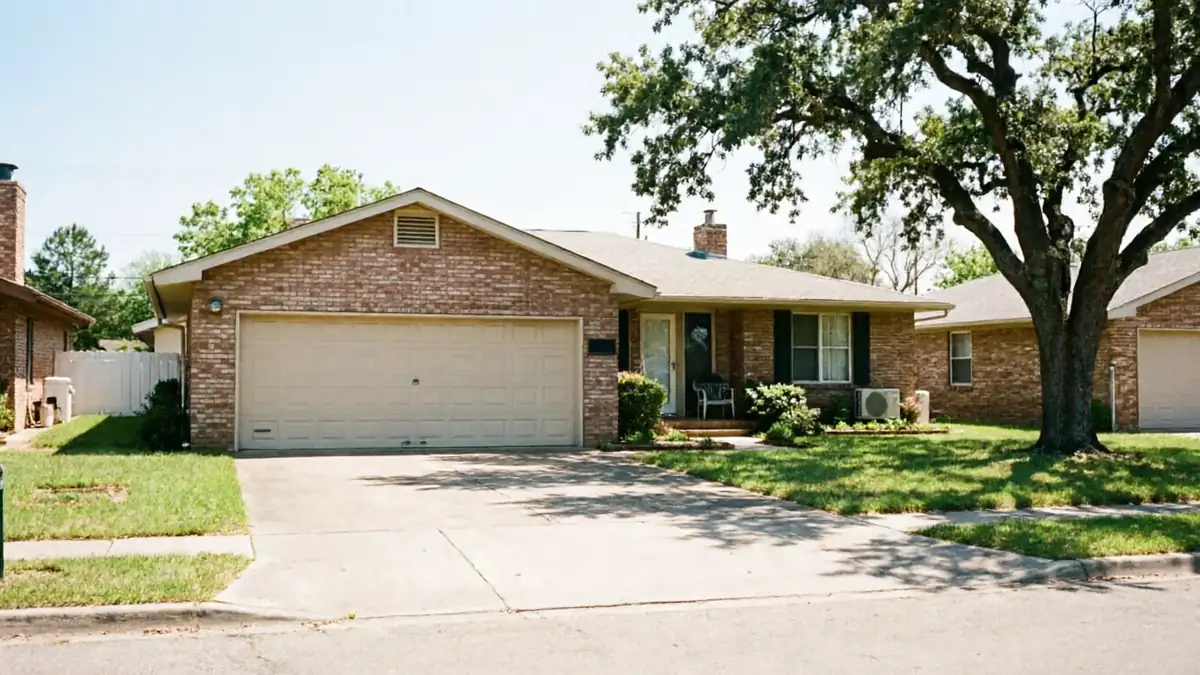
Woodway's housing stock centers on 1976, which puts it ahead of the broader service area's 1983 median. That gap of several years matters more than it sounds. A lot of Woodway garage doors were installed before the shift to heavier insulated steel panels that became common through the late 1980s and into the 90s across the rest of the territory. If your door is original to the house, you're likely looking at a single-layer steel or wood-composite panel on hardware that predates most of the torsion spring standards used today. Openers in these houses have often been swapped once or twice already, but the track and spring setup behind the wall is frequently still the first-generation install. That's not automatically a problem - a lot of that old hardware was built heavy and still works. But it does mean parts matching isn't always straightforward, and a tech pulling a part number off a 1976 door may be ordering something the newer-stock houses seven miles east never needed.
What Was Built Here
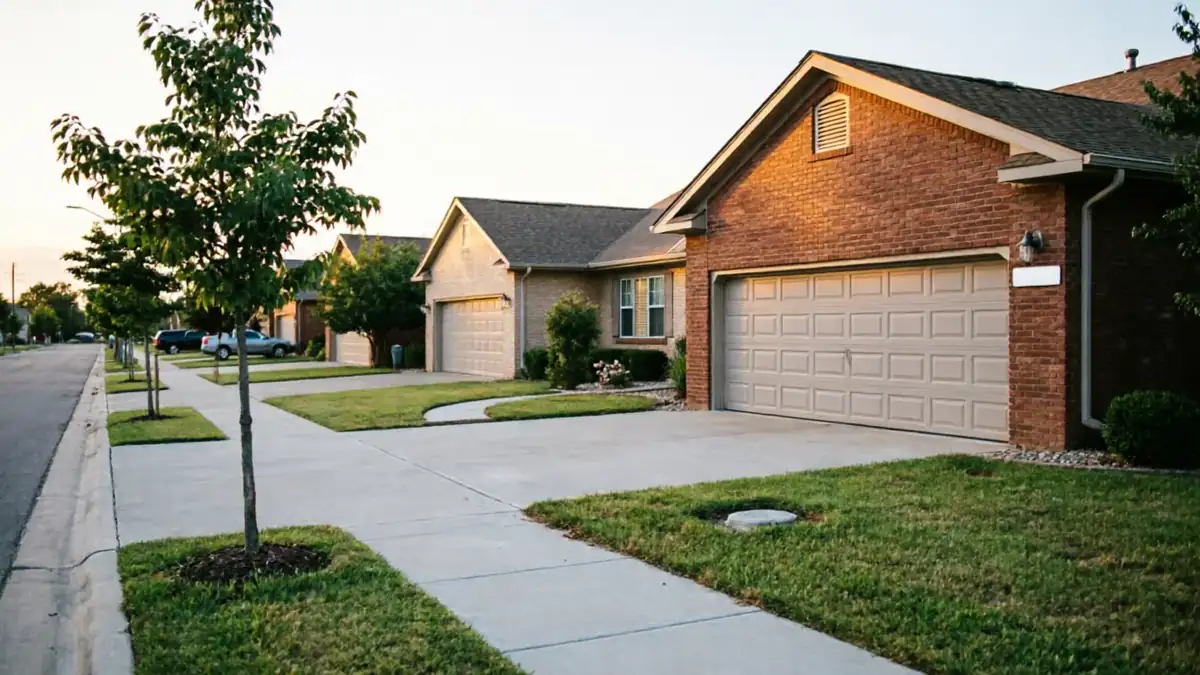
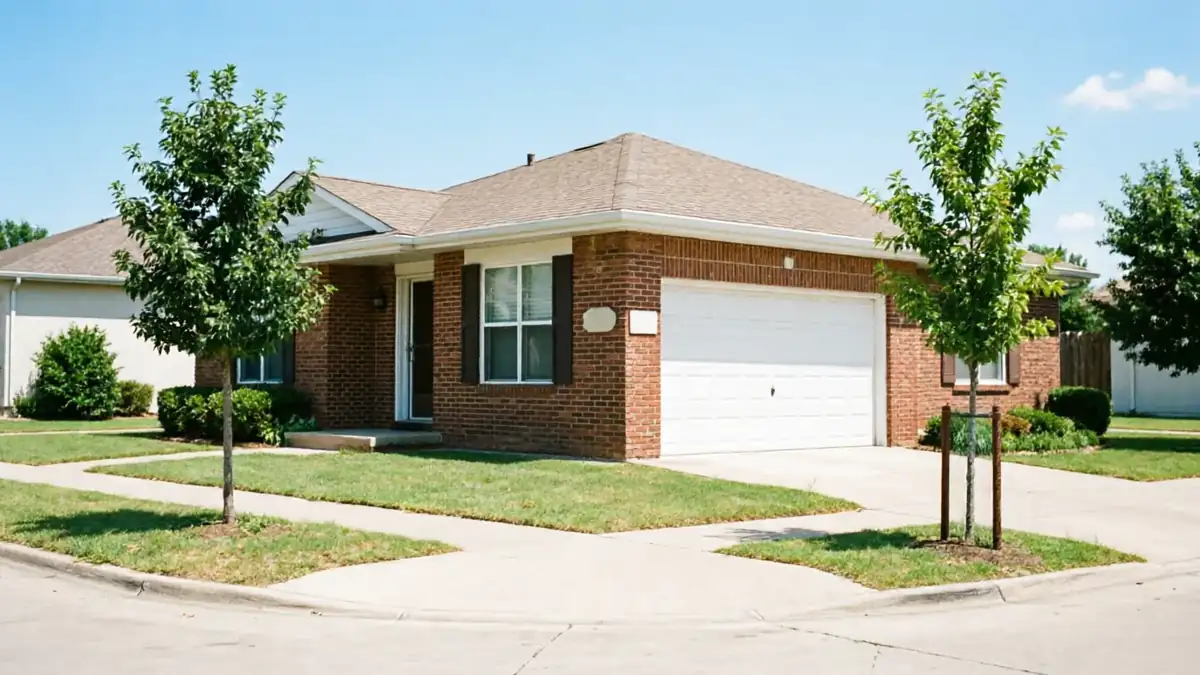
With roughly 3,537 households and a median income of $115,729, Woodway sits apart from the service area's broader numbers - 22,710 households and a $76,833 median across the full territory covered from Waco. That income gap tends to show up in how doors get treated here: more owners replace a tired opener before it fails outright, and more jobs start as a planned upgrade rather than an emergency call. The town sits about 5 miles from Waco, close enough that a truck isn't crossing a lot of ground to get here, but the housing itself reads differently than the newer subdivisions further out toward Robinson or Hewitt. A 1976 build year puts a lot of Woodway garage structures ahead of the area's broader 1959-1994 span's midpoint, meaning more homes here are closer to that older end of the bracket than the newer one.
The Usual Work Here
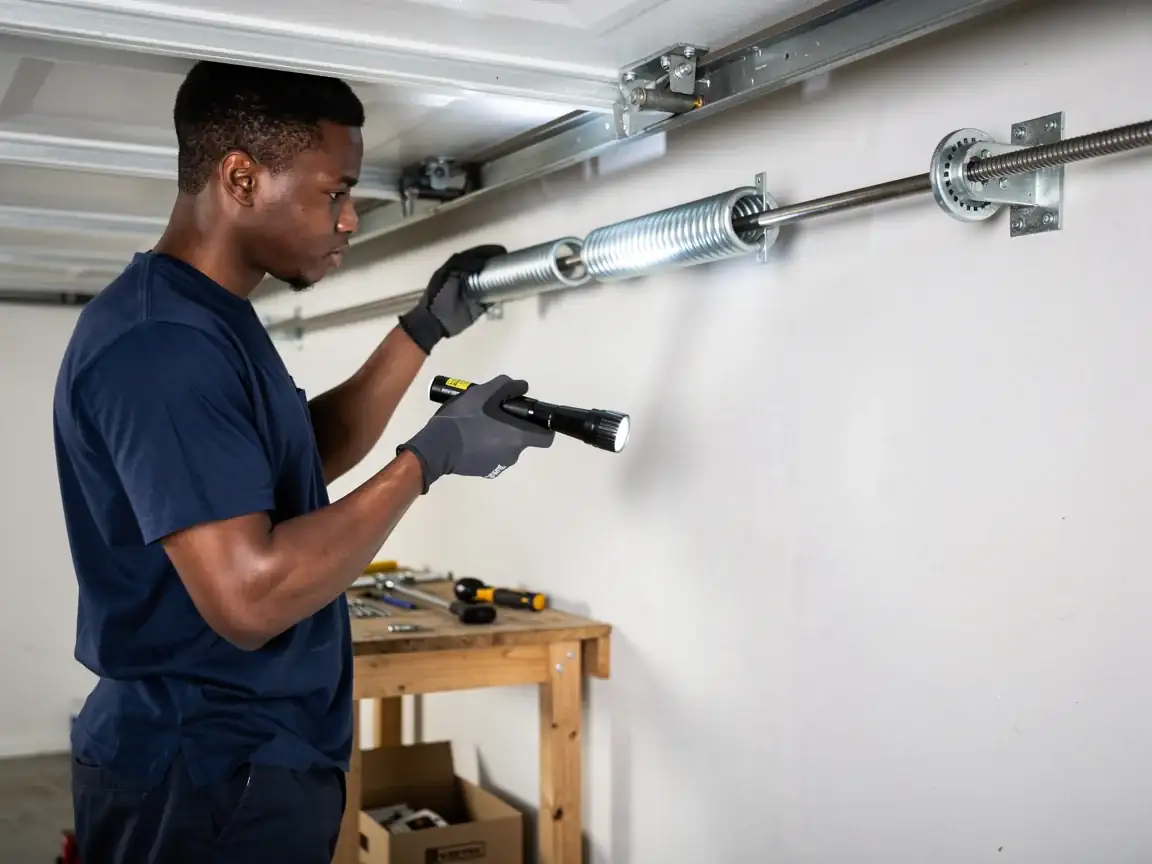
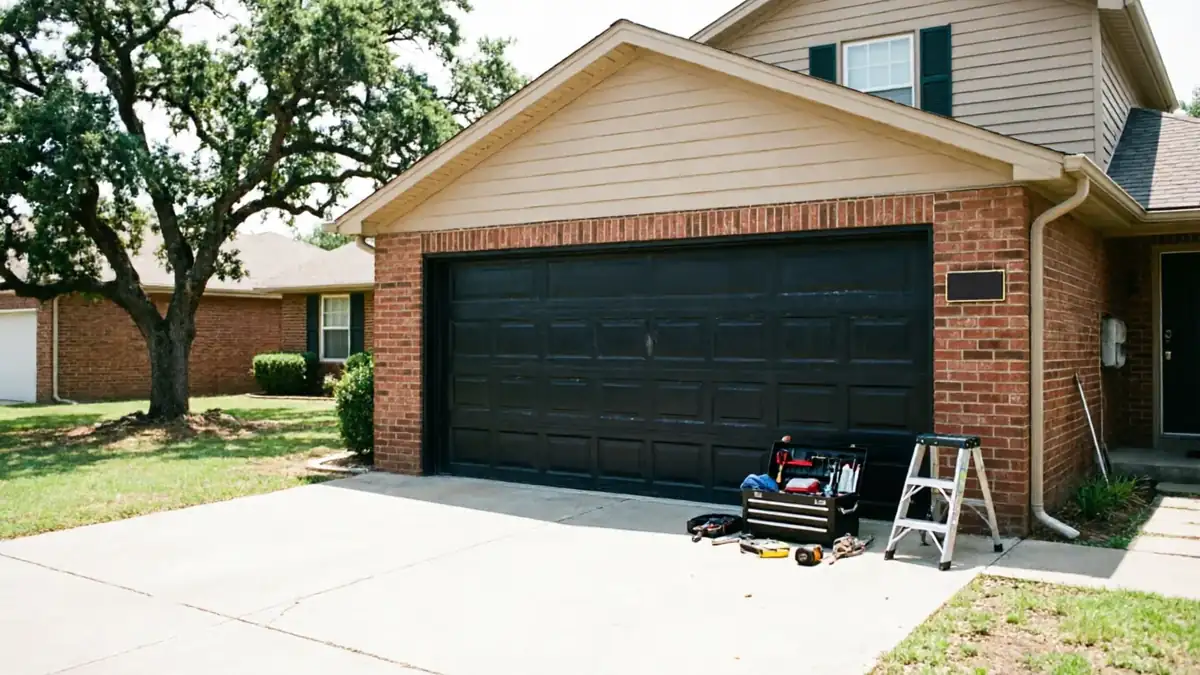
Most jobs in Woodway are spring replacement, roller swaps, and opener upgrades on doors that are structurally fine but running on tired components. We'll tell you straight if a door's track is bent enough that patching it isn't worth the labor versus a full track replacement - that call comes up more on houses with original 1970s hardware than on newer builds. One limitation worth saying plainly: we don't stock every obsolete part for every pre-1980s opener model, and a true legacy part can mean a short wait while we source it. On a panel that's original to a 1976 build, replacement glass or matching trim isn't always something we can match exactly, and we'll say so before we start rather than after.