How to Book
Woodway's median household income runs $115,729, well above the $76,833 median across the wider Waco service area. That gap changes the math on an opener call before we even get to the driveway: at that income level, replacing a tired opener with a quieter belt-drive unit usually pencils out faster than a second or third repair on an old chain-drive box, because the owner isn't stretching a budget to make the old one last one more winter.
We book opener installs out of Waco, a 5-mile run to Woodway. That's a scheduled appointment, not a same-day emergency stop - we don't keep a depot or a truck staged in Woodway, so if your opener dies on a Friday night, plan on a next-business-day window rather than an hour-out response. Tell us the opener brand if you know it, or the rail length if you've measured it, and we'll bring the right travel limits and remote sets instead of guessing on-site.
If you're still deciding between a repair and a full swap, say so when you call. That's a five-minute conversation, not a diagnostic fee, and it saves a wasted trip either way.
Stocked Parts
Woodway's roughly 3,537 households sit mostly on one build era - the mid-1970s - which means the openers already on these doors skew toward older logic boards, shorter standard rail lengths, and travel limit setups that newer models don't replicate out of the box. We stock belt-drive and chain-drive units that bridge that gap: adapter brackets for older rail-to-header spacing, and circuit boards rated for sustained Central Texas heat rather than the cheaper boards built for milder climates.
We don't stock every proprietary remote or every manufacturer's smart-hub module. If your old opener runs a discontinued remote code, we'll tell you that up front instead of promising a match we can't deliver - sometimes the honest answer is a universal replacement remote, sometimes it's a full new opener head. That's the one place where parts lead time can push an install out a few days instead of being same-visit.
What the Repair Takes
A straight opener swap on a Woodway garage
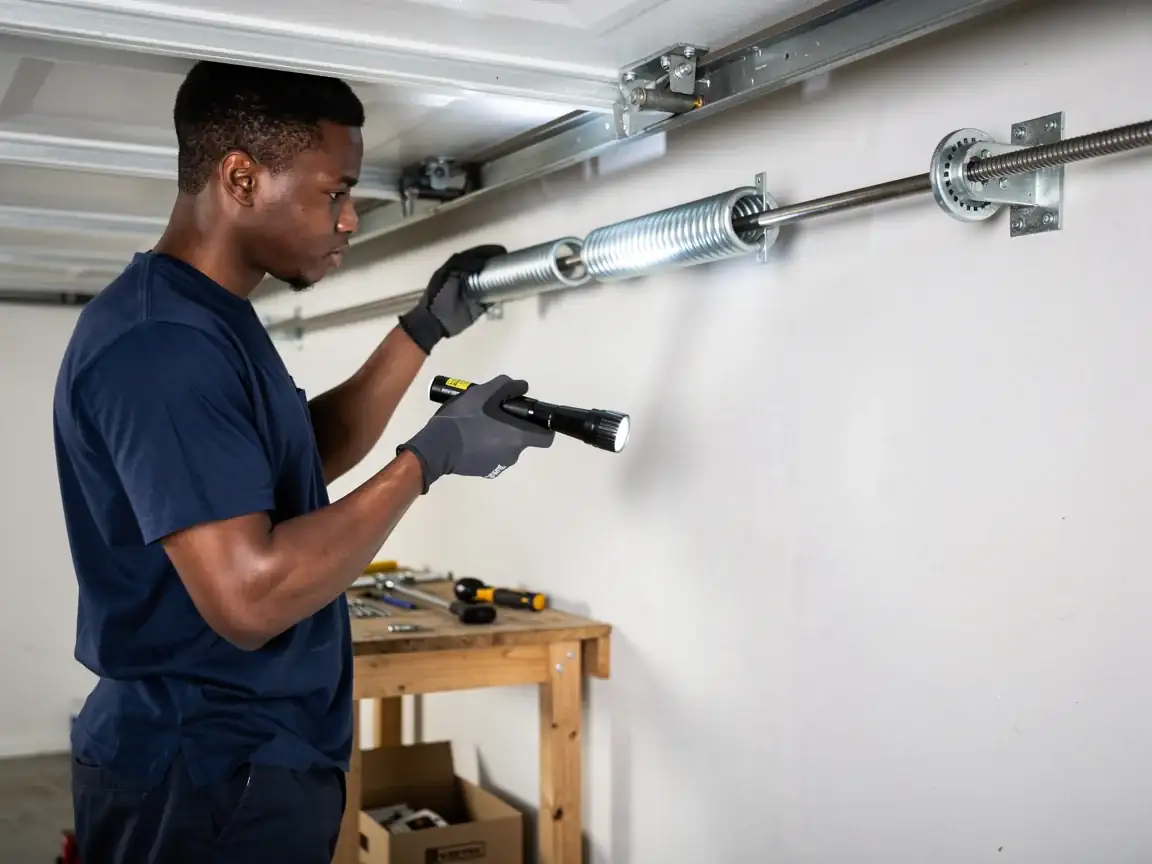
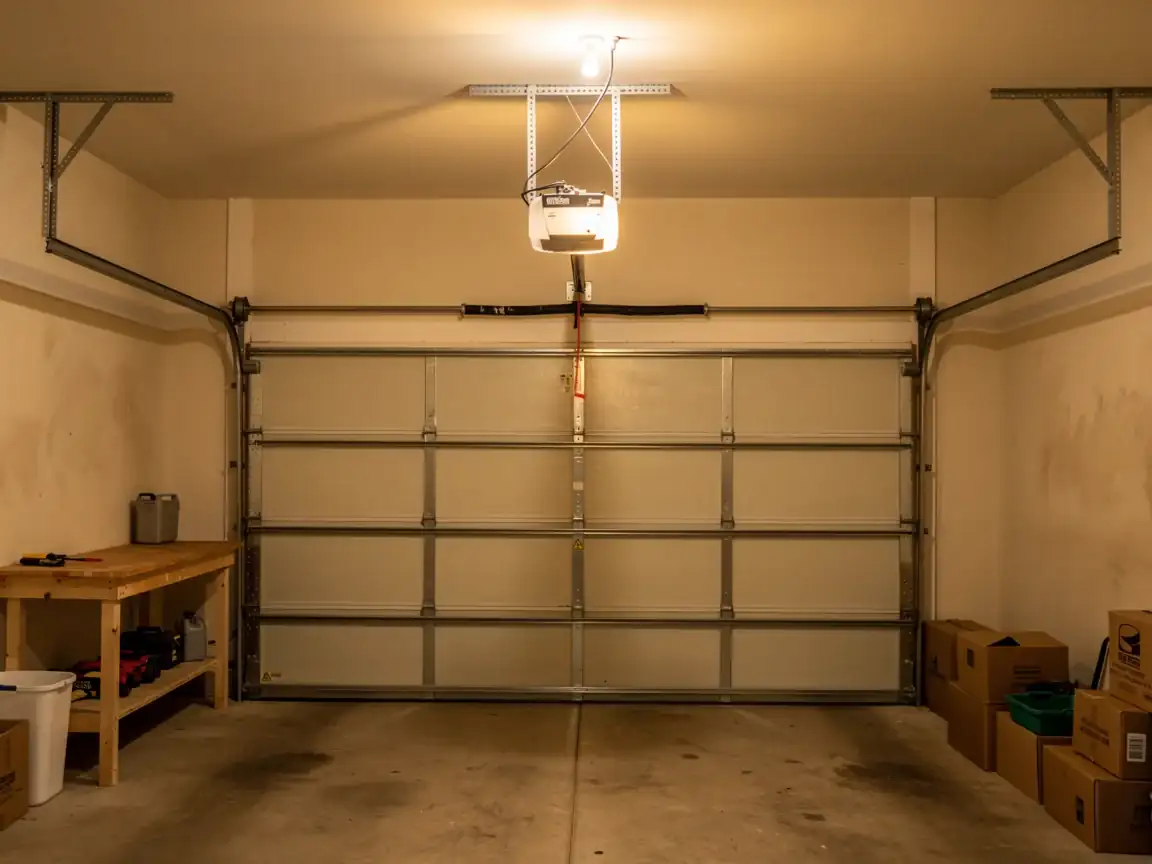
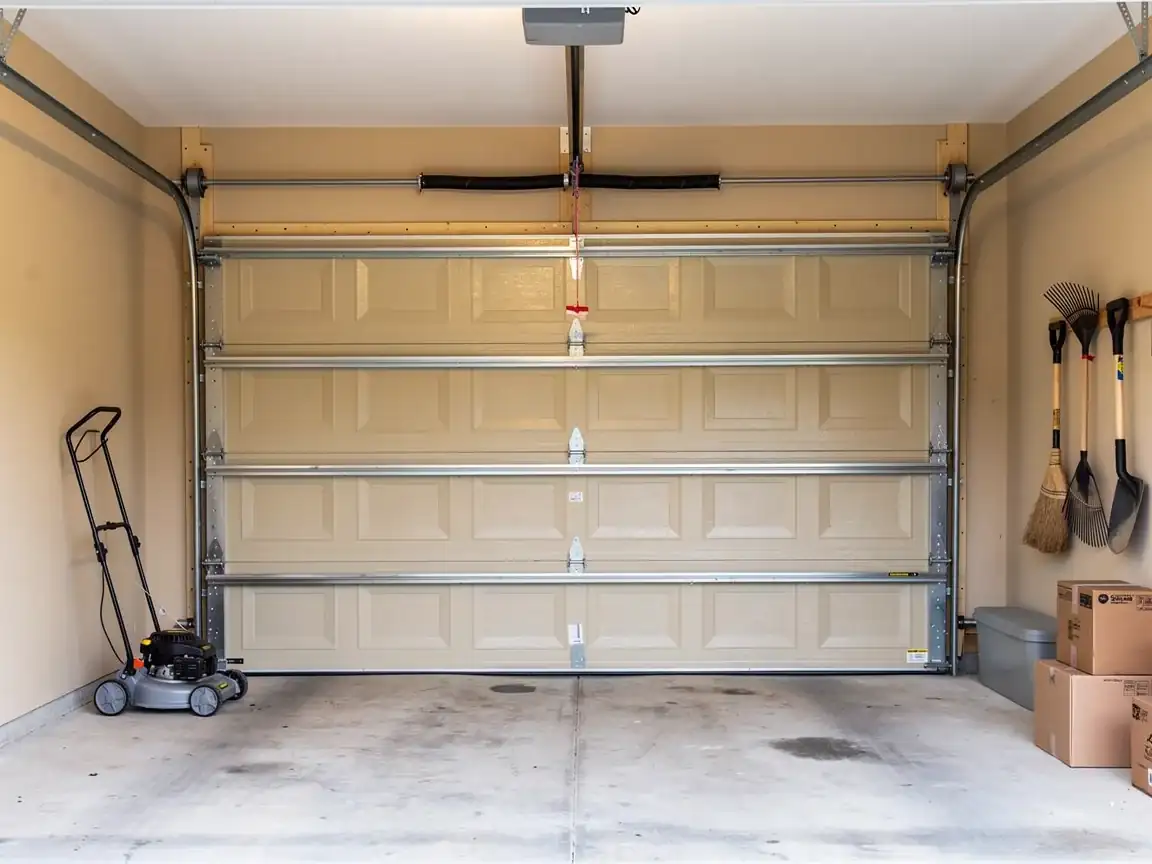
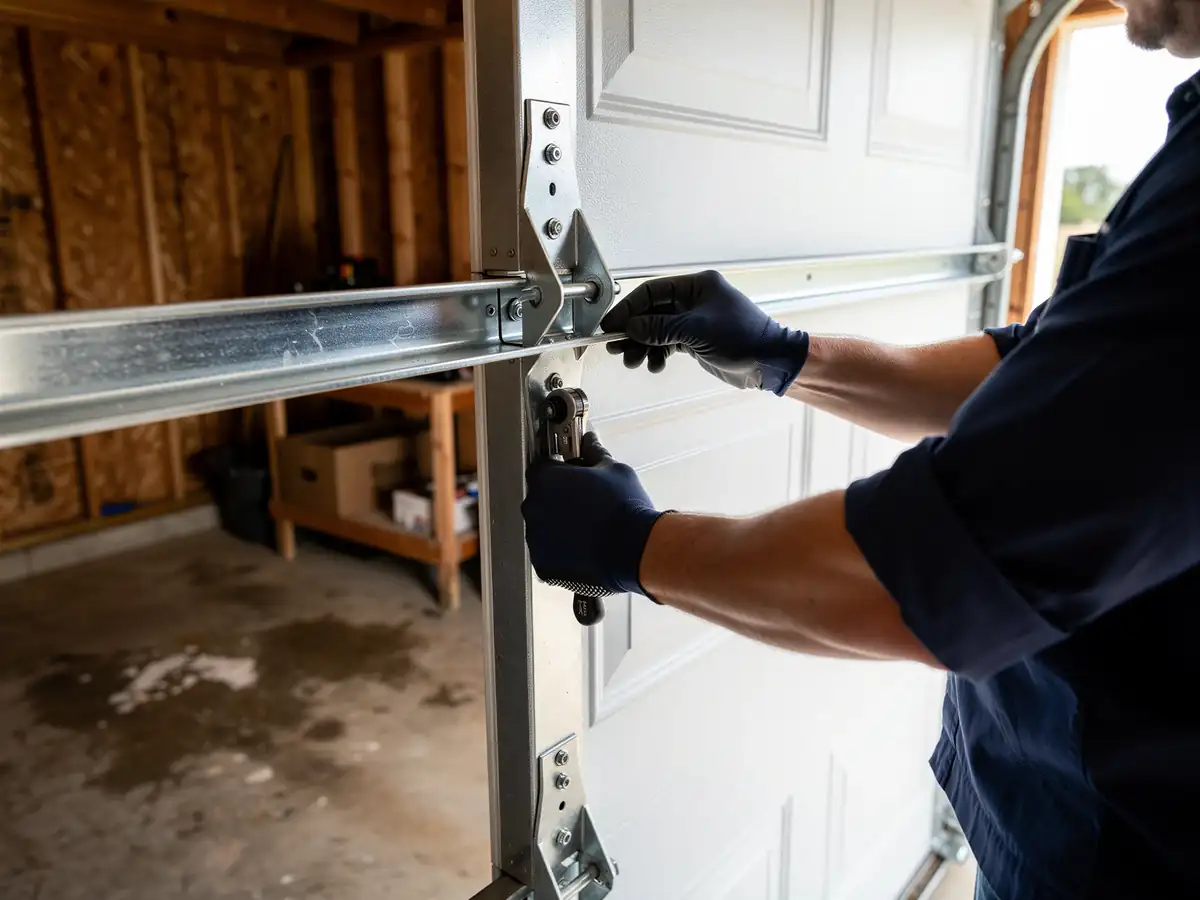
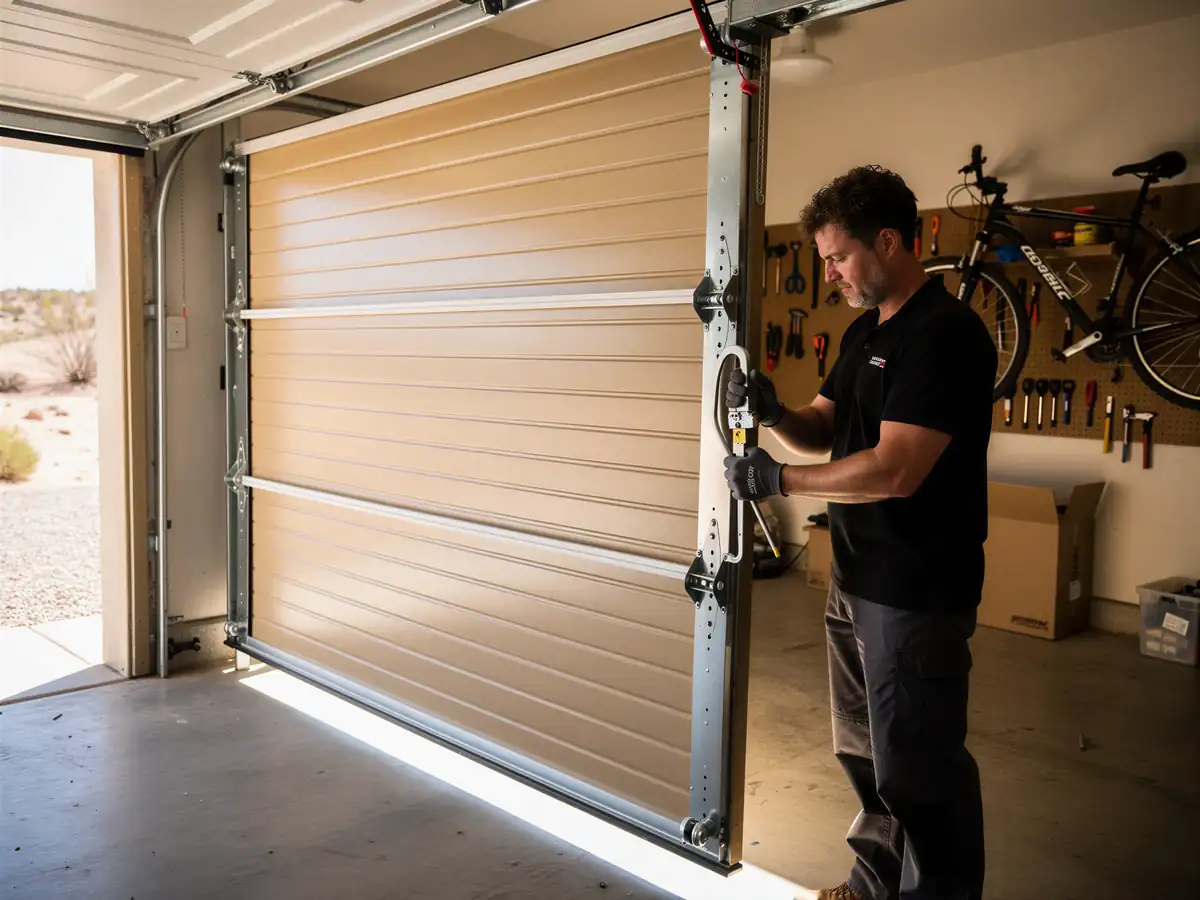
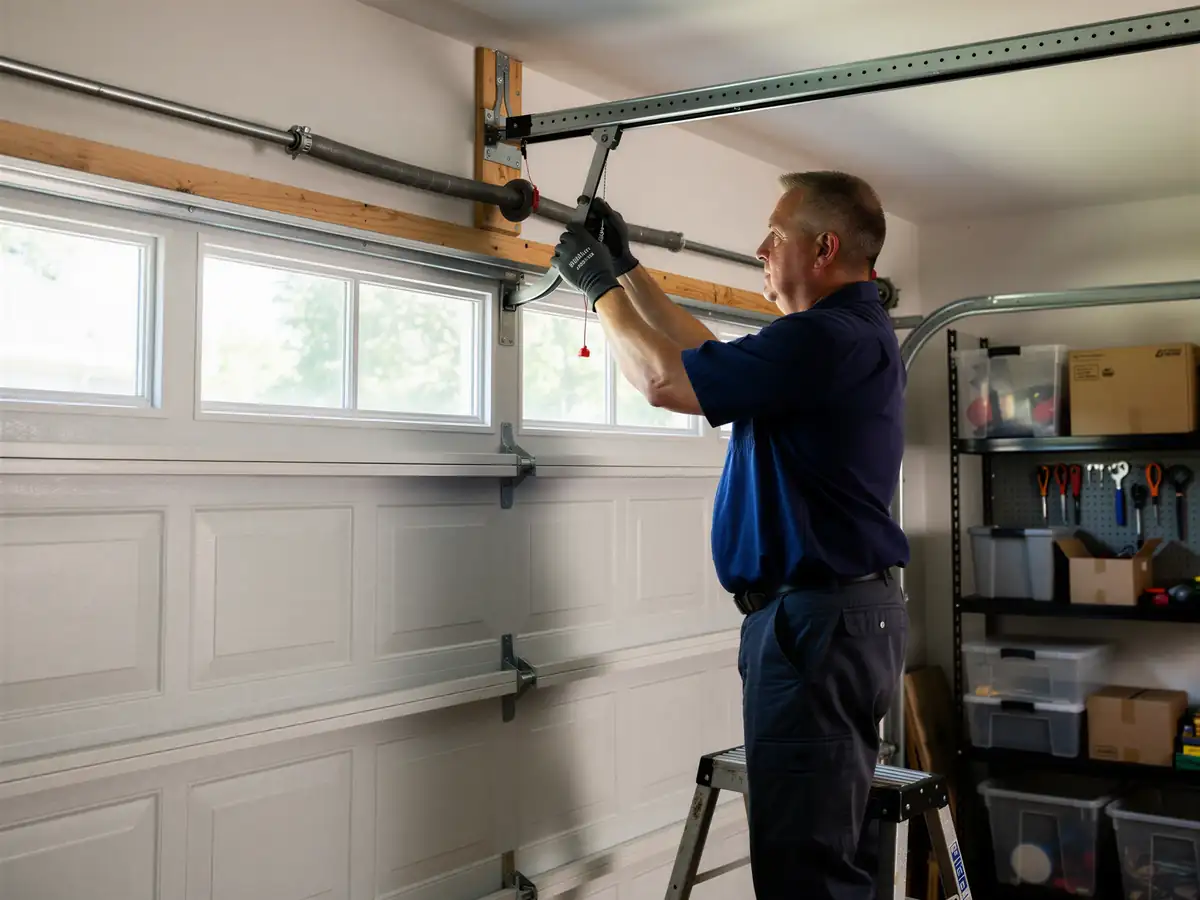
Same rail length, same header clearance - is a half-day job: old unit down, new motor head mounted, rail reattached, travel limits and force settings dialed in, safety sensors realigned and tested. Where it runs longer is the 1970s-era headers that were never built for a modern opener's mounting bracket spacing; those need a bracket adapter or a short reinforcement board before the new unit goes up, which adds time but not a return trip.
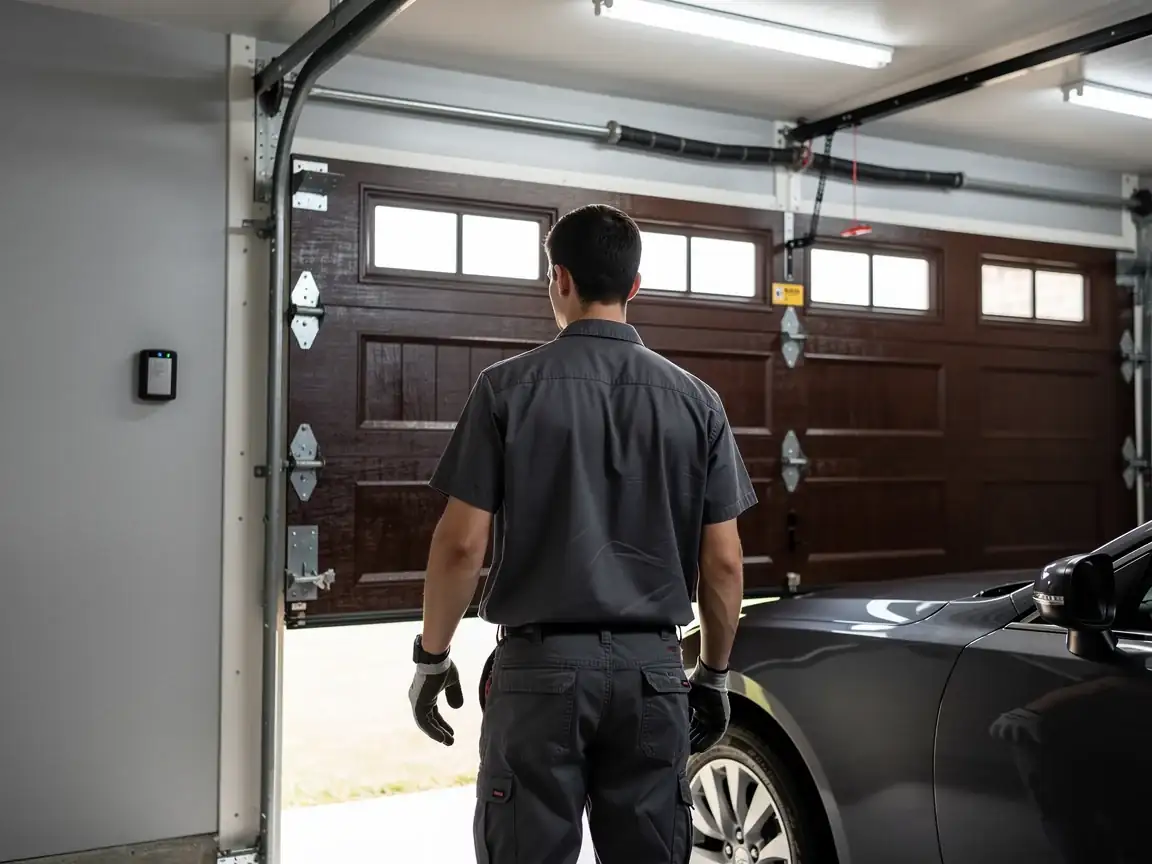
We test the auto-reverse safety sensors on every install
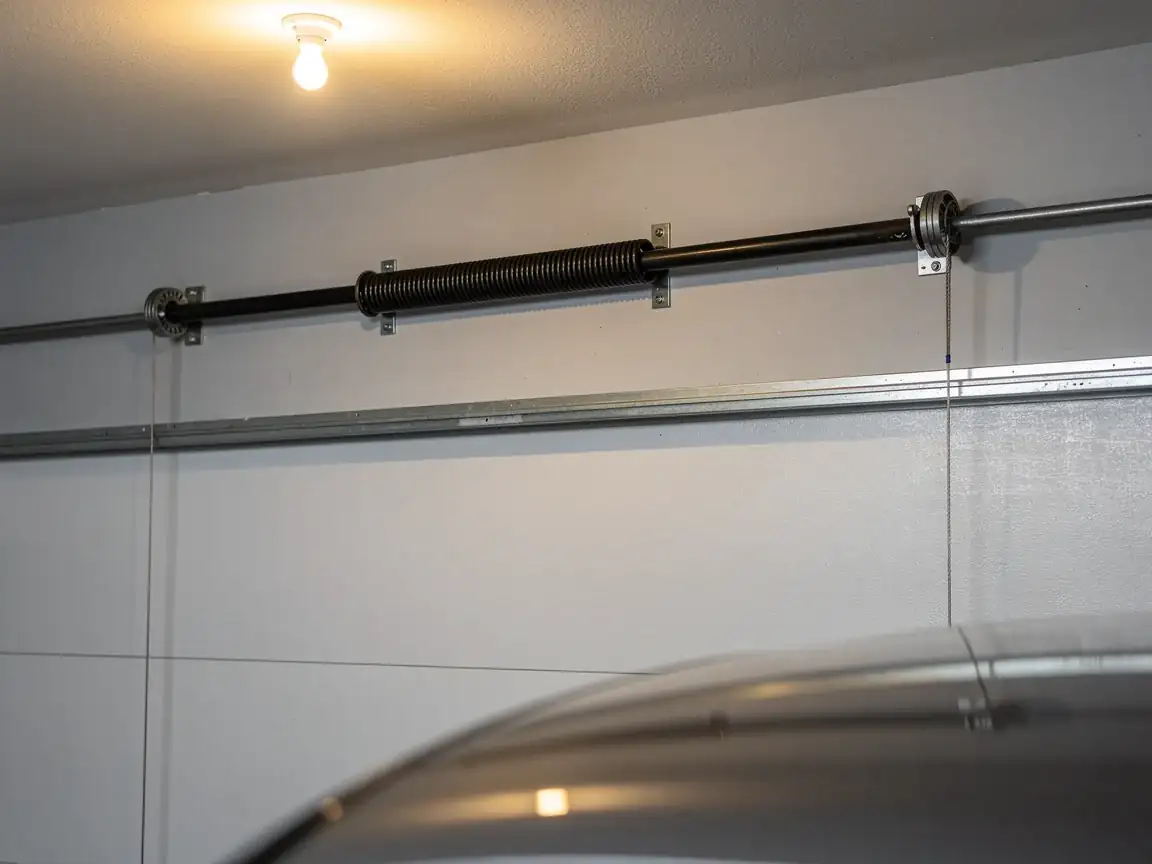
Not just the remote and the wall button. On an older door, the sensors are sometimes the reason the whole opener got replaced in the first place - a door that won't close reliably is as much a safety call as a convenience one. We won't install a new opener on a track or a spring system that's failing; if the opener is fine but the spring is the real problem, we'll say that instead of selling a motor that won't fix it.
How It Shows Up
On a house built around 1976, the opener failure that shows up most isn't a dead motor - it's a stripped gear or a worn drive chain that's been limping along for a year, making the door reverse partway or refuse to fully close. Homeowners usually notice it as a grinding sound or a door that stops six inches from the floor, not a sudden dead stop.
Given the income level typical here, most Woodway owners we talk to are choosing between one more patch repair and a full belt-drive replacement rather than stretching to make a twenty-year-old unit last another season. That's a reasonable call either way - we'll tell you honestly which one your specific opener supports before you spend money on either.