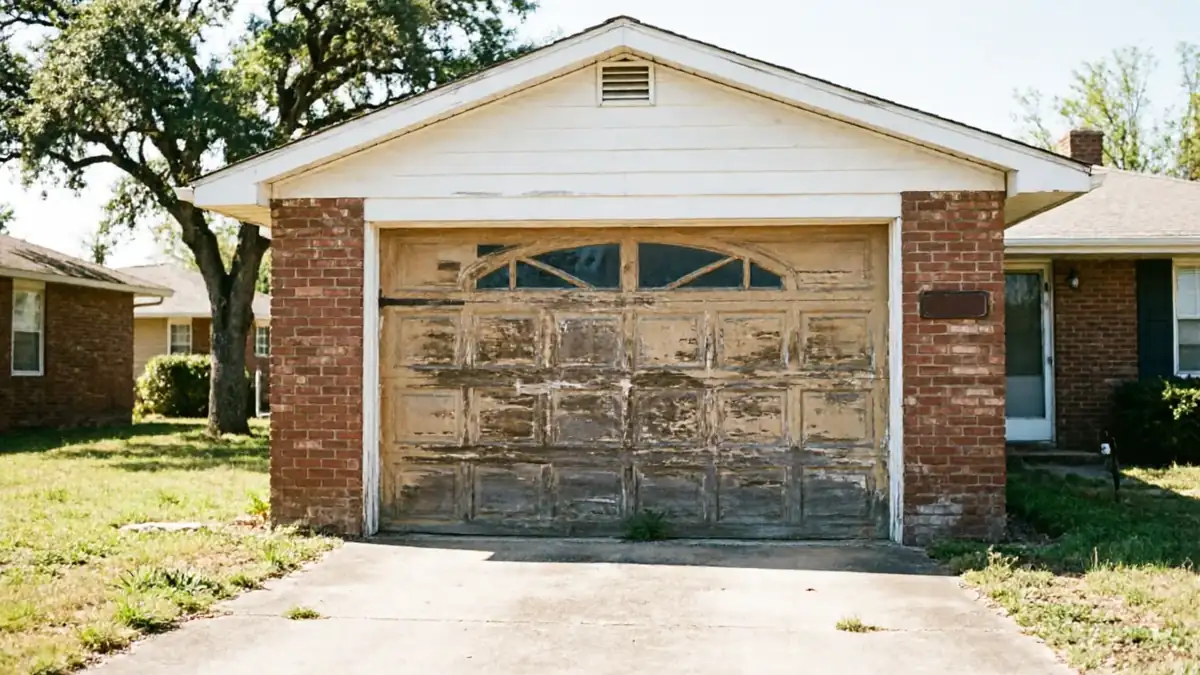
The Situation
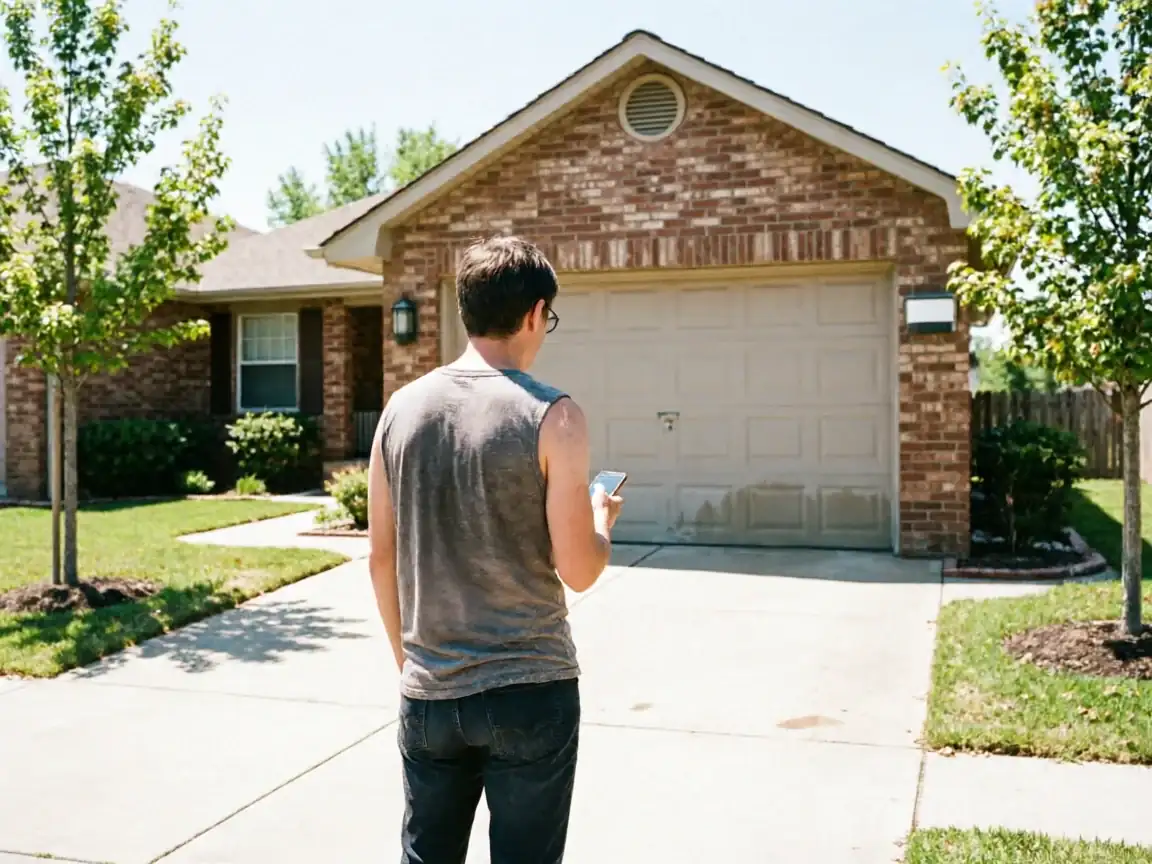
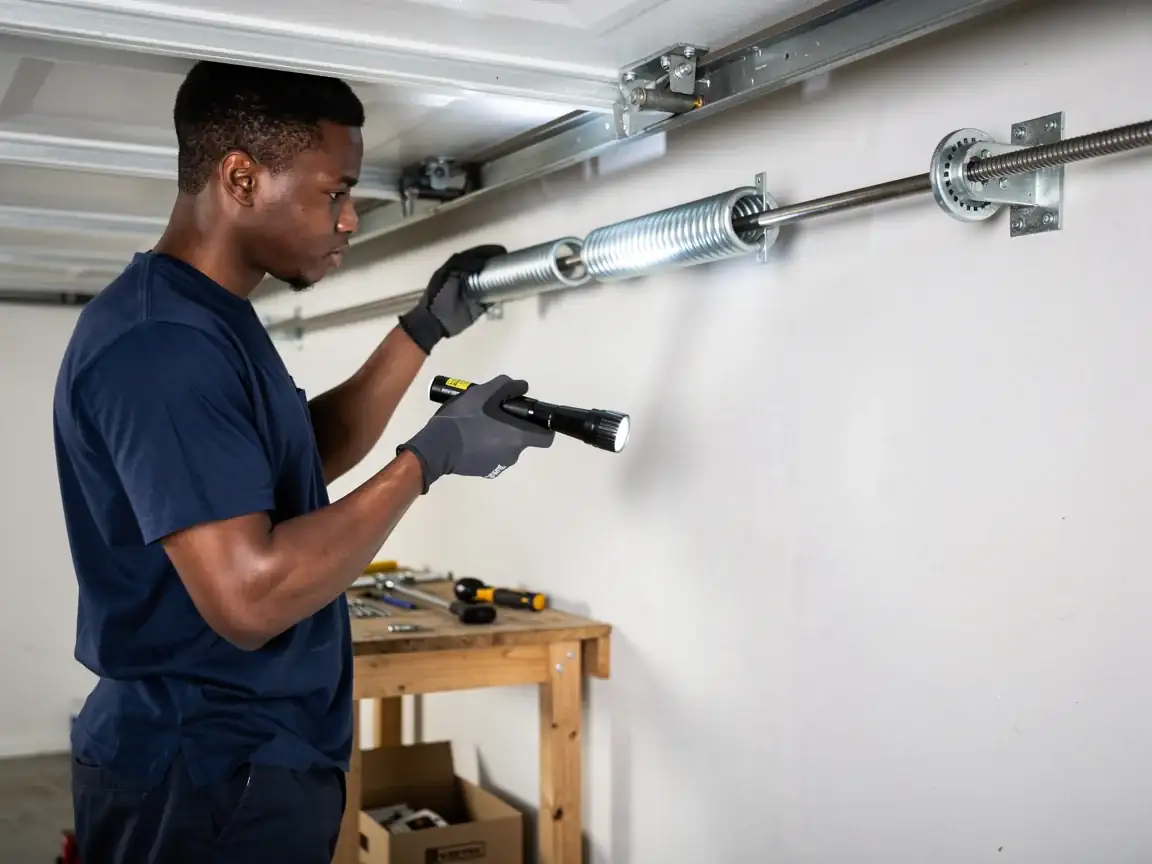
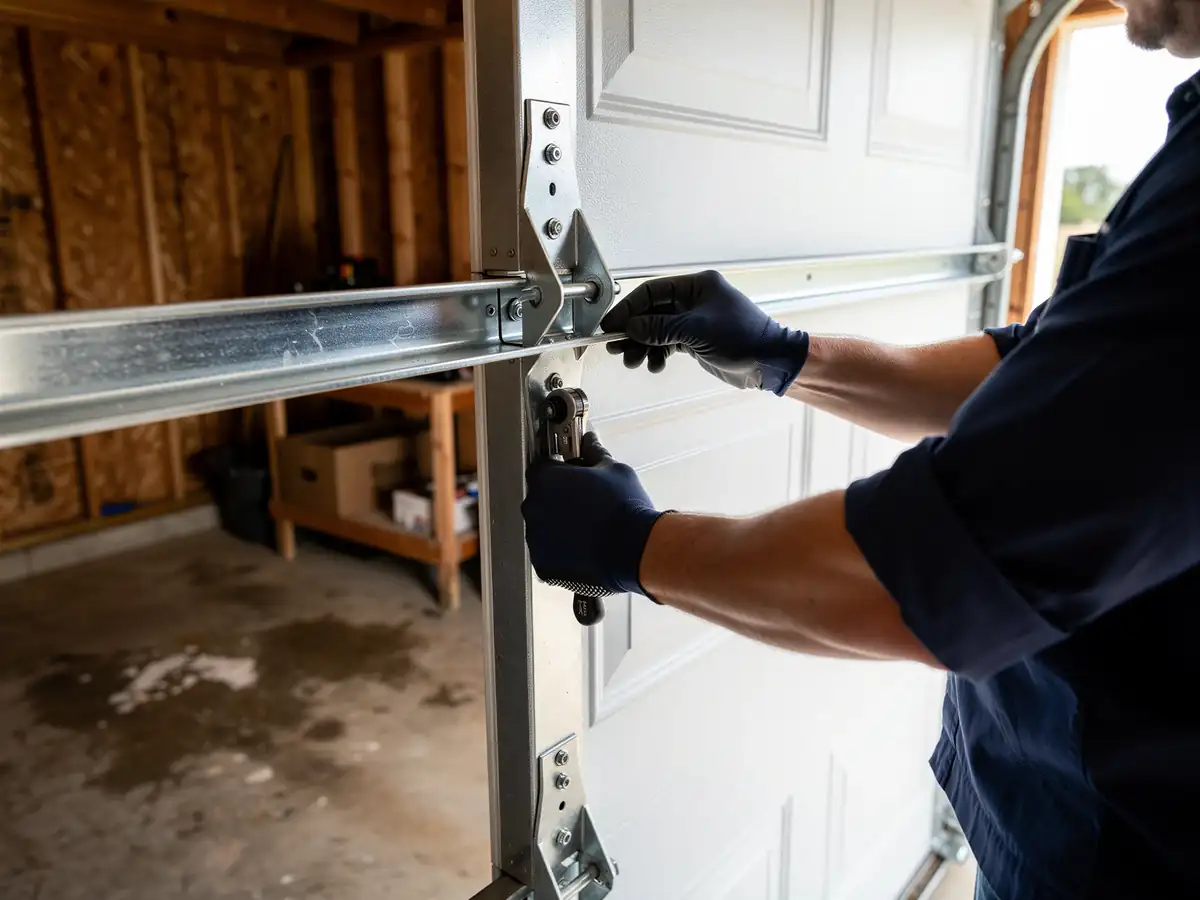
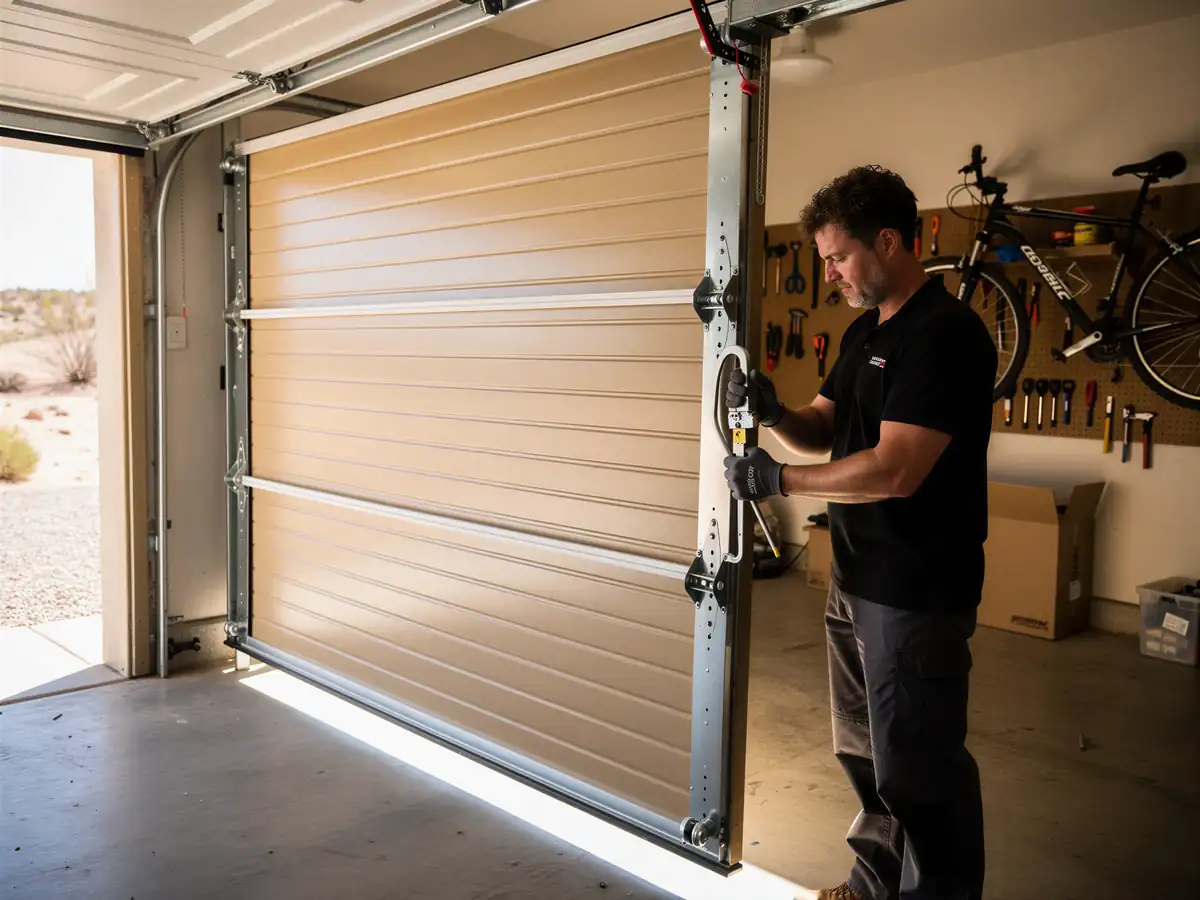
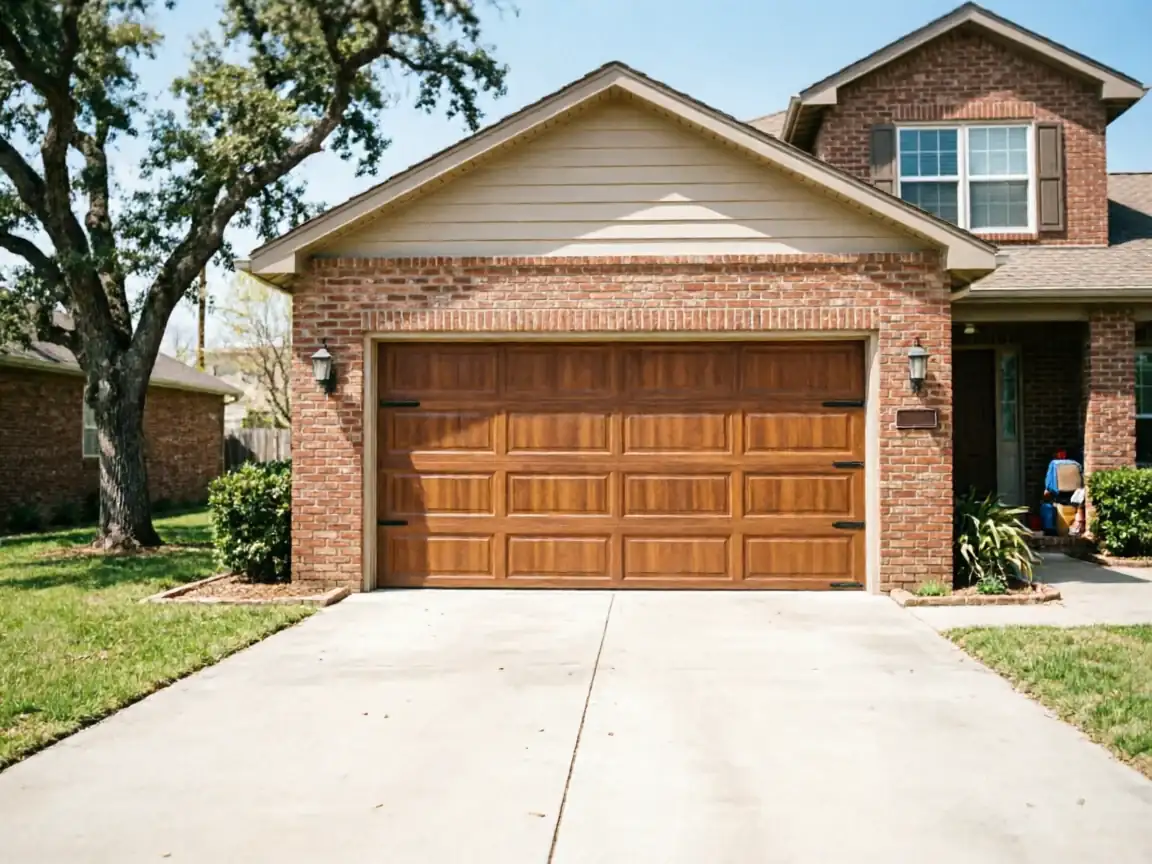
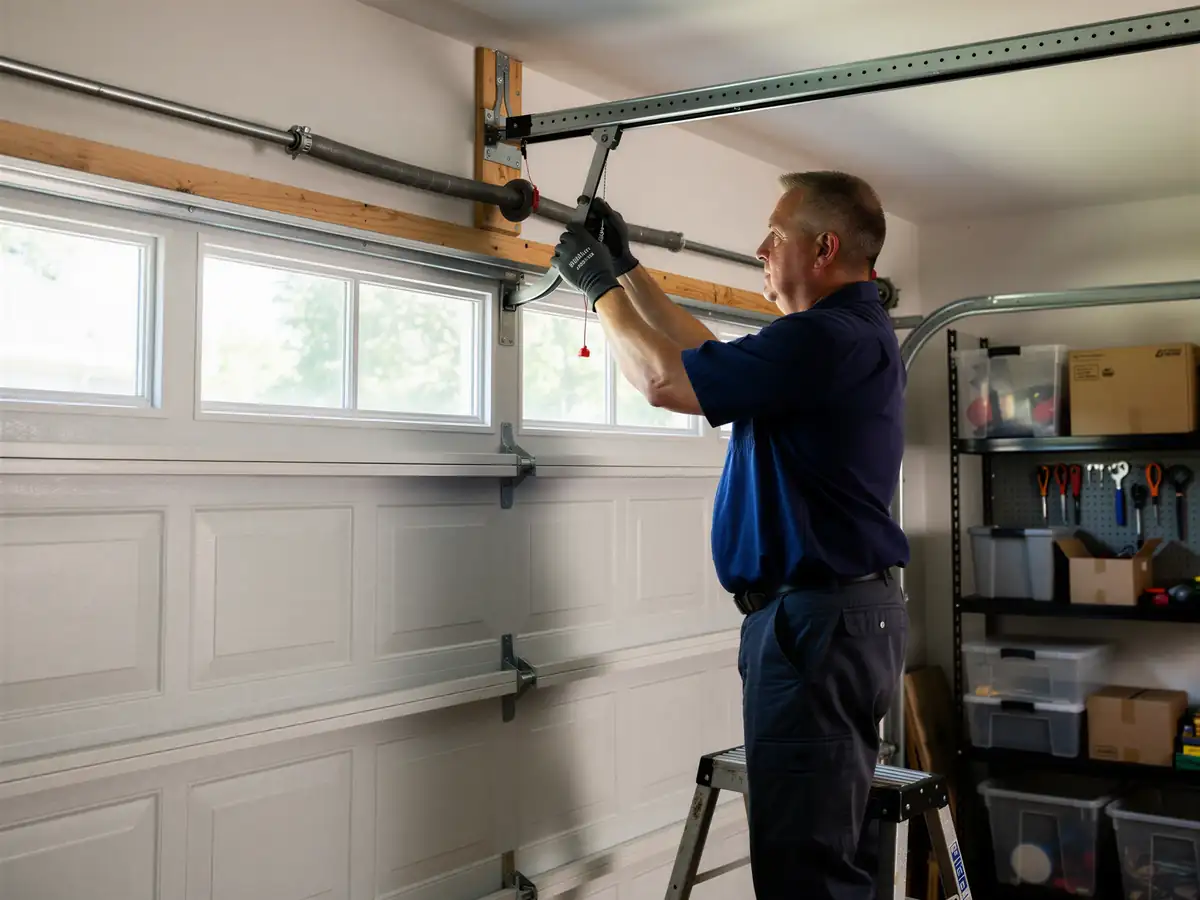
Across the service area we work - and Hwy 84 West - most houses went up between 1959 and 1994, with the typical build year sitting around 1983. That's a long stretch of construction, which means the garage doors on these streets aren't one generation of hardware. Some are original steel sectional doors from the Carter era with the heavy, narrow torsion springs that were standard then. Others came in during a late-80s or early-90s remodel when galvanized track and lighter springs took over. Neither one is wrong, but neither one is interchangeable with what's on the shelf at a parts counter today either. When a homeowner calls about a door that 'just stopped working,' the first question we ask isn't the brand - it's roughly when the house was built, because that tells us what we're probably going to find behind the panel before we even get there. A door that's original to a 1983-built house has had four decades of cycles on springs that were never rated for that long.
How Local Conditions Play In
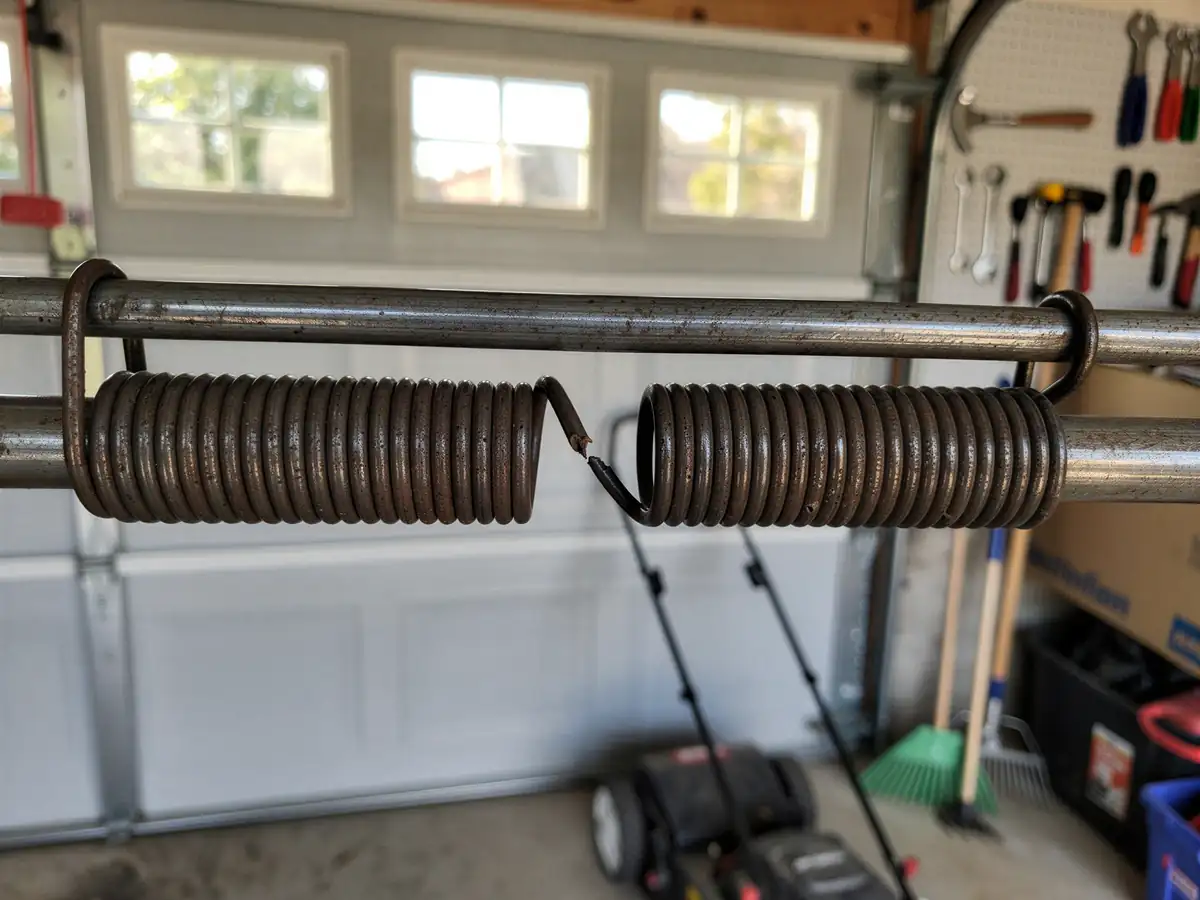
Waco sits in a moderate-heat climate band, not a freeze-thaw one. That changes what actually wears out. In colder regions, steel panels crack along seams when water gets into a dent and freezes. That's not the failure pattern here. What we see instead is heat fatigue: nylon rollers going brittle and cracking after years of summer heat in an unshaded garage, lubricant on torsion springs breaking down faster than the service interval on the sticker suggests, and opener circuit boards failing from years of attic-level heat soak above the garage ceiling. Steel itself holds up fine in this climate - it's the rubber, nylon, and electronics that give out first. That's actually good news for repair economics: a steel panel from 1983 is often still straight and solid even when the roller and spring package around it has failed. The honest limitation here is that we can't always match an original panel's exact rib profile or color on a door that old - manufacturers changed profiles over the decades, and a 40-year-old panel section usually isn't stocked anywhere anymore.
What You Pay
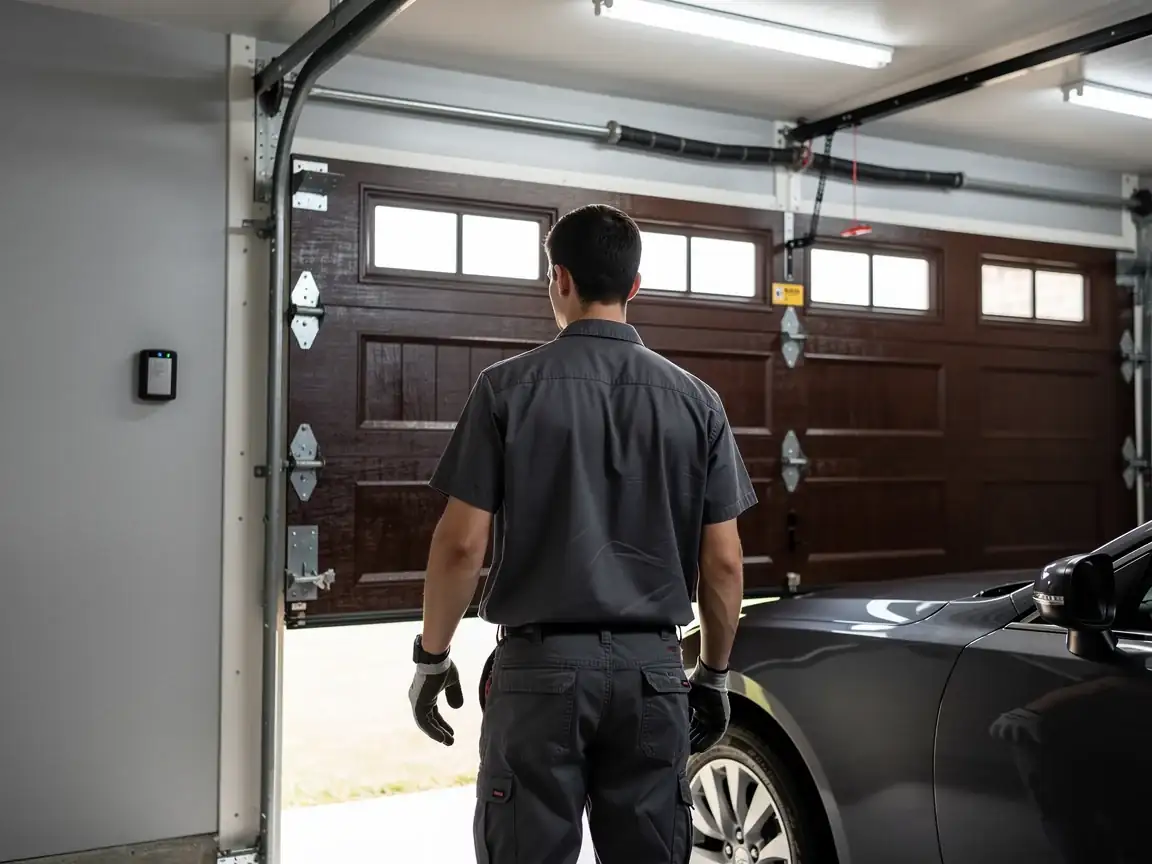
We don't have a flat rate to quote here, because what a repair costs depends on what's actually failed and how old the hardware is - a spring swap on a standard double door is a different job than sourcing a replacement section for a door built before universal panel sizing existed. What we can say is how the math tends to work in this area. With 14,225 owner-occupied houses across a service area of 22,710 households, a lot of those garages are holding doors original to a build year around 1983. At that age, chasing down an obsolete panel or a discontinued track profile often costs more in labor and custom fabrication than a straightforward replacement door would. At a median household income of $76,833 locally, most owners we talk to want the honest comparison before committing either way - repair cost against remaining life of the rest of the door, not just against the sticker price of a new one. We'll tell you which side of that line your door is on before we start any work, not after.