How It Shows Up
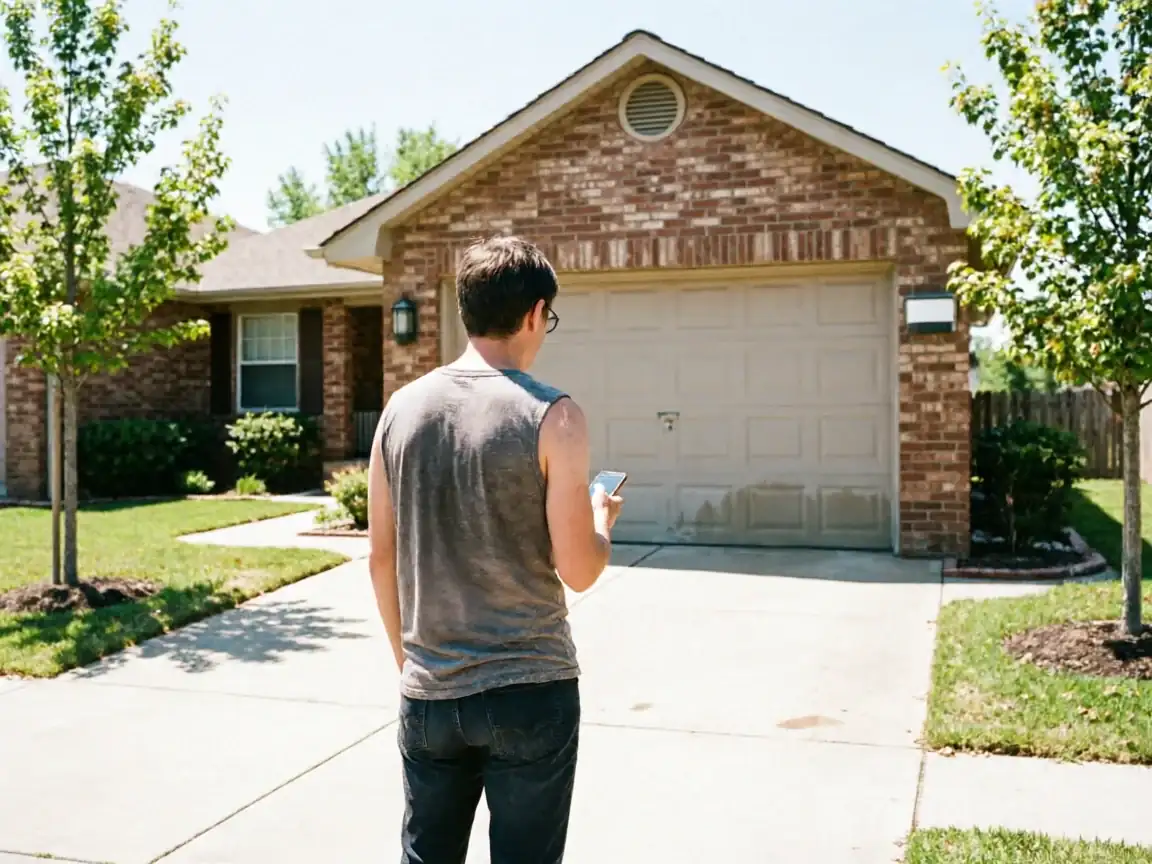
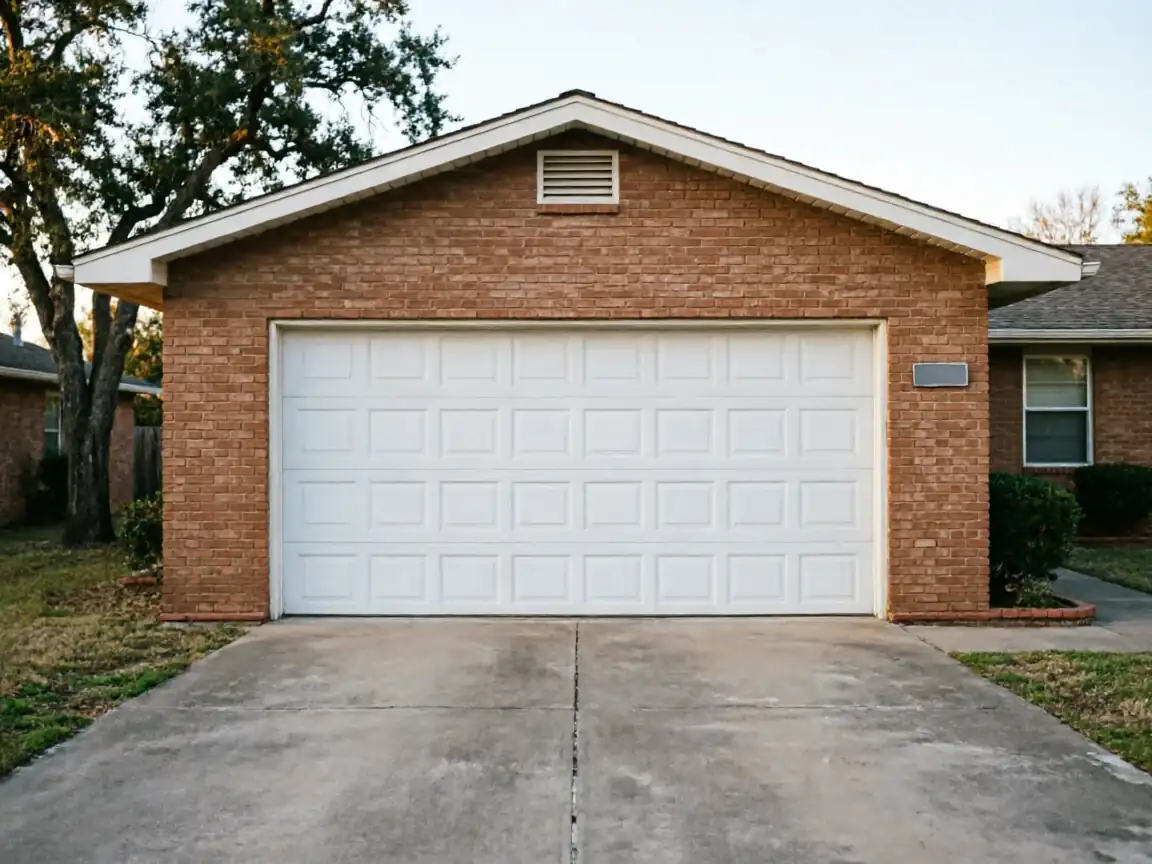
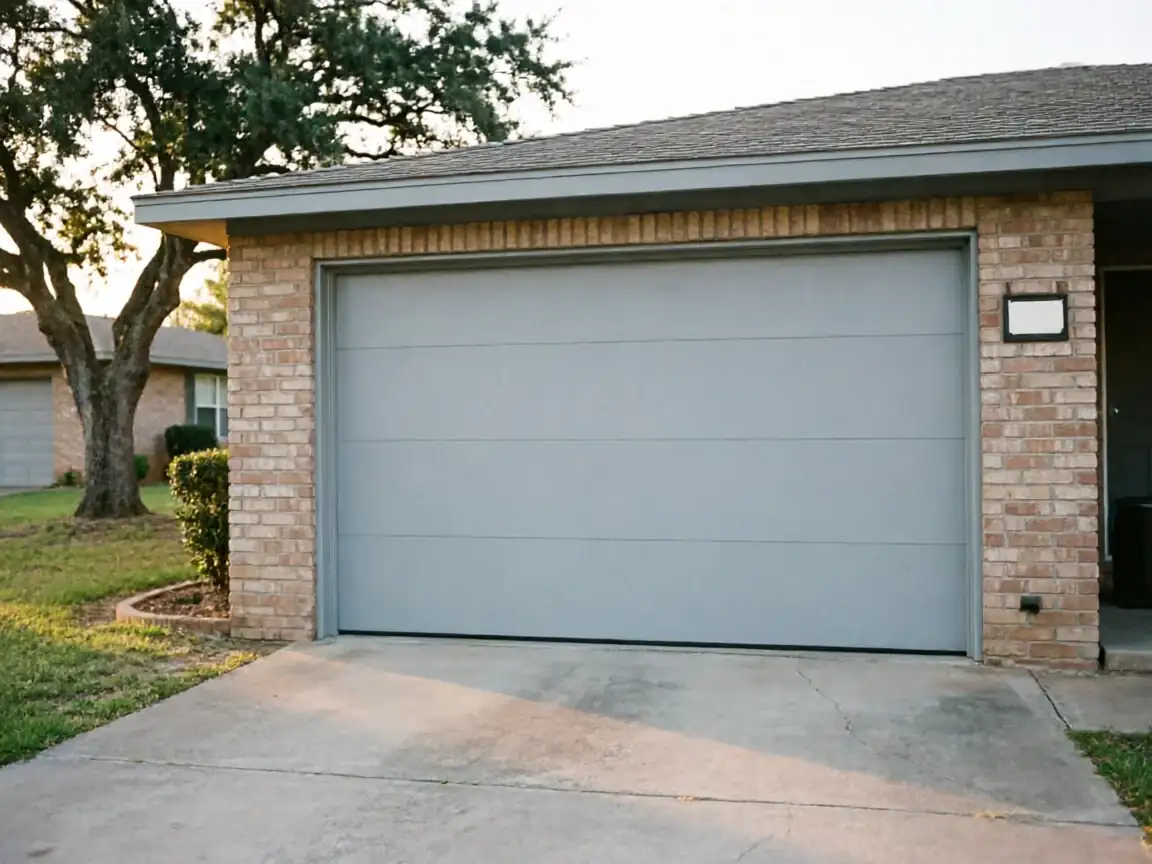
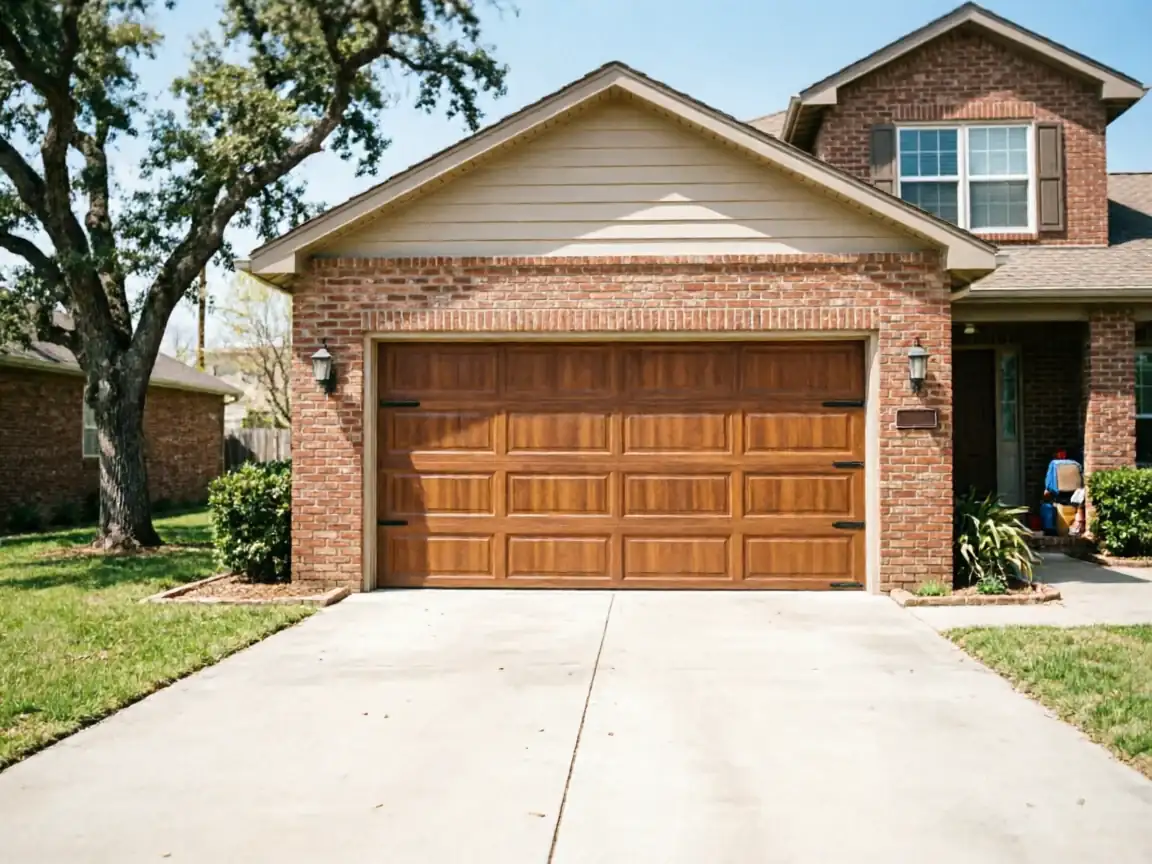
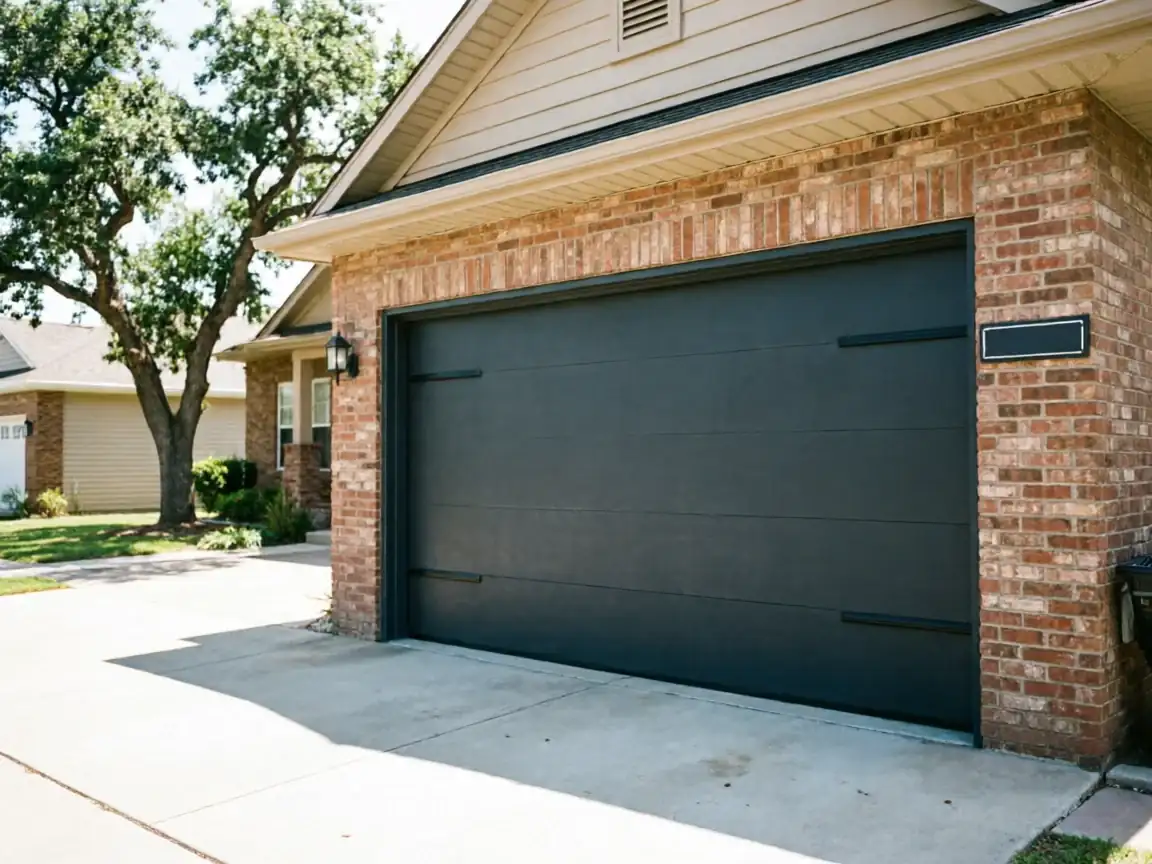
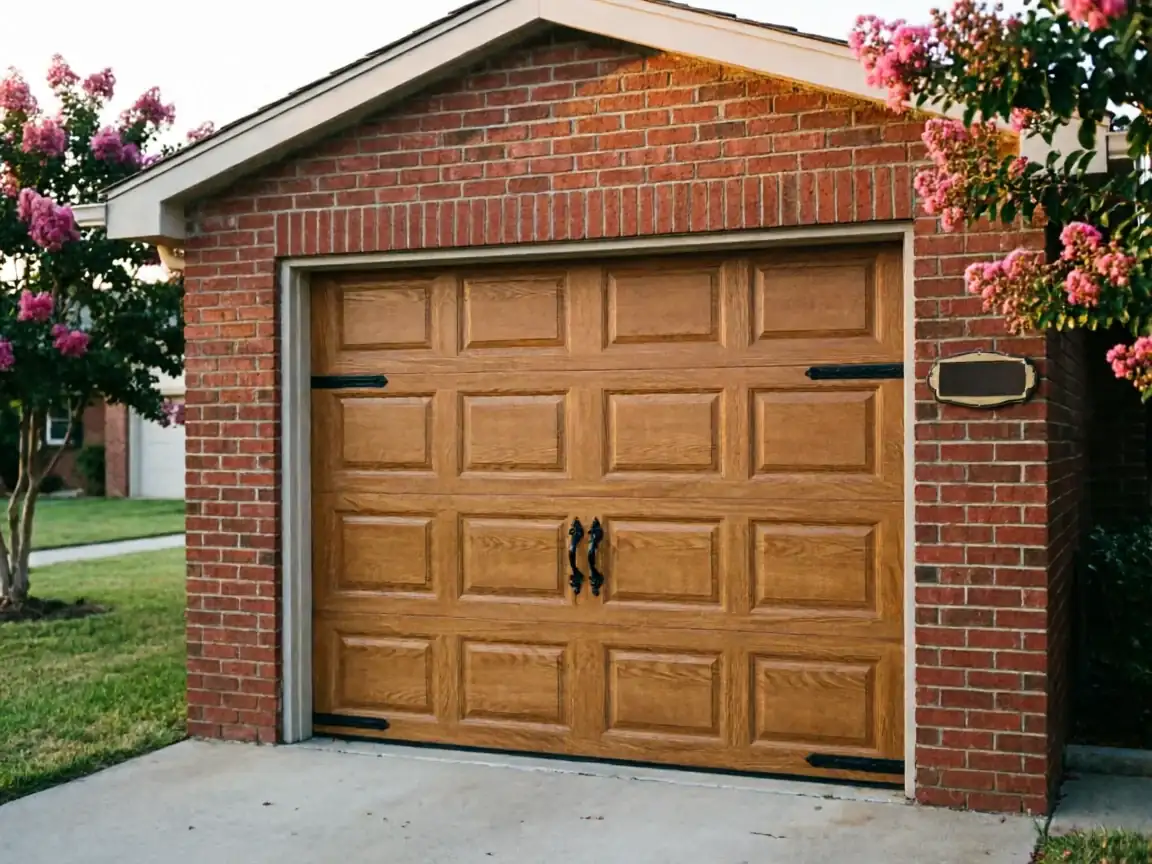
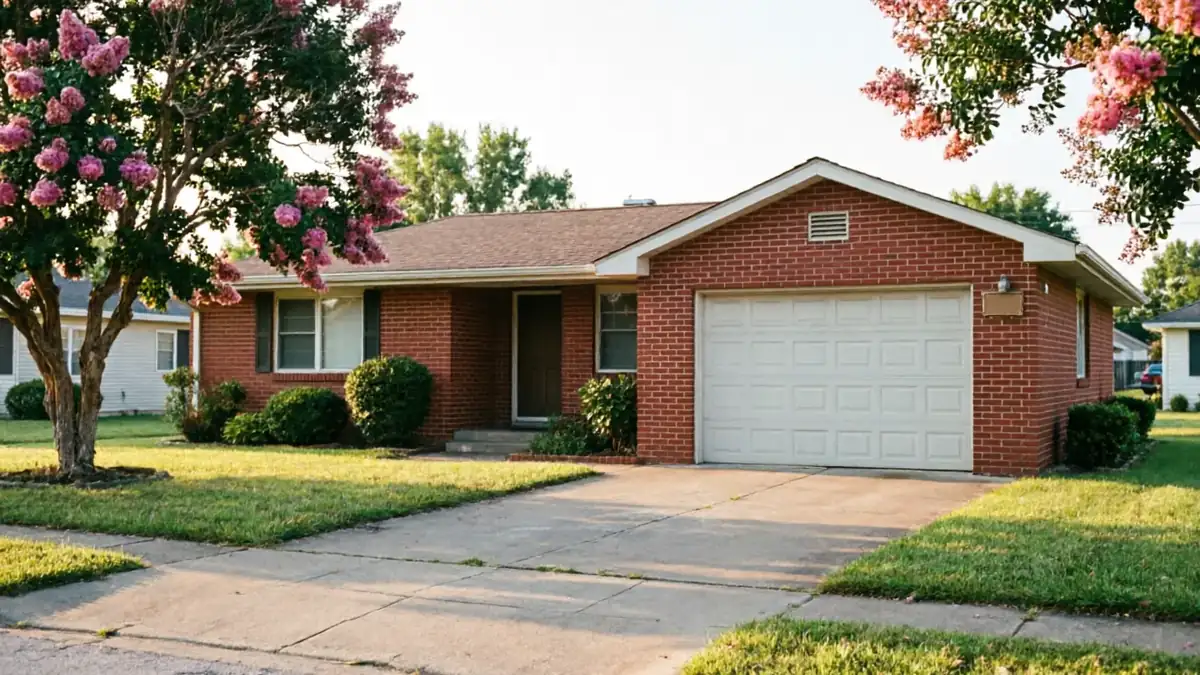
Most of the houses we work on in the Waco service area went up between 1959 and 1994, with the bulk of that stock dating to the 1980s and 90s across the 13 named areas we cover, Hwy 84 West. That generation of garage doors used steel or fiberglass panel sections that were never built to last forty-plus years in a moderate-heat climate band like this one. Years of afternoon sun on a west-facing door bows the steel skin outward, and the foam core behind it starts to separate from the metal, so you get a panel that looks fine from across the driveway but flexes when you push on it.
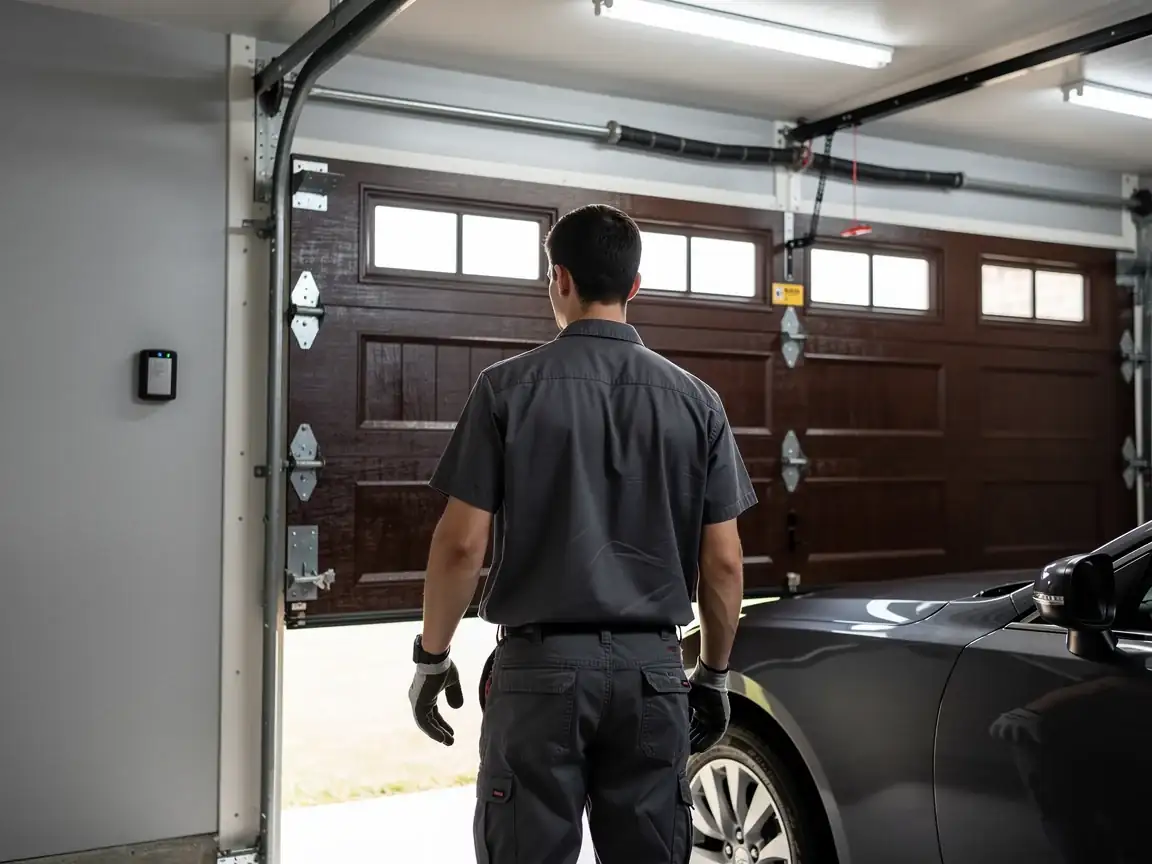
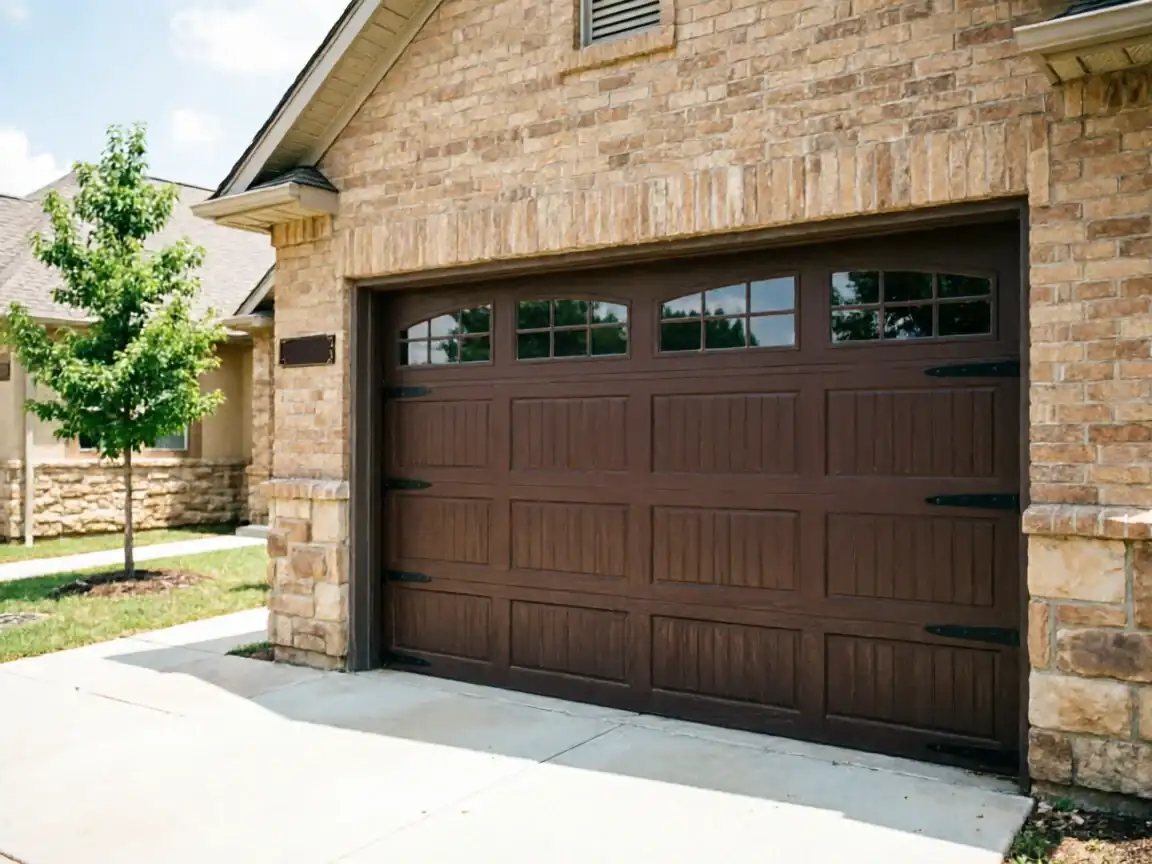
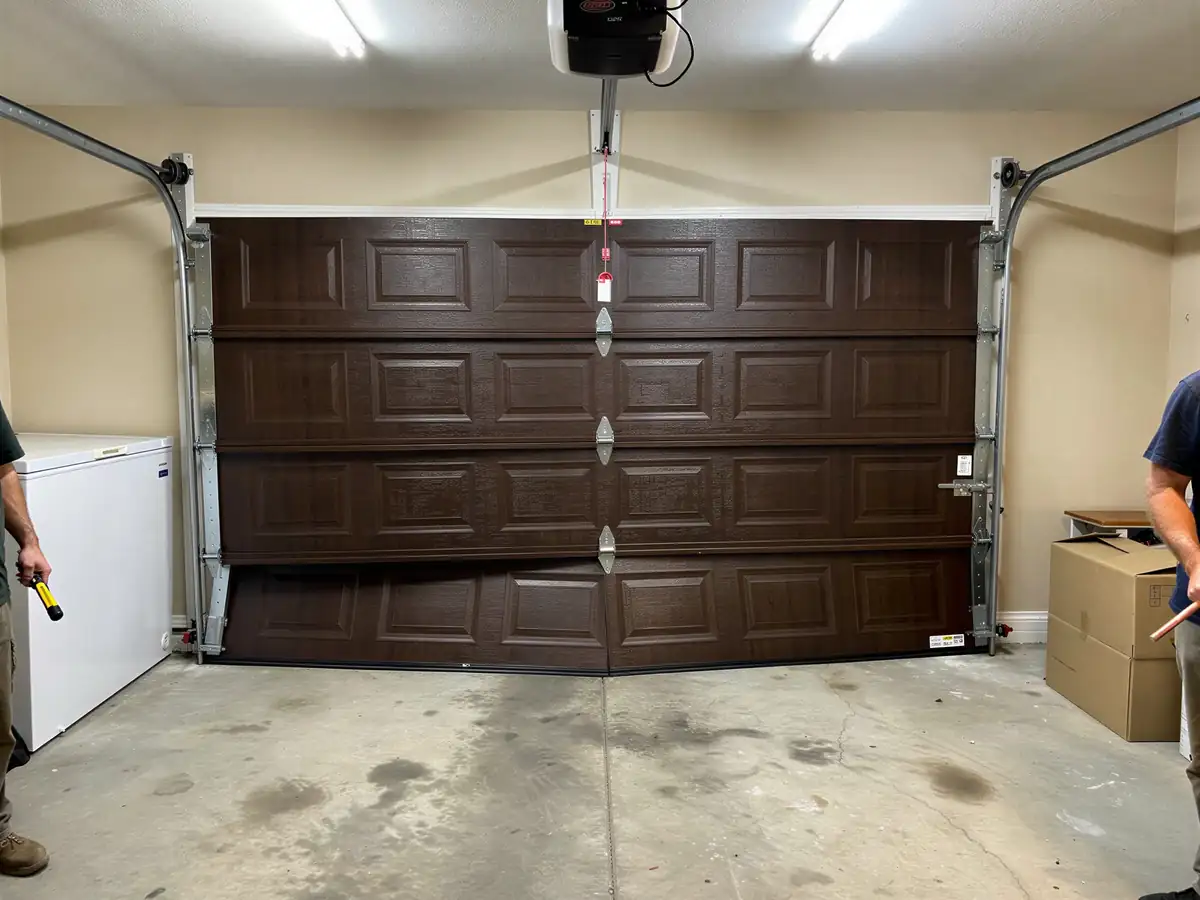
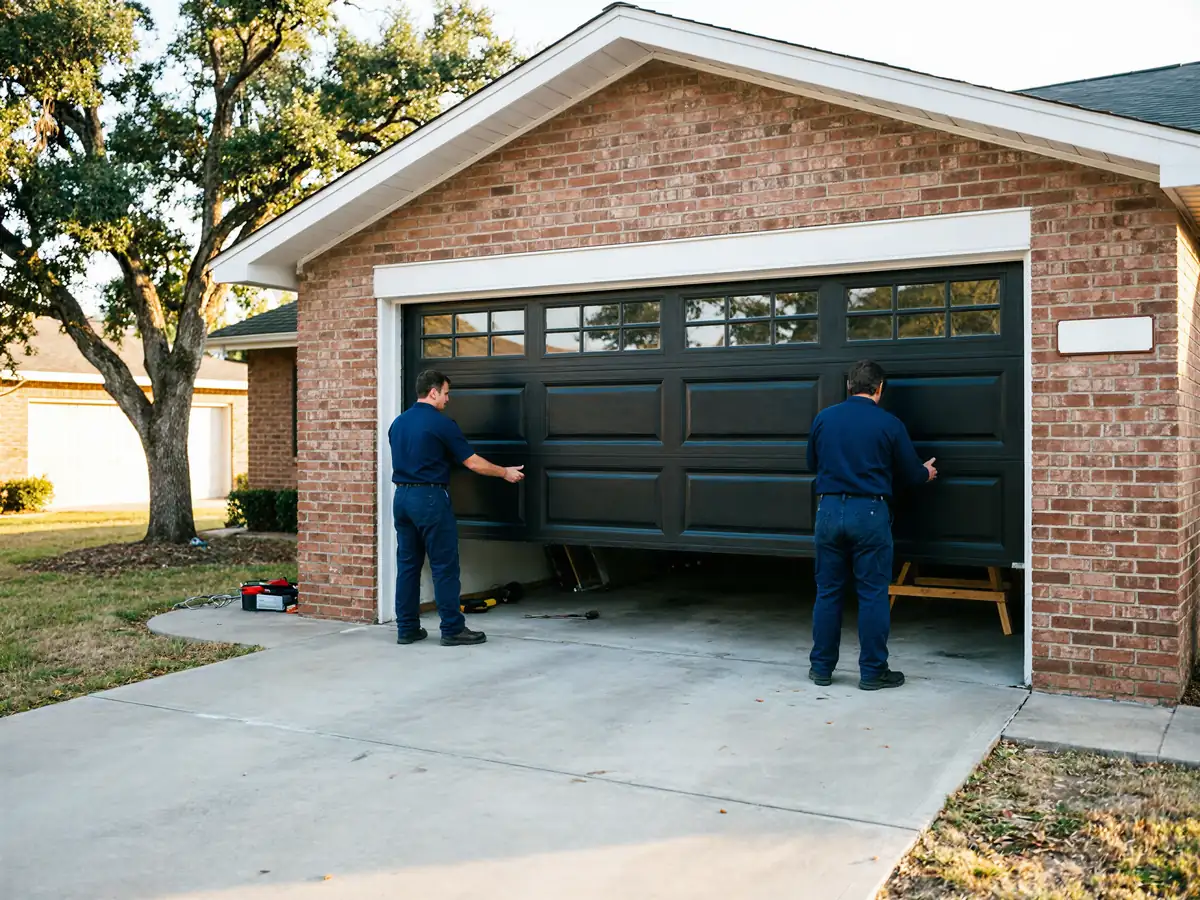
The most common failure we see is a single bottom panel that's taken the hit - a trailer hitch, a bike, a kid backing out the car - on a door where the rest of the panels are original and sun-faded to a different shade than anything sold today. On older doors from the early end of that 1959-1994 range, the panel profile itself may not match current stock sections at all, which turns what looks like a one-panel fix into a harder sourcing problem. We also see hinges pulling loose from panel seams that have gone brittle, and rollers chewing through track-side flanges on panels that were already thin to begin with.
How to Book
Call or use the contact link on our site to get a panel replacement scheduled. We serve the Waco household base and the surrounding named areas out to about 18 miles, so tell us which section of the door is damaged - top, bottom, or a middle panel - and whether the door is still operating. That helps us figure out ahead of time whether we're bringing a matching panel section or need to measure your track and spring setup for a full replacement.
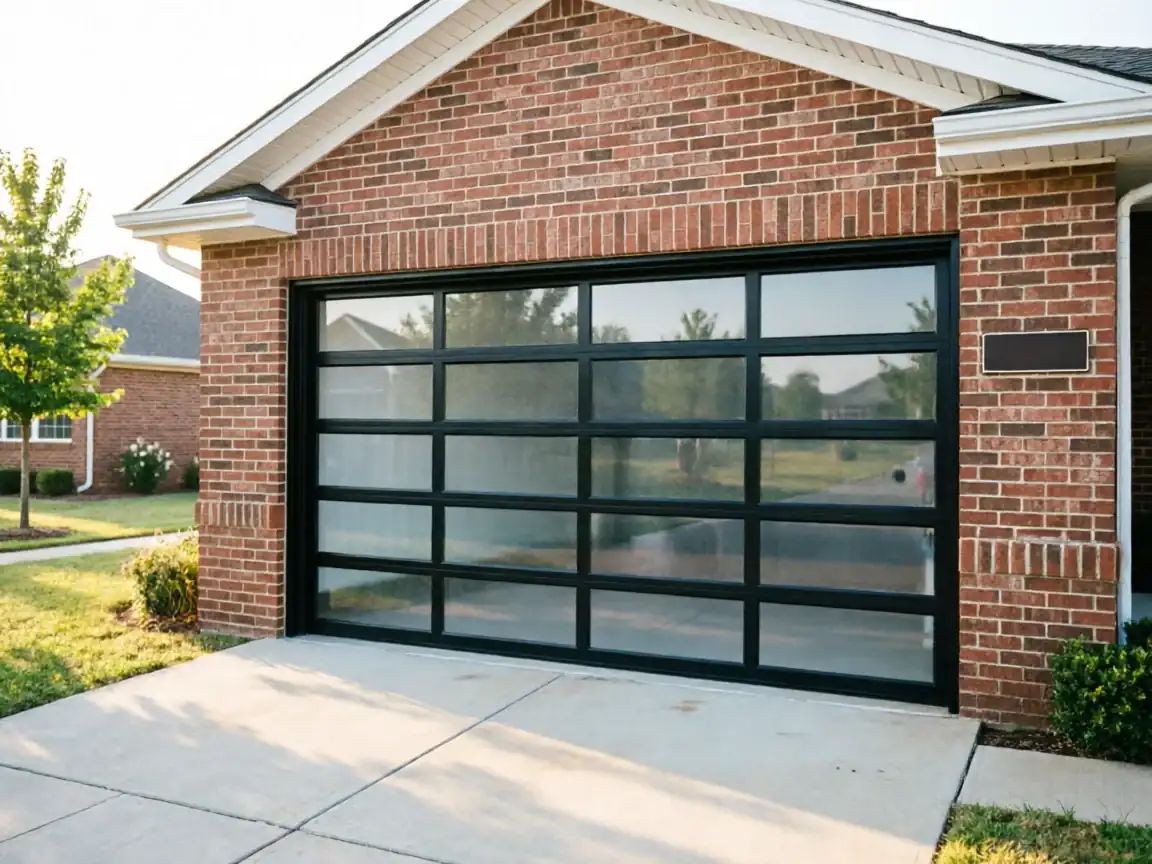
We don't carry every panel profile on the truck, since doors built across a 35-year span used a wide range of designs. If your door is old enough that the original manufacturer no longer makes that profile, we'll say so on the call rather than have you wait at home for a part we can't get.
Can You Do This Yourself
Swapping a single garage door panel is more involved than it looks from a video
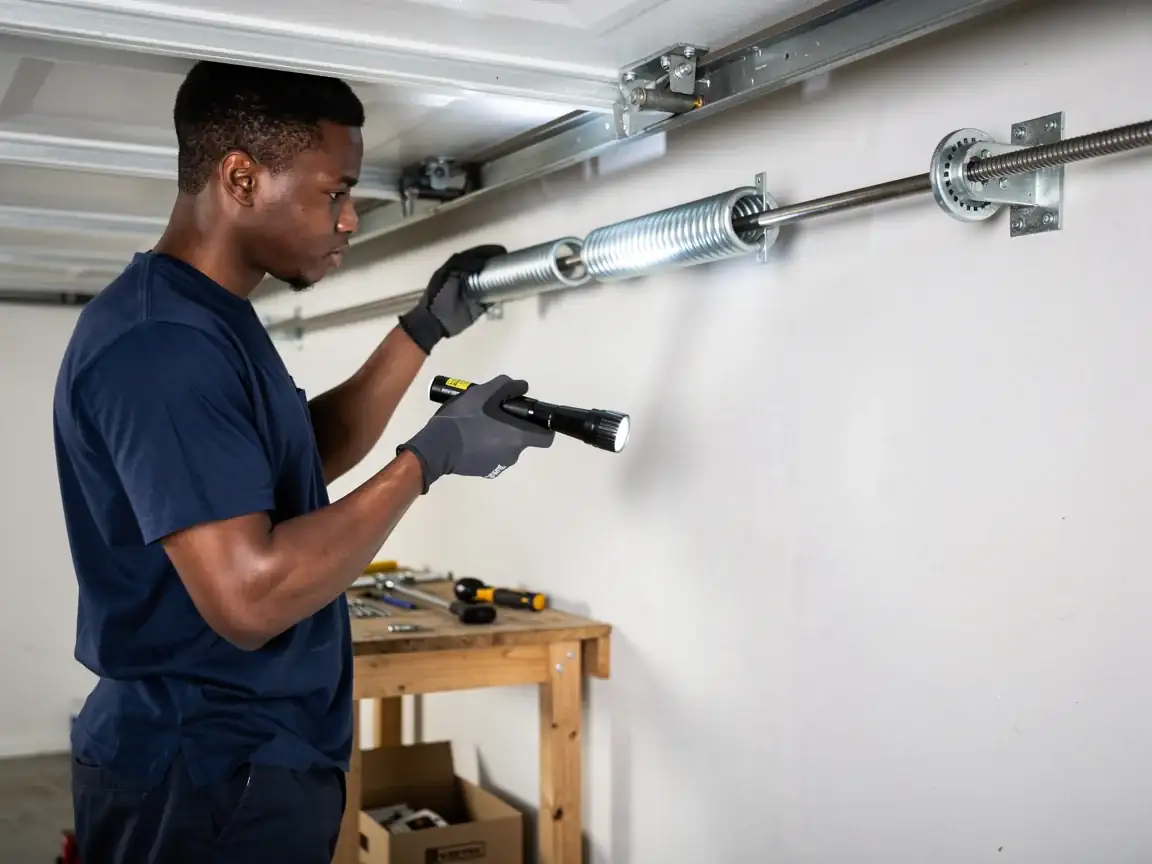
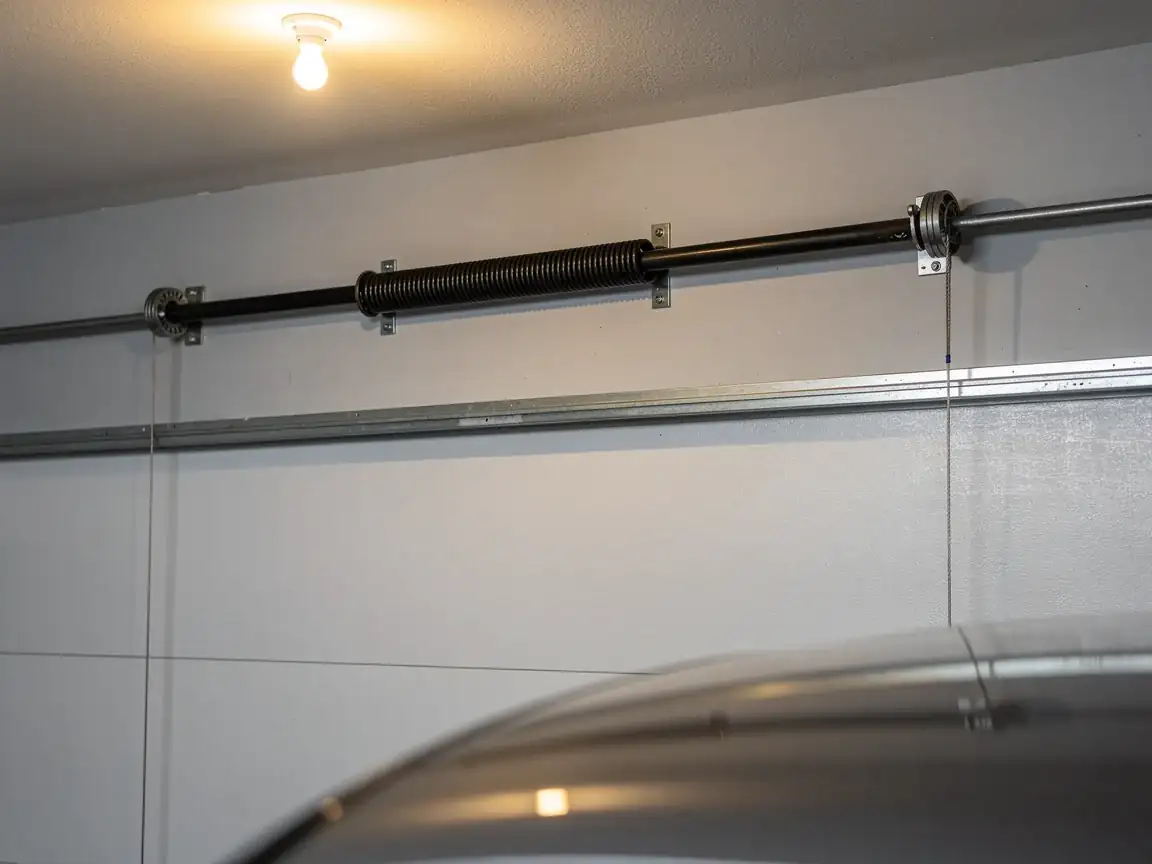
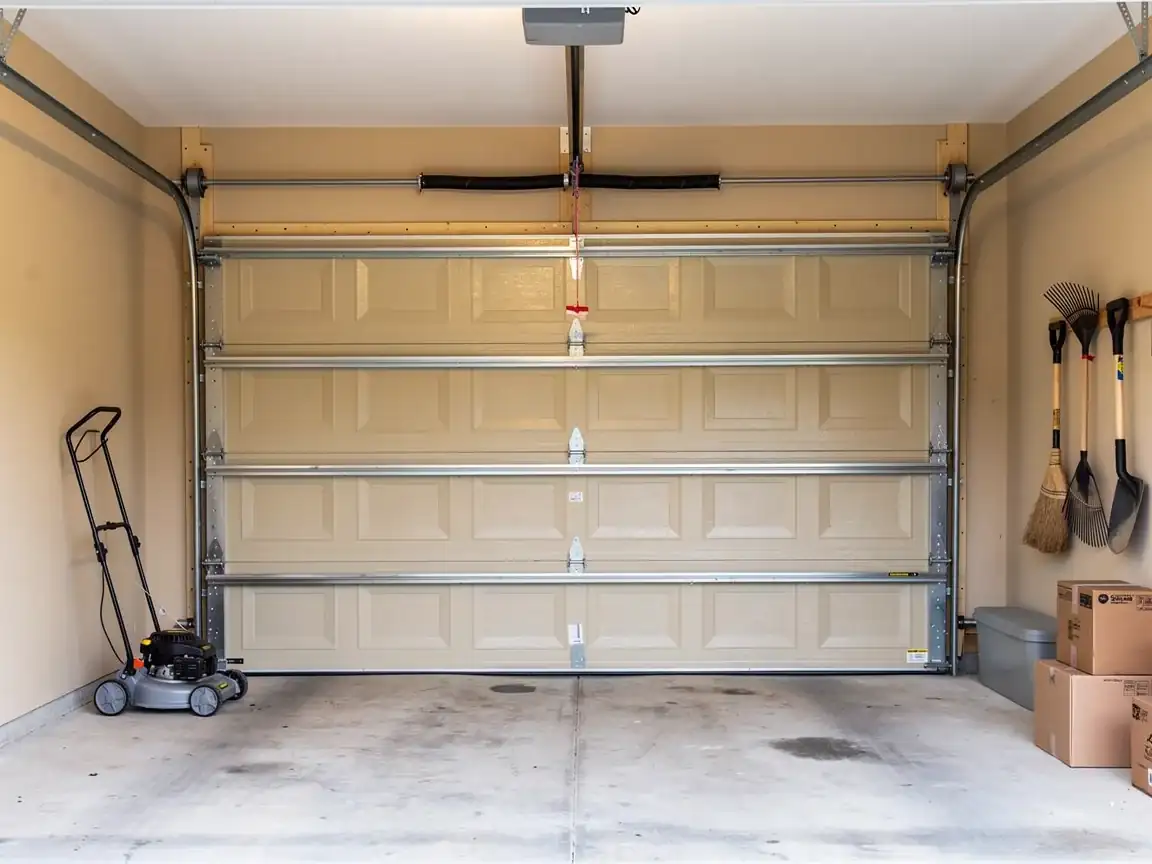
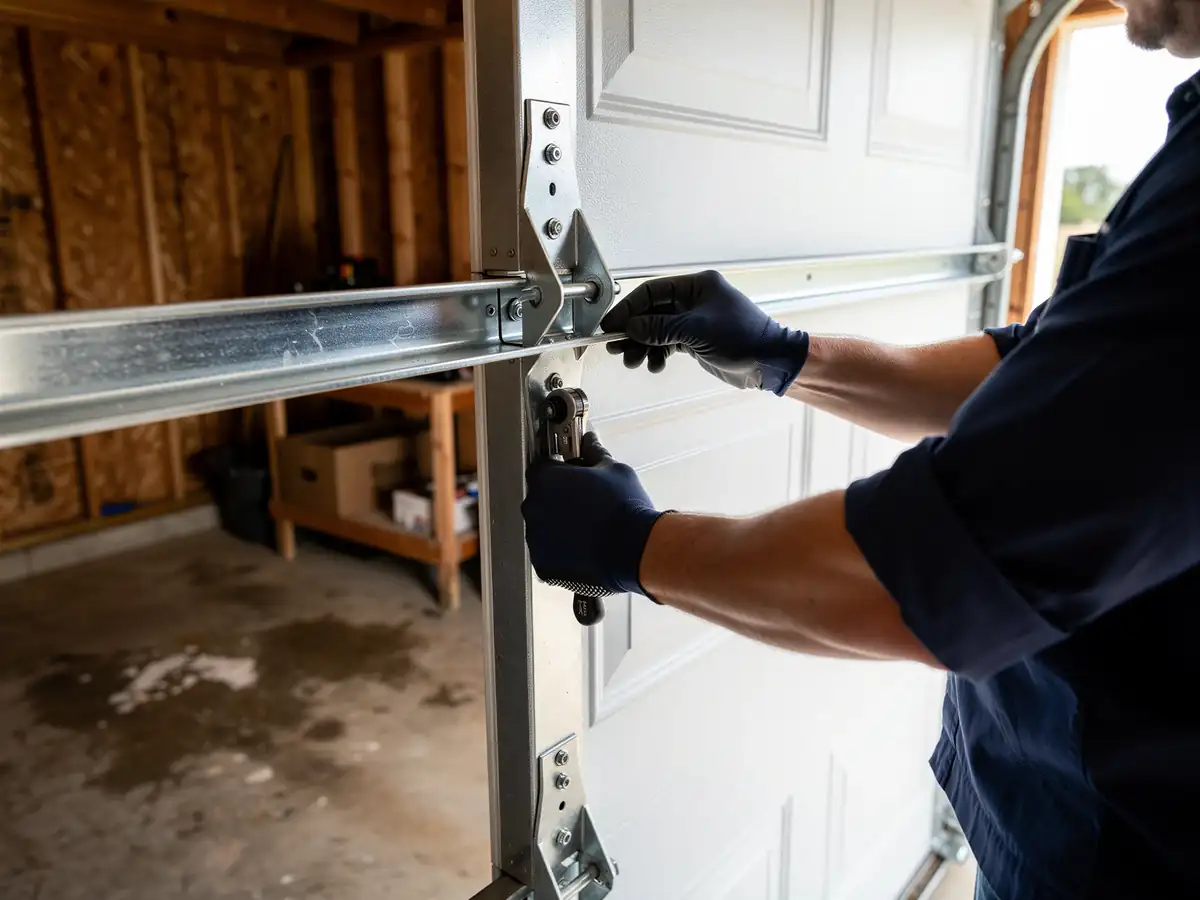
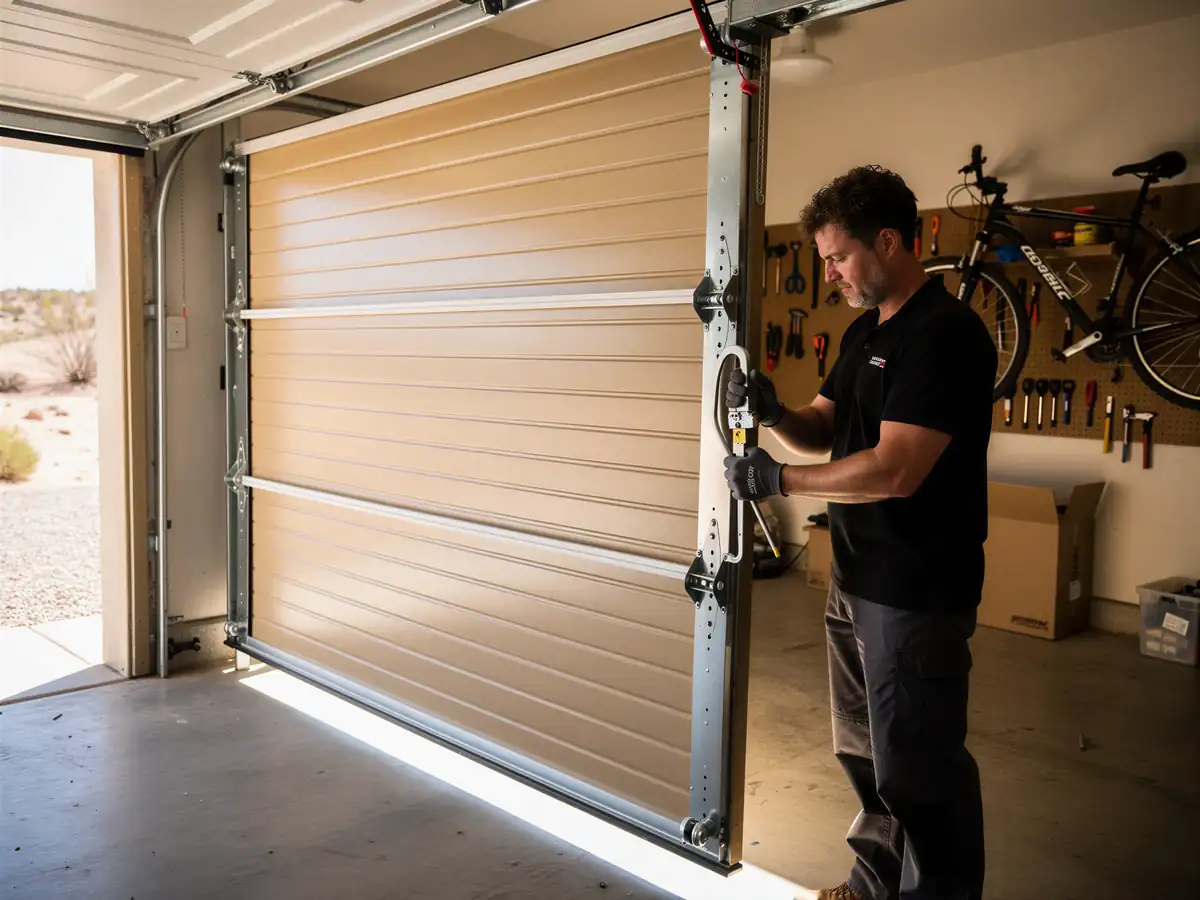
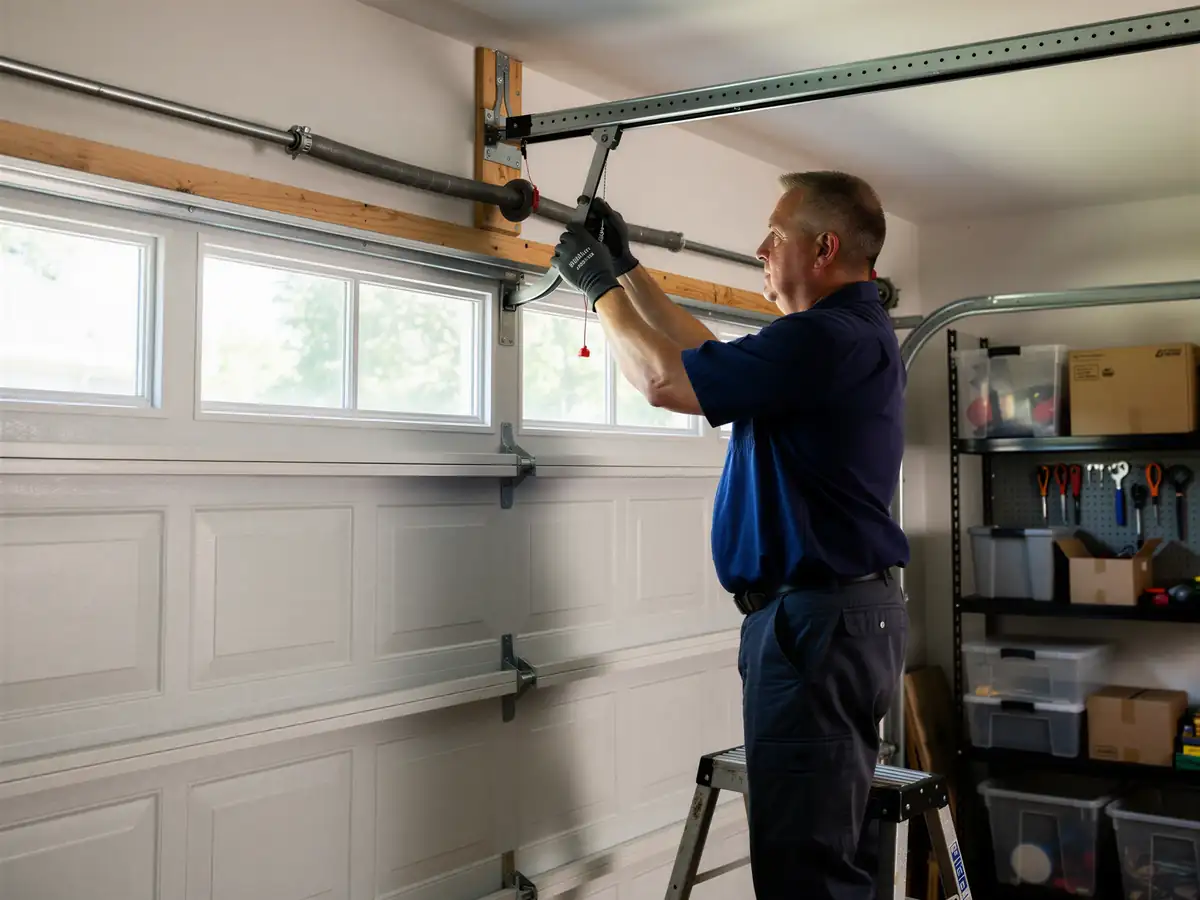
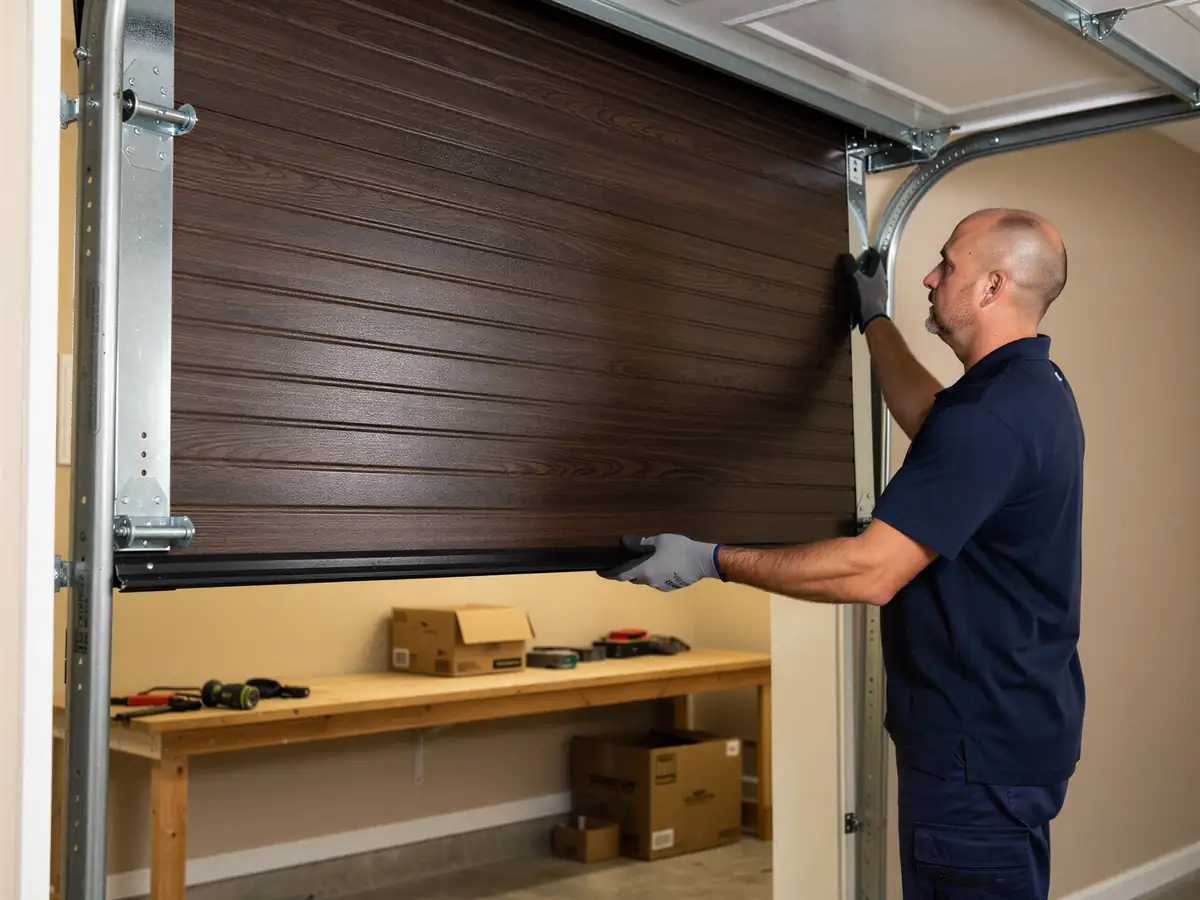
The panel sections are bolted to the hinges that carry the rollers, and those rollers sit in a track under spring tension from the rest of the door. Pull the wrong bolts in the wrong order on a loaded door and the section can drop or the whole door can rack sideways in the track.
If the damaged panel is at the bottom, next to the bottom brackets where the cables attach
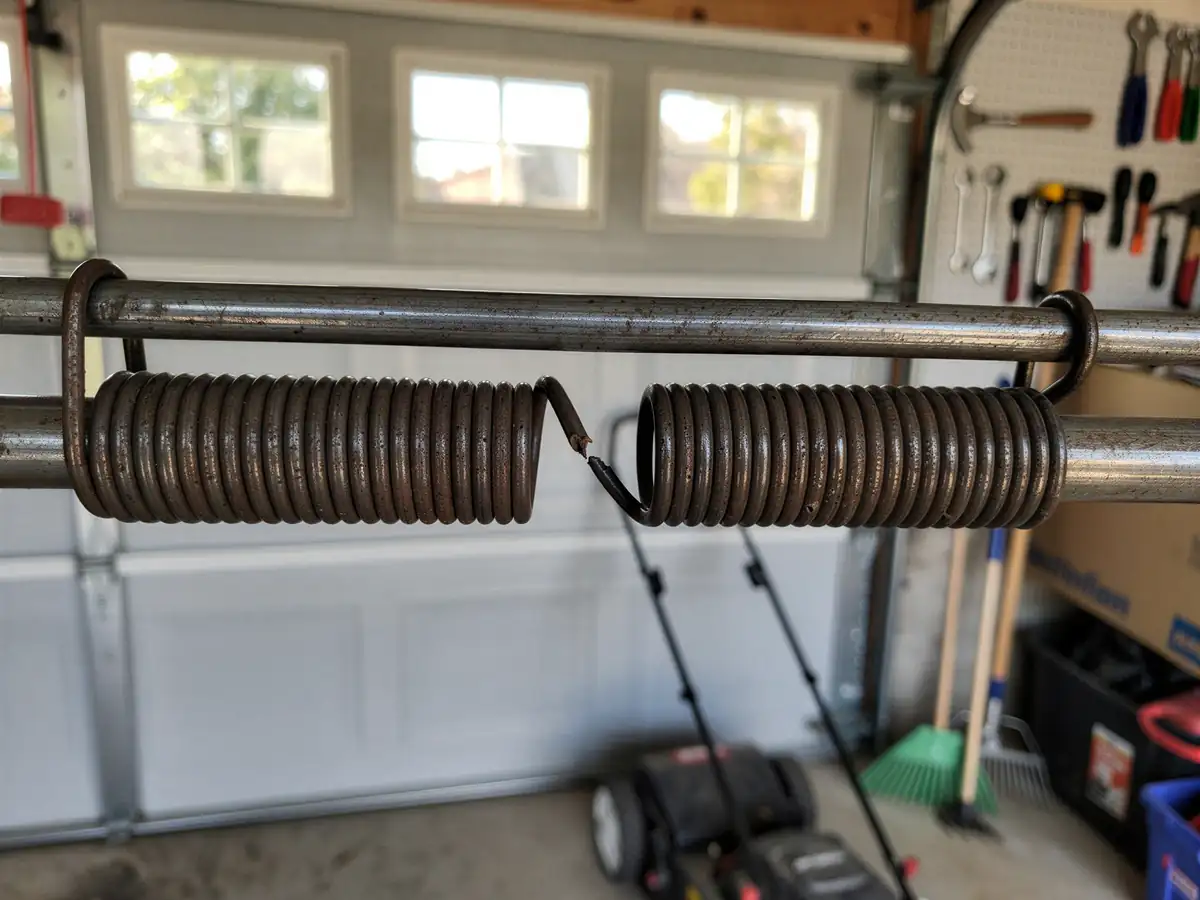
That's not a place to improvise - the cables are holding the weight of the door against the spring, and a slip there can put a cable under enough tension to snap. If it's a top or middle panel on a door that isn't under spring load at that section, a careful DIY job is more realistic, but you still need to match the panel's exact width and hinge spacing, which is hard to do without the original door's model information.
Our honest limitation
We can't always match an obsolete panel profile from a 1960s or 70s door, even with the model number. When that happens, the real fix is replacing the whole door rather than chasing a part that no longer exists.
Why This Fails Locally
This isn't a generic wear-and-tear story - it's tied to what's actually on the ground here. With most of the Waco area's roughly 14,225 owner-occupied houses dating to that 1959-1994 build window and concentrated in 1980s-90s construction, a huge share of the doors in this market are old enough that their steel has fatigued and their foam insulation has broken down from sun exposure, even on doors that were never hit by a car. In a moderate-heat climate band, a south- or west-facing garage door spends decades expanding and contracting in the heat, and that cycle is what causes steel panel skins to separate from their foam backing along the seams - the exact failure that makes a dent or a crack spread instead of staying contained to one section.
Add in a service area that runs from a mile out to McGregor and Bruceville-Eddy close to twenty miles away, and you've got a wide range of door ages and manufacturers in the same market, which is why panel matching is one of the more common calls we get rather than a rare one.