The Situation
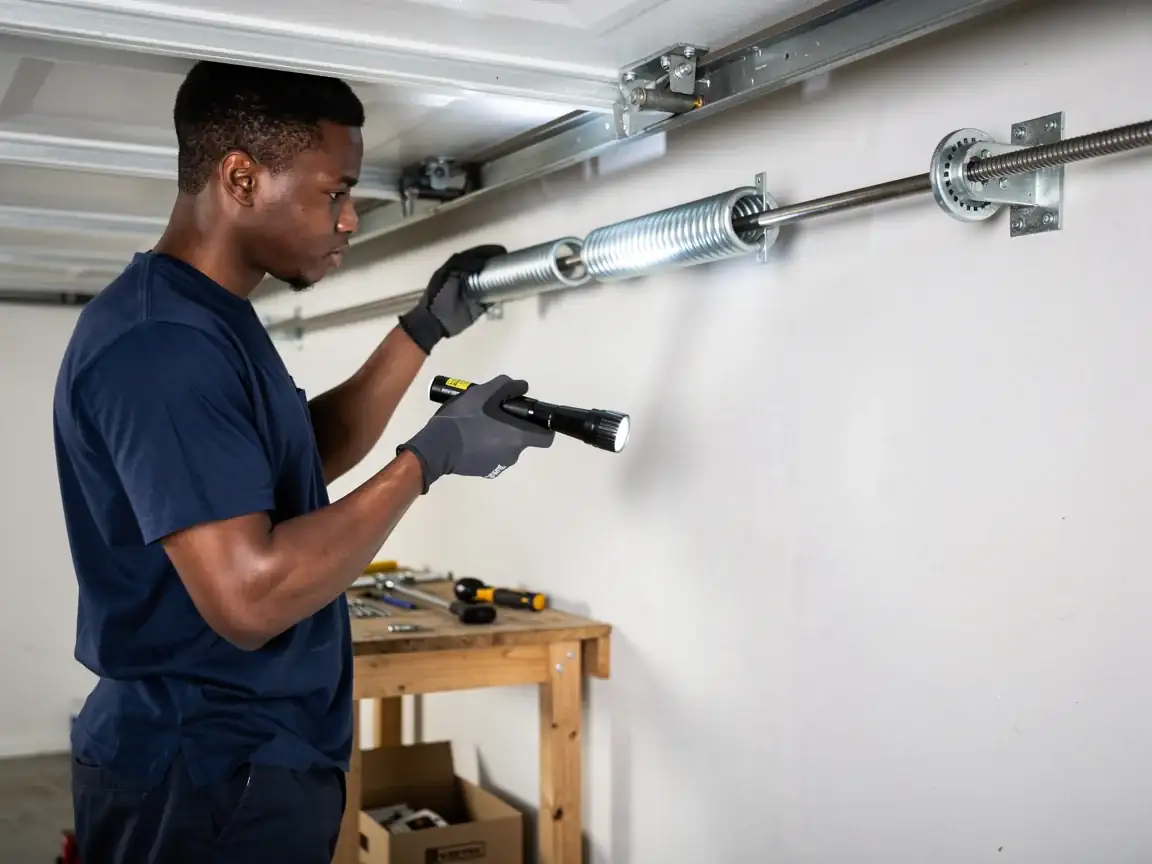
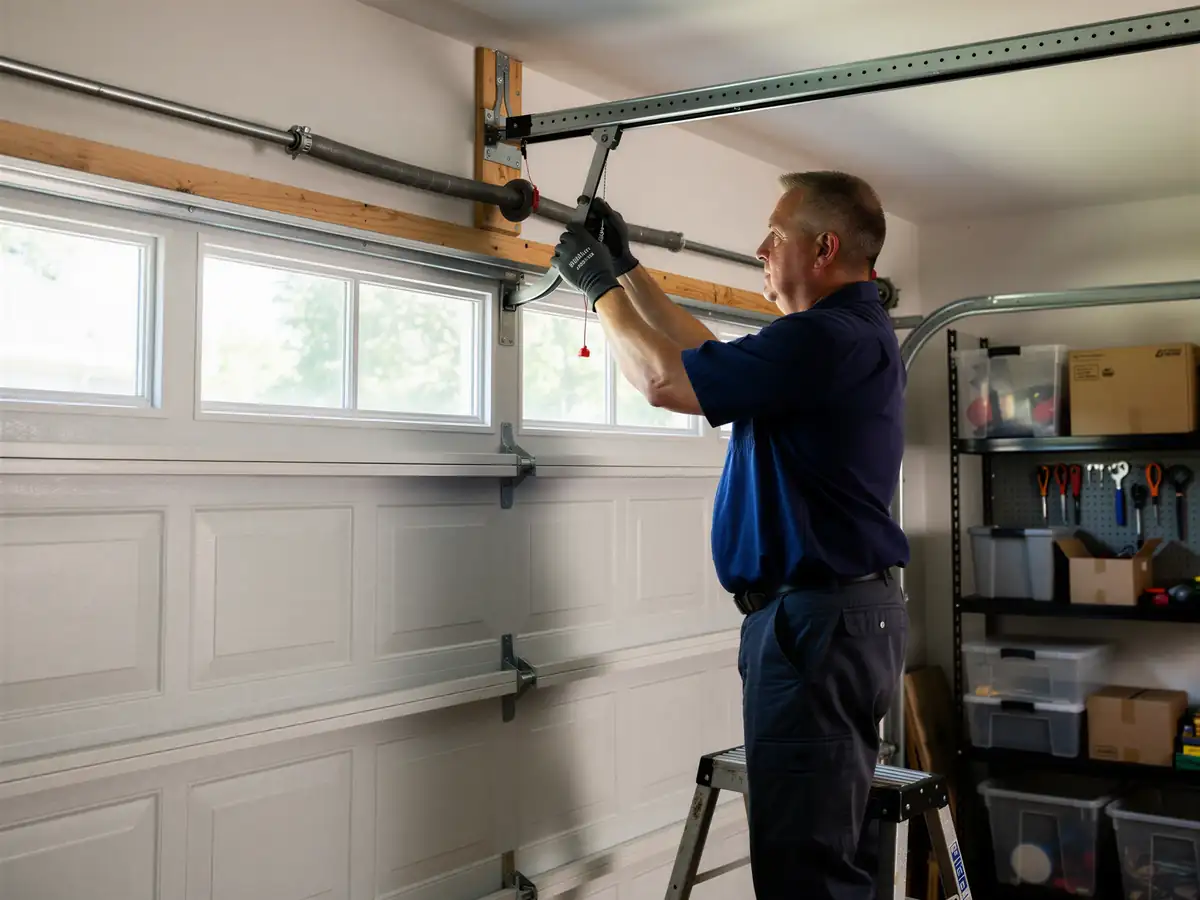
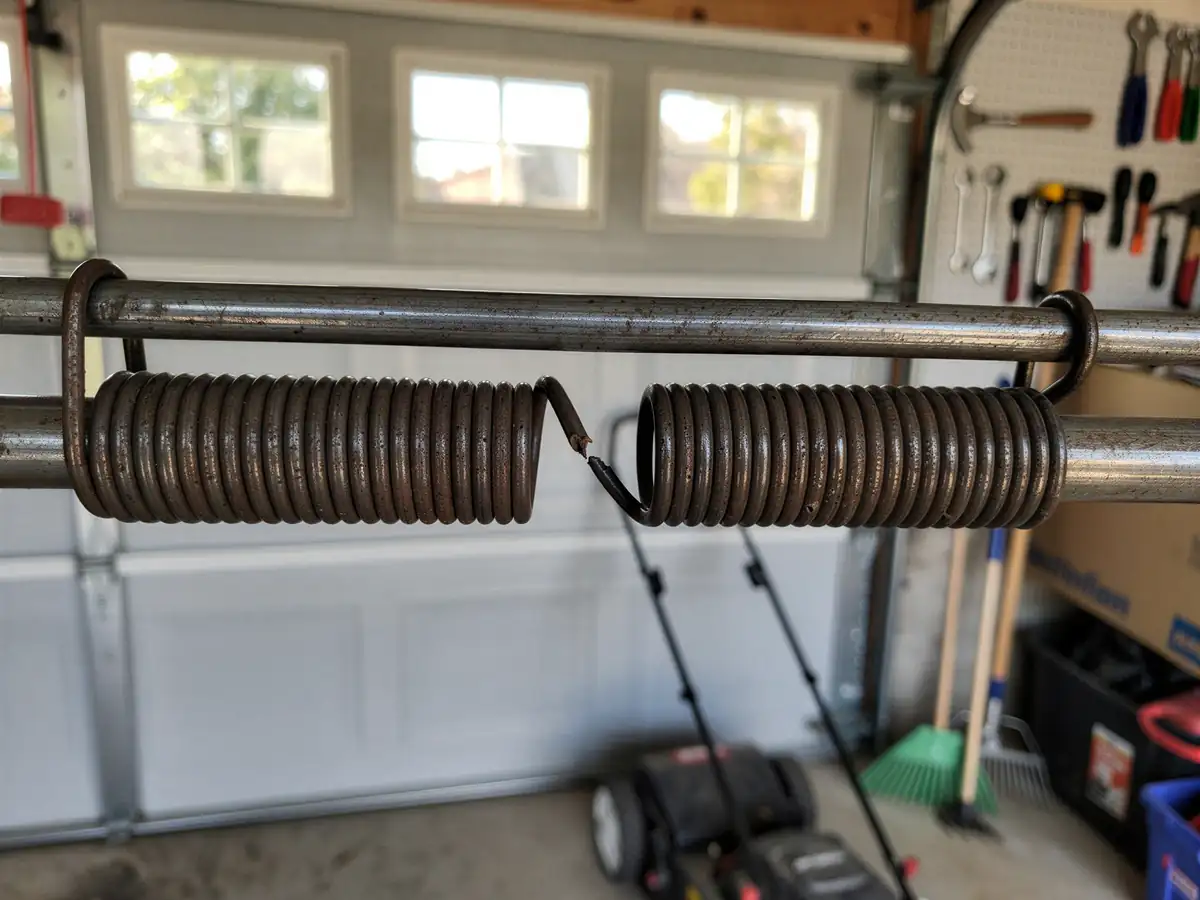
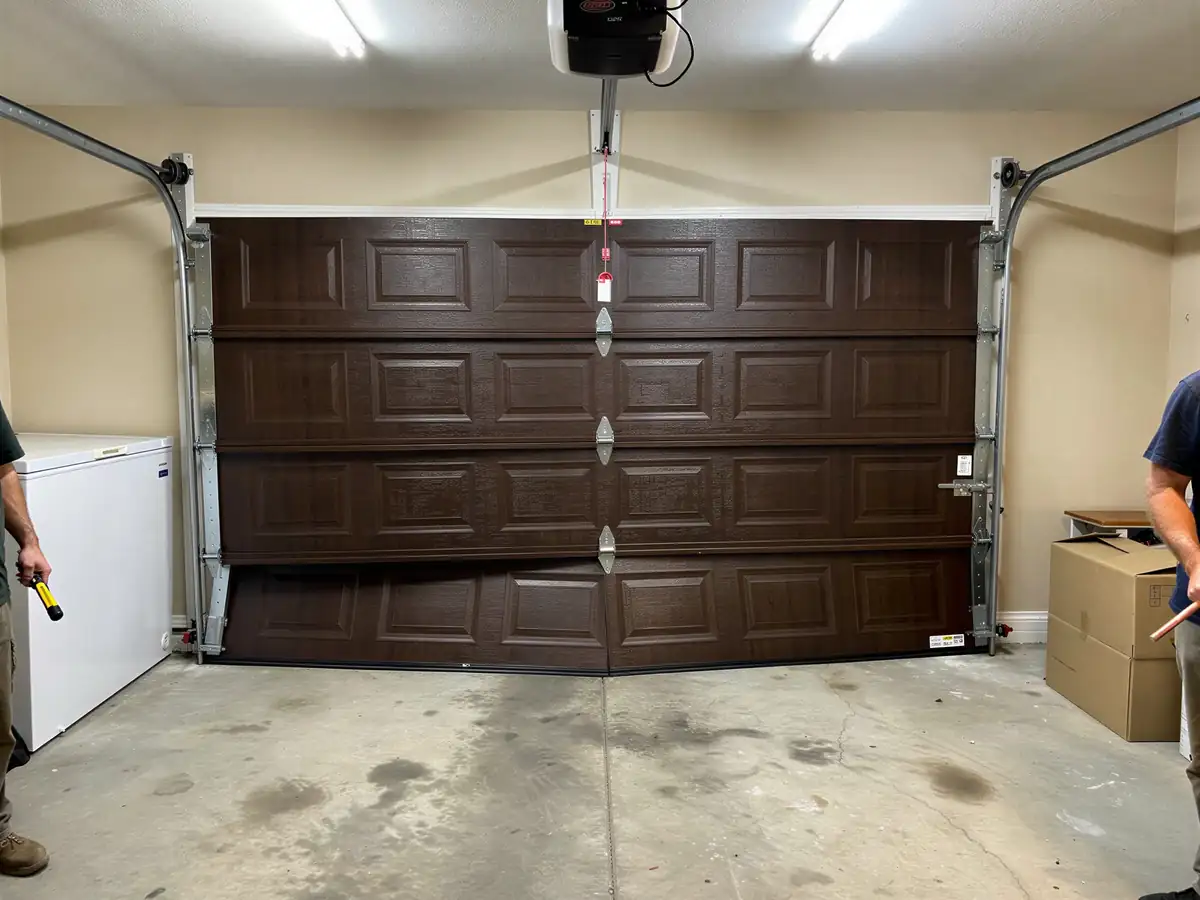
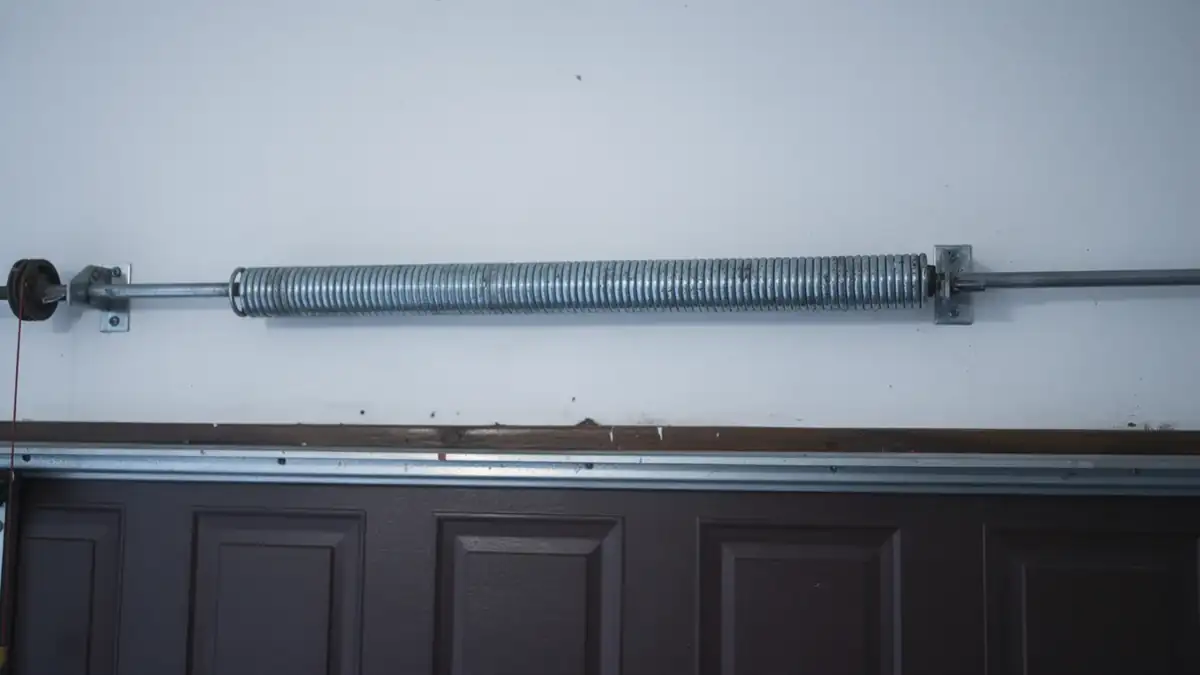
Most houses in the Waco service area were built between 1959 and 1994, with the median landing around 1983. Across the 13 named areas we work - Woodway, Bellmead, Hewitt, Robinson, China Spring, Gholson, Lorena, Ross, Crawford, Riesel, McGregor, Bruceville-Eddy, and West - the stock mostly dates to the 1980s and 90s. That matters for one reason: torsion springs are rated in cycles, not years, and a spring installed when a house was built in 1983 has usually been swapped at least once already, sometimes twice, by whoever owned the place before you. Nobody keeps a receipt for that. So when a spring finally lets go, you're often looking at hardware nobody's touched in a decade, on a door that's never been upgraded past what the builder put in. The failure itself is simple - a torsion spring losing tension or snapping outright - but the timing is what catches people off guard. It's never during a calm Tuesday in October. It's the first real cold morning, when the garage is the coldest it's been in months and the spring has nothing left to give.
How Local Conditions Play In
Waco sits in a moderate-heat climate band, which means the overwhelming majority of a spring's working life here is spent cycling through heat, not cold. Steel expands under heat and the lubricant in the coils thins out, so for most of the year a torsion spring is flexing under conditions it was designed for. A cold snap changes that fast. Metal contracts, residual lubricant stiffens, and a spring that's already fatigued from a summer of heat cycling has no margin left. That's why a spring going out when a Waco morning drops into the 30s isn't bad luck - it's the one stretch of the year when the spring is working outside its normal range, and it's also usually the oldest, weakest part of the whole door system. We don't get the kind of sustained deep freeze that cracks concrete or splits wood out here, so the damage is almost always isolated to the spring and sometimes the cable that was carrying extra load when it let go. That's a narrower problem than some climates deal with, but it's a real one, and it shows up on a predictable schedule every year.
What You Pay
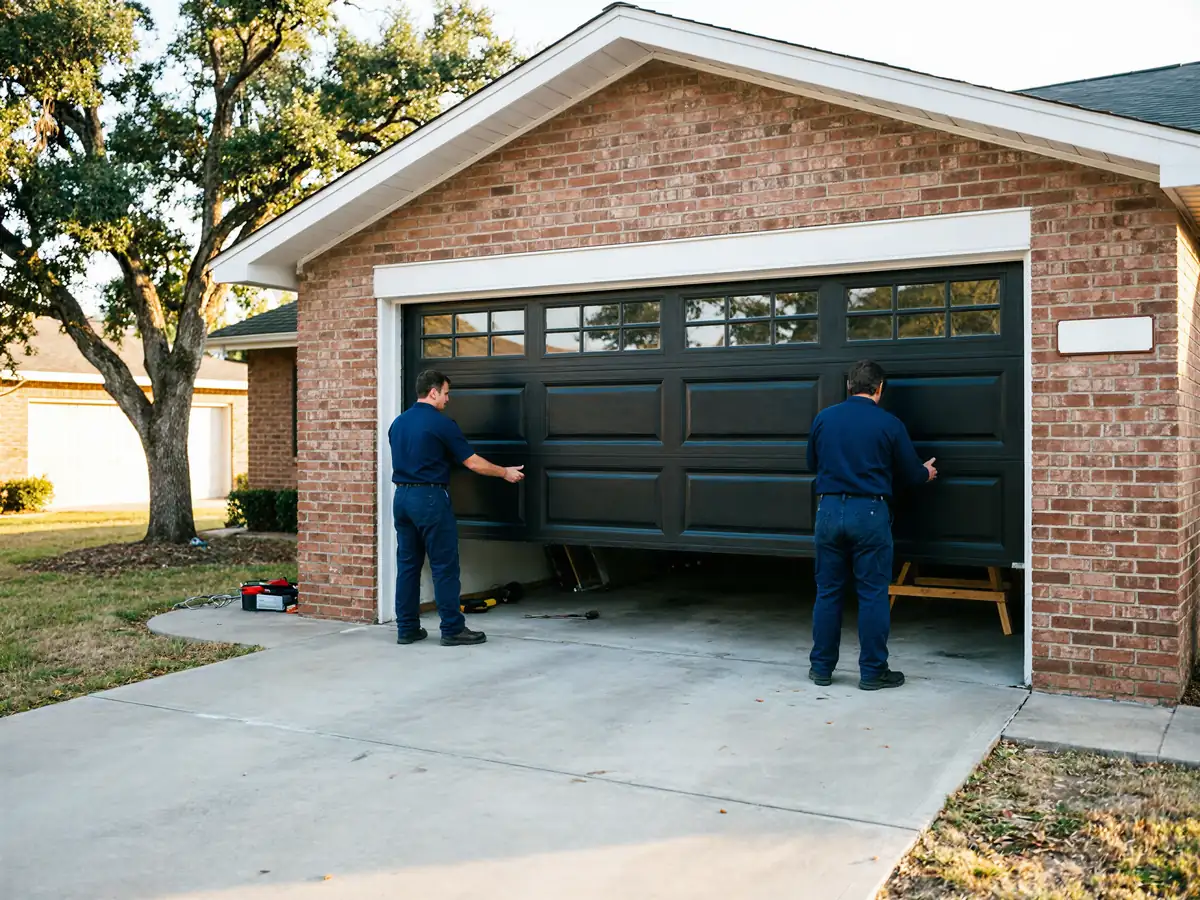
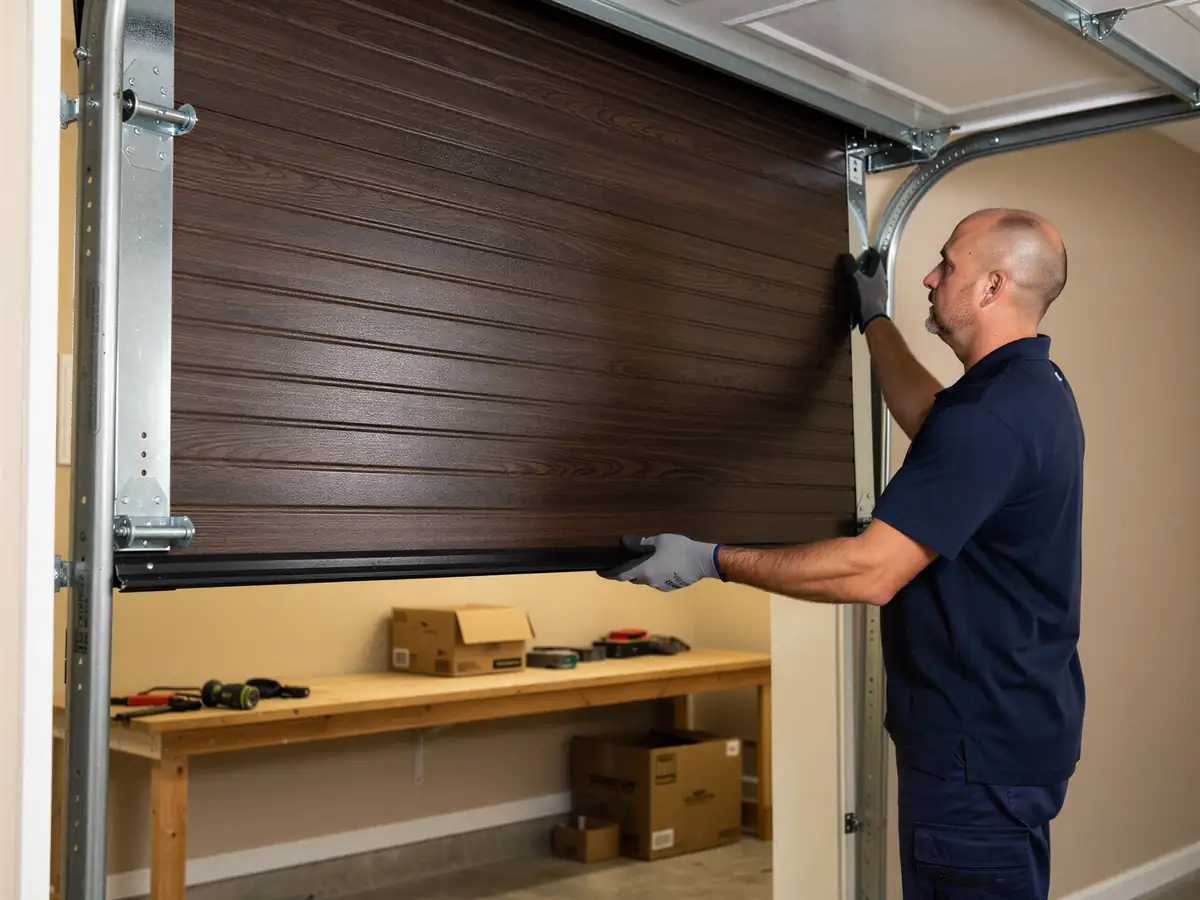
We don't have a posted price to quote you here, and honestly, torsion spring jobs vary enough with door weight and spring size that a number on a page wouldn't mean much anyway. What we can tell you is how to think about it. With 14,225 owner-occupied houses among the roughly 22,710 households across this service area, and a median household income of $76,833, most of what we see is a straightforward repair call, not a full door replacement - the spring goes, the door itself is fine, and the job is in and out in an afternoon. Replacement only makes sense when the spring failure exposes something bigger, like a track that's been bent for years or an opener that was already on its last run. If you want an actual number, call and describe the door - the size, whether it's one or two springs, and roughly how old it is - and you'll get a real figure instead of a guess.