How It Shows Up
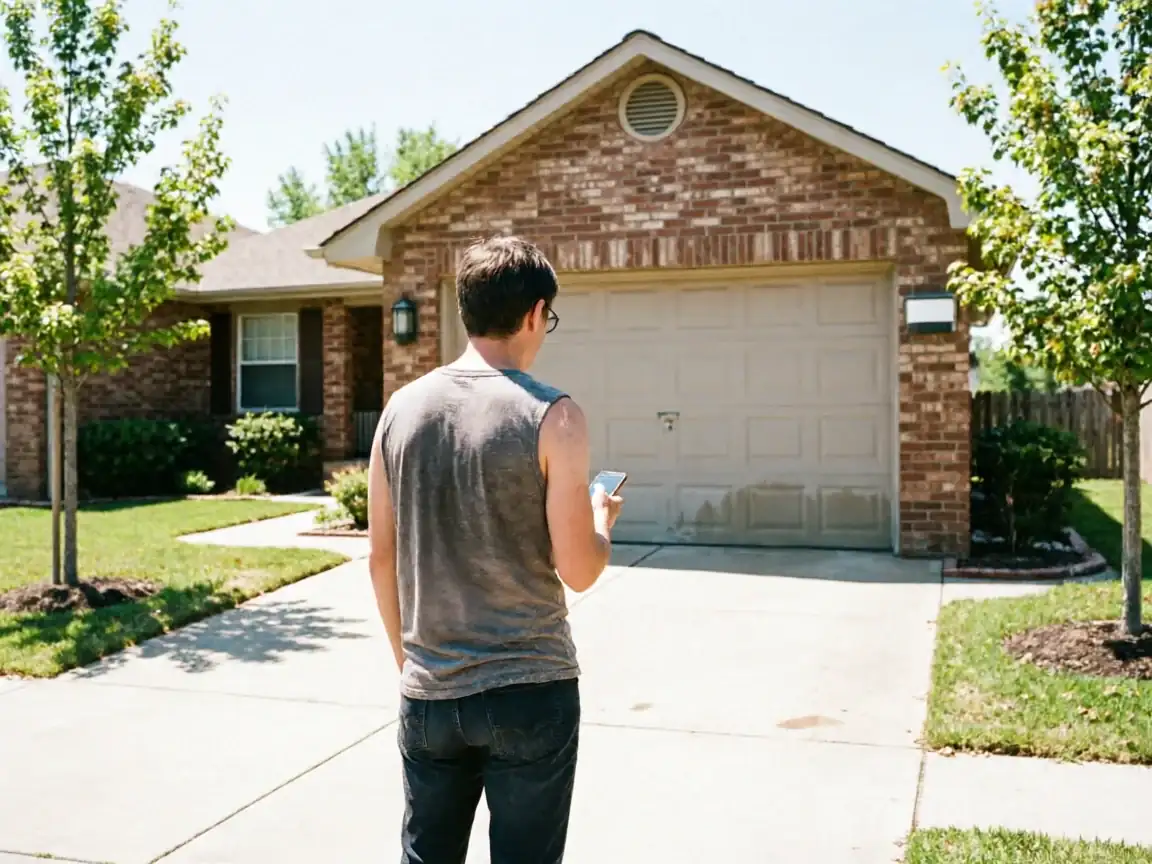
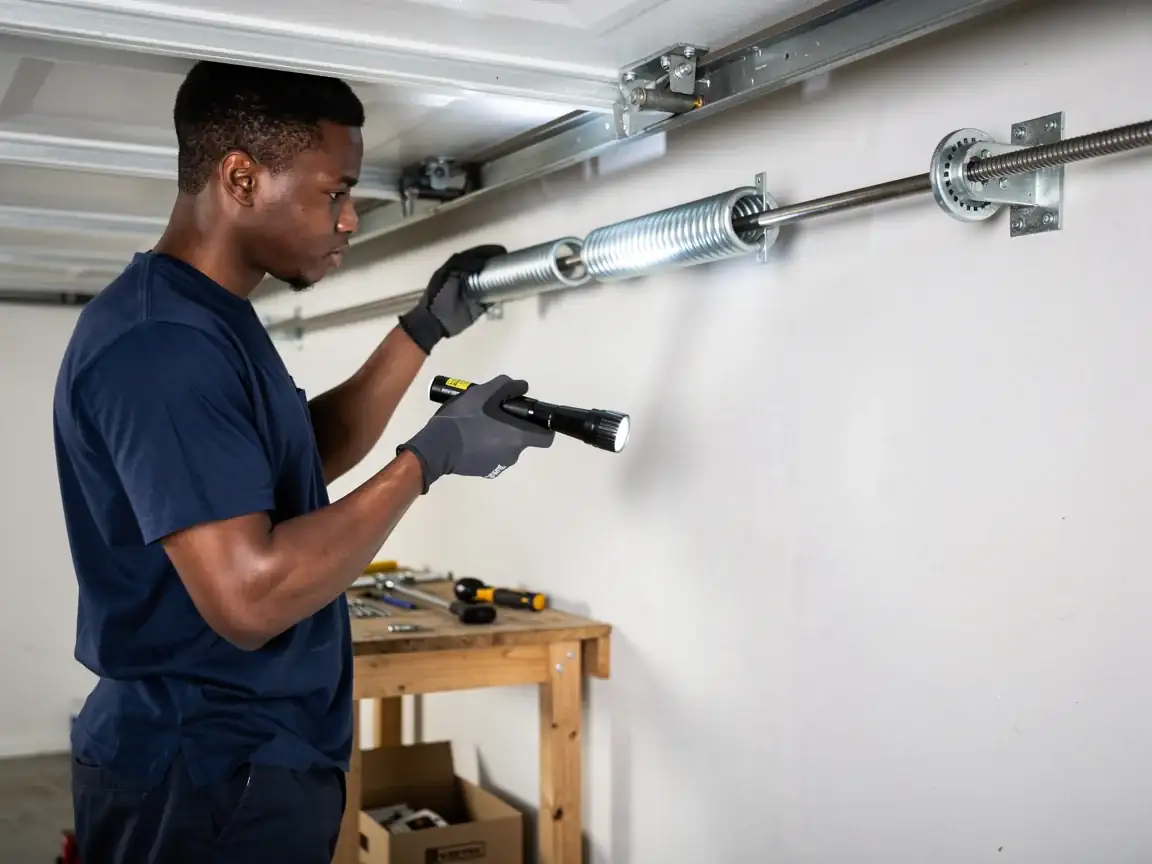
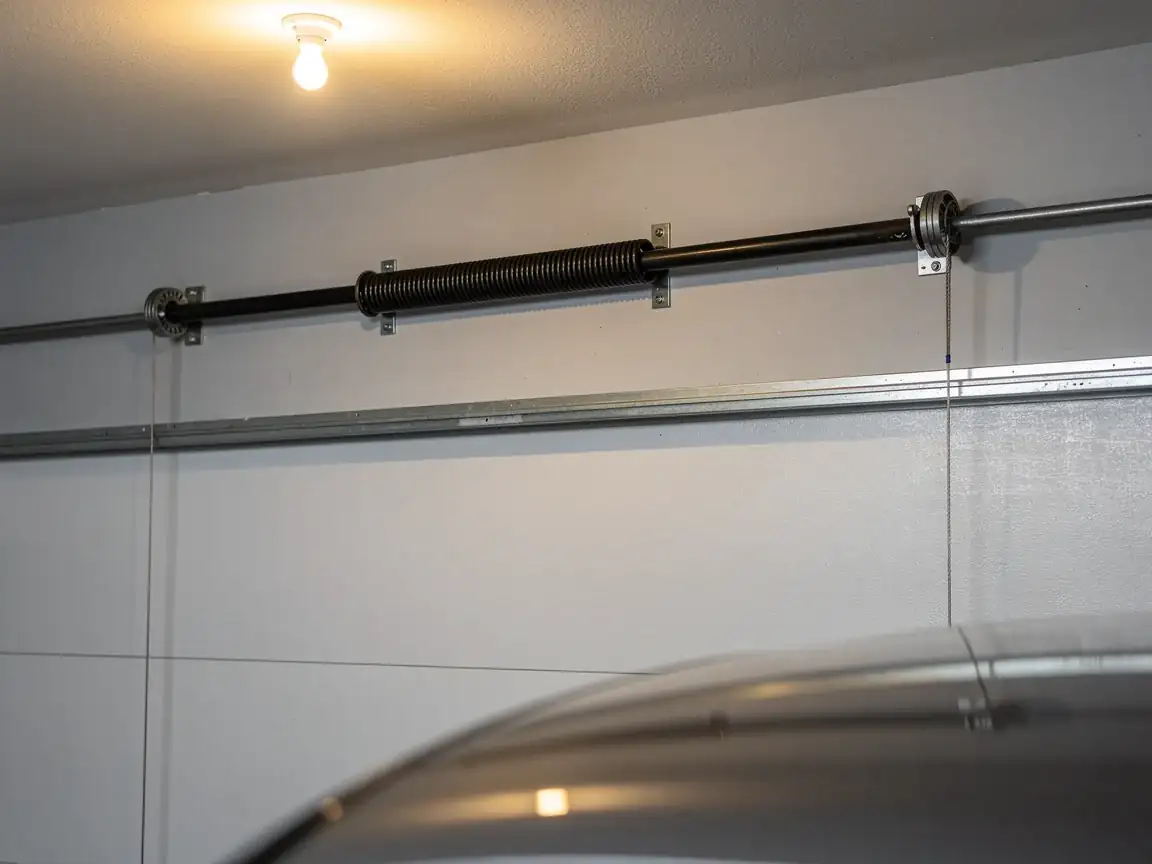
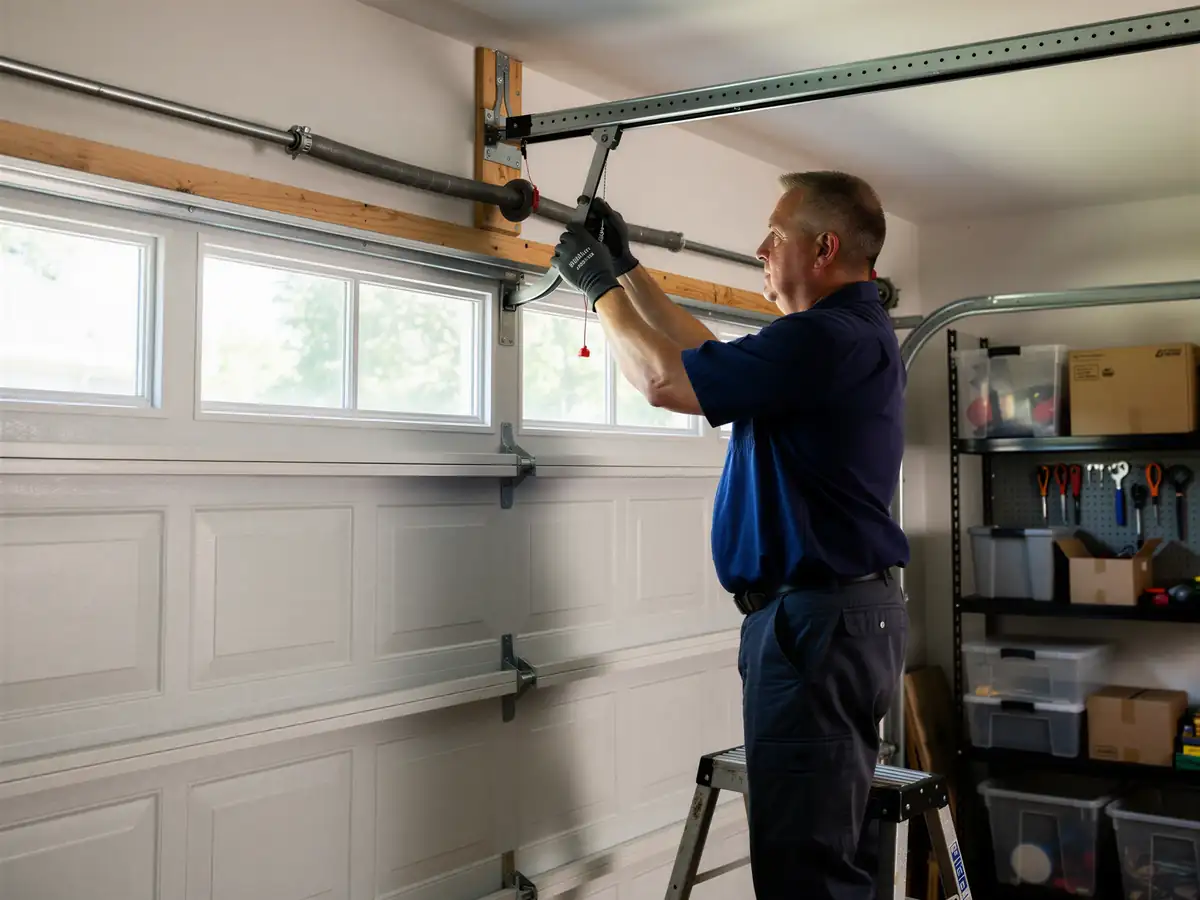
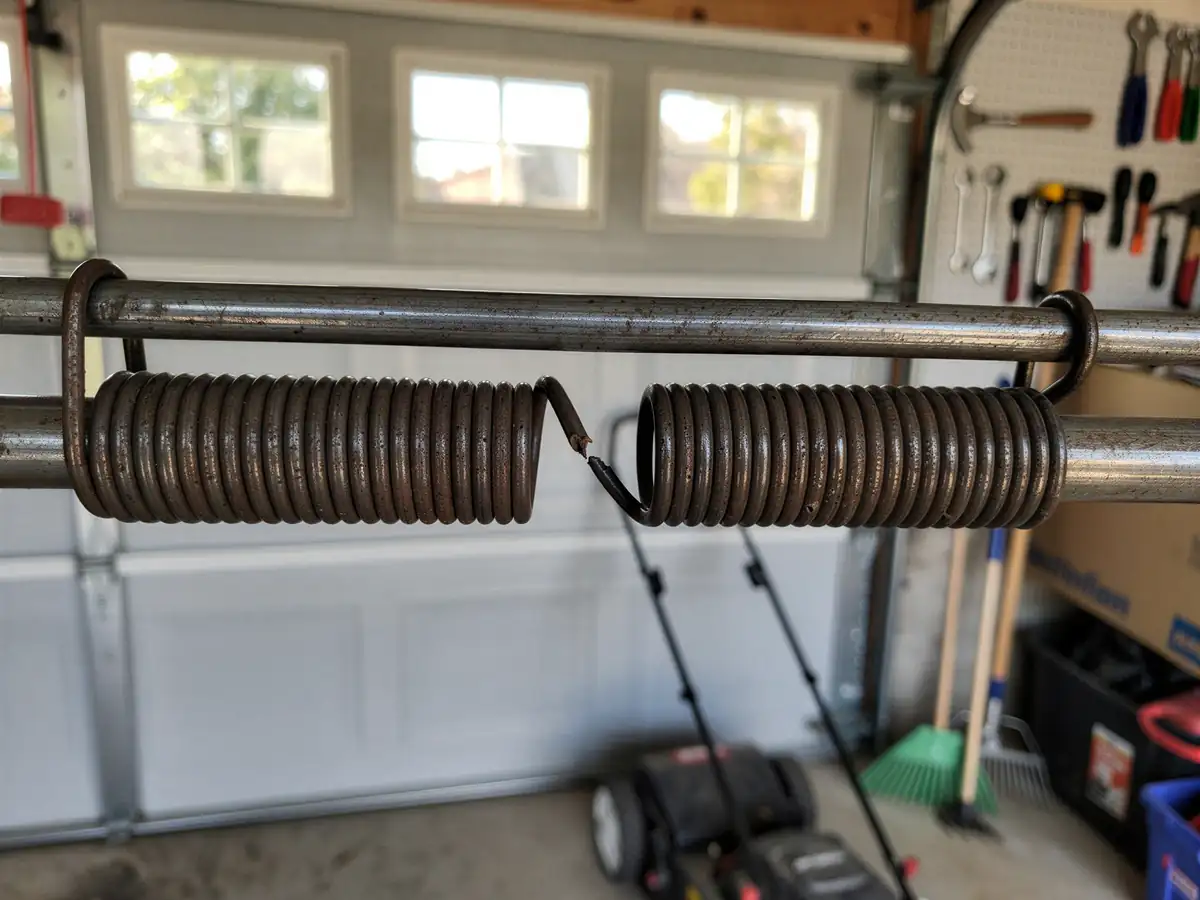
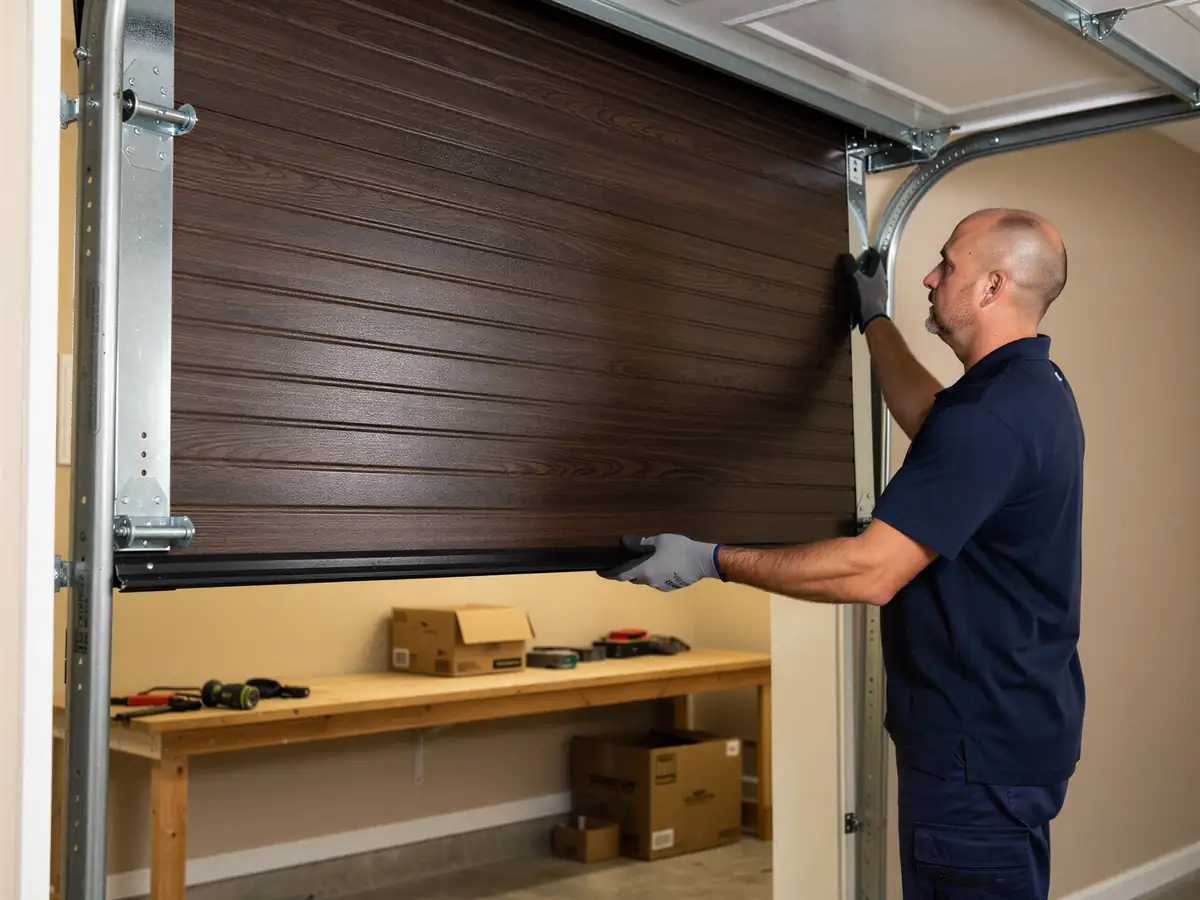
The first sign is usually noise. A door that used to lift quiet starts grinding on the way up, or the opener strains for an extra second before the motor catches. On houses across the service area built between 1959 and 1994 - with the median sitting around 1983 - that grind is almost always one of three things: a torsion spring that's lost tension, nylon rollers that have gone brittle, or hinges that have worked loose from decades of the same cycle.
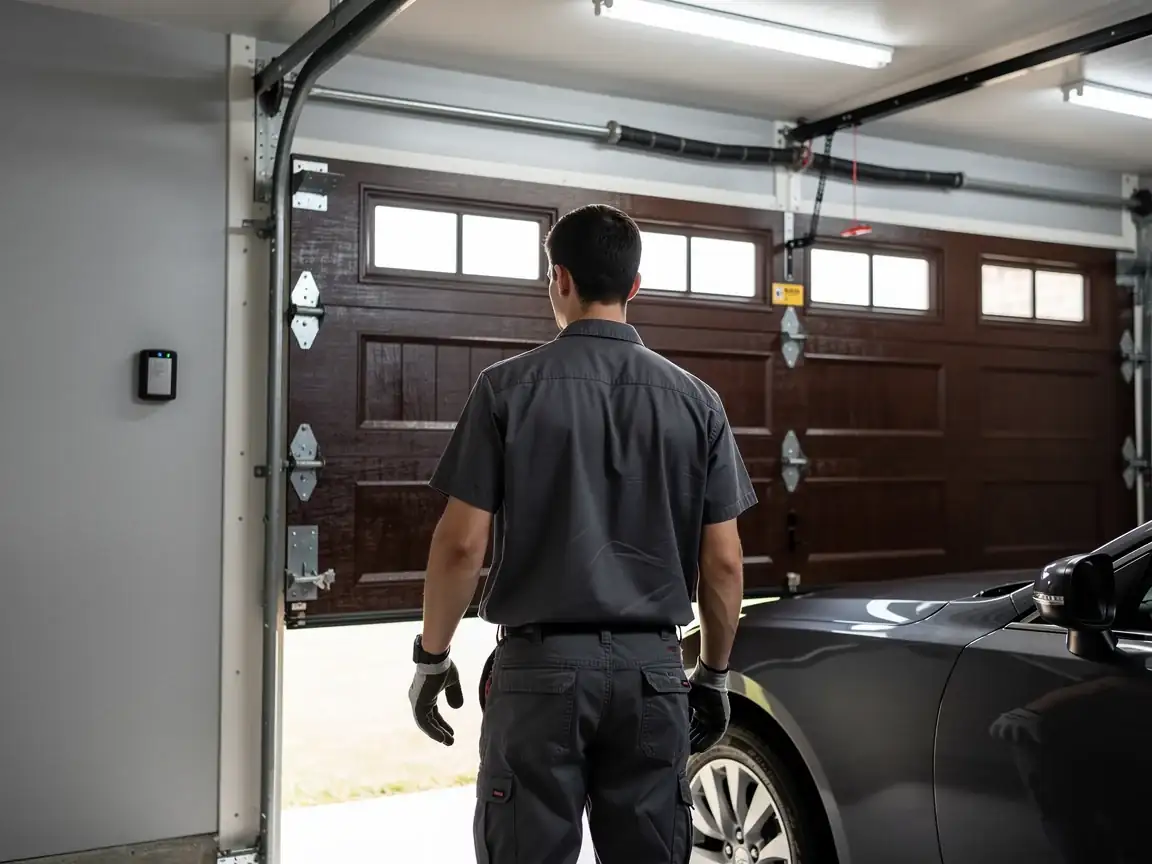
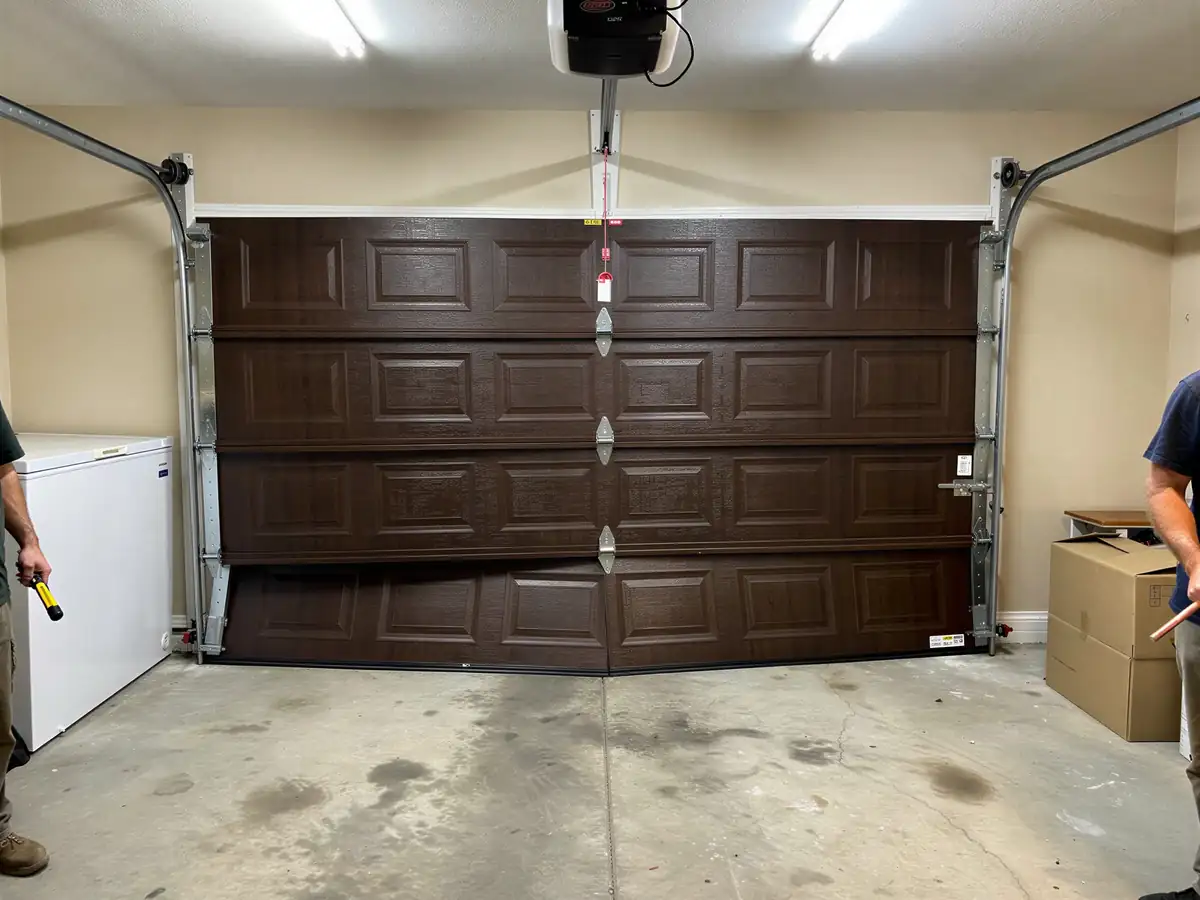
You'll also see it in the door itself. Panels that used to sit flush start showing a gap at one corner. The door reverses partway up, or it drops a few inches after you think it's closed. None of these are dramatic on day one. They're slow - which is exactly why maintenance gets skipped until the slow problem becomes a stuck door or a snapped cable.
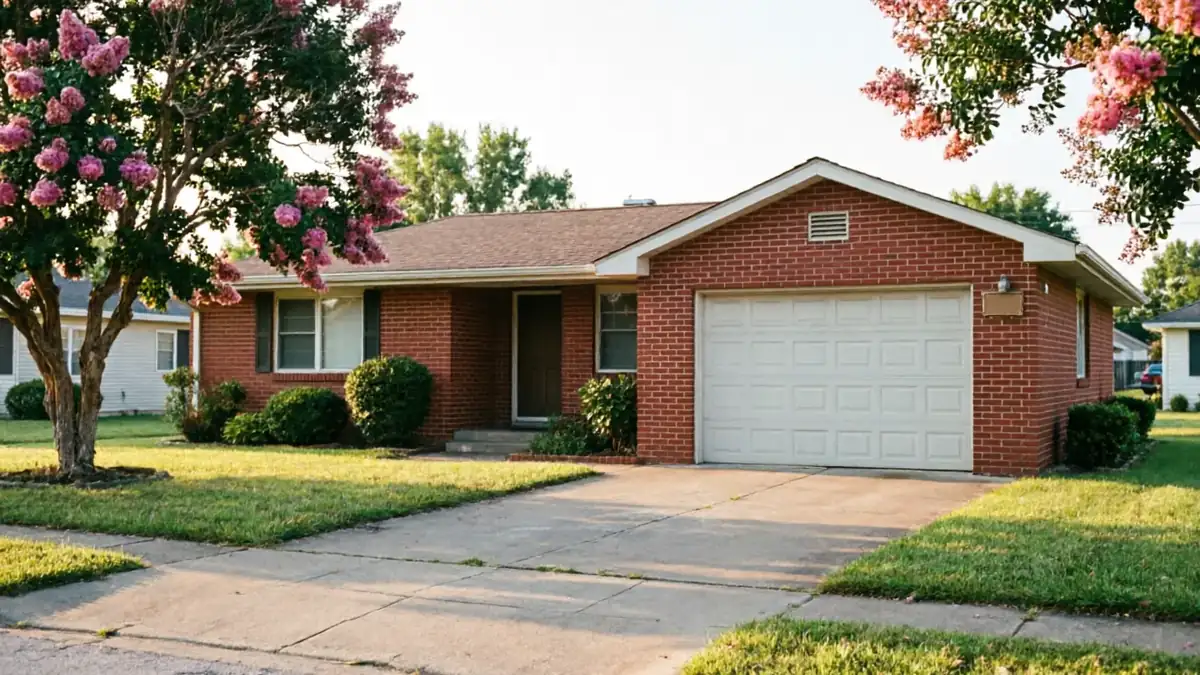
Across the 13 named areas we cover, Hwy 84 West, the pattern repeats because the housing stock repeats. A door built in the early '80s with original hardware is working the same mechanical cycle today it was then, just with 40 years more fatigue on the metal and 40 years more heat cycling through the garage.
How to Book
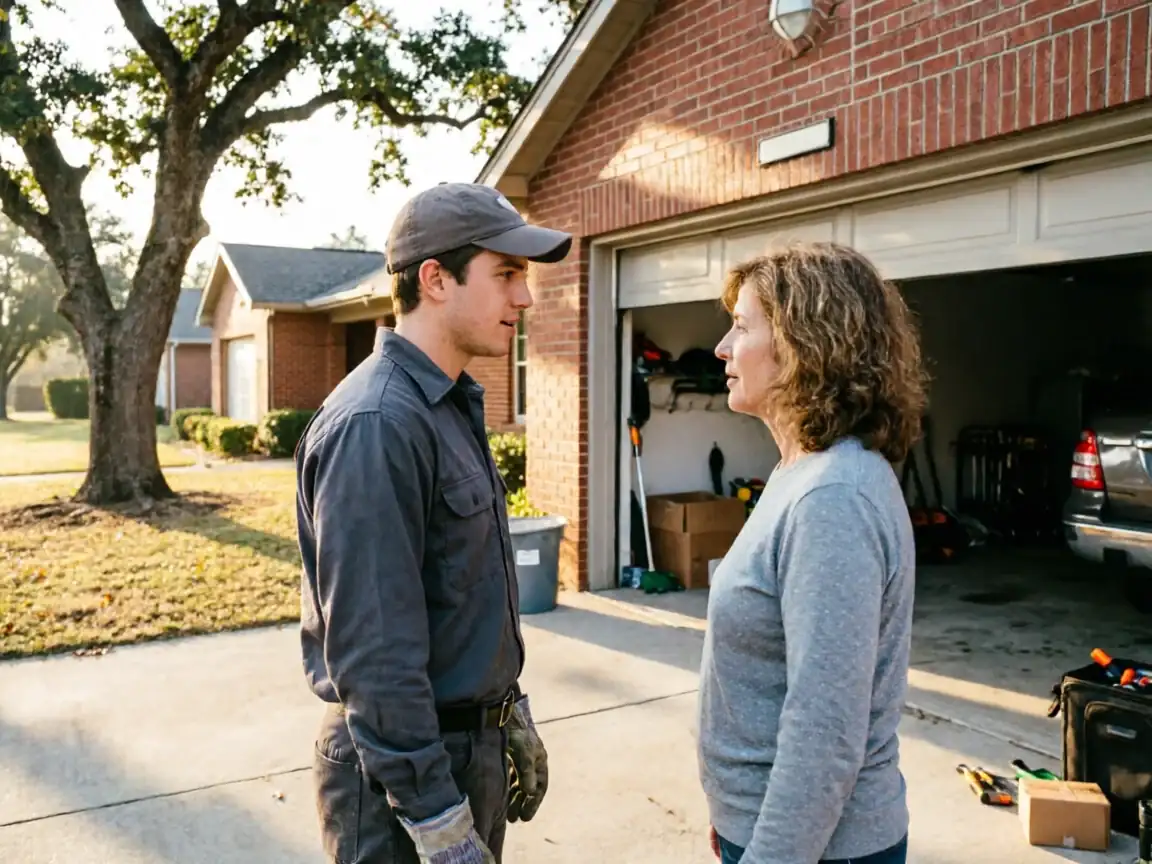
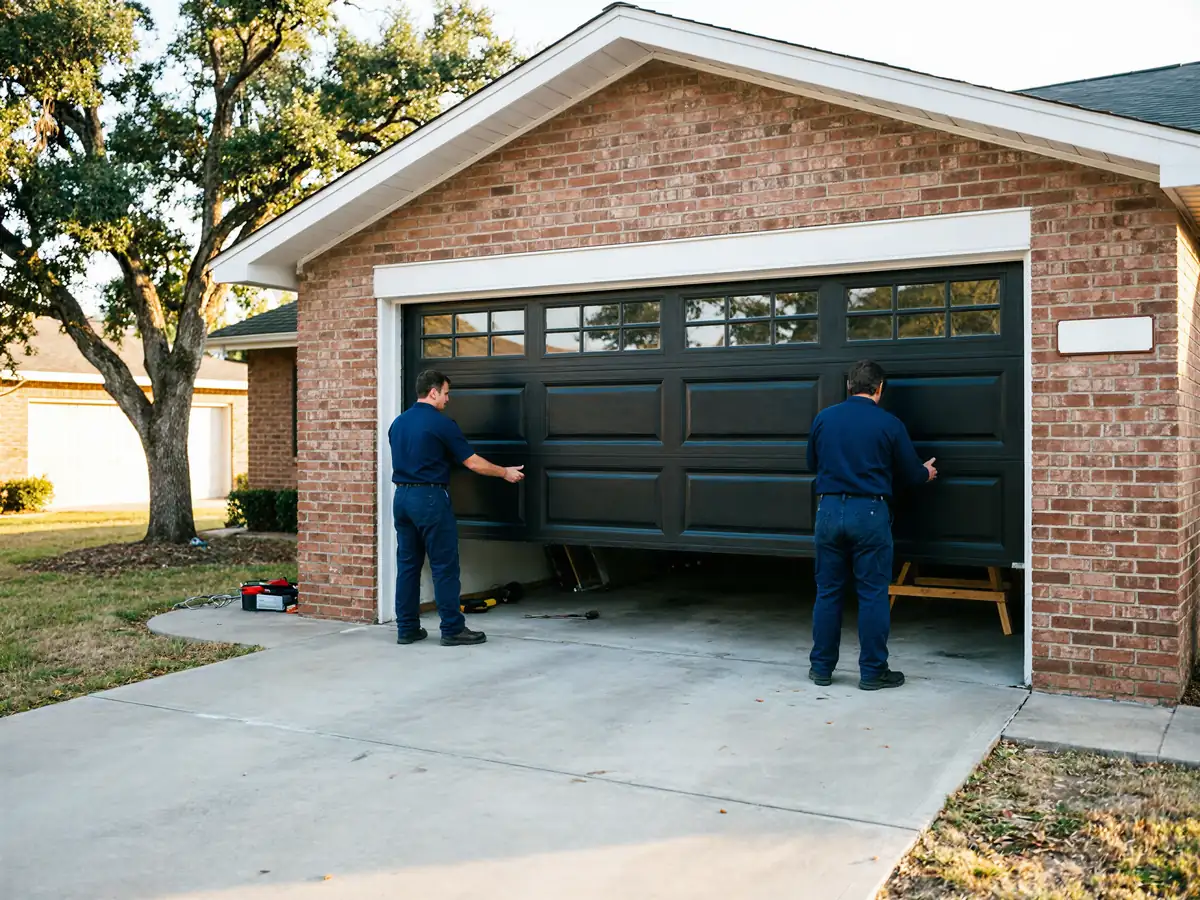
You can request a maintenance visit through the site at /. Tell us the age of the house if you know it and whether the door has ever been serviced - that's usually enough for us to know roughly what we're walking into before the truck shows up.
Maintenance visits aren't emergency calls, so we schedule them like any other appointment rather than working them in same-day. If the door is already stuck shut or a spring has gone, say so when you book - that changes what we bring and how soon we try to get there.
We don't require a service contract to book a tune-up. Some owners want one visit now and nothing else until something breaks; that's a fine way to do it. Others book annually, which tends to be the cheaper path over the life of the door, since it catches worn parts before they take something else down with them - a cable that snaps under tension can bend the track on the way down.
Can You Do This Yourself
Plenty of maintenance is fine to do yourself
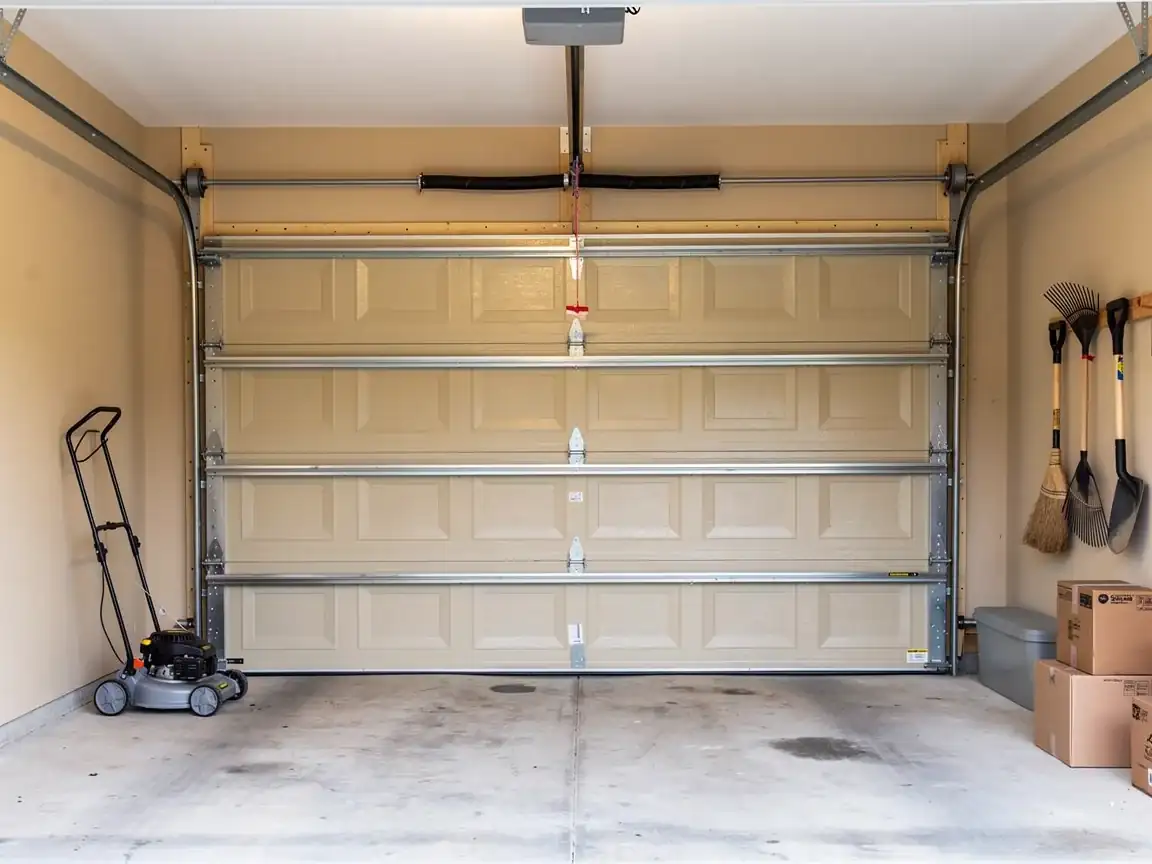
Wipe the tracks down, check that the photo-eye sensors near the floor are aligned and not caked in dust, and listen for new noises when the door runs - those are good habits regardless of who services the springs.
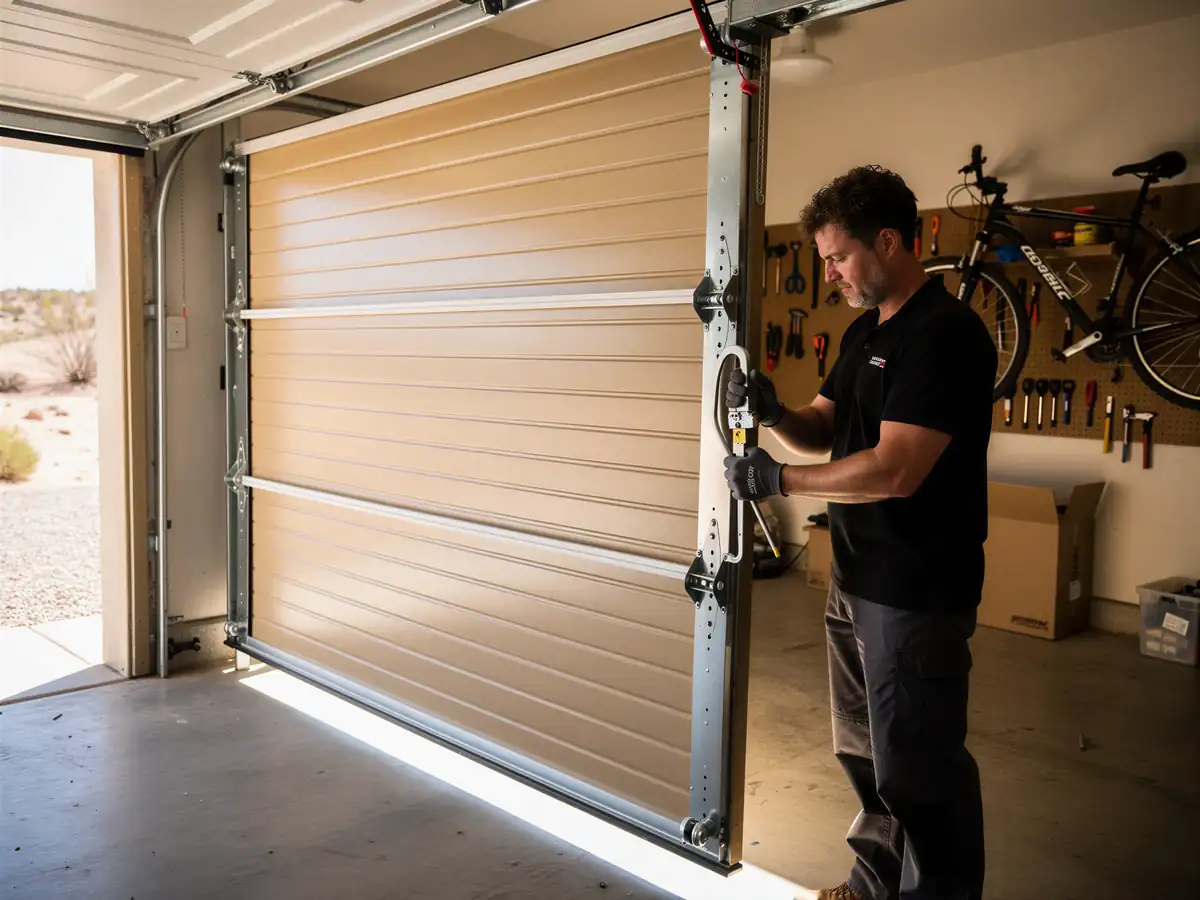
What you shouldn't do is touch the torsion spring
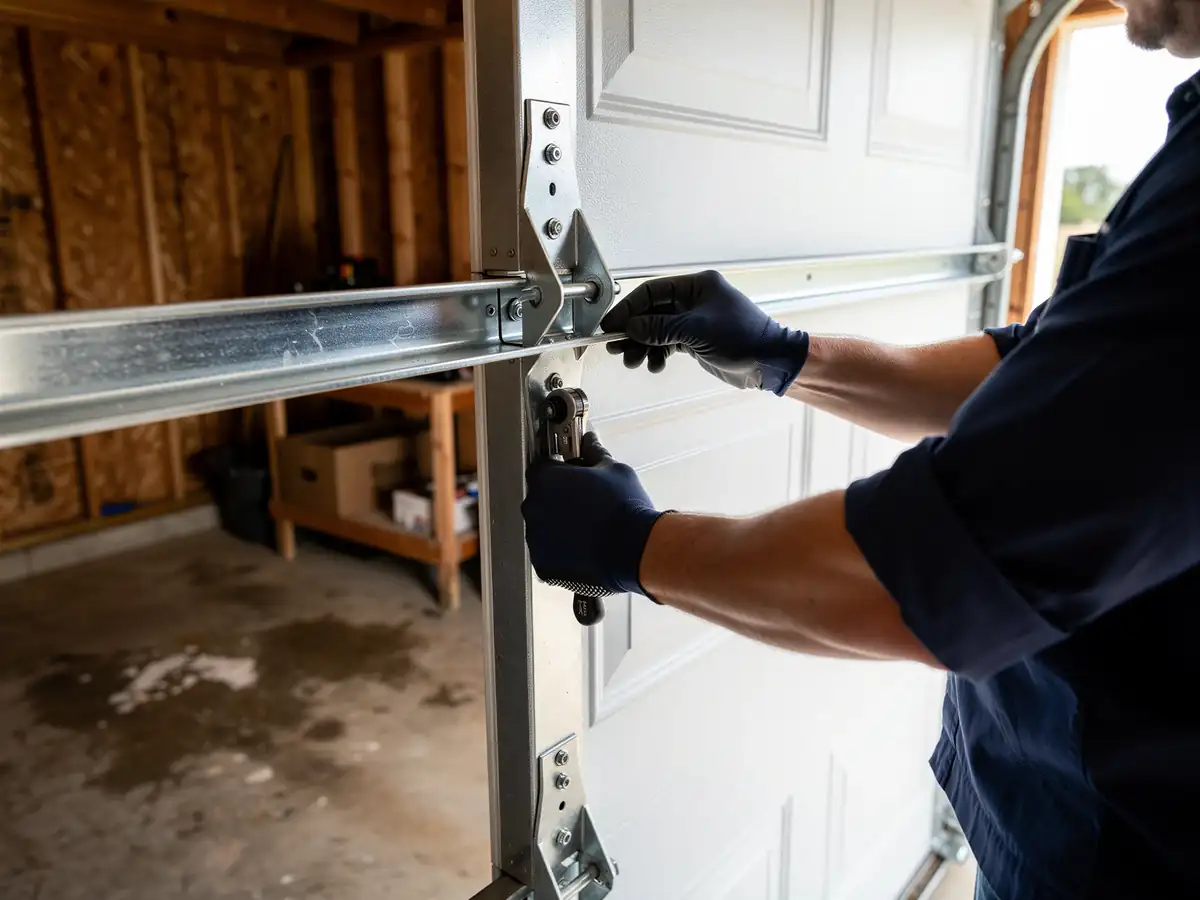
It's under enough tension to cause a serious injury if it releases wrong, and adjusting it without the right bars and a feel for the mechanism isn't a place to learn on the job. Lubricating rollers and hinges with the right product - not WD-40, which washes grease out rather than adding it - is reasonable for most owners.
One honest limit: if the door is more than a couple decades old and several things are failing at once
Springs, rollers, and a worn opener gear - a tune-up is sometimes just delaying a replacement conversation. We'll tell you that straight rather than keep charging for visits on a door that's at the end of its run.
Why This Fails Locally
This isn't a generic garage door problem - it's tied to what's actually sitting in these garages. Housing across the service area runs 1959 to 1994, median around 1983, and that 1980s-to-90s wave covers all 13 named areas we service, from down to Hwy 84 West. A lot of that original torsion hardware and those factory rollers are still in place, just four decades further into their wear cycle.
Central Texas heat, even classified as a moderate band rather than extreme, still runs garages hot enough for long stretches that factory lubricant on 25-to-40-year-old springs dries out faster than most owners expect. A spring that would hold its tension for years in a cooler climate loses it sooner here, and nobody notices until the door starts dropping unevenly.
With roughly 14,225 owner-occupied houses across the service area, most built before that 1994 cutoff, this isn't a handful of outlier homes - it's the housing stock itself. A median household income of $76,833 in this area means most owners can afford to catch a worn spring before it fails, but plenty still wait for the door to stop working rather than schedule the visit that would've caught it.