The Situation
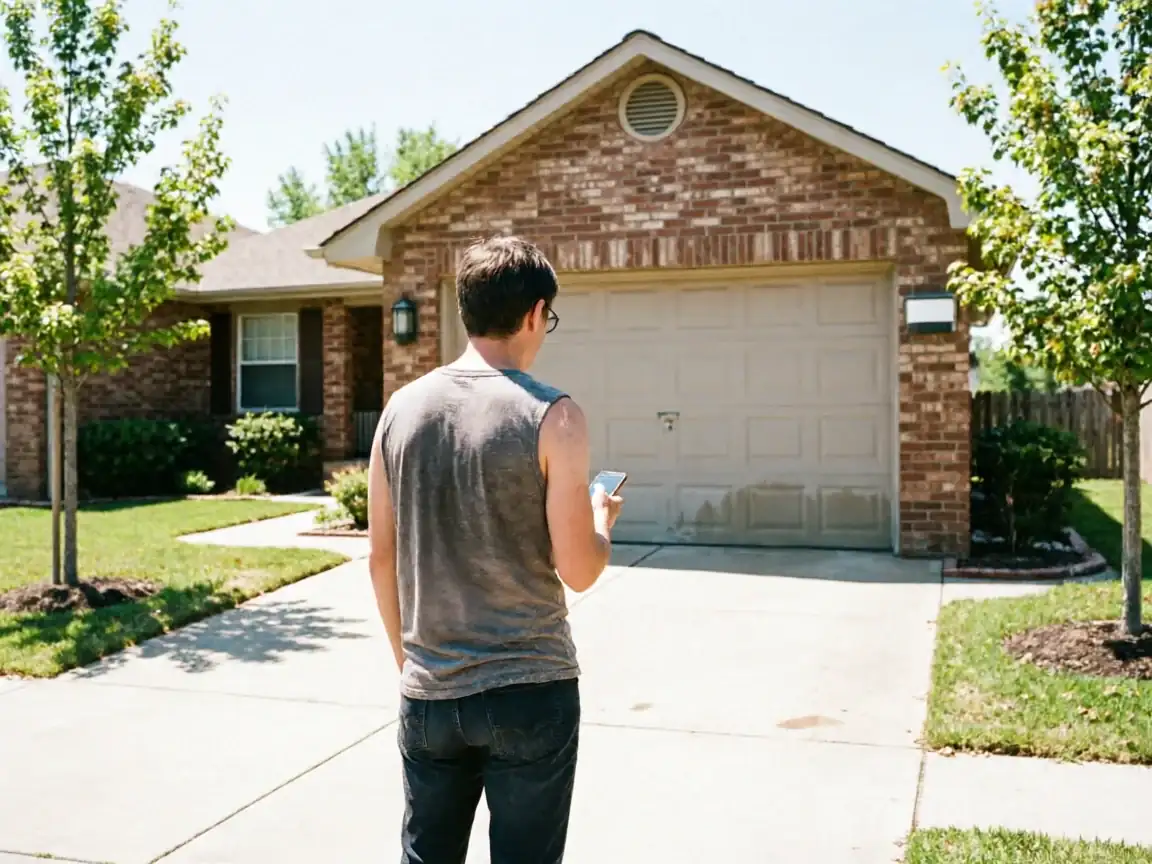
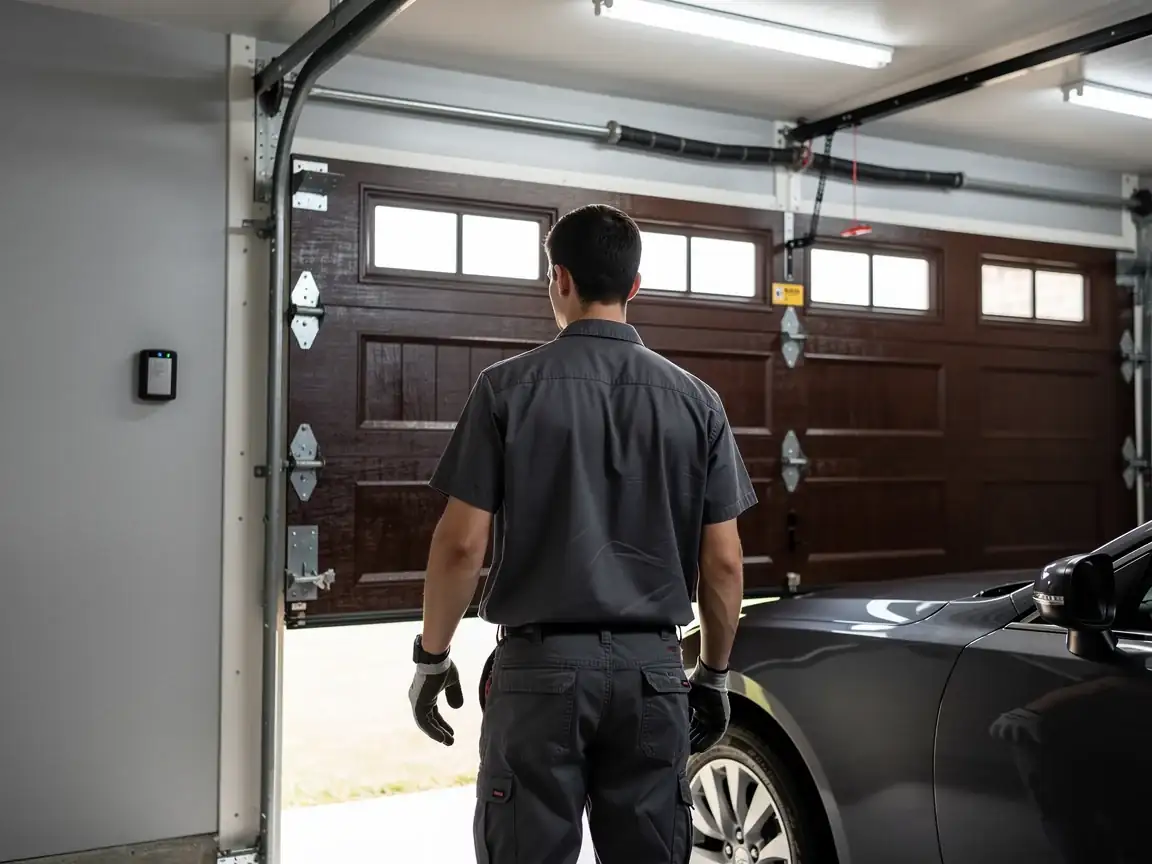
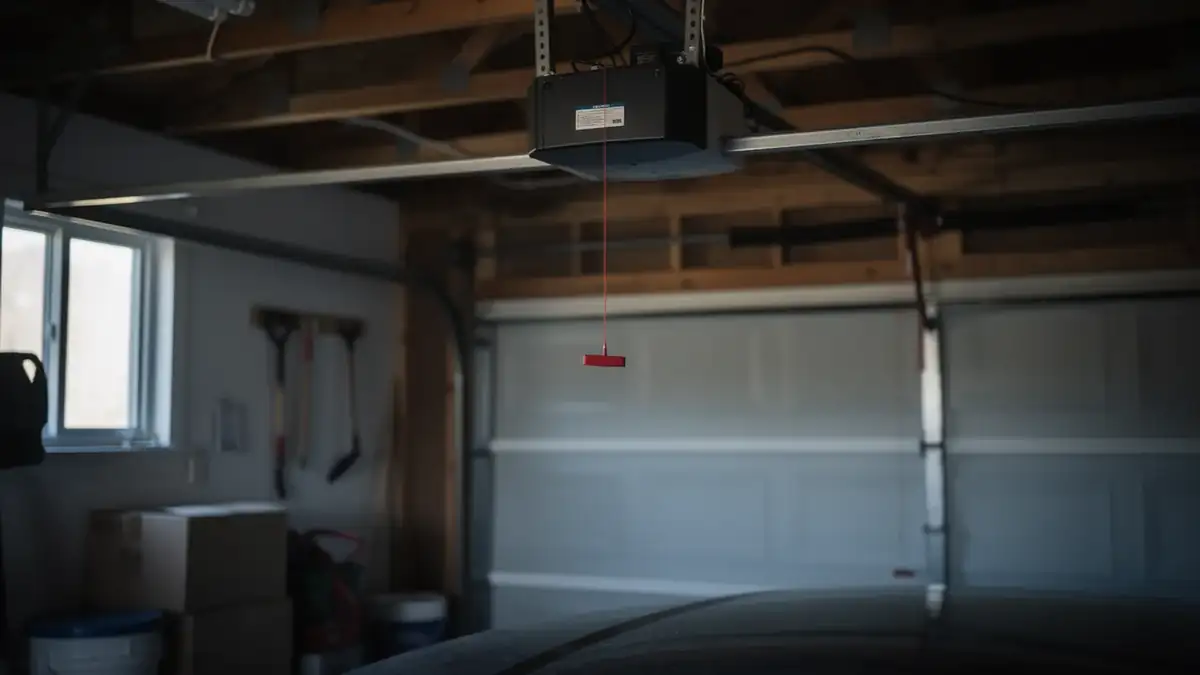
Most of the houses we work on in this service area went up between 1959 and 1994, and the bulk of that stock dates to the 1980s and 90s. That matters for openers because a chain or belt drive installed during a remodel in those decades is often on its second or third motor by now, wired straight into a wall outlet with no battery backup at all. When the power drops, that door is stuck wherever it was when the juice cut out - up, down, or half open. For the roughly 14,225 owner-occupied houses across this area, that usually means someone standing in the driveway pulling the red emergency release cord for the first time and not quite remembering how it works. It's a simple mechanism, but it's not intuitive under stress, especially at night. We see this most on homes that never had their opener swapped out when the rest of the house got updated - the door panel might be newer, but the motor overhead is original to the 80s or 90s build.
How Local Conditions Play In
This area sits in a moderate heat climate band, and summer is when the regional power grid gets stressed hardest - rolling brownouts and short outages cluster on the hottest afternoons, not in winter. That's also exactly when a steel garage door panel is baking in direct sun and the opener motor is already working harder than normal just to lift a door that's expanded slightly in the heat. Put those two things together and you get the pattern we actually see on calls: outages concentrated in the hot months, hitting openers that are already running warm, on doors that are a little stiffer than they'd be in spring. A motor under strain during a heat-driven outage is more likely to trip its internal thermal cutoff than one working in mild weather, which can make it seem like the power cut "broke" the opener when really the outage just caught a motor that was already near its limit.
What You Pay
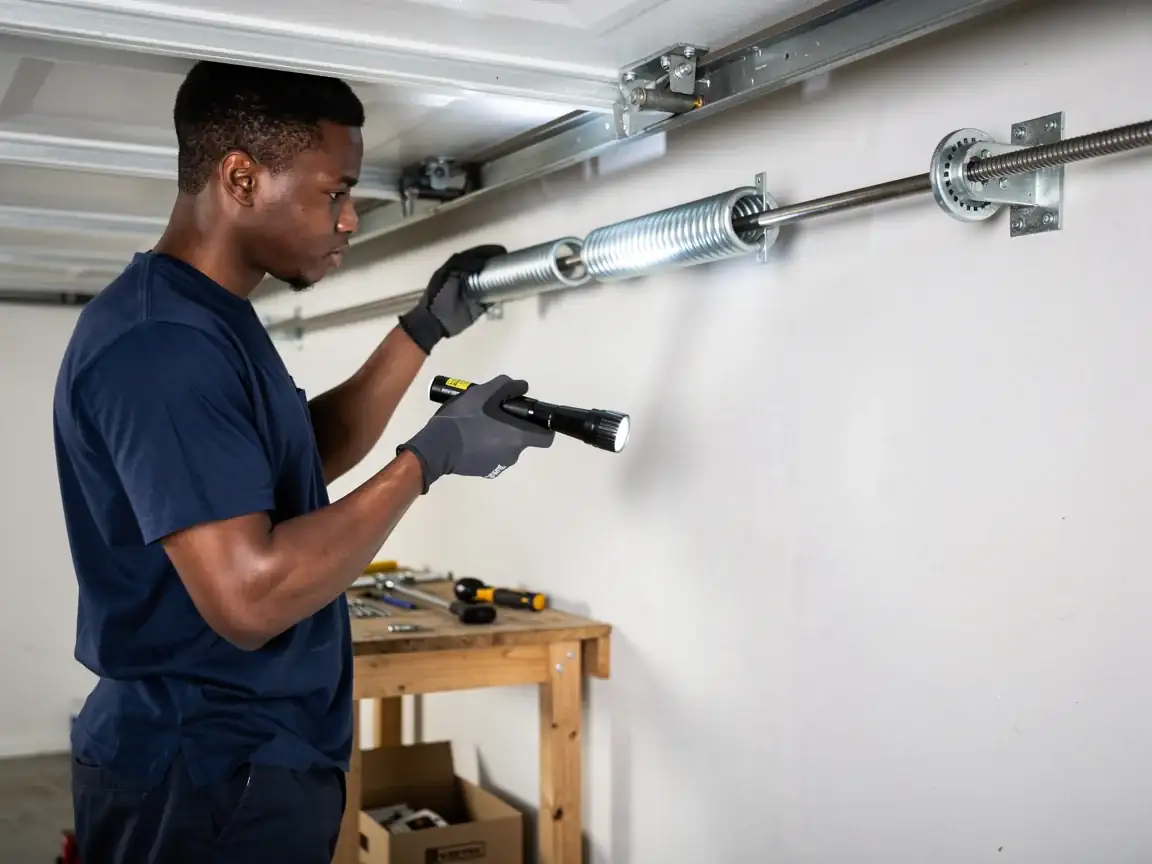
We don't have a flat number to quote here without seeing the opener and the door - motor age, drive type, and whether the wall wiring needs any work all change the job. What we can tell you is how to think about it: across the roughly 22,710 households in this area, a mid-80s or 90s chain-drive opener nearing the end of its life after repeated heat-season strain is often a better candidate for replacement than repair, since parts for motors that old are getting harder to source. A battery backup unit added to an existing opener is a smaller job than swapping the whole system, and it's the piece that actually solves the power-cut problem directly rather than just delaying the next failure. With a median household income of $76,833 in the area, most owners we talk to want that straight comparison - repair cost versus replacement cost - before deciding, and that's a conversation we have on site, not over the phone.