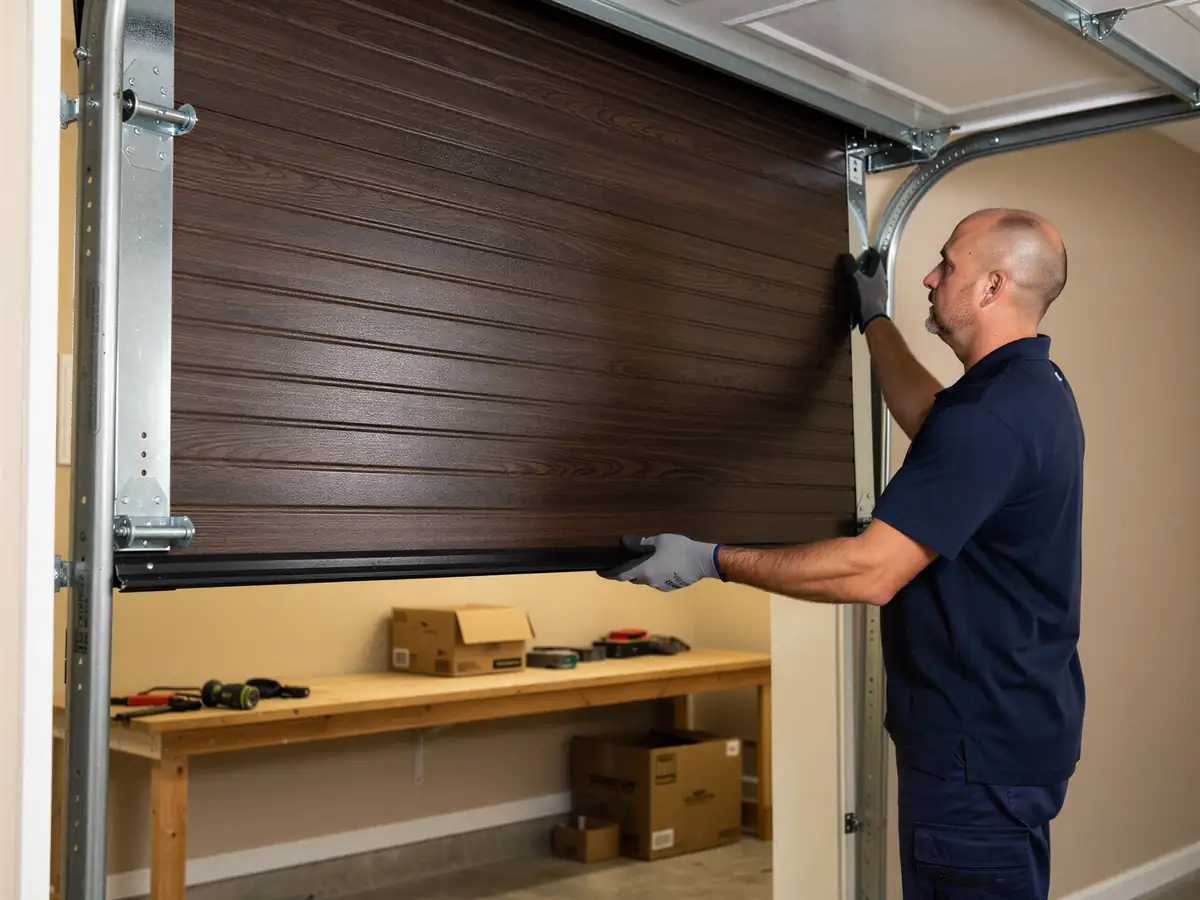
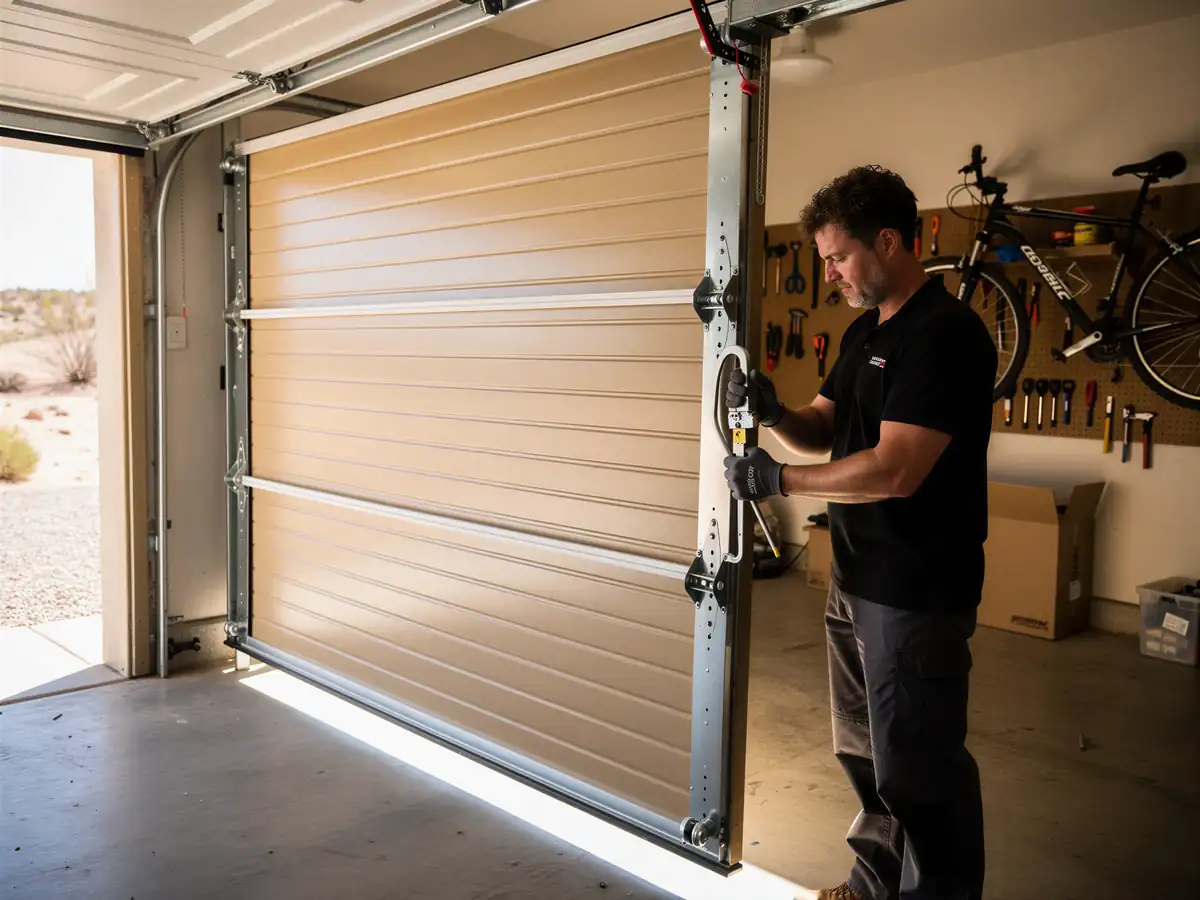
How It Shows Up
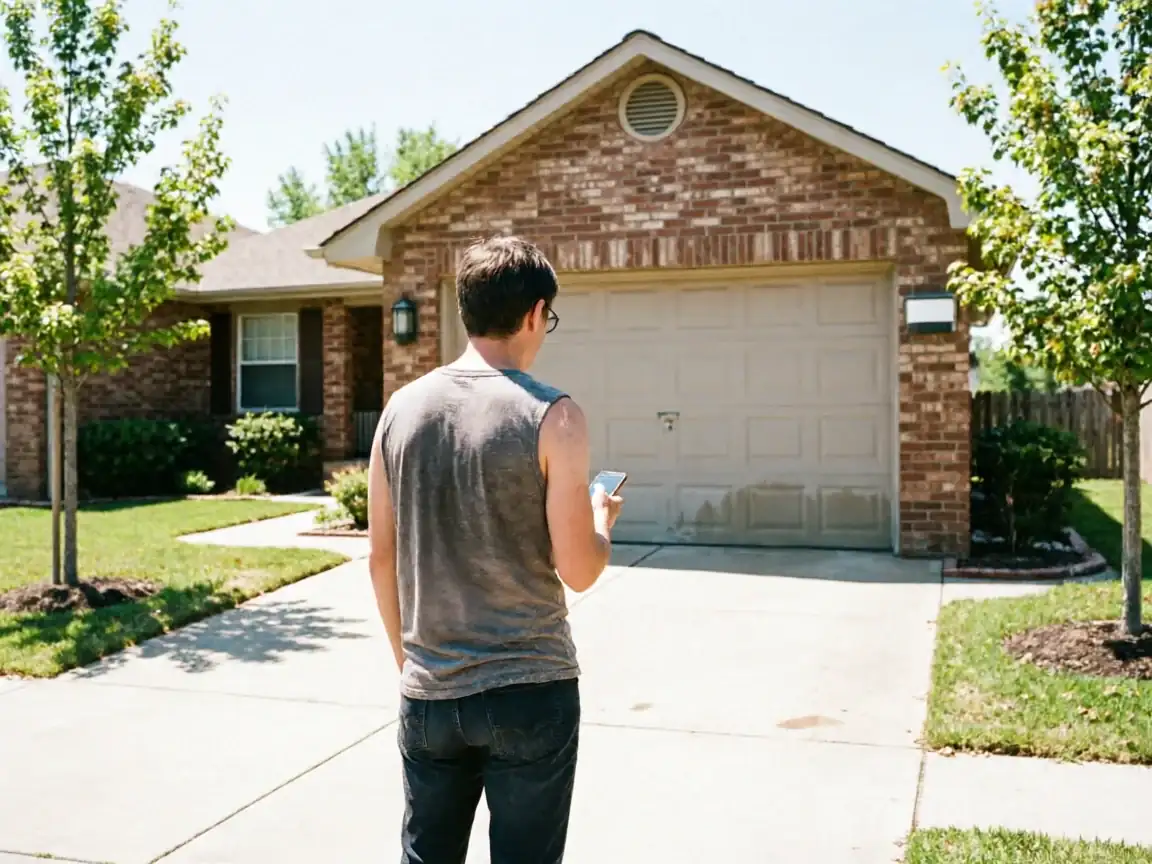
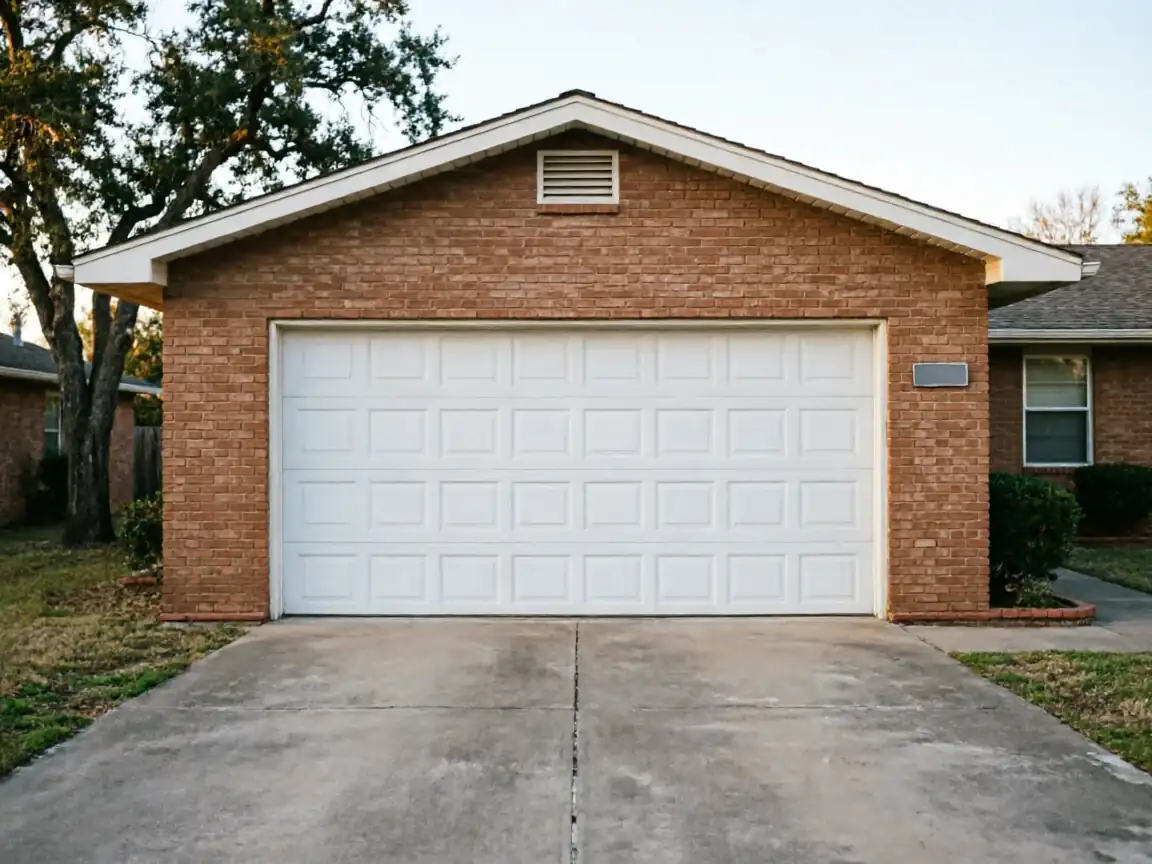
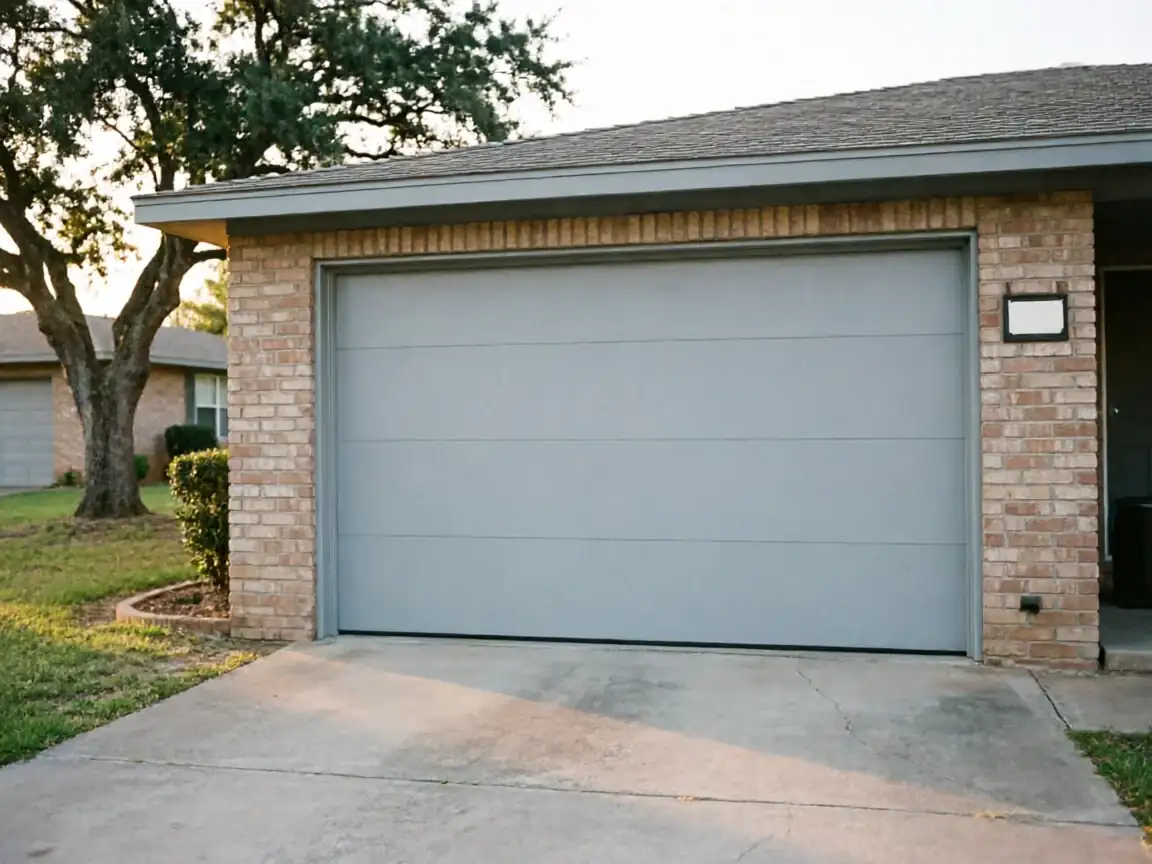
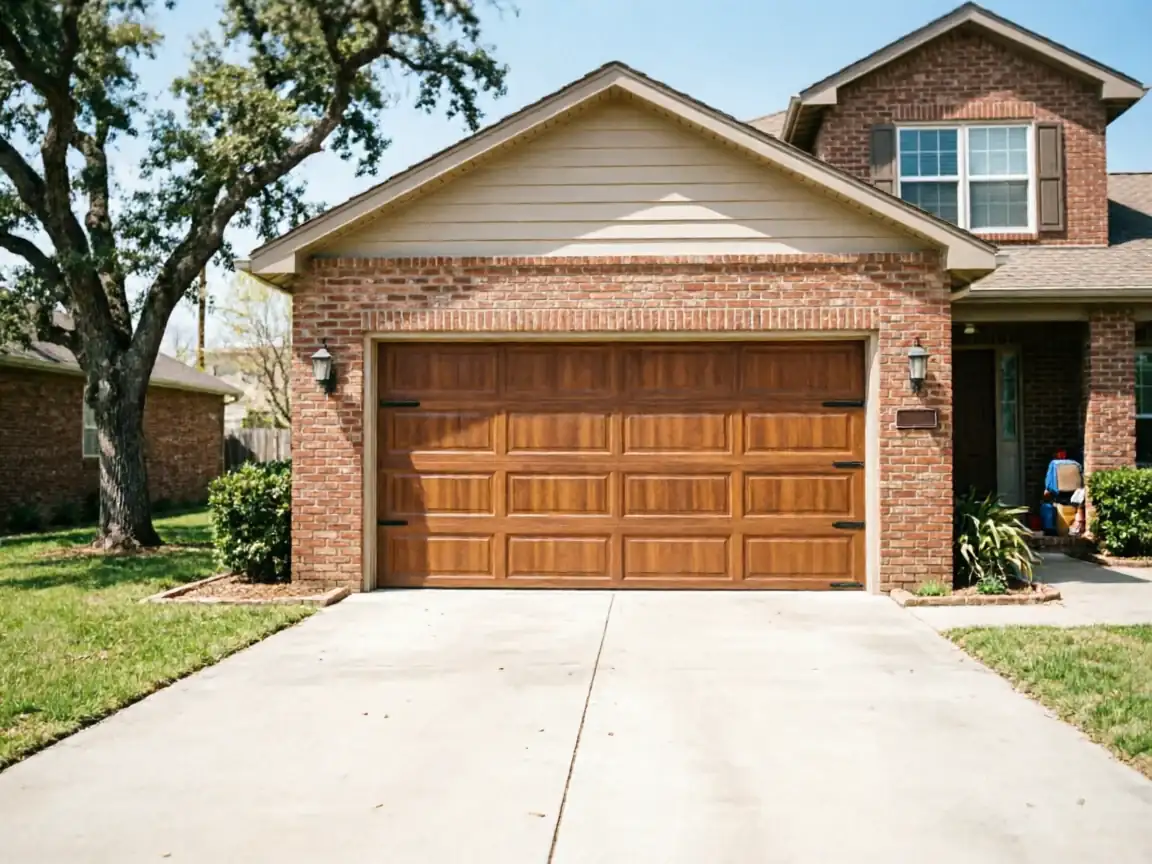
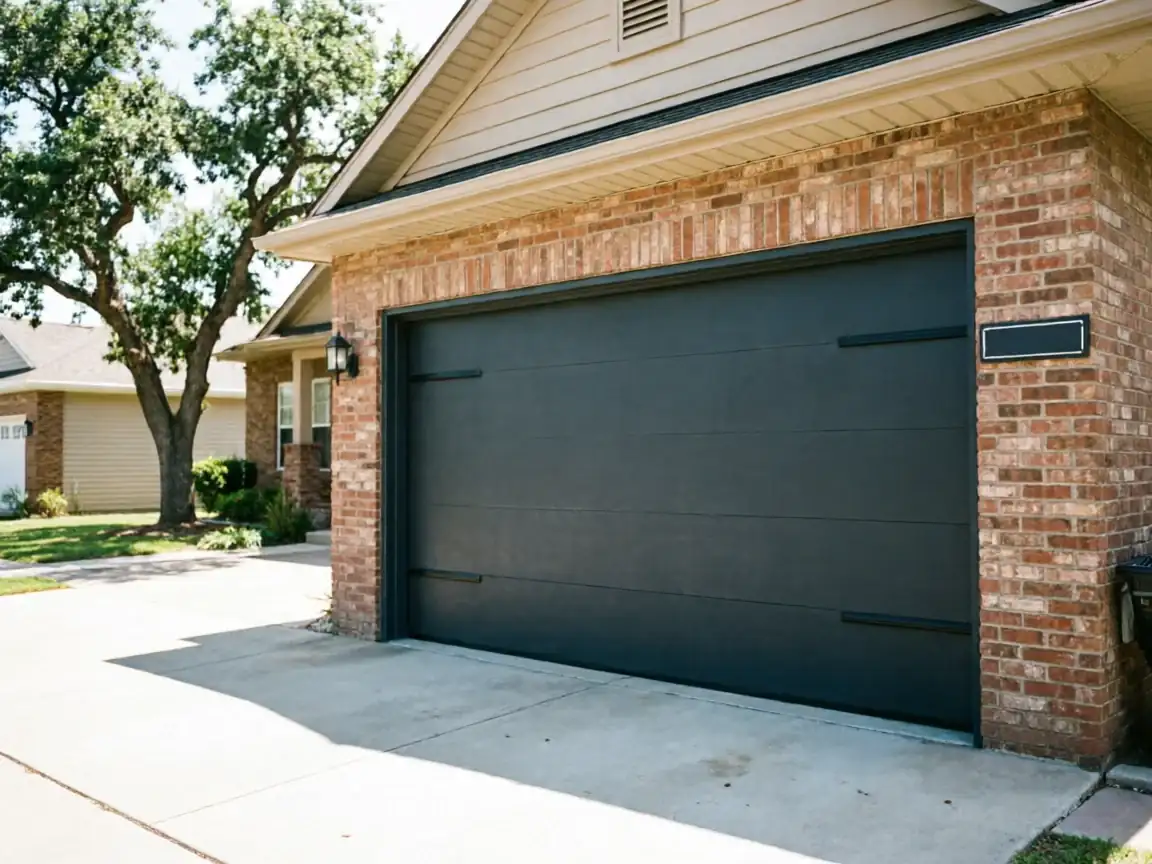
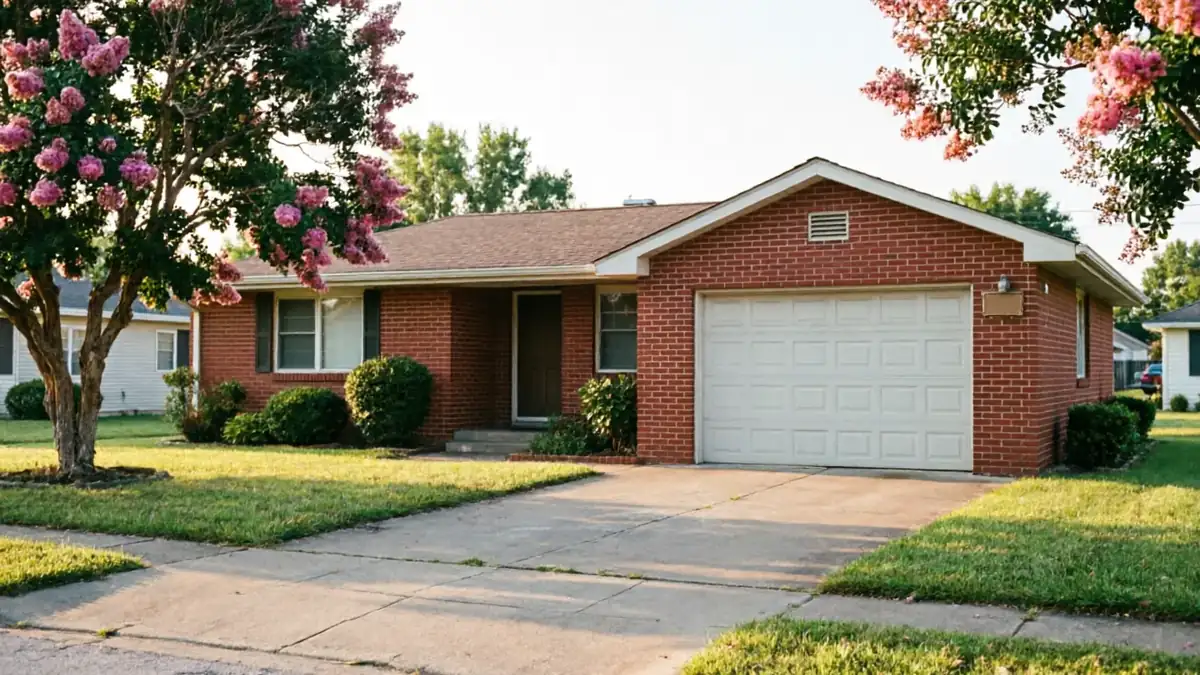
Most houses across Waco's 13 named neighborhoods and surrounding areas were built between 1959 and 1994, with the median landing in 1983. That puts a lot of the housing stock at 30 to 60 years old right now, and the garage door on most of those homes is either the original or a direct swap-in replacement from decades ago. You see it as a single steel panel door, often two-car width, running on hardware sized for a door that's lighter than what's hanging there now if anyone added insulation or a heavier skin along the way.
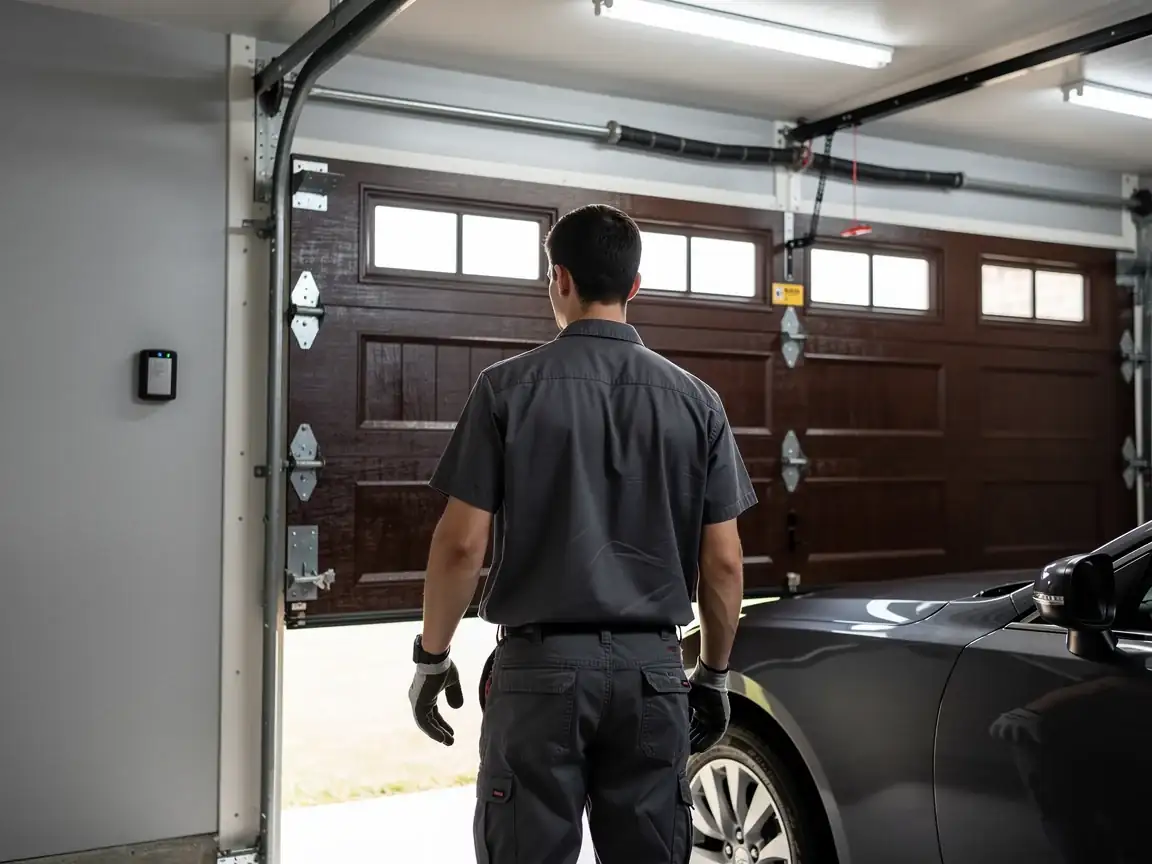
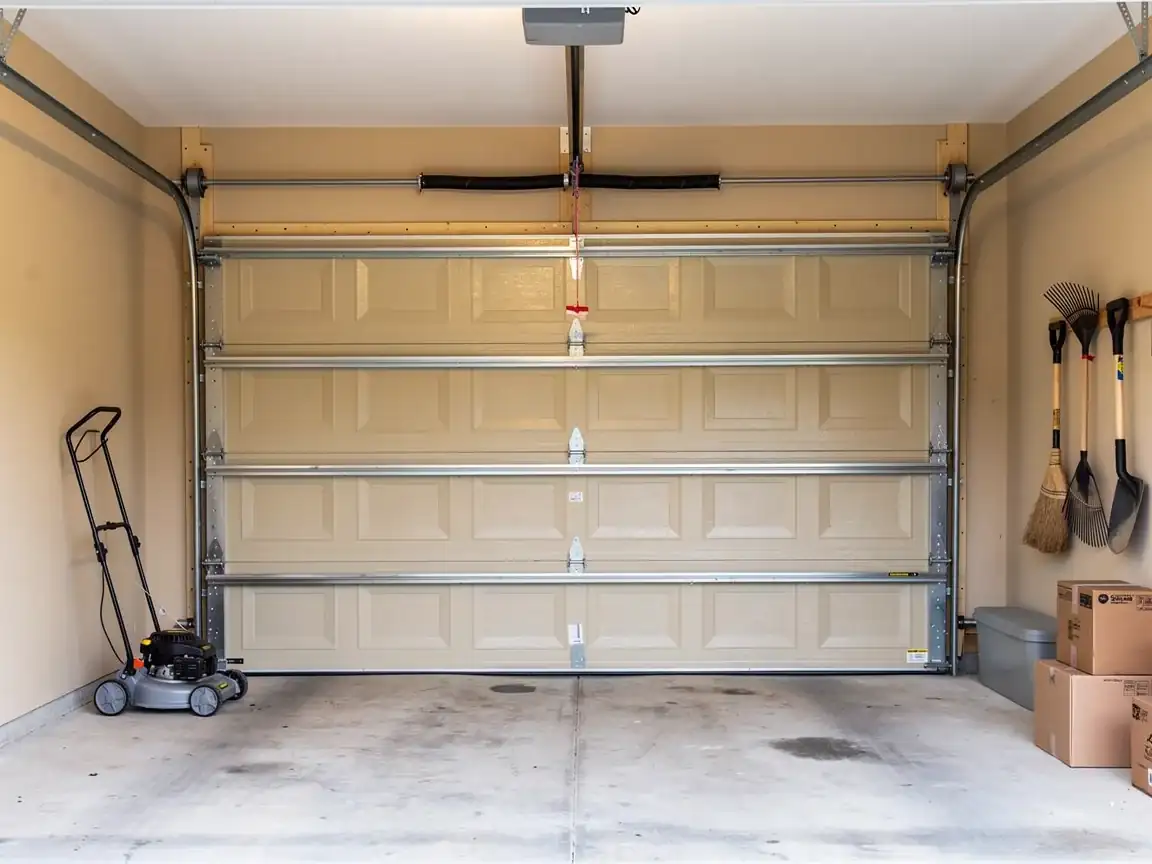
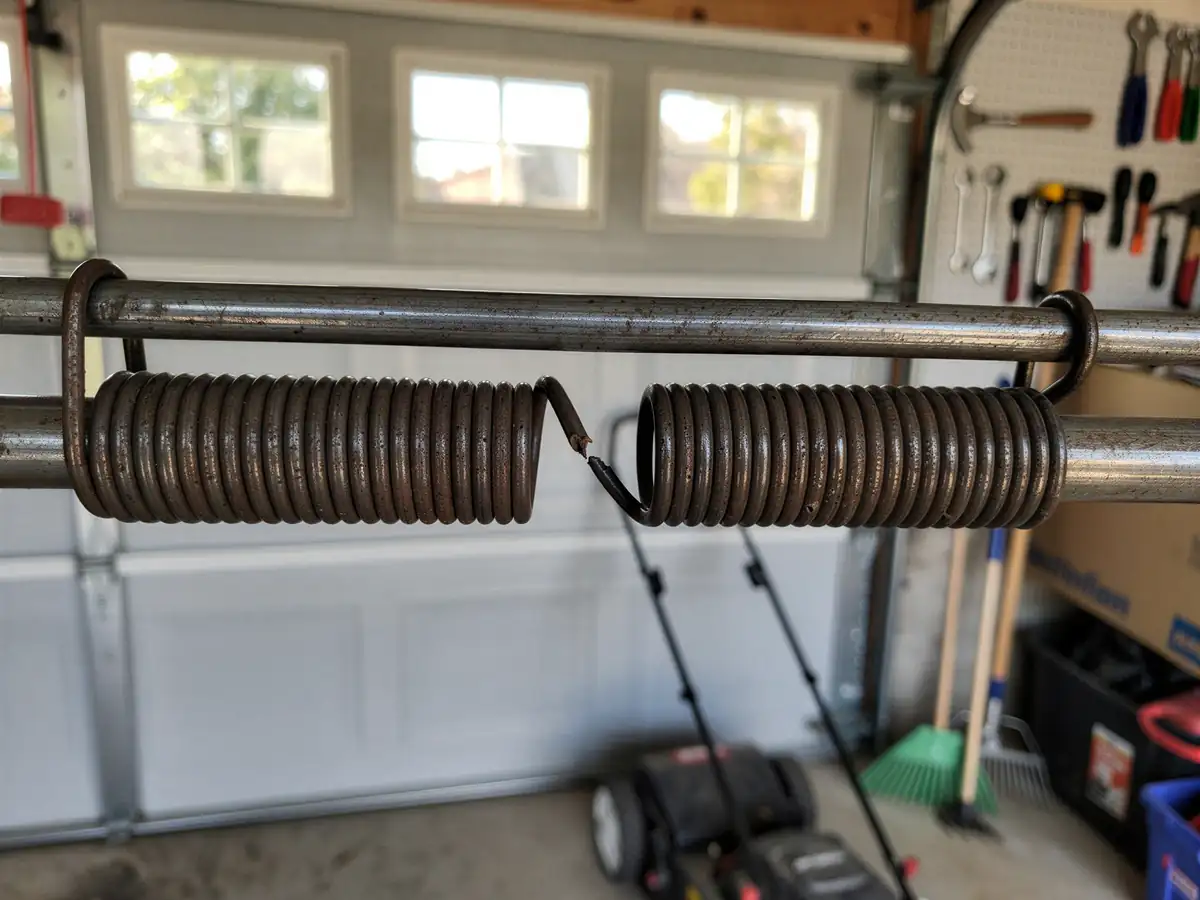
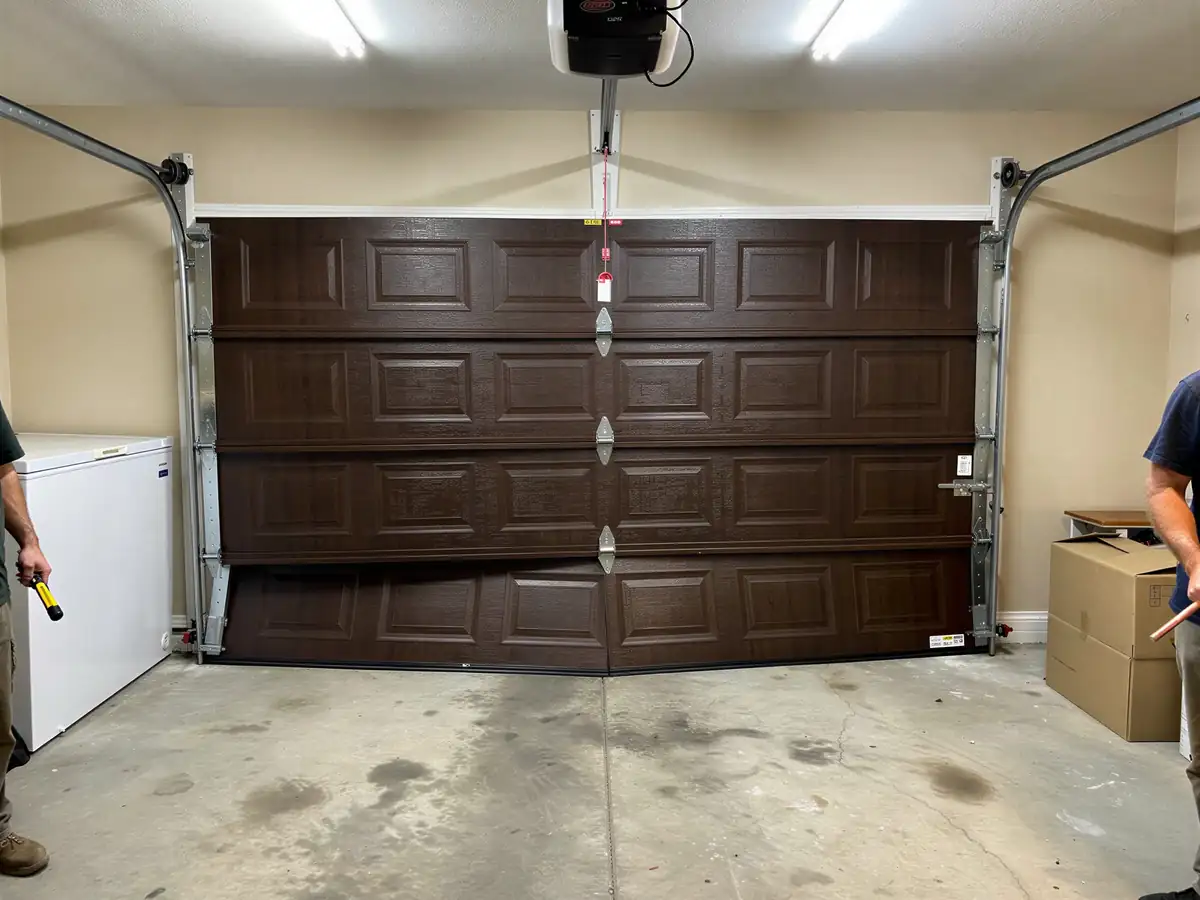
In areas like where the bulk of the stock dates to the 1980s and 90s, the failure point is usually the track alignment or the spring, not the opener. The door still looks fine from the driveway. It's the stuff behind the panel - bent track, a spring that was never rated for the door's actual weight, rollers worn from thirty summers of daily cycling - that pushes a homeowner from repair into full replacement. A new install isn't about cosmetics here. It's about matching the door to a house that was built for a different door than the one currently in the opening.
How to Book
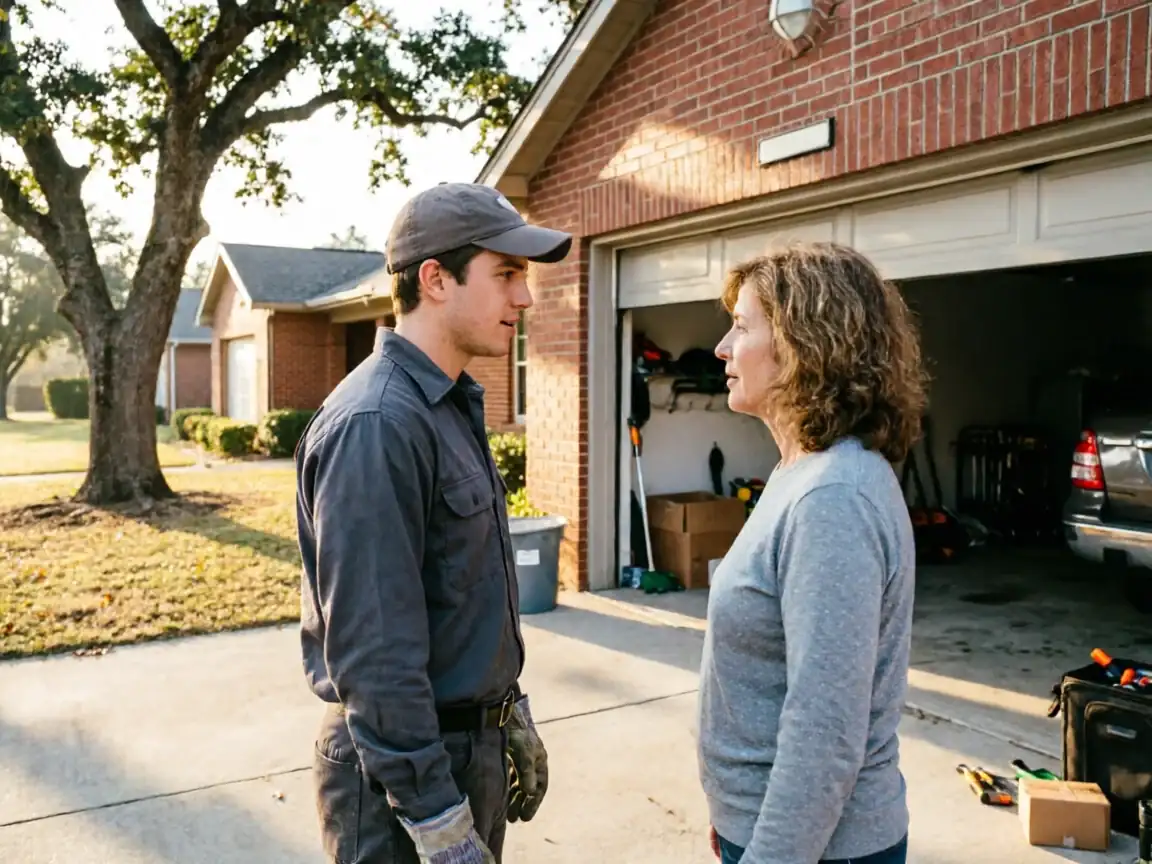
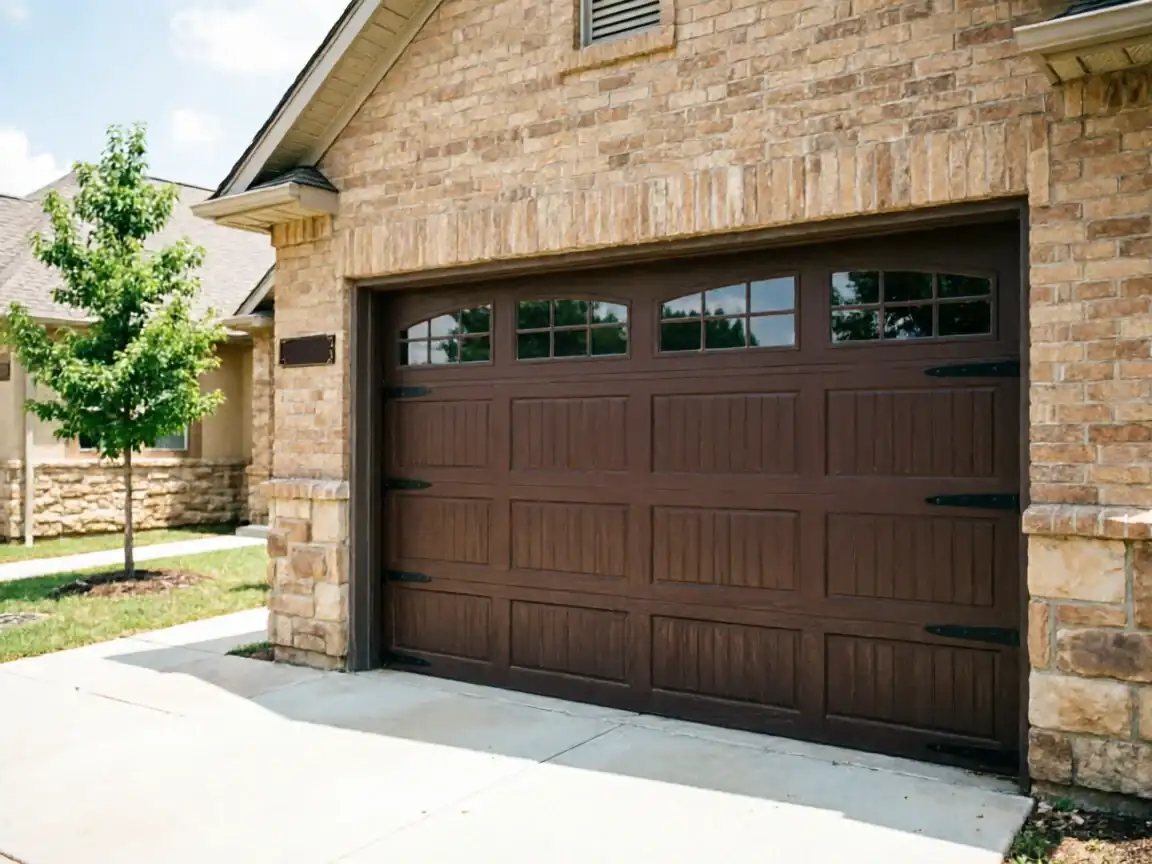
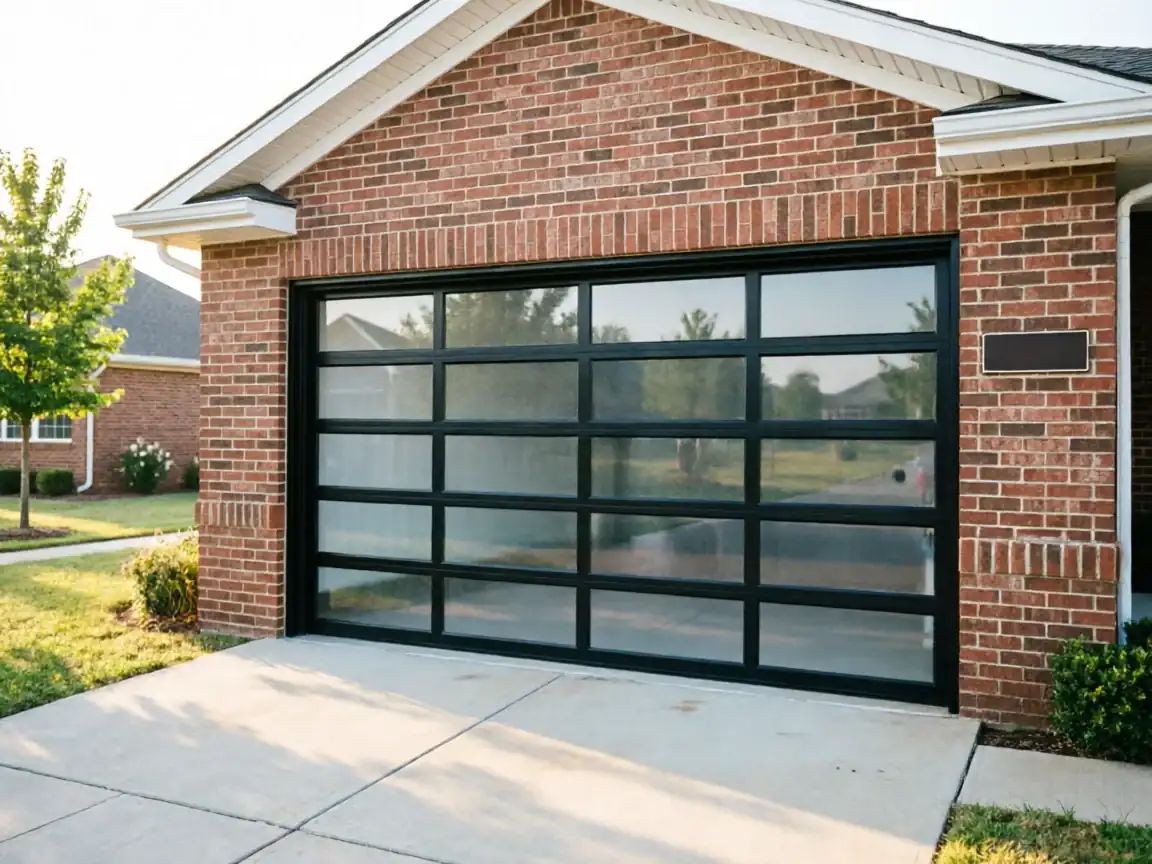
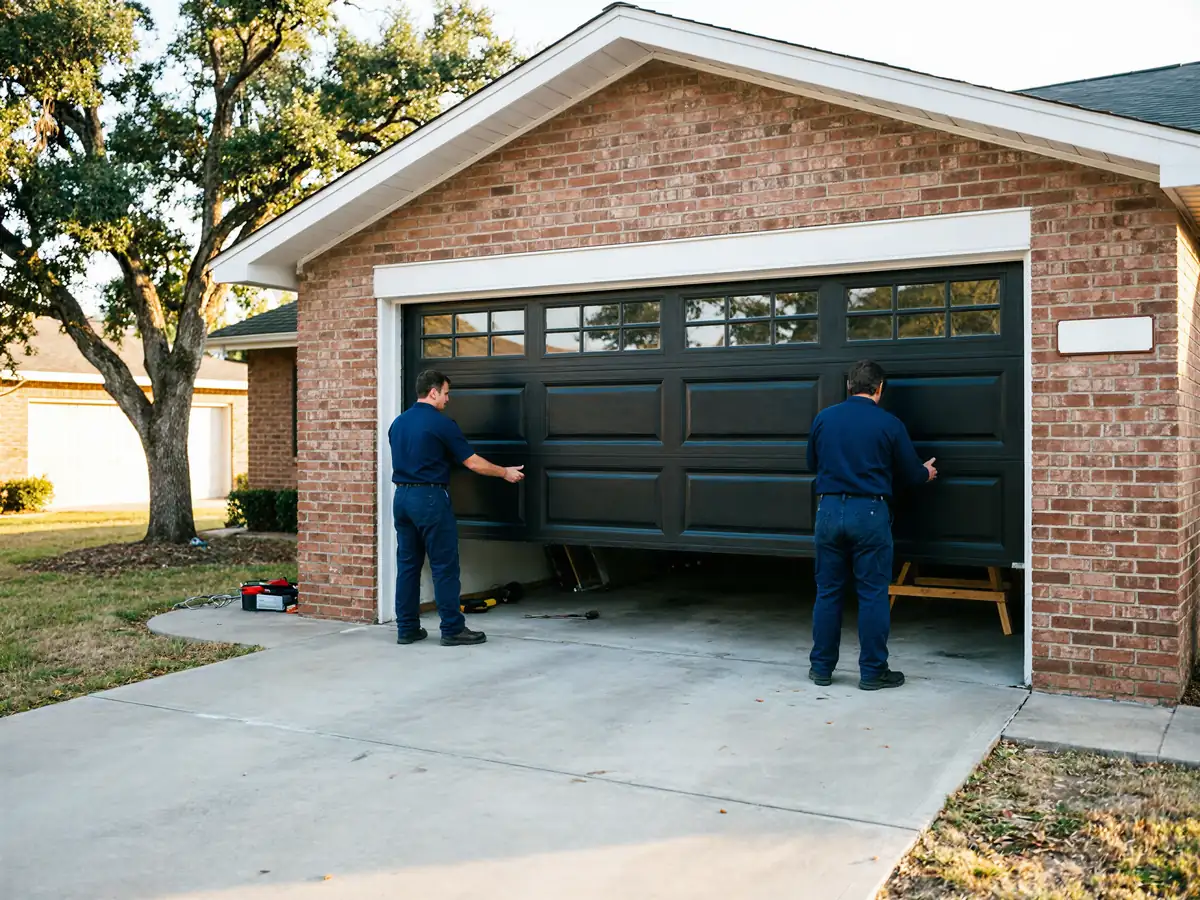
If you're at the point where you want a quote on a full garage door installation rather than another patch job, the fastest path is through the contact page. Tell us the door size, whether it's a single or double opening, and roughly how old the current door is - that's usually enough for us to show up with the right options instead of guessing on-site. We serve the Waco service area, including Woodway, Bellmead, Hewitt, Robinson, and the closer-in neighborhoods.
We'll want to see the opening in person before quoting a final number, because houses in this area built across four different decades (1959 through 1994) don't share one standard opening size or track clearance. A door that fits a 1983-built house in one neighborhood might need a different header clearance than a similar-looking house built ten years later a few miles away. Book a look before you book a door.
Can You Do This Yourself
A full garage door installation is not a weekend DIY project, and we'll say that plainly
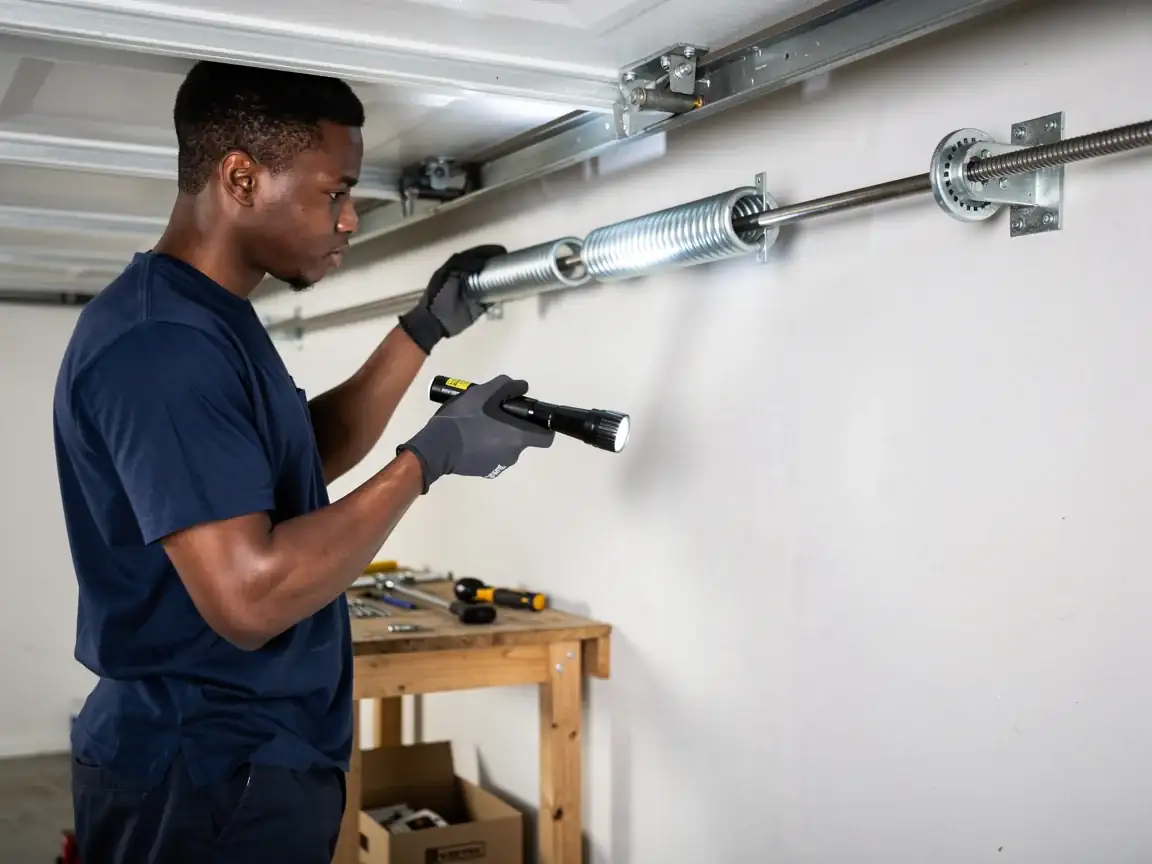
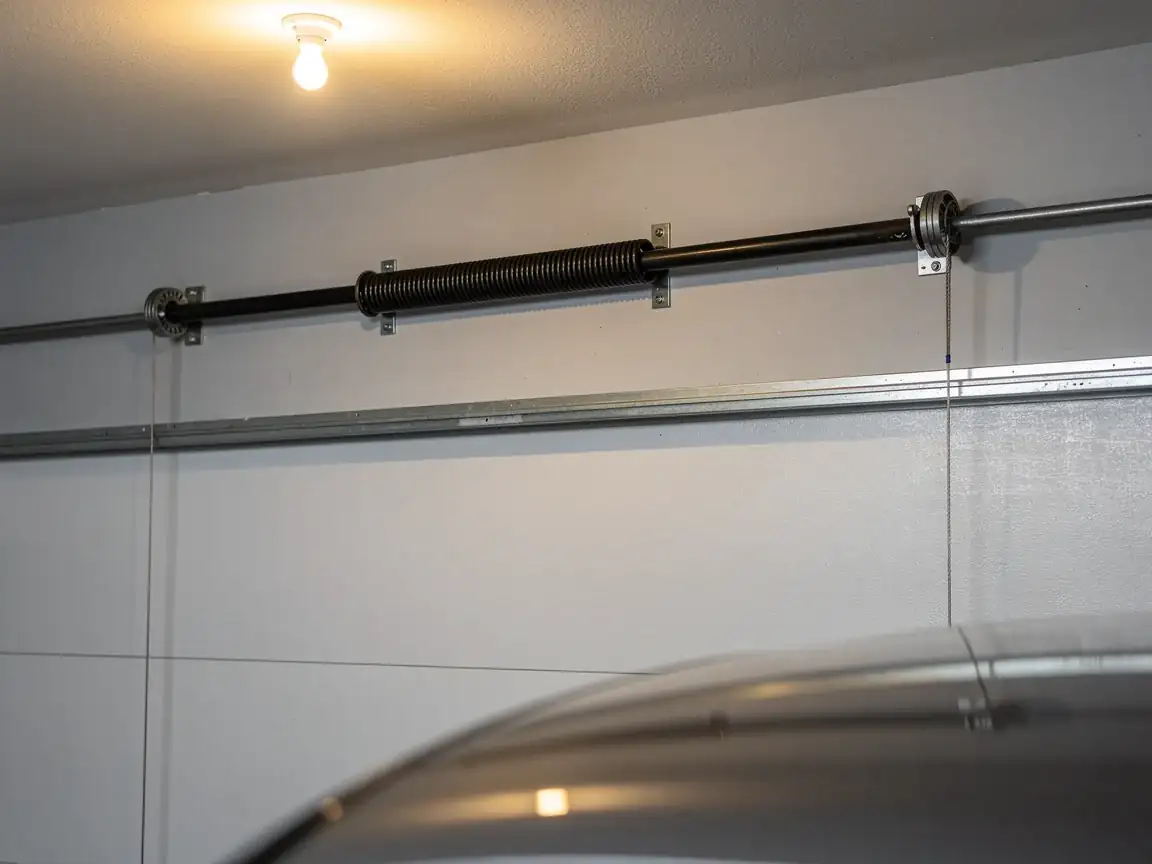
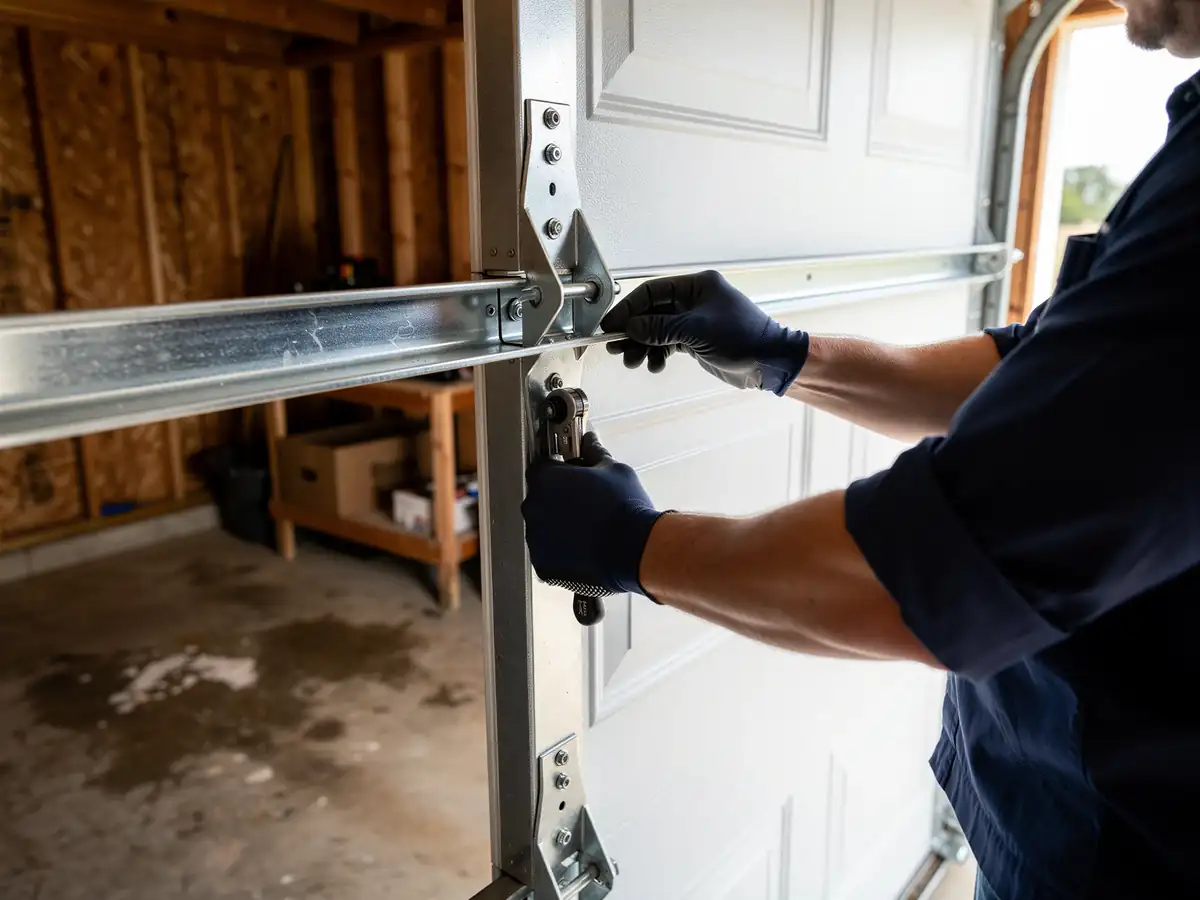
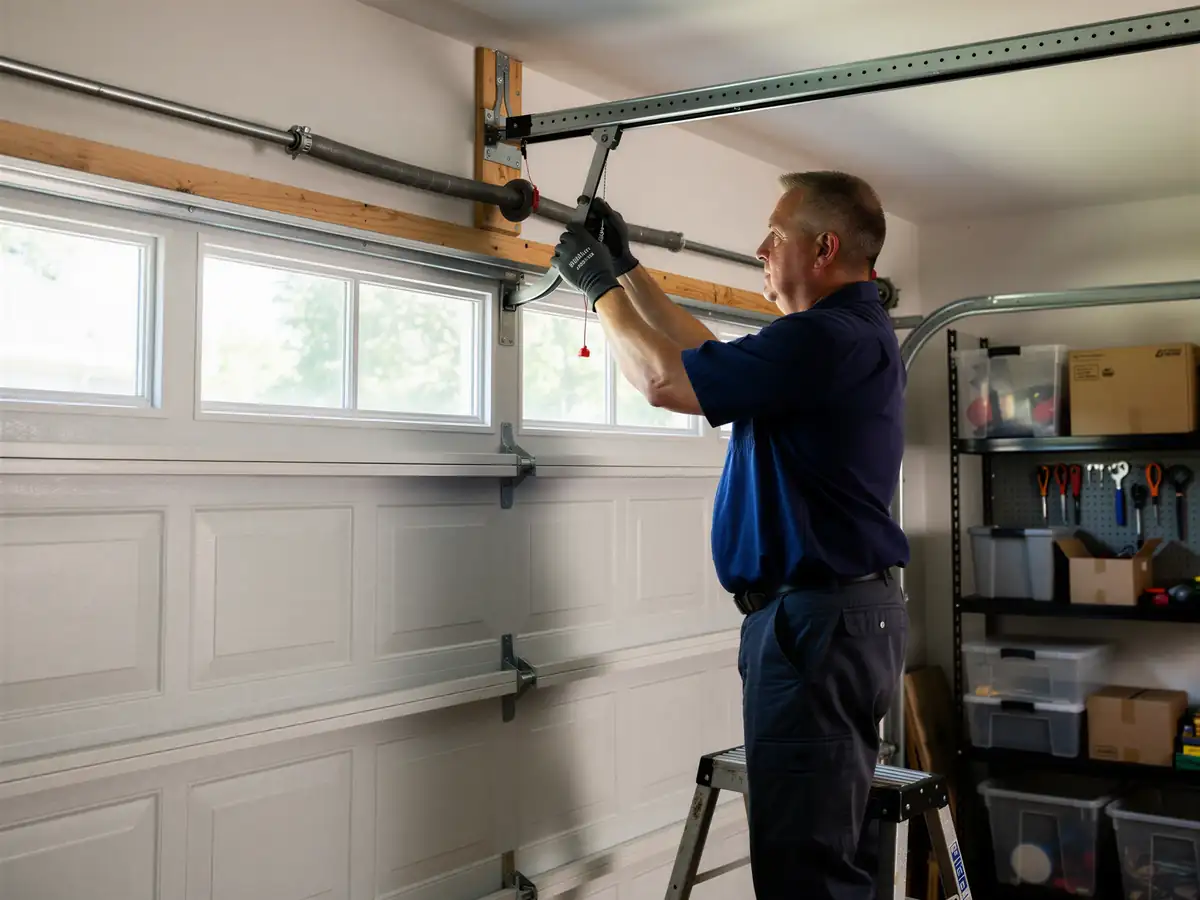
The door itself is heavy, the torsion spring is under enough load to cause serious injury if it lets go while you're working on it, and getting the tracks plumb on a house that's settled over 30-plus years of Texas heat cycles is harder than it looks from a video.
Where a homeowner can reasonably do their own work
Swapping weatherstripping, replacing a worn roller one at a time, or tightening loose track bolts on an otherwise sound door. Those are maintenance tasks, not installation tasks, and they're fine to tackle with basic tools.
Where it stops being a good idea
Removing the old door, disconnecting the spring system, or reframing an opening that's shifted with the house. If your house is one of the older ones in the 1959-1994 range and the opening isn't square anymore, that's a job where a bad measurement means a door that binds, rattles, or won't seal - and a torsion spring injury is not a risk worth taking to save a service call.
Why This Fails Locally
The reason this keeps showing up as a Waco-specific problem rather than a generic one comes down to the age spread of the housing stock and the climate band. With housing built mostly between 1959 and 1994 and a median year of 1983 across the service area's 13 named neighborhoods, a huge share of garage doors in Woodway, Bellmead, Hewitt, and the closer-in parts of Waco are now old enough that the steel has fatigued, the galvanizing has worn thin at the bottom panel, and the spring was sized for a lighter door than many of these have become after owners added insulation or a solid-core replacement panel somewhere along the way.
Waco's heat band is classified as moderate, which doesn't sound dramatic, but it means steel panels and tracks go through daily expansion and contraction cycles for most of the year. On a 40-year-old door, that cycling finds every weak spot - a track bolt that's loosened a sixteenth of an inch, a spring that's lost a little tension, a panel seam that's started to separate. None of that is dramatic on its own. Combined with the age of the stock across 22,710 households and 14,225 owner-occupied houses in this service area, it adds up to a lot of doors reaching the end of their service life around the same years.