How to Book
We're based in Waco and run out to Woodway as a regular stop, about 5 miles down the road. There's no branch office here and no separate crew - it's the same truck that covers the rest of the service area, which means scheduling works the same way it does anywhere else we cover: you call, we find out what door you've got and what's wrong with it, and we put you on the board. Because Woodway sits close in, it's rarely the deciding factor in how soon we can get there - what matters more is whether we're carrying the right panel stock for a door built when yours was.
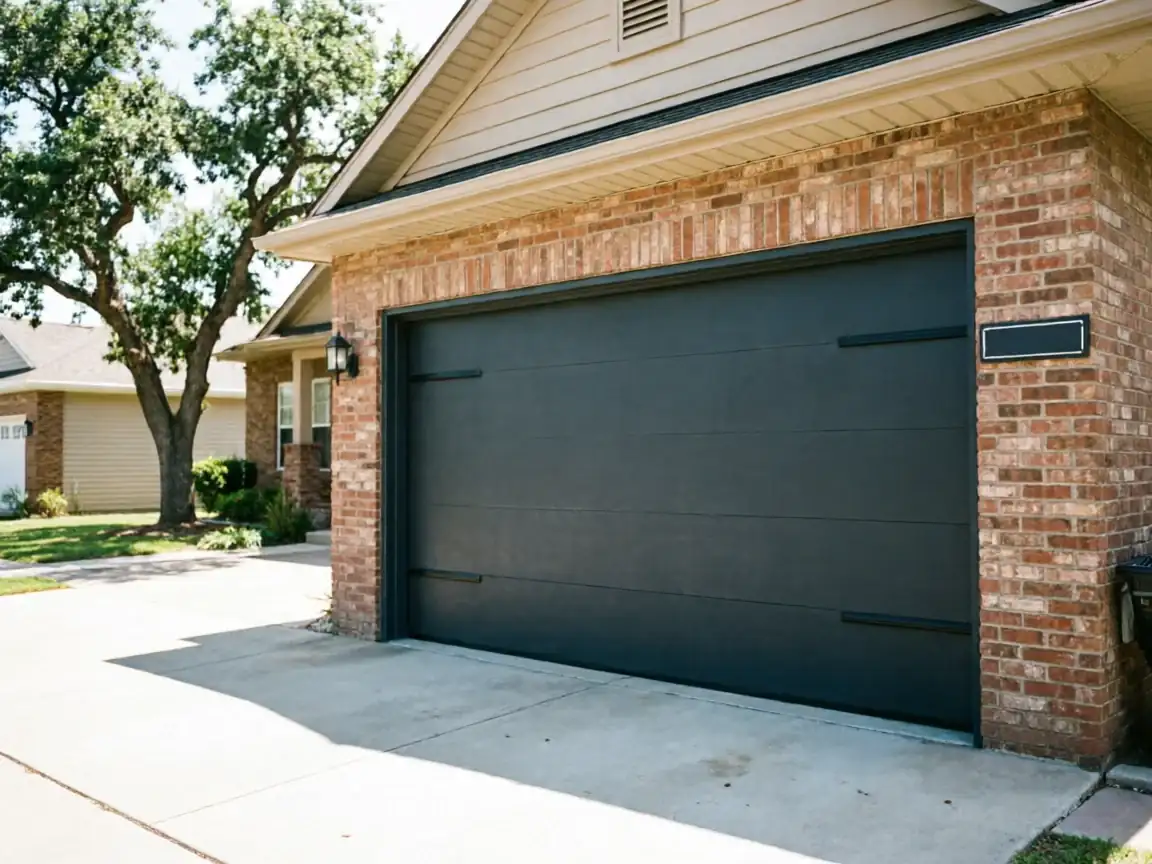
Woodway's median household income runs well above the wider service area's $76,833, closer to $115,729 here, and that shows up in the kind of doors we're asked to match - more owners here want a panel replacement done right rather than a cheap patch, which is reasonable given what full systems cost. We'll tell you straight if a patch panel is the better call or if the door's old enough that it isn't worth matching piece by piece.
Stocked Parts
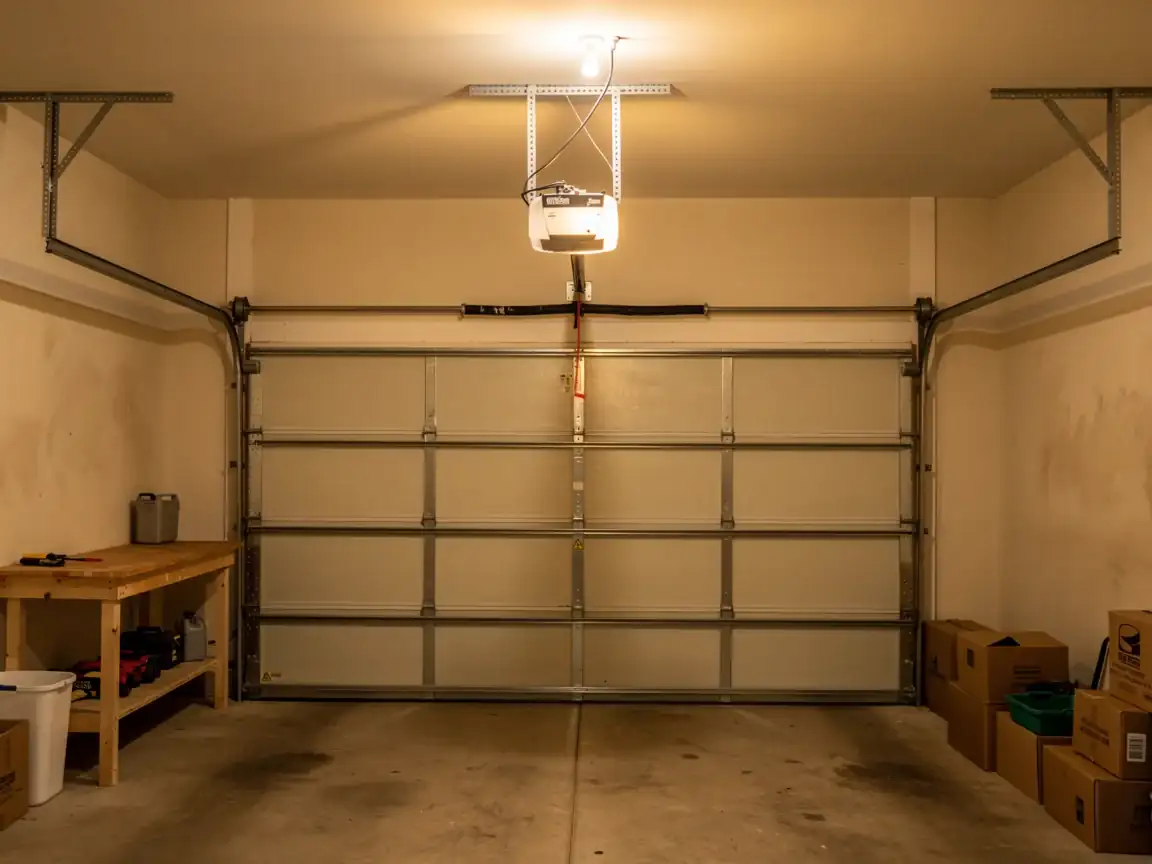
The service area's housing mostly dates 1959 to 1994, with a median around 1983, but Woodway itself centers closer to 1976 - a good seven years earlier than the area median. That matters for panel work because doors from the mid-1970s often used heavier-gauge steel sections on simpler hinge patterns than the doors that went up in the 1980s and 90s elsewhere in the service area. Matching a single damaged panel on a 1976-era door sometimes means a near-exact stocked replacement; other times the original line is long gone and we're fitting a compatible panel instead of an identical one.
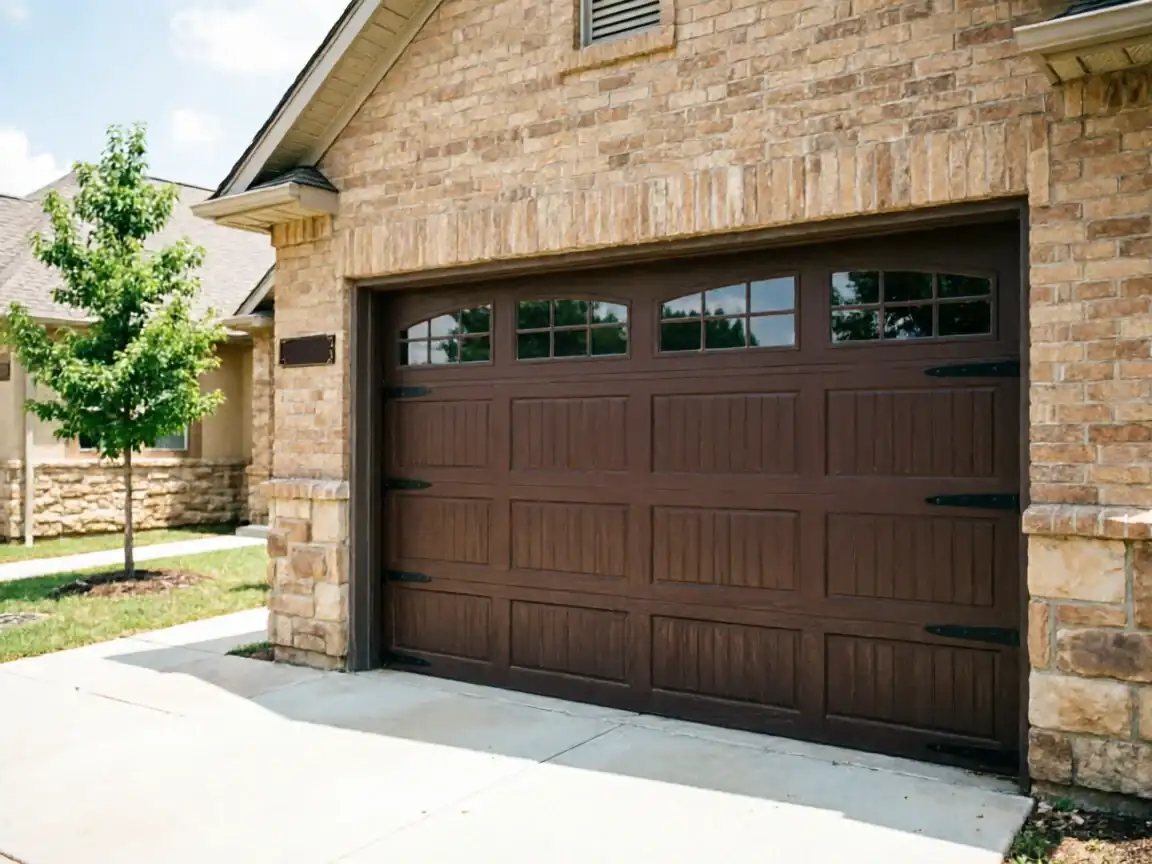
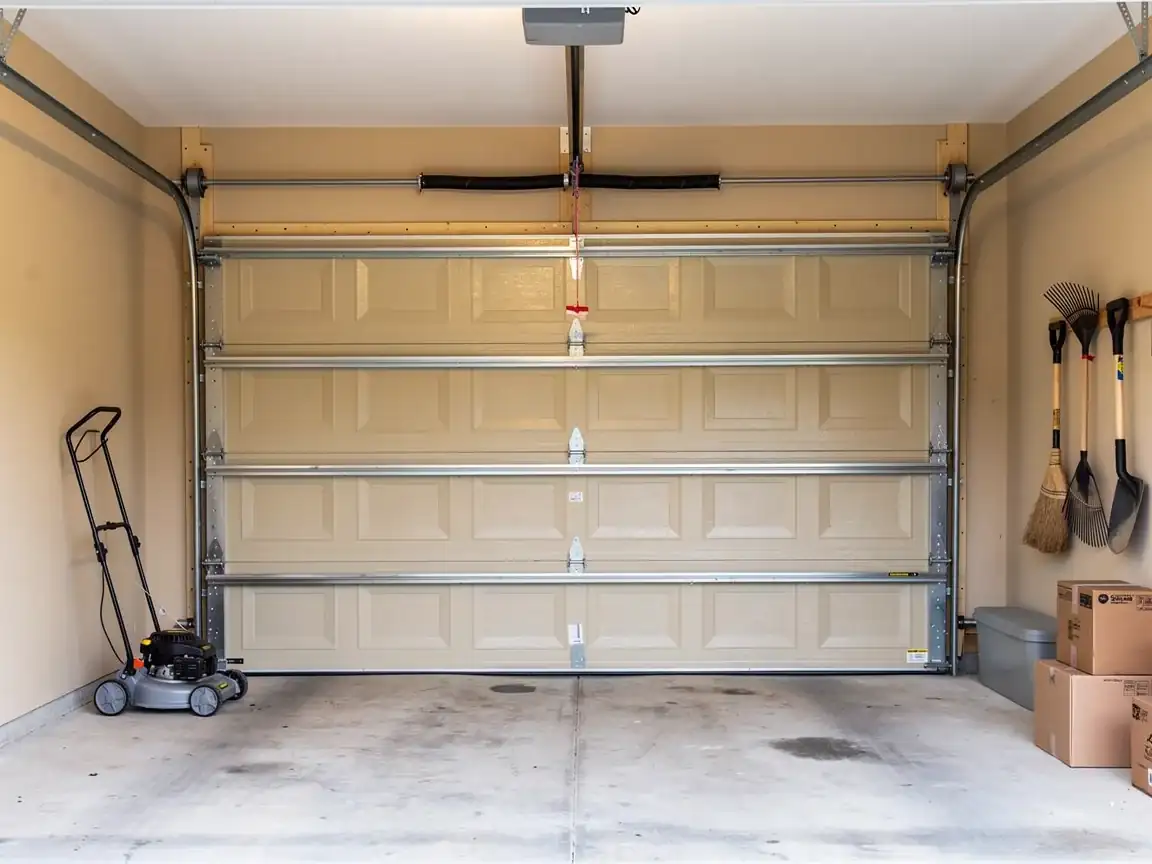
We carry common panel sizes and finishes for steel sectional doors, which covers most of what's out there. What we don't carry is a full match for every embossed or wood-look panel style that was popular with higher-end builds from that era - some of those are special order, and we'll say so up front rather than promise a seam-perfect match we can't deliver from the truck.
What the Repair Takes
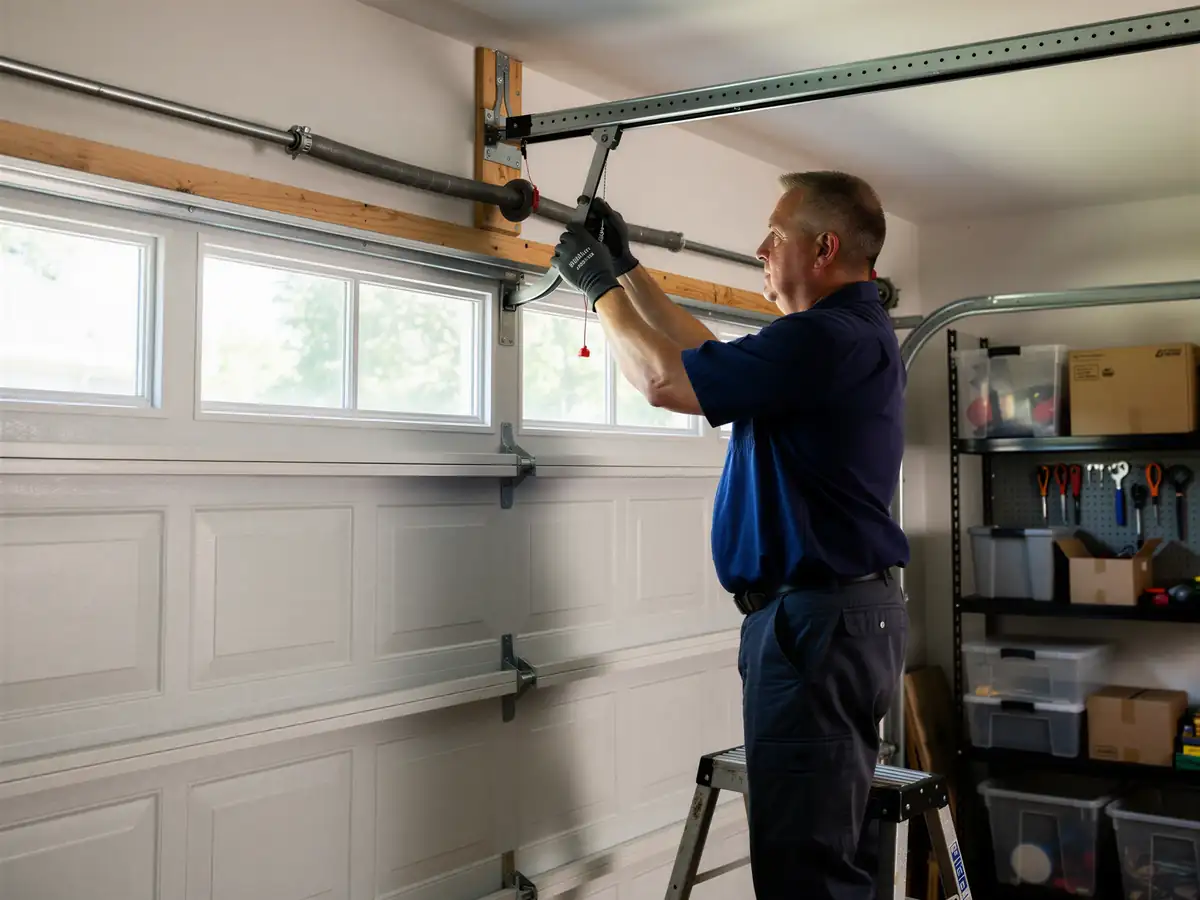
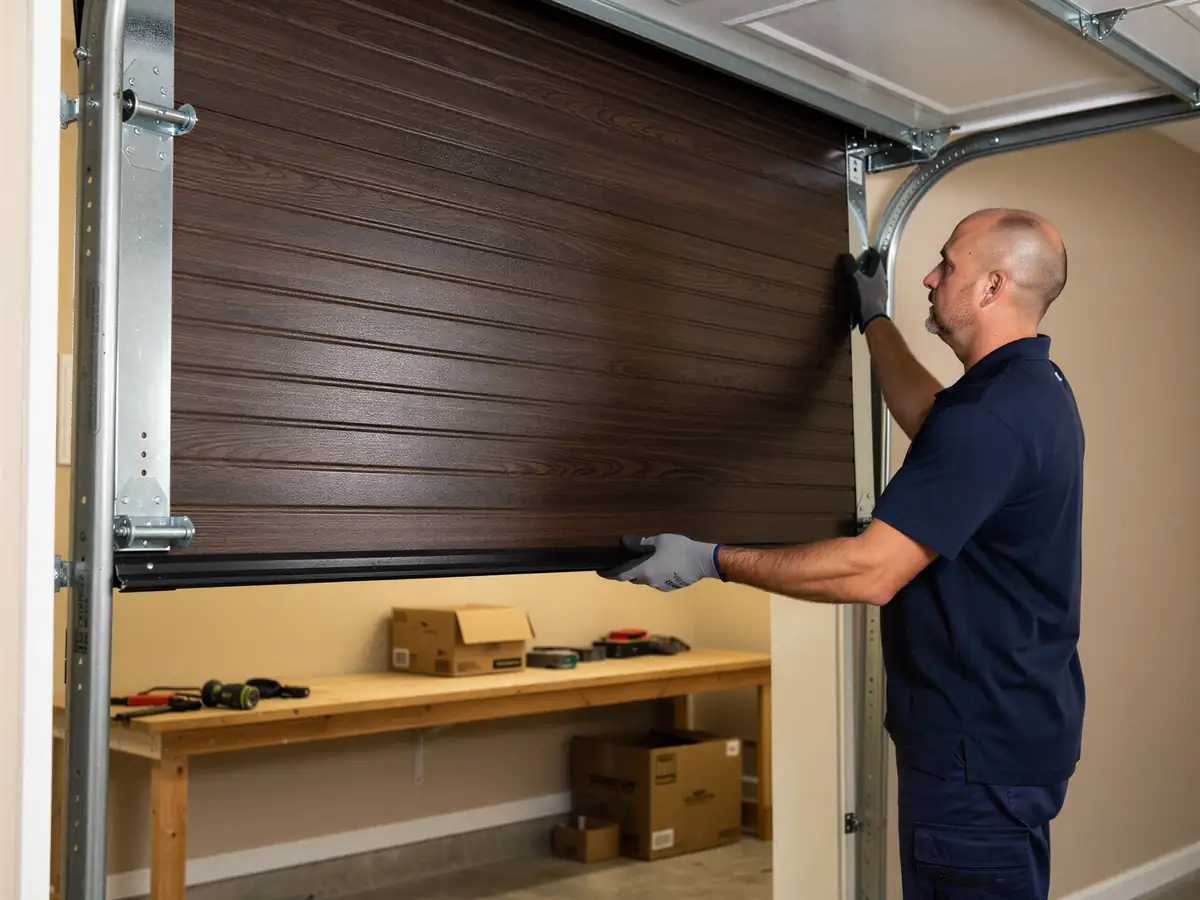
A single-panel swap on a door from this stretch of the 1970s usually comes down to section condition more than anything else
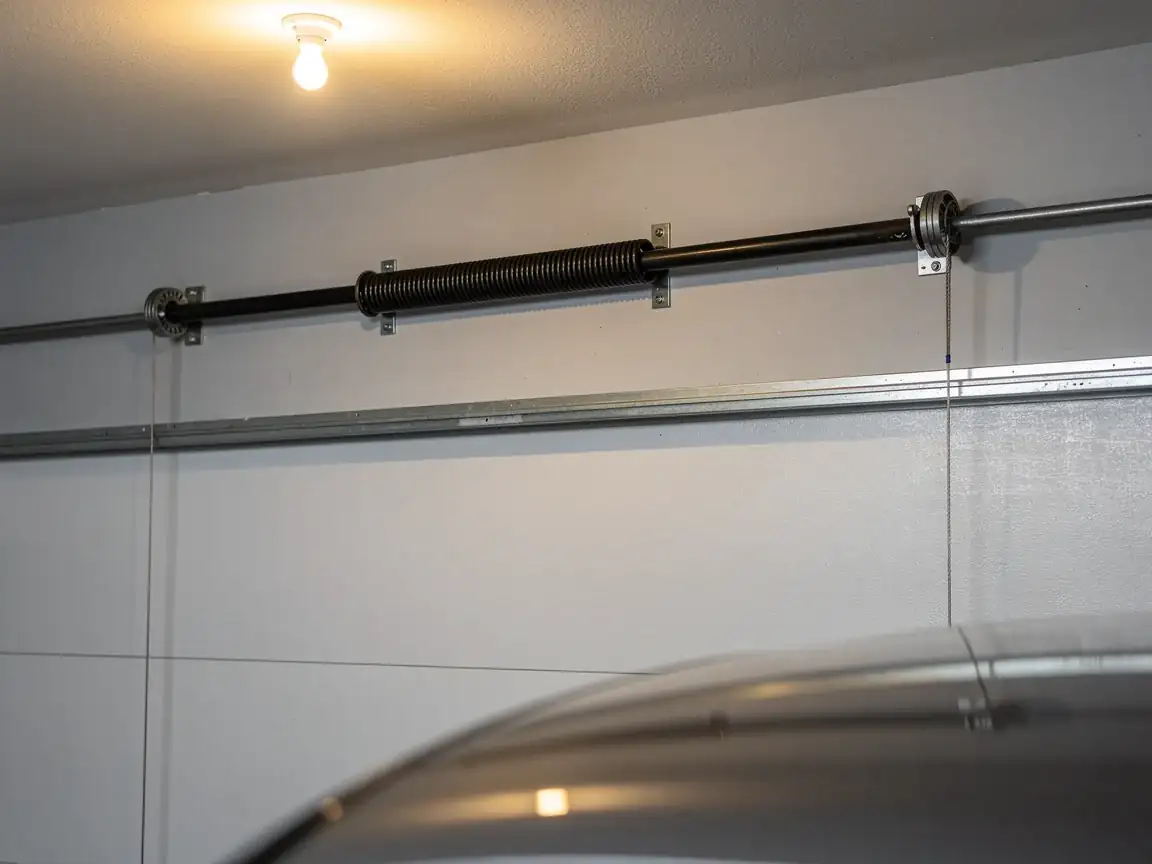
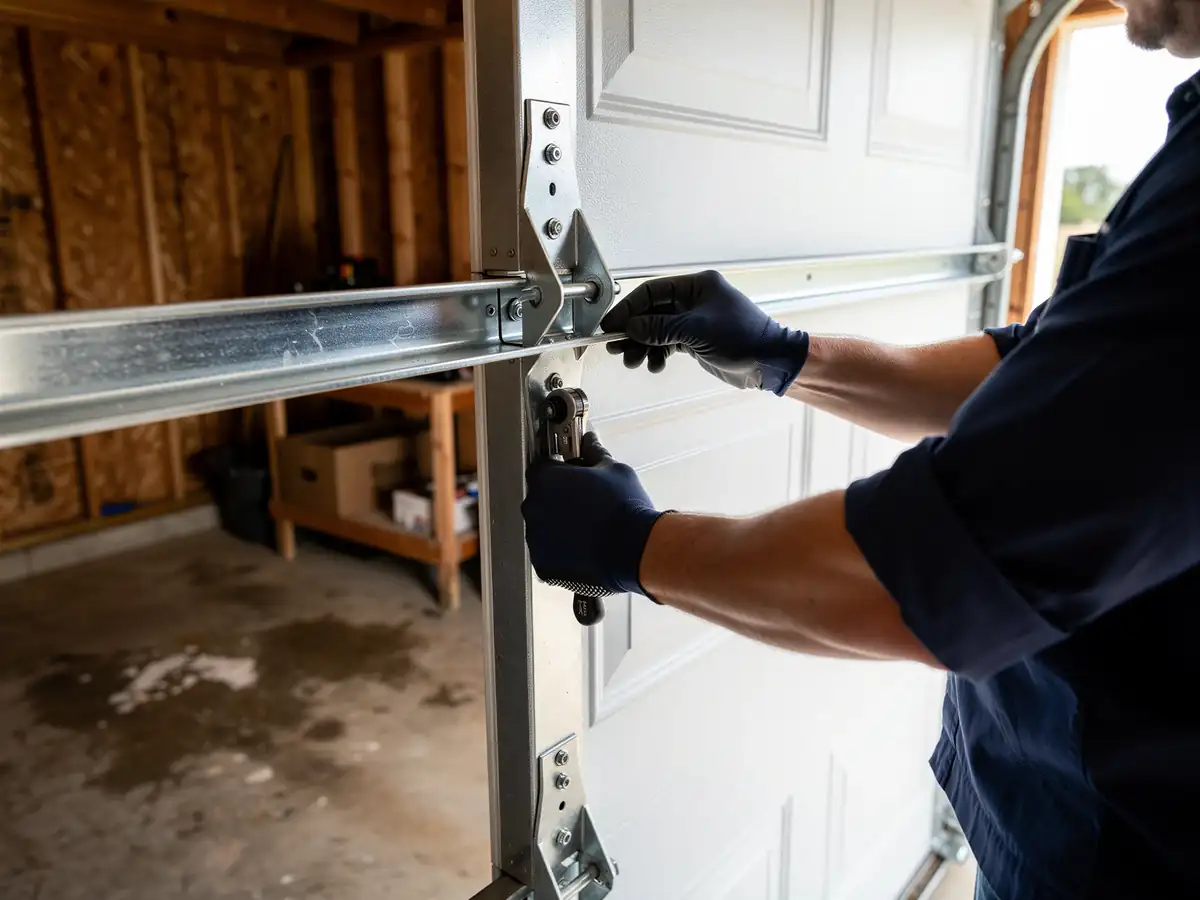
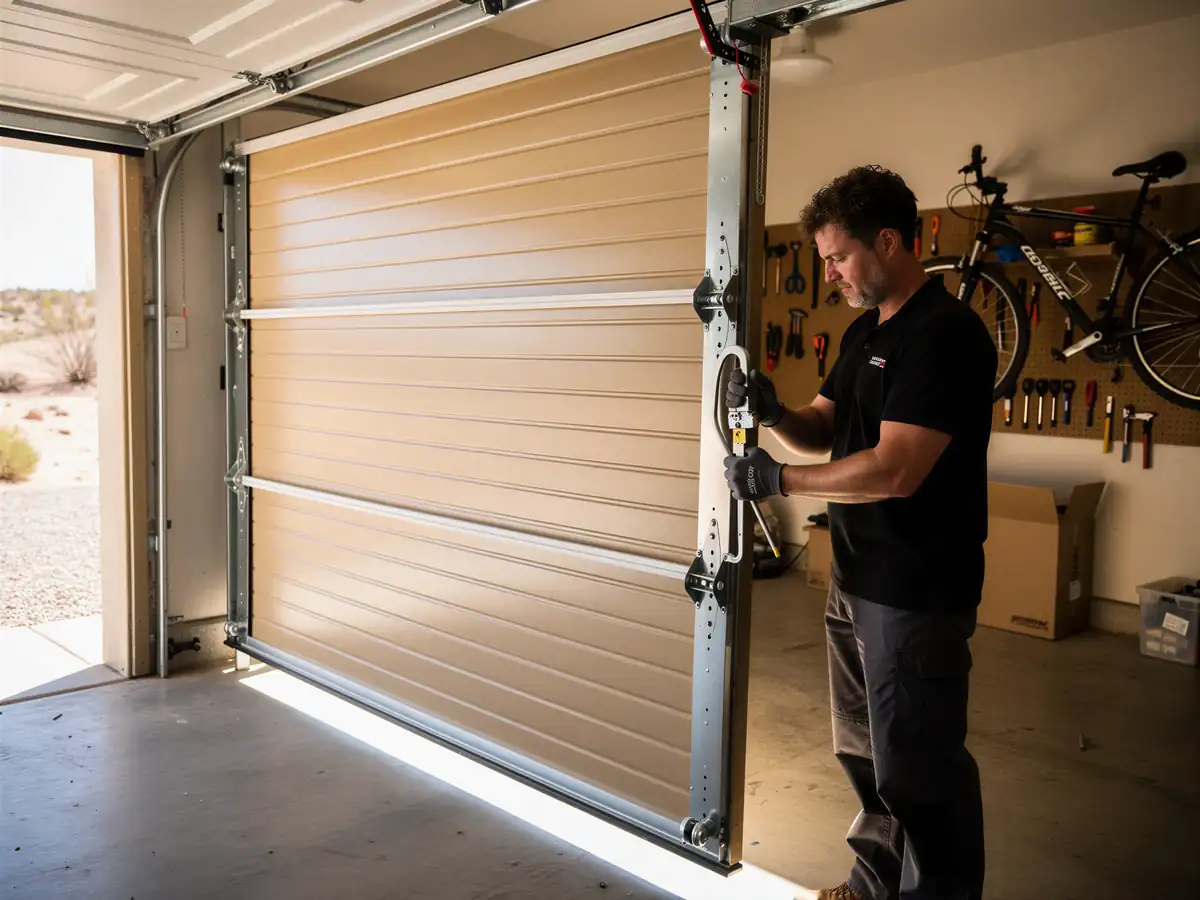
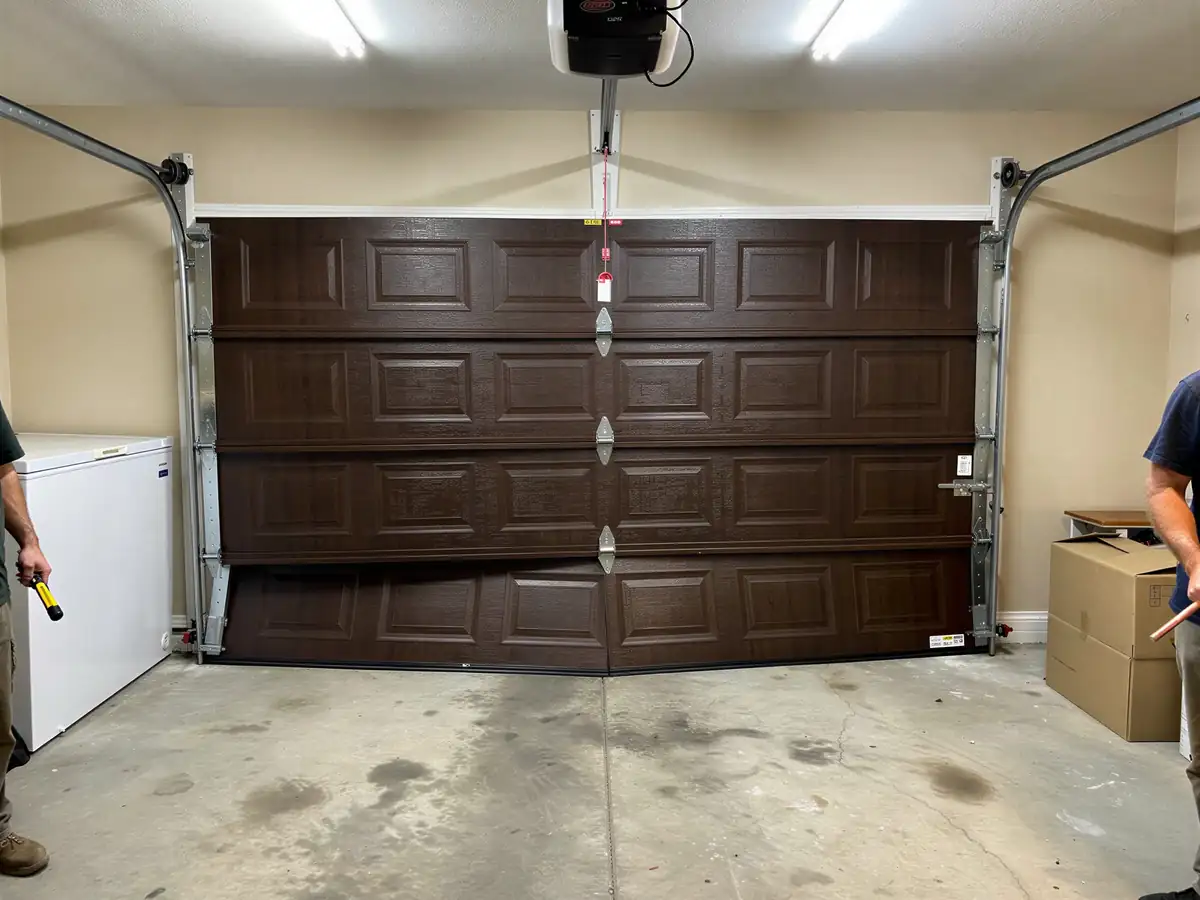
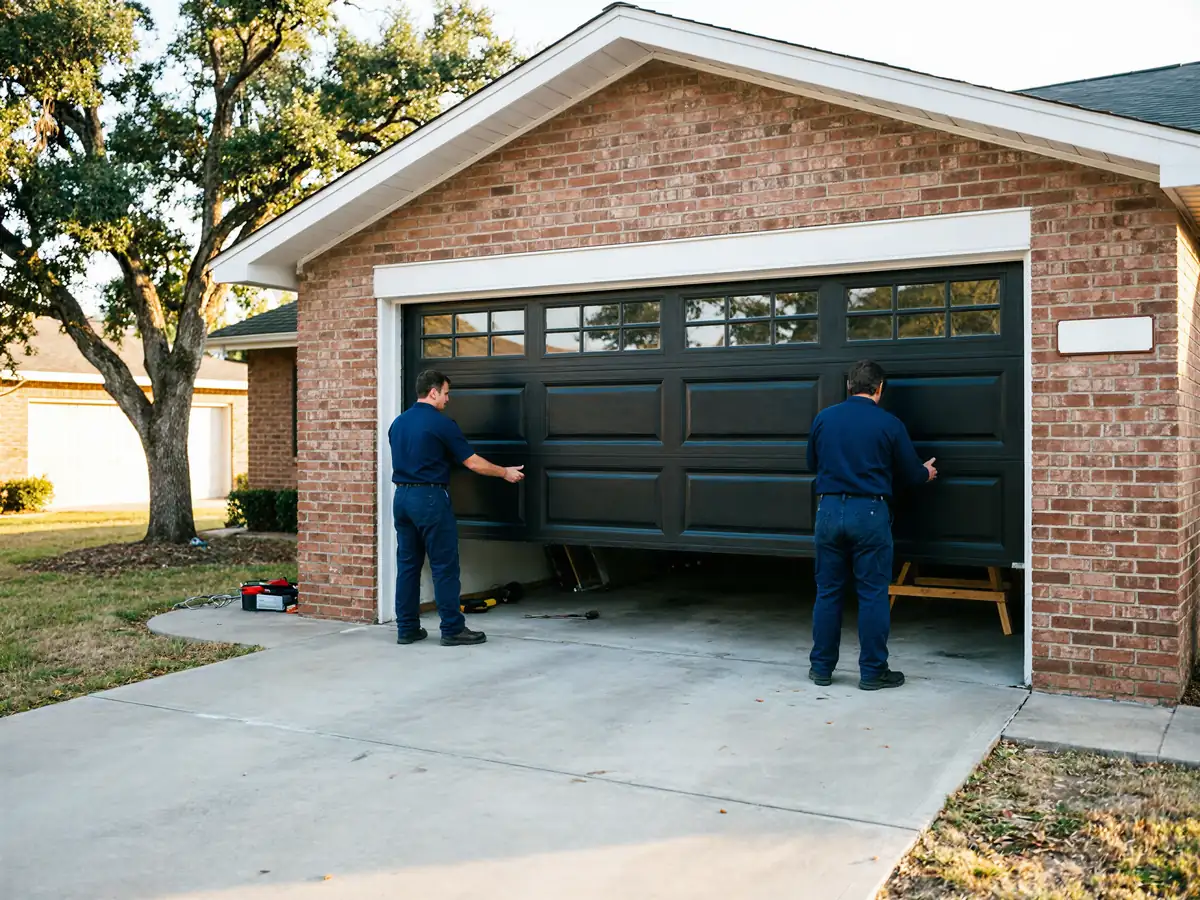
If the door's otherwise sound - track straight, hinges not stretched, springs sized right - swapping one damaged panel is a contained job. If the dent or rust has spread to the hinge mounts or the panel below it, we're often looking at two sections instead of one, which changes both the cost and the time on site.
With roughly 3,537 households in Woodway
And most of the surrounding build stock running newer, a 1976-era panel request is specific enough that we check before we load the truck, not after we arrive. We'd rather confirm size and style by phone or photo first than show up with the wrong stock and need a second trip.
- 3,537 households
The honest limit here
On older doors with a dead or near-dead production line, we can get close on color and profile, but we won't promise an invisible match. If that matters to you more than the repair itself, full door replacement is sometimes the straighter answer, and that's a different job than this one.
How It Shows Up
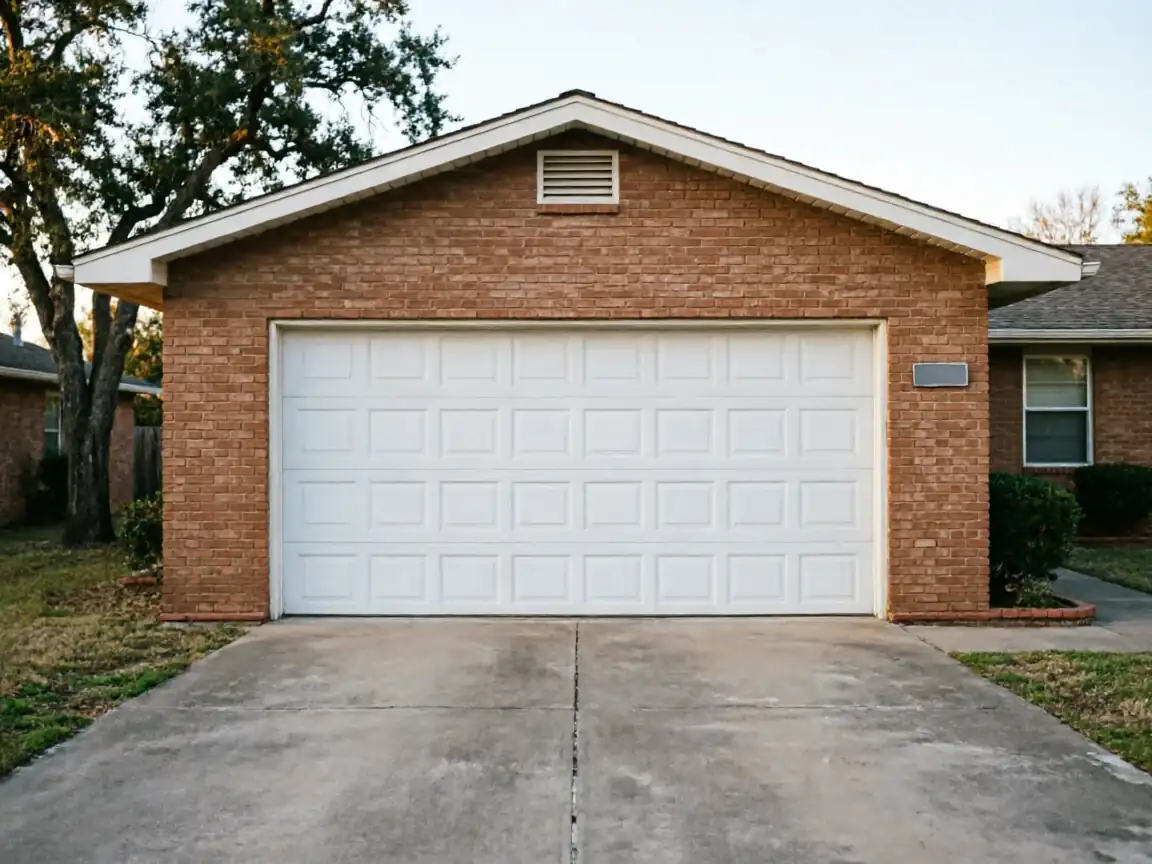
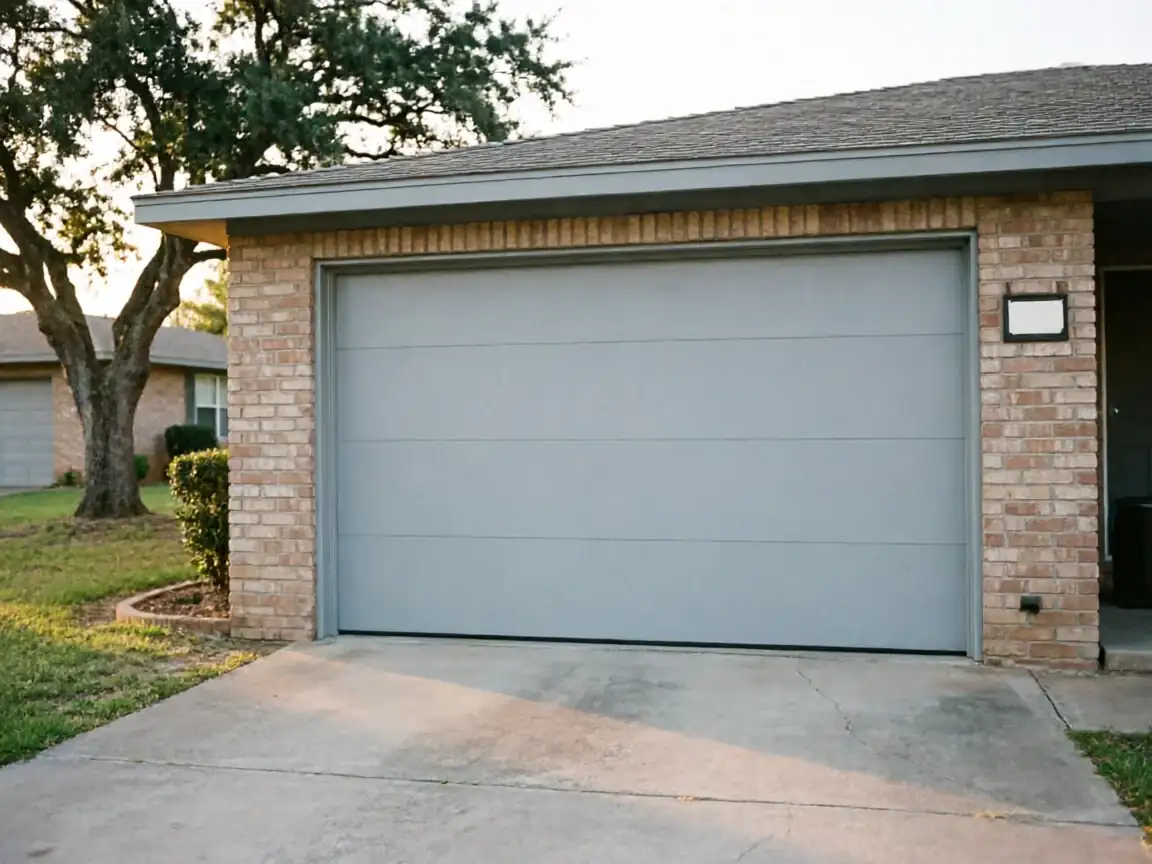
The complaint we hear from Woodway is usually a single section that's been hit - a mower, a trailer tongue, a kid backing out too fast - on a door that's otherwise working fine. Because the surrounding build year here sits earlier than much of the rest of the service area, the panel in question is more likely to be a plain steel section without the foam-and-window combinations that came in on later builds. That's often good news: plain steel sections are easier to source close to original than the decorative styles that followed.
What we don't see much of here, compared to some of the service area's older 1960s pockets, is doors so far past their production run that no compatible panel exists at all. Woodway's stock is old enough to need real matching work, but not so old that we're starting from zero every time.