How to Book
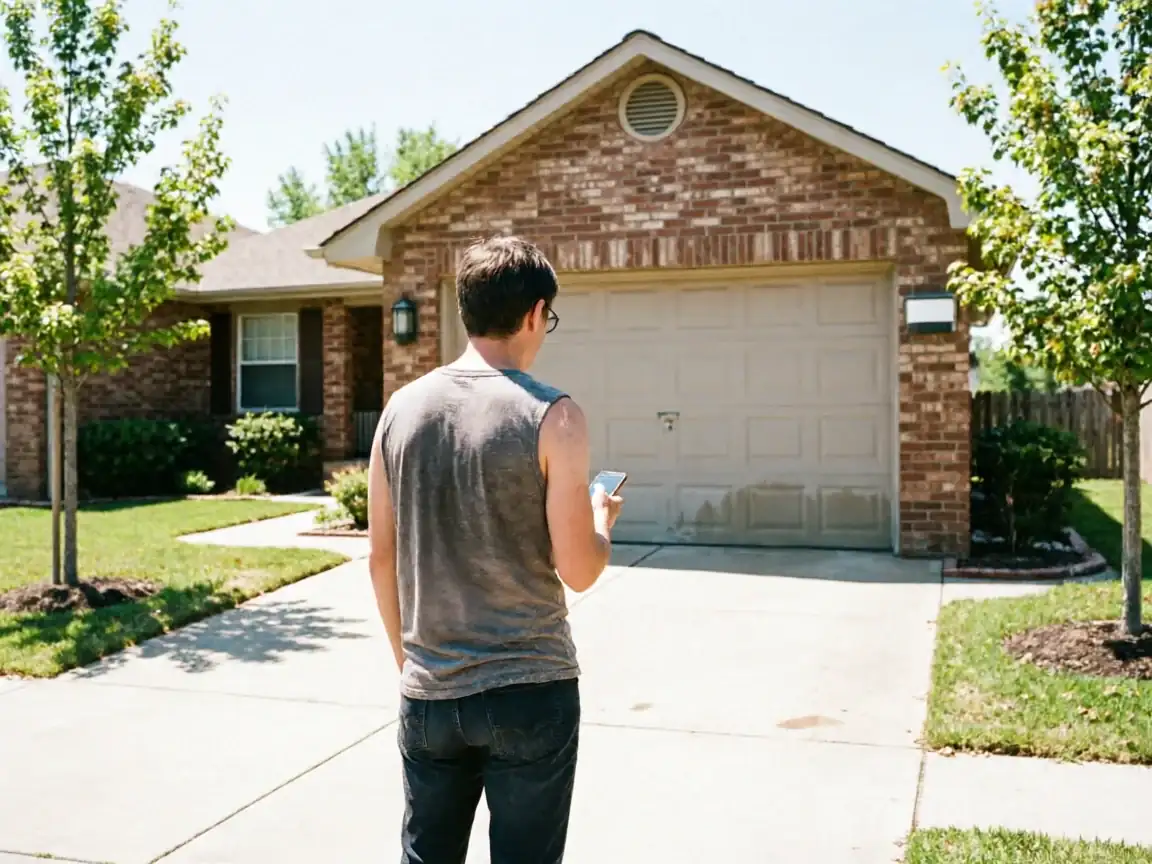
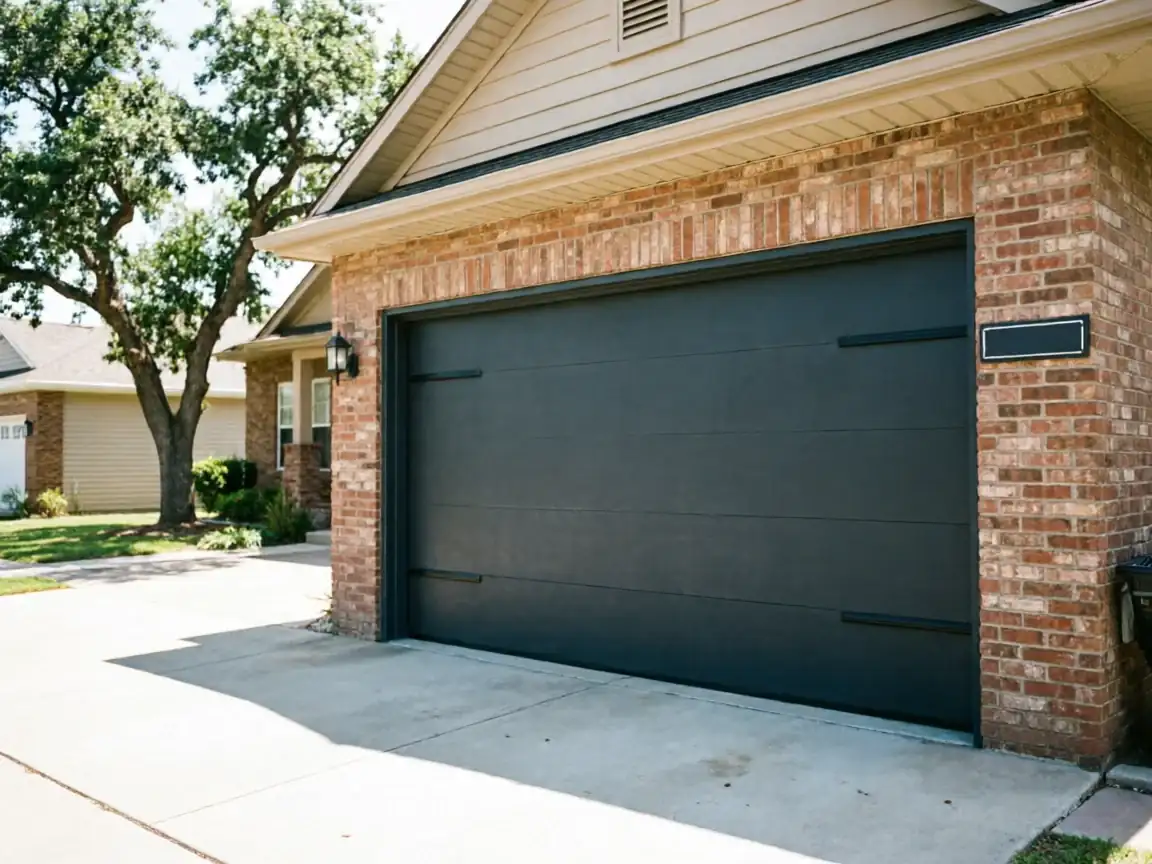
Woodway sits about five miles from our shop in Waco, close enough that a new door install doesn't turn into a half-day logistics problem. Book through our Woodway page or call and tell us the rough age of the house - most of Woodway went up around 1976, and that single detail tells us more about what's behind your current door than the brand name on the opener ever will. We don't run a branch out of Woodway itself; every truck for this job comes from Waco, so there's no local drop-in counter to swing by. What speeds things along is a photo of the existing track and header, plus the door width, before we set a date. Woodway's household income runs well above the wider service area's $76,833 median, and we mention that only because it changes which doors people actually ask for here - more insulated steel, fewer bare single-layer panels. For the full rundown of what we install across the area, see the main installation page.
Stocked Parts
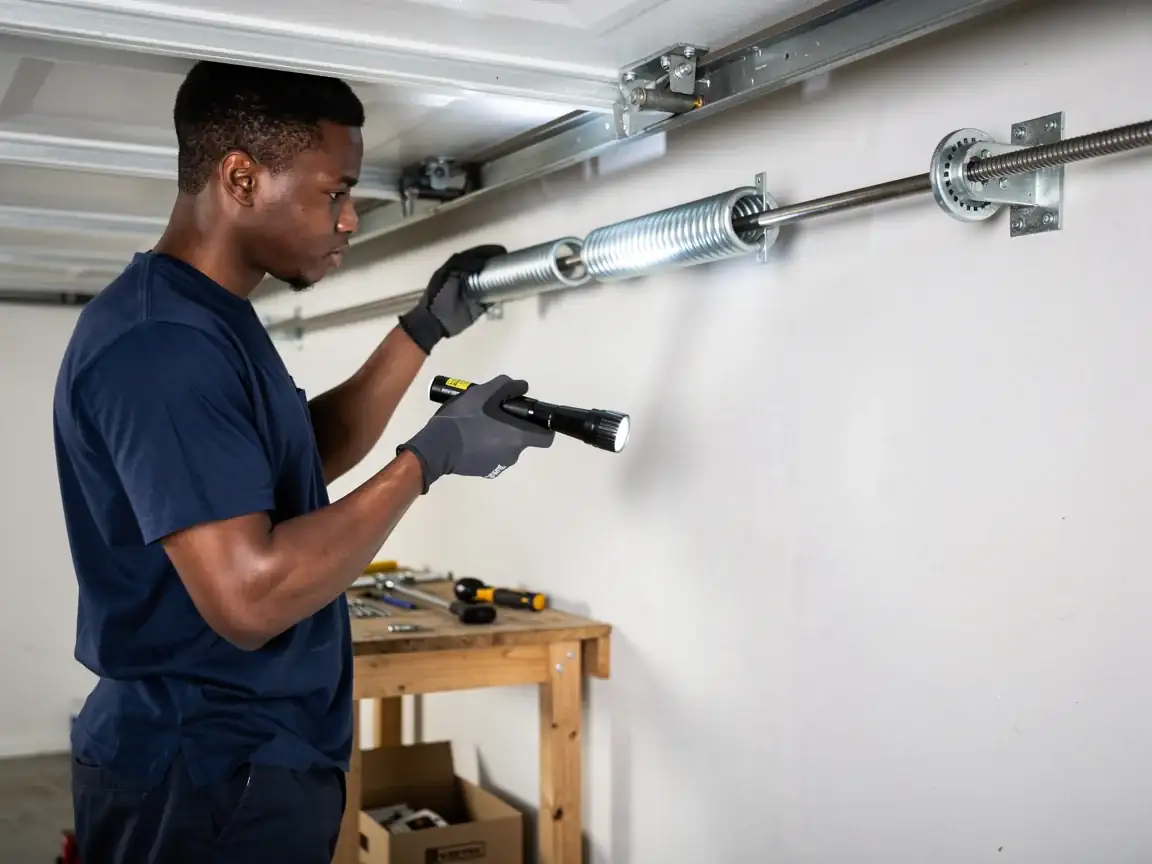
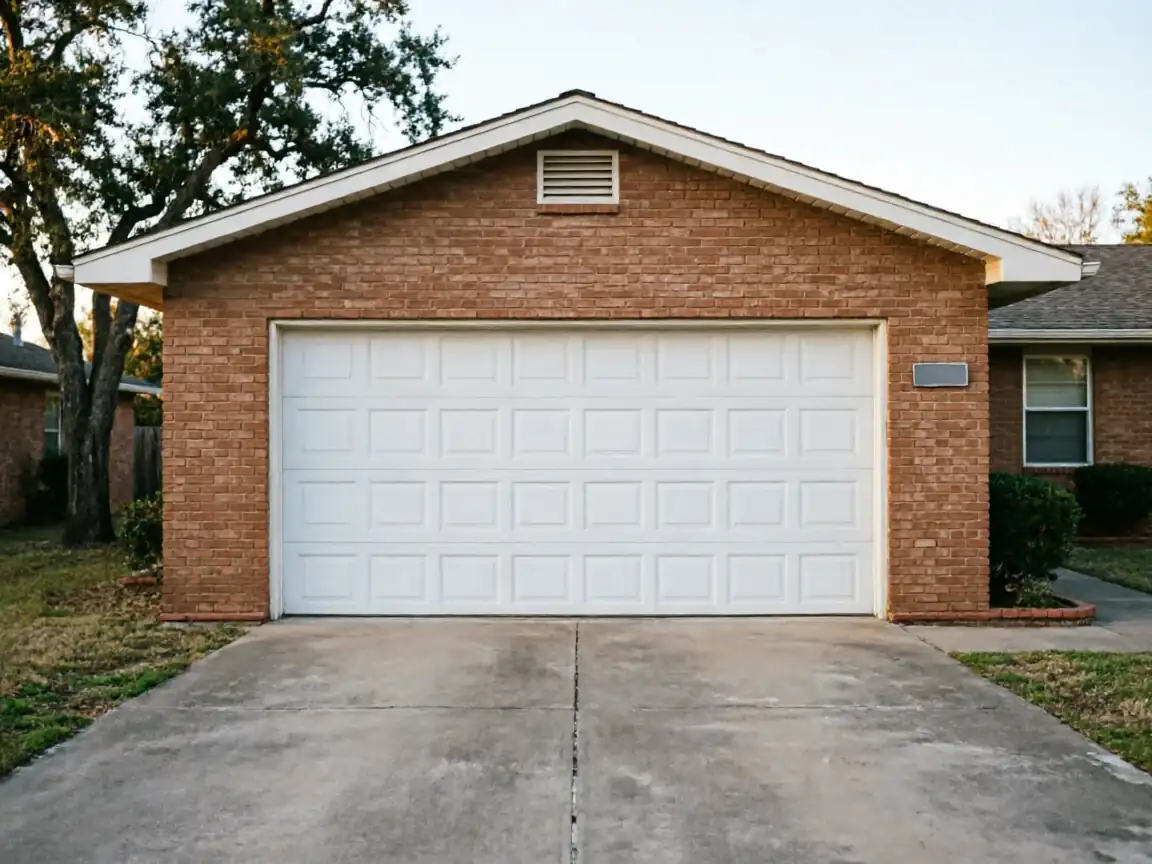
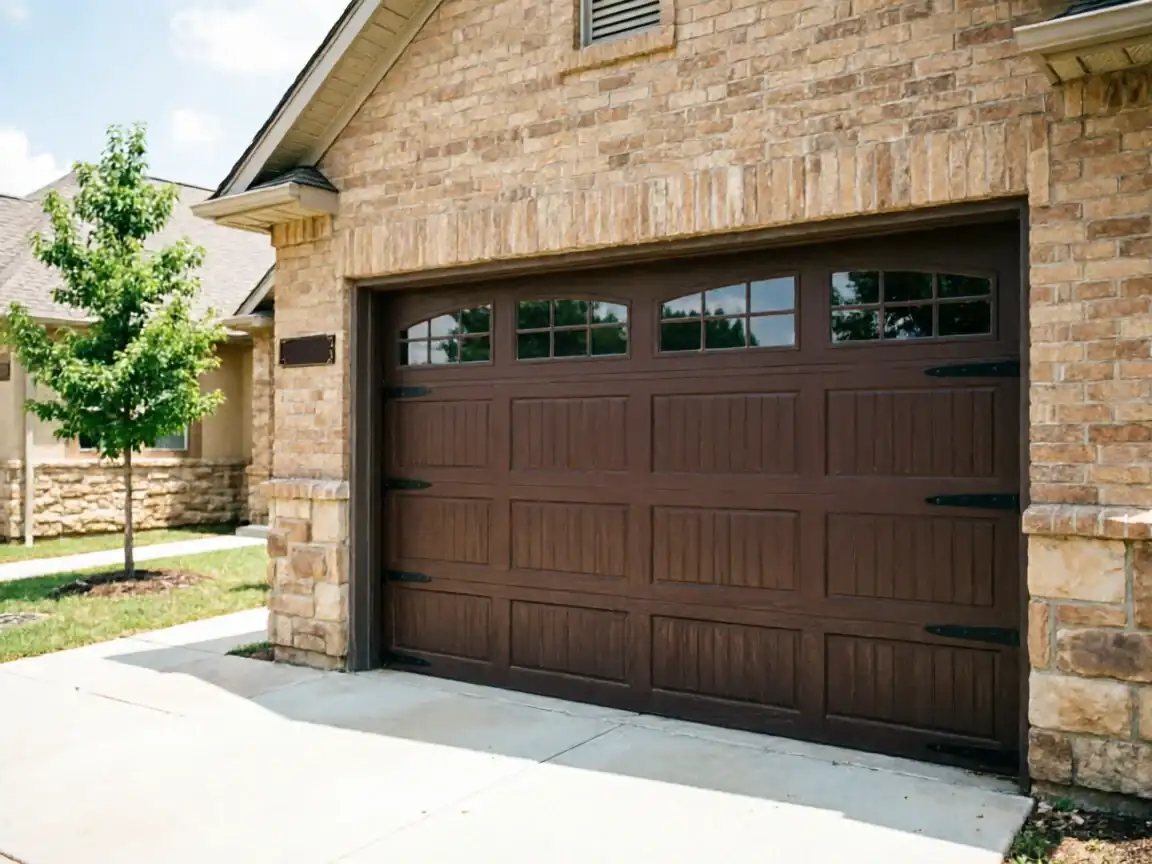
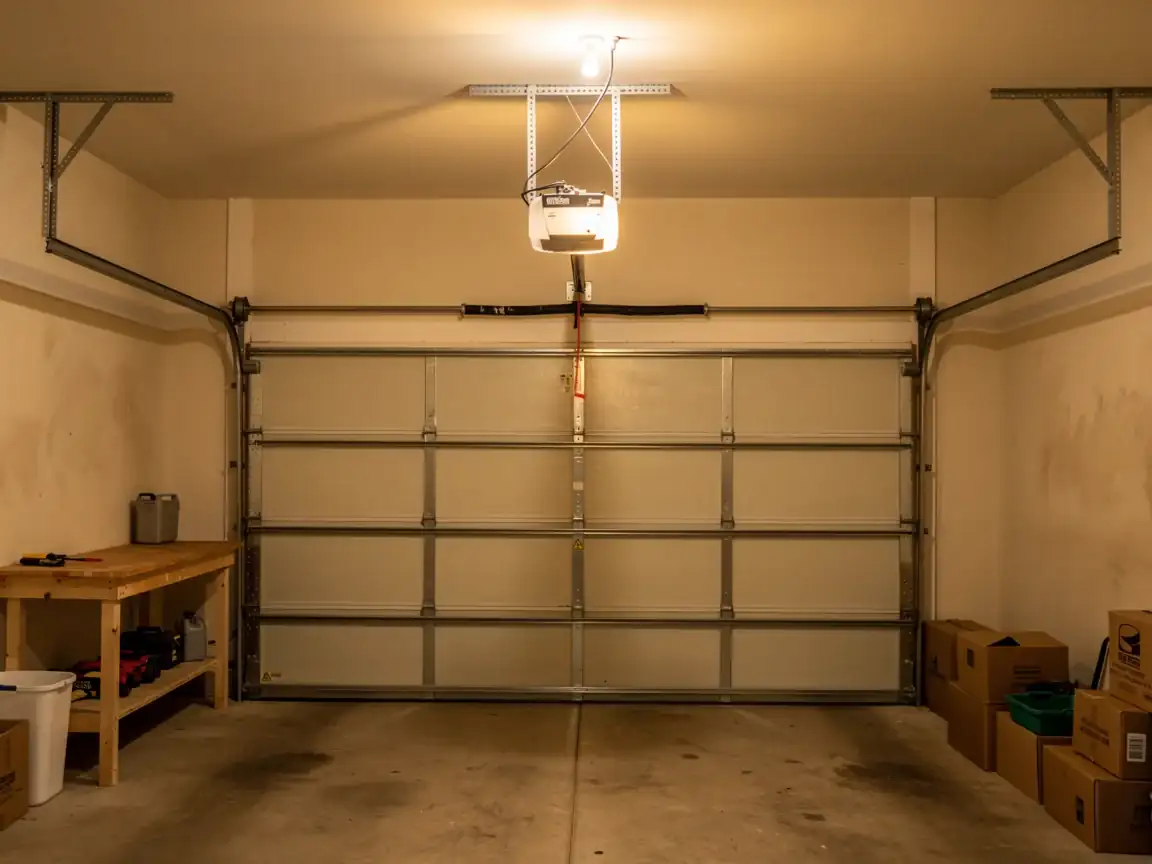
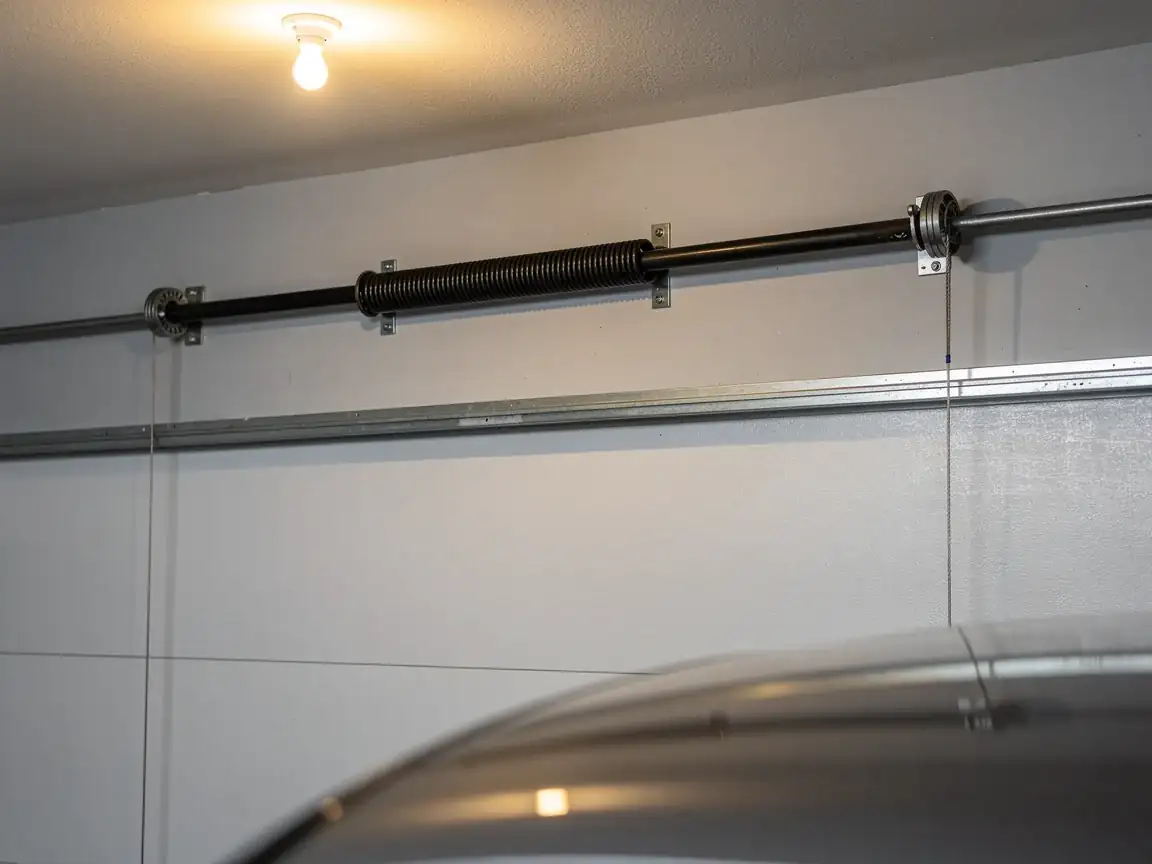
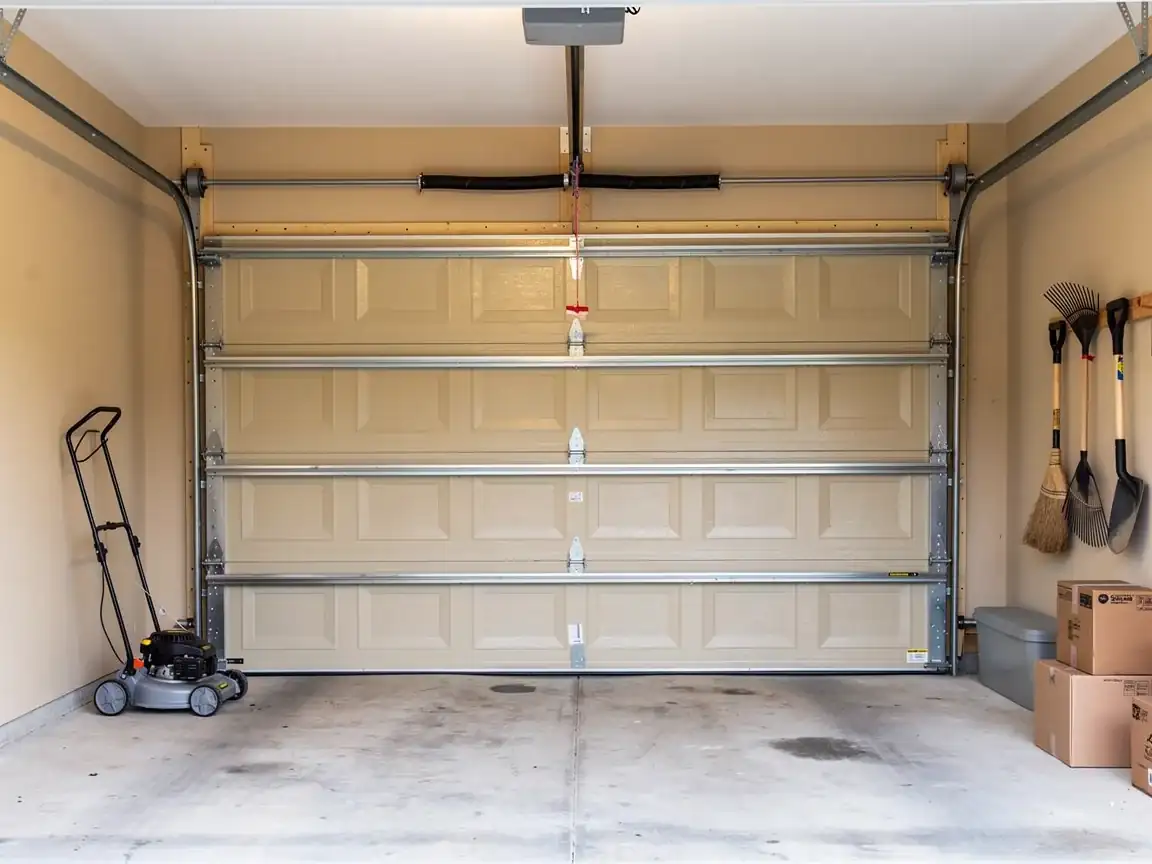
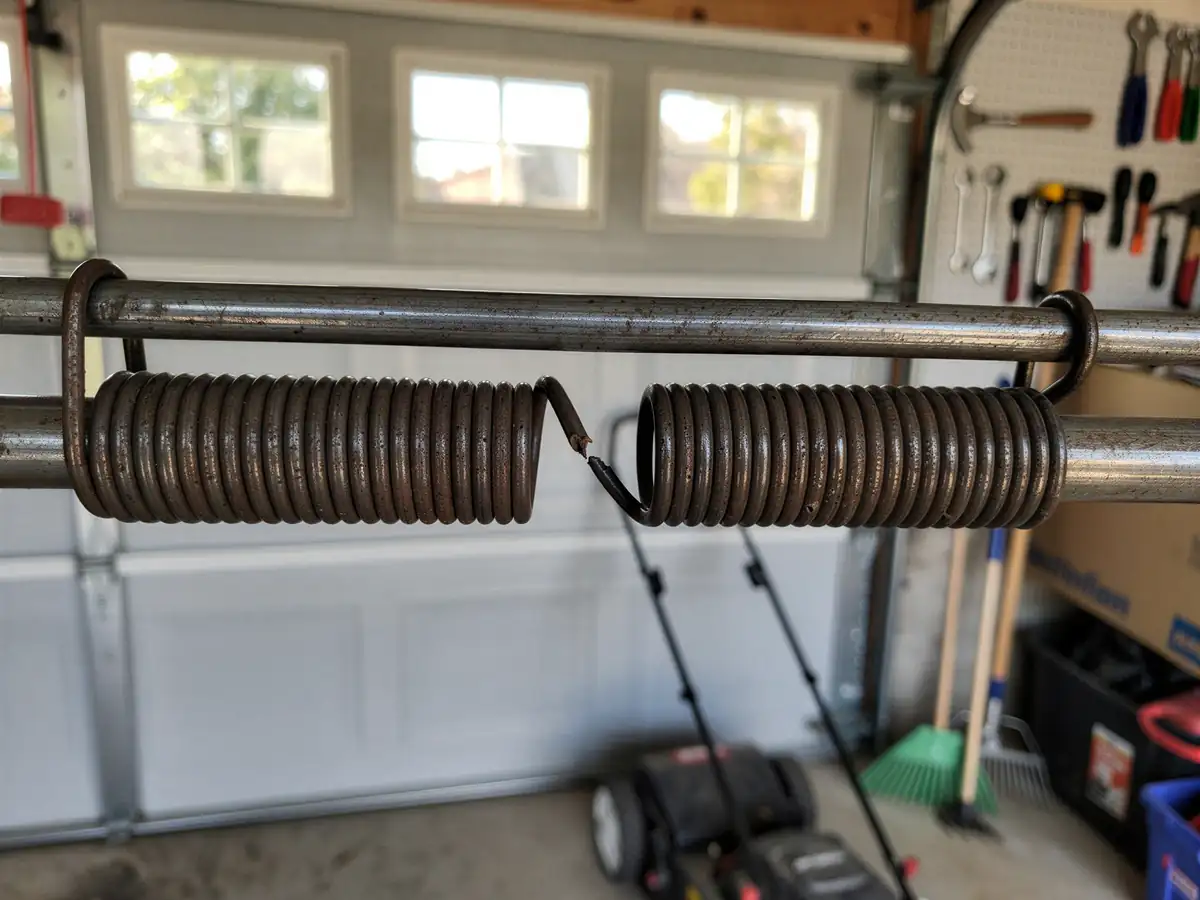
A house built around 1976 almost never has the door it was built with anymore, but a lot of the original track width and header framing is still there, and that's what we size new doors against. We keep standard 7-foot torsion hardware on the truck along with the extension-spring-to-torsion conversion kits that a lot of these older openings still need, since extension springs were common on garages of that era and they're the first thing to wear out. Insulated steel panels are our default stock item for this area, not the bare single-skin steel that shipped standard in the 1970s and 80s - with Woodway's heat load, an uninsulated door turns a garage into an oven by early afternoon, and homeowners here tend to pay for the R-value upgrade once they see the difference. What we don't carry on the truck: wood-composite custom panels or oddball widths outside the standard range. Those get special-ordered, and that adds lead time we can't shorten. If your opening is a non-standard size - not uncommon in houses this old where a prior owner widened a bay - tell us up front so we can quote the order time honestly instead of promising a same-week install we can't deliver.
How It Shows Up
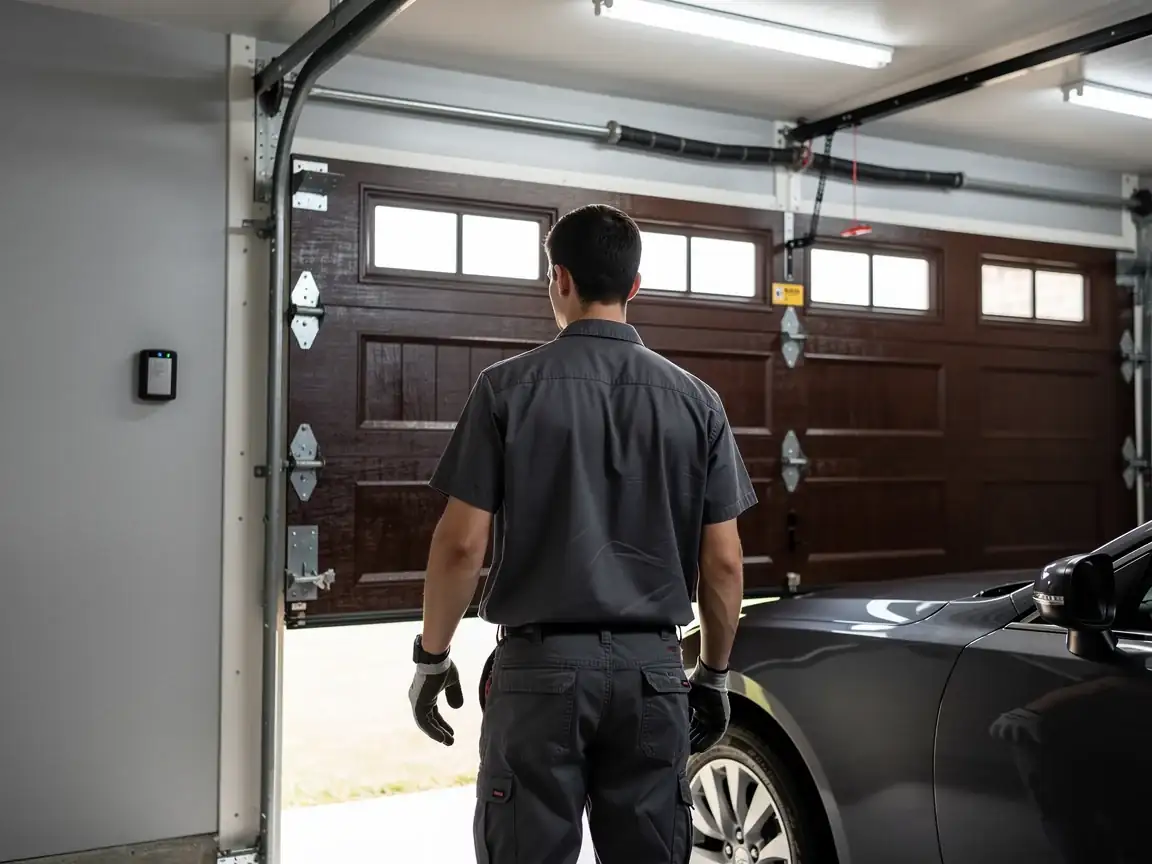
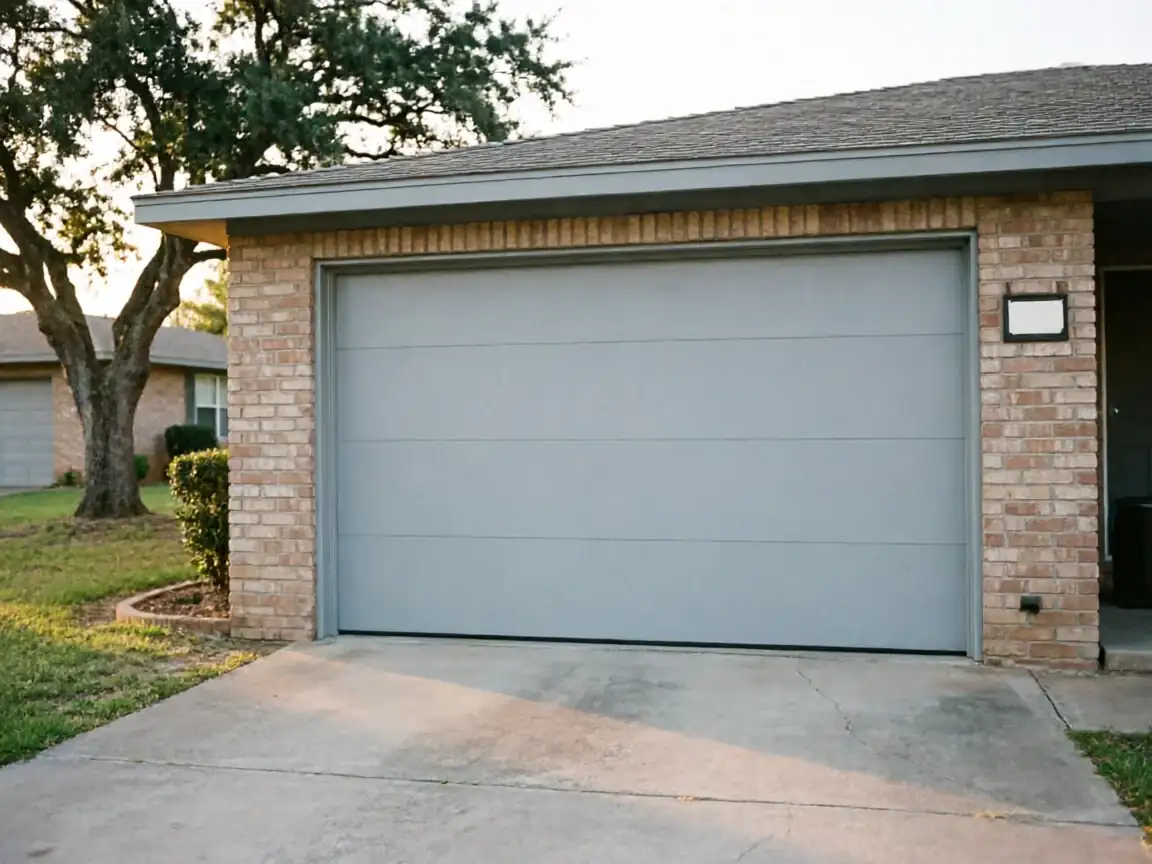
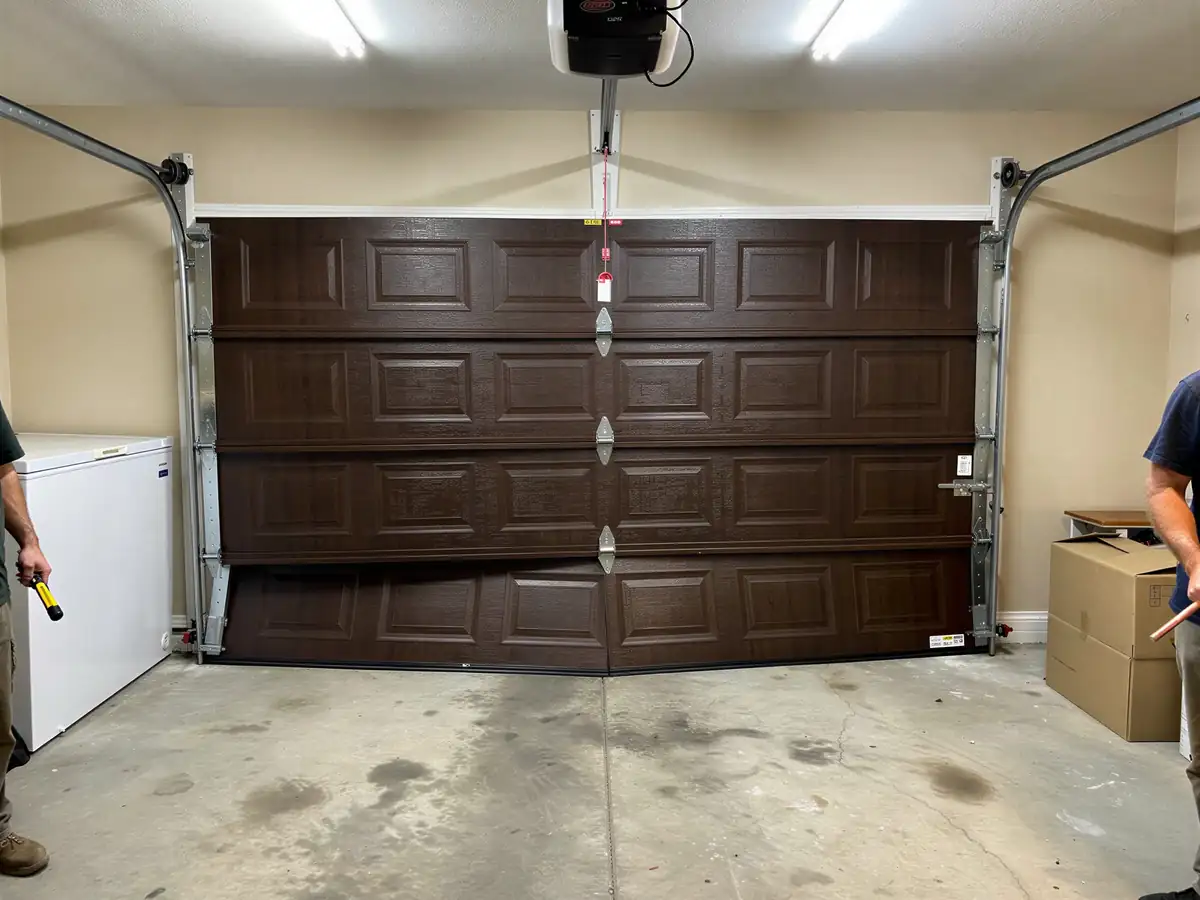
The call usually starts the same way: a door that's gotten heavy to lift by hand, or an opener that strains and reverses itself halfway up. On houses from the 1976 wave, that's almost always an extension spring that's lost tension, not the opener motor people blame first. The other pattern specific to this housing stock is heat - a bare steel door with no insulation turns the garage into the hottest room in the house by mid-afternoon, and once people notice that, replacement usually comes up before the door even fails outright. Sagging in the bottom panel is the other tell, especially on doors old enough that the steel gauge was thinner than what ships today. None of this means every call ends in a full replacement - a worn roller or a cable off its drum is still just a repair - but once the spring system itself is the original 1970s-era hardware, replacing the door and bringing the opener and track up with it is usually the cheaper path over the next ten years, not the more expensive one.