How to Book
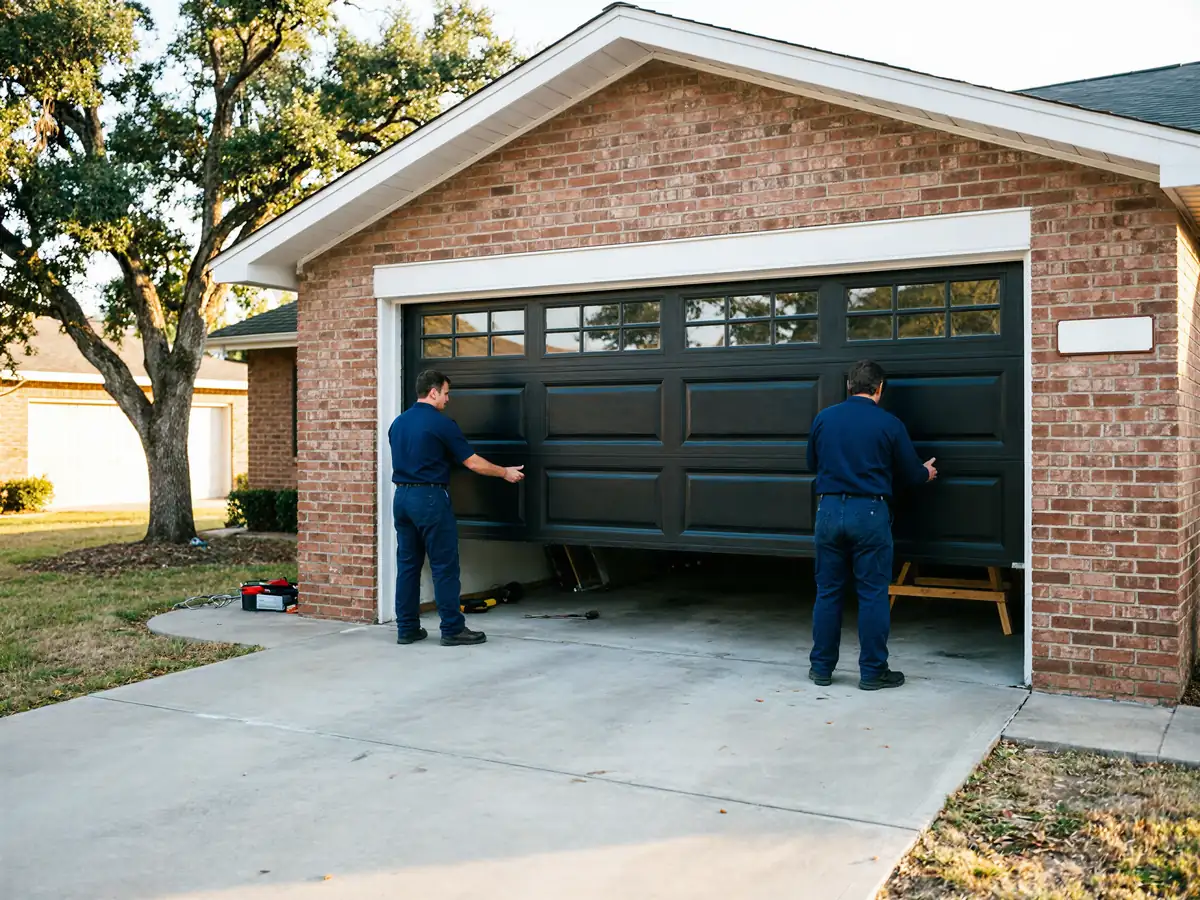
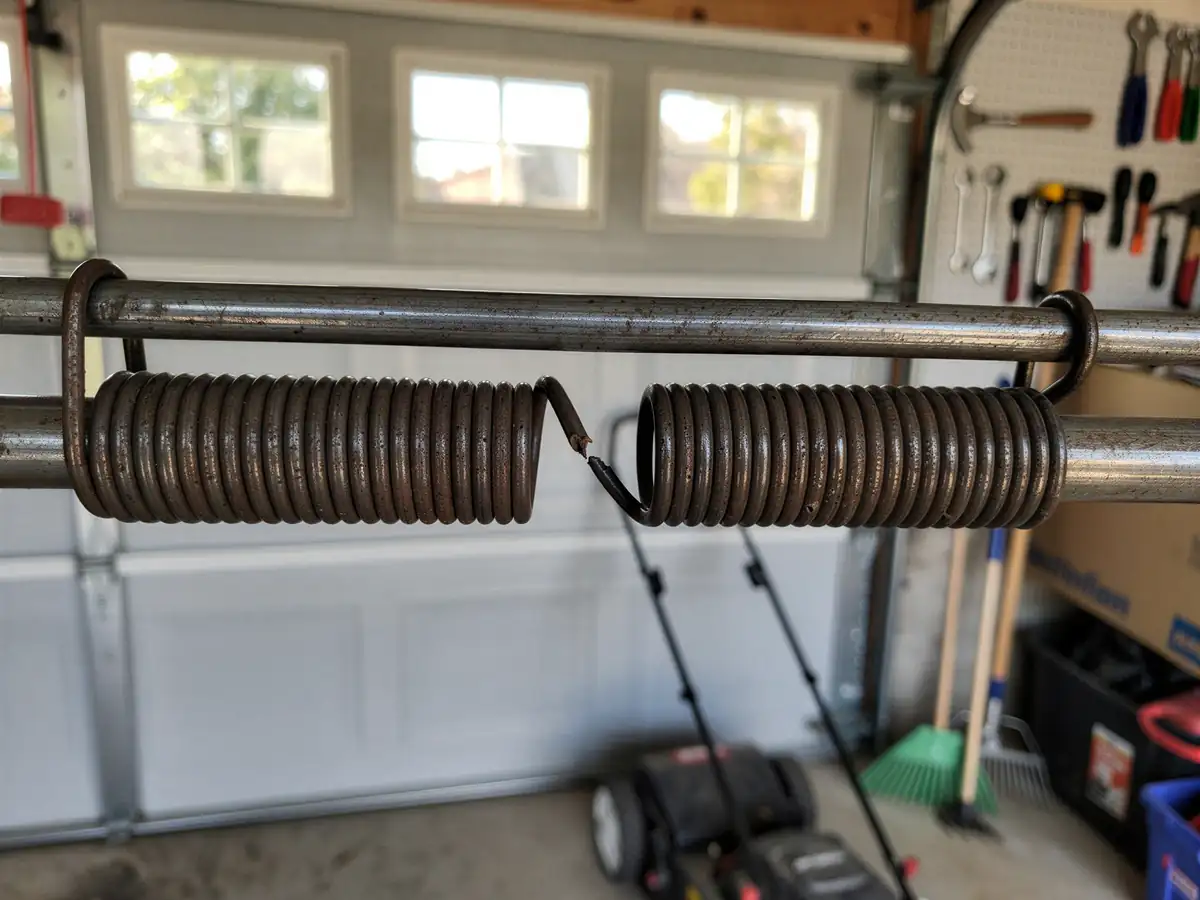
We're based in Waco, five miles out, and Woodway is a short, predictable drive for us - no detour through the rest of the service area to get to you. When you call, tell us the door's width and whether it's a single or double, and whether the spring broke clean (door won't budge, cable hanging loose) or is just sagging and noisy. That's enough for us to load the right torsion spring before we leave the truck yard, which saves a second trip.
We don't keep a branch office in Woodway itself - we work out of Waco and cover this suburb along with the rest of the towns in the area. That means we can't promise a same-hour window the way a shop sitting on your street could. What we can do is bring the parts that actually fit houses built here, which matters more than speed when the spring on hand is the wrong wind or the wrong wire gauge.
If you're not sure the spring is the problem - door opens partway and stalls, or the opener grinds without lifting - tell us that too. Half the service calls we get aren't spring at all; they're a worn cable or a bent track pretending to be a spring problem, and it changes what's on the truck.
For general background on how we run a spring job and what it runs, see our main spring repair page.
Stocked Parts
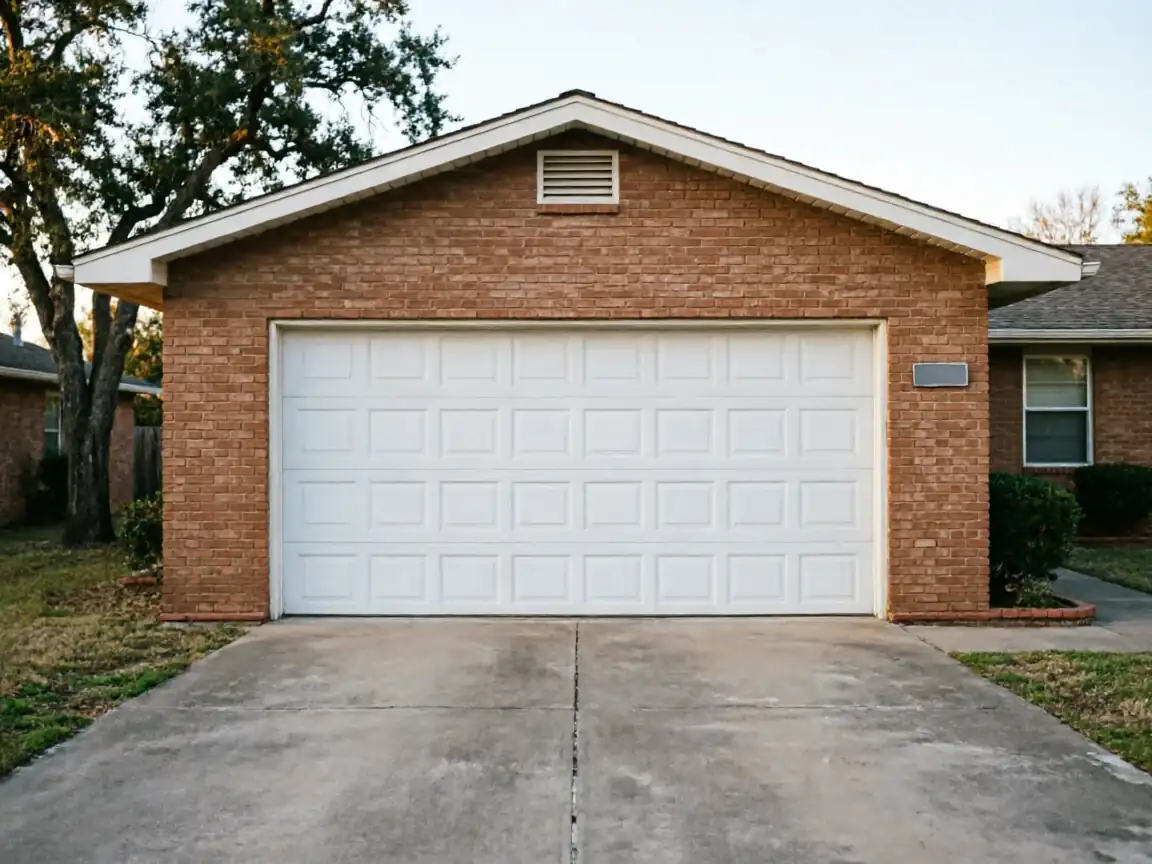
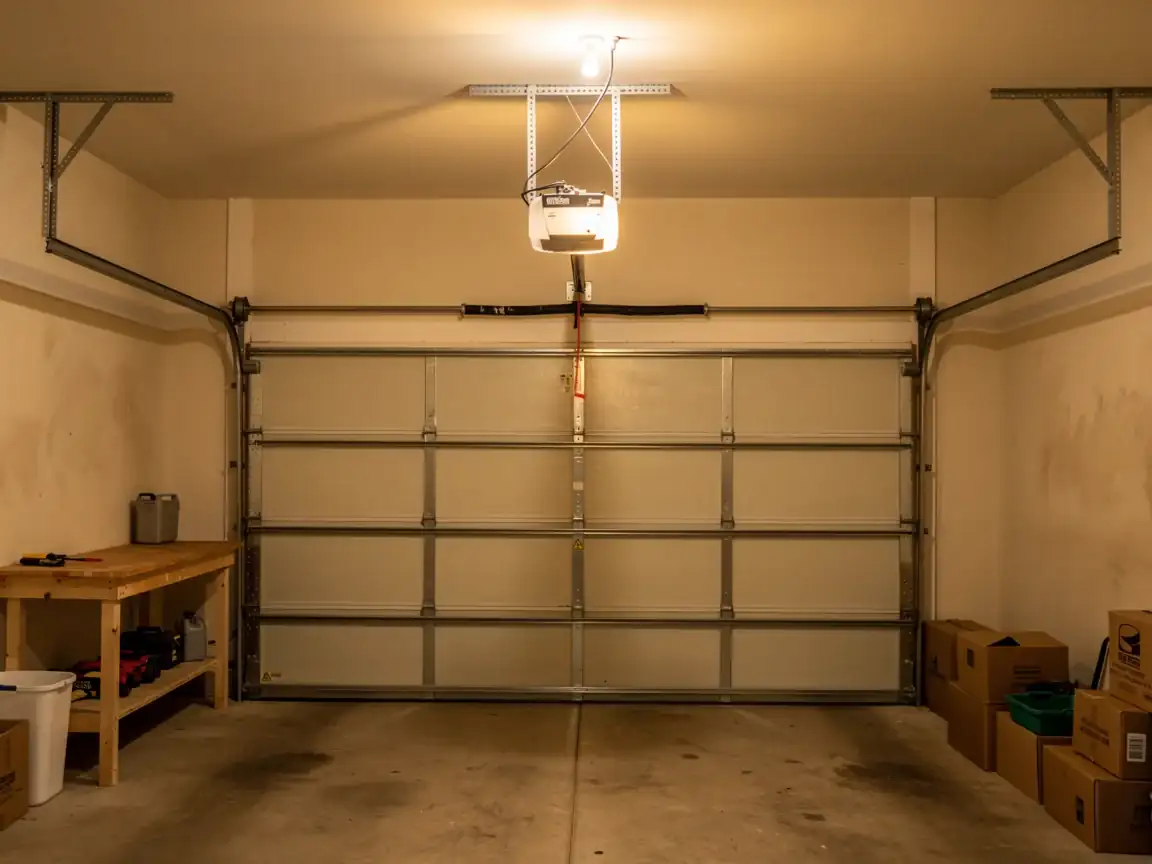
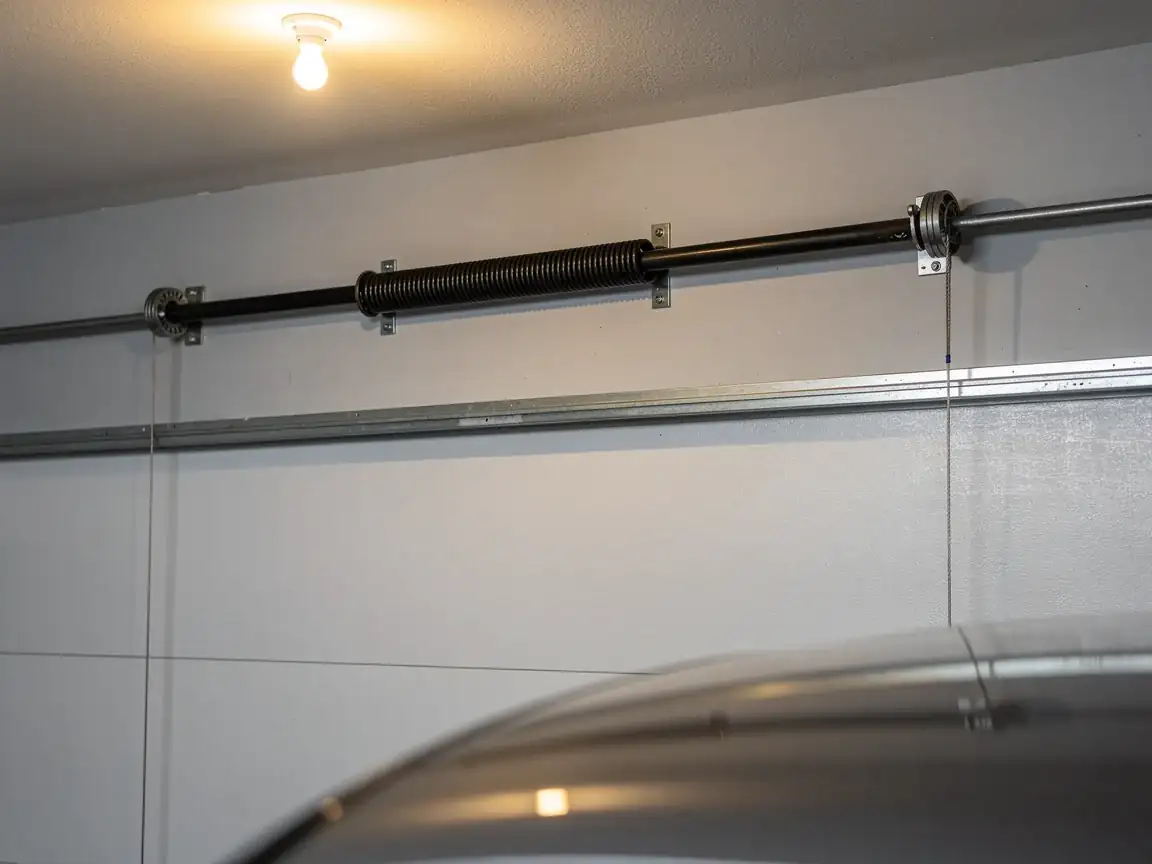
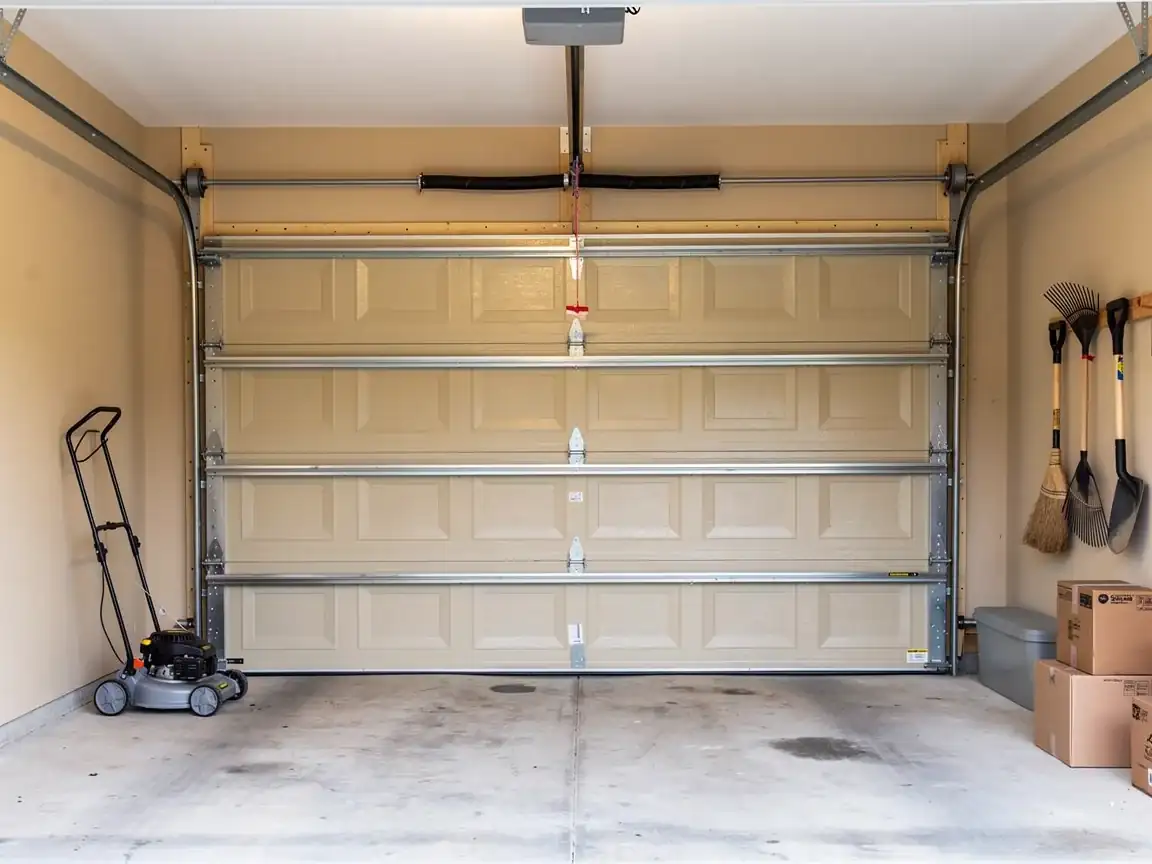
Woodway's housing stock centers on 1976, a good decade before the median build year for the wider service area, which runs closer to 1983. That decade matters: garages from the mid-70s were built right at the point builders switched from extension springs mounted along the horizontal track to torsion springs mounted on a shaft above the door. We see both in Woodway, and they take completely different parts - you can't swap one for the other and expect the door to balance.
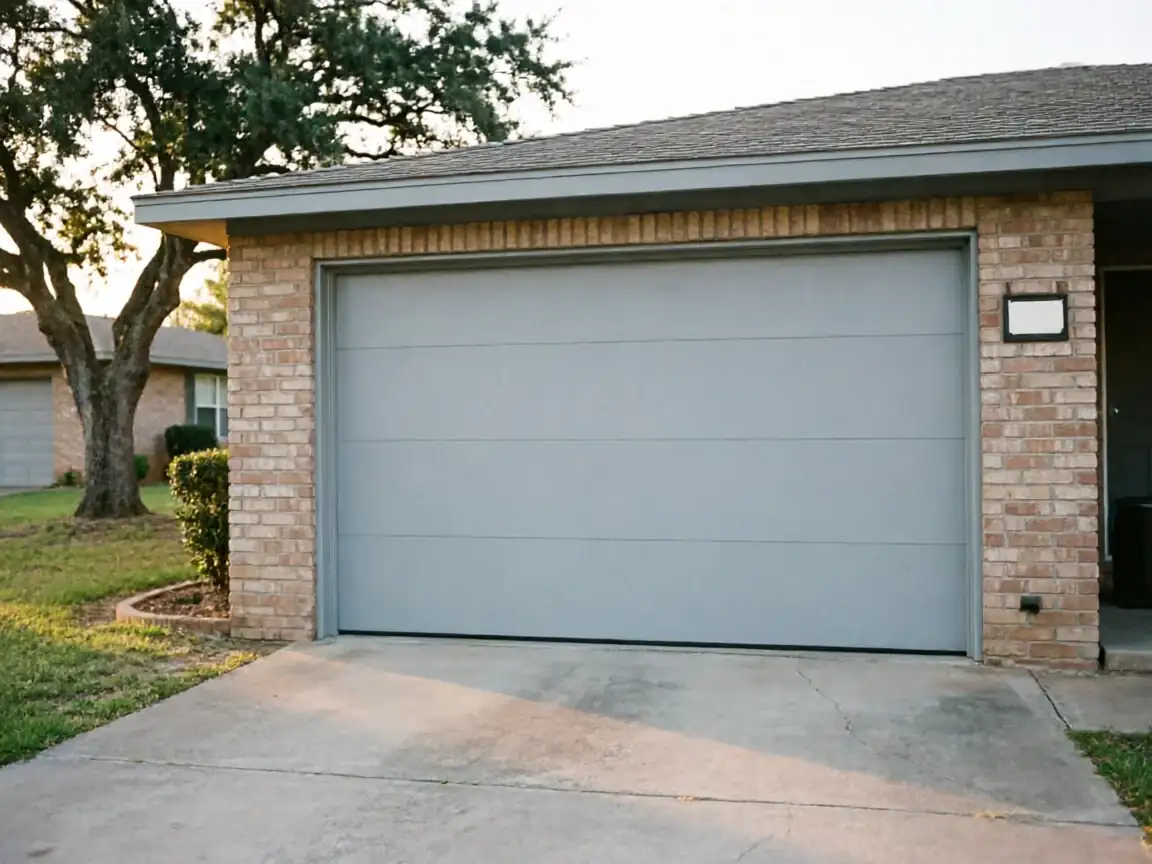
With median household income here at $115,729, well above the $76,833 median across the broader service area, a fair number of these original garages have been upgraded to heavier insulated steel doors over the years. A heavier door needs a torsion spring rated for more weight than the one that came with the house in 1976. If a previous repair put in a standard-weight spring on an upgraded door, it'll wear out fast and feel wrong - hard to lift by hand, opener straining.
We carry a working range of torsion spring sizes and wind directions on the truck specifically because of this mix of original and upgraded doors. What we don't stock is every obscure extension-spring bracket from the handful of older garages that never got converted - those sometimes mean a short wait on a part.
What the Repair Takes
A torsion spring installed when a house went up in the mid-1970s is now roughly fifty years old
Springs are rated in cycles, not years, but a spring that old has almost always outlived its rated life regardless of how gently the door's been used - the metal fatigues whether or not anyone's watching. That's the fault we expect to find first on a lot of these calls: not damage, just age catching up.
The job itself is mechanical and doesn't take long once we're on site
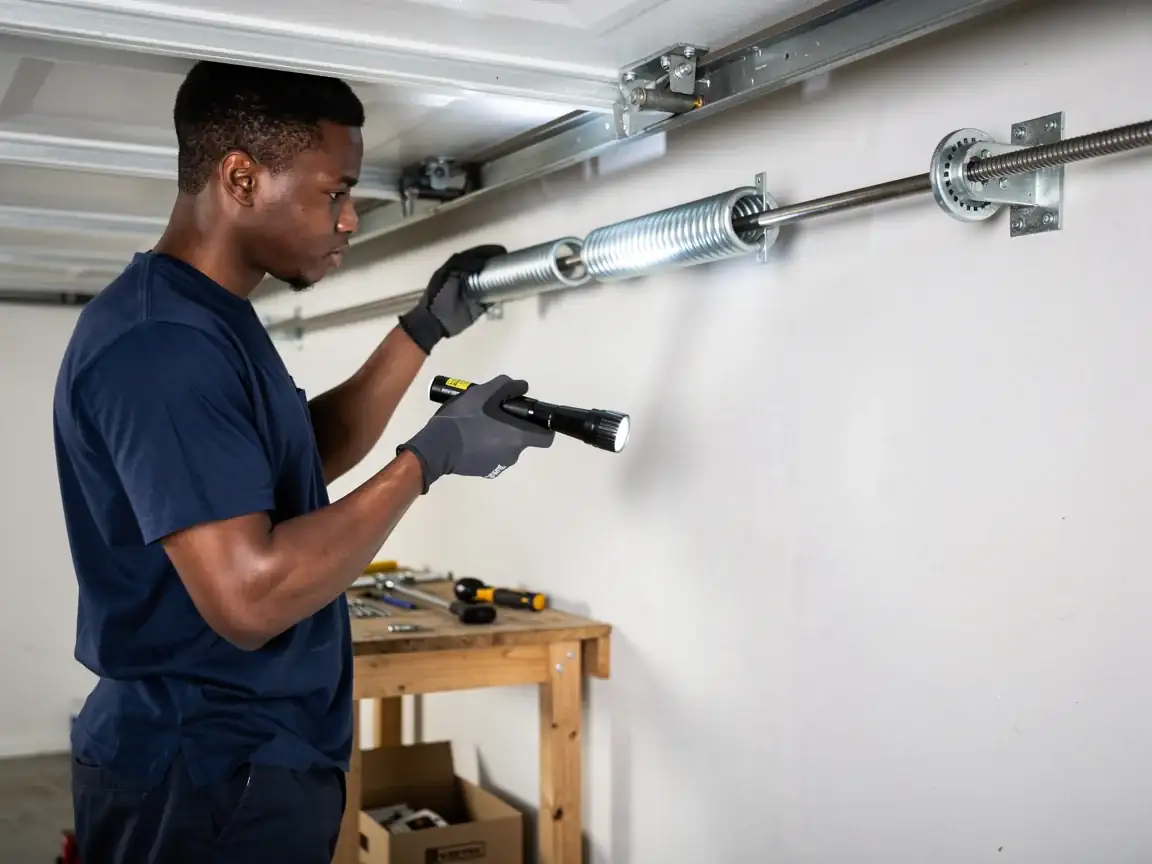
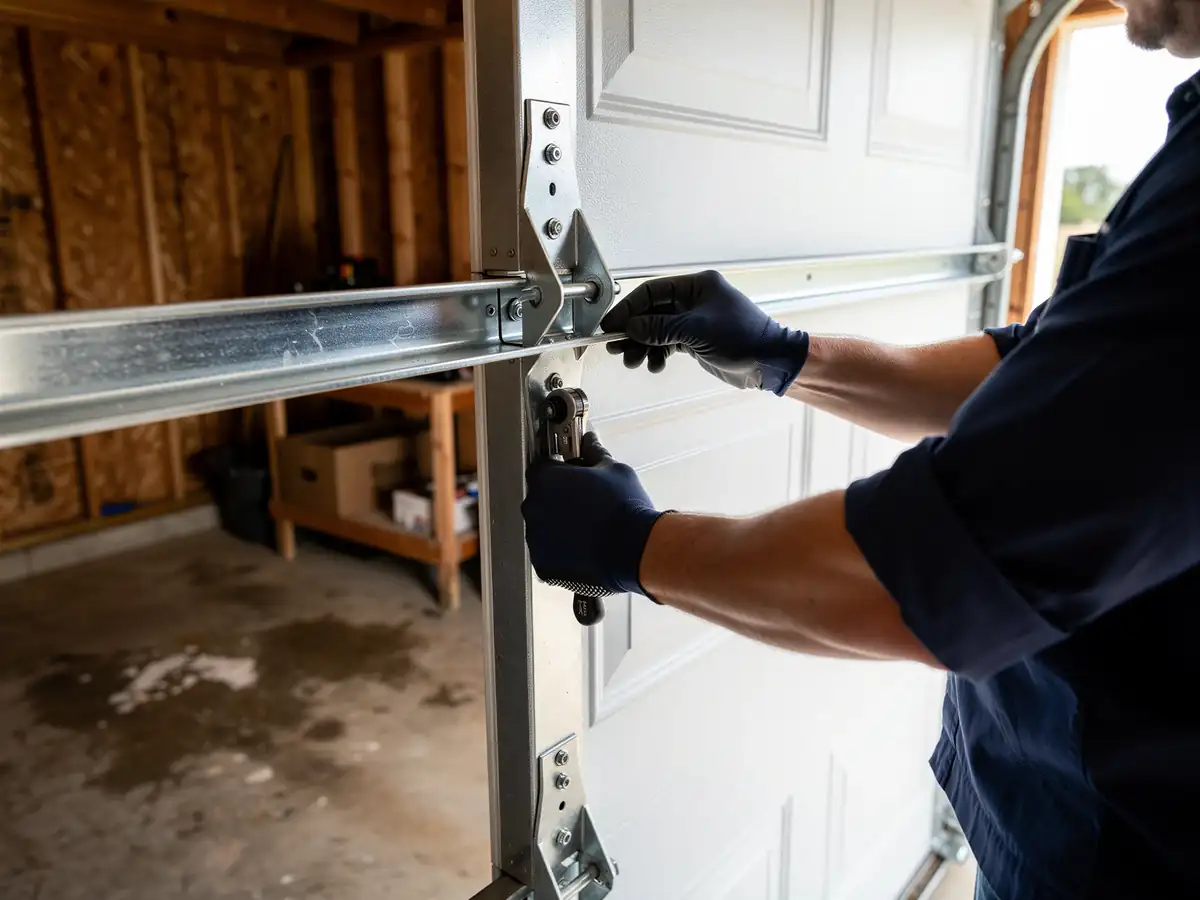
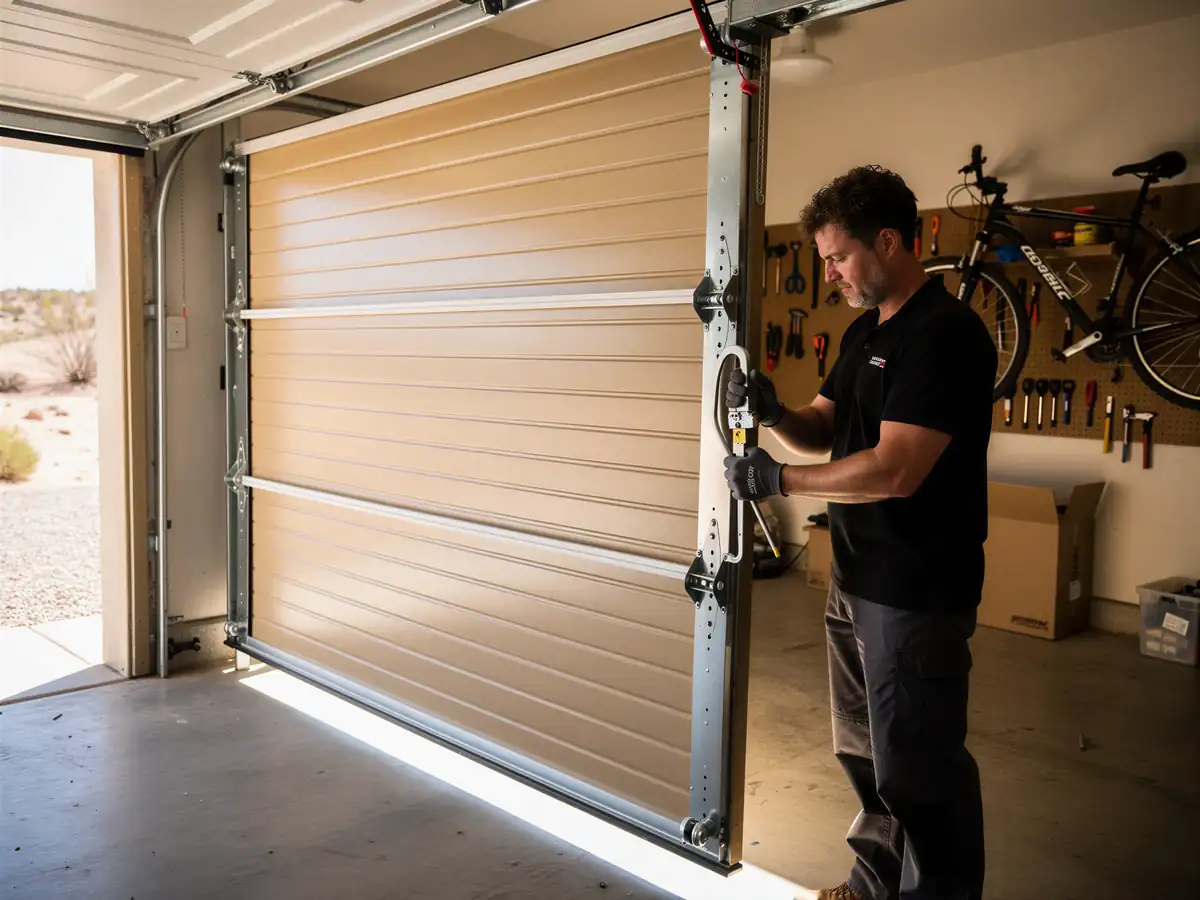
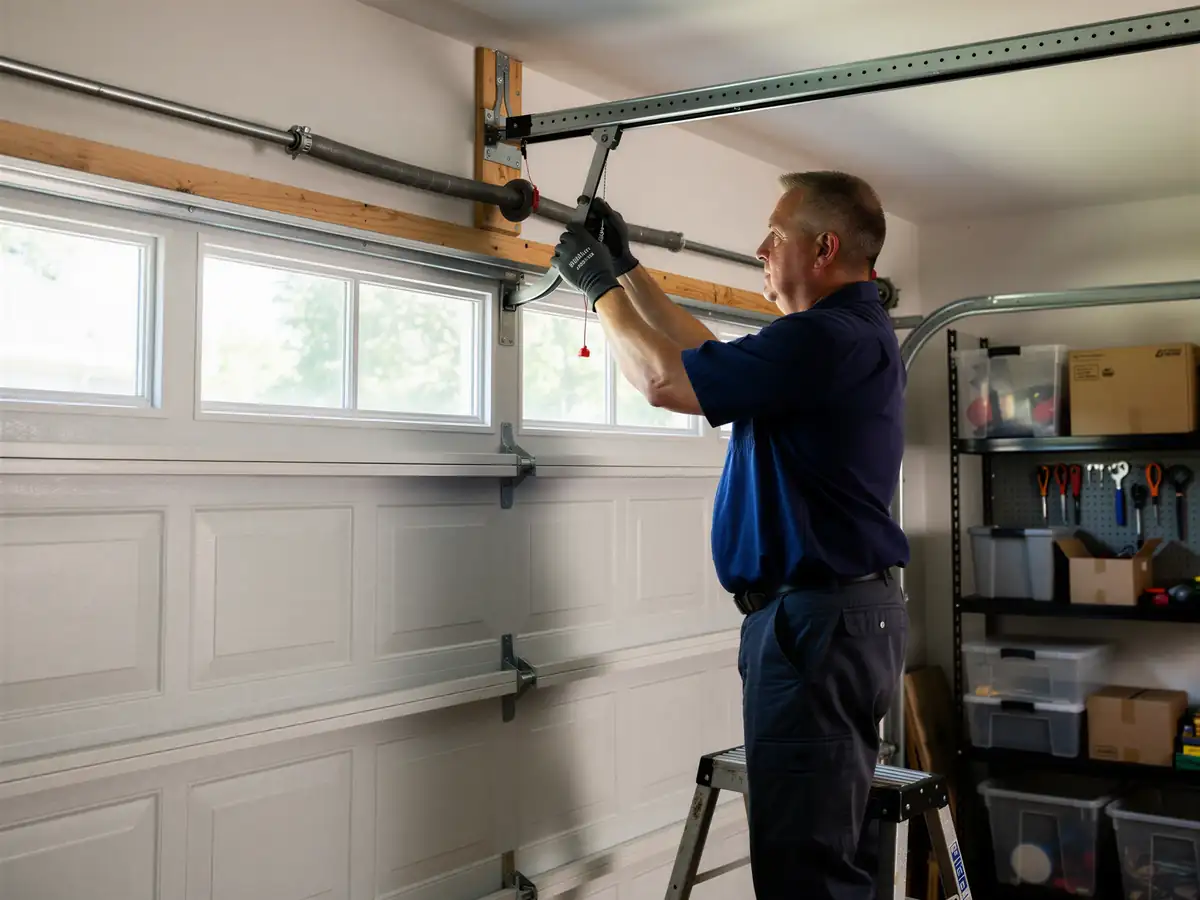
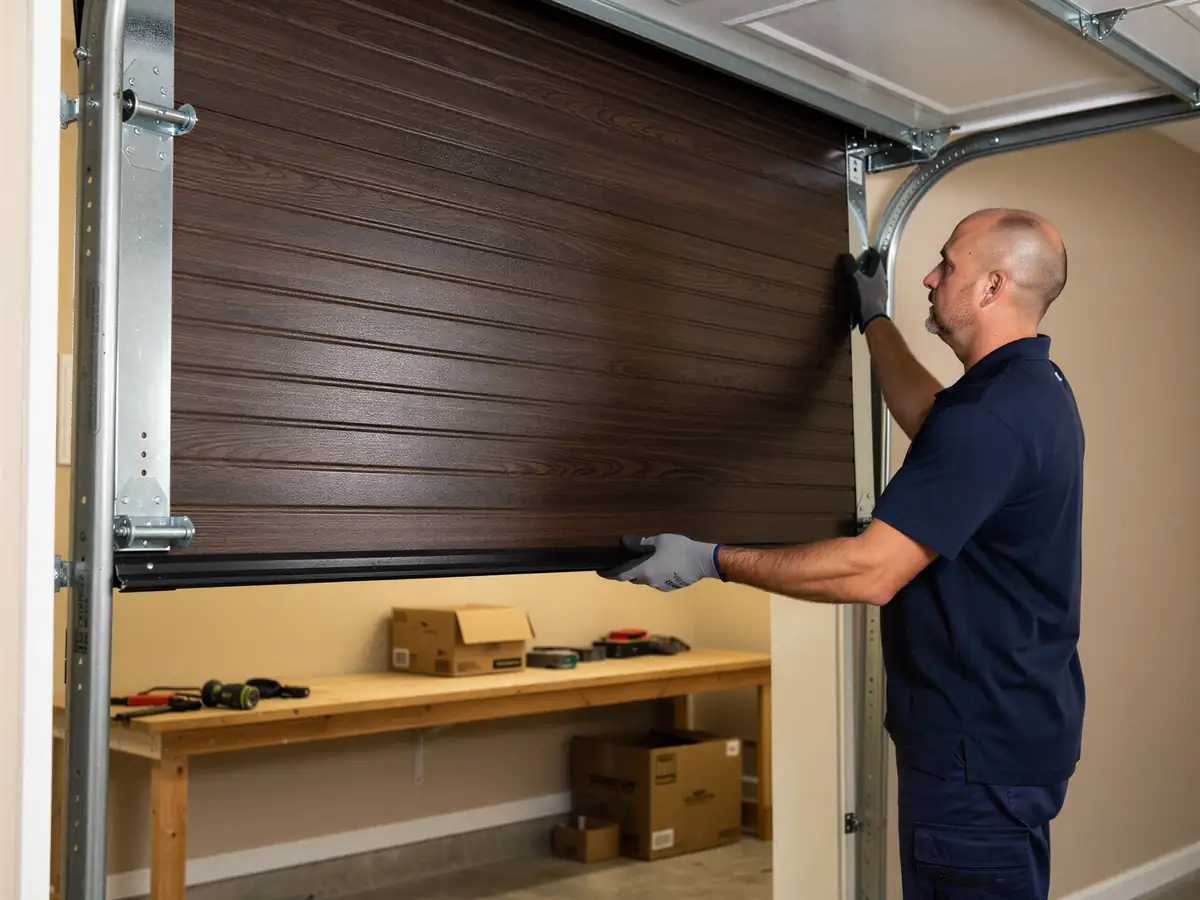
Unwind the old spring under control, measure the door and drum setup, install the matched spring, and balance the door so it holds at any point when lifted by hand. We check the cable and rollers while the door's apart, since a cable that's starting to fray often lets go within months of a spring failure.
Heat is the climate factor that matters most for spring steel here
Summer highs stress the coil and accelerate fatigue in a spring already near the end of its cycle count. Cold isn't the issue it is further north.
One honest limit: if both springs on a double door are original and one's already broken
We'll recommend replacing the pair rather than just the broken side. Mismatched spring age on the same shaft throws the balance off again within a year, and it's not worth the second service call.
How It Shows Up
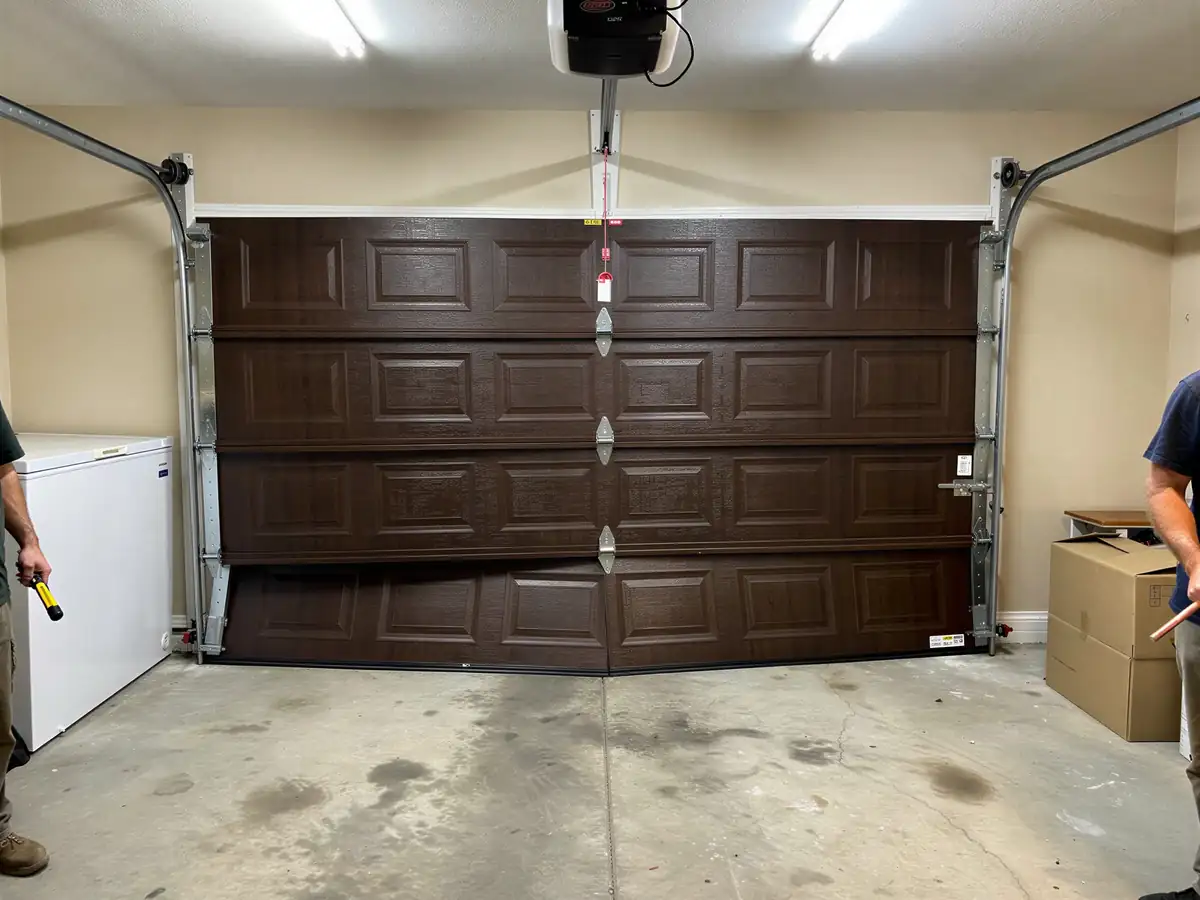
The classic sign is a door that drops fast and won't stay up - you lift it partway by hand and it falls instead of holding. That's a torsion spring that's lost tension or snapped outright, and on a house from this era it's rarely a surprise once you know the age of the hardware.
A second pattern we see in Woodway: the opener runs but the door barely moves, or moves and then reverses itself. That's usually a spring that's weakened rather than broken - enough tension left that the opener tries, not enough to actually lift the weight of the door. Left alone, this burns out the opener motor trying to do a job the spring used to help with.
With 3,537 households in Woodway, smaller than many of the surrounding areas we cover, we don't see huge volume here, but the pattern across calls is consistent - it tracks the build year, not bad luck. A loud bang followed by the door refusing to open at all is the clean break; that one's unmistakable and usually happens without warning.
If you're noticing any of this, it's worth checking before the door gets used much more - a spring under the wrong tension can let a door fall faster than expected. See more on service across Woodway and nearby areas.