How Long You Are Without the Door
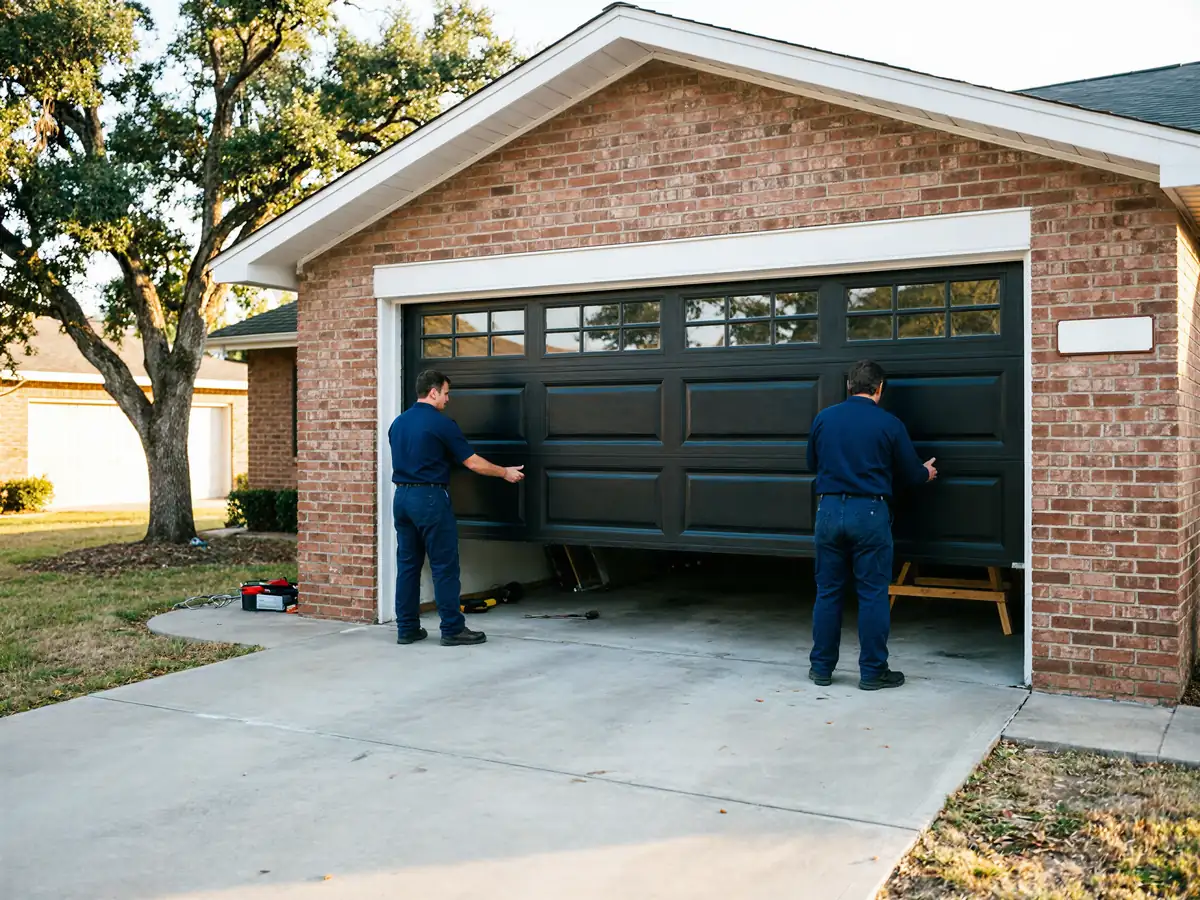
Bellmead sits seven miles from our Waco shop, close enough that a maintenance stop here doesn't force us to cut corners to make the drive back. We're not based in Bellmead itself - we travel to it - but the distance is short enough that a tune-up visit fits into the same run as jobs closer to home, without squeezing the inspection down to a quick look and a spray of lubricant.
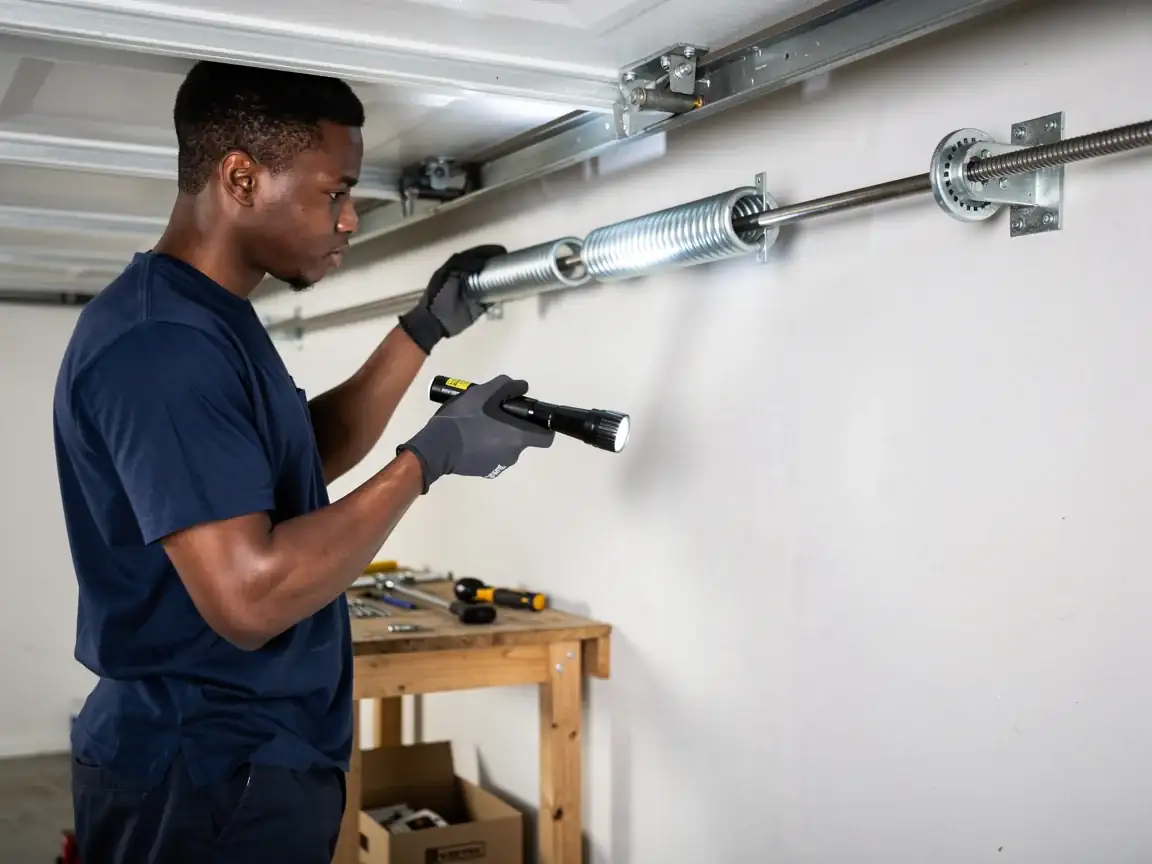
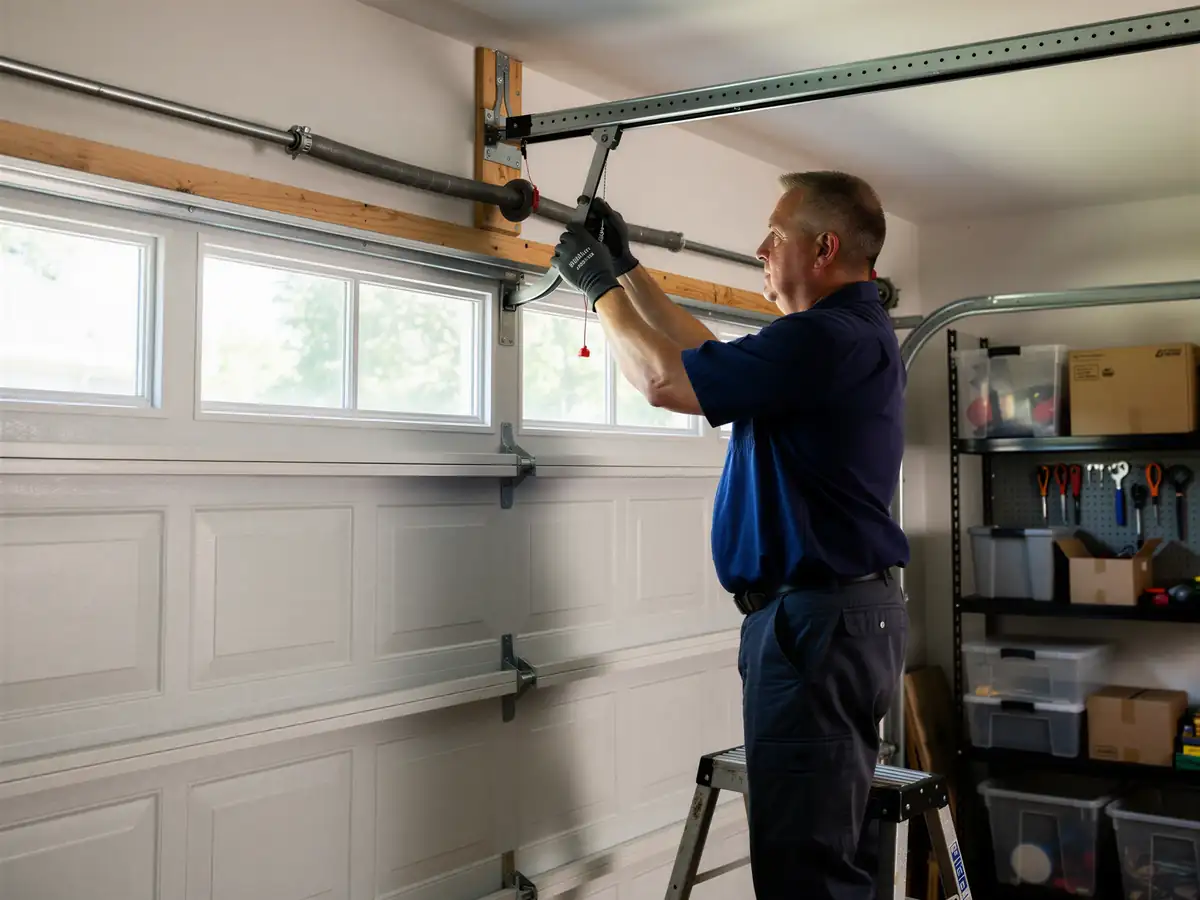
What takes time isn't the drive, it's the door. A house built in 1983 has had four decades of openings and closings on hardware nobody has serviced since the original installer left. Checking cable wear, spring tension, and track alignment properly on a door that old takes longer than a five-year-old door with factory rollers still in it. We'd rather tell you that up front than rush a visit and have you calling again in three months.
We don't quote a fixed appointment window here because we haven't been given one to promise, and a guess isn't a fact. What we can tell you is that the job itself, once we're on site, runs on the condition of the door in front of us - not the clock.
How It Shows Up
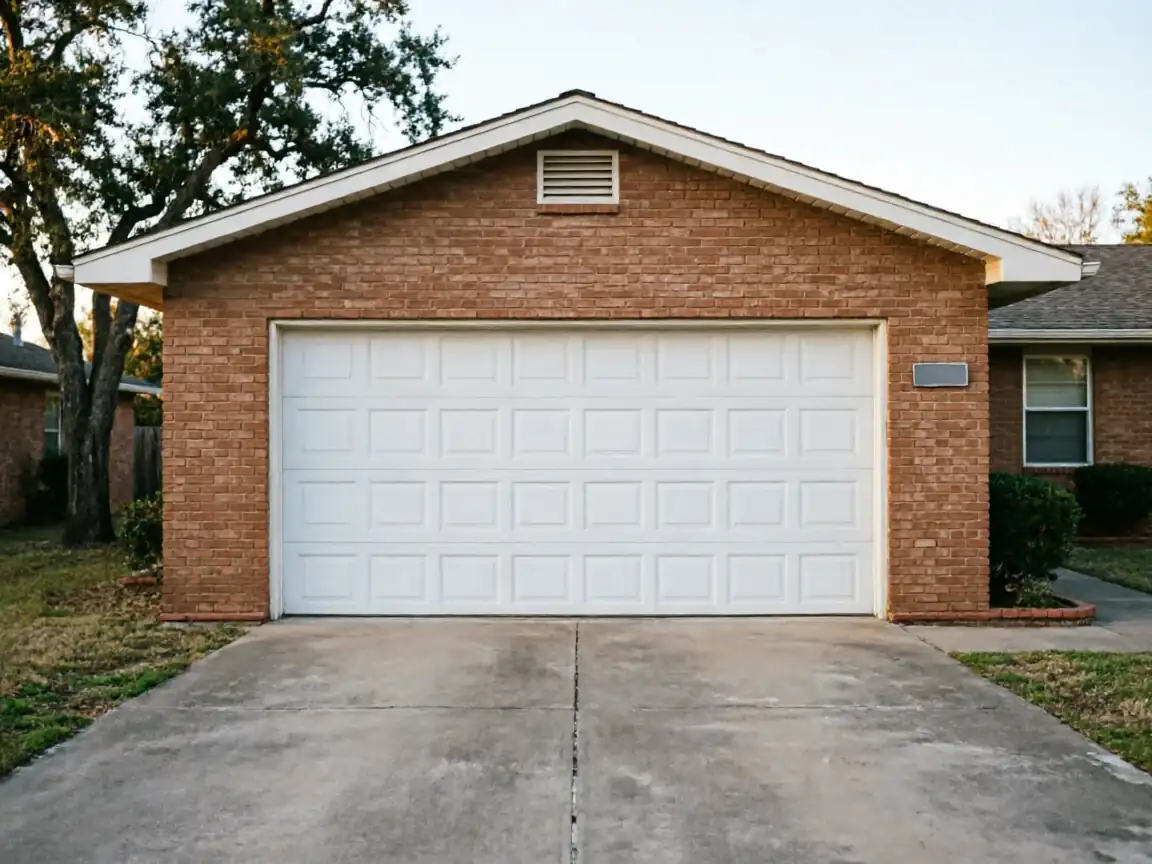
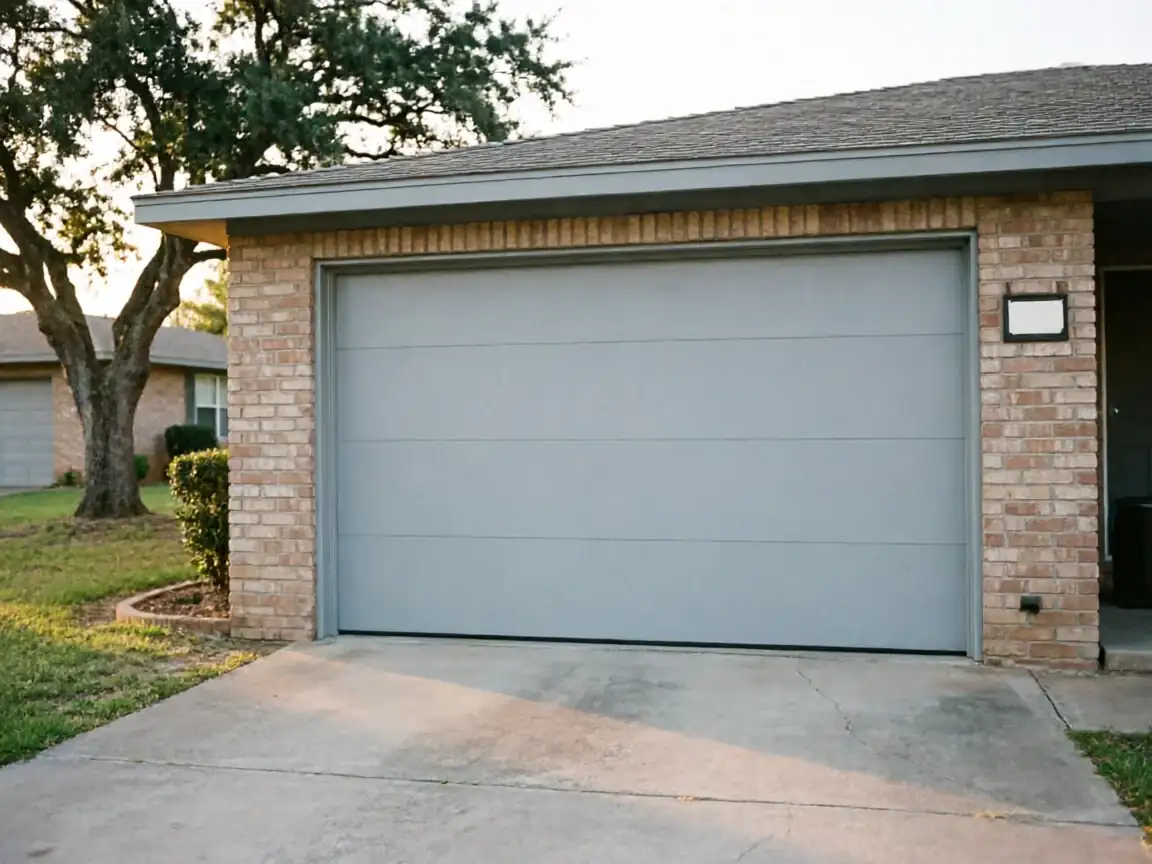
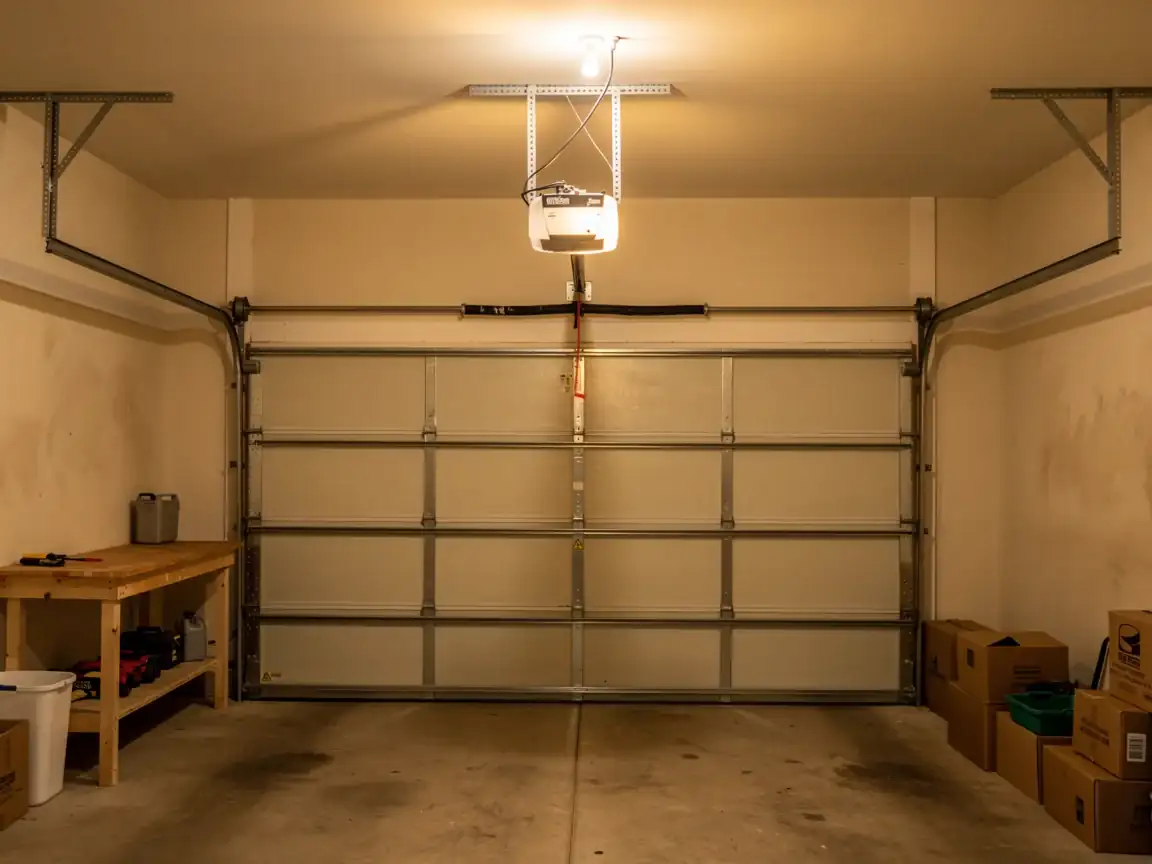
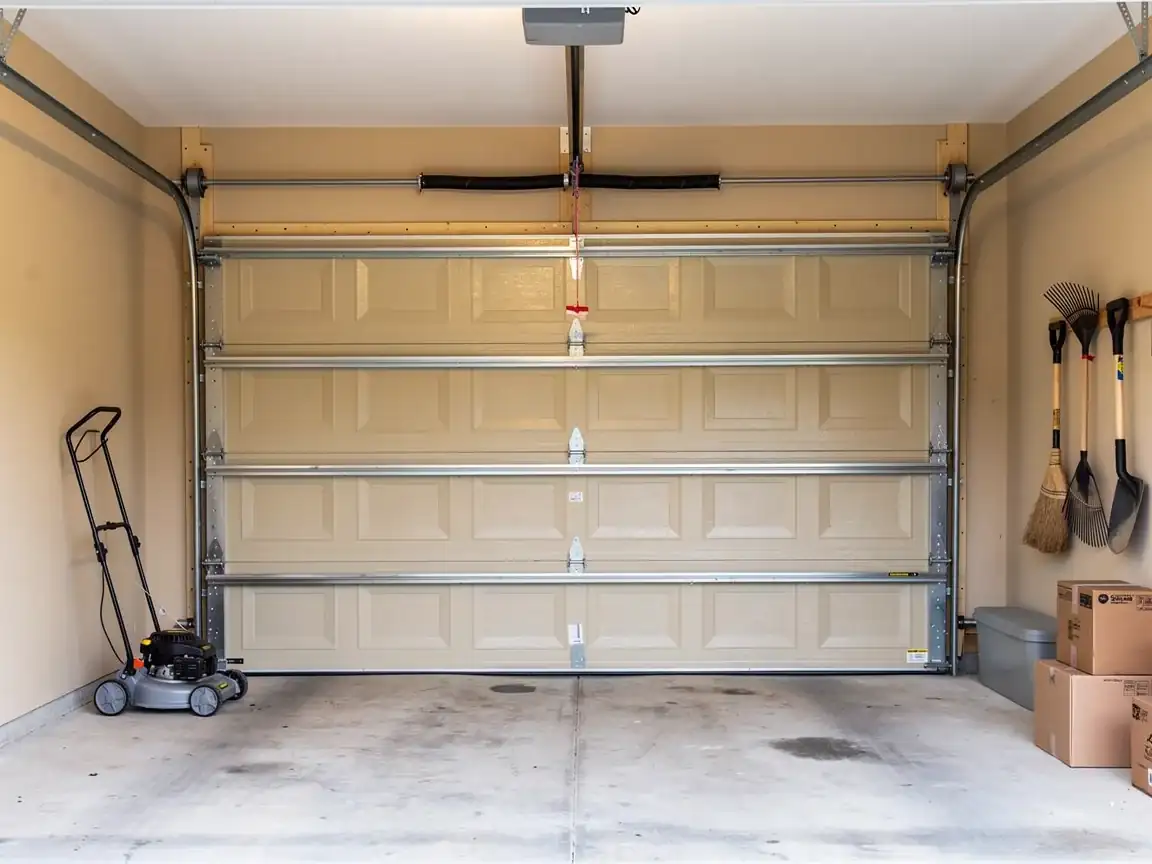
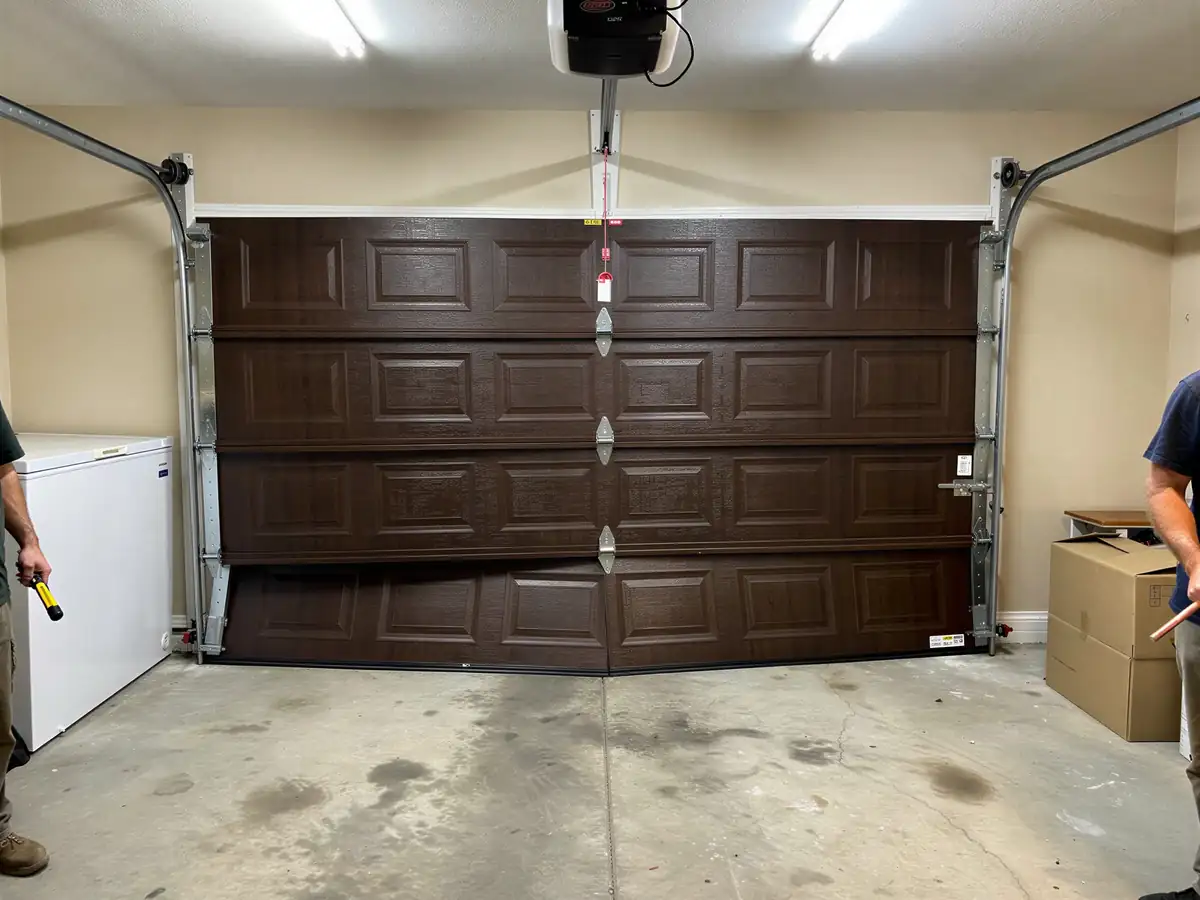
Bellmead's housing stock centers on 1983, the same vintage that defines most of the Waco service area. That means a lot of doors here are original mid-1980s units on extension-spring hardware, installed before current safety reversal standards were standard practice. The fault doesn't usually show up as a door that won't open - it shows up as a door that's slower than it used to be, that drops the last foot instead of settling, or that the opener strains against on a cold morning.
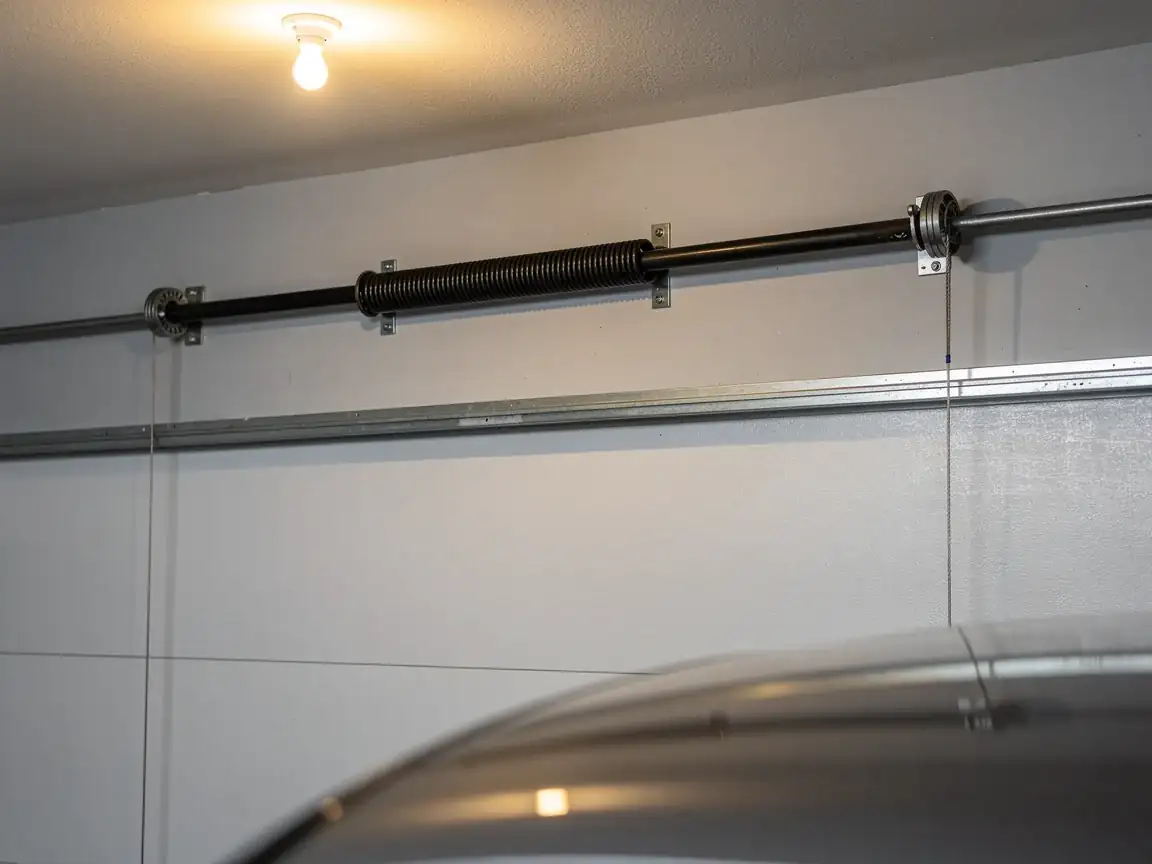
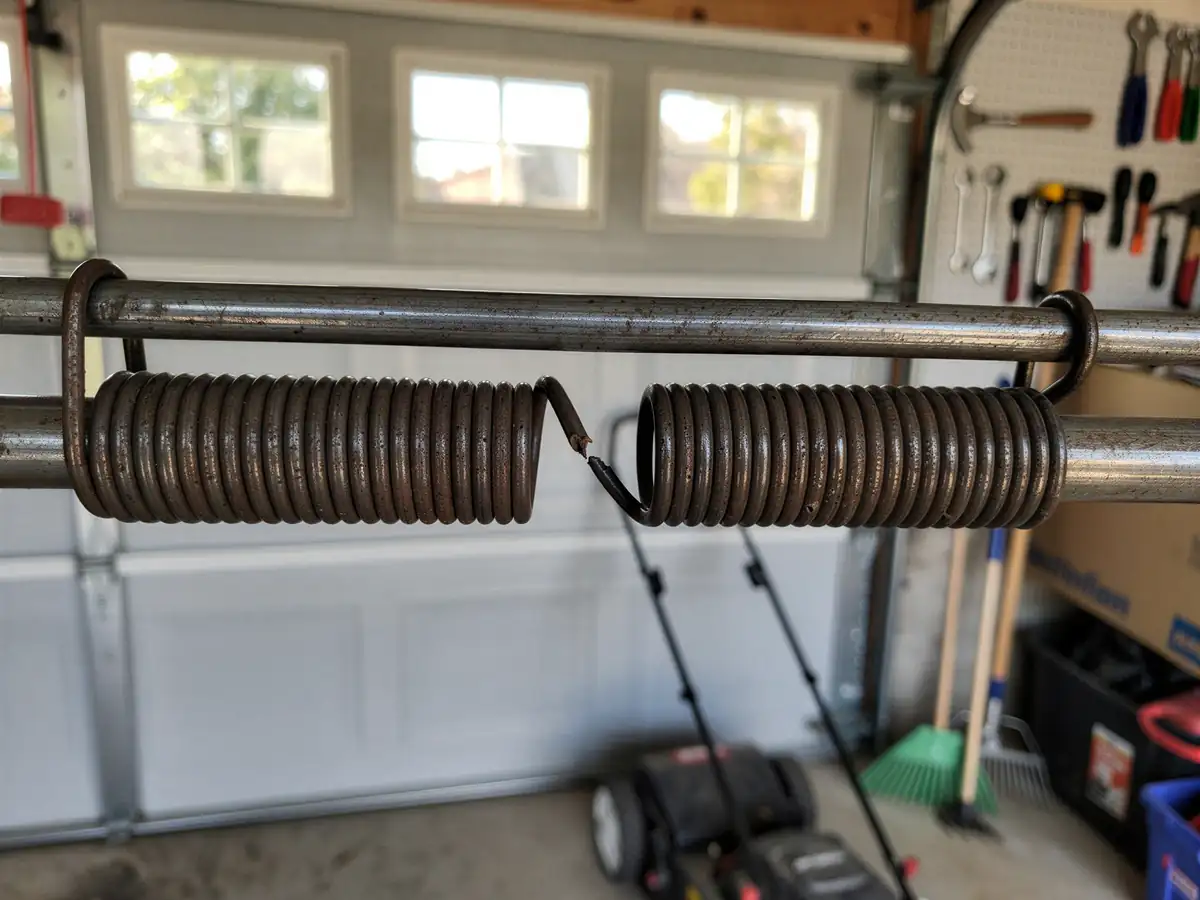
That strain is the tell. An extension spring from 1983 has a rated cycle life, and most of them have outlived it quietly, losing tension a little at a time rather than snapping outright. Owners notice the opener working harder before they notice the spring itself. By the time a cable frays or a spring coil separates, the opener has usually been compensating for months.
Rollers on doors this age are often the original steel, not nylon, which means noise climbs years before anything actually fails. If a door has gotten louder over the last year without anyone touching it, that's wear, not a mystery.
Where This Job Goes Sideways
The moderate heat band this part of Texas sits in means lubricant dries out and hardened grease stiffens on rollers and hinges faster than most owners expect
Especially on a track that hasn't been repacked since the door went in around 1983. A maintenance visit that should be a quick service turns into a longer one once we find rust bloom under old grease or a hinge pin worn oval from decades of dry running.
The other place it goes sideways is the opener, not the door
Chain-drive units from this era often lack the auto-reverse sensors required on anything sold new now, and swapping in a modern safety sensor on an old chassis isn't always straightforward - sometimes the bracket alignment, cut for a different generation of hardware, doesn't match up. We'll tell you when that's the case rather than force a fit that won't hold.
And honestly, there's a point past which a tune-up isn't the right call
If the spring, cables, and rollers all need replacing on the same visit, that's most of the hardware anyway - we'll say so instead of billing it as maintenance.
What You Pay
We don't have a set price to quote on this page, and we're not going to make one up. What we can tell you is what drives the cost: whether the job is lubrication and adjustment on hardware that's holding up, or replacement of springs, cables, and rollers that have reached the end of their life.
Bellmead's median household income runs lower than some of the other towns in the Waco service area, and that's part of why a full tear-out and replace often isn't the right first move on a door built around 1983. A spring service and hardware refresh can add years to a door that's structurally fine but worn on the parts that move. Replacement makes more sense when the door itself - the panels, the track mounts - has started to fail, not just the moving parts.
We'll look at what's actually wrong before we talk numbers, and we'll tell you plainly if a repair isn't worth doing versus just doing the job once.
Stocked Parts
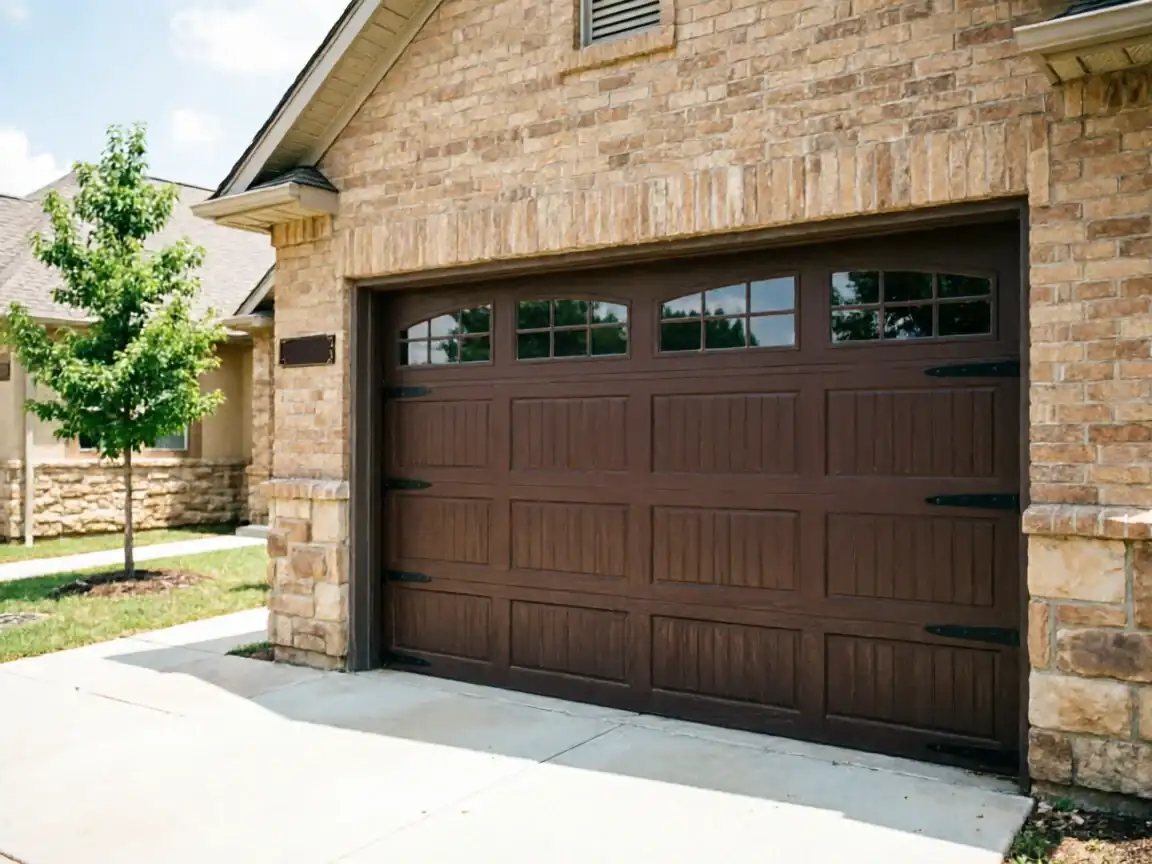
Most of the garage doors across this part of the service area date to the 1980s and 90s, and Bellmead's own housing sits right in that window, centered on 1983. That's useful, because it means the hardware we carry for maintenance calls here is the hardware that actually shows up: galvanized torsion and extension springs sized for doors from that era, steel rollers to replace the originals, and the cable gauges that matched openers sold through the 80s and into the 90s.
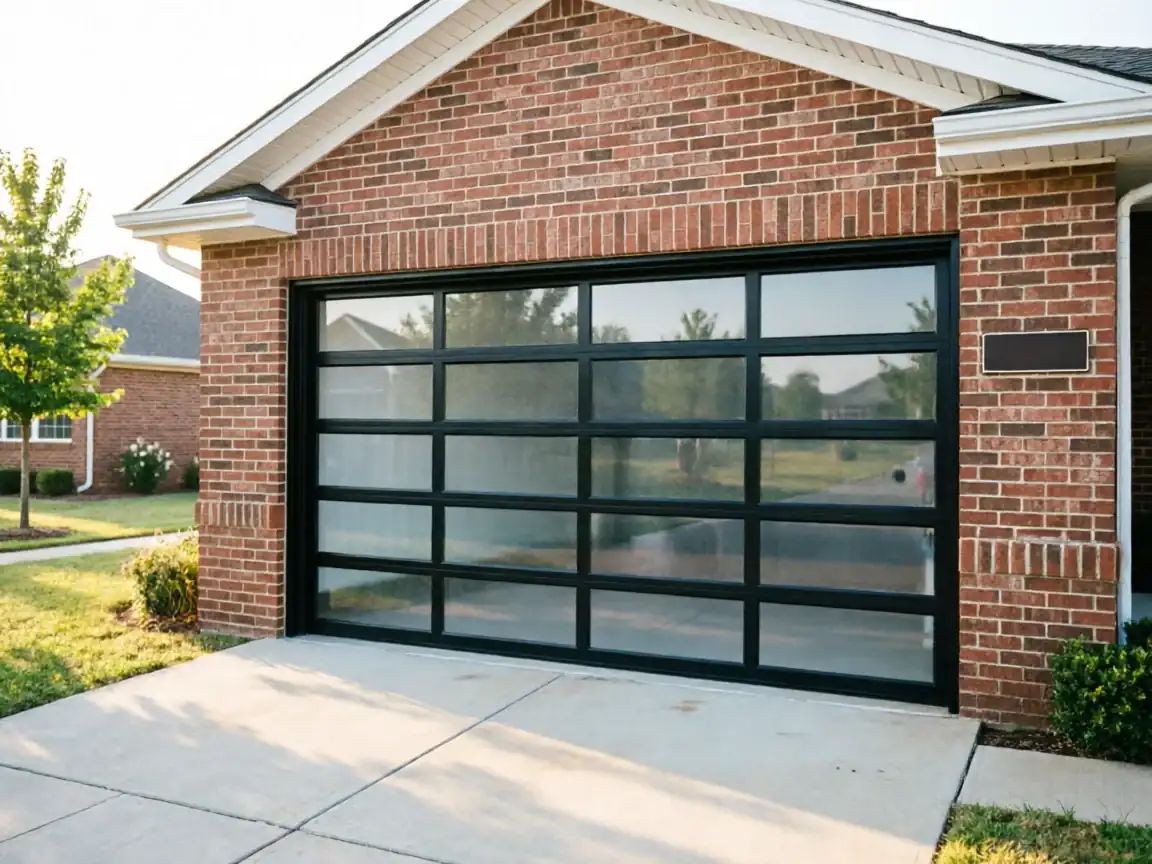
What we don't carry on the truck is anything custom to a door panel style we haven't seen yet - if a door's been modified or has a panel profile outside the common runs from that period, we may need to source it rather than pull it off the shelf. That's the honest limit: common hardware for common-era doors, we're ready for; something one-off takes a call ahead.
For most Bellmead houses, though, a maintenance visit means pulling parts we already stock, sized for a door that's been running since the 1980s.
How to Book
If your door is slower than it used to be, louder than it used to be
Or the opener's been straining on cold mornings, that's worth a maintenance call before it turns into a repair call. Given the age of most doors in Bellmead, a spring and hardware check now is cheaper than a cable snap later.
See our coverage near Bellmead for the surrounding area
Or check the full garage door maintenance page for what the service covers across the Waco area generally. We travel out from Waco, seven miles away, to handle the job on site.