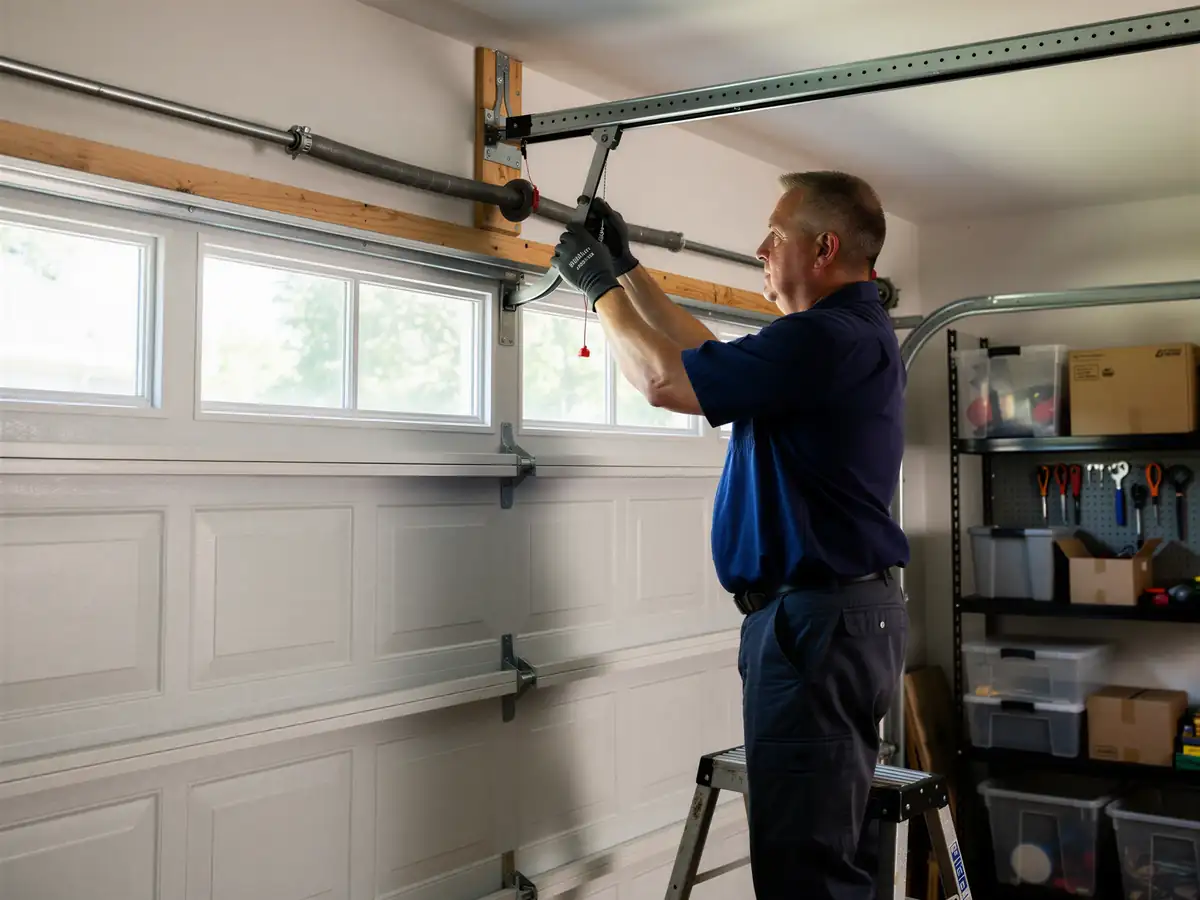
How Long You Are Without the Door
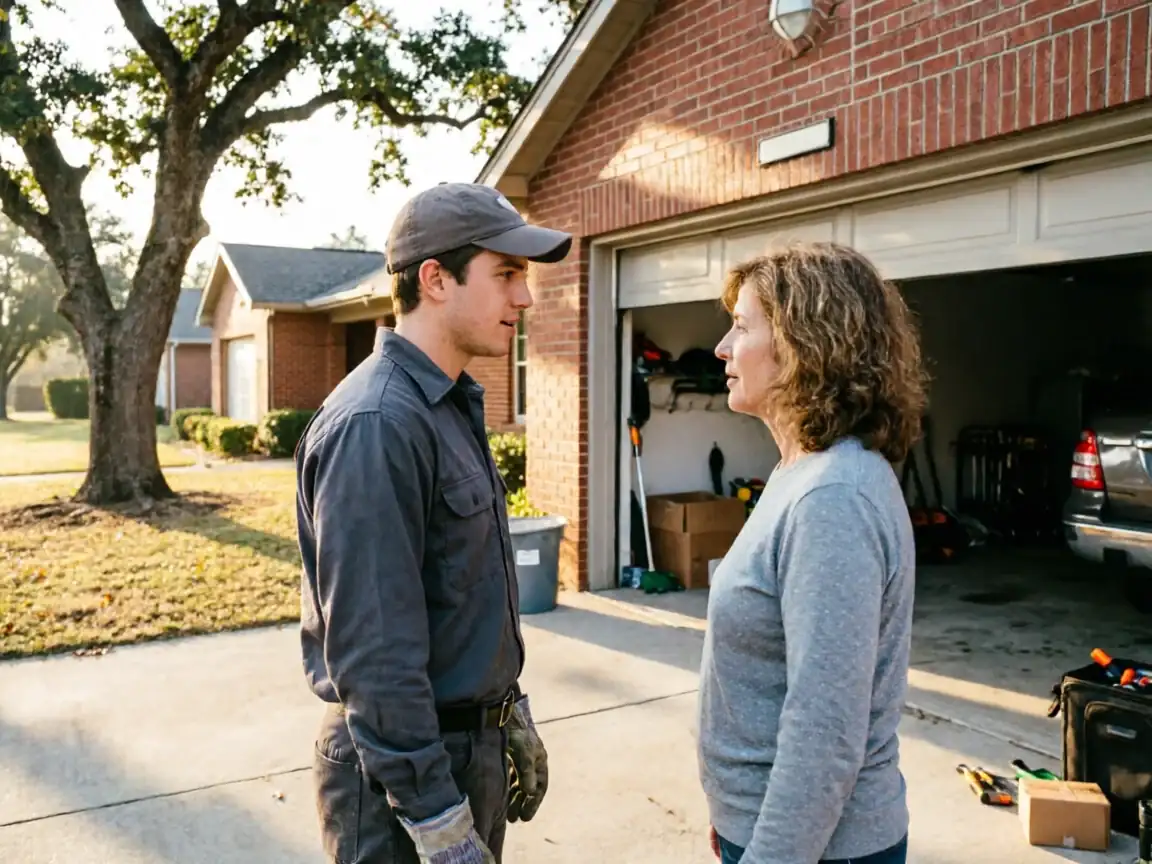
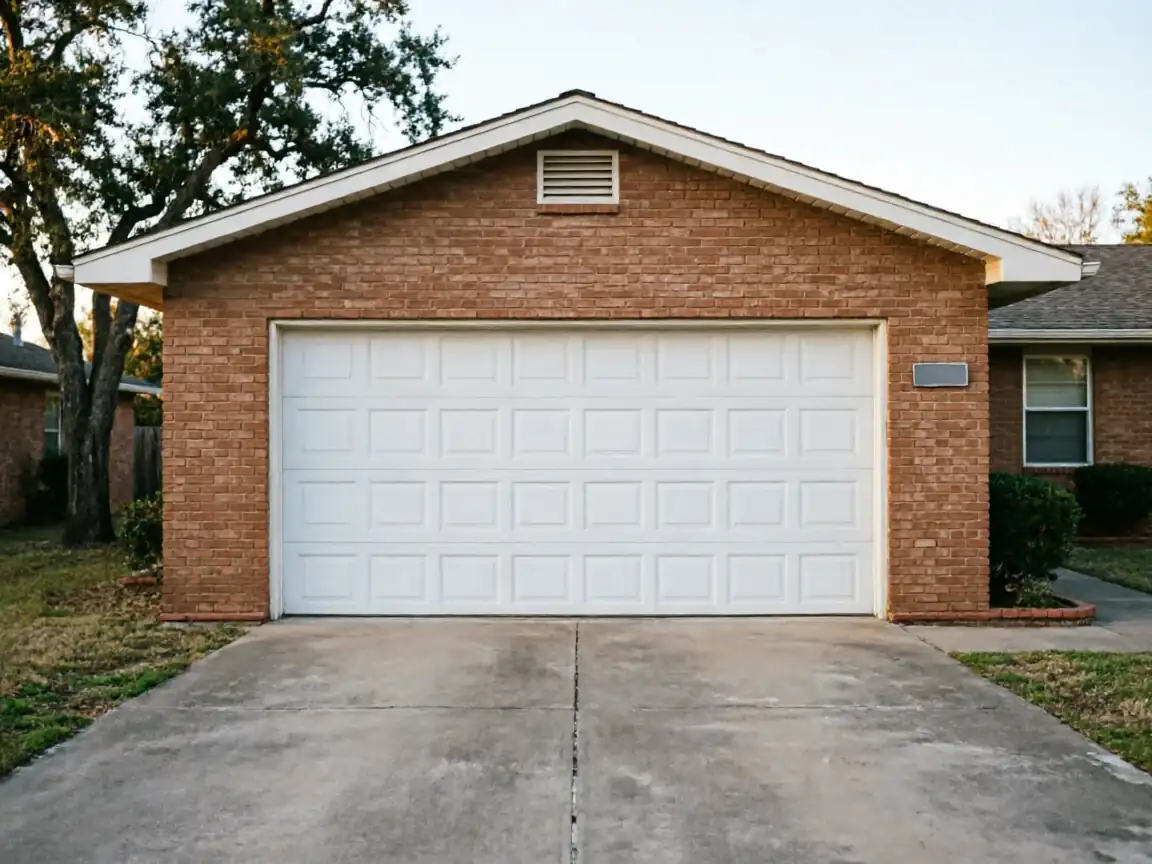
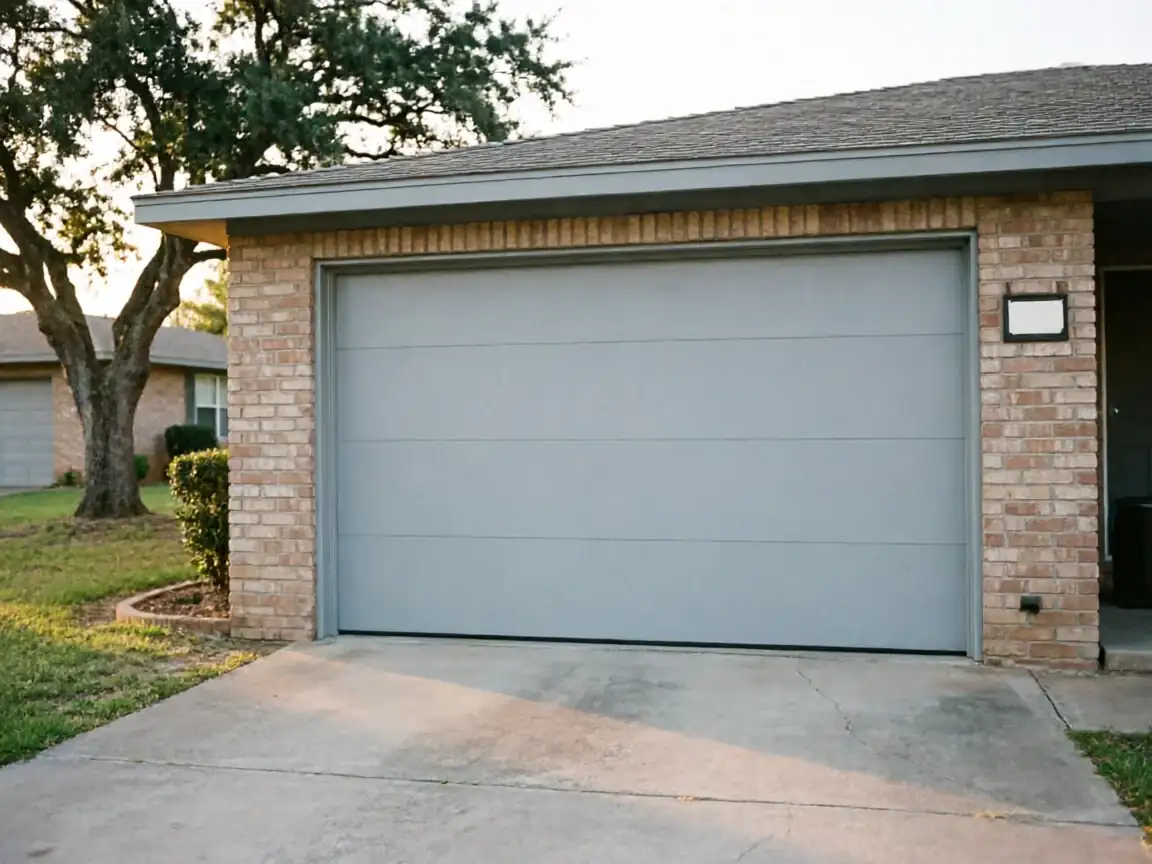
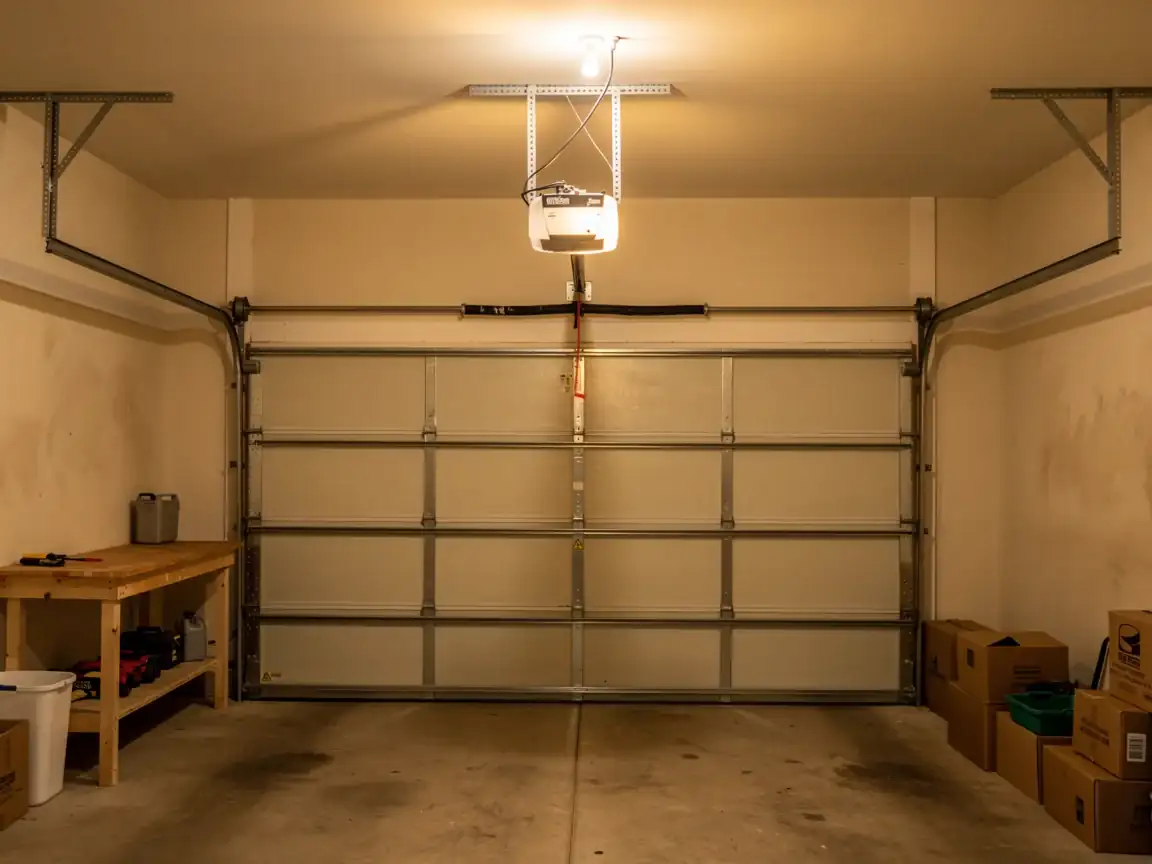
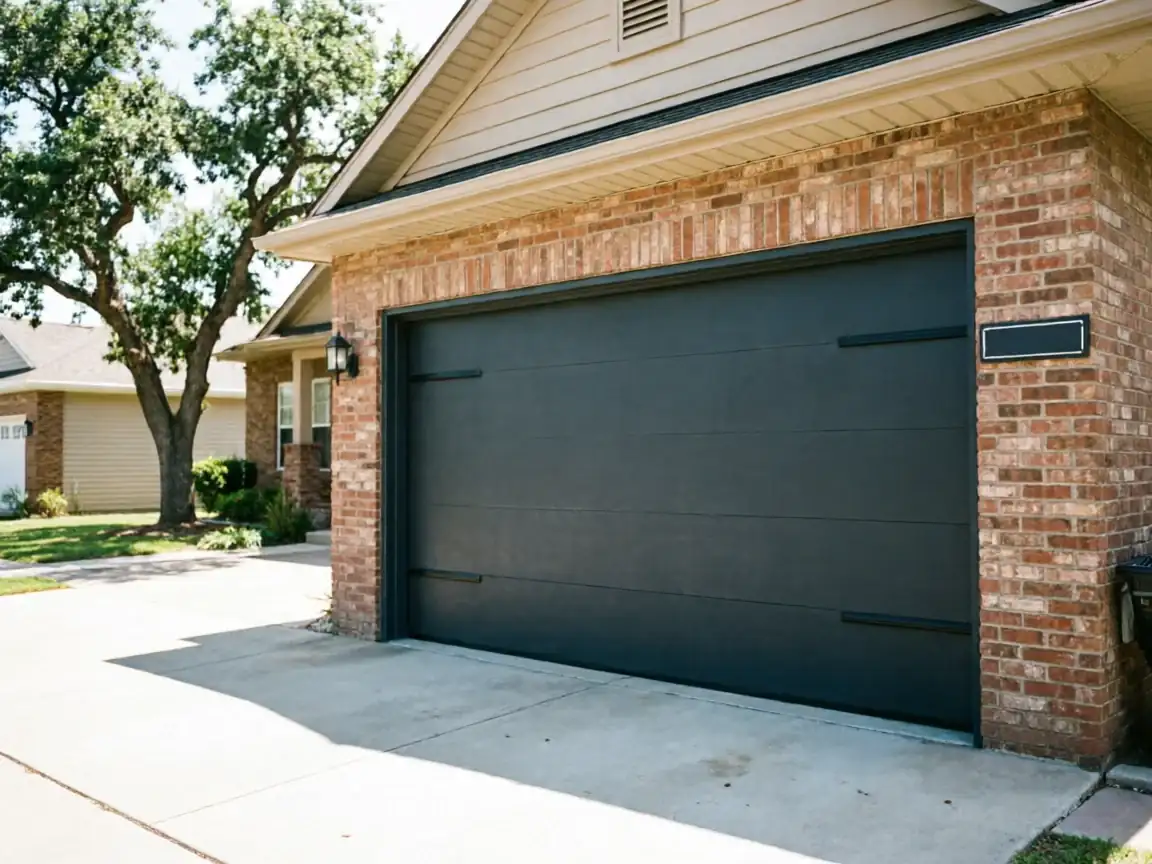
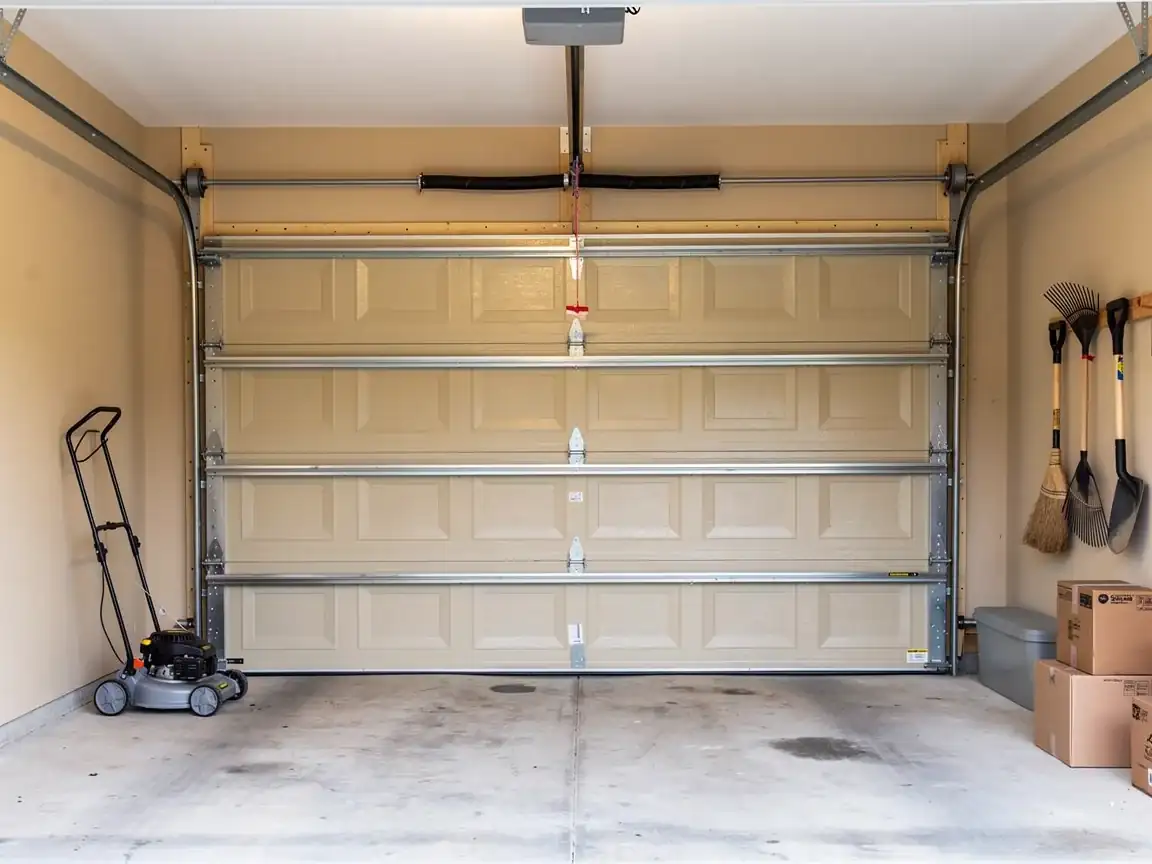
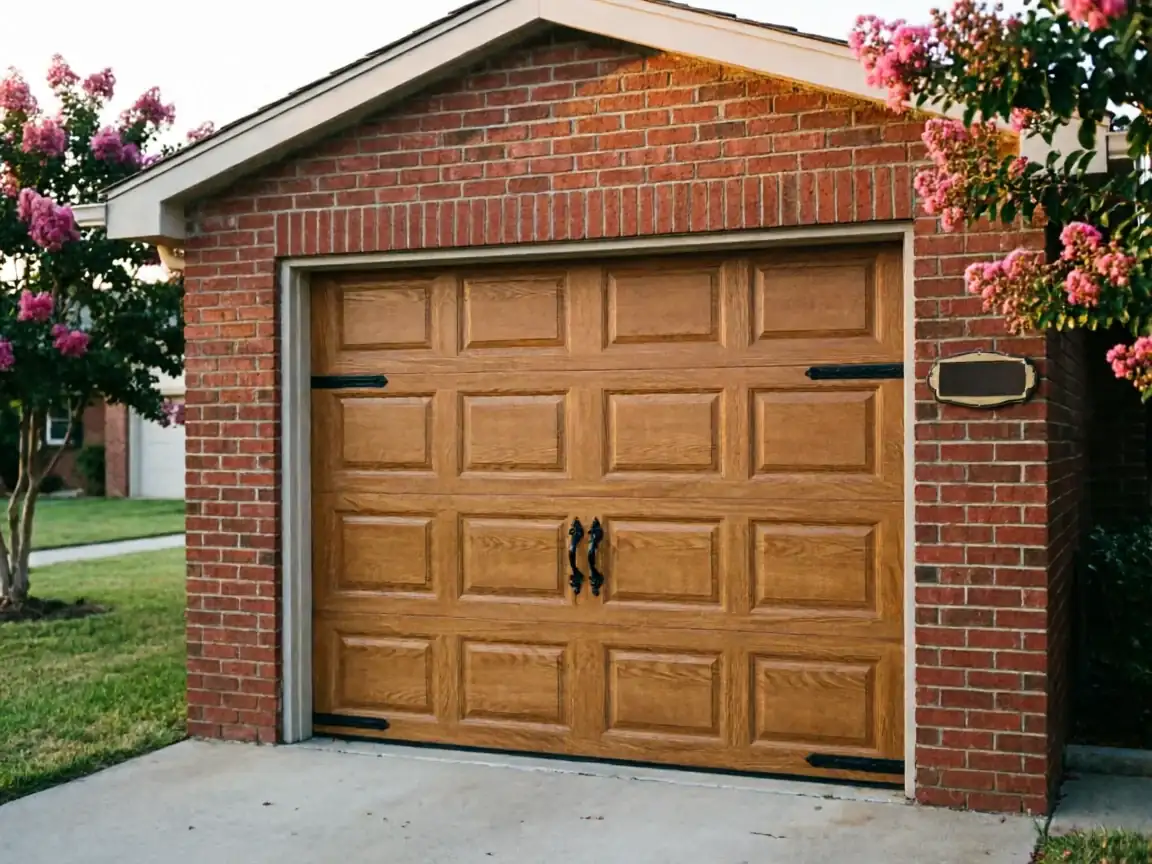
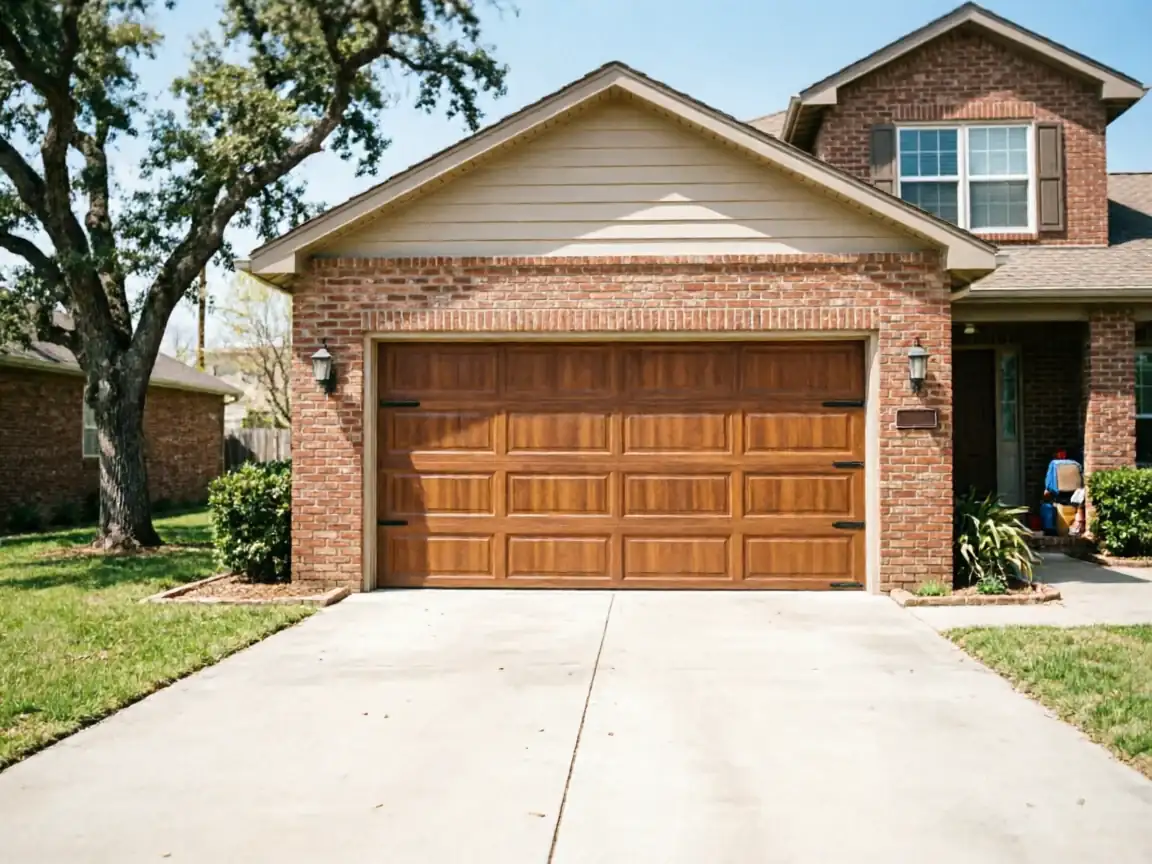
Most houses in Bellmead went up between 1959 and 1994, and the typical one here dates to 1983. That puts a lot of steel sectional doors on standard-width track, sized for single-car garages and short driveways, with openers bolted to headers that were never drilled for the mounting hardware sold today. The door itself is usually fine. It's the chain-drive unit above it, now past its working life, that stops turning.
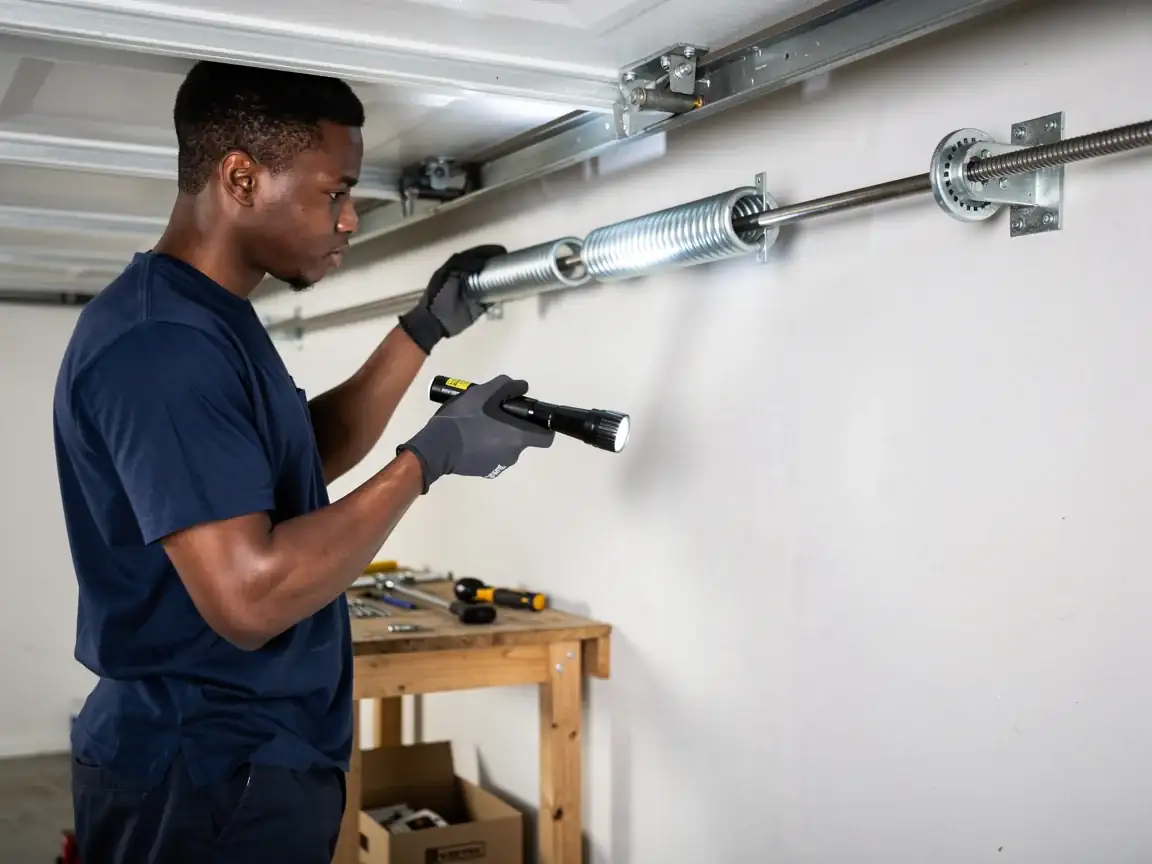
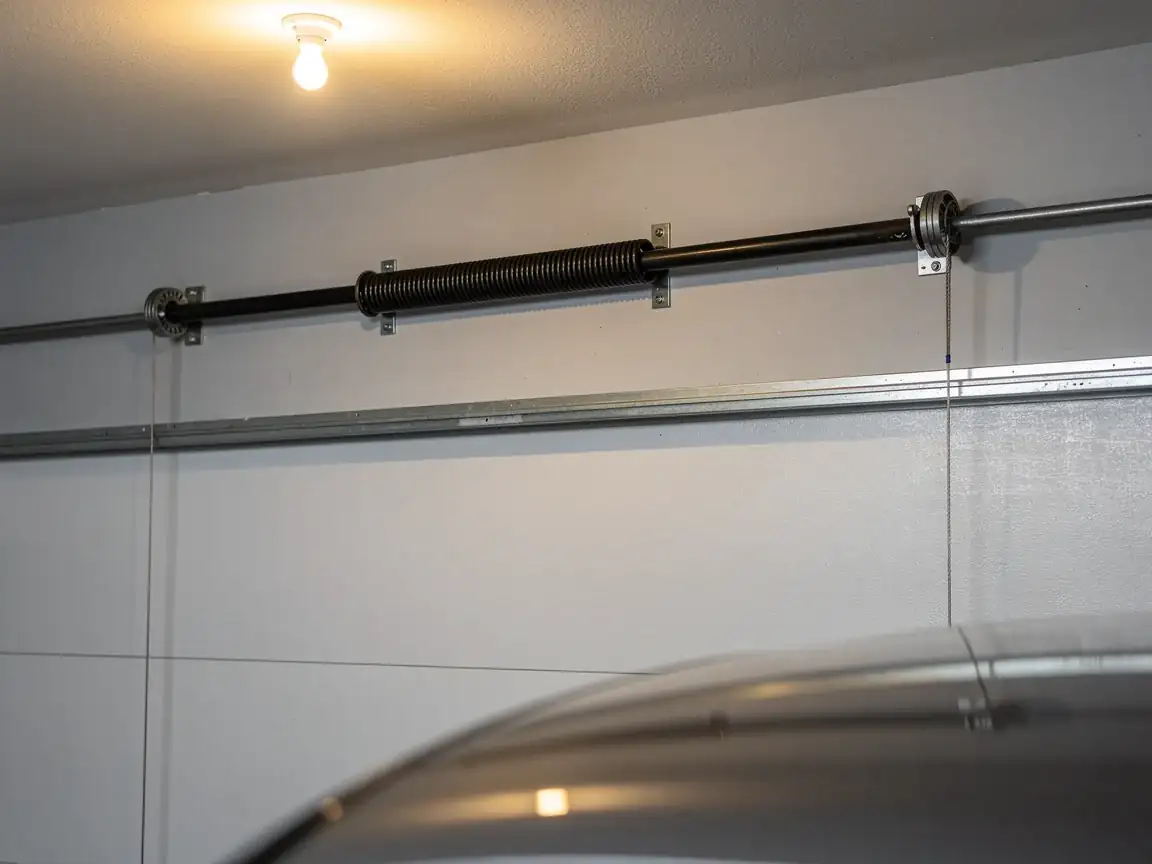
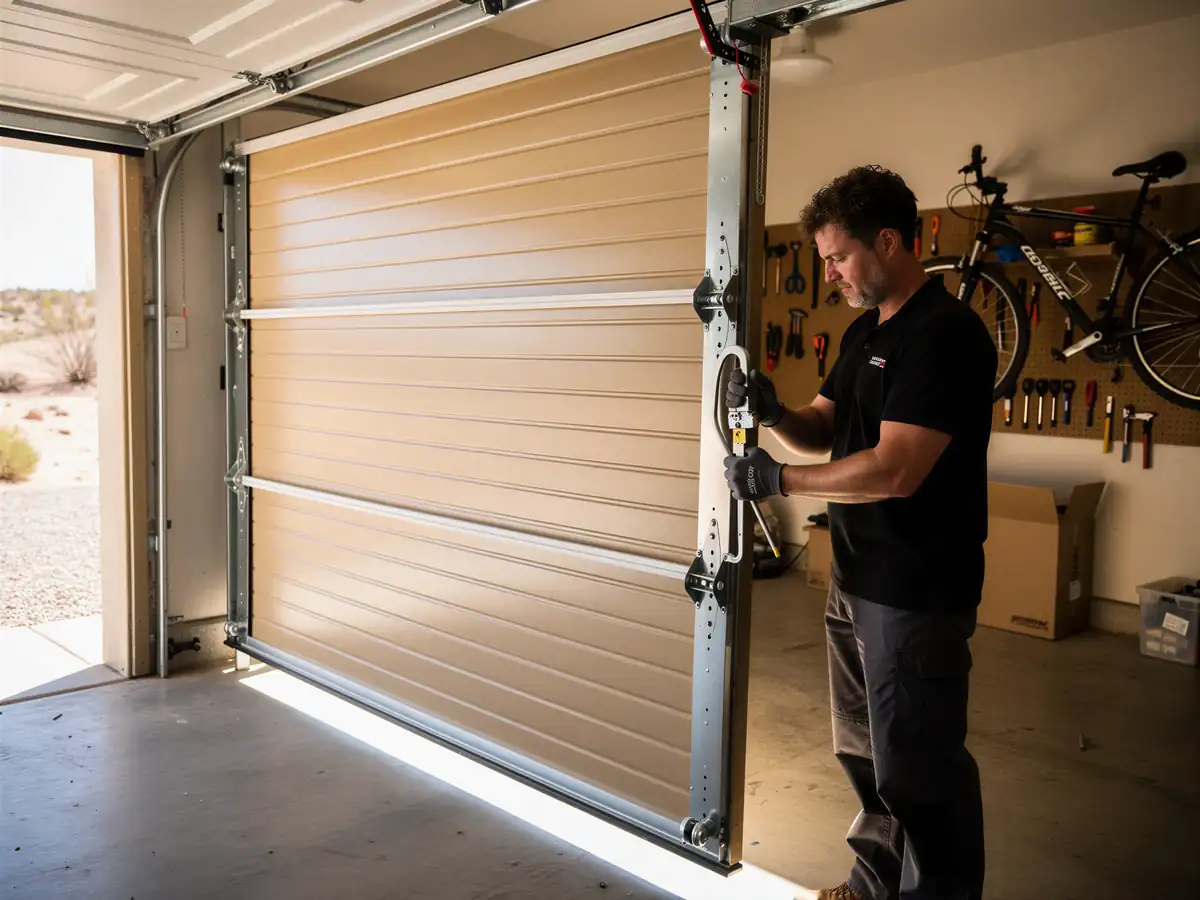
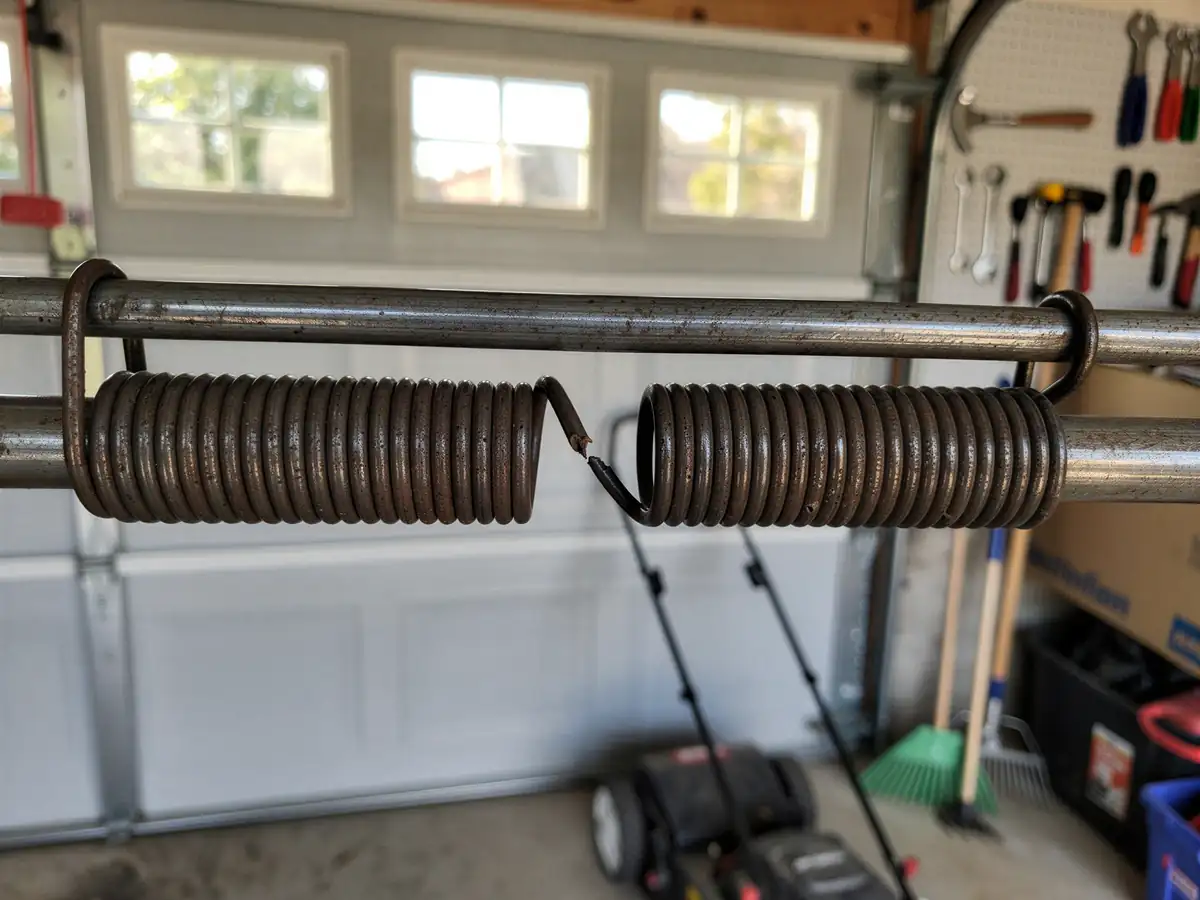
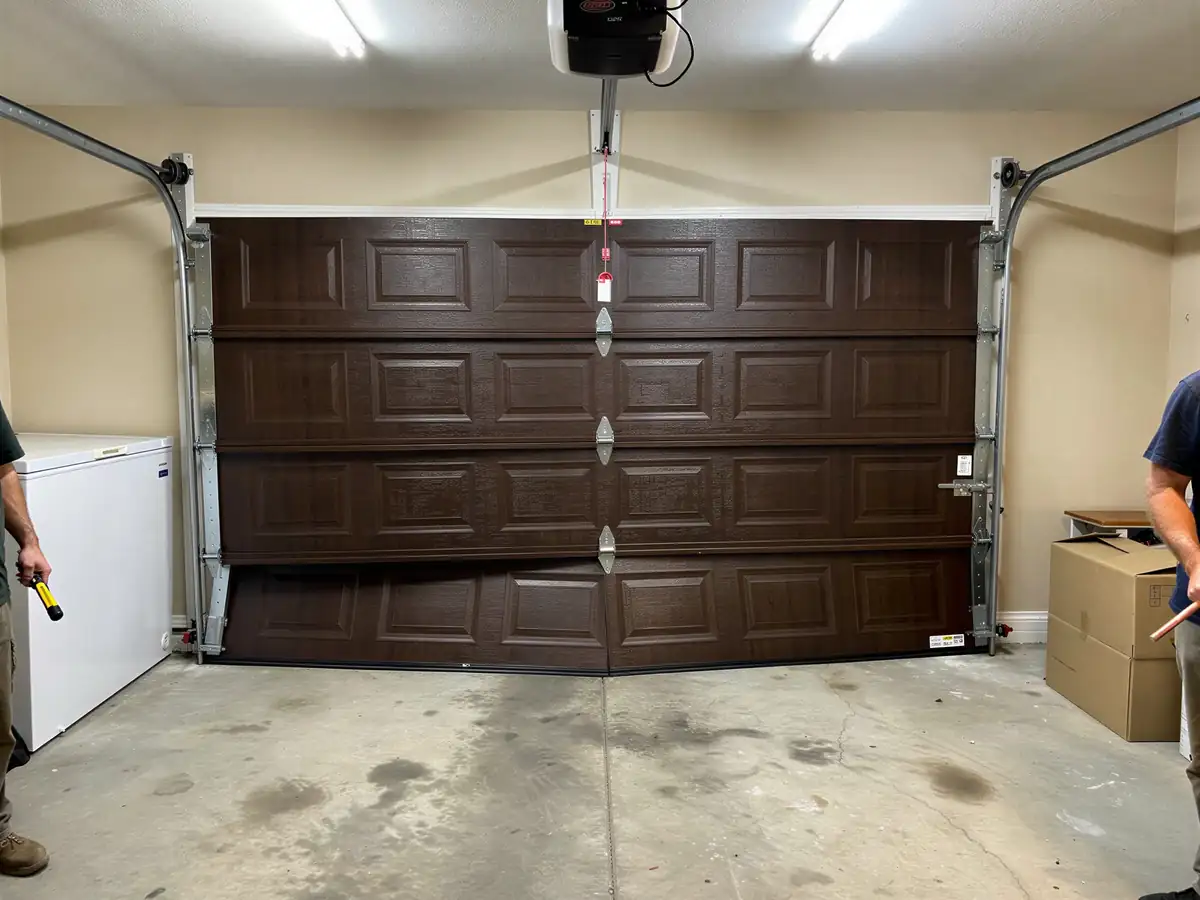
When that opener quits, the door doesn't automatically become un-liftable - most of these are still light enough to run by hand on the torsion spring while you wait. That's the honest answer on downtime: if the spring and cables are sound, you keep using the door manually between the call and the install, you're just doing it by hand. If the spring's also shot, that's a same-visit fix, not a second trip, but it does add time to the job itself rather than time you spend without a working door.
How It Shows Up
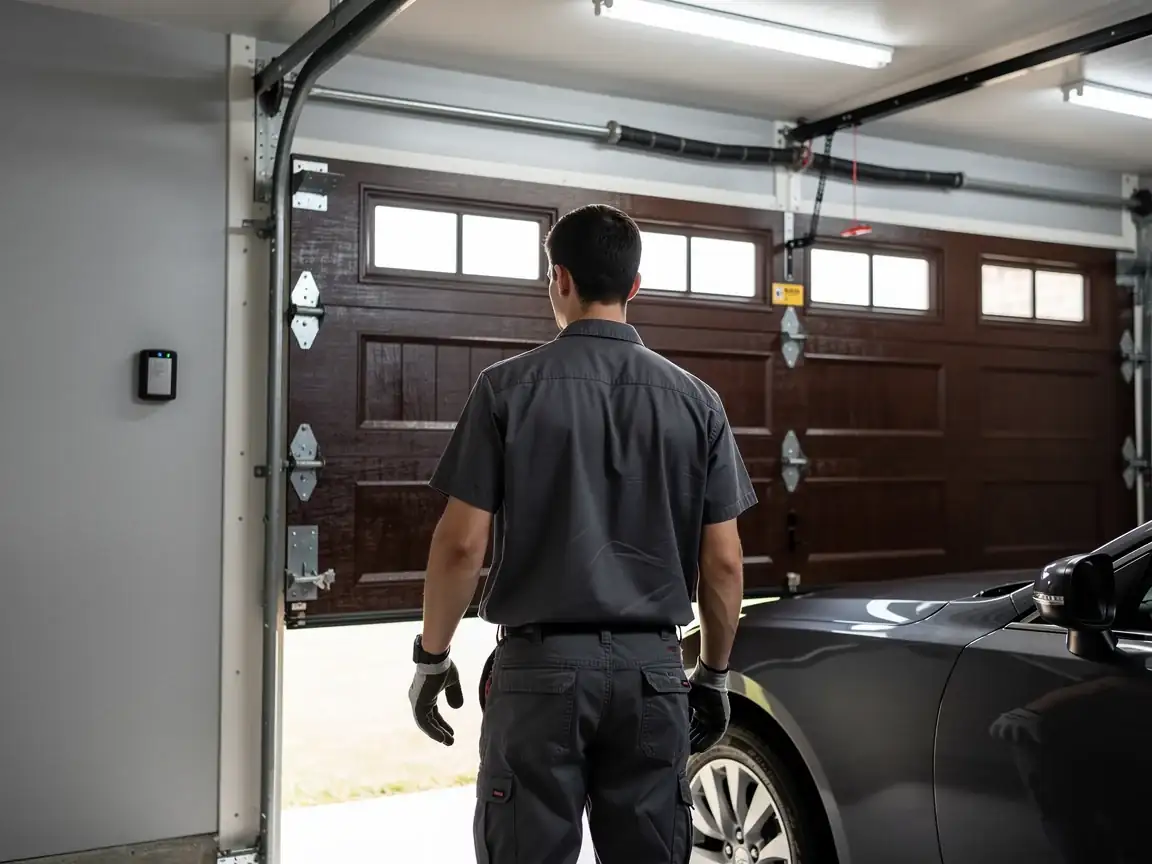
On a house built around 1983, the opener failure usually looks like one of three things. The unit hums but the chain doesn't move - the gear inside has stripped, which is normal after decades on a steel chain-drive. Or the door reverses itself partway up, which on these older units usually means the travel limits have drifted, not a safety-sensor problem, since a lot of doors from this era were installed before photo-eye sensors were required at all. Third, and the one that matters most: the remote works from across the room but not from the driveway, which points to a dying receiver board rather than a weak garage door motor.
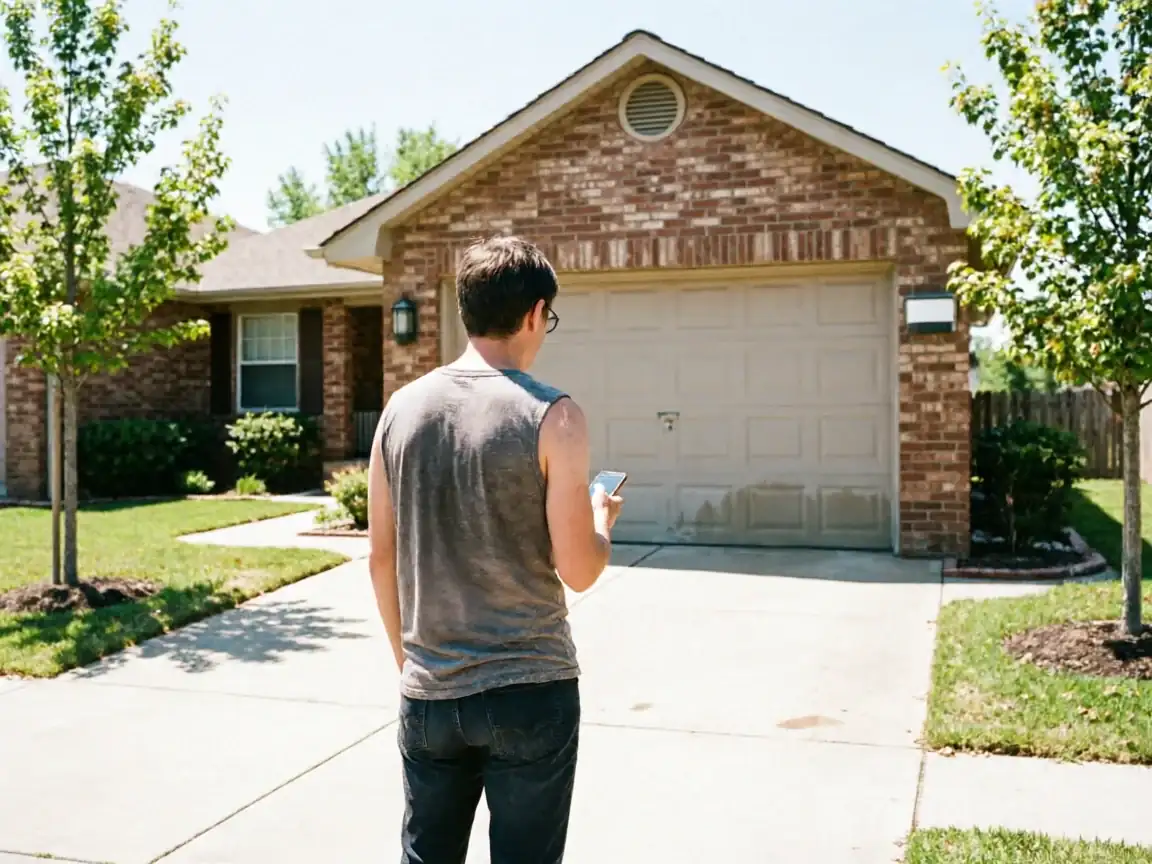
Worth saying plainly - a dead remote battery looks exactly like a dead opener from the driver's seat, and it's the first thing worth ruling out before anyone drives out. It costs nothing to check and saves a service call.
Where This Job Goes Sideways
Houses from the 1959-1994 stretch that makes up most of Bellmead's stock often have a header that was framed for the original lightweight opener
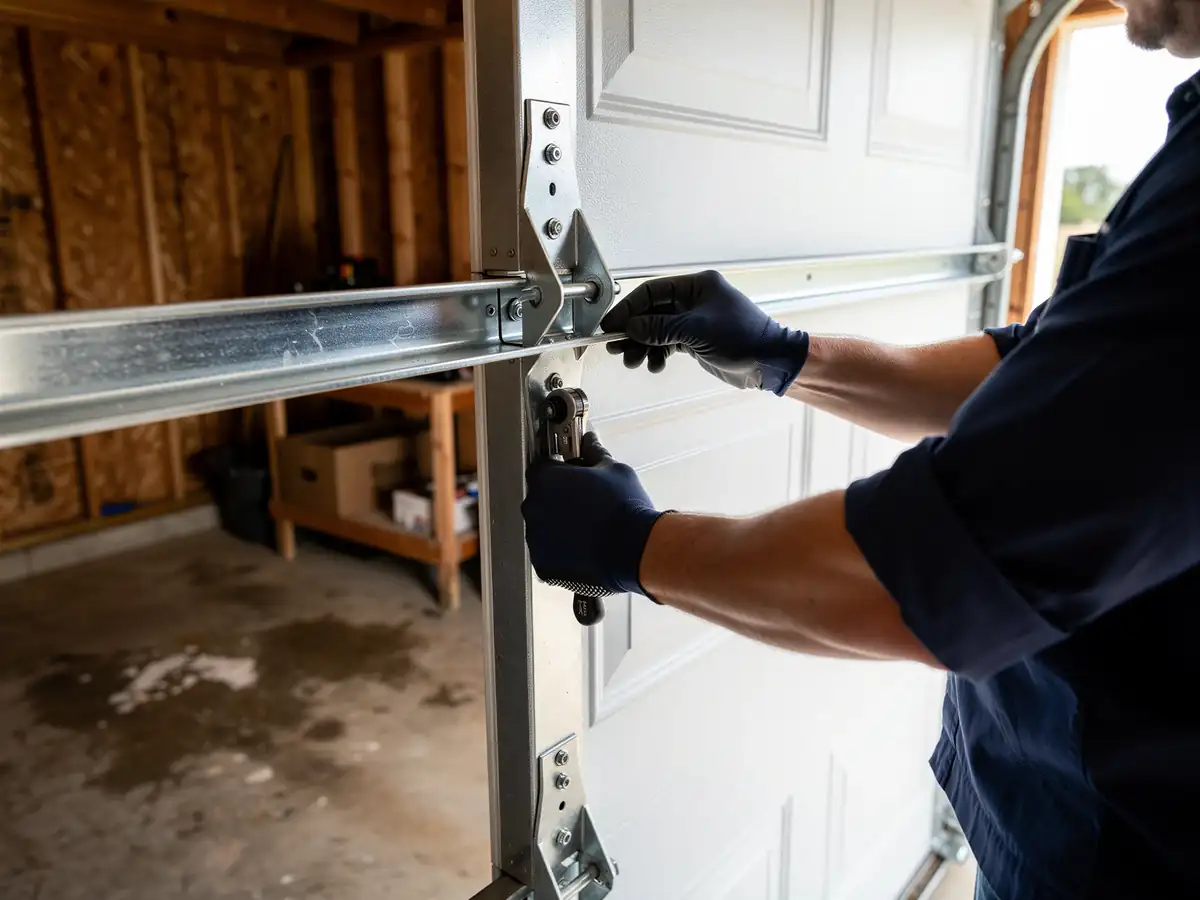
Not for a heavier belt-drive unit with a bigger motor housing. Swap in the wrong unit and you're either shimming the mount or reinforcing the header before the opener goes up at all - that's extra time, not extra parts cost, but it changes the job.
The other place it goes sideways is wiring
A house built in 1983 usually has a single outlet near the garage ceiling, sized for the era's lighter draw, not for a modern opener with a battery backup and a smart hub pulling more current. If that outlet's on a shared circuit with something else in the garage, you may be looking at an electrician's call before the opener call, not after it. We'll tell you straight if that's what we're seeing rather than install around it and leave you with a nuisance trip.
What You Pay
We don't have a posted price list here, and we're not going to make one up. What we can tell you is what moves the number: chain-drive versus belt-drive, whether the header needs reinforcing, whether the old safety sensors need replacing to meet current standards, and whether you want battery backup built in.
Across the wider service area the median household income is $76,833, but Bellmead's own figure runs lower, at $54,048. That gap shows up in what people actually choose - more chain-drive replacements, fewer belt-drive and smart-hub upgrades, and more owners asking us to fix the existing unit's circuit board before they'll agree to a full swap. There's no wrong choice in that. A chain-drive opener installed correctly will run the door for years; it's just not the quiet option.
Stocked Parts
For a house from the 1983 era, the opener itself is rarely the only thing that's tired. We carry standard-width rail sections, replacement chain and drive gears, travel-limit modules, and photo-eye sensor kits for doors that were installed before sensors were required - all parts that fit the sectional steel doors common across this stretch of houses. What we don't stock on the truck is anything custom-width or for a door built before standard sectional track became common; that's a special order, and we'll tell you the lead time when we see the door, not guess at it over the phone.