What You Pay
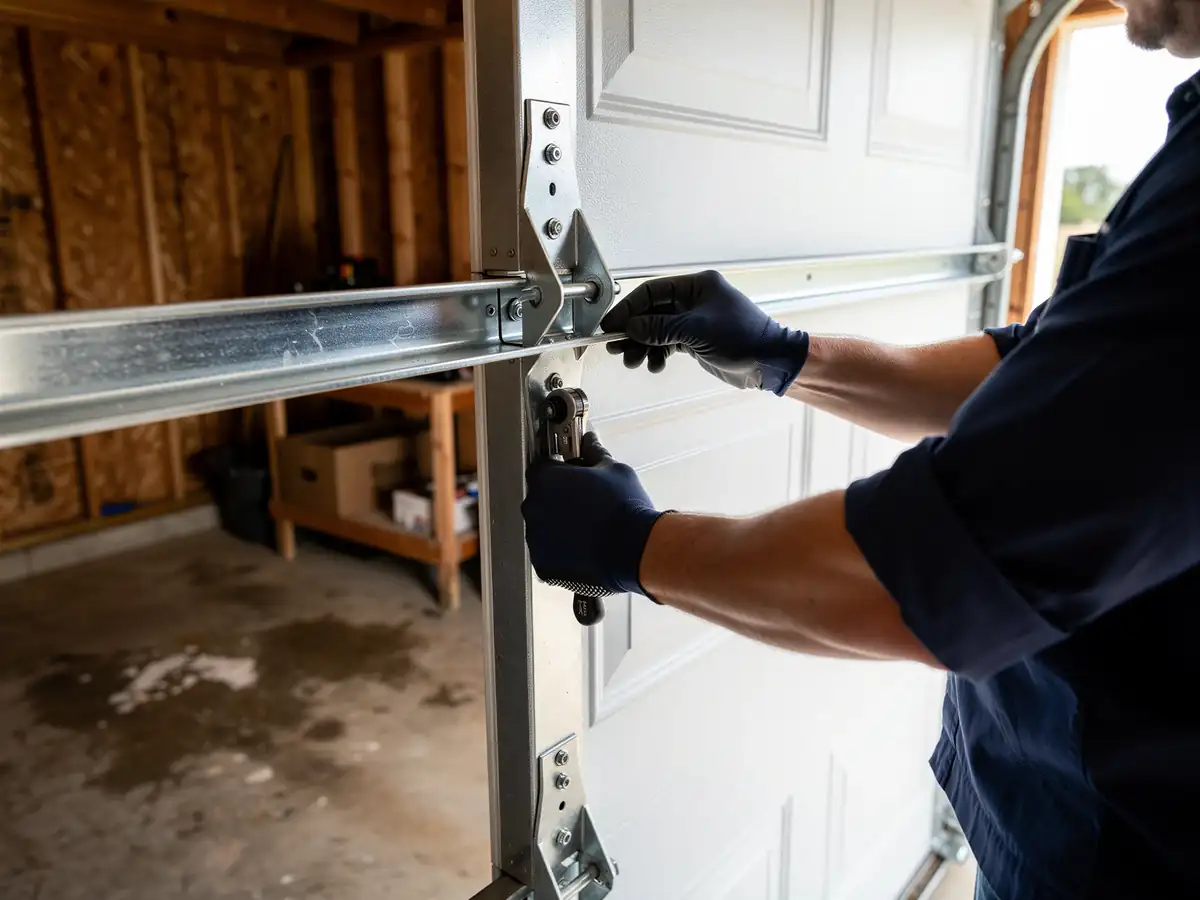
We don't post a flat price for Lorena because the doors here aren't uniform enough to quote blind. A house built around 1983 - the median year for this stretch - usually carries either a single steel panel door on a short track or a double 16x7 on torsion springs sized for a heavier, non-insulated steel slab. Those two jobs price differently before we even open the panel. What we can tell you is that we quote after we look at the spring size, the track type, and whether the opener is original or already a replacement. We don't charge a travel fee for the 12 miles out from Waco, but we also don't carry a published rate sheet for every fix, because guessing a number before seeing the hardware is how a homeowner ends up quoted wrong twice. One honest limit: if your door is a true custom size or an import brand with parts we can't source same-week, we'll tell you that up front instead of taking the job and stalling.
Why This Fails Locally
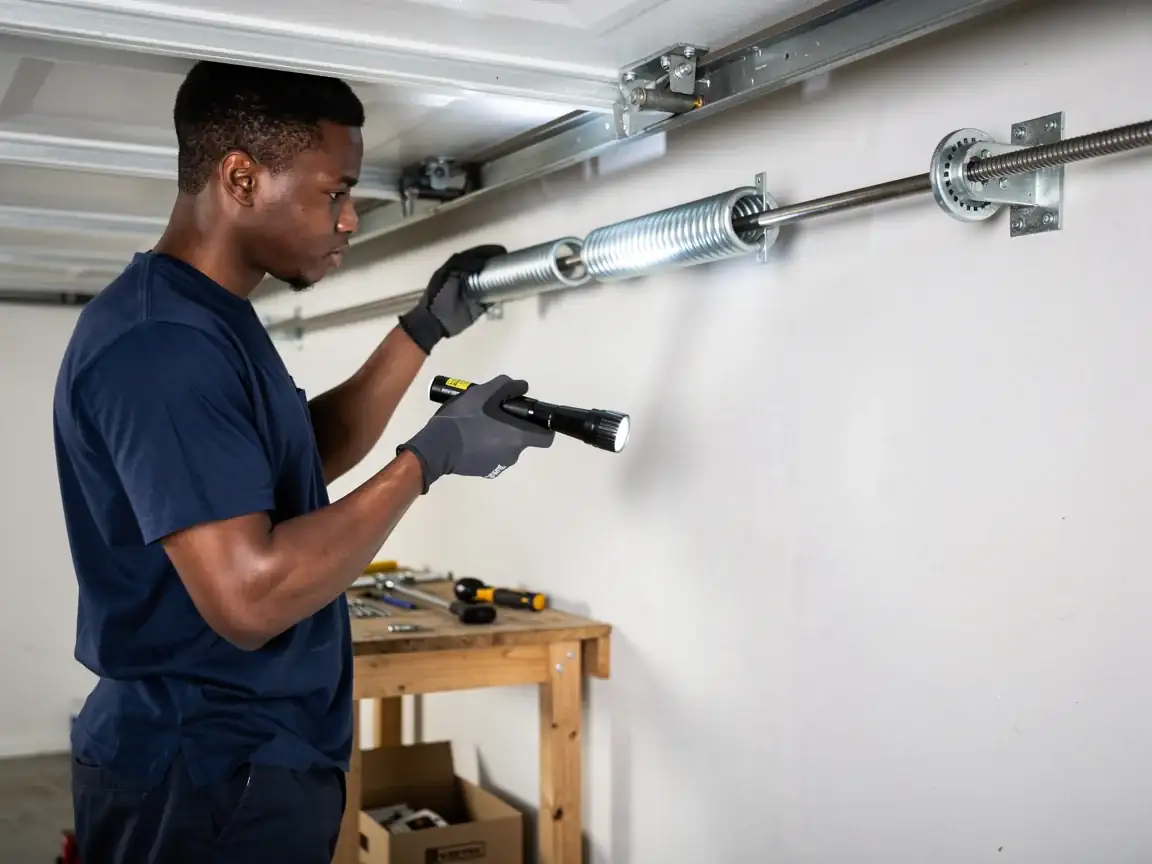
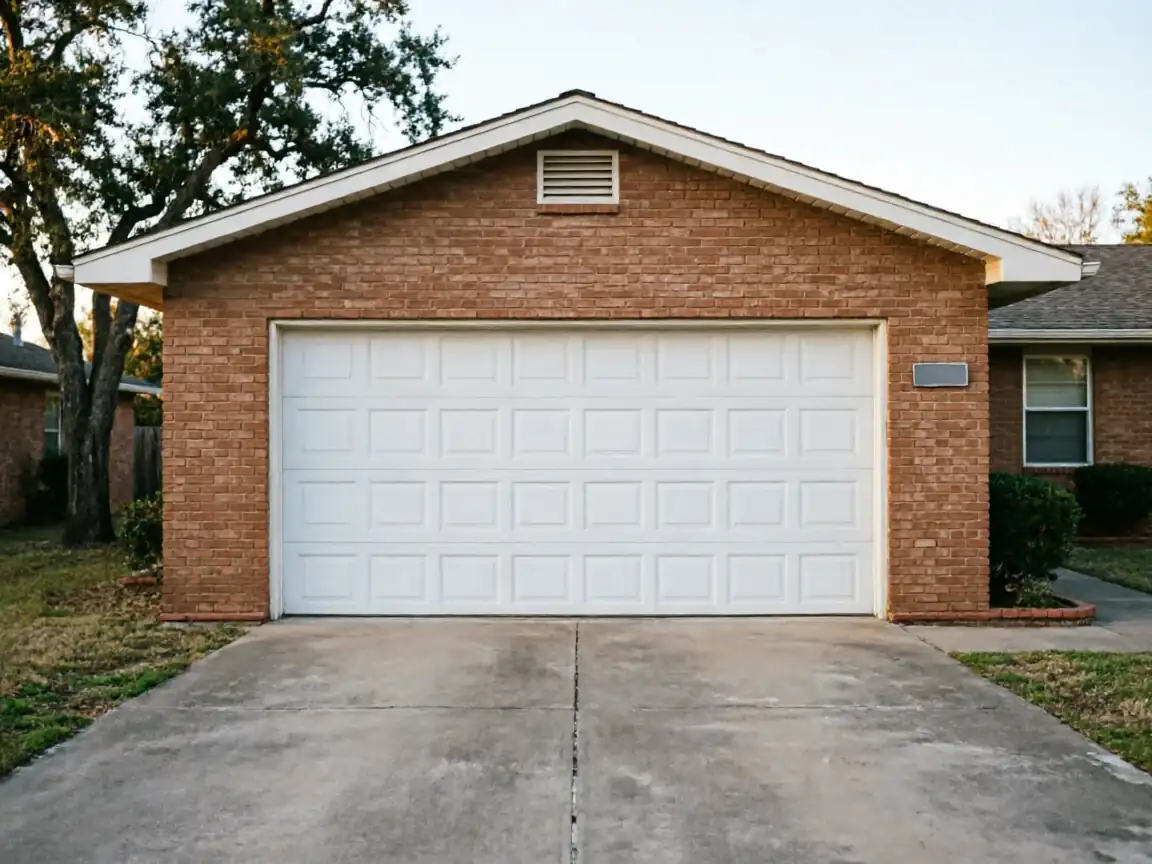
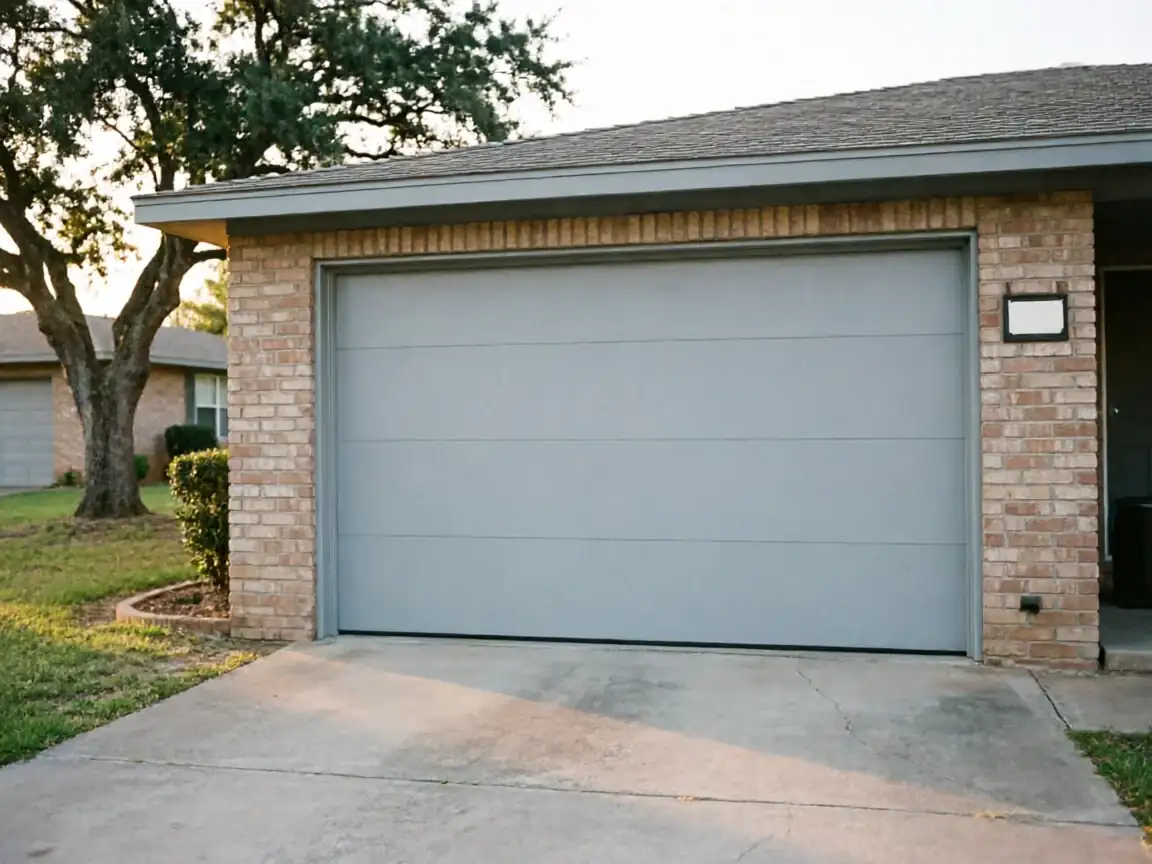
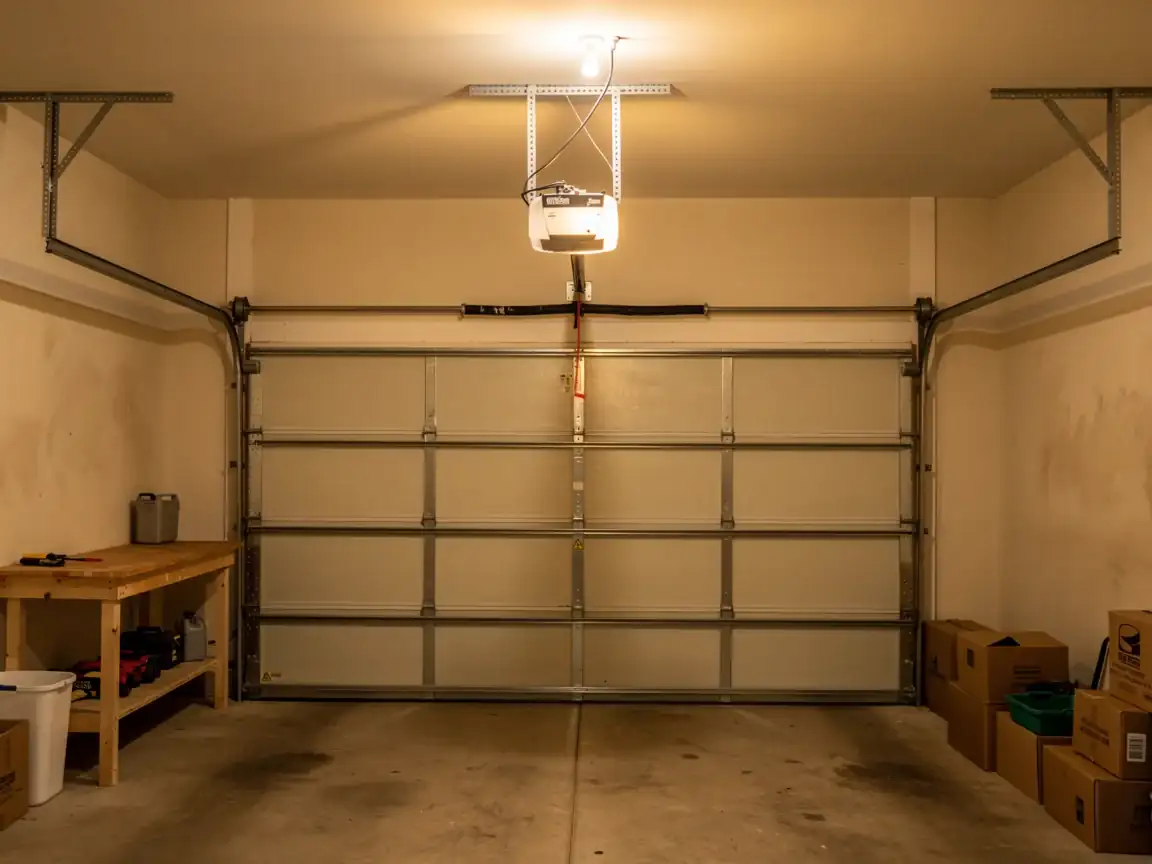
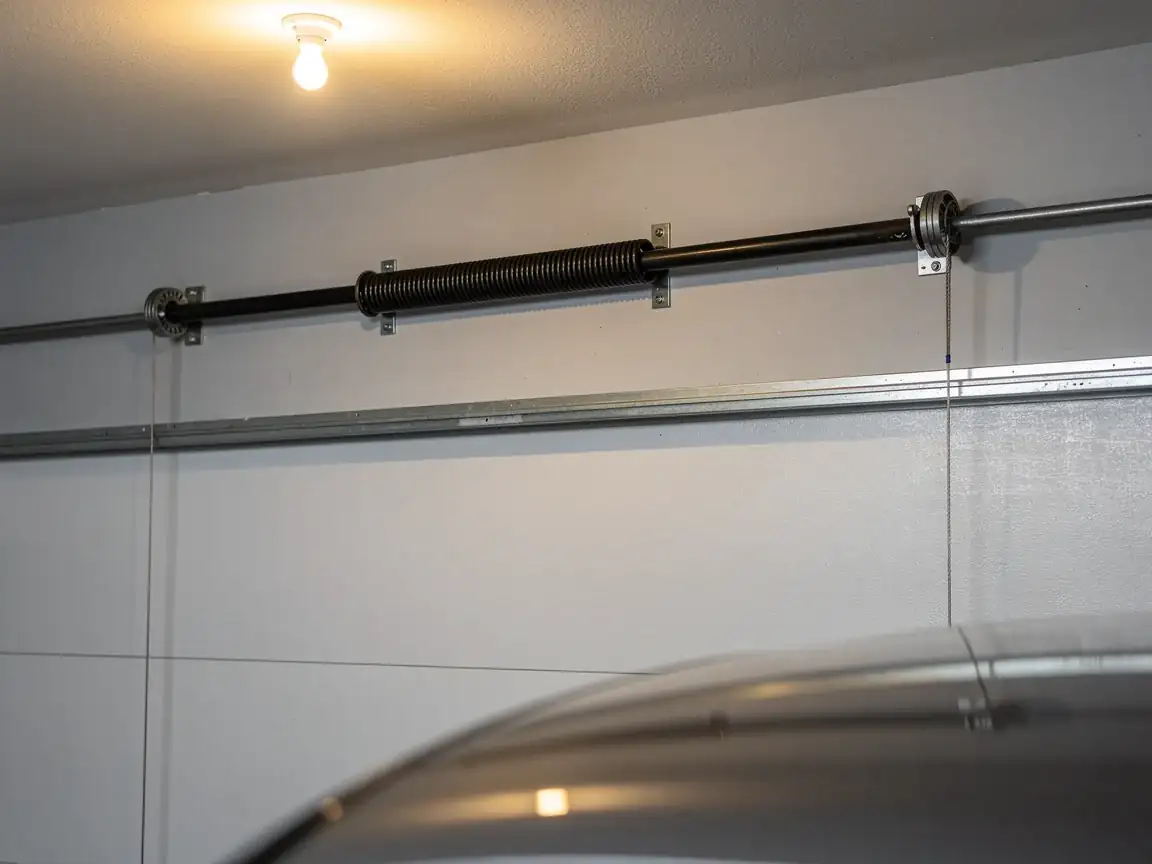
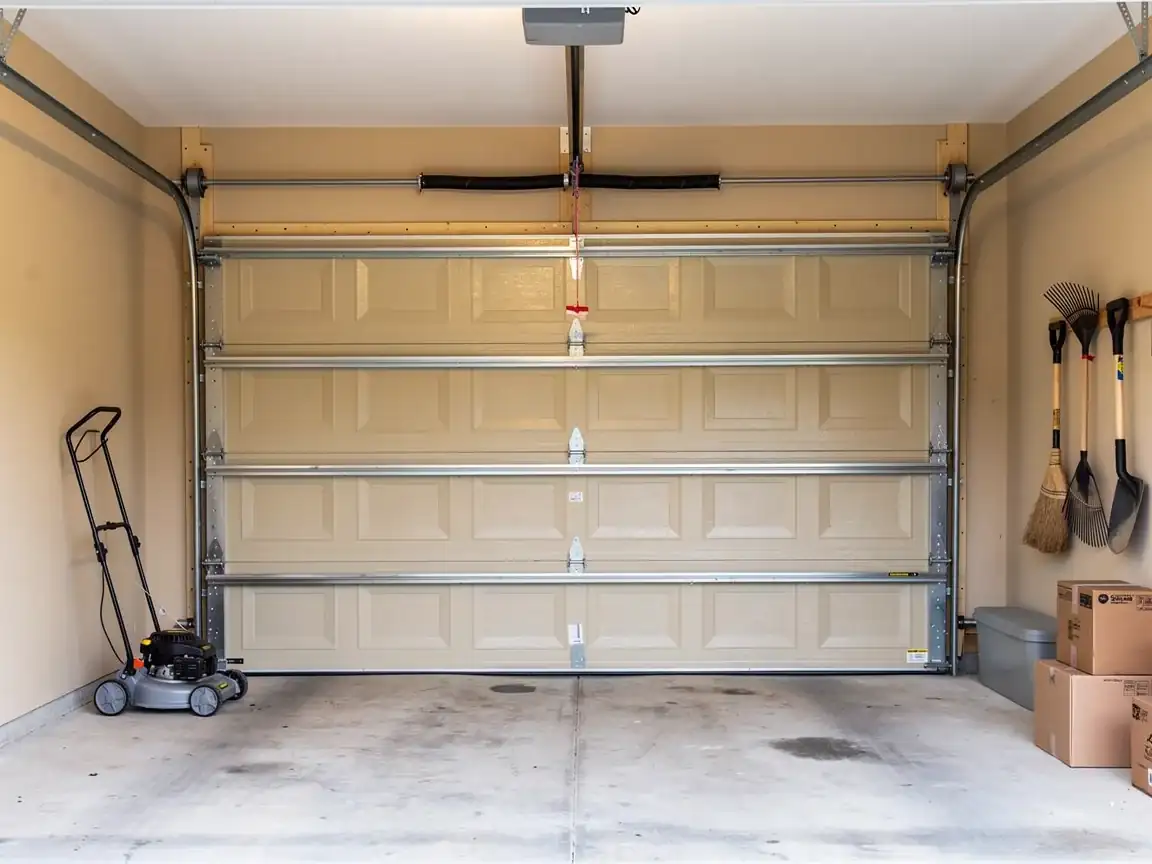
Most of the doors we see called out to in Lorena went up during the same build window as the surrounding area - 1959 through 1994, centered on 1983. That means steel sectional doors, not the newer insulated composite panels, and torsion spring systems that have now had three to four decades of cycling. At 563 households, Lorena is small enough that the housing stock reads as a single era rather than a mix, which is actually useful: when a spring breaks here, it's almost always the same gauge and wind count as the last one, because the doors were installed in the same few years. The regional heat band is moderate, not extreme, but forty summers of expansion and contraction still dries out factory lubricant on rollers and loosens lag screws in the jamb. Add an opener that's outlived its gears and you get the two most common calls: a door that won't lift past waist height, and a door that lifts but slams the last six inches because the spring tension has drifted off.
How to Book
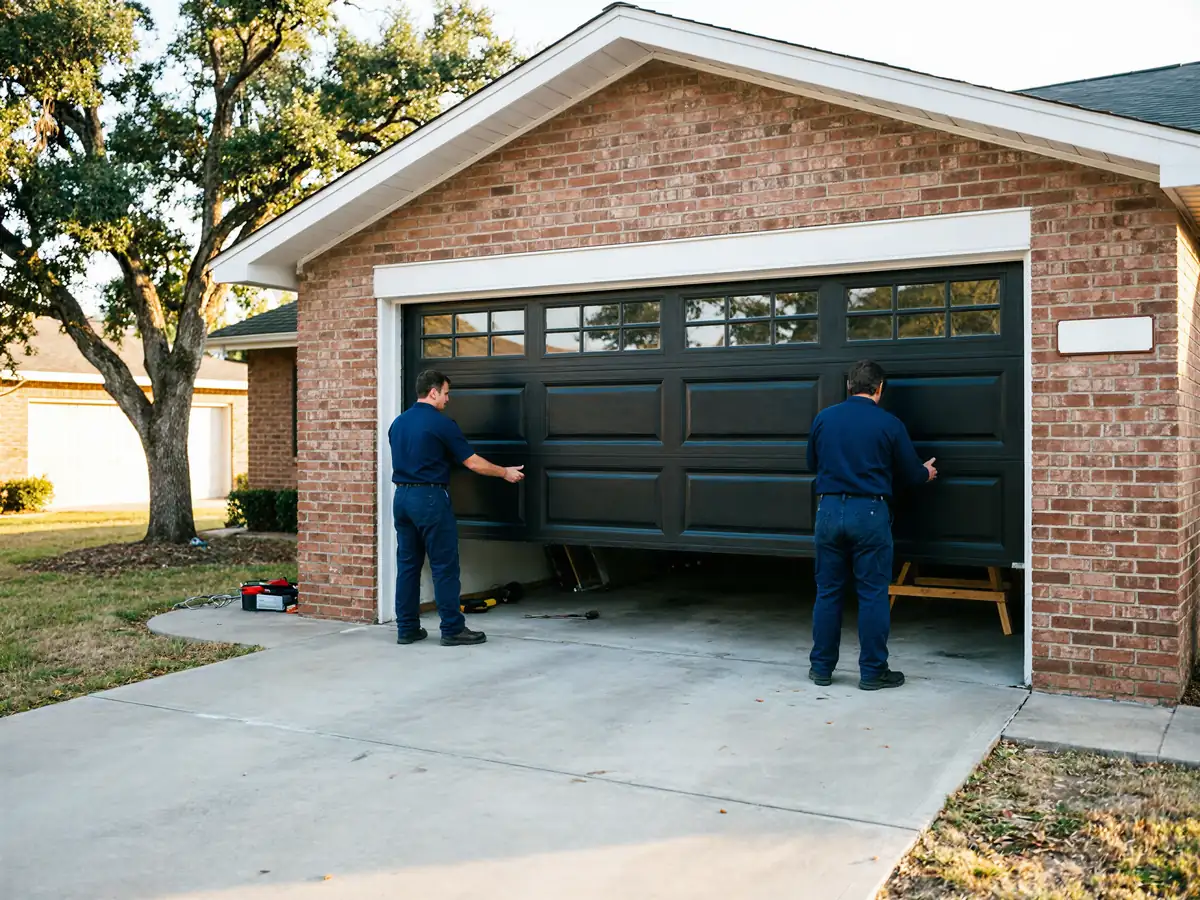
There's no Waco Garage Door Pros branch in Lorena - we run the job from Waco, about 12 miles up the road, and that drive is built into how we schedule rather than tacked on as a surprise. Call or book through the site, tell us the door symptom and roughly how old the house is, and we'll bring the hardware that matches a 1983-era build rather than a generic kit. If you're closer to the edge of town toward Robinson or Hewitt, mention that too - it doesn't change price, but it helps us route the truck.
How It Shows Up
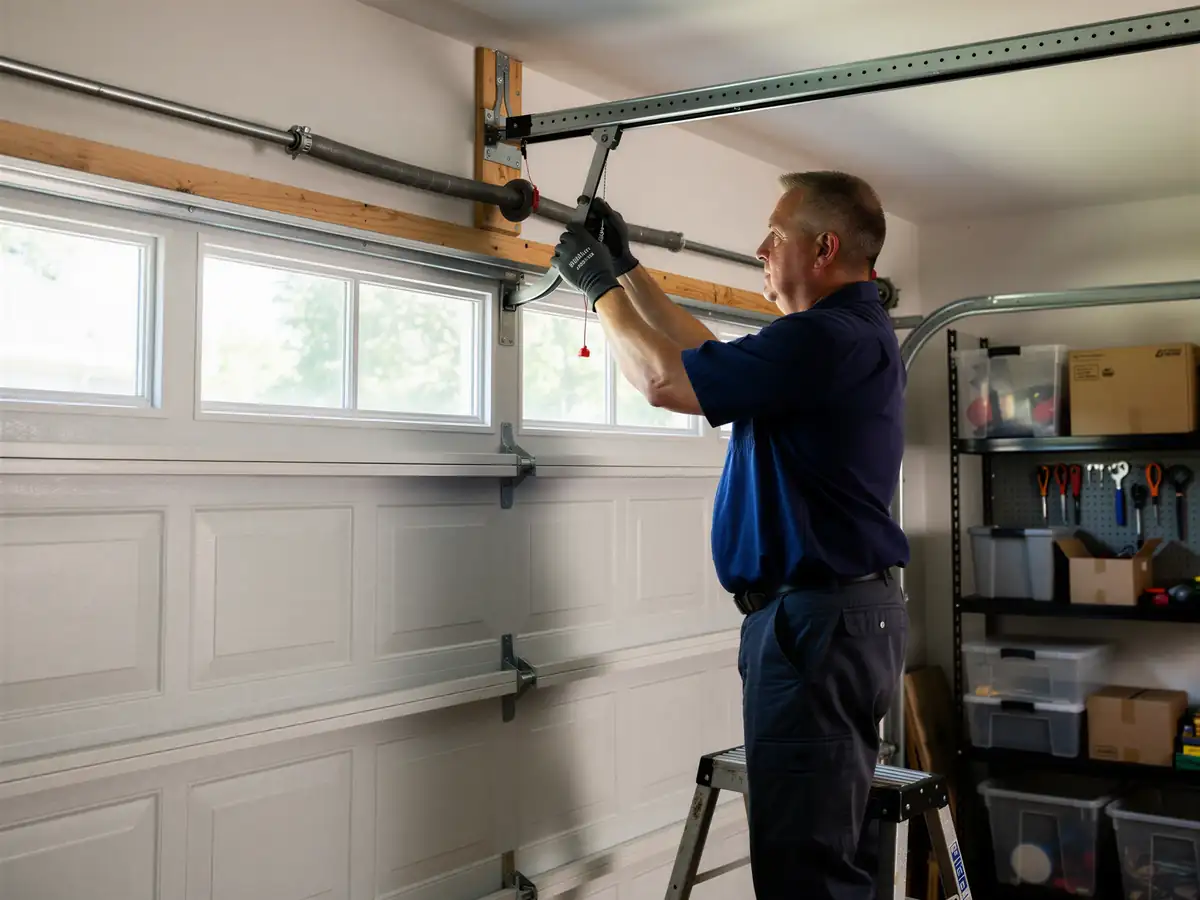
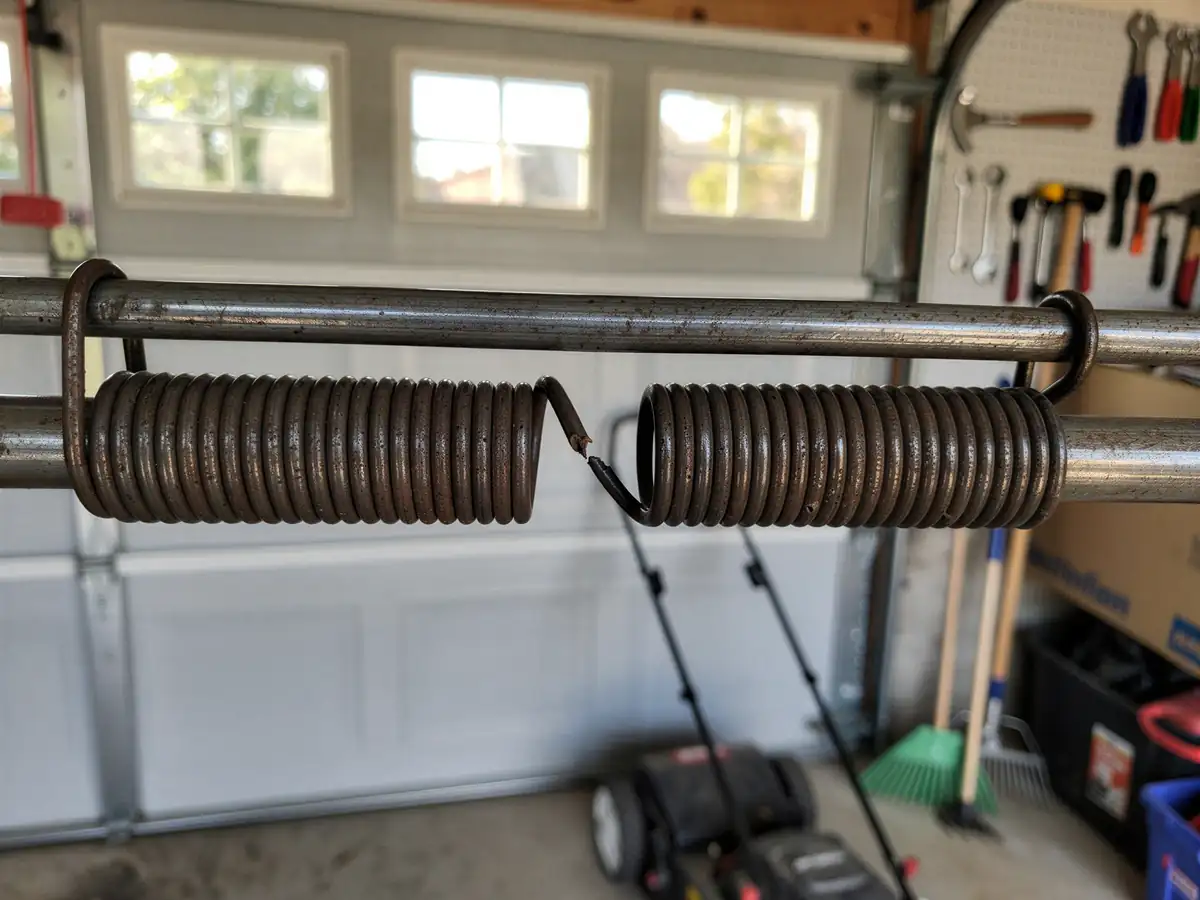
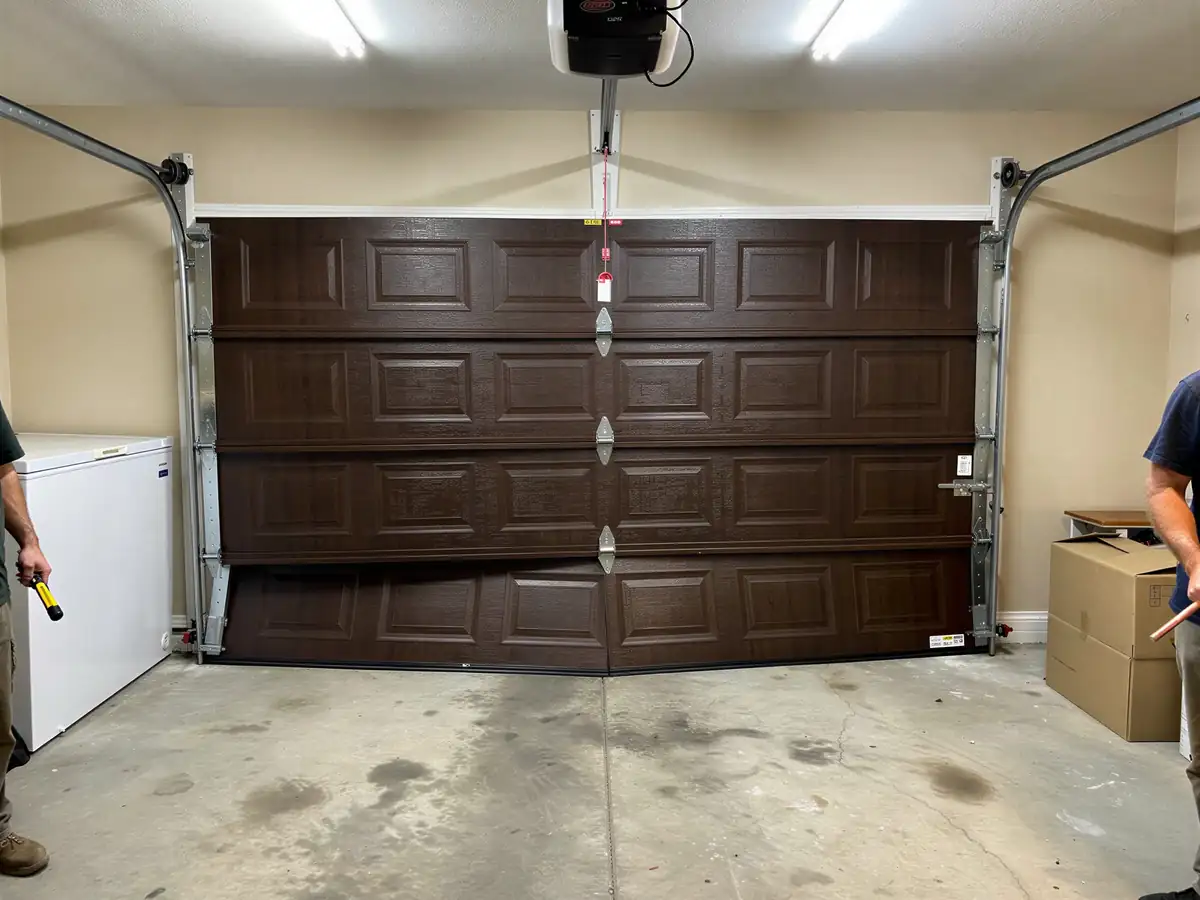
On a house from this era, the failure pattern is pretty consistent. The door gets heavy to lift by hand first - that's the spring losing tension, not the opener failing. Then the opener starts straining on the last foot of travel, grinding instead of lifting clean, because it's fighting a spring that should be doing most of the work. Rollers on original steel track will start making a dry rattling sound a year or two before they bind completely. And on the double 16x7 doors common to this build window, a snapped torsion spring usually means the door won't budge at all, even by hand, because the shaft has nothing holding the weight of a 1980s steel slab. None of that is an opener problem first - it's a hardware-age problem that happens to show up at the opener.