What You Pay
We don't keep a separate price sheet for Lorena. A torsion spring job costs what it costs - the part and the labor are the same whether the truck stops ten minutes from our shop or drives the 12 miles out to you. What's different here is that trip, and we build it into the call before we quote anything, not after.
Lorena's median household income runs $87,337, noticeably higher than the $76,833 figure for the wider service area we cover out of Waco. That doesn't change what a spring costs, but it does mean more owners out here ask for the heavier-duty spring upgrade when we're already in the garage rather than waiting for the stock one to fail again in a few years. We'll tell you straight if that upgrade makes sense for your door or if it's money you don't need to spend.
For the general rundown on how we price spring jobs across the whole area, that's covered on our main Waco spring repair page - this page is about what's specific to getting that work done in Lorena.
Why This Fails Locally
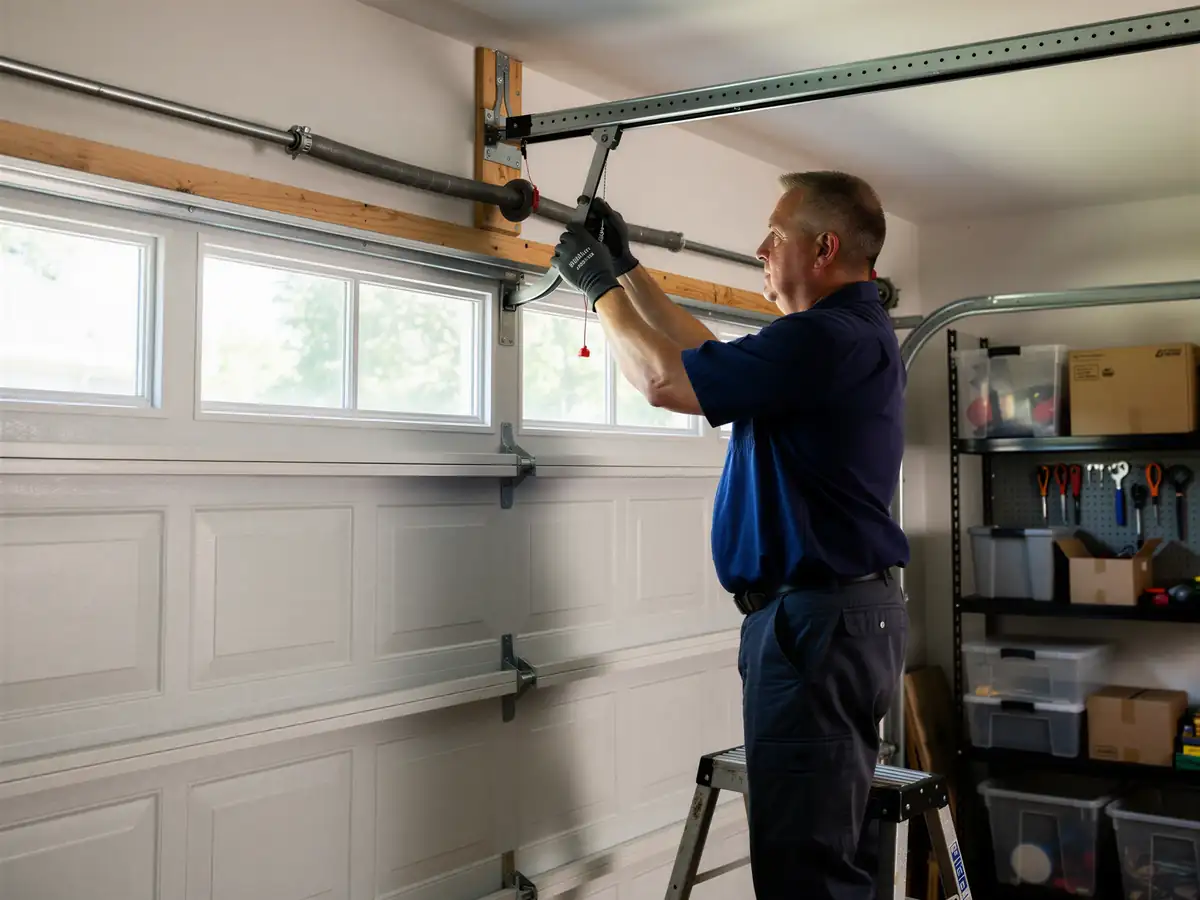
Lorena's housing stock sits mostly in the 1959-1994 build window, with the median landing around 1983. That one number matters more than it sounds like it should: a house built in 1983 that's never had spring work done is running on hardware that's now roughly forty years old, and torsion springs are rated in cycles, not years - somewhere around 10,000 openings is typical, which most doors hit long before the owner thinks about it.
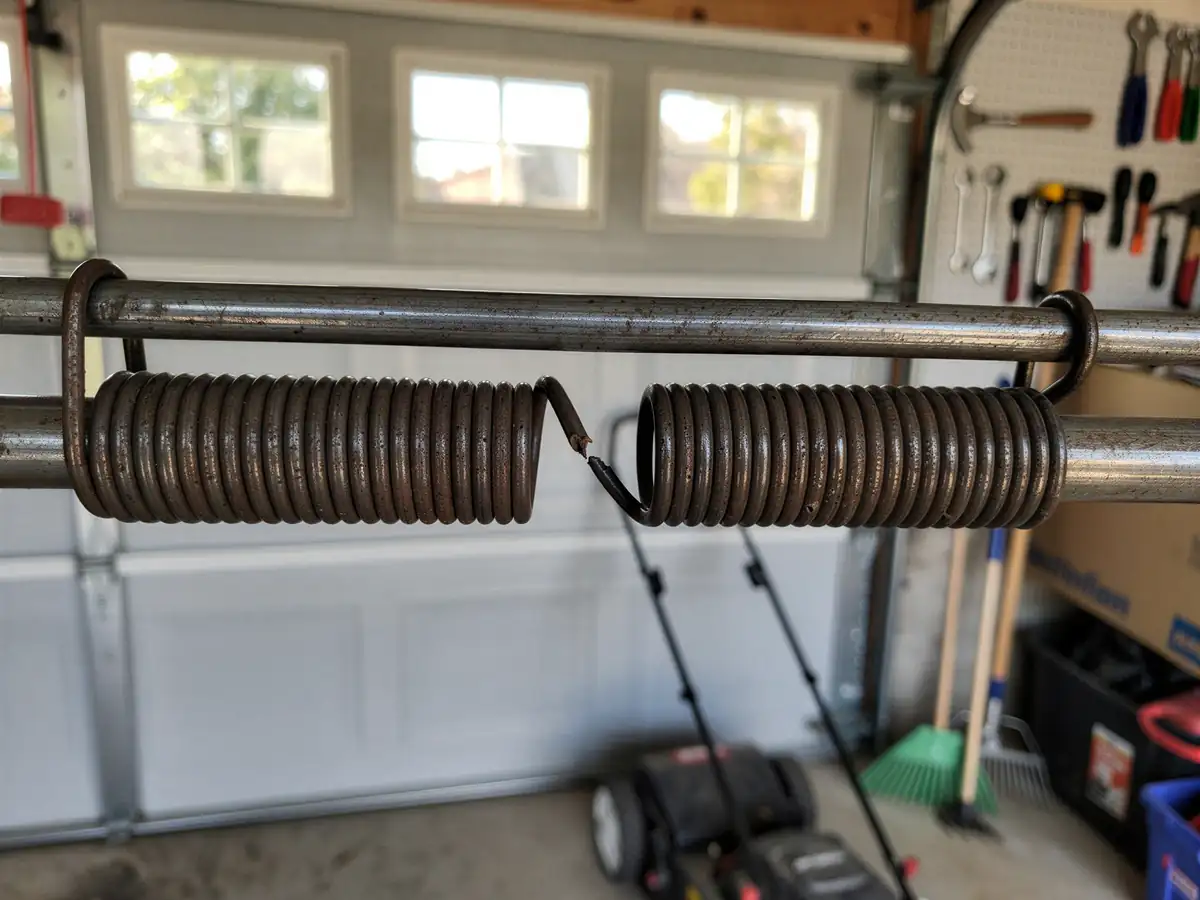
The climate here is a moderate-heat band, not the brutal extremes some parts of the state deal with, but summer heat still cycles steel through expansion and contraction every season. On a spring that's original to a house built in the early '80s, that's four decades of thermal cycling on top of mechanical cycling. The failure doesn't look dramatic at first - a little more effort to lift the door by hand, a faint grinding sound - right up until the spring snaps, usually on a cold morning when the steel is tightest.
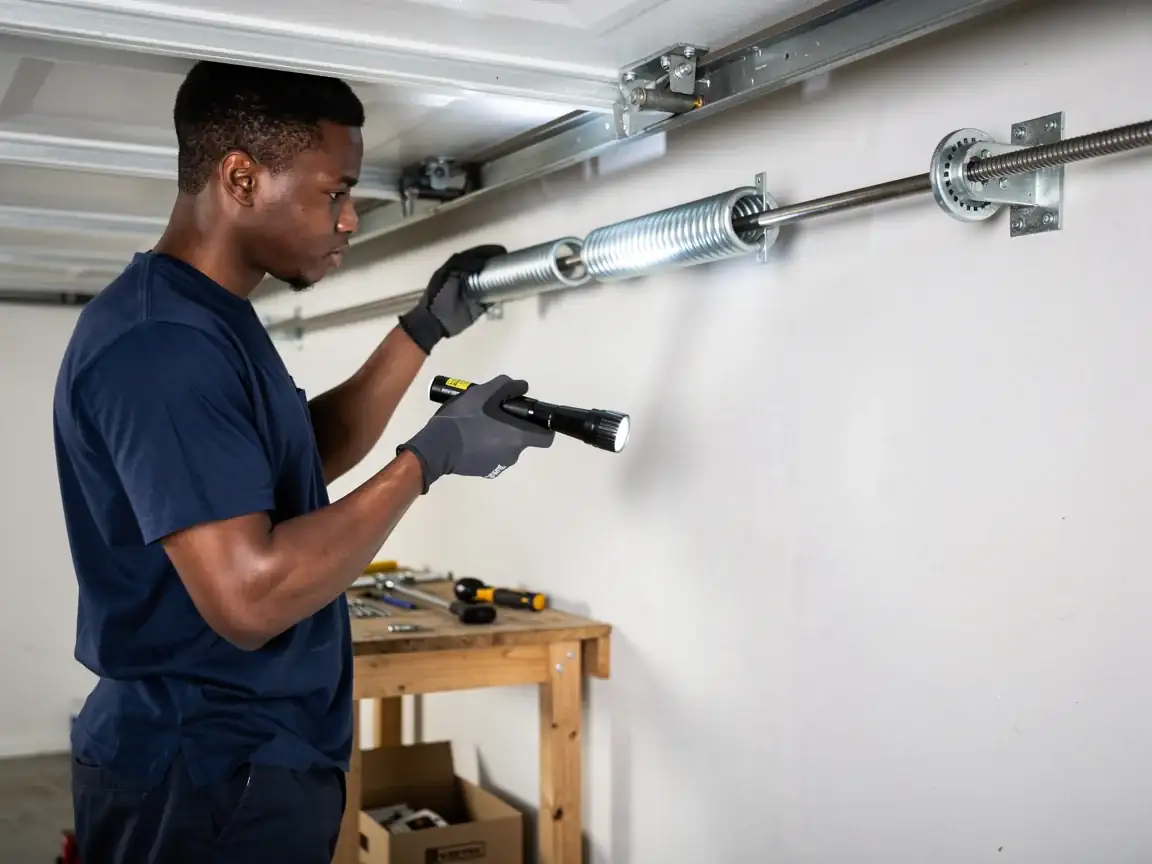
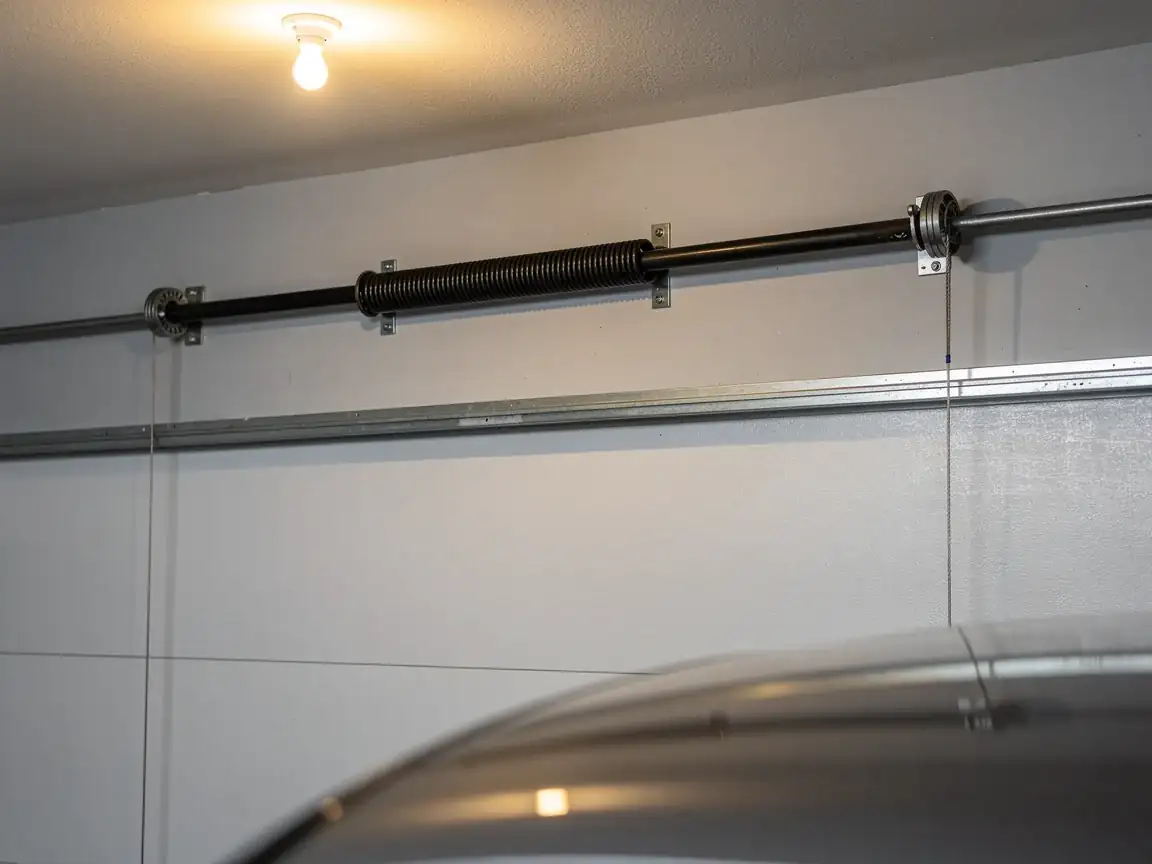
We don't see a lot of extension-spring setups out here; torsion hardware mounted above the door is the norm for this era of construction, which matters for what we bring on the truck.
Stocked Parts
Because Lorena's houses fall mostly into that 1980s-90s stock that's common across the thirteen named areas we cover from Waco
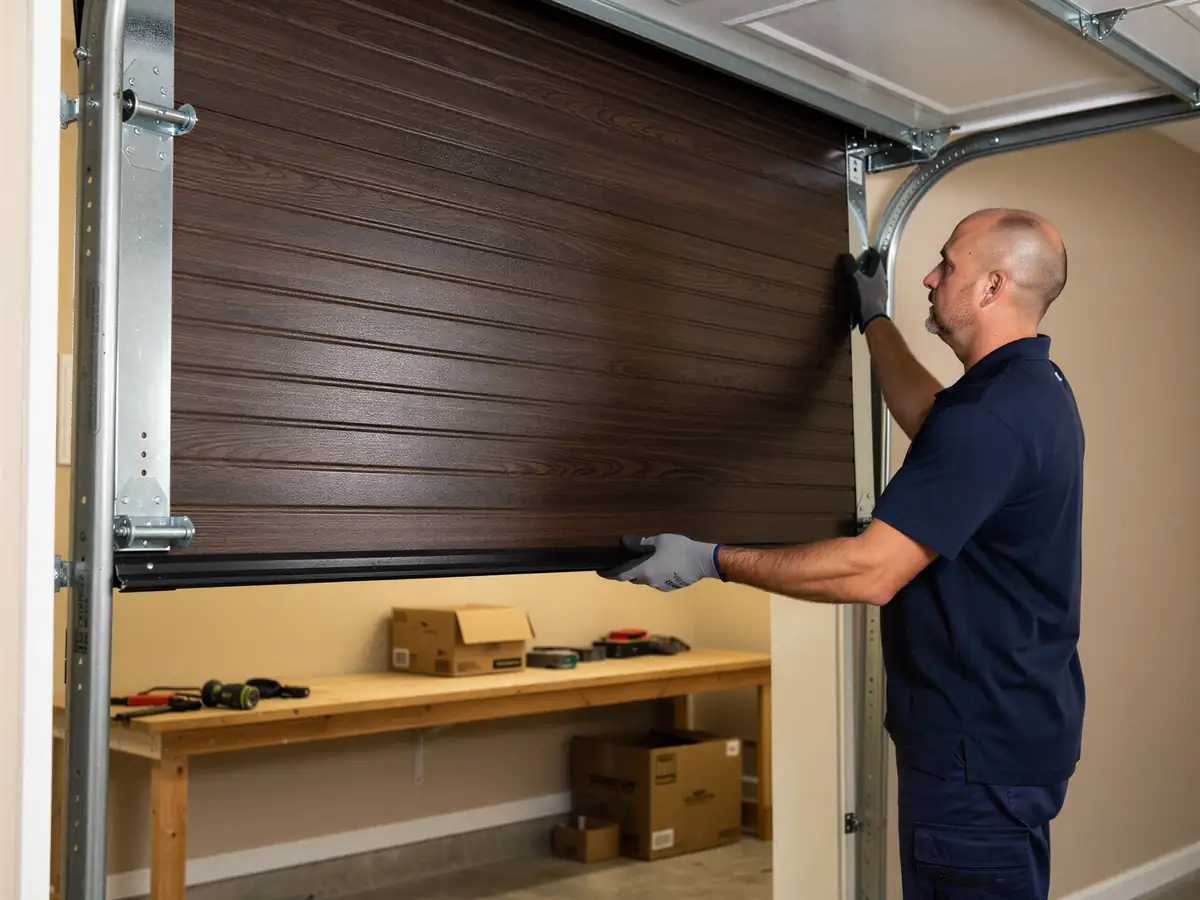
The torsion springs that fail out here tend to be standard sizes - the ones we carry on the truck without needing to call ahead. Same for the end bearing plates and cable drums from that era, which wear out around the same time the spring does and get replaced together more often than not.
Where we run into a lead-time problem is custom or oversized doors
Anything wider than a standard double, or a door that's had non-standard hardware bolted on by a previous repair. Those springs sometimes have to be ordered, and we'll say so on the first visit rather than promise a same-day fix we can't deliver. That's the honest limit of what fits on the truck.
For most original hardware from the 1983-era build window
Though, we're not guessing - we know the sizing because we see it on nearly every call in this part of the service area.
How to Book
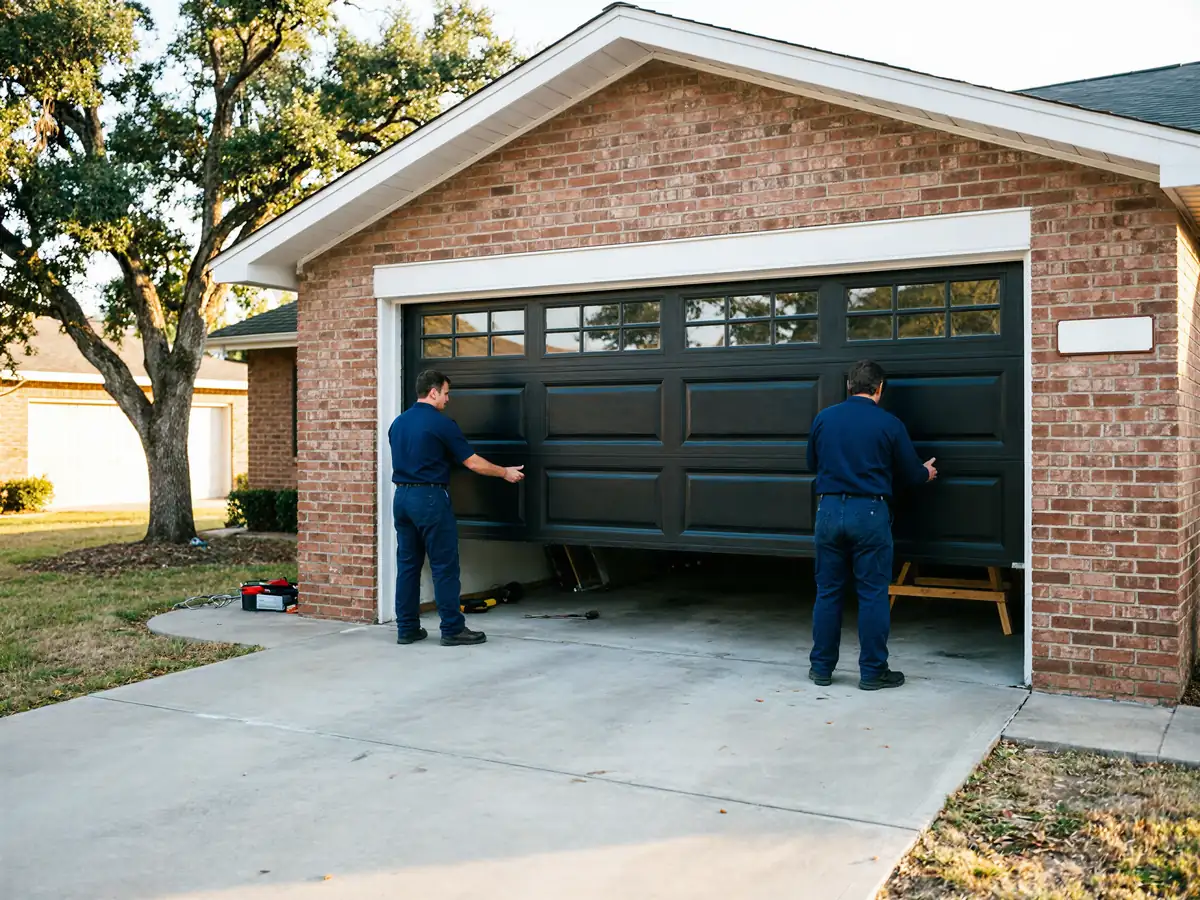
We cover Lorena as part of the route out of Waco, not from a separate location - there's no branch office here, just a truck that drives the 12 miles when a call comes in. That means scheduling works the same as anywhere else in the service area: tell us what the door is doing (won't open, sounds heavy, bowed in the middle) and we'll get a time on the calendar.
If you want the broader picture of how spring repair works across the whole area we serve out of Waco, that page covers pricing ranges and the general process. This page exists because Lorena's housing age and hardware are specific enough to warrant its own notes, not because the booking process itself changes by zip code.
You can also see the full list of nearby communities we run calls into on our area page, if you want to compare notes with a neighboring suburb before you call.
How It Shows Up
On a door with original 1983-era hardware, spring failure rarely comes out of nowhere. The first sign is usually that the door feels heavier than it used to when you lift it manually - the spring is still doing some of the work, just not all of it anymore. Some owners notice the opener straining, running slower, or stalling partway up.
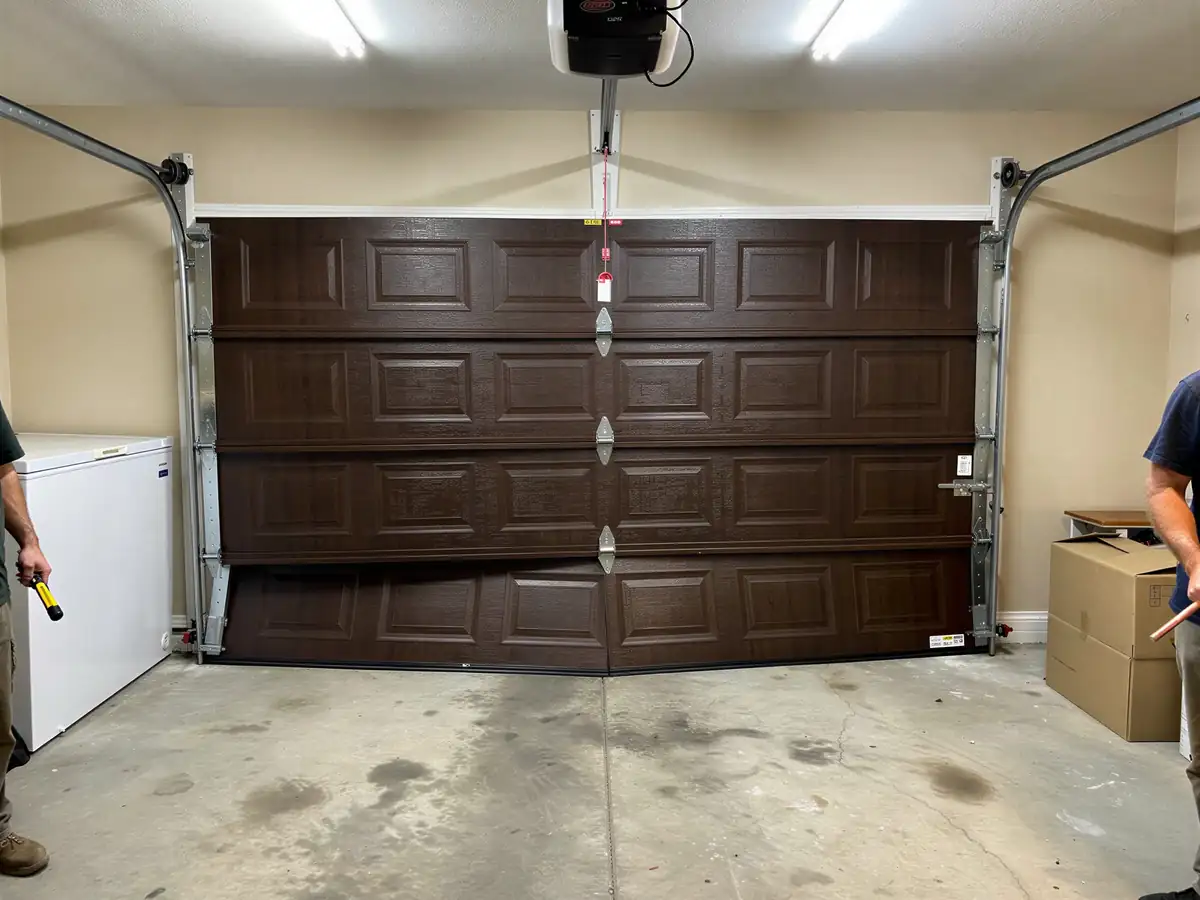
The loud version is a door that won't budge at all, paired with a bang from the garage that the whole house hears. That's a spring letting go, and at that point the door is either stuck shut or dangerously unbalanced if it's open. Don't try to force it or disconnect the opener and muscle it up by hand - a broken torsion spring under tension is the single most dangerous thing in a home garage, and that's not an exaggeration we use lightly.
If the door is sagging unevenly on one side, that often points to one spring in a two-spring setup failing while the other is still holding - a sign the second one isn't far behind.