How Long You Are Without the Door
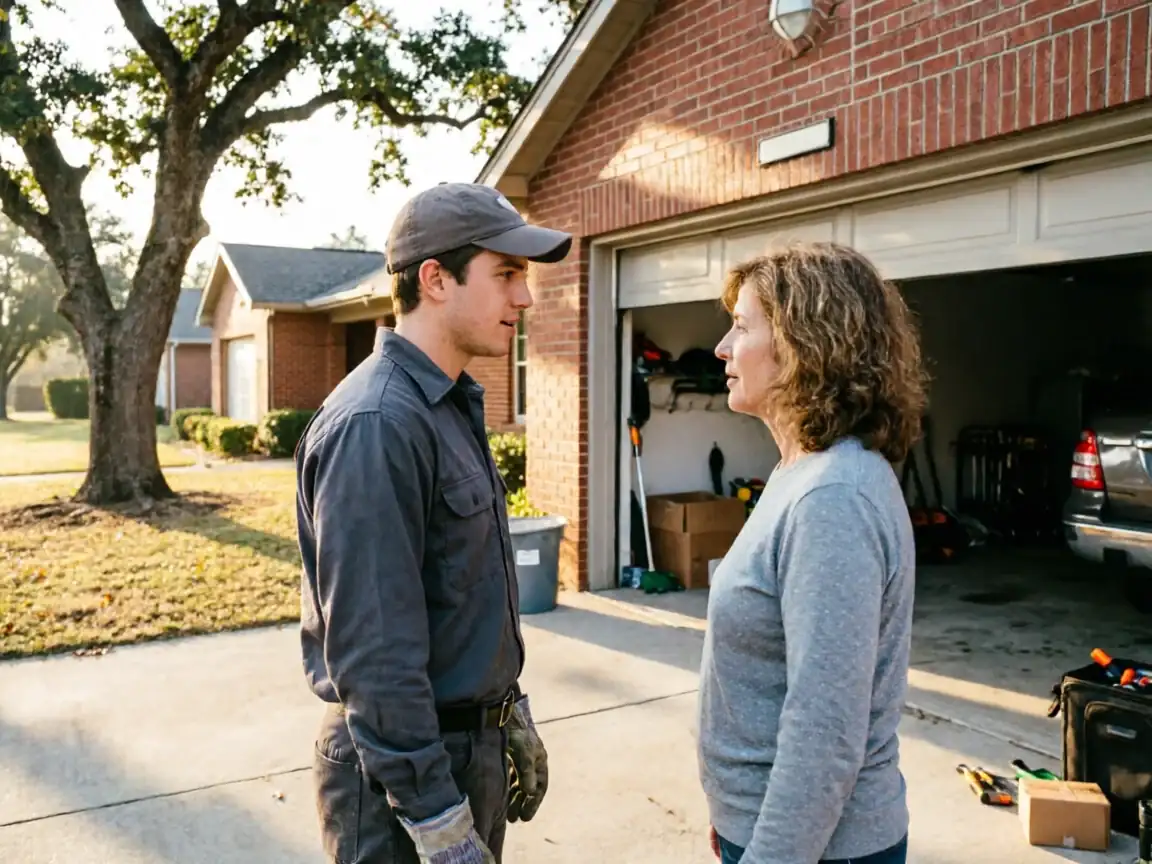
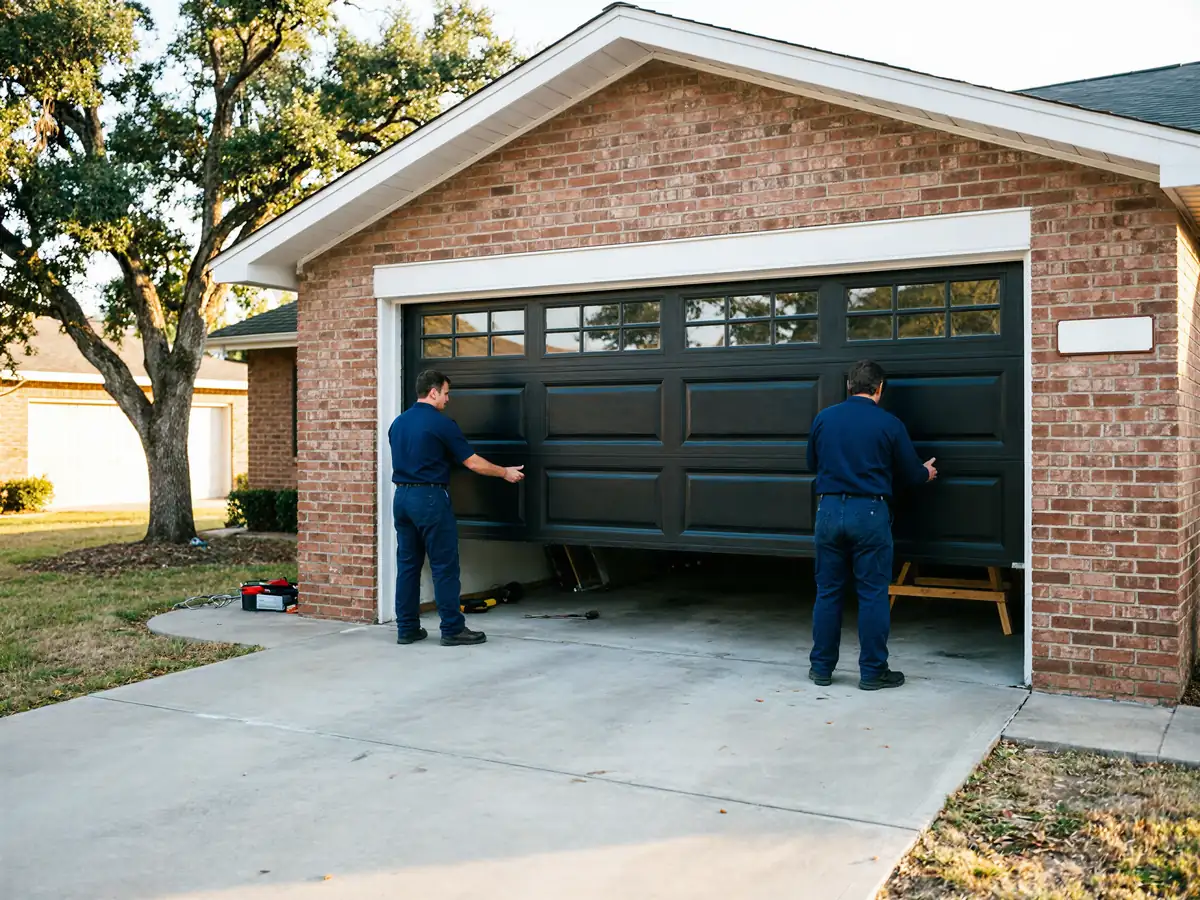
Bruceville-Eddy is a small place - about 581 households sit on this side of the county, not enough call volume to justify a crew stationed here full time. That means every maintenance visit gets scheduled out of Waco, 18 miles up the road. It is not a same-day walk-in setup; it is a truck that comes when the appointment is booked, loaded with the parts that this town's housing stock actually needs. For routine maintenance that is not a problem - you are not waiting on an emergency repair, you are booking a visit around your own schedule. Where it matters is if you wait until something breaks instead of catching it early, because then you are waiting on that same 18-mile drive, except now the door will not open at all. A once-a-year maintenance call timed on your terms beats an emergency call timed on the spring's terms.
Why This Fails Locally
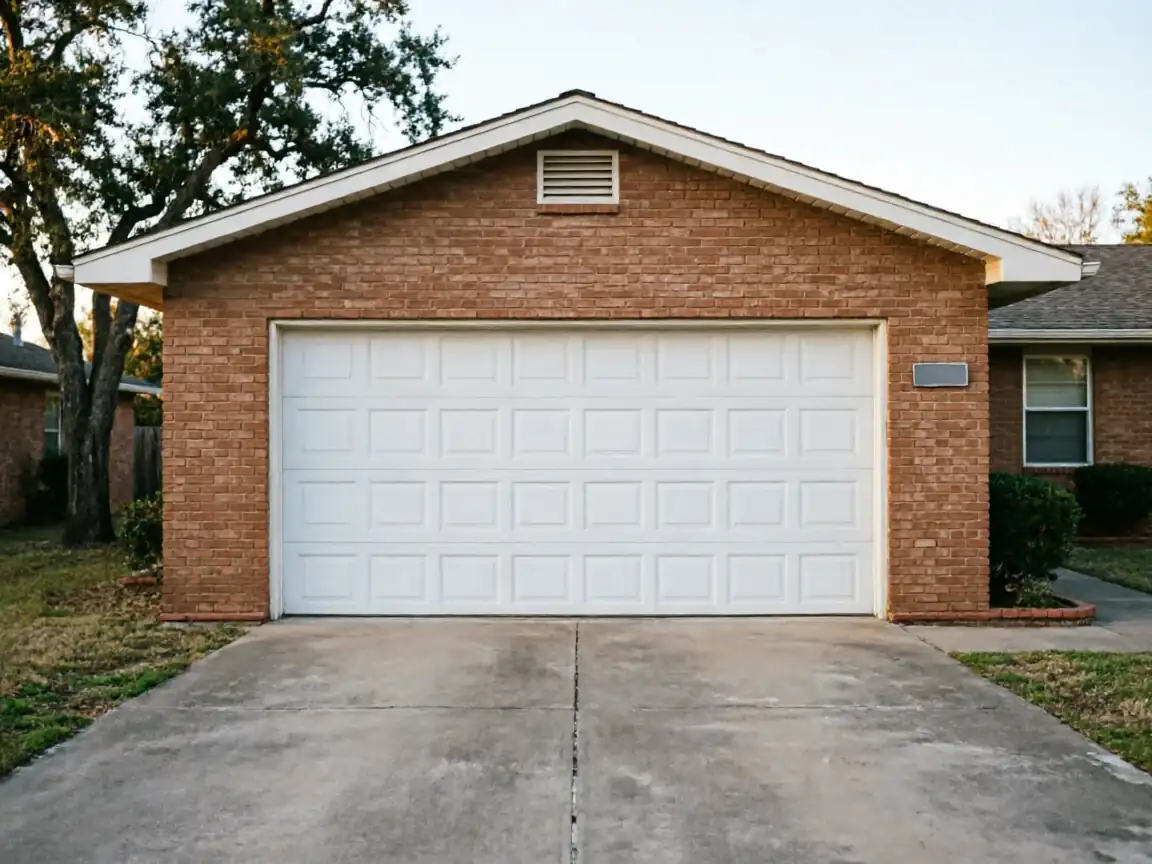
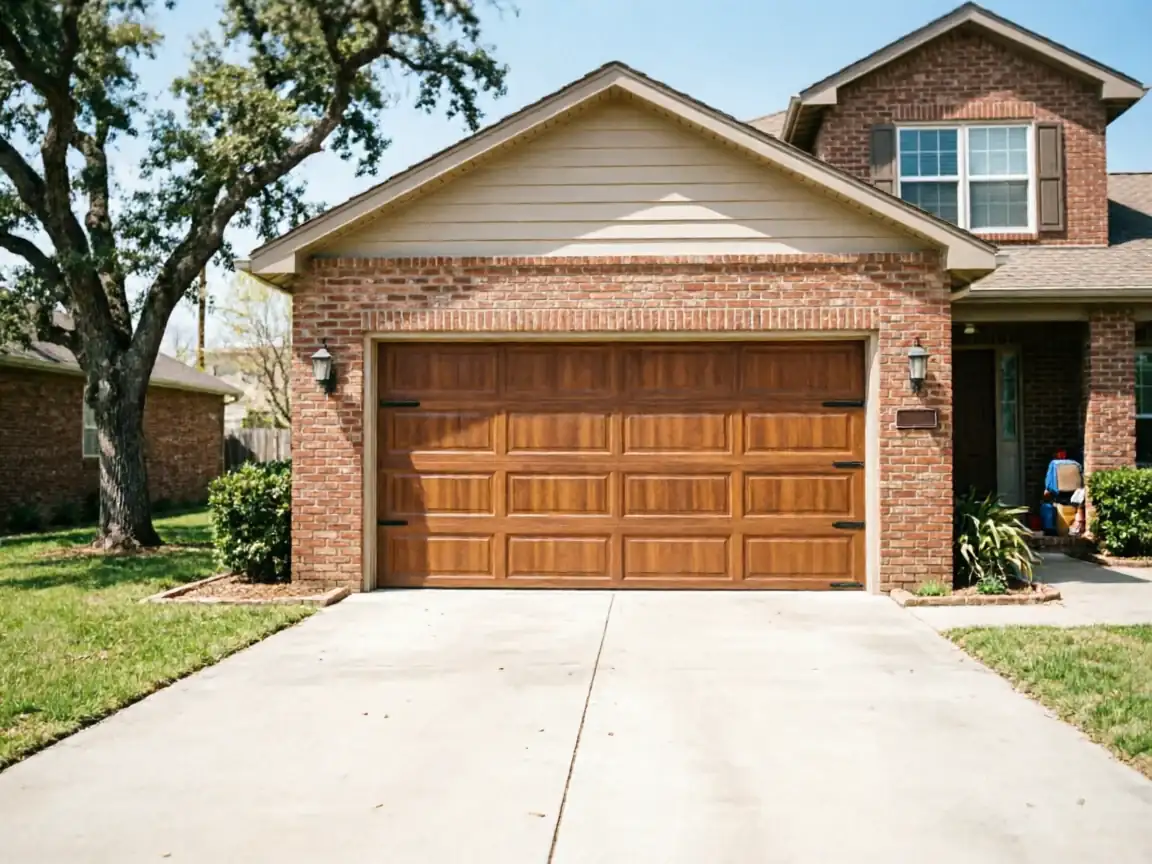
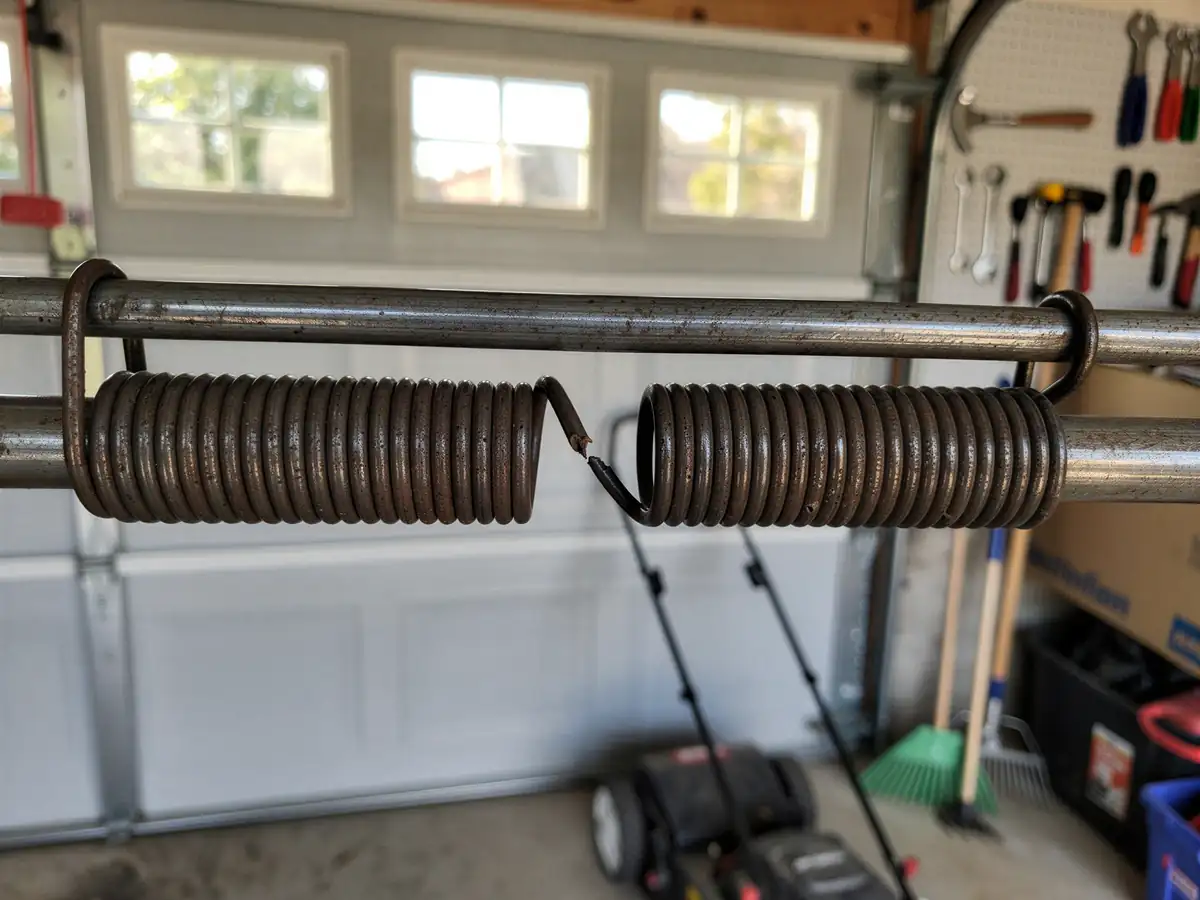
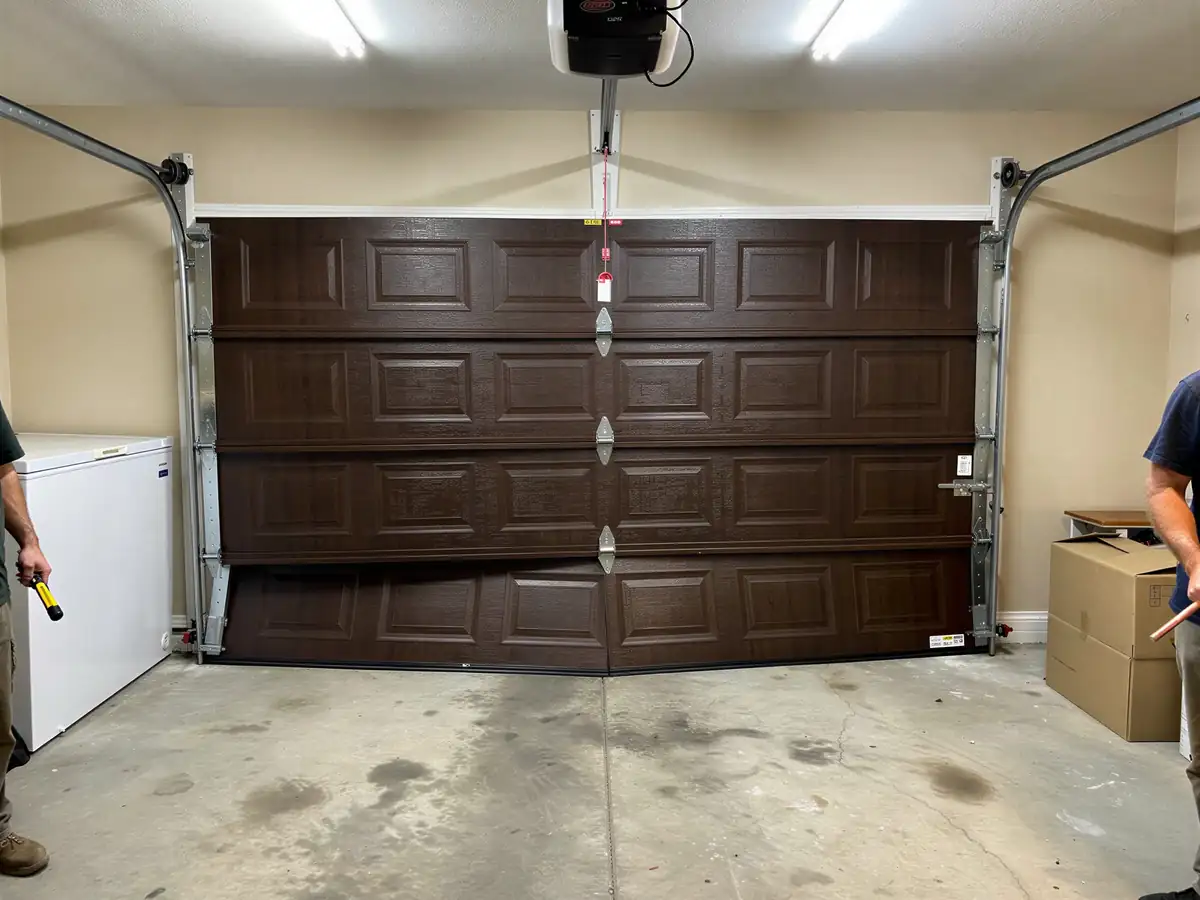
The median home here was built around 1986, which puts a big share of Bruceville-Eddy's garage doors and openers into their mid-30s to high-30s in age. That generation of door came with chain-drive openers and steel panel doors on torsion or extension springs rated for a set number of cycles - cycles that are long since used up on a door opened twice a day for three and a half decades. The hardware was not designed to last past that point; it was designed to last *to* that point. Add in the region's moderate heat band, which keeps lubricant breaking down faster than it would in a cooler climate, and you get the common Bruceville-Eddy pattern: dry rollers, a hardened cable, a spring that has quietly lost tension without ever fully snapping. None of that shows up as a sudden failure. It shows up as a door that's noisier, slower, and a little more crooked every month, until it isn't.
Can You Do This Yourself
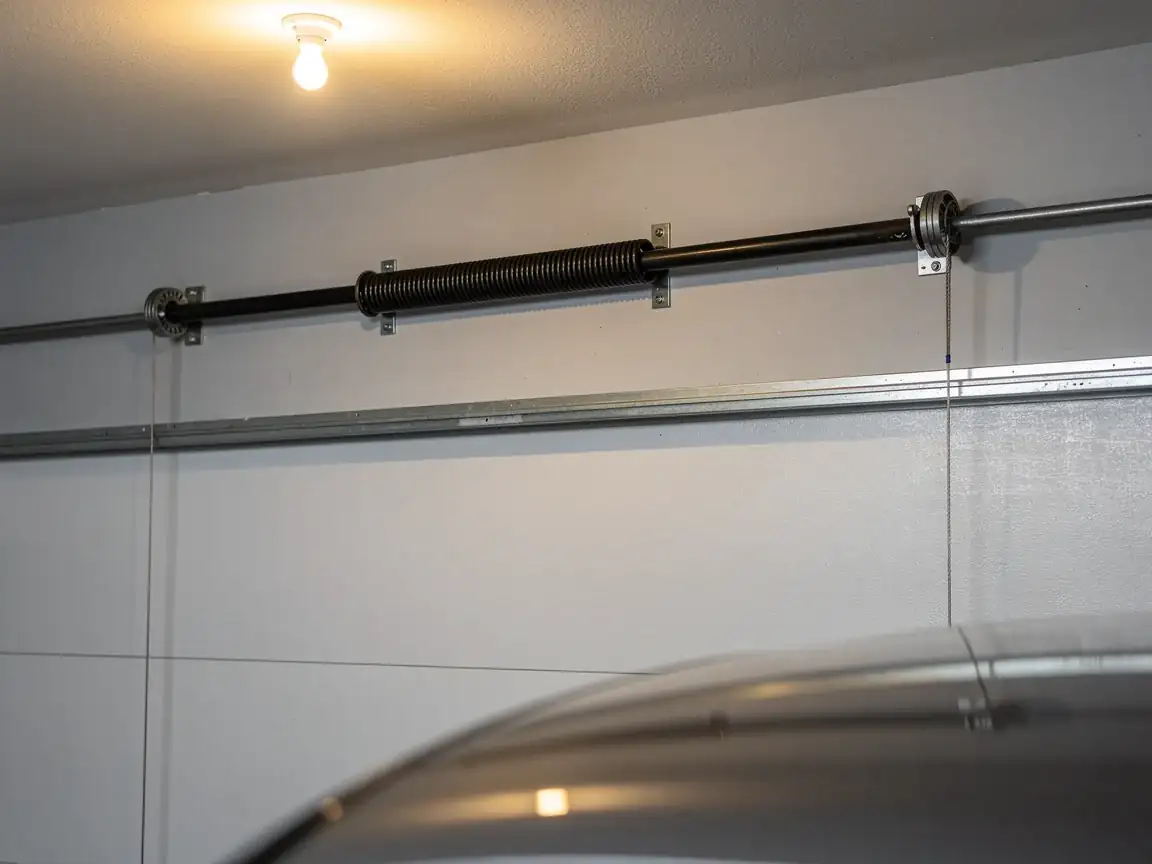
Some of it, yes. Wiping down and lubricating the tracks and rollers, checking that the photo-eye sensors are aligned and clean, and watching for a door that drifts or binds partway through its travel are all things a homeowner can do without tools beyond a ladder and a rag. What you should not do yourself is adjust spring tension or disconnect a torsion spring under load - that's the one honest limit here. A torsion spring holds enough stored force to cause a serious injury if it lets go while you're working on it, and on a door built in the mid-1980s that spring has had thirty-some years to fatigue unevenly. Visual inspection and lubrication are yours to do. Anything involving the spring or the cable drum is not a DIY job.
What the Repair Takes
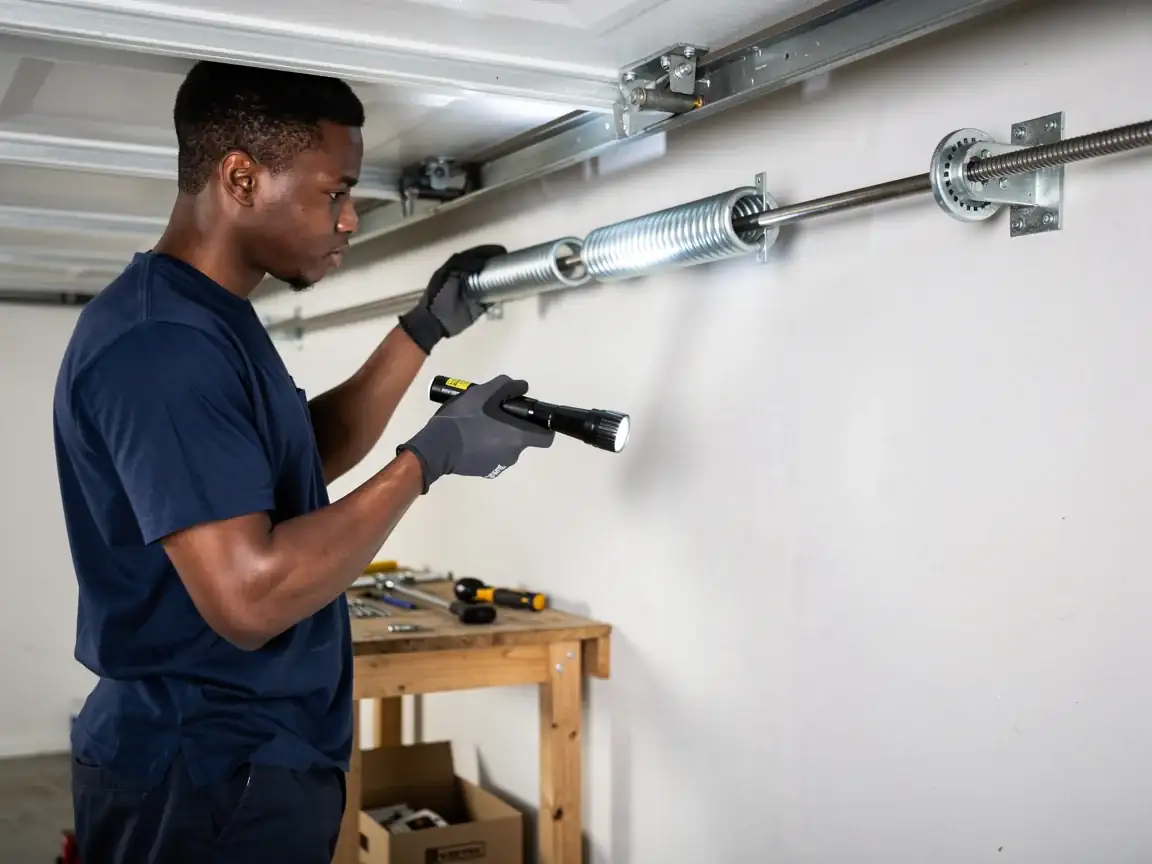
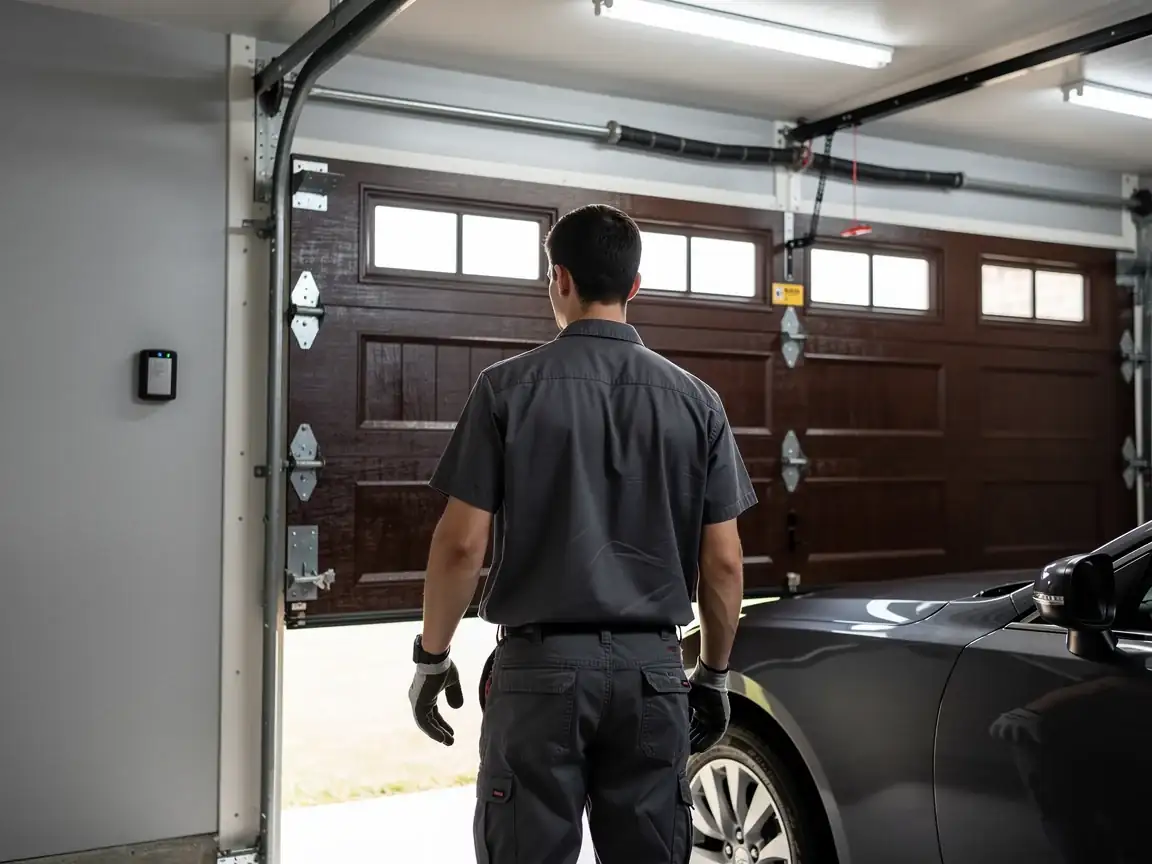
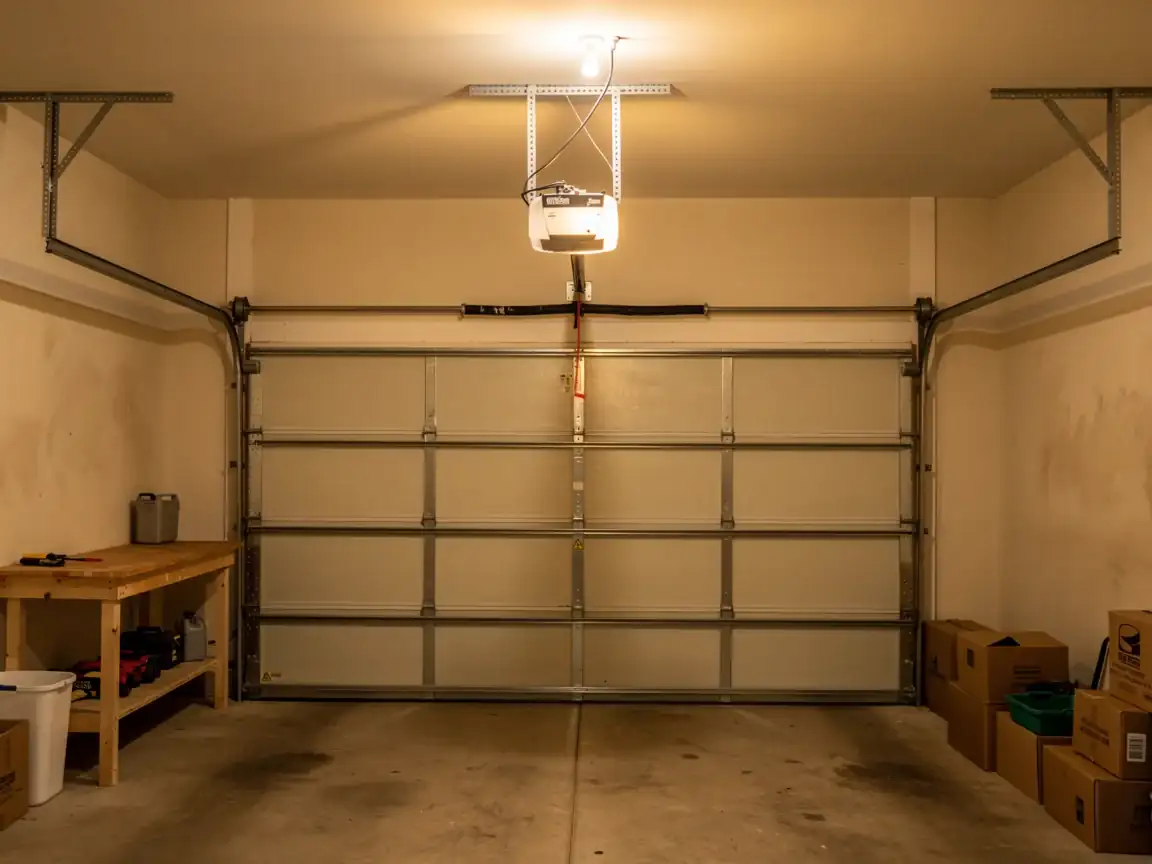
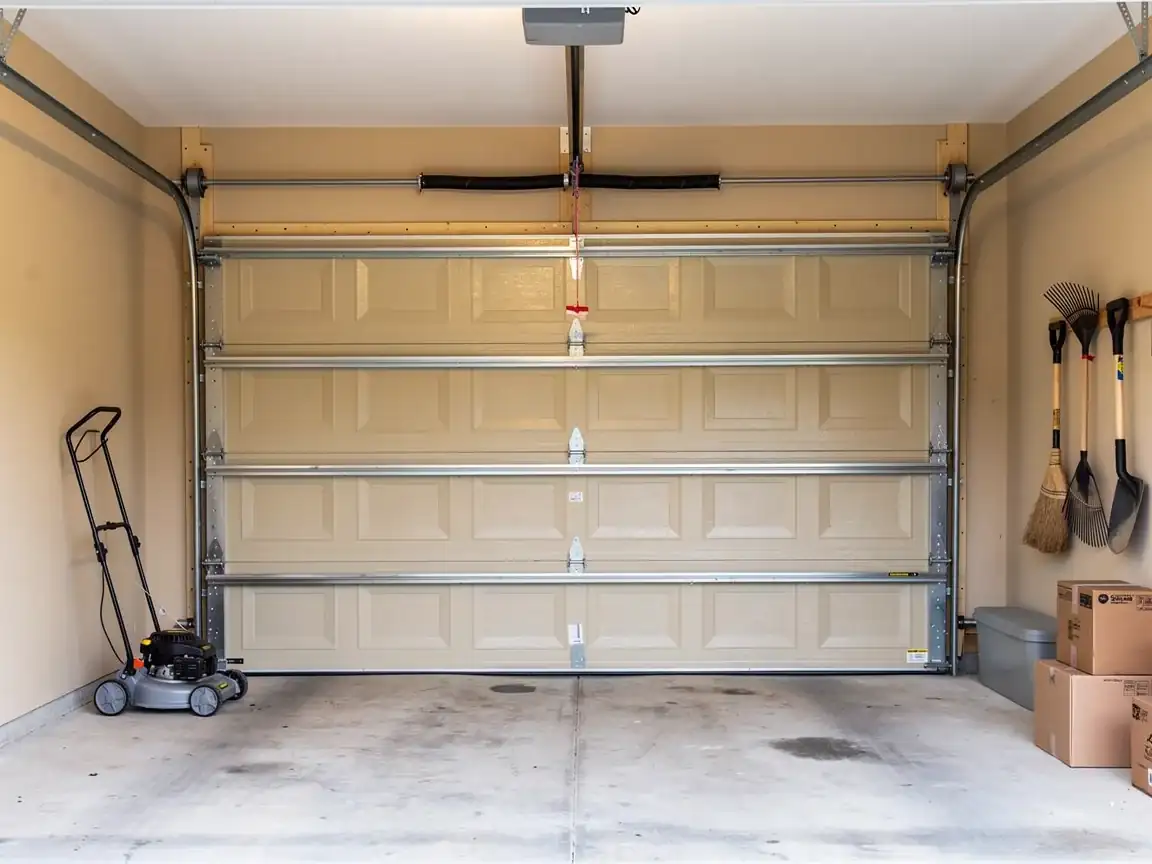
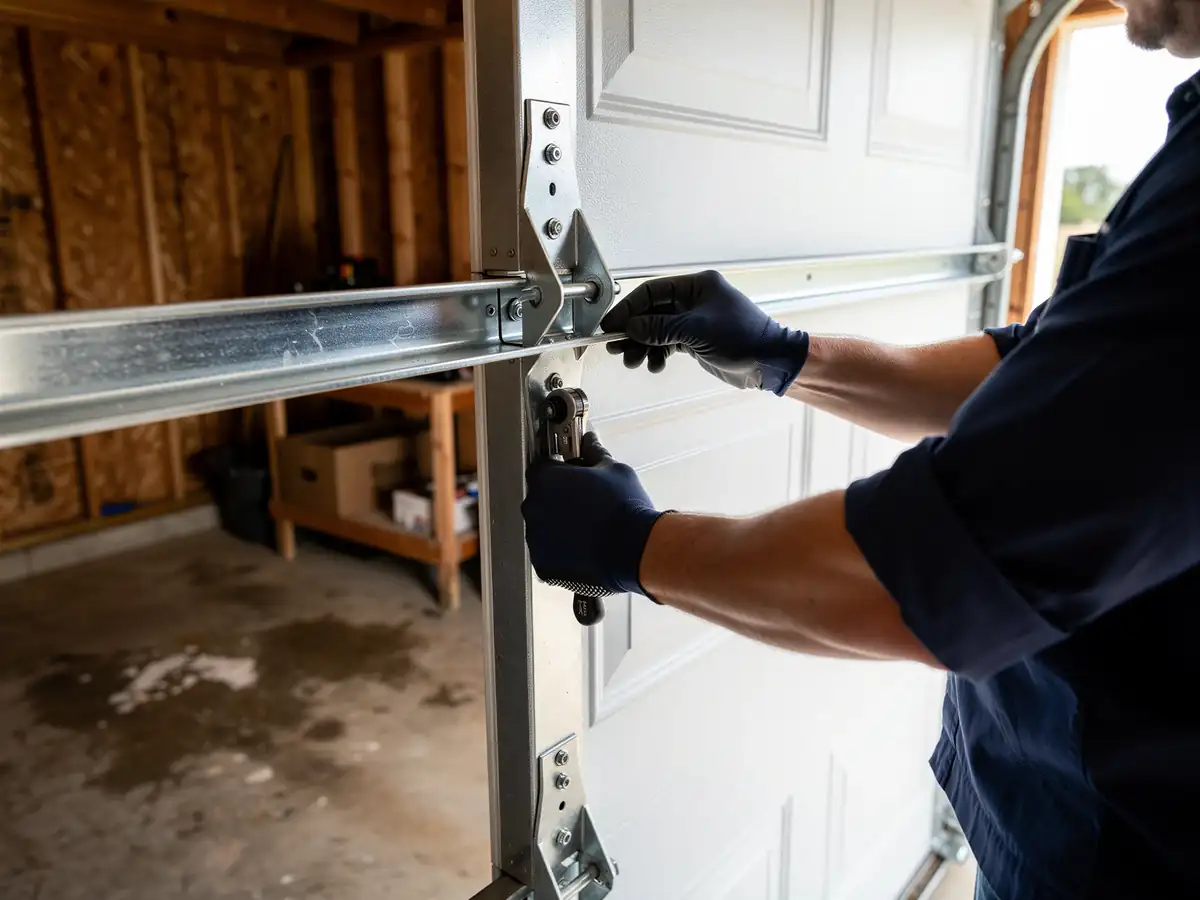
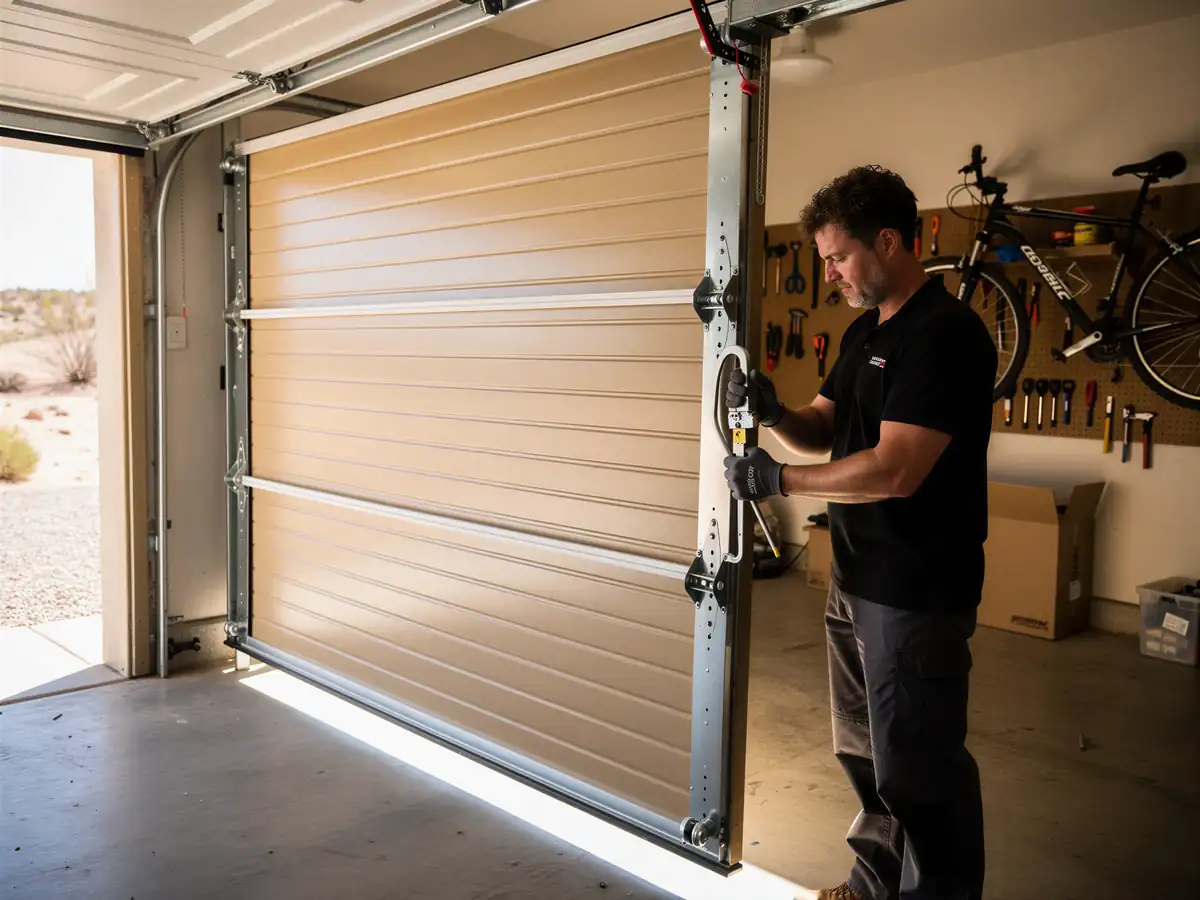
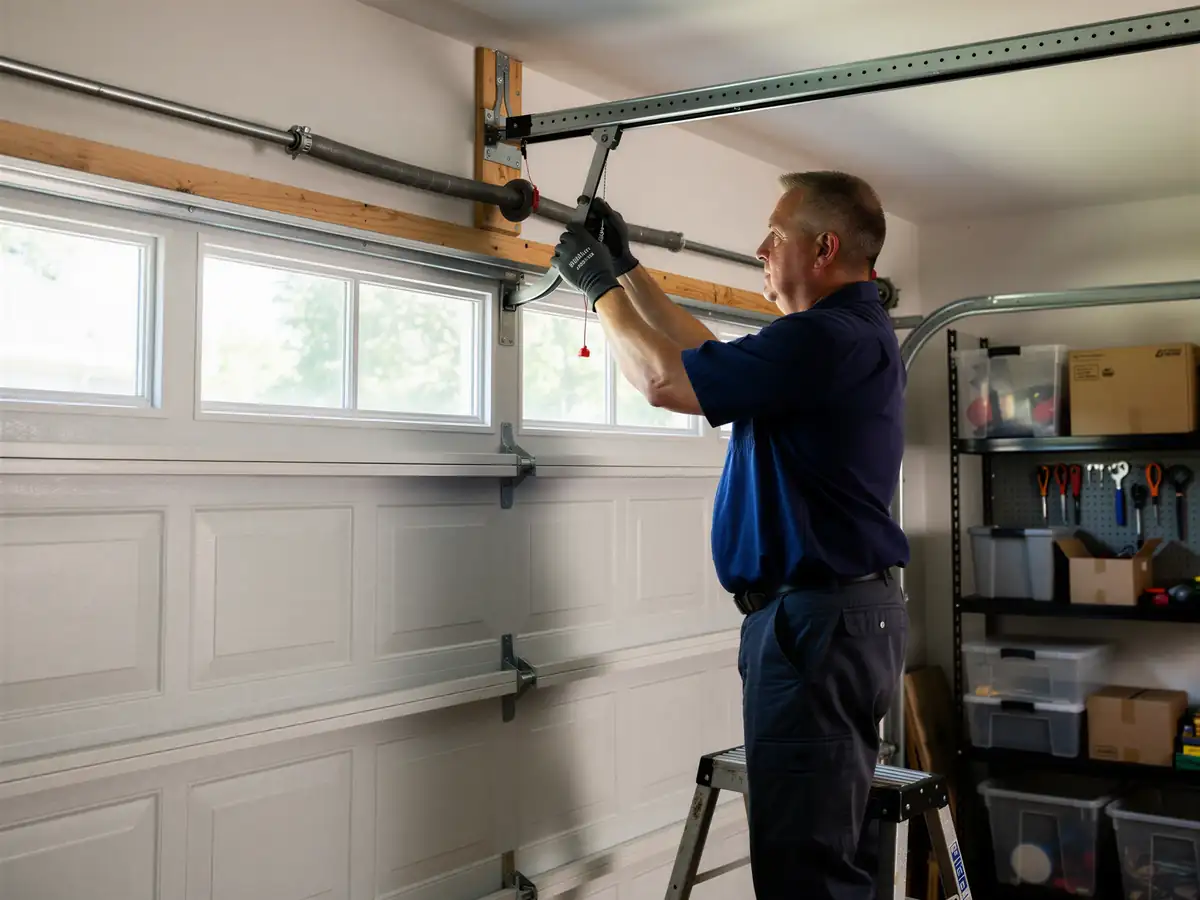
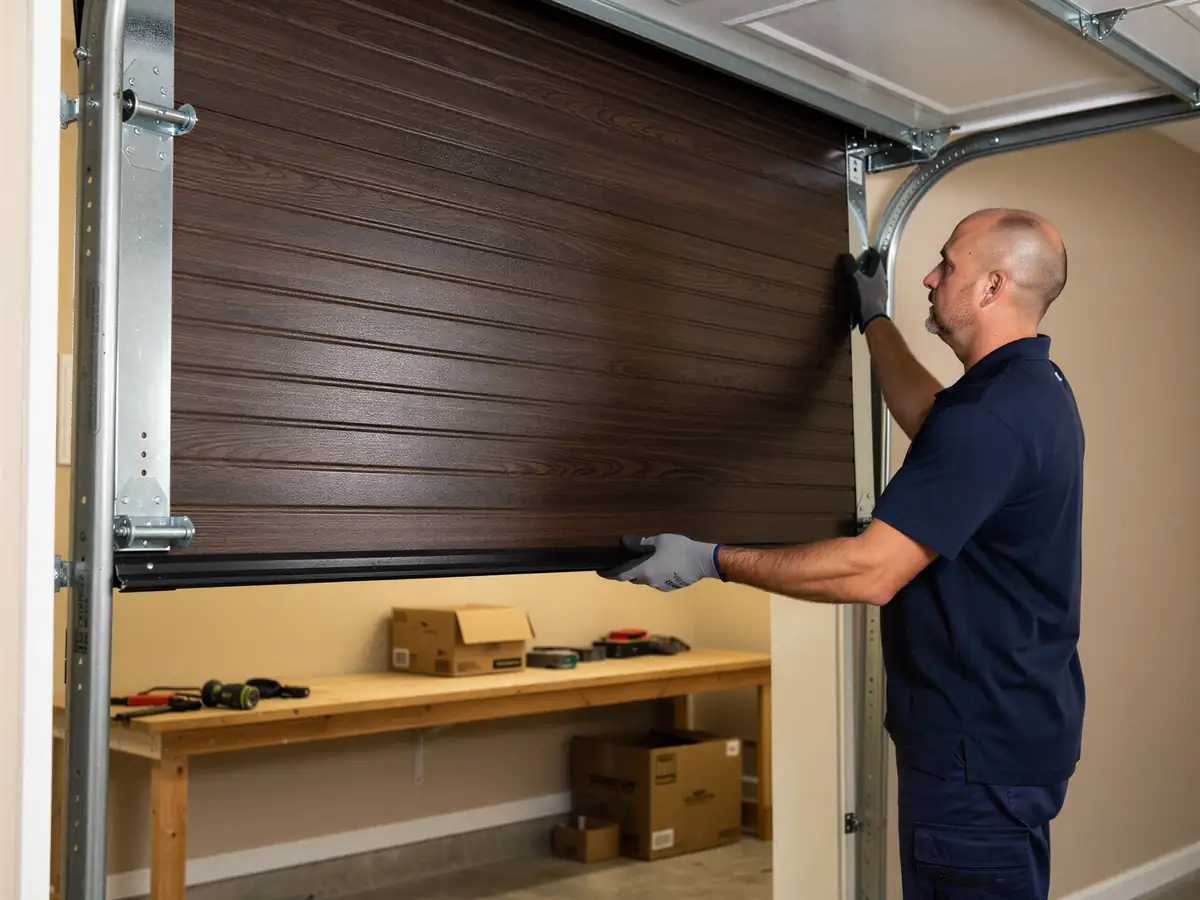
A standard maintenance visit covers the track, rollers, hinges, cables, and spring - checking balance, tightening hardware that's worked loose, lubricating moving parts, and testing the auto-reverse safety function. On a door from the 1986 build era, that visit usually turns up something worth flagging even when nothing has failed yet: a roller close to seizing, a cable starting to fray at the drum, a spring that's lost a visible amount of tension. Because the visit is coming from Waco, it makes sense to bundle maintenance with any small adjustment while the truck is already out - there's no separate trip for a five-minute tightening job if it's caught during the same visit.