How Long You Are Without the Door
Bruceville-Eddy sits 18 miles out from Waco, and that drive is the first thing to plan around, not the install itself. A straightforward opener swap on a door that already has sound track and a working header bracket is usually a single trip, start to finish in one visit. Where it stretches is when the bracket, the track, or the wiring doesn't match what a current opener expects - and in this area, with most houses built around 1986, that mismatch shows up more than you'd think. The housing stock here runs a few years newer than the 1959-1994 spread you see across the wider service area, median 1983, so Bruceville-Eddy doors trend toward mid-80s hardware rather than the older end of that range. That's still old enough that a lot of headers were framed for openers nobody sells parts for anymore. If the header needs reinforcing or the track needs a width change, that's a second trip, and we'll tell you before we leave the first one, not after.
Why This Fails Locally
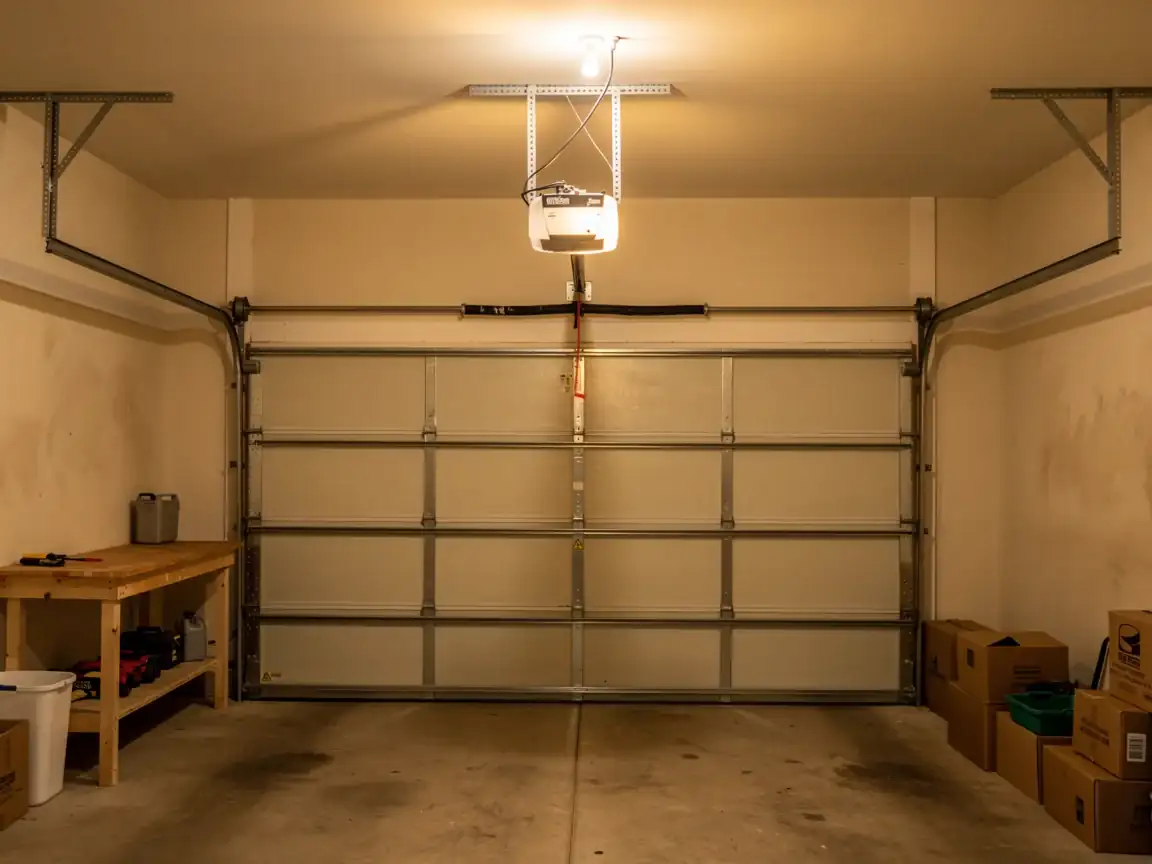
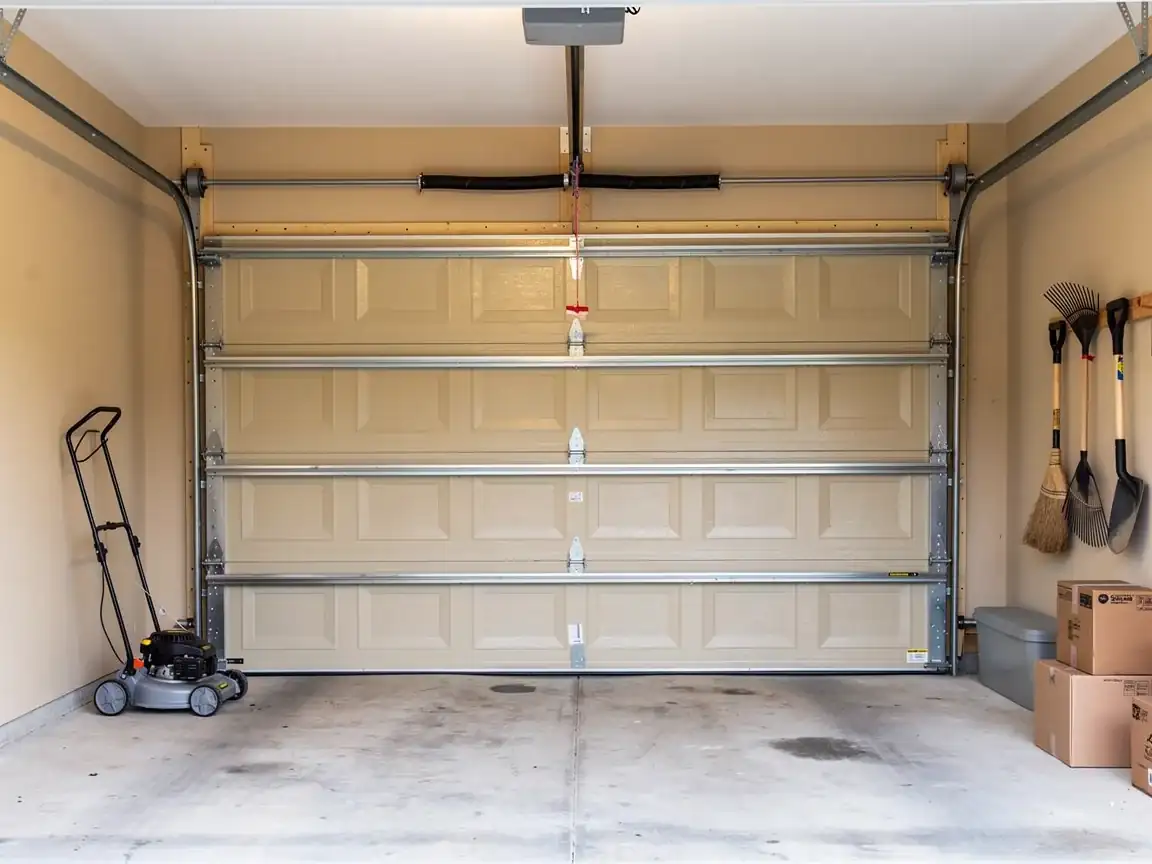
A house built in 1986 was framed for a chain-drive opener on a steel rail, bolted to a header that was sized for that generation's hardware and nothing heavier. Swap in a modern belt-drive unit without checking that header and you're asking lighter framing to carry a motor it wasn't built to hold. With roughly 581 households in Bruceville-Eddy, we're not talking about a single housing style - some of these garages were built out, some finished later, some never touched since the original install. The common failure isn't the opener dying. It's the mounting point behind it: a header board that's flexed over three and a half decades, lag bolts backed half out, or a rail bracket that was never rated for the unit someone bolted to it in the first place. We check that bracket and header before we talk about which opener to put in, because installing a good motor on bad backing just moves the failure point, it doesn't fix it.
Can You Do This Yourself
An opener kit from a hardware store comes with a lot of confidence and not much information about your specific header. If your garage was built around 1986 like most of this area, the bracket back there has three and a half decades of settling on it, and finding out it won't hold a new motor mid-install, with the old opener already stripped out, means you're stuck with the door down and no fallback. The mechanical part - mounting the rail, setting the travel limits, wiring the wall control - is learnable. The part that goes wrong is diagnosing whether the structure behind the drywall is still good enough to carry what you're about to bolt to it. If you've already pulled the old unit and you're confident in the header, a capable homeowner can do this. If you haven't opened anything up yet, that's worth a look first.
What the Repair Takes
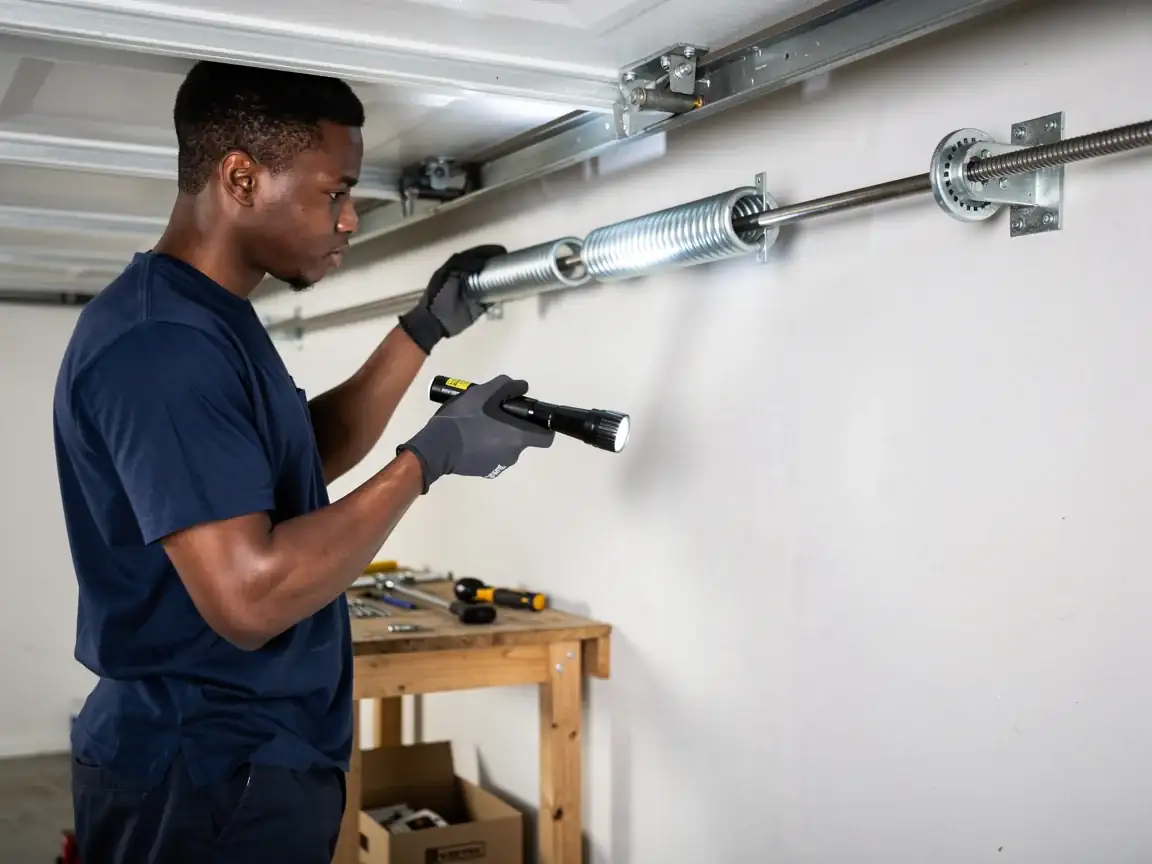
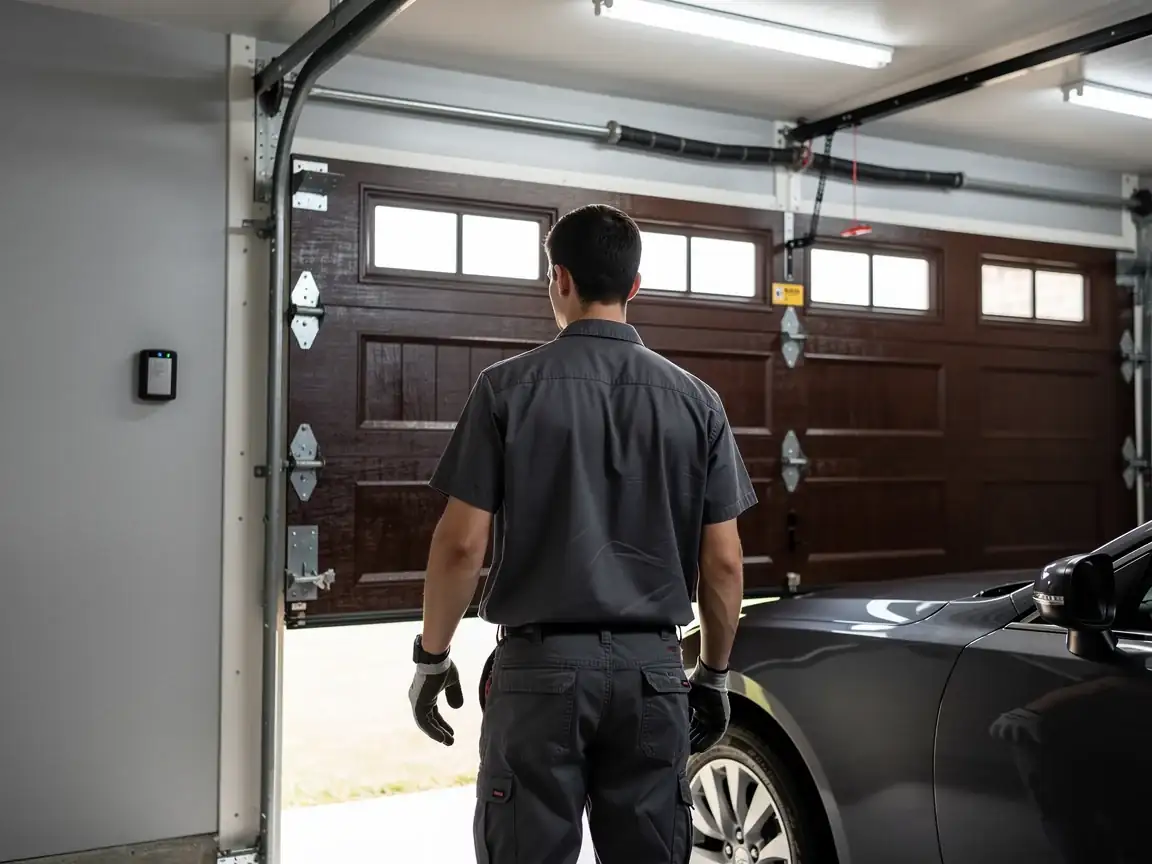
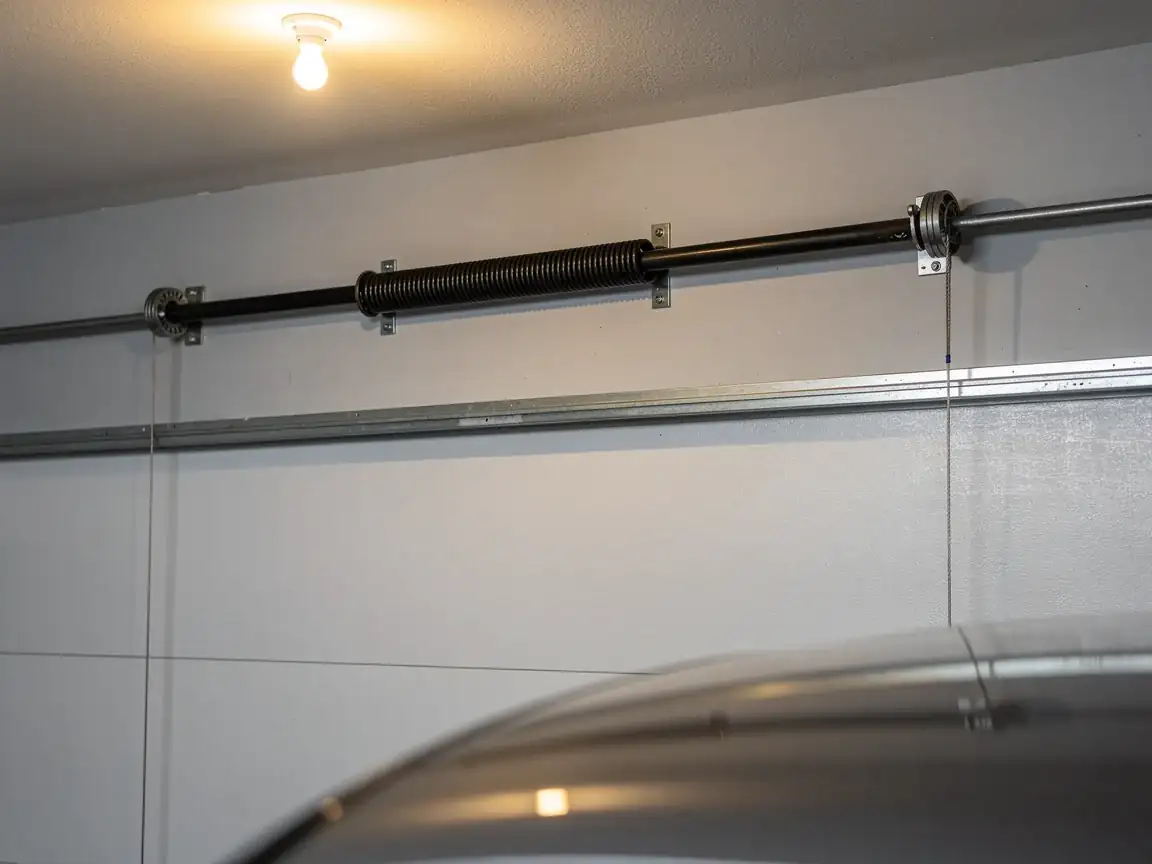
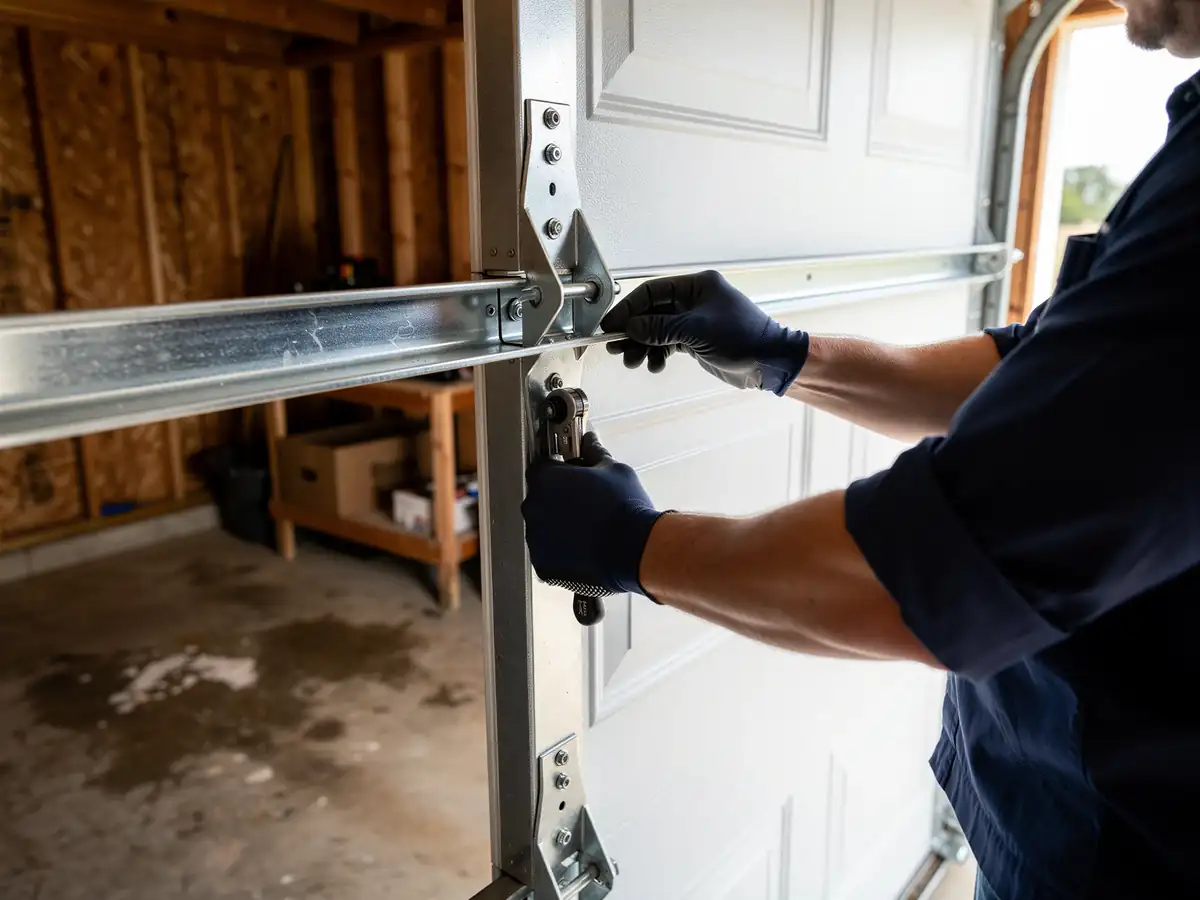
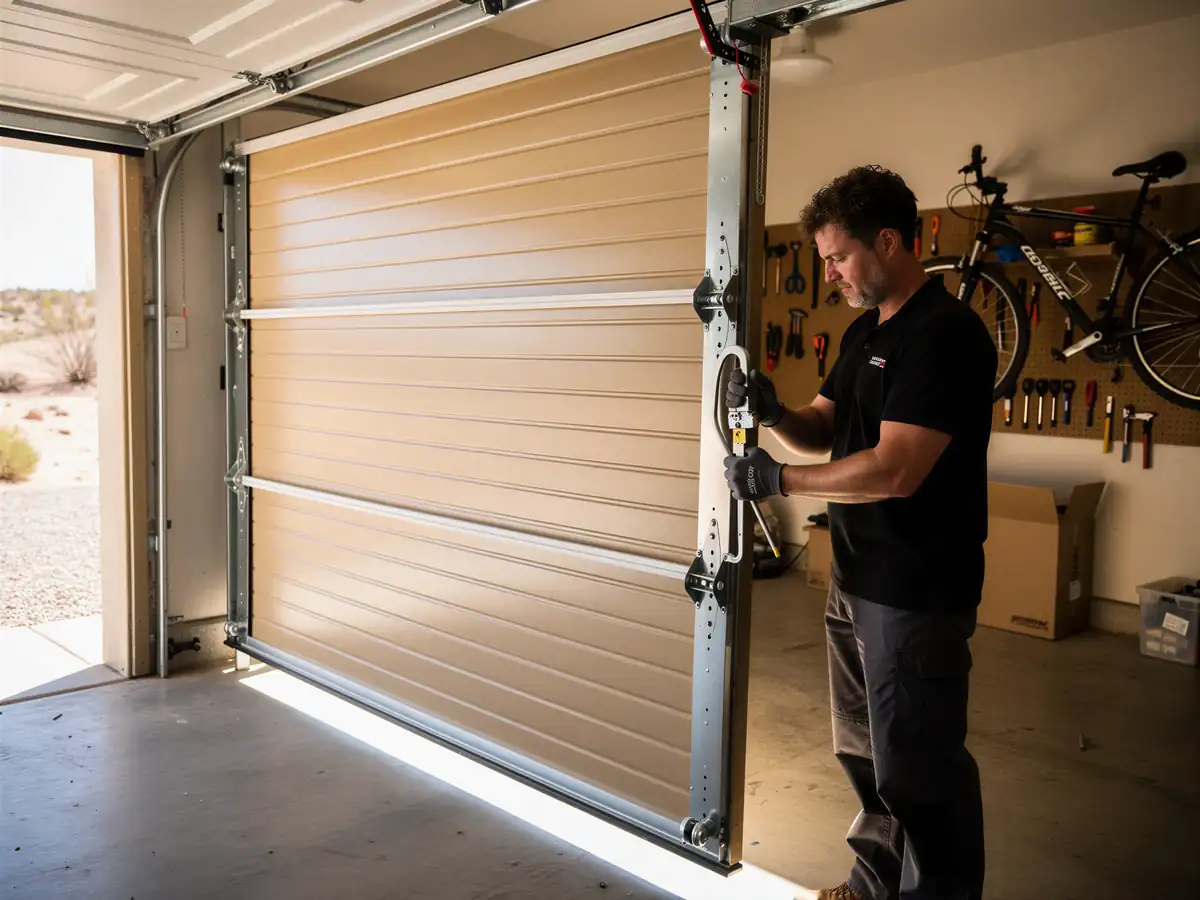
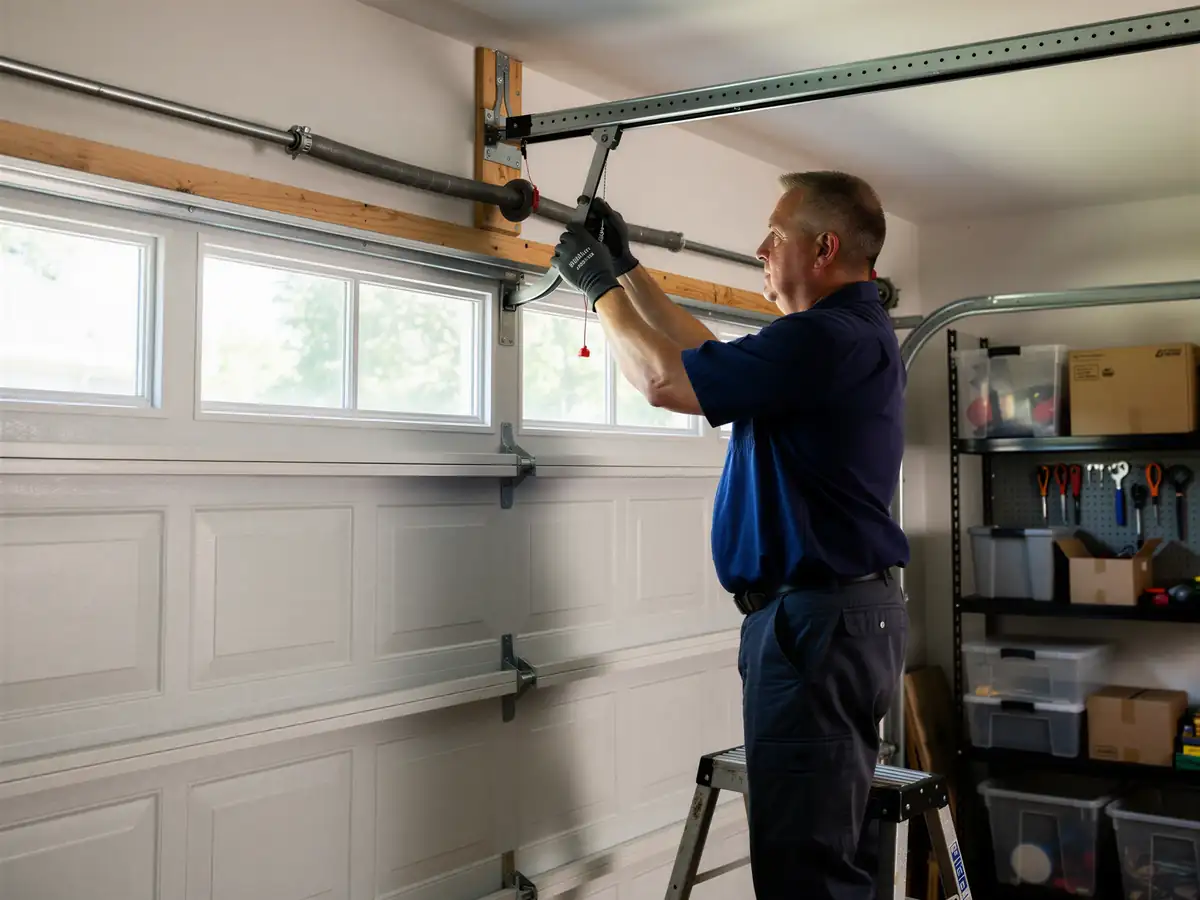
Measure the header and rail path, confirm the door's spring type and balance - a door that's out of balance will burn out a new opener fast regardless of how good the motor is - then mount the bracket, run the rail, set the carriage, and wire in the wall station and safety sensors. On a straightforward job with sound backing, that's a few hours. Add time if the header needs a reinforcement plate, which shows up more often on original mid-80s framing than on anything built since. We test full travel, force settings, and auto-reverse on the photo eyes before we call it done, since a door that reverses late or not at all is the kind of thing that only shows up as a problem once, and usually badly.