How Long You Are Without the Door
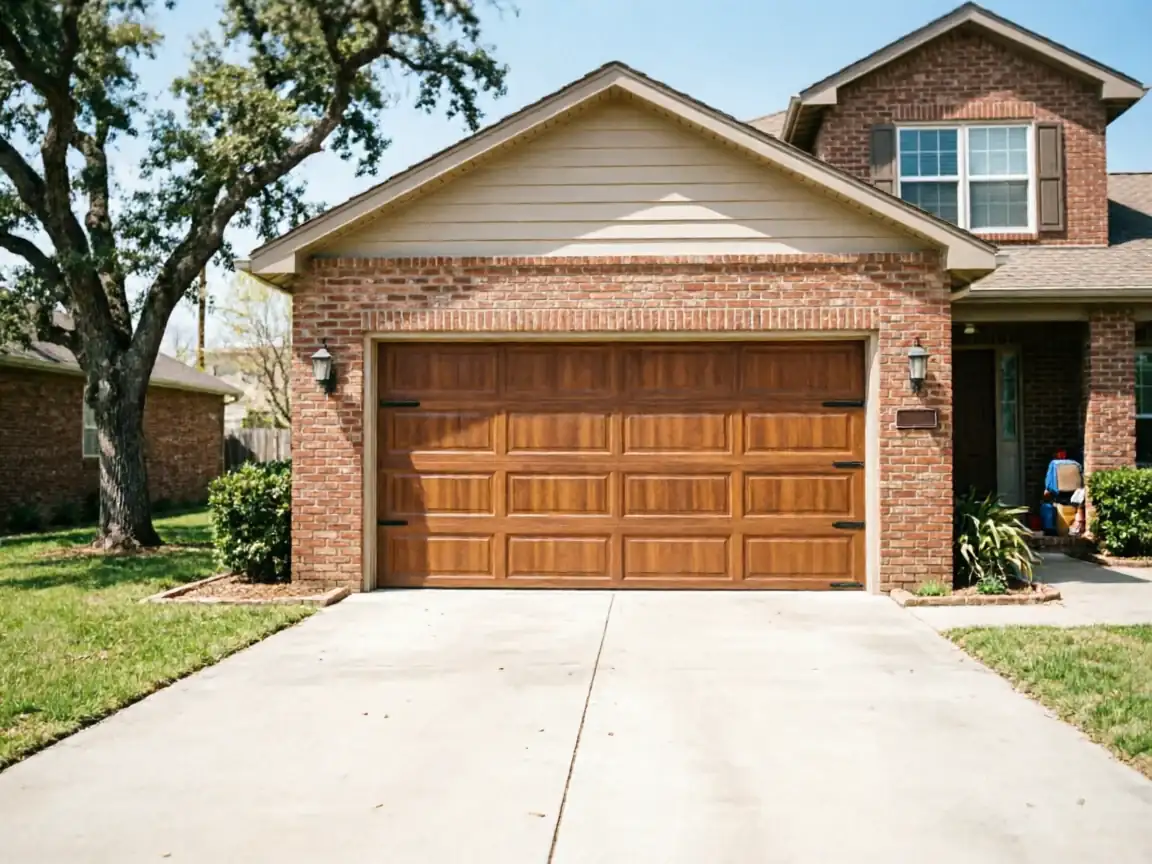
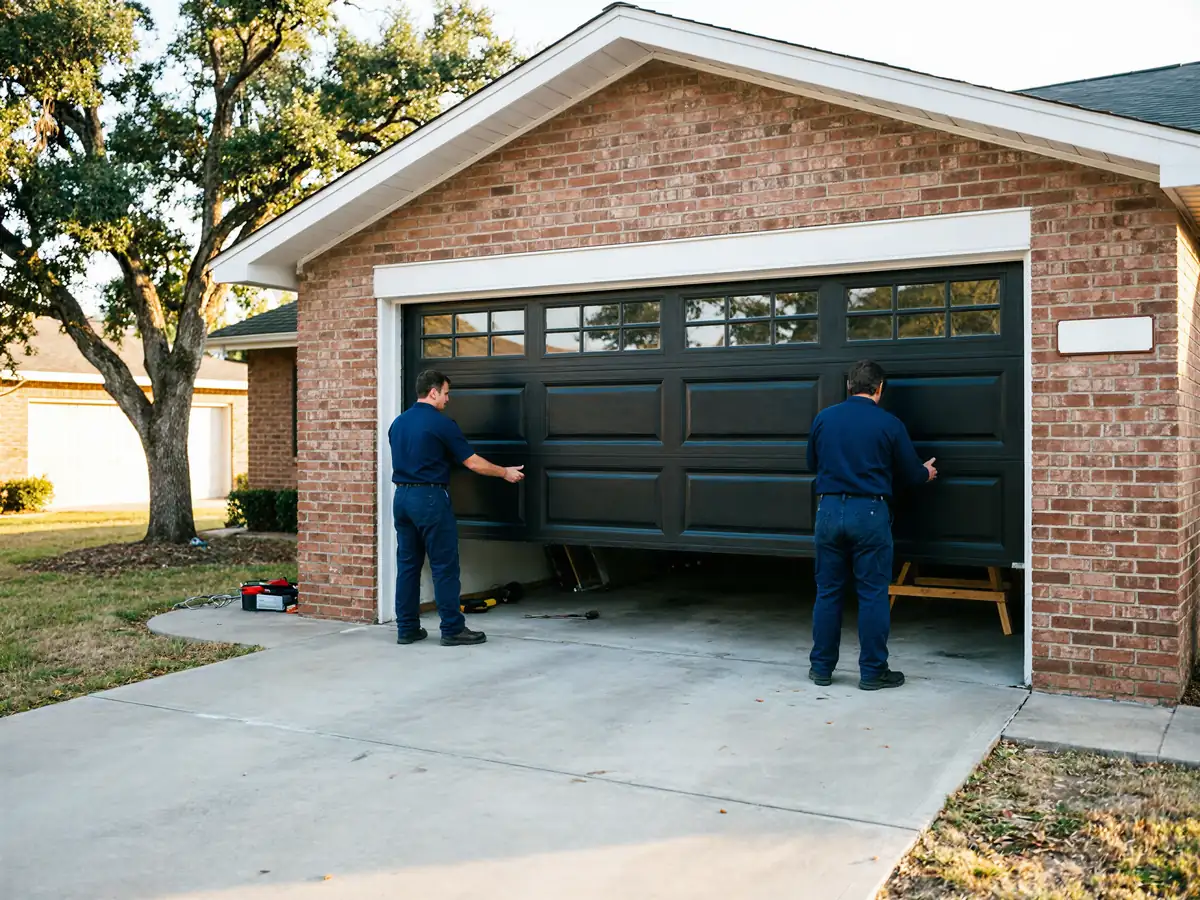
Bruceville-Eddy sits about 18 miles south of our Waco shop, and that drive shapes how an install day actually runs here. We're not pulling from a depot around the corner, so the truck gets loaded with the door, track, and opener hardware before it ever leaves Waco - there's no quick run back for a forgotten part. For a straightforward single-door swap, the old door comes down, the opening gets checked and squared, and the new door and track go up in one visit. Where it runs longer is if the opening itself needs rework, which comes up more in this town's older stock than in newer subdivisions closer to Waco. Either way, you're not left with an open bay overnight waiting on us to come back - we plan for everything the job needs before the drive out, because a second 18-mile trip for a missing bracket is time nobody wants to spend. If the old door is a nonstandard size, we confirm that by phone first, so the replacement on the truck actually fits the opening when we get there.
Why This Fails Locally
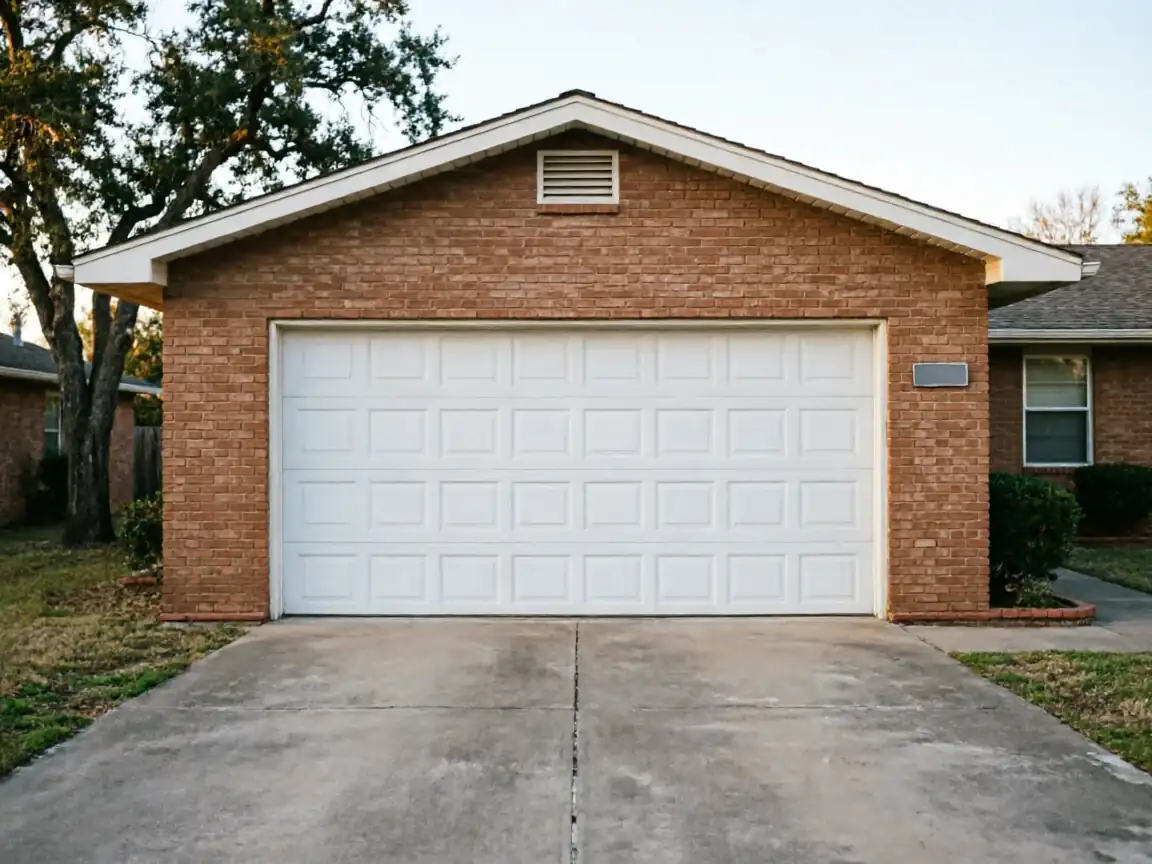
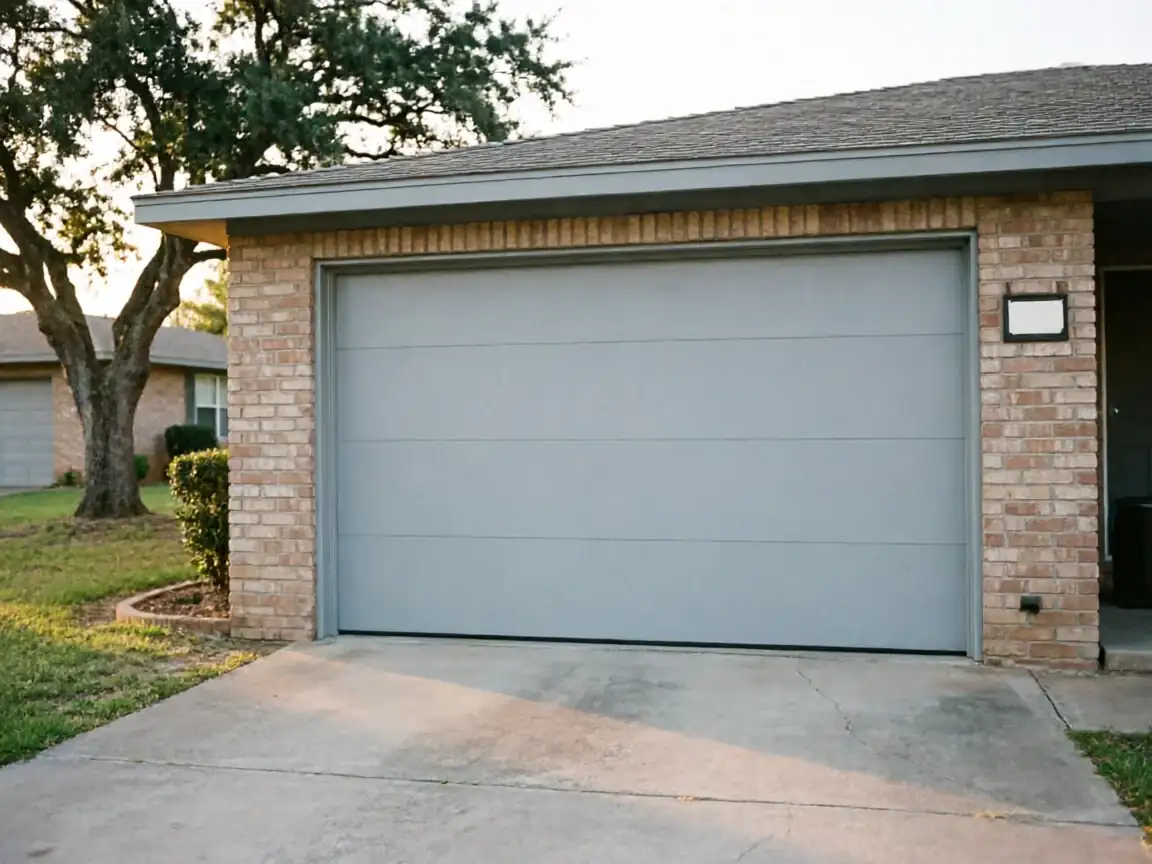
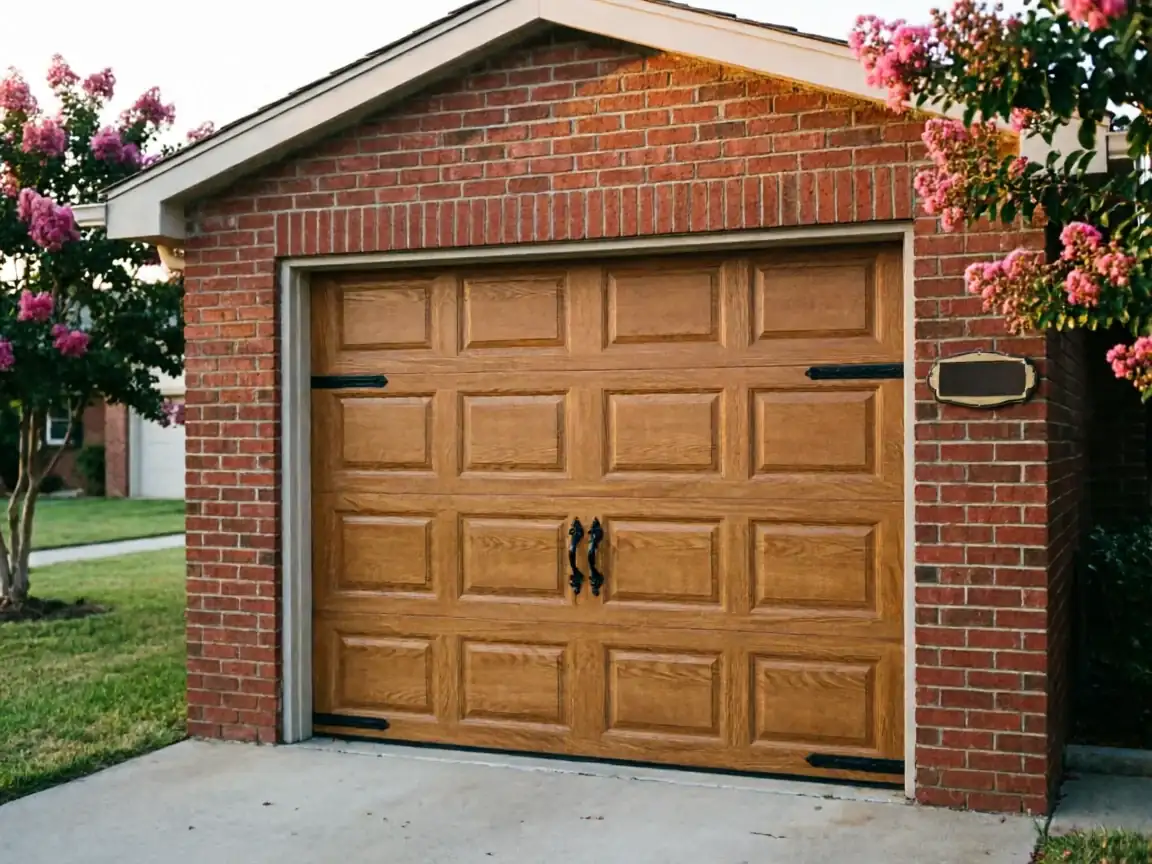
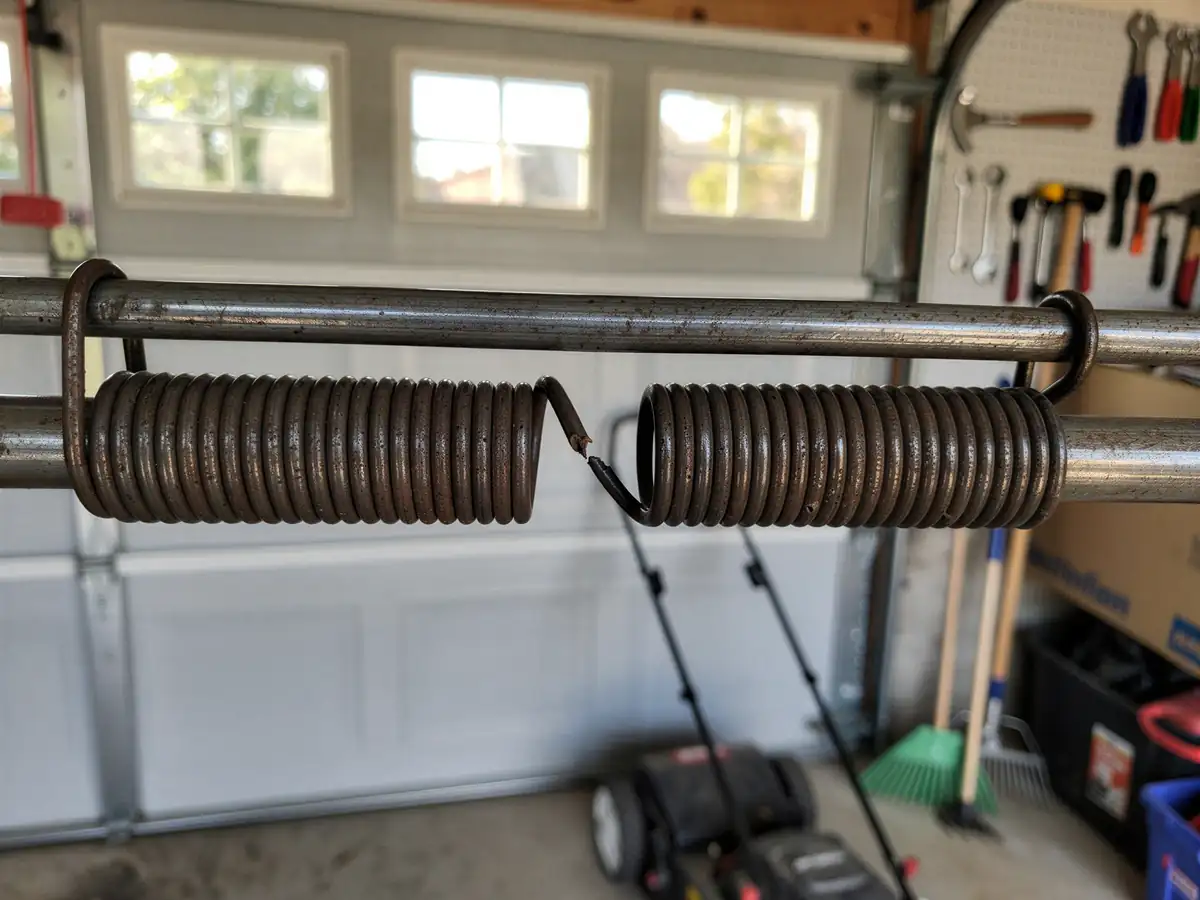
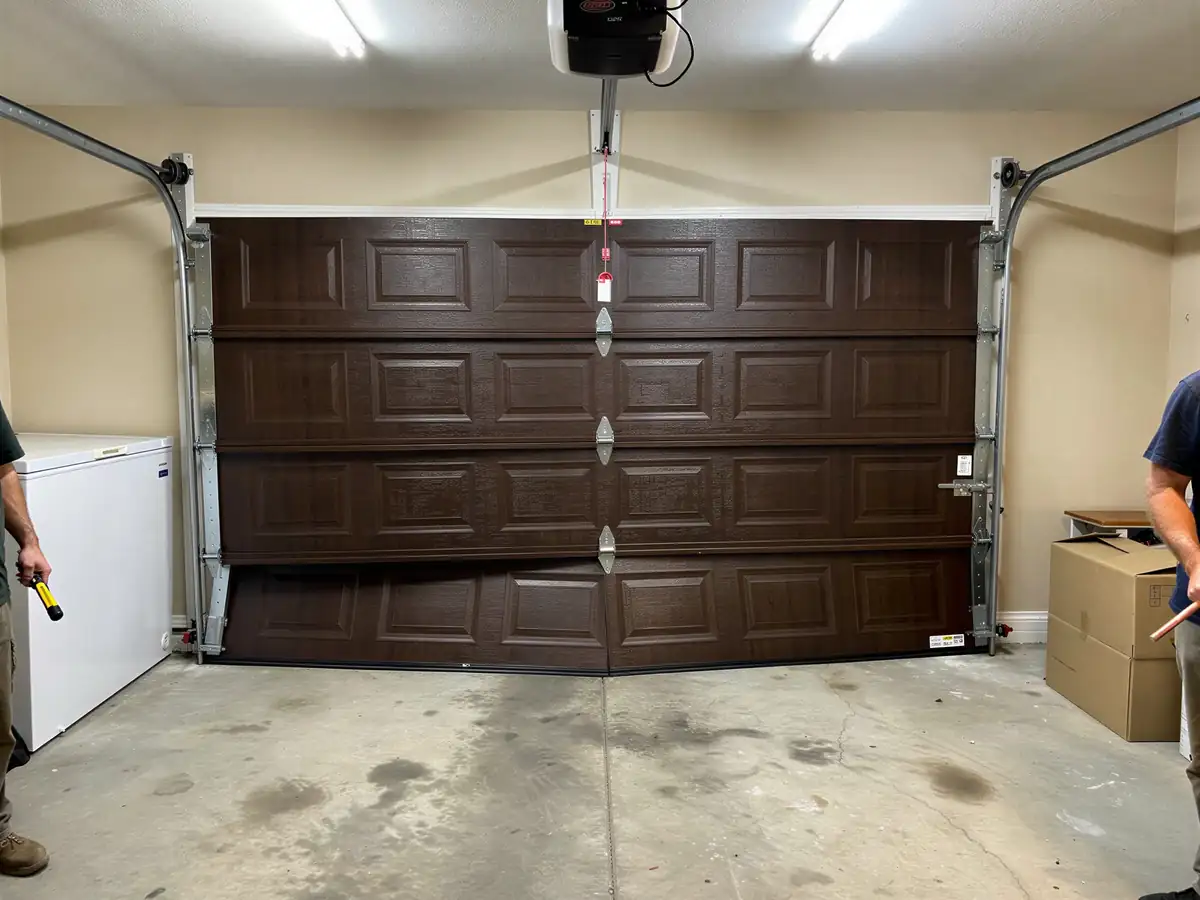
The median home in Bruceville-Eddy went up around 1986, which puts a lot of these garages in the same window as builder-grade steel doors and the light-duty extension spring setups that were standard through the 80s and into the 90s. Those original doors have had almost forty years of sun and swing cycles, and by now the panels are usually dented or the insulation (if there was any) has gone soft. It's not a defect specific to this neighborhood - it's just the math of a house built in that era reaching the end of what that generation of hardware was built to do. With 581 households in Bruceville-Eddy, a fair share are hitting that same wall around the same time, which is why replacement calls here tend to cluster by section of town rather than being spread evenly. New installation isn't about chasing a repair that's run out of road - it's swapping to a door and opener built for current torsion spring standards instead of the lighter setups common when these houses were framed.
Can You Do This Yourself
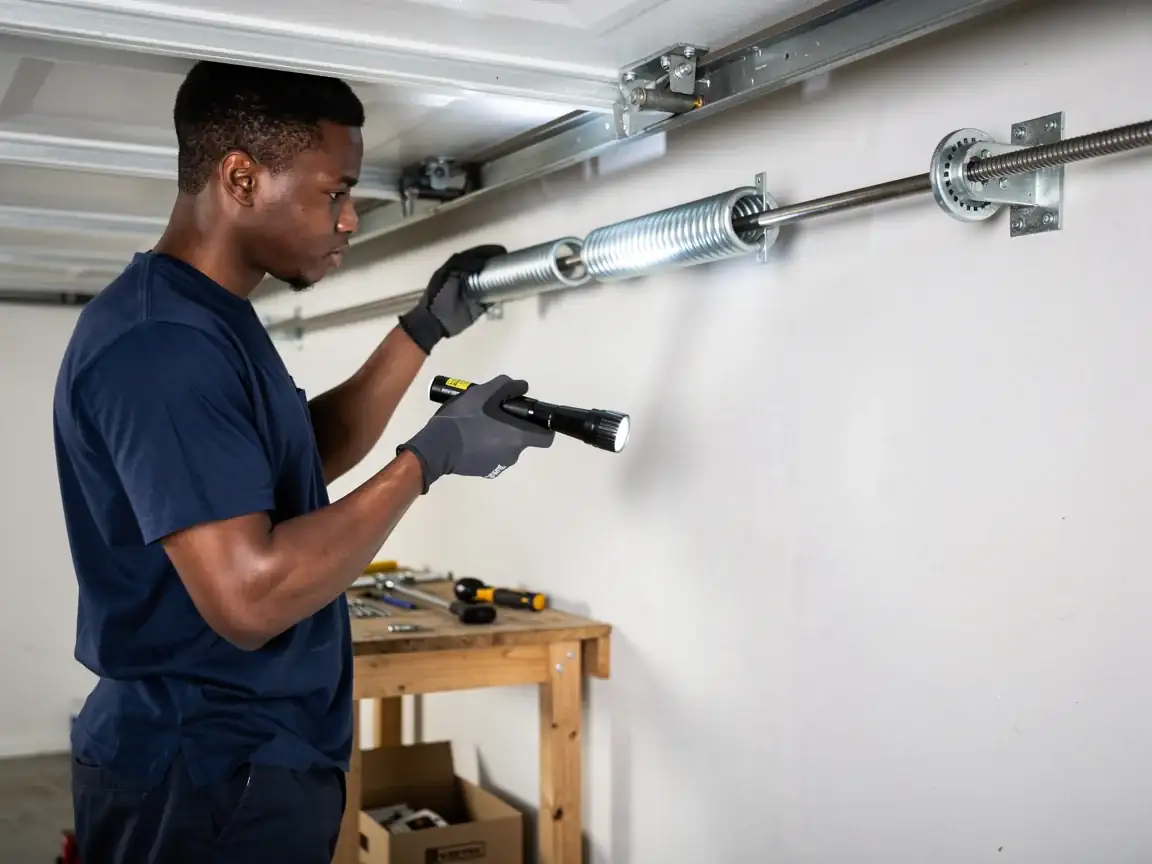
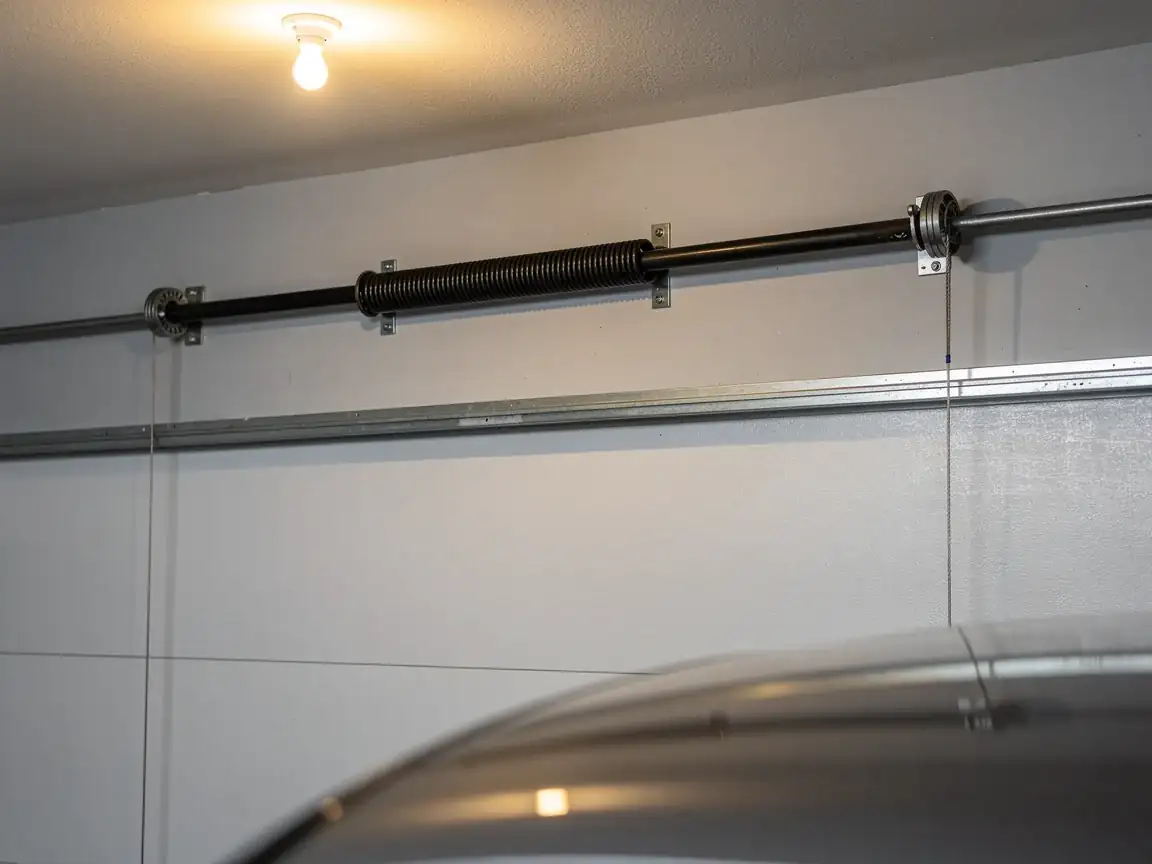
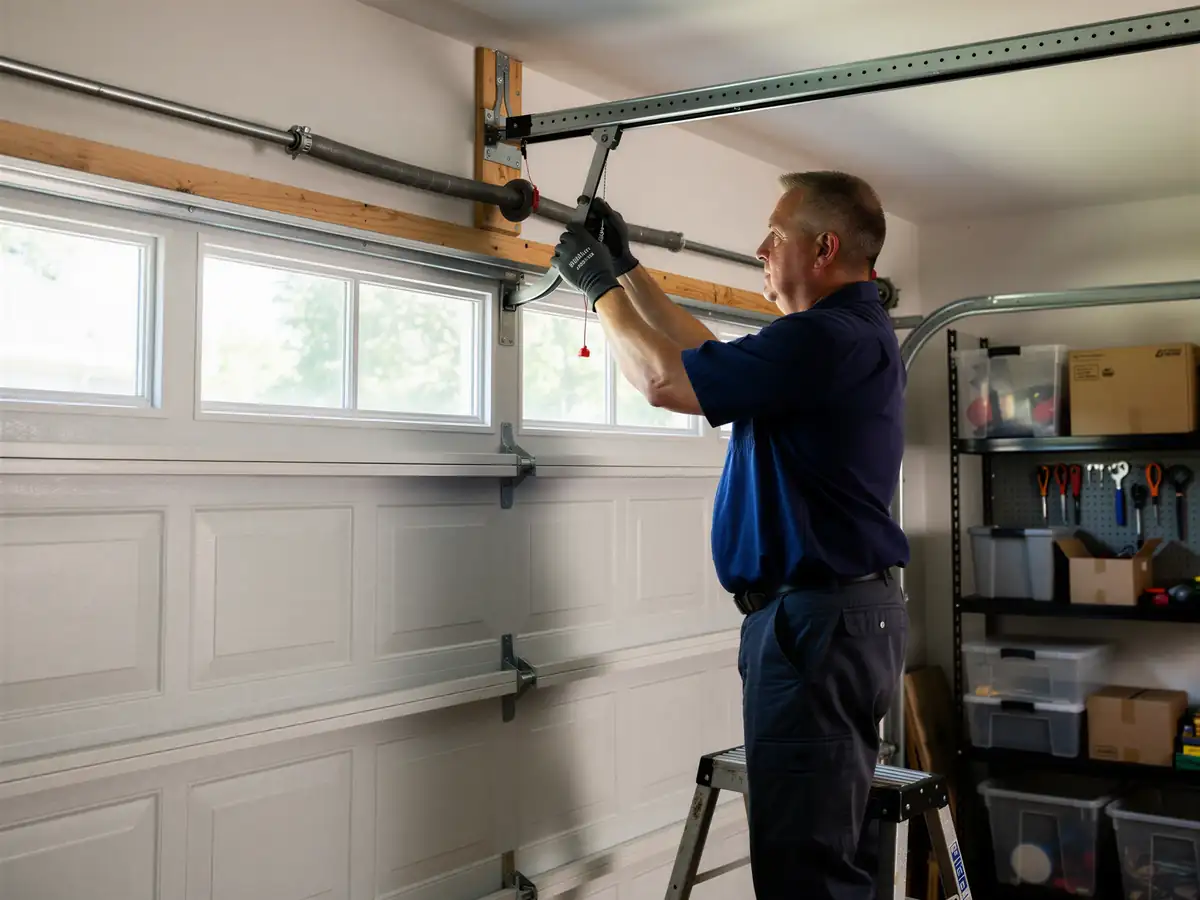
A new garage door is heavy, spring-loaded, and unforgiving if the torsion hardware isn't set up right, and that doesn't change based on where the house is. If you're handy and want to swap the opener yourself after we've hung the door and set the track, that's a reasonable split - opener installs are more forgiving than spring and cable work. What we don't recommend doing solo is the door and spring side of the job. A torsion spring under tension that lets go while you're working on a ladder in your own garage is the kind of mistake that puts people in the hospital, and it's the main reason this isn't a weekend project even for homeowners who are otherwise comfortable with tools. If you've already bought a door from a retailer and just want it hung, we'll do that - but we'll check the spring sizing against the actual door weight first, because a door that's heavier than its listed spec is more common than people expect.
What the Repair Takes
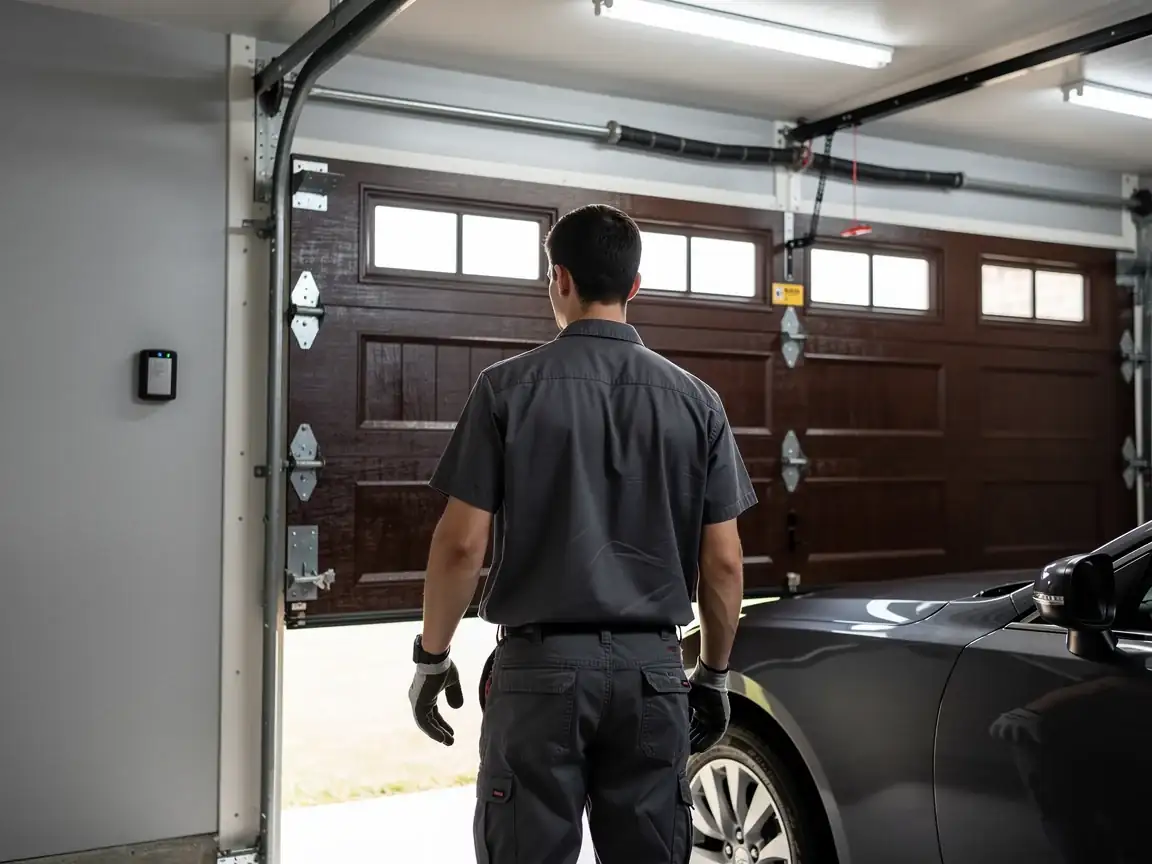
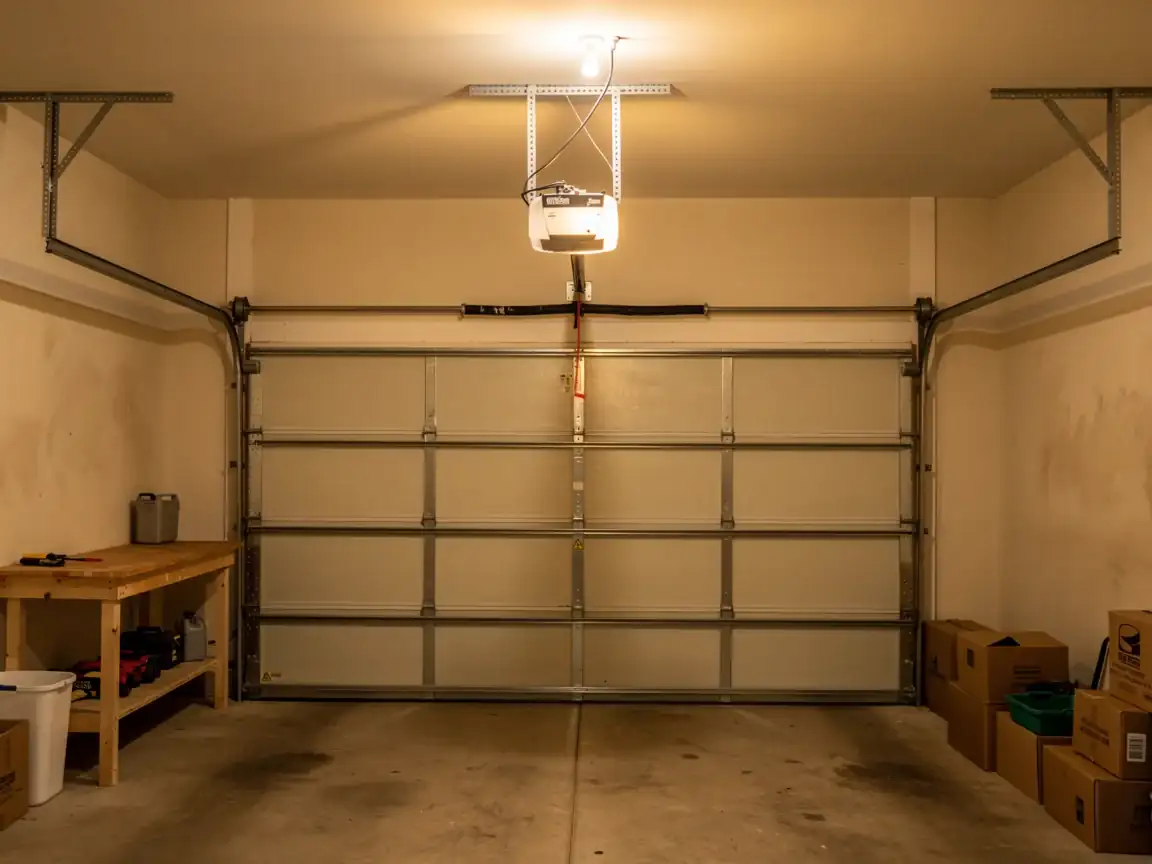
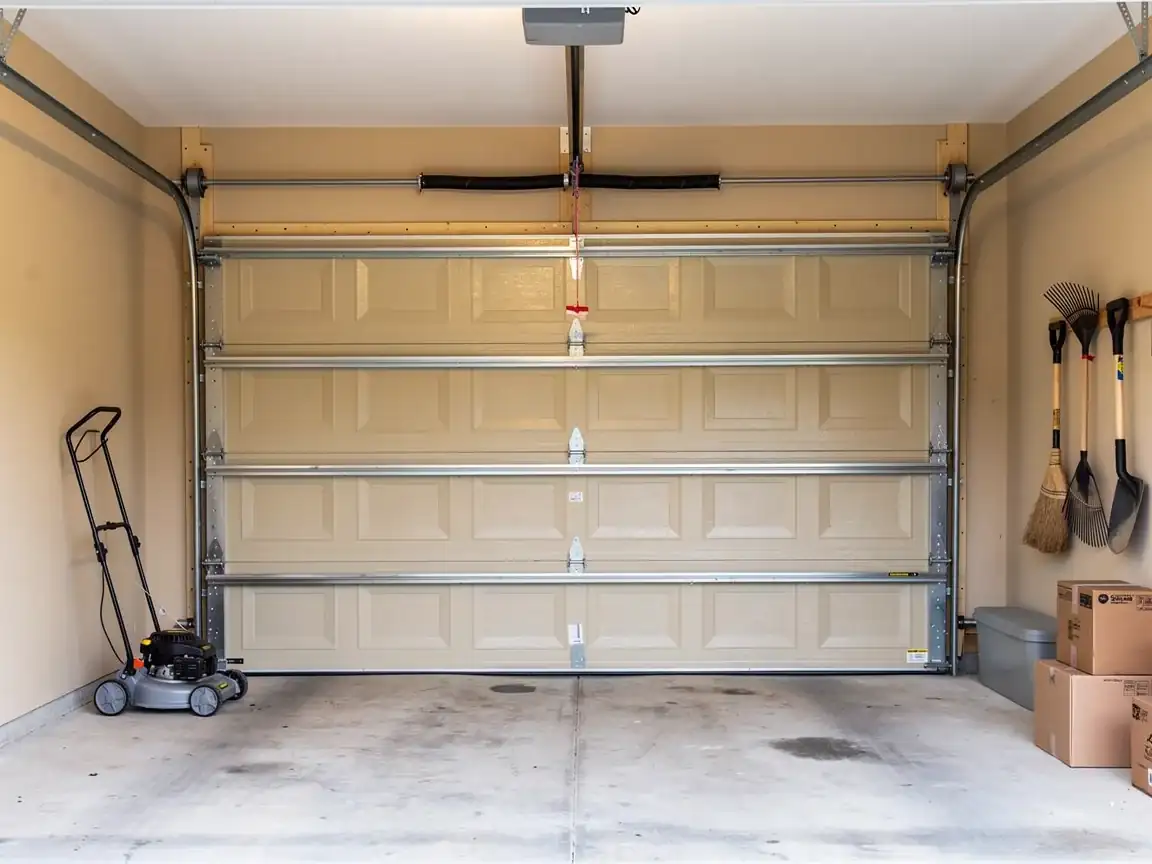
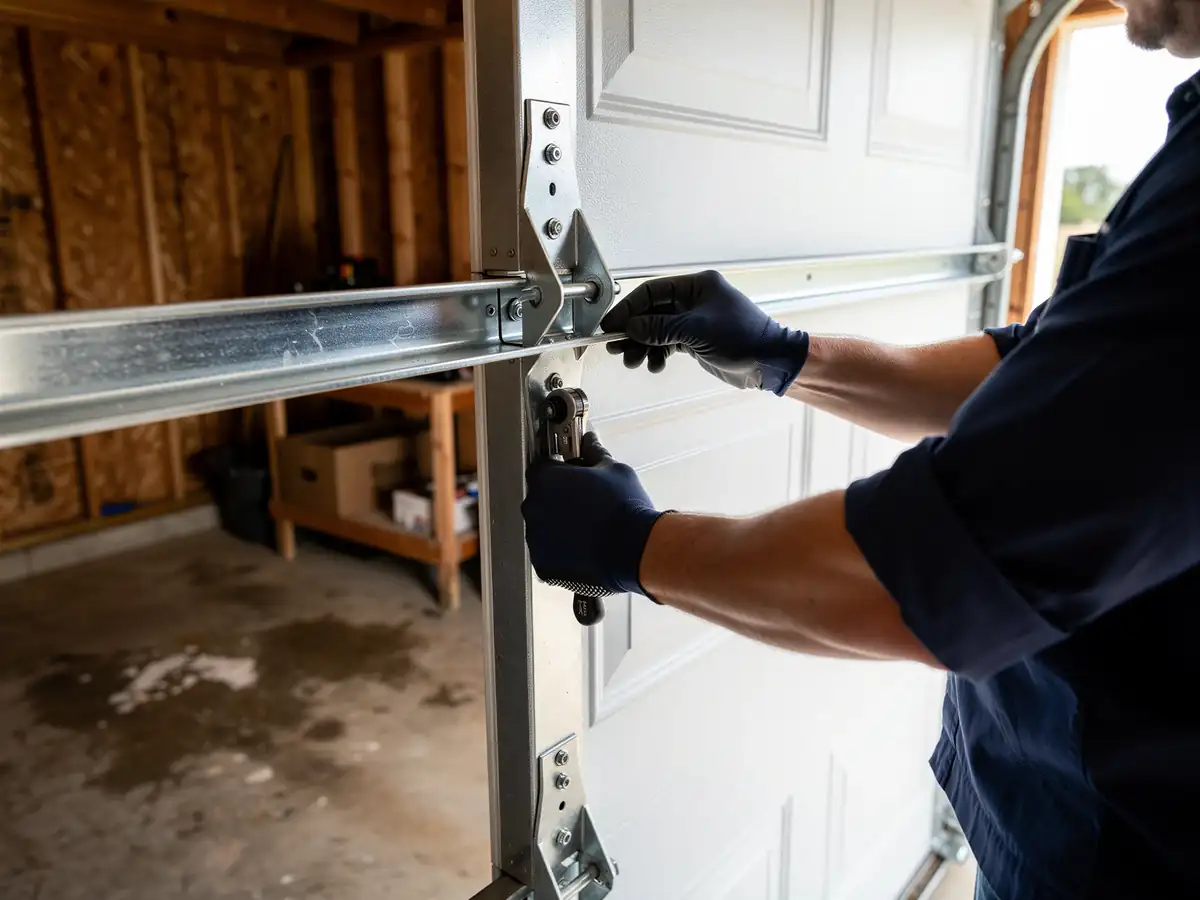
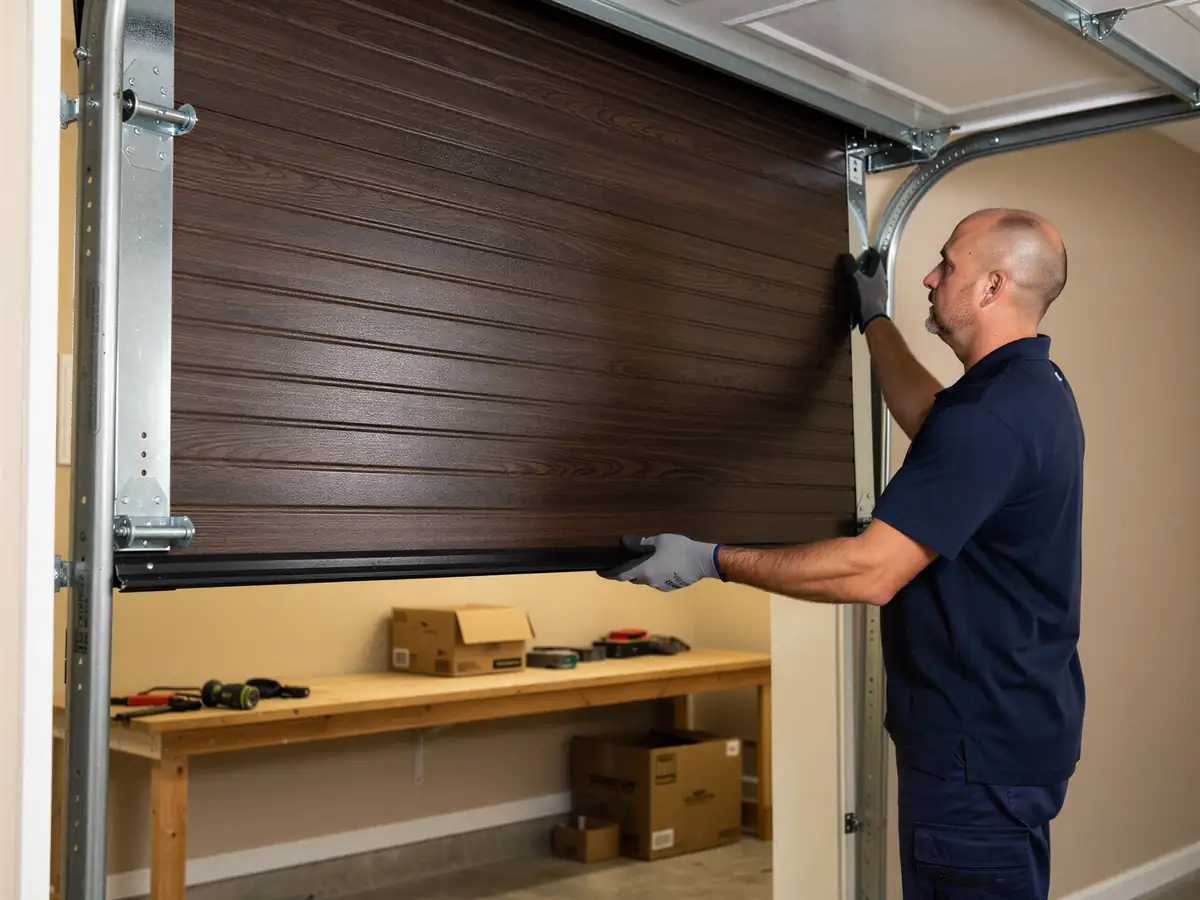
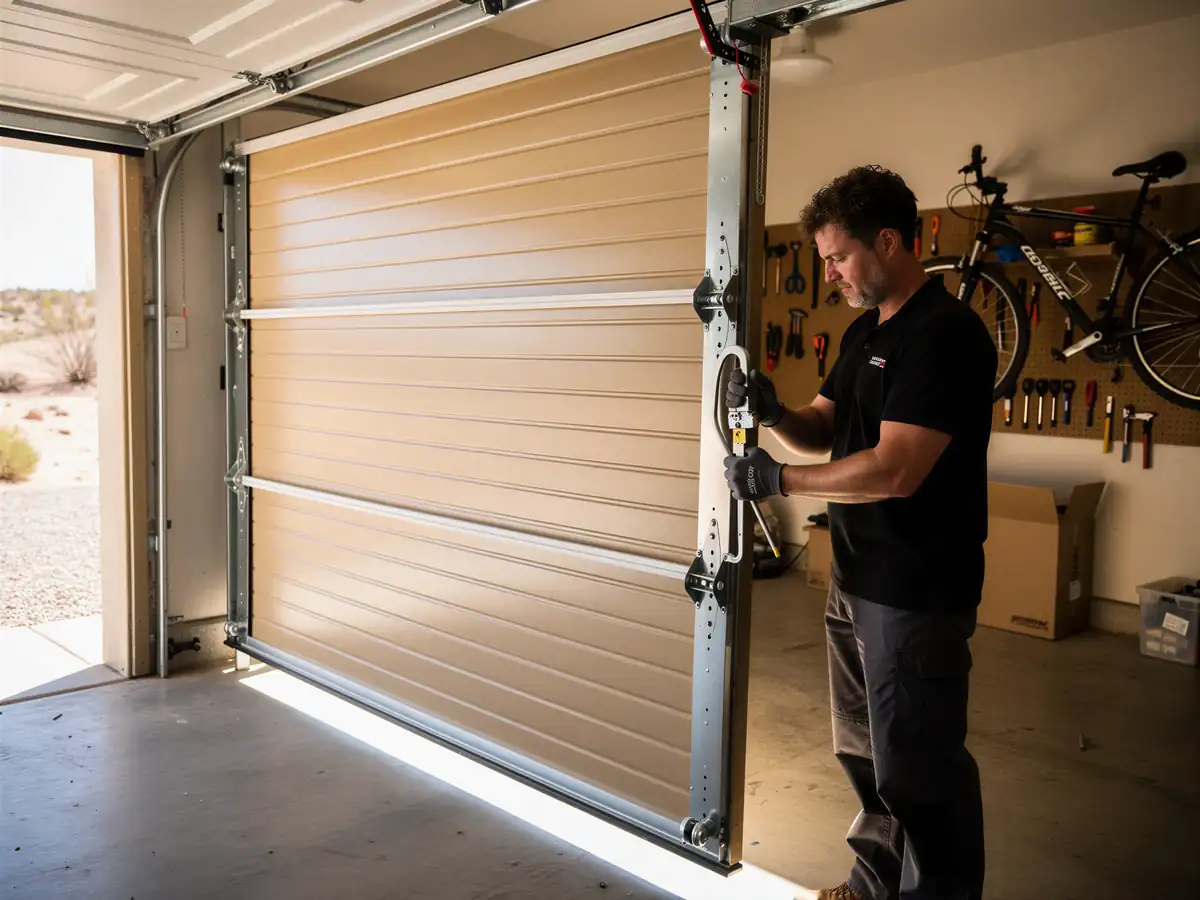
A standard installation starts with removing the old door, track, and springs, then checking the opening framing for square and for any rot or settling - more relevant in houses from the 1986 era than in newer construction. The new track gets mounted plumb, torsion springs get sized to the actual door weight (not just the door's listed spec), and the door goes up panel by panel with the hardware torqued to spec, not just snugged down. Opener installation, if you're getting one, is the last step, followed by setting travel limits and force settings so the door doesn't slam on a car bumper or stall halfway up. For a single door with no structural surprises, that's a one-visit job. Where it stretches is when the opening needs reframing or the electrical for the opener isn't already run to the garage - common enough in houses built before garage openers were standard equipment, which covers a chunk of homes from this town's main building period.