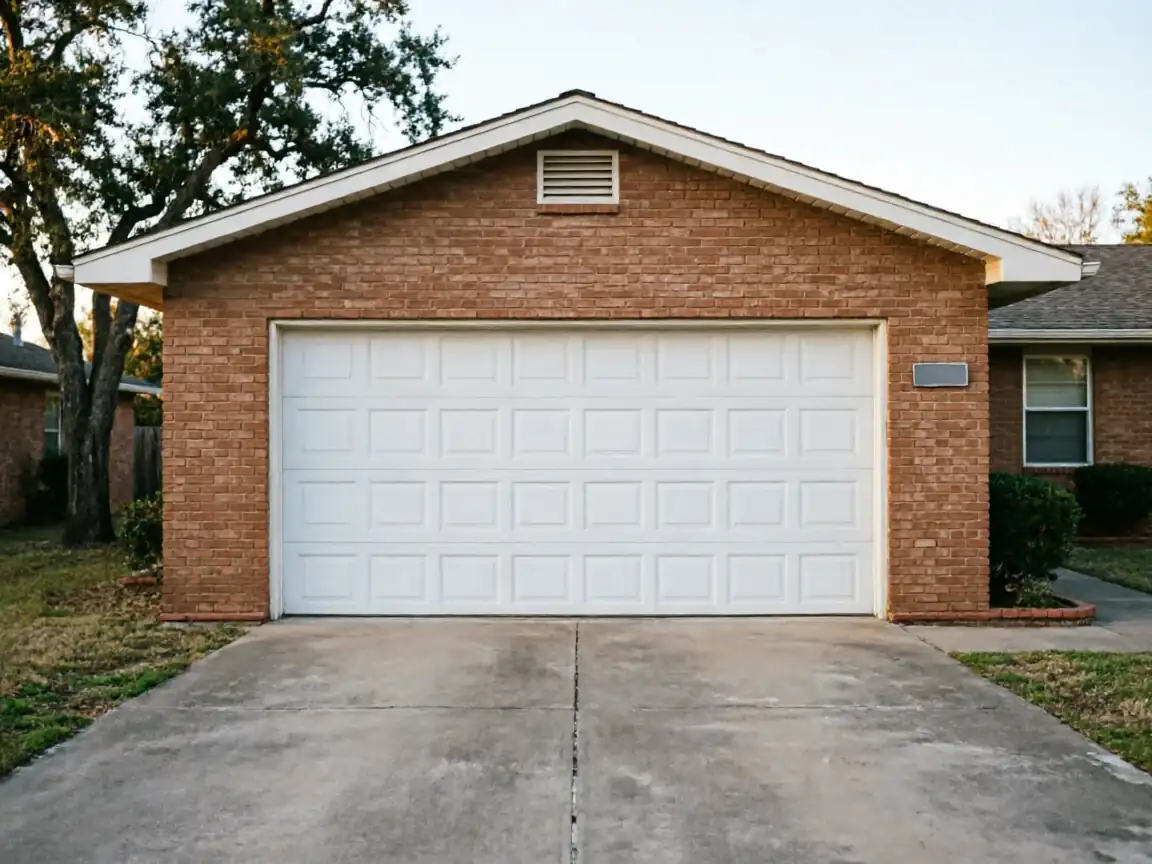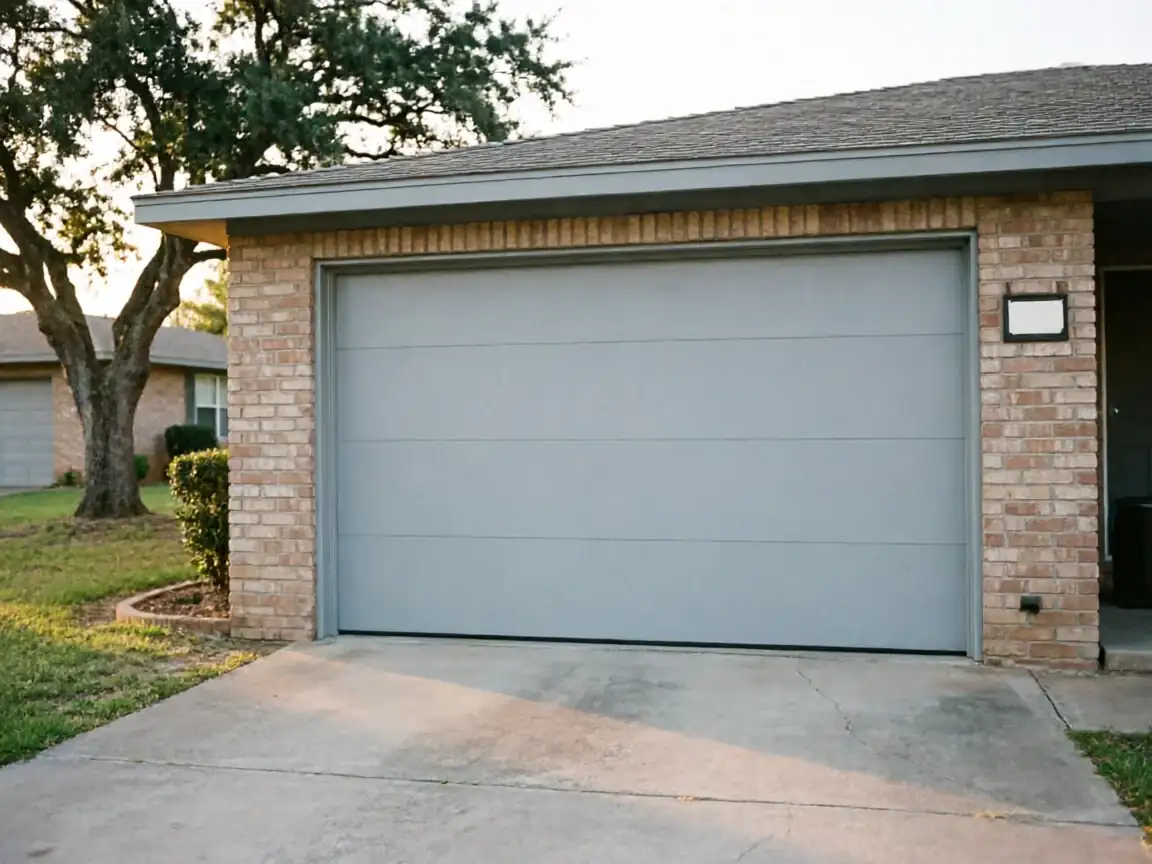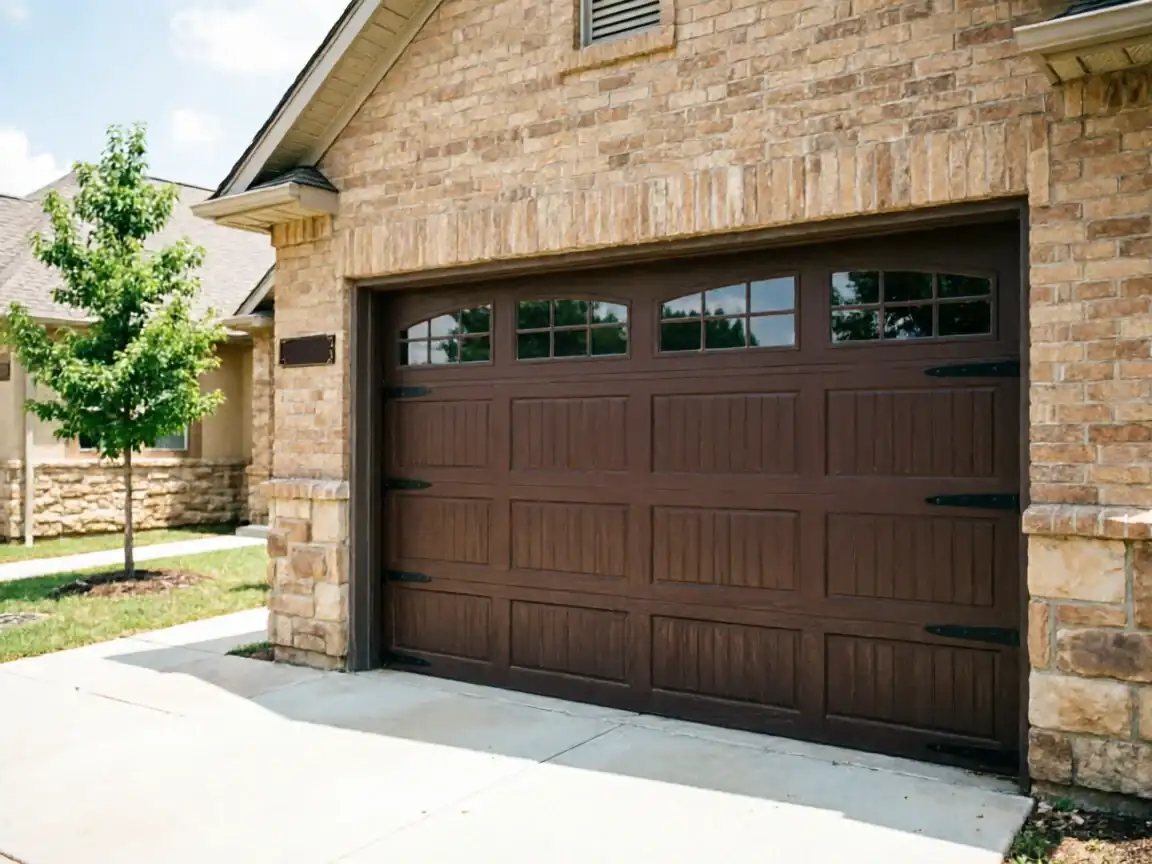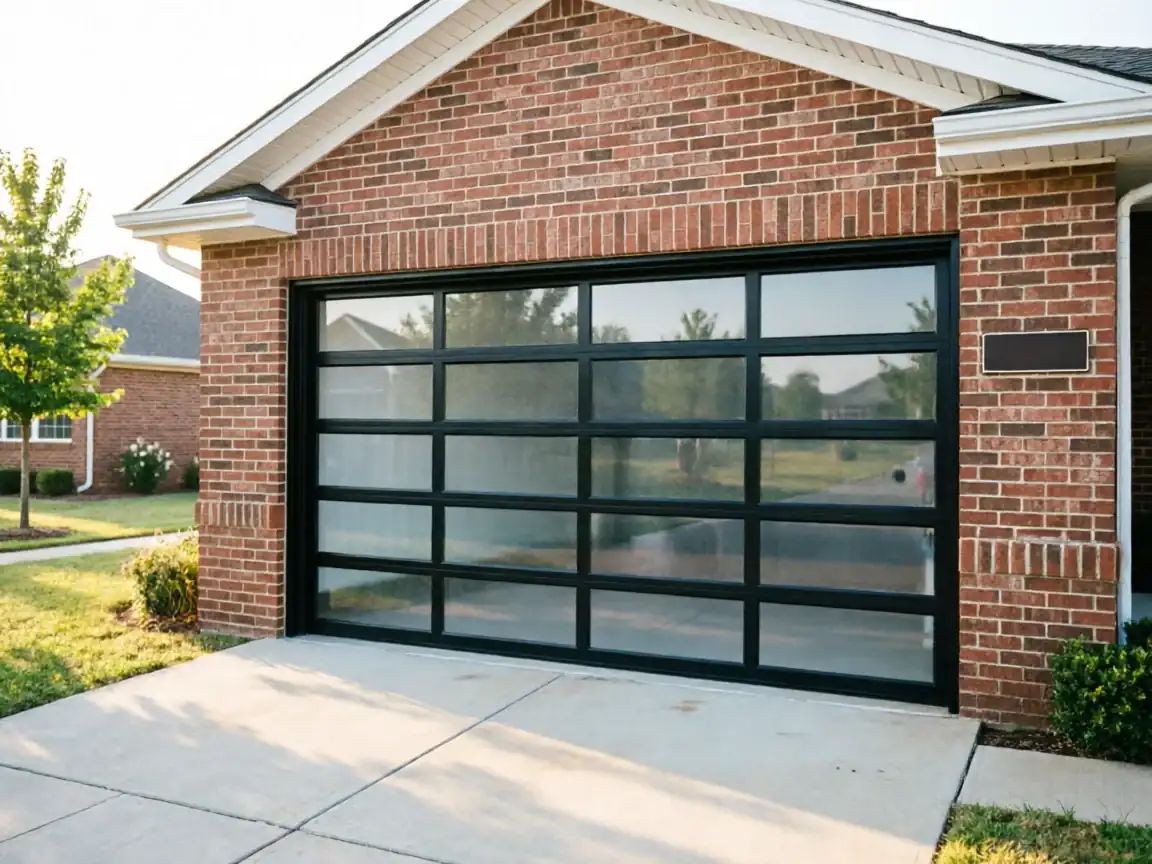
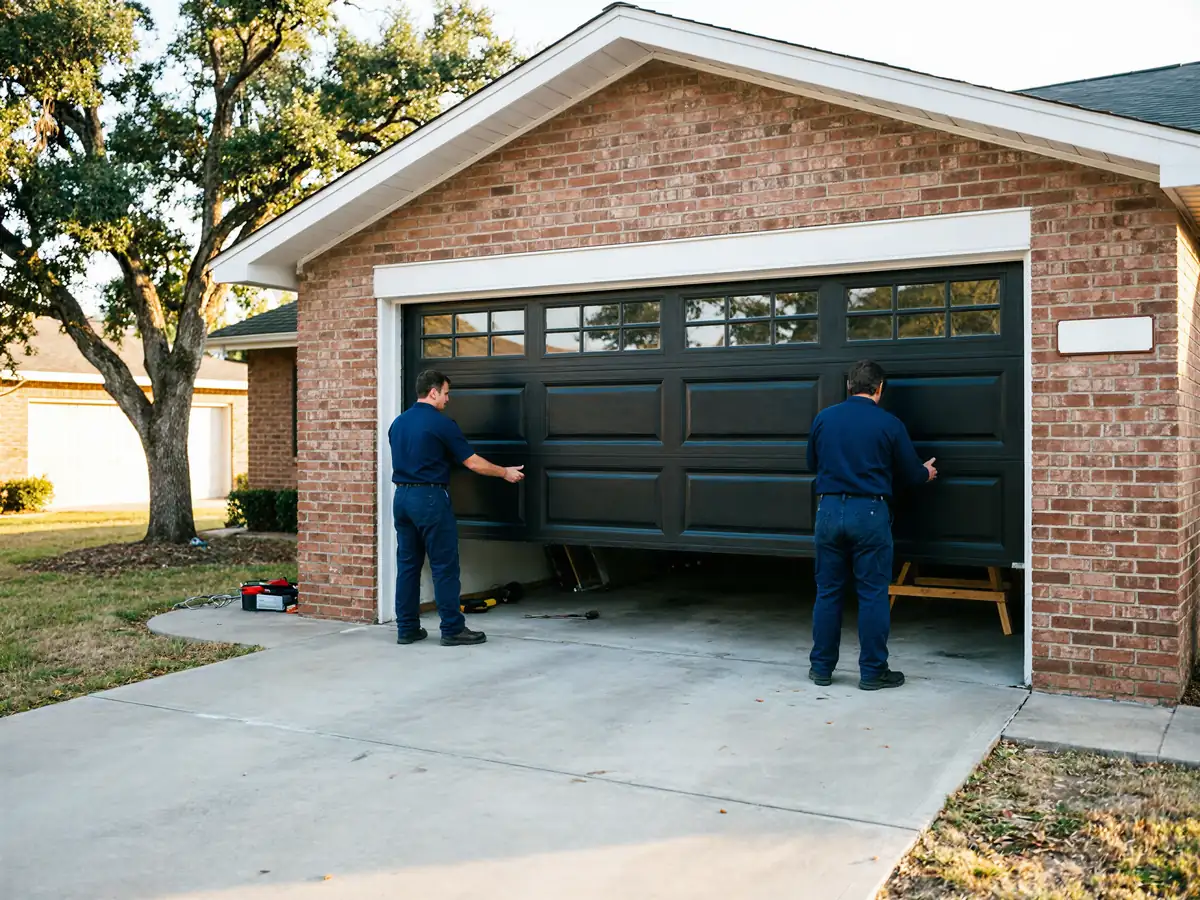
How Long You Are Without the Door
Because every job here runs from Waco, 18 miles up the road, panel work in Bruceville-Eddy isn't a same-hour fix the way it might be closer in. We quote the drive into the job, and we bring the panel stock we think we'll need based on what you tell us on the phone, because a second trip out costs you another 18 miles of waiting. If the color or the panel profile has to be special-ordered, the door sits with a damaged section longer than anyone wants, often braced or taped over until the part shows up. That's the honest tradeoff of being the house 18 miles out, not the house three streets from the shop.
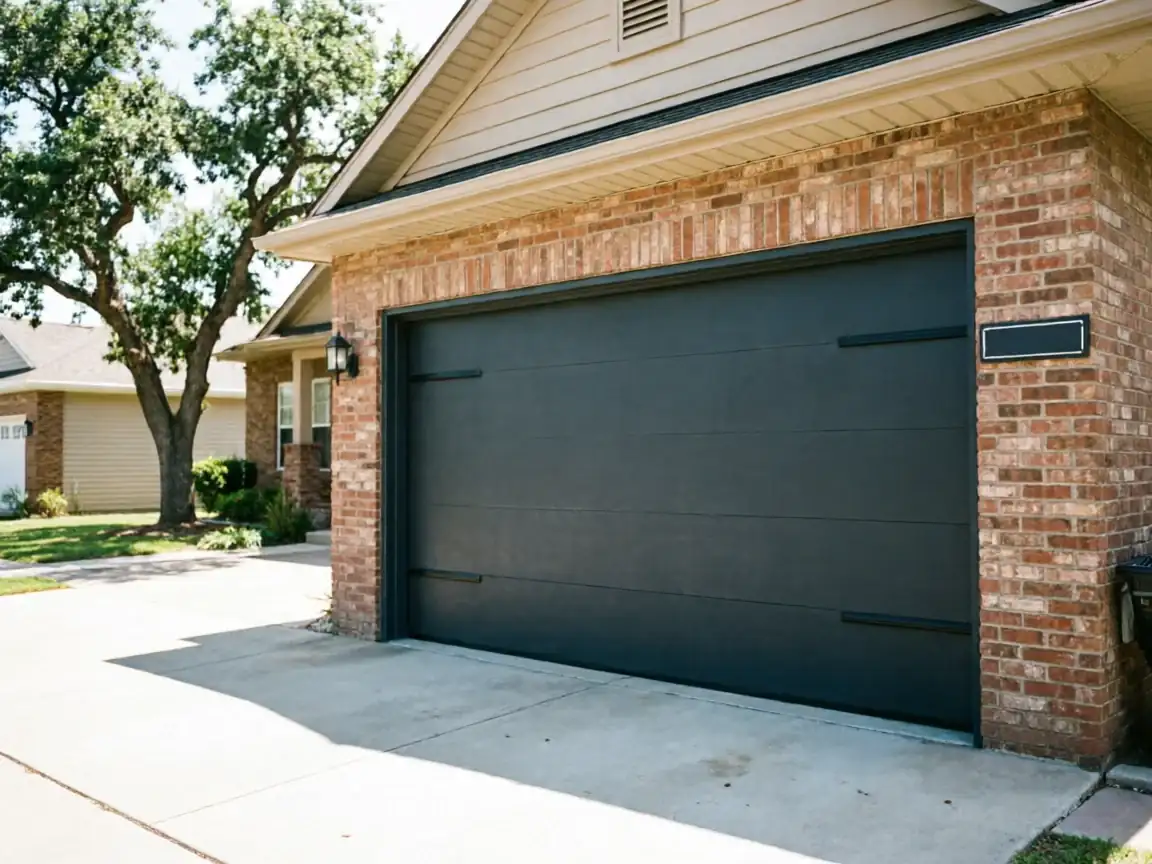
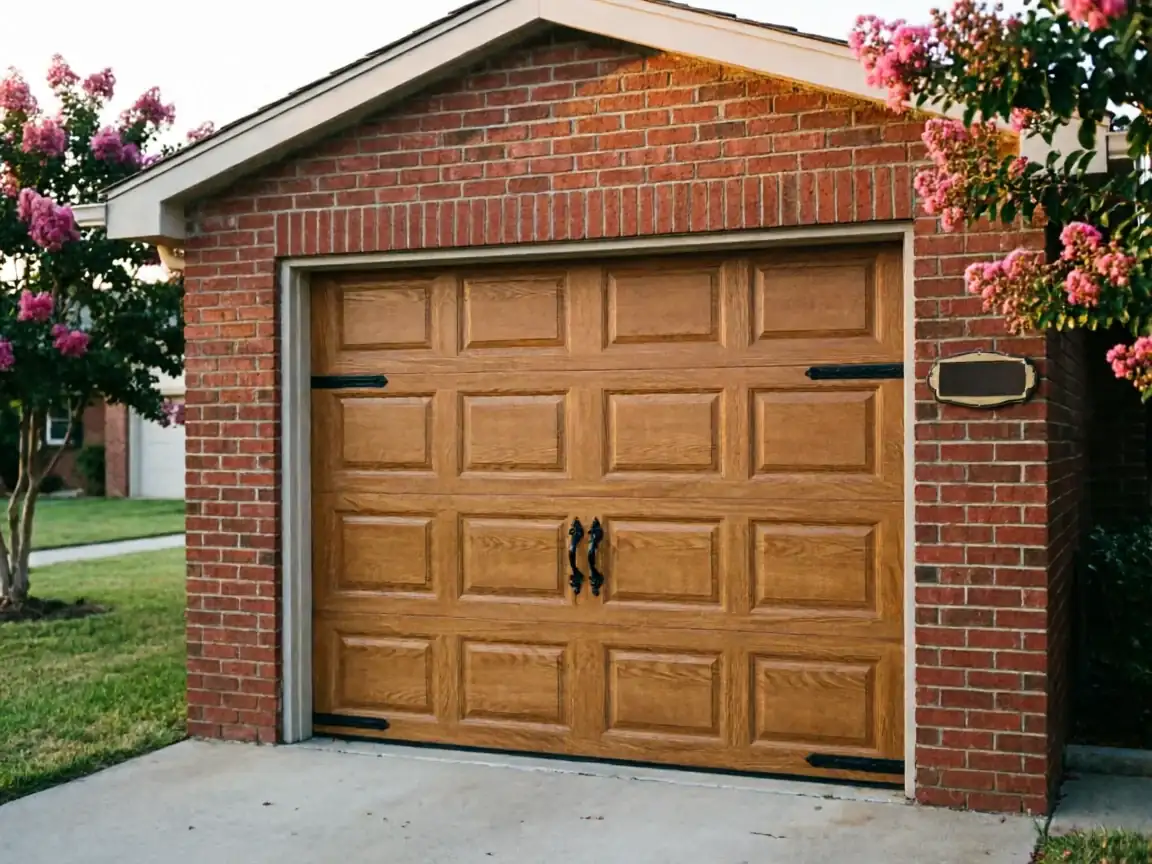
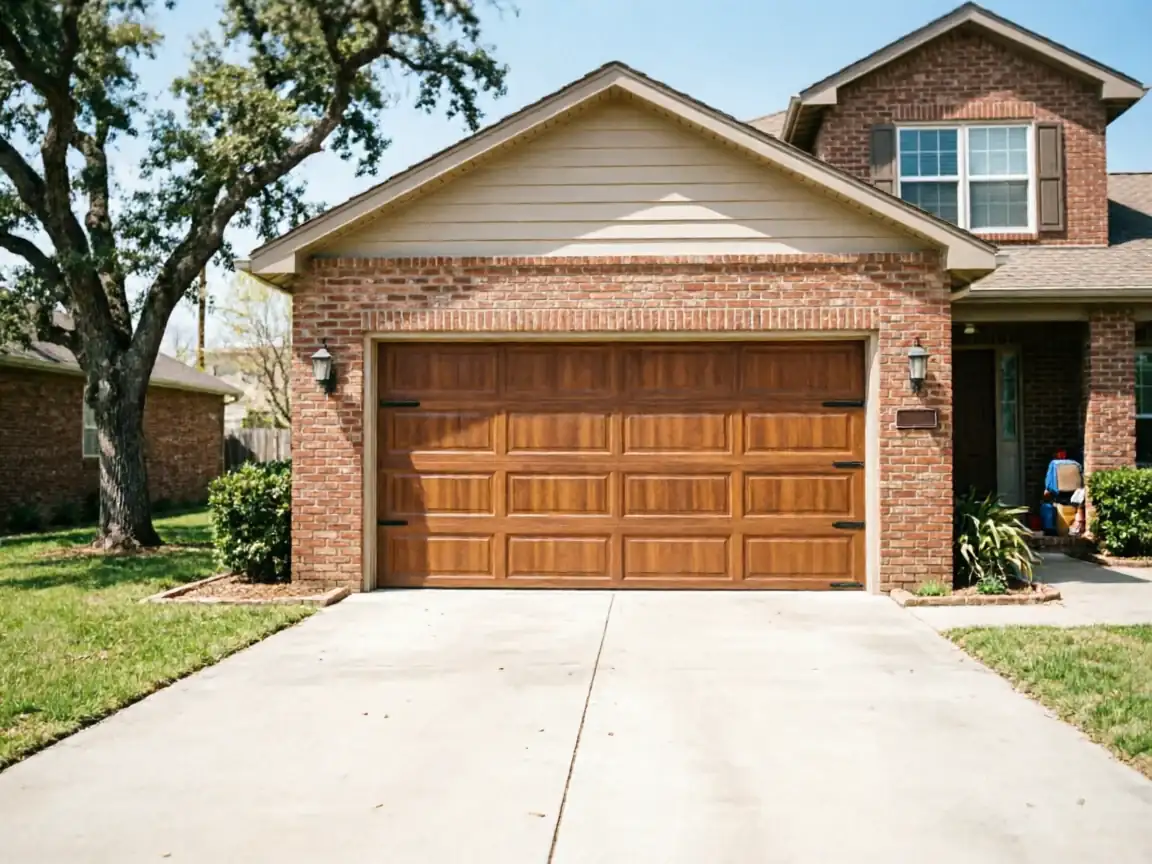
Most of the homes we see calls from here went up around 1986, give or take a few years either side, and that build era shapes how long the wait actually runs. A door built then is not getting a panel off a shelf at the big box store - it's getting one we either stock close to that size or order to match.
Why This Fails Locally
Bruceville-Eddy sits inside housing stock that's mostly 1959 to 1994, with a median build year right around 1983 for the wider service area and 1986 here specifically. That means a lot of doors are the older steel sandwich-panel style, sometimes single-layer, sometimes a thin foam core that's long since lost its grip on the skin. Dents don't pop back out clean on these like they do on a newer polyurethane-core door - the metal's thinner and the backing doesn't hold its shape the same way.
The moderate heat load this part of Texas carries also matters more than people think. Afternoon sun on a steel panel that's 35-plus years old has already baked the paint brittle in spots, so a routine ding - a mower, a bike, a trailer hitch - cracks the finish wider than it would on a newer door. That's the fault we actually see out here: not the panel failing on its own, but an old panel meeting one ordinary knock it can't absorb anymore.
Stocked Parts
We carry common steel panel sections and the standard hardware
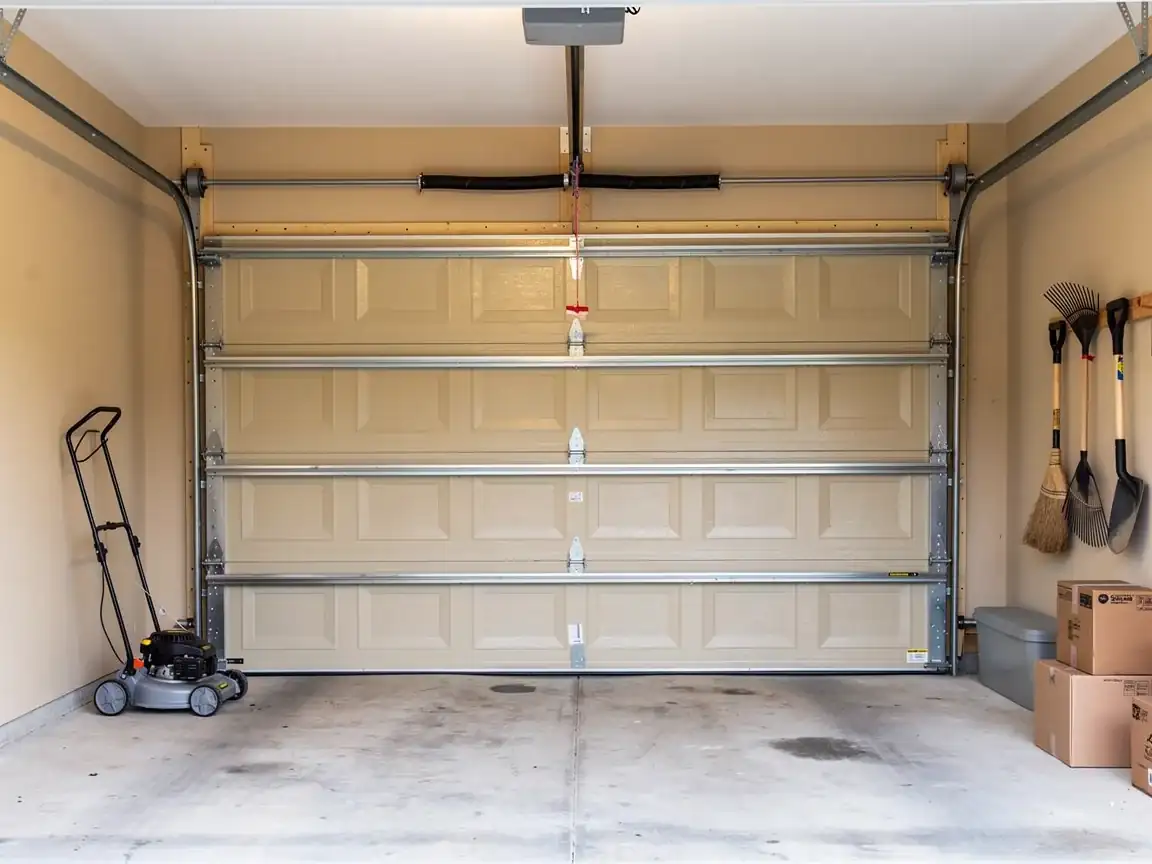
Hinges, end stiles, rollers - that fit the door widths typical of homes built through the 1980s and into the 90s across this service area. If your door is a size or ribbed profile that matches what's common in the 13 named communities we cover, there's a decent chance we're not ordering it from scratch.
Where we run into trouble is color match and discontinued panel styles
A door from 1986 may have a ribbing pattern or a panel height the manufacturer doesn't make anymore. In that case we're either matching the closest current equivalent, which can leave one section visibly different from the rest, or special-ordering, which adds real days to the job. We'll tell you straight which situation you're in before we book anything, not after.
Can You Do This Yourself
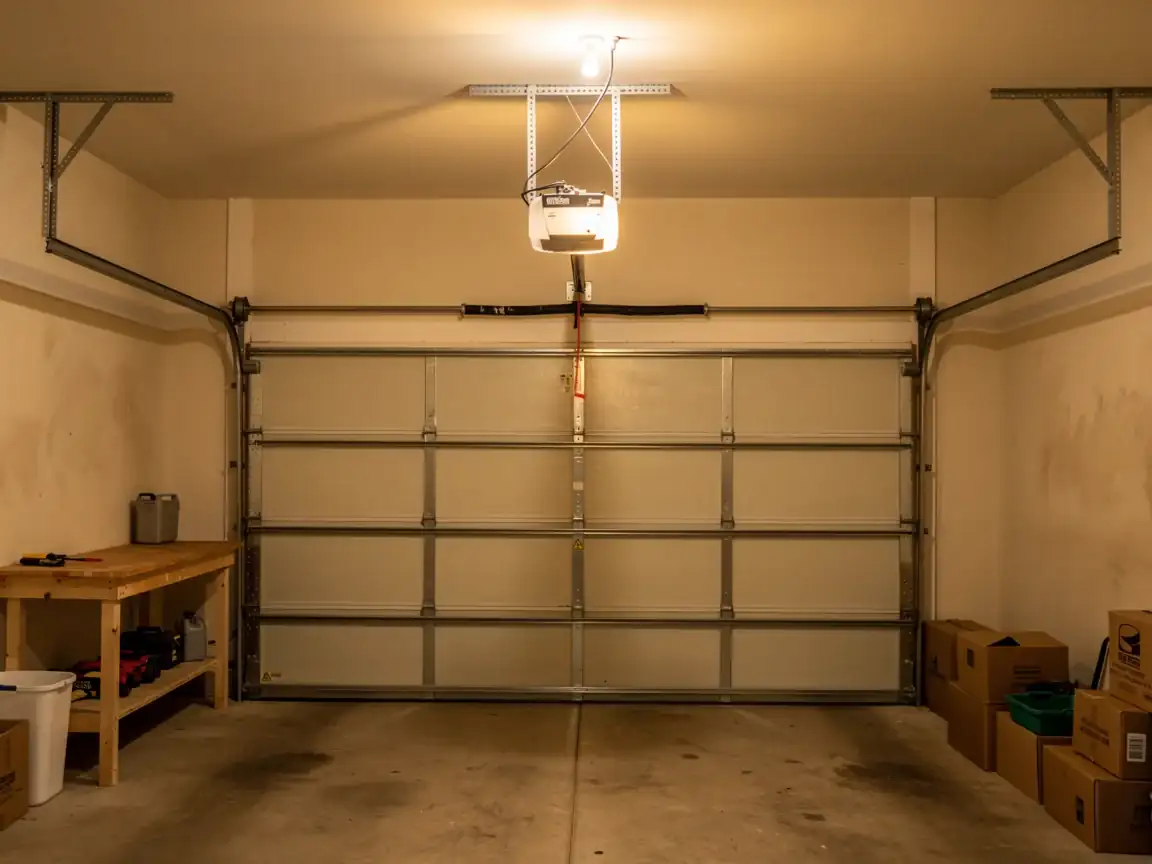
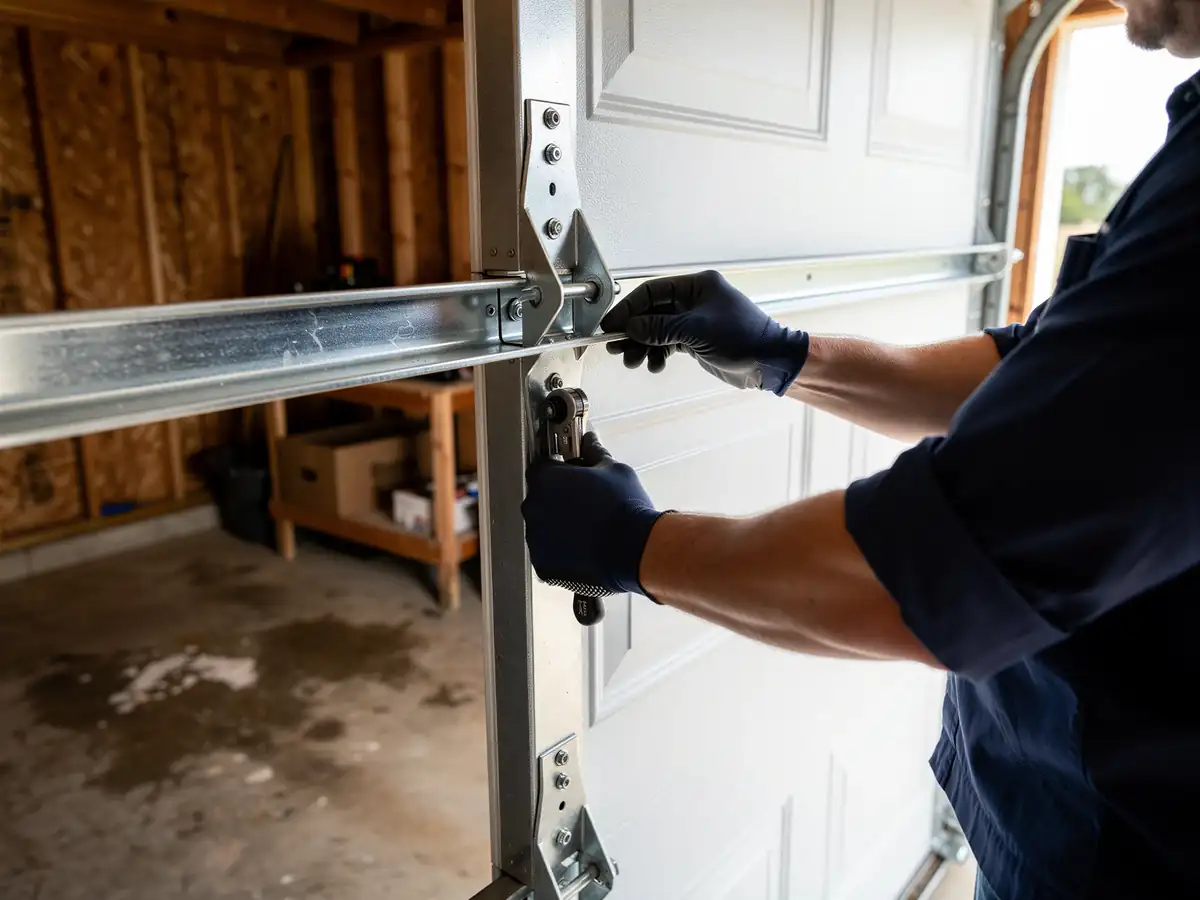
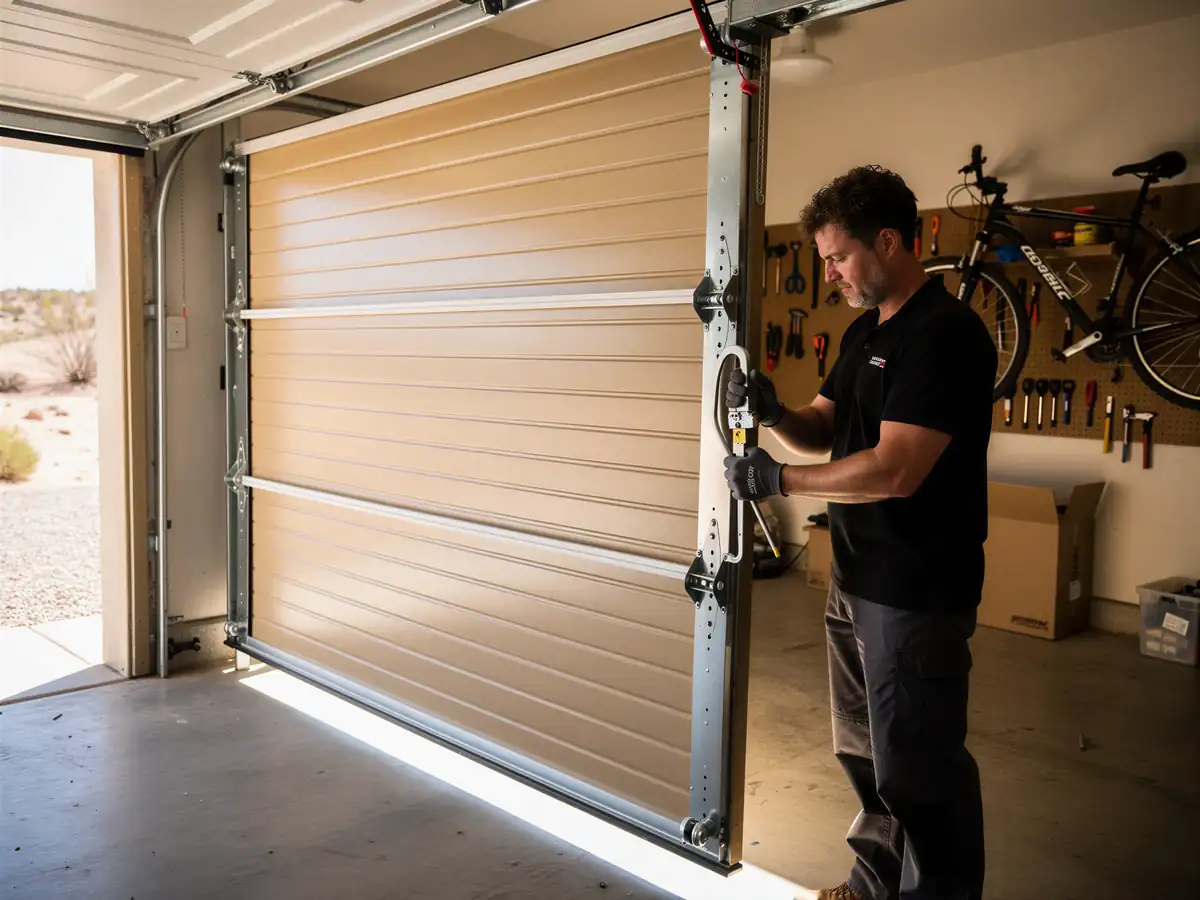
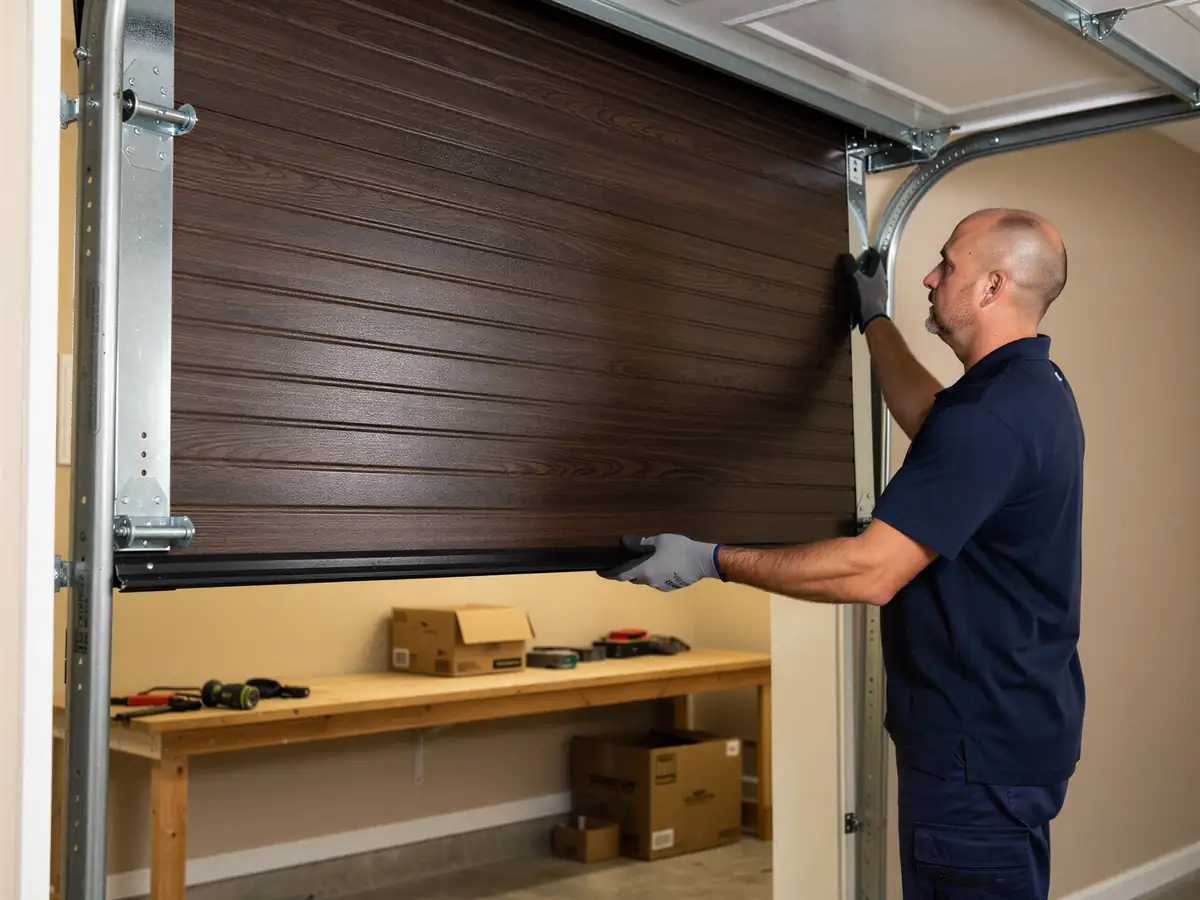
Swapping a single panel on a sectional door is within reach for someone comfortable with a drill and basic hand tools, if the door is unplugged from the opener and the springs are left alone. The panel itself bolts out at the hinges and end stiles.
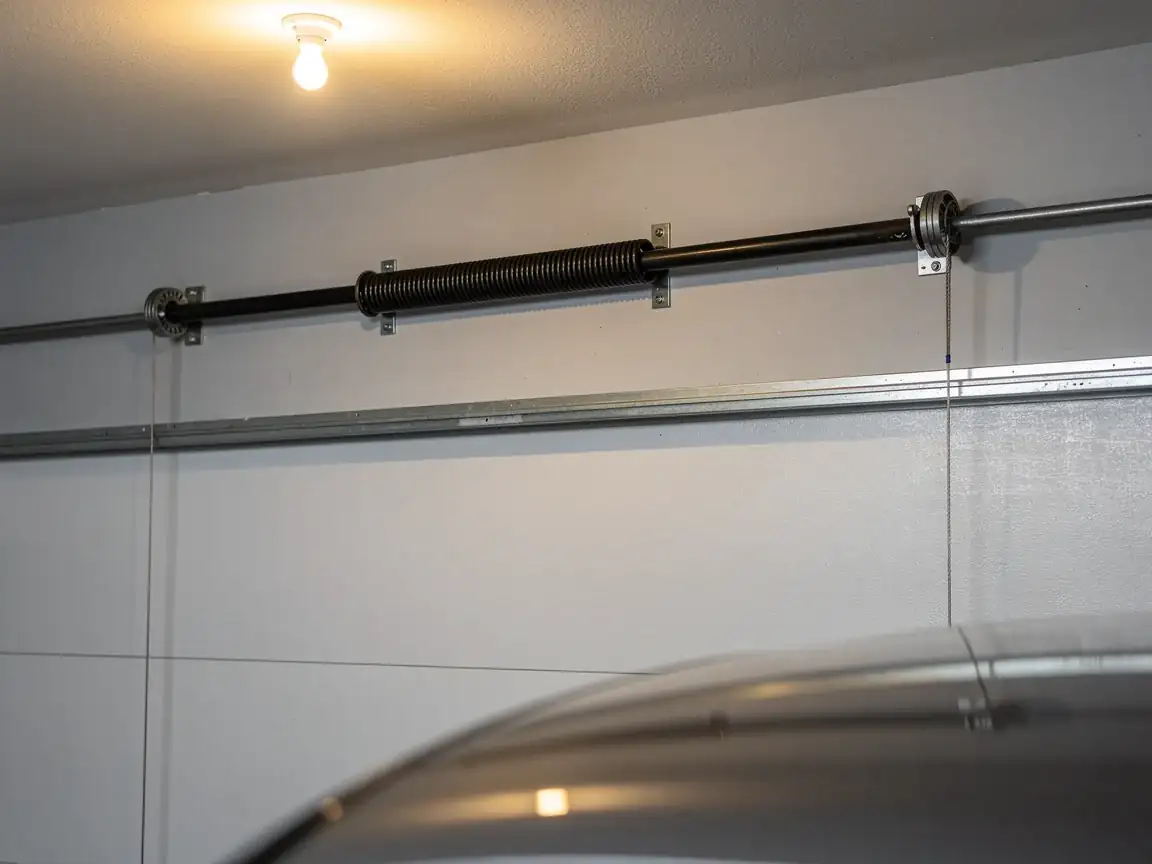
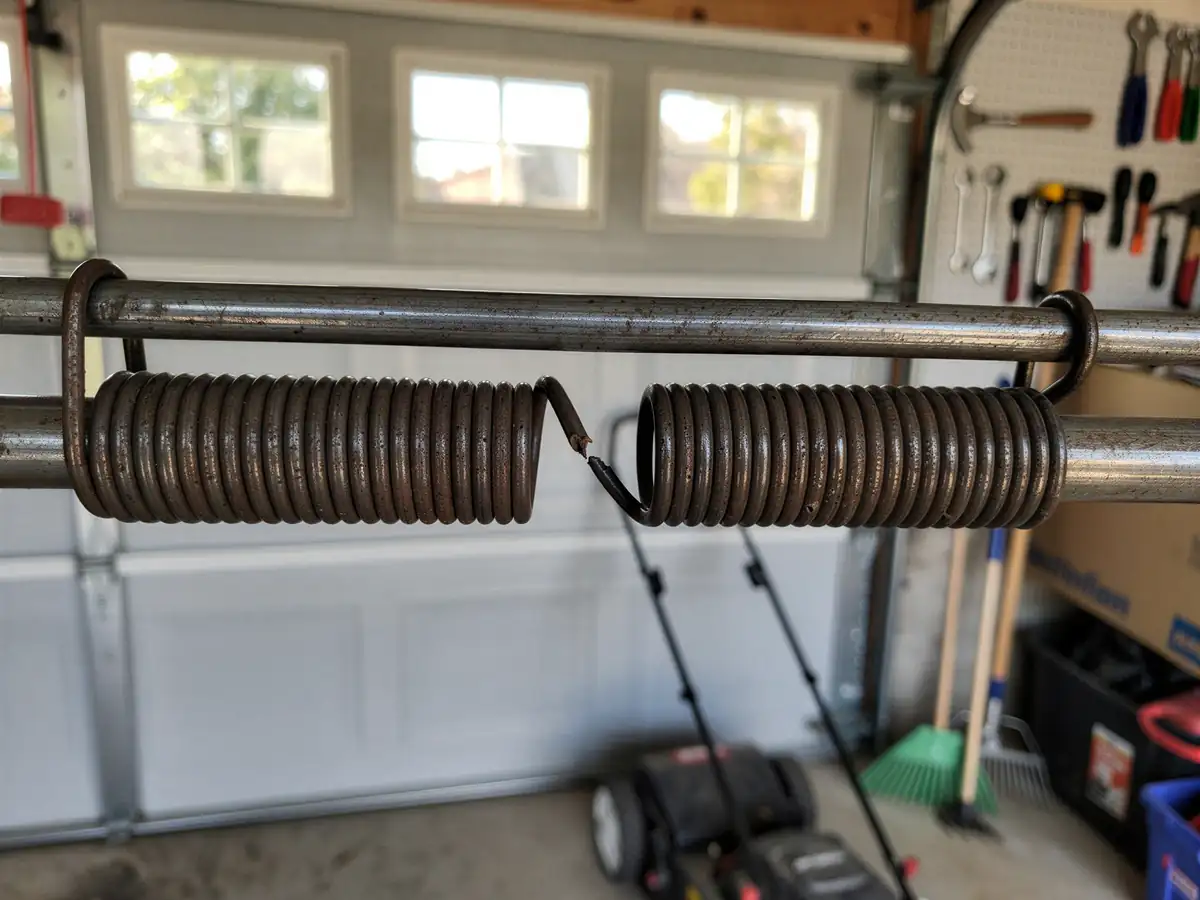
Where people get hurt is treating it as a spring job too. If the panel damage also bent a track or knocked a hinge out of alignment, the door's under spring tension in a way that isn't obvious until something lets go fast. We don't recommend DIY on anything where the track is bent or the door won't roll smooth by hand with the opener disconnected. That's the point where a panel job becomes a torsion spring call, and that's not a one-person task.
What the Repair Takes
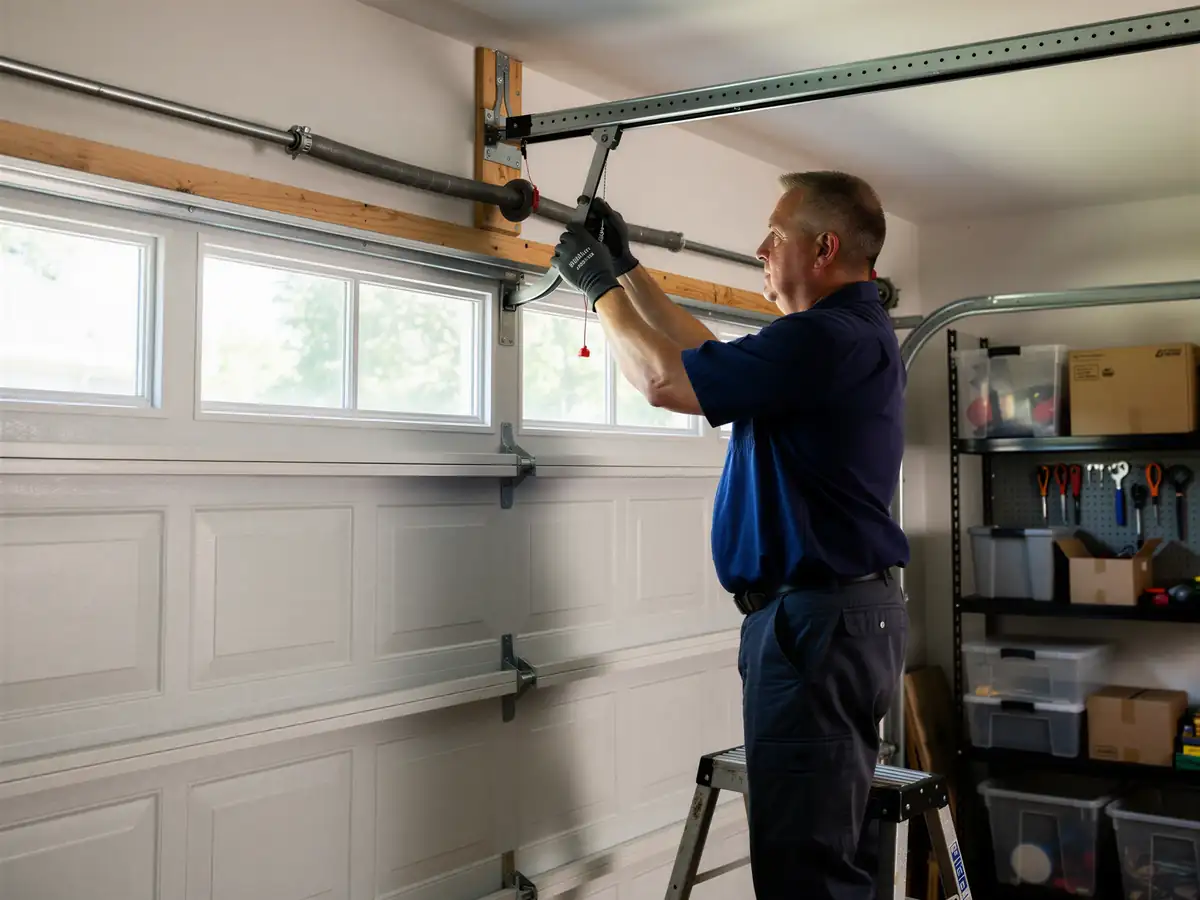
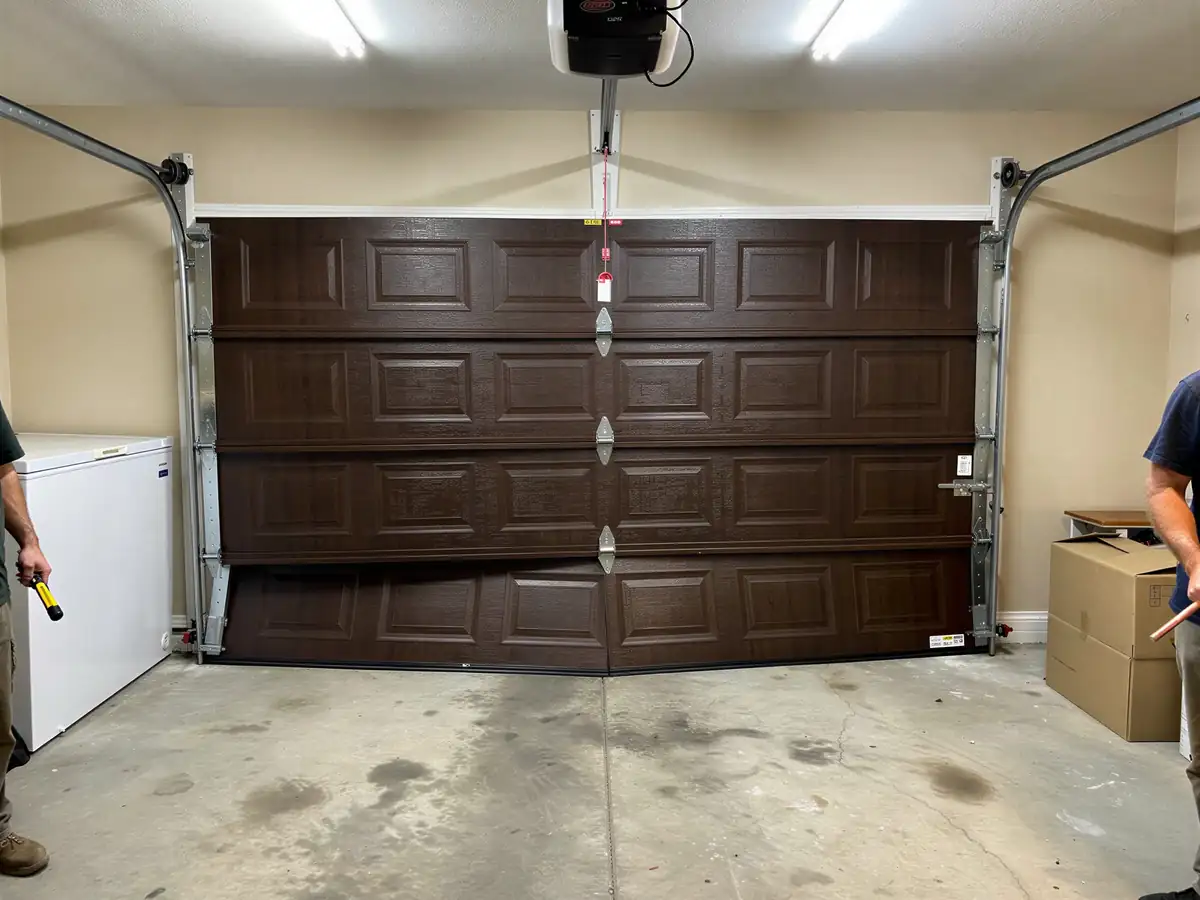
A straightforward single-panel swap, once we're on site with the right part, is a few hours: unbolt the damaged section, transfer hinges and rollers to the new panel, rehang, and check the door tracks true with the opener reconnected. Two damaged panels on the same side usually means the track took the hit too, and that adds inspection and possibly a track realignment to the visit.
The variable that actually controls your timeline is the panel itself, not the labor. If we're matching a steel section common across 1980s-era doors, the job is fast once parts are in hand. If we're ordering a discontinued style or color for a door from that same build period, the wait is on the supplier, not the wrench time.
Where This Job Goes Sideways
The job gets complicated when the damaged panel sits at the bottom of the door and the bottom brackets or cables got bent in the same impact
Now you're not replacing a panel, you're also re-tensioning cable and checking the bottom roller track, which takes longer and costs more than the panel alone. It also goes sideways when someone's tried a DIY panel pop-out first and the end stile cracked in the process, which turns a one-panel job into a two-panel job.
One honest limitation
If the door is old enough and damaged enough across multiple panels, replacing section by section stops making sense financially. At that point we'll tell you straight that a full door replacement is the better money, even though that's a different job than what you called about.