Stocked Parts
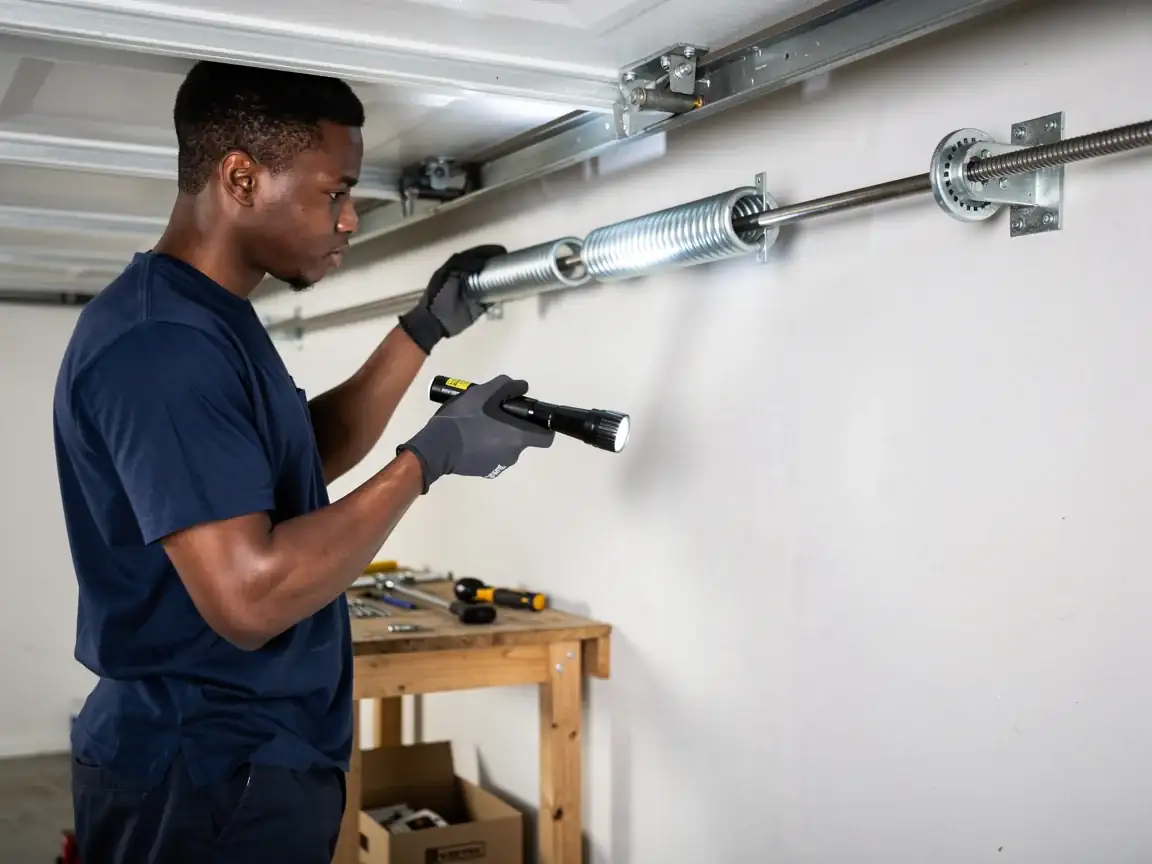
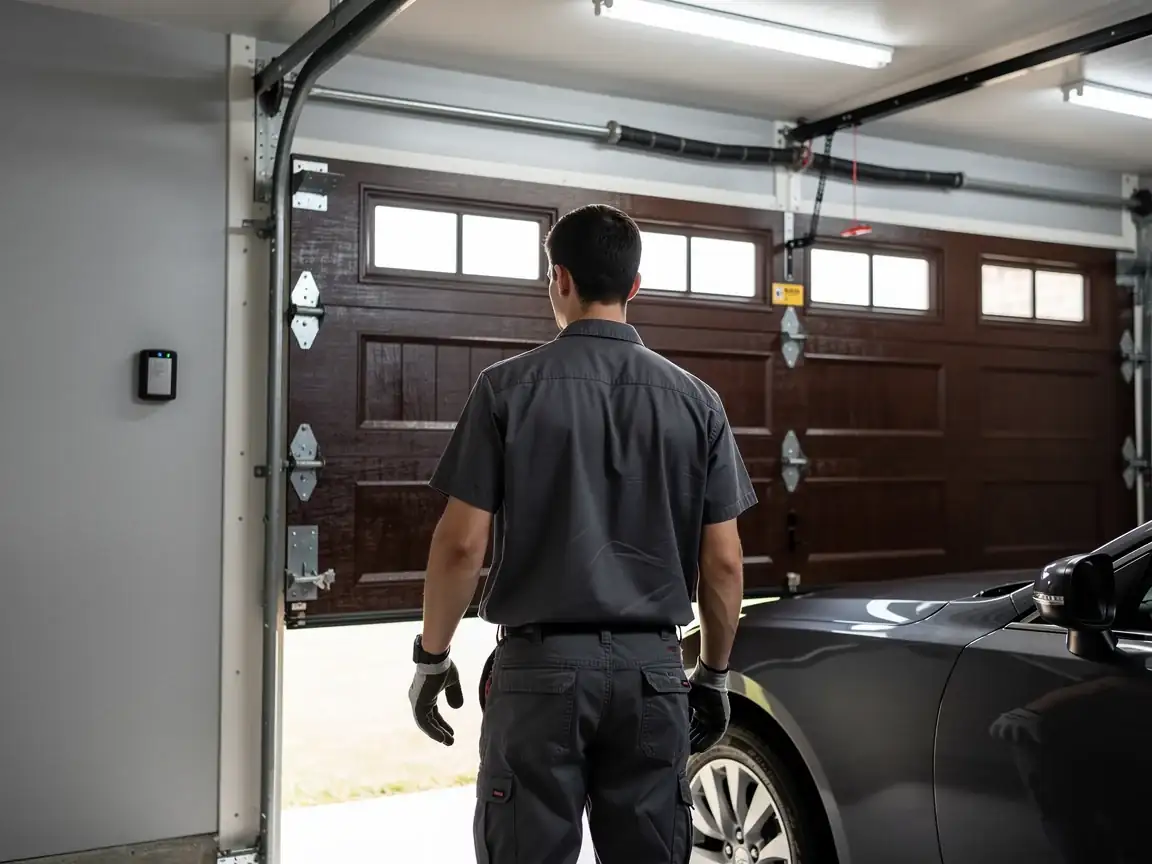
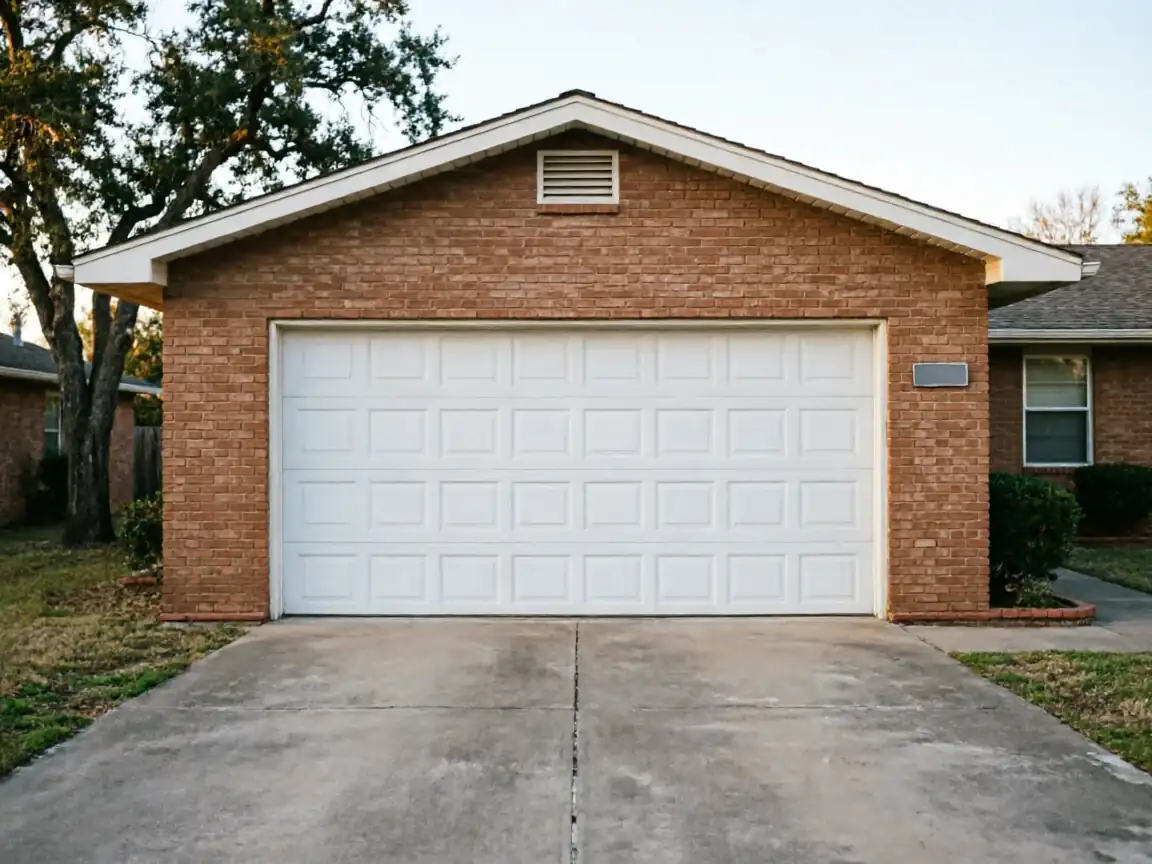
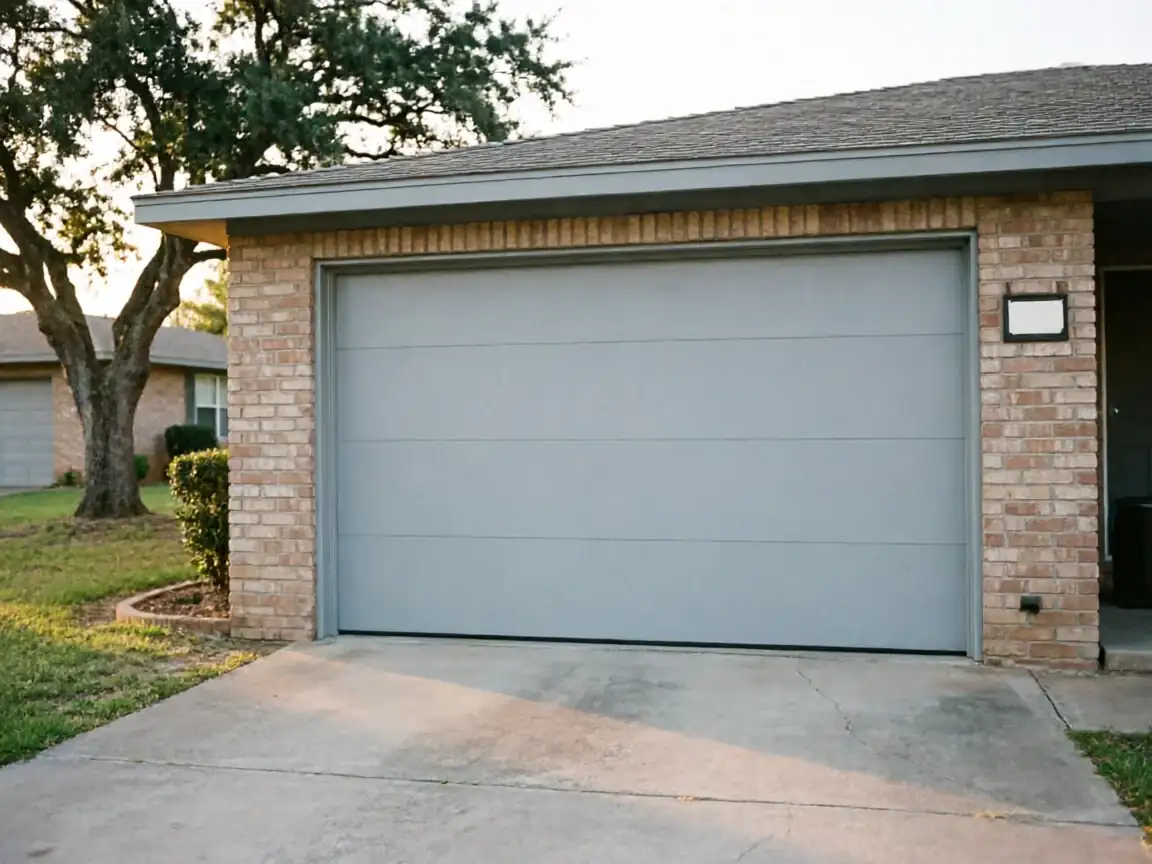
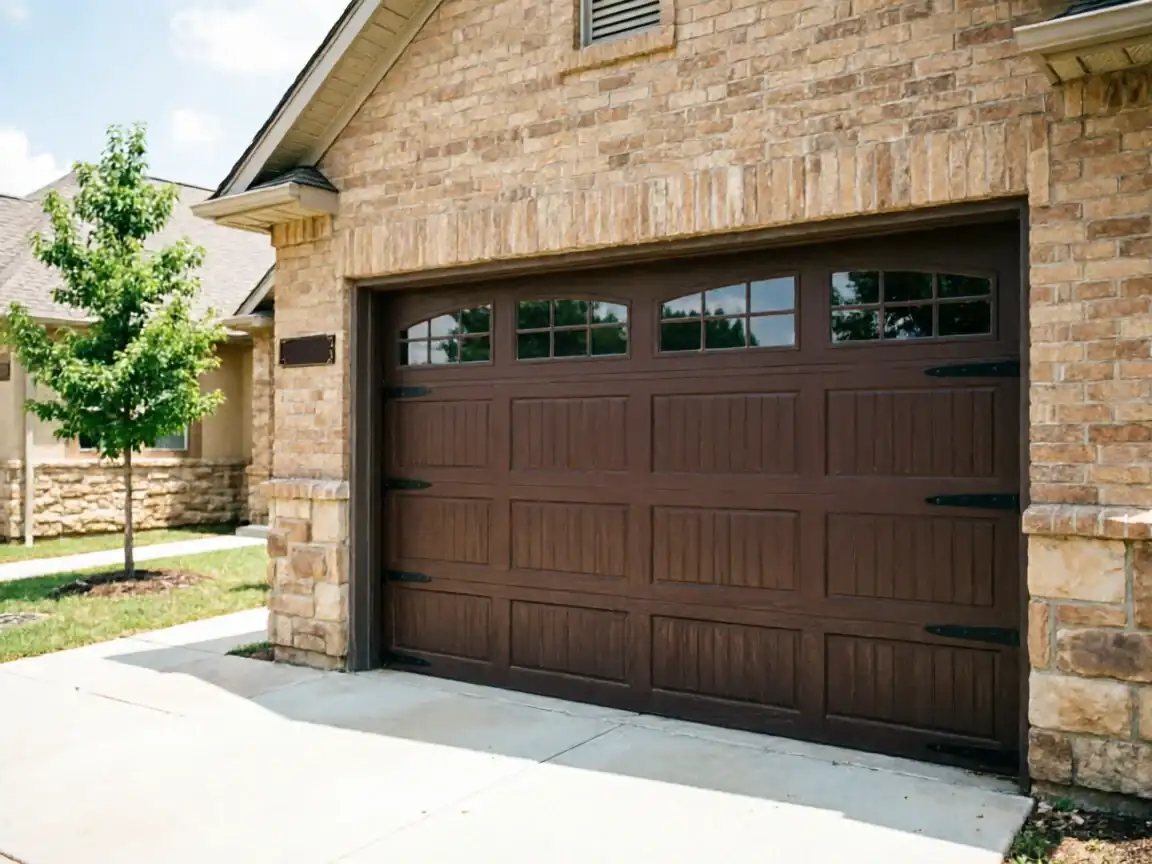
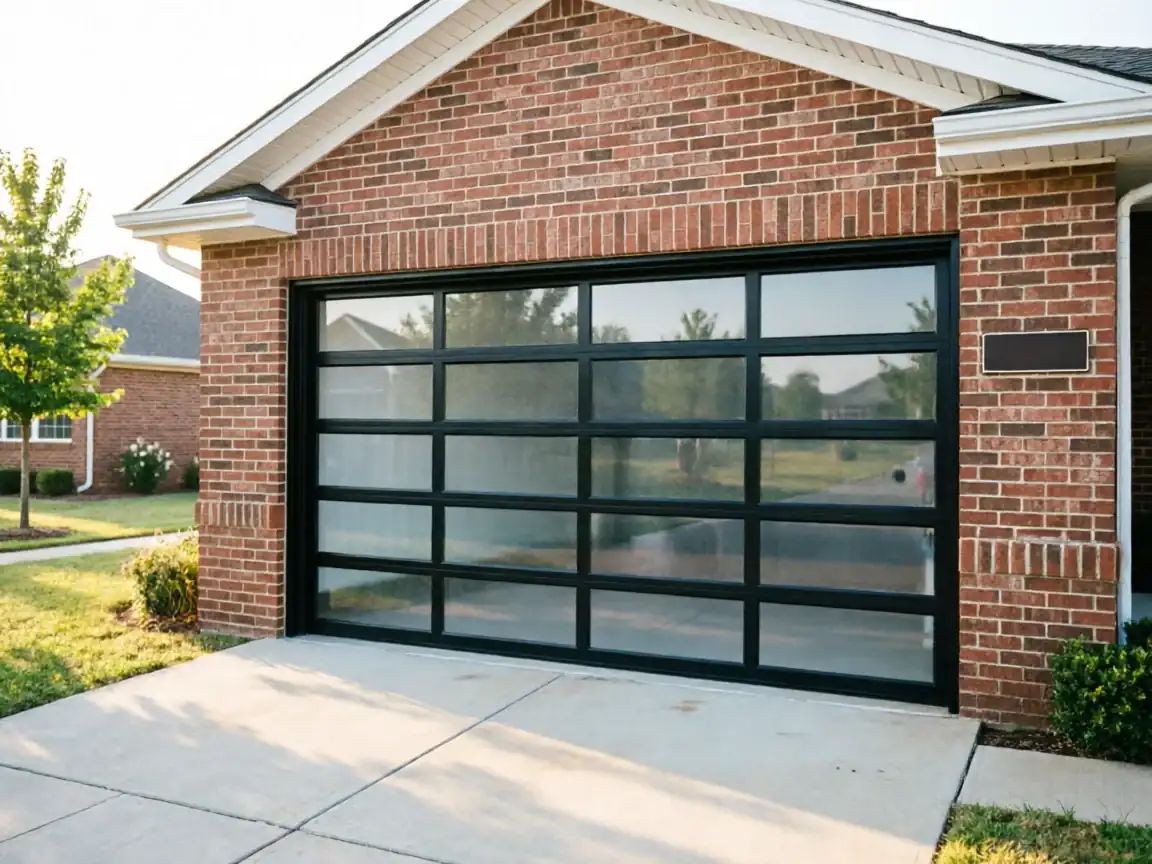
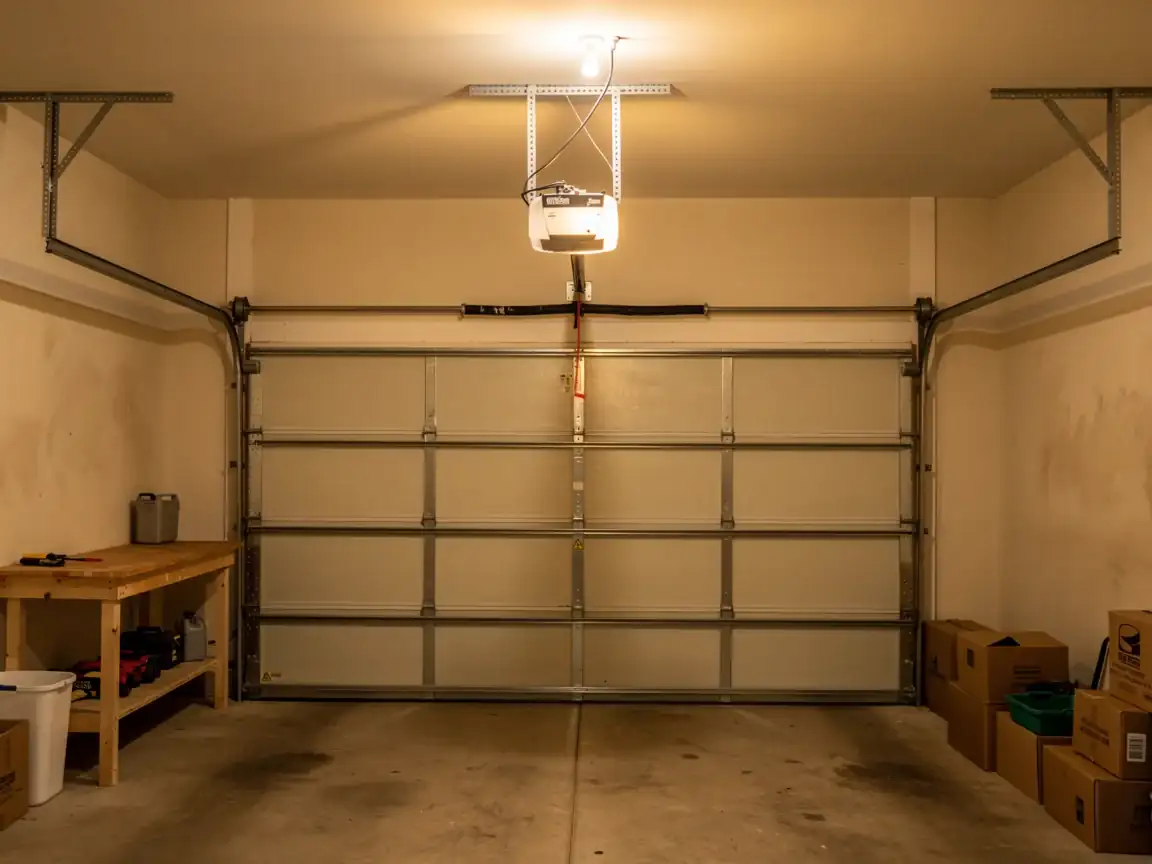
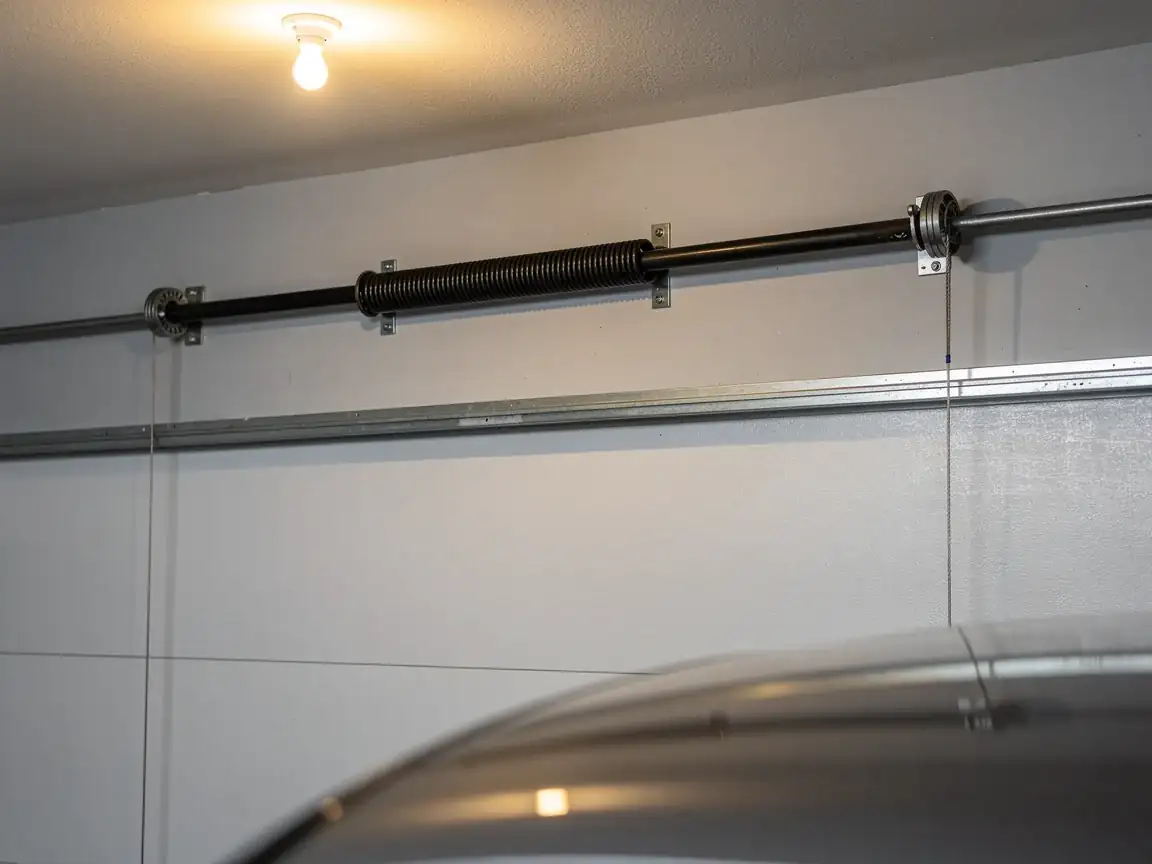
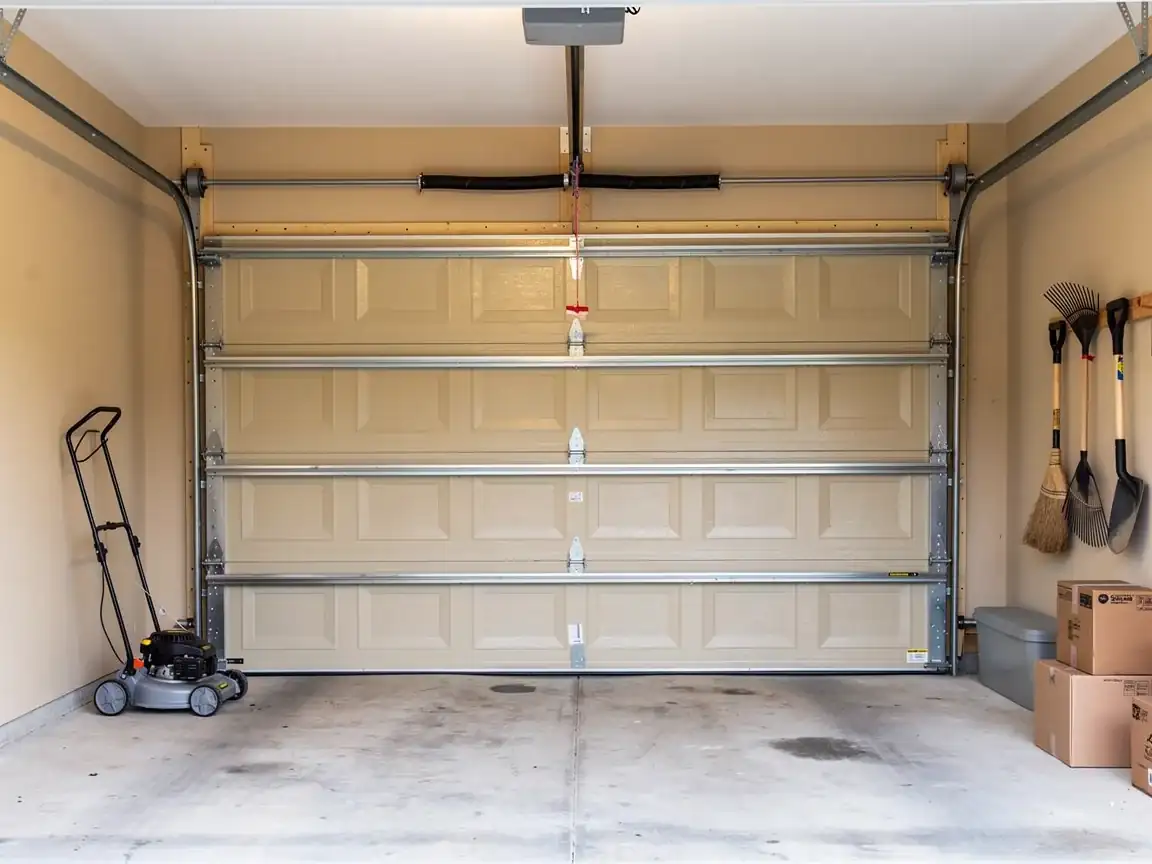
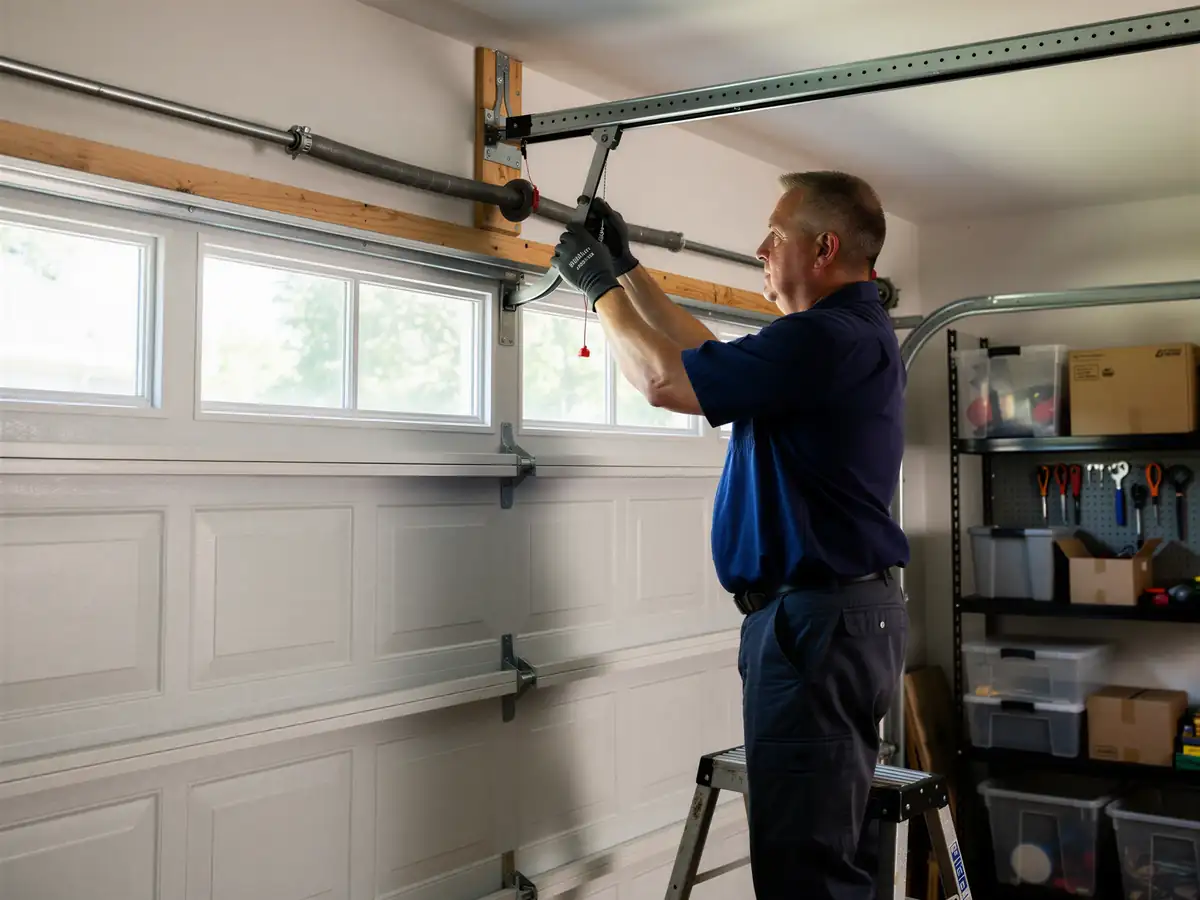
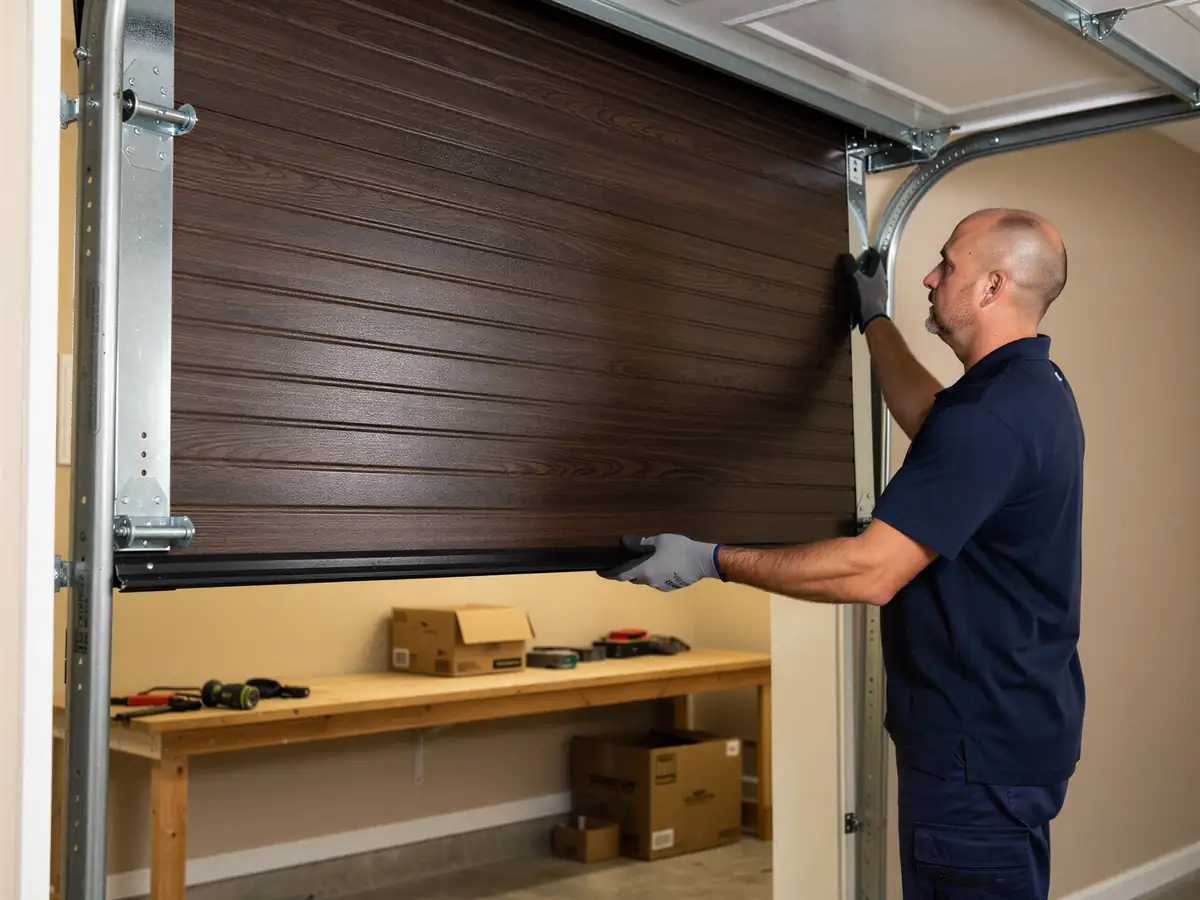
Hewitt sits on the newer end of the service area's housing stock, with a median year built around 1994, a good decade past the service area's overall median of 1983. That matters for what's on the truck. Most doors out here are factory steel sectional units on torsion spring hardware, paired with openers from the chain-drive and early belt-drive generation rather than the older extension-spring setups you still find on the pre-1980 side of the service area. We carry the rollers, cables, and torsion springs sized for that stock as a matter of course. Where it gets harder is anything genuinely original to a house built right at the start of that window - some of the early-90s opener logic boards and matching remote frequencies aren't something we keep on the shelf, and those can mean a short order wait rather than a same-visit fix. That's not a Hewitt problem specifically, but it's the honest limitation worth naming before a tech is standing in your driveway. For the bulk of homes here, though, the parts match what we already carry for 1980s-90s stock across the wider area.
How Long You Are Without the Door
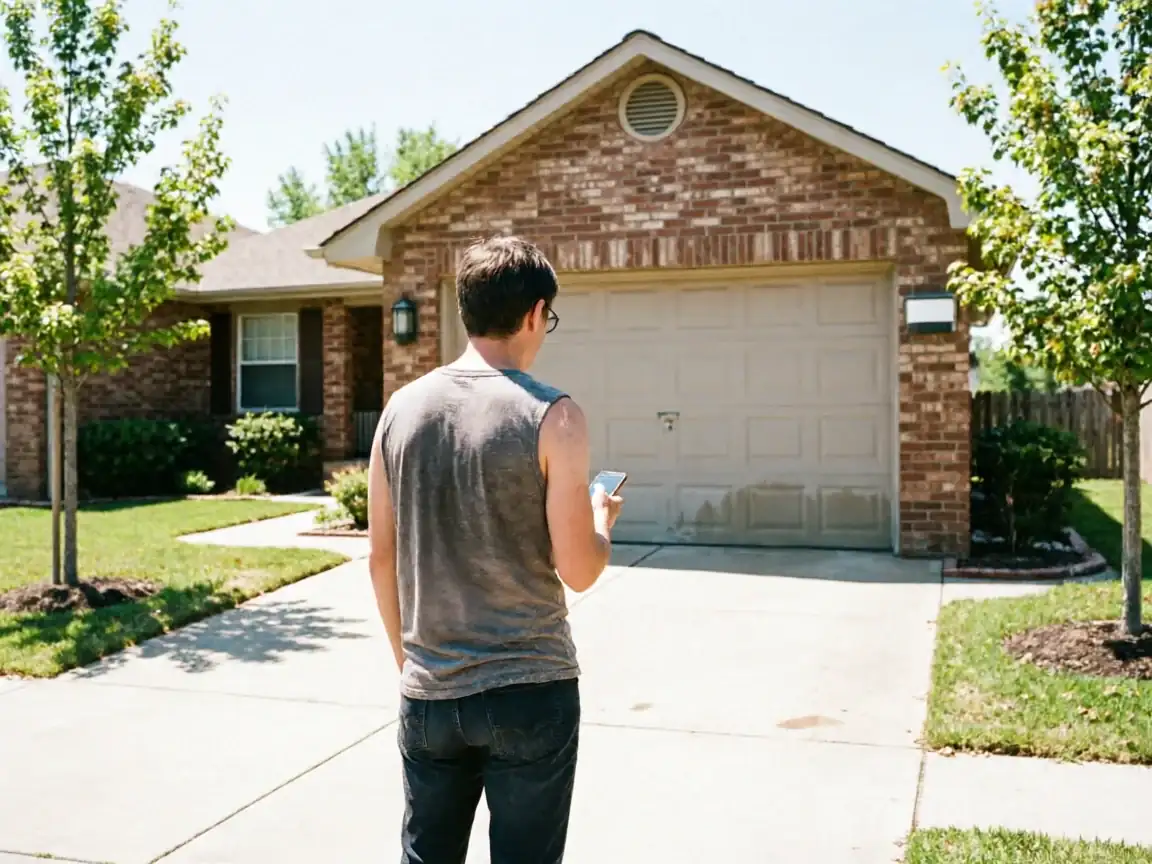
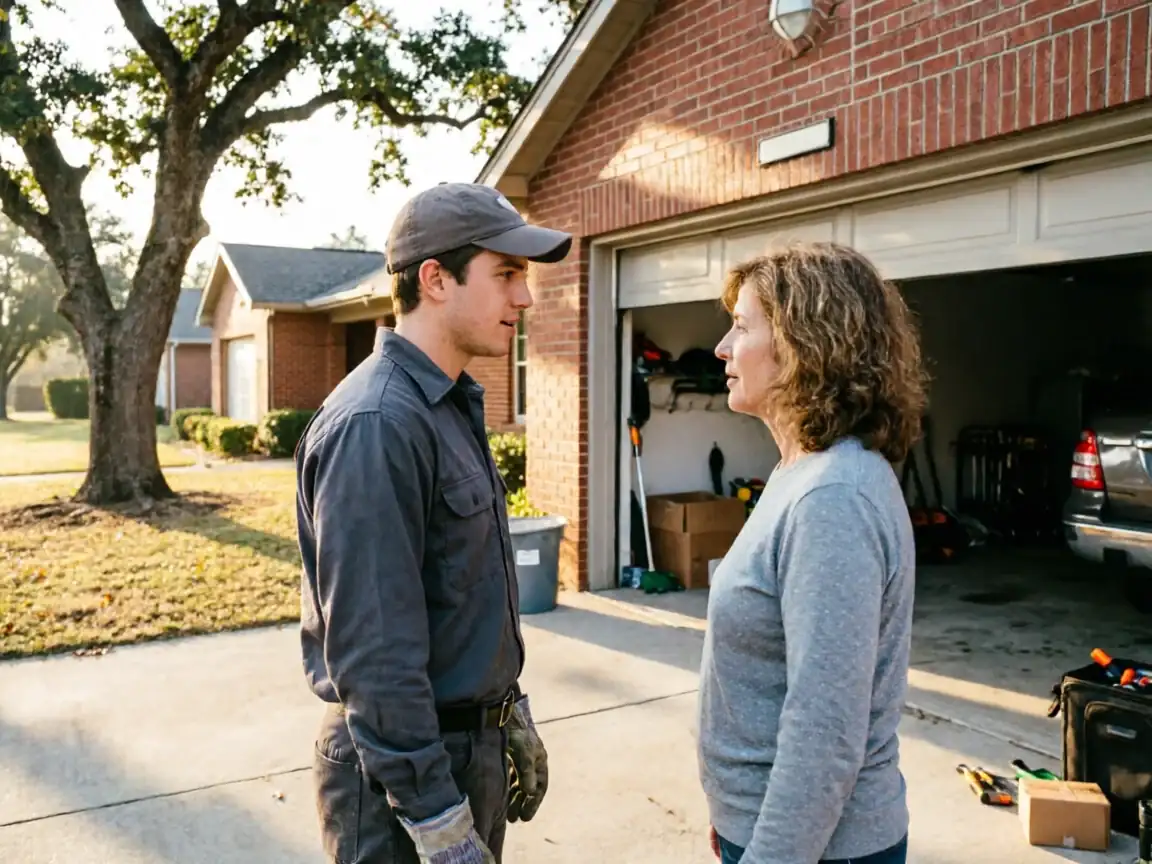
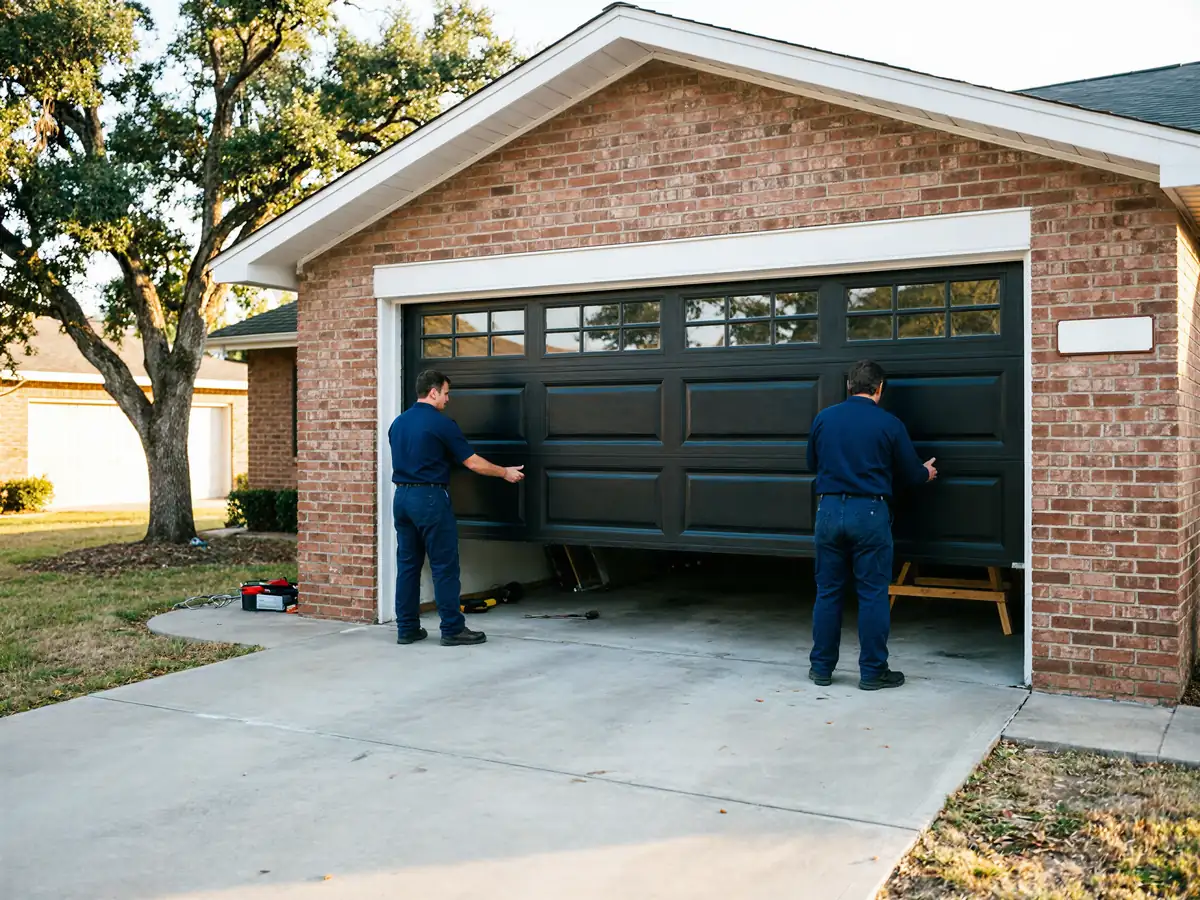
Hewitt has about 6,011 households, a fraction of the roughly 22,710 across the full service area and the 14,225 owner-occupied houses we work on regularly. A smaller household count means fewer simultaneous calls competing for a slot on any given day, which helps. What it doesn't change is that every job here starts with a drive - Hewitt sits about 7 miles out, and a tech routes from Waco rather than from a depot in town. On a day with jobs already stacked toward Hewitt, that's a short add-on stop. On a day where nothing else is headed that direction, it's a dedicated trip. We don't promise a same-day window as a baseline here; if the spring or opener fails mid-morning, the honest answer is that scheduling depends on what else is already on the board that day, not on a fixed response time.
Where This Job Goes Sideways
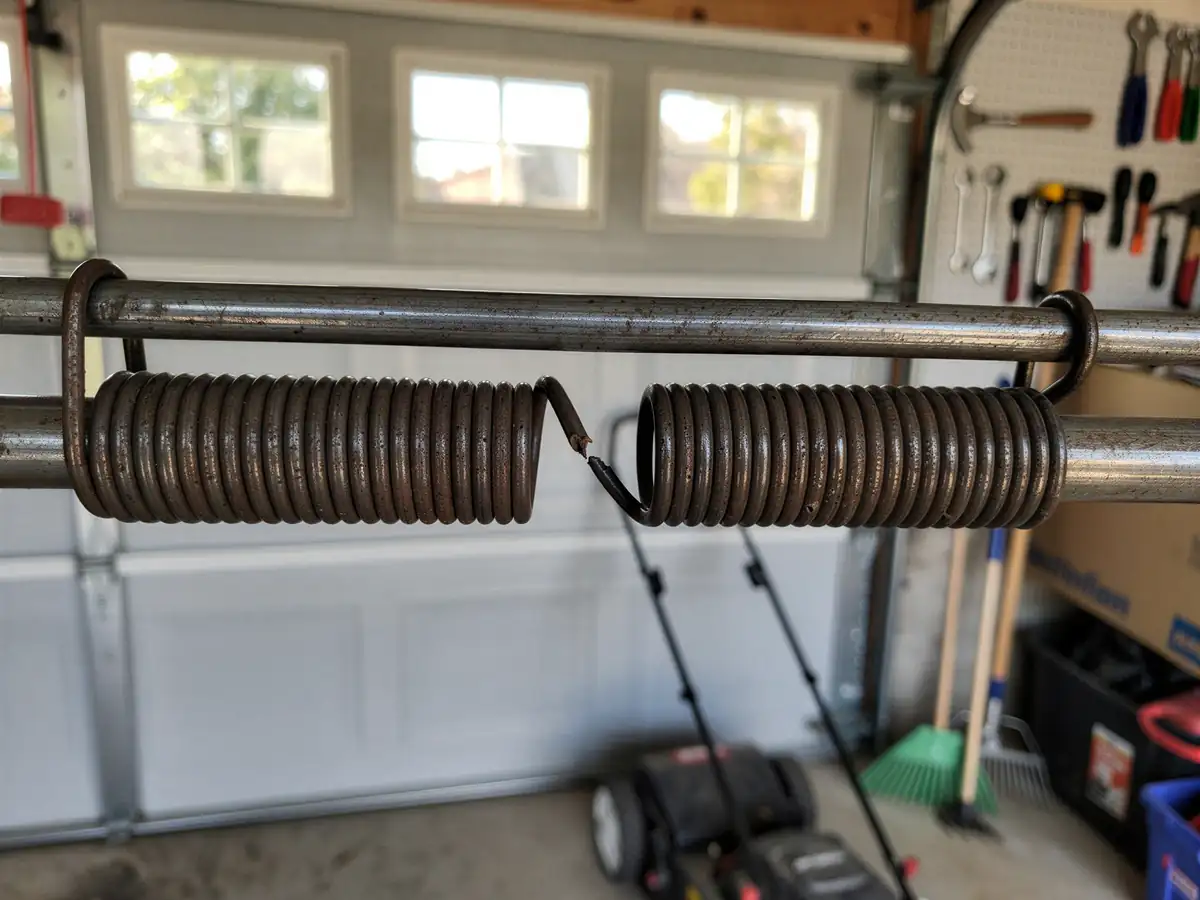
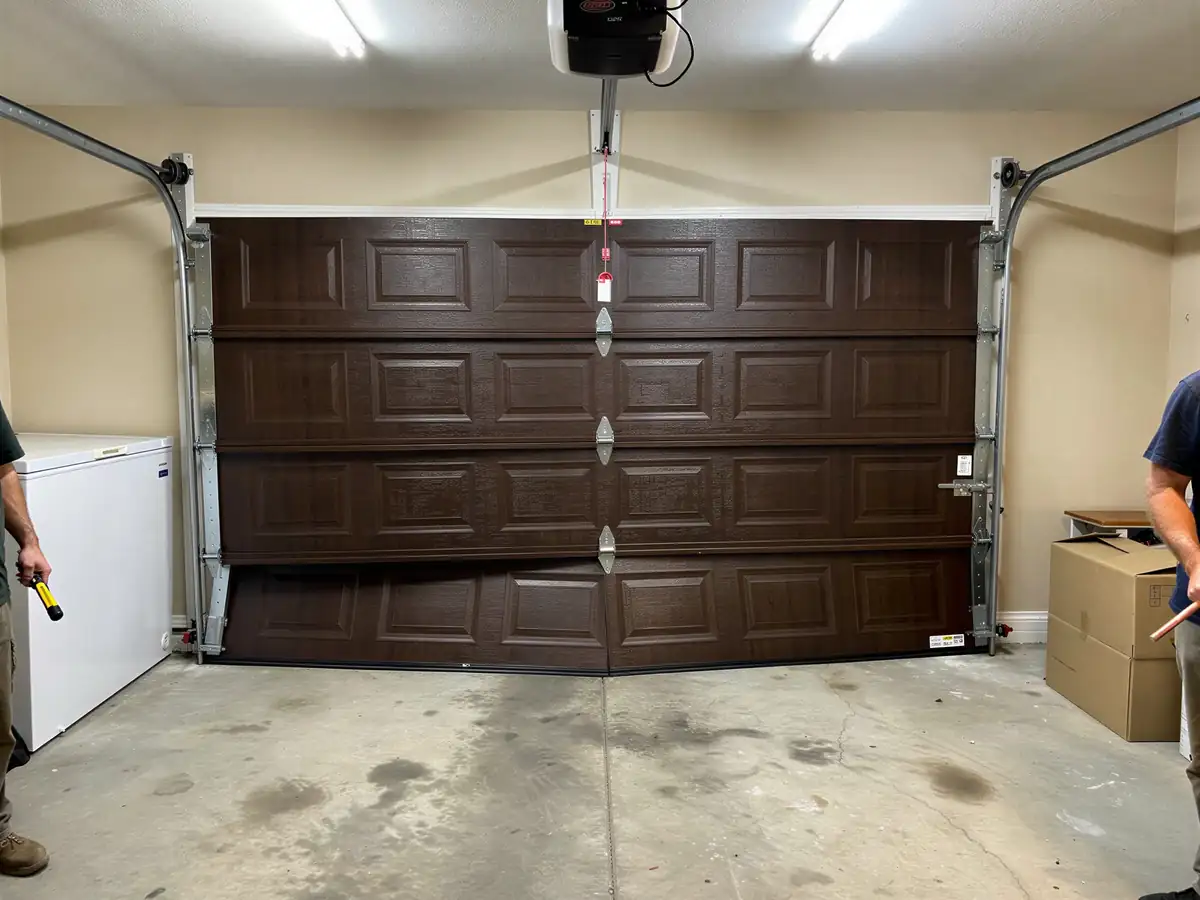
Hewitt's median household income, at $83,798, runs well above the service area average of $76,833, and in practice that shows up as more owners catching problems early rather than running a door until something snaps. That's good, but it also means when something does go wrong on a well-maintained door, it's often not the obvious wear item - it's a spring that was never resized after an opener swap, or a sensor bracket bent slightly out of alignment during a DIY fix. The other pattern worth naming: doors built around that 1994 median are now pushing thirty years old, which is close to where torsion springs start reaching the end of their cycle life regardless of how well they've been kept. A spring that's been fine for years can fail without much warning once it's in that range. If a door's cycle count and age both point that direction, replacing the spring pair ahead of a failure is usually the better call than waiting for it to break with the door down.