Stocked Parts
Hewitt's median household income runs $83,798, well above the $76,833 median across the wider 13-area Waco footprint, and that number matters here because it usually tips the math toward fixing an off-track door rather than replacing it outright. An off-track repair is a fraction of a new door's cost, and at Hewitt's income level that gap is usually worth closing with a repair call first.
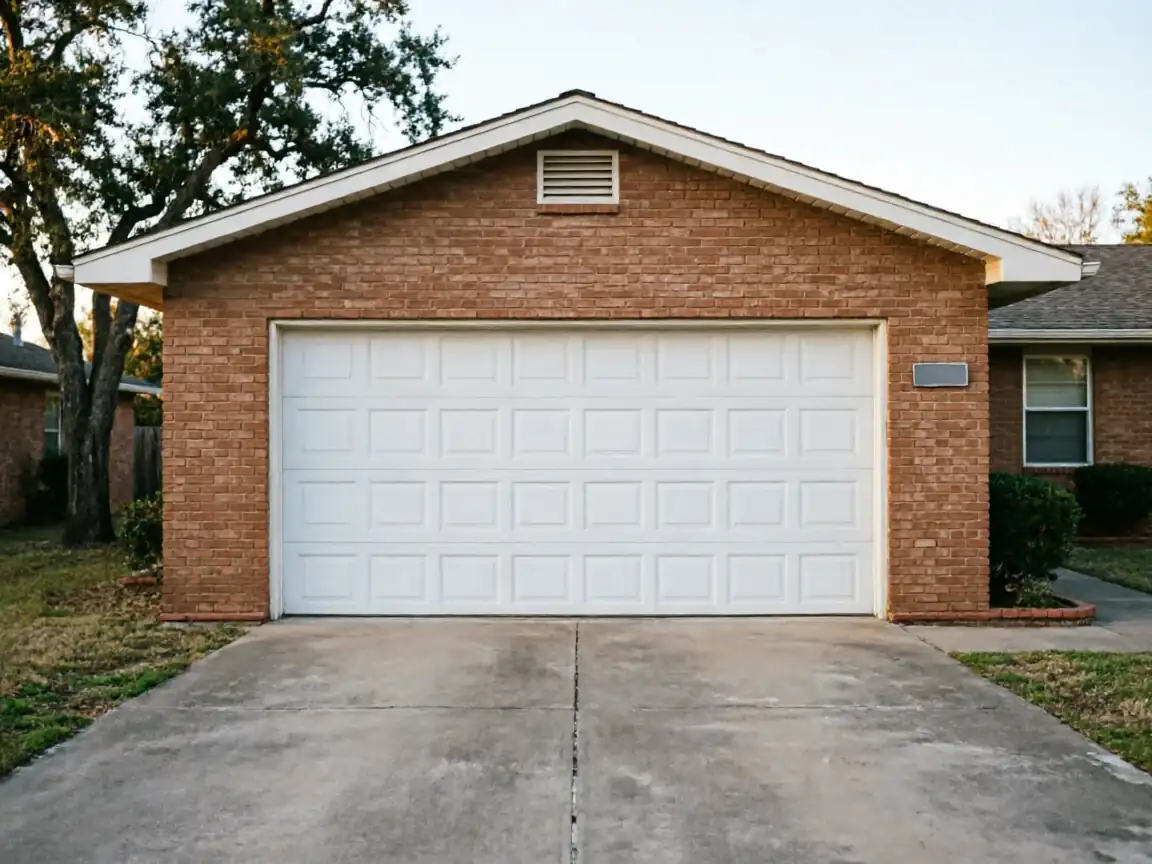
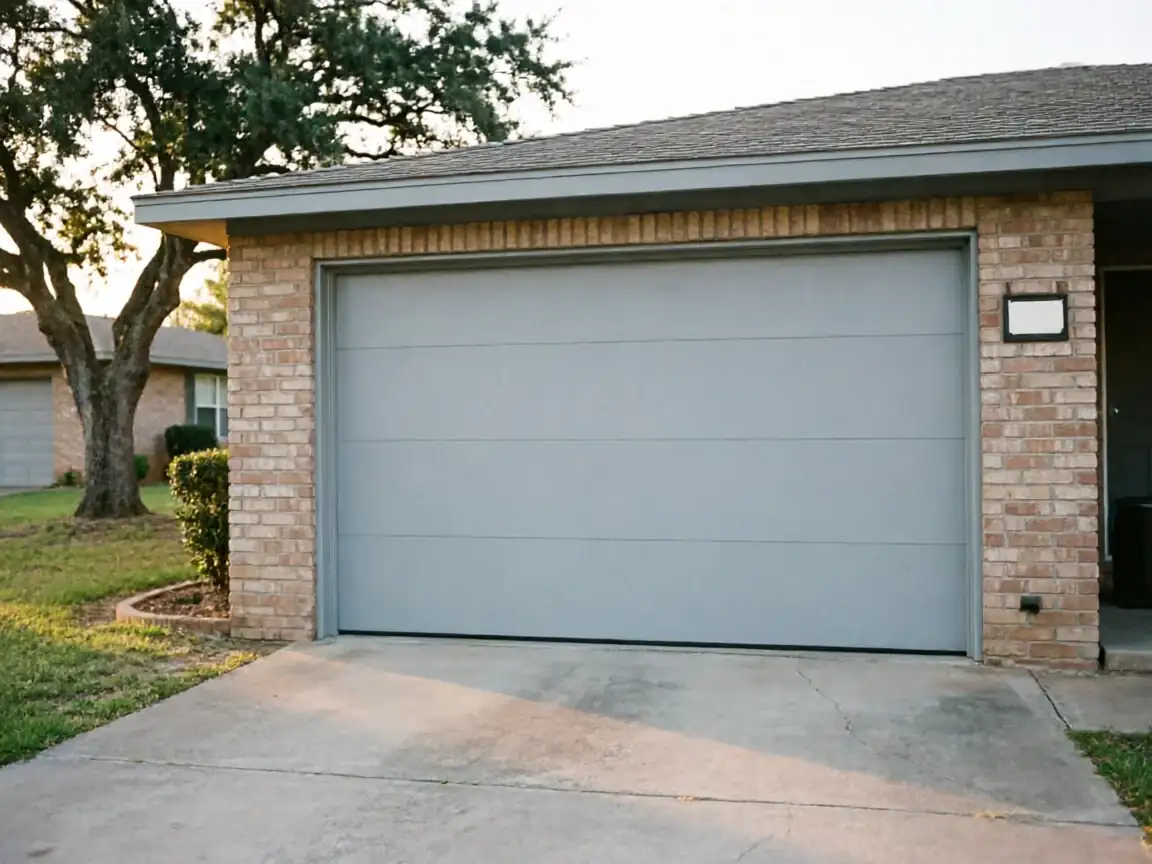
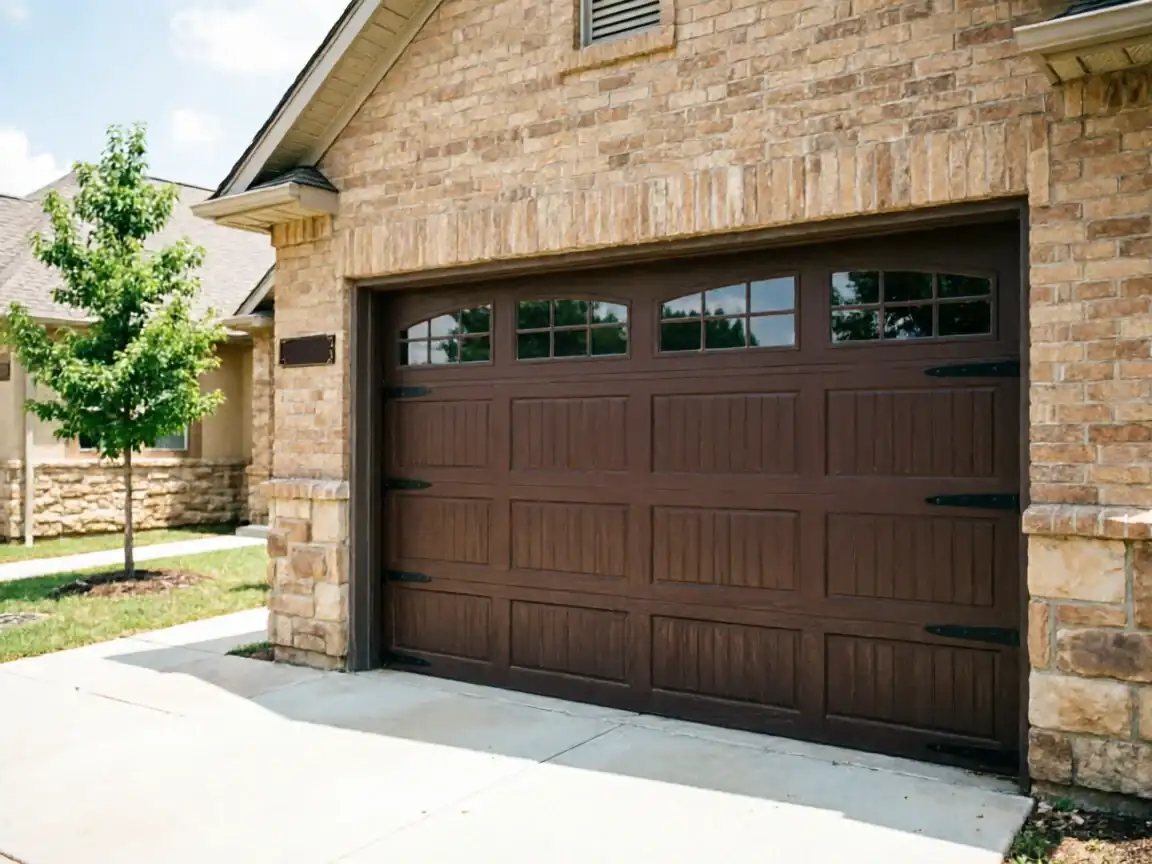
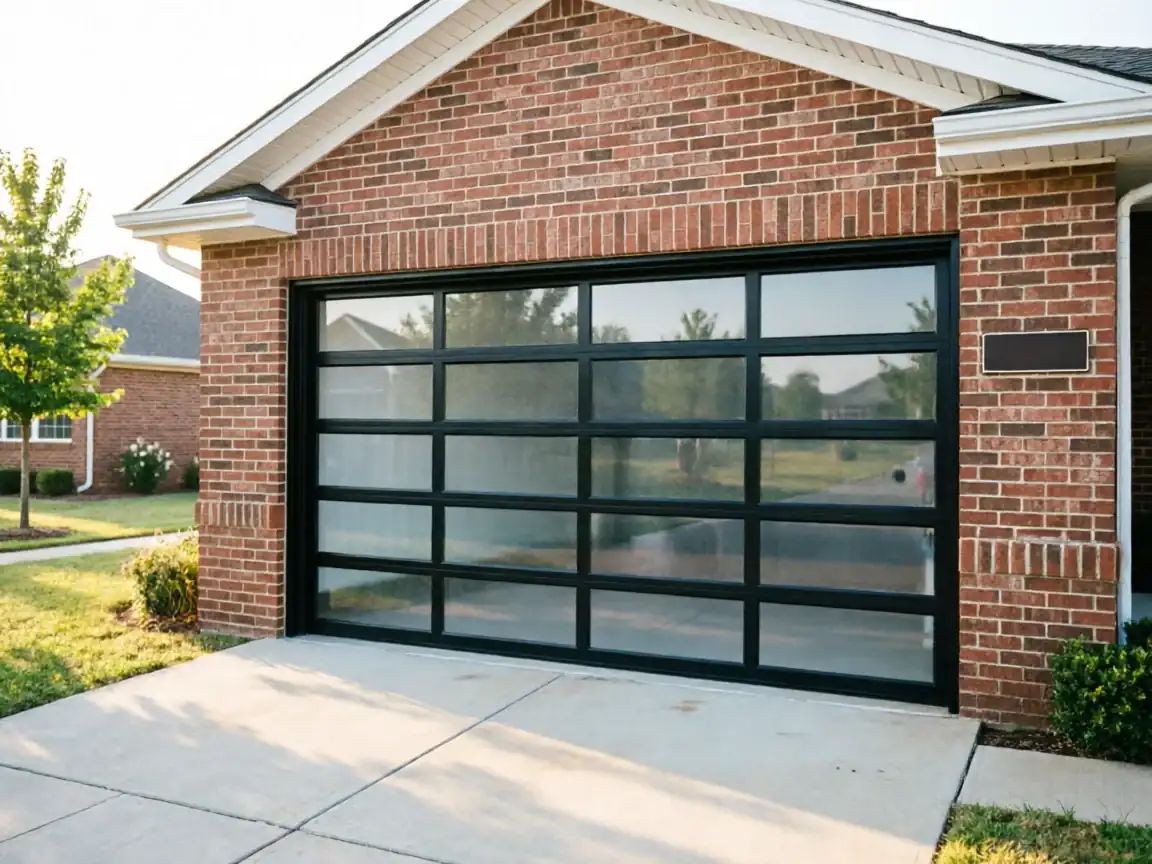
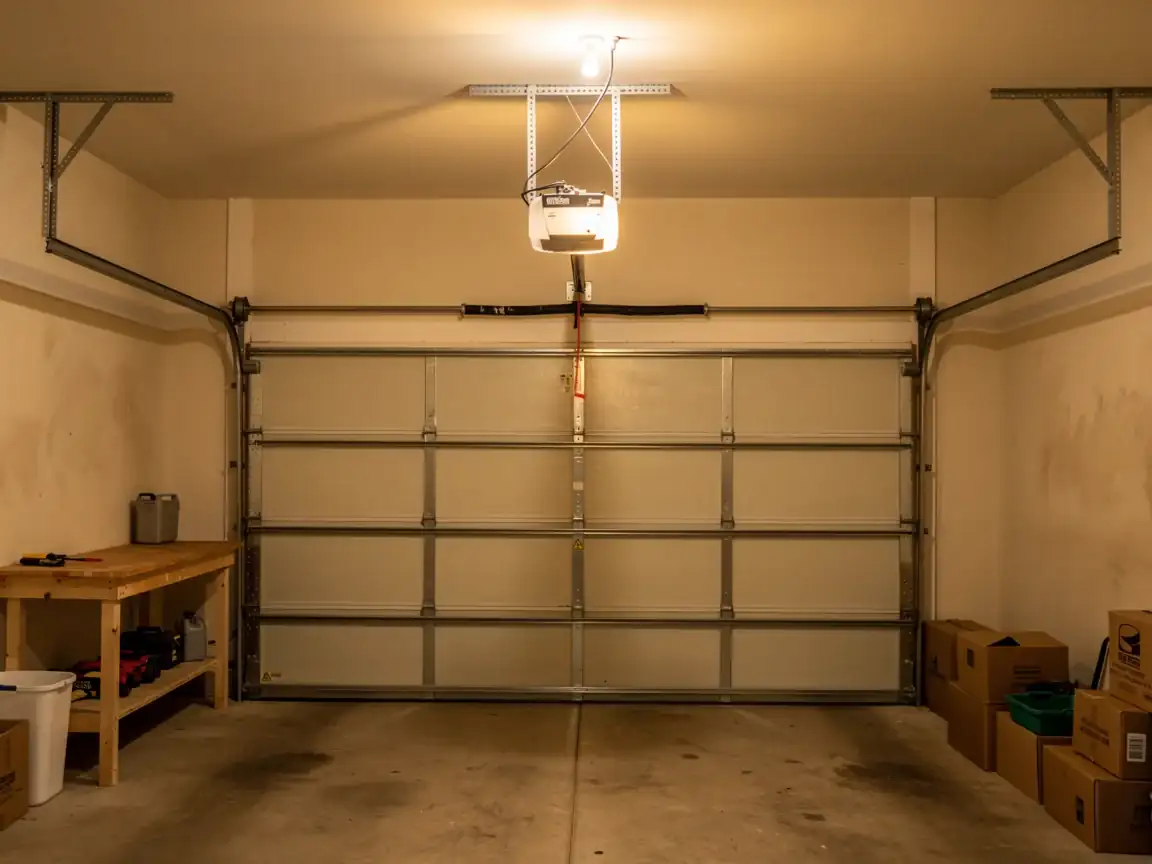
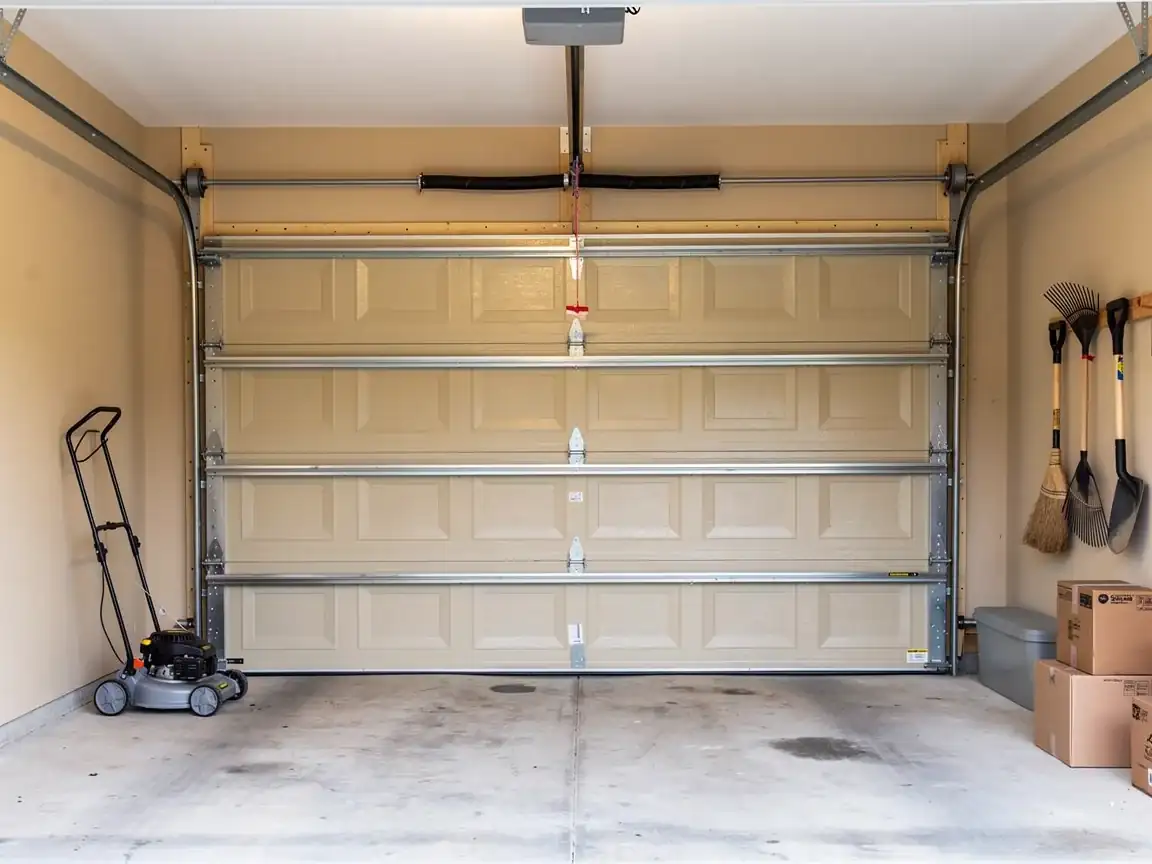
The parts on the truck reflect what's actually installed in this part of the service area. Hewitt's housing stock runs newer than the rest of the footprint - median year built here is 1994, compared with the 1959-1994 spread seen across the broader service area. That means most off-track calls in Hewitt involve nylon rollers on galvanized track, shorter hinges sized for sectional doors from the 1980s and 90s, and track sections sized to those builder-era widths. Older steel rollers on bent, narrow-gauge track - the kind that shows up more in older parts of the service area - are less common here.
We don't carry every roller and bracket variant ever made, and we won't pretend to. If a door takes a part specific to a builder or era outside that common range, it may mean a short wait on a special order rather than a same-visit fix.
How Long You Are Without the Door
We work out of Waco, and Hewitt sits 7 miles out. That drive is short, but it's still a drive - we're not based in Hewitt, and we won't claim a response time we can't back up from here.
What decides how long your door is actually unusable isn't the drive, it's what's wrong once the panel comes off the track. A door that's simply walked off its rollers from a bent track rail or a loose bracket is usually a same-visit job once parts are on the truck. A door where the cable has come off the drum at the same time the panel jumped track takes longer, because that's two separate failures that have to be addressed in the right order so the door doesn't drop while it's being worked.
With roughly 6,011 households in Hewitt, and most of that housing dating to the early 1990s, a lot of these doors are now 25-30 years into their original hardware. That's old enough for rollers to wear thin and tracks to work loose at the brackets, which is a common enough cause of off-track doors in houses built around that time that we plan for it when we load the truck for a Hewitt call.
What the Repair Takes
The first step is always figuring out why the door left the track, not just putting it back
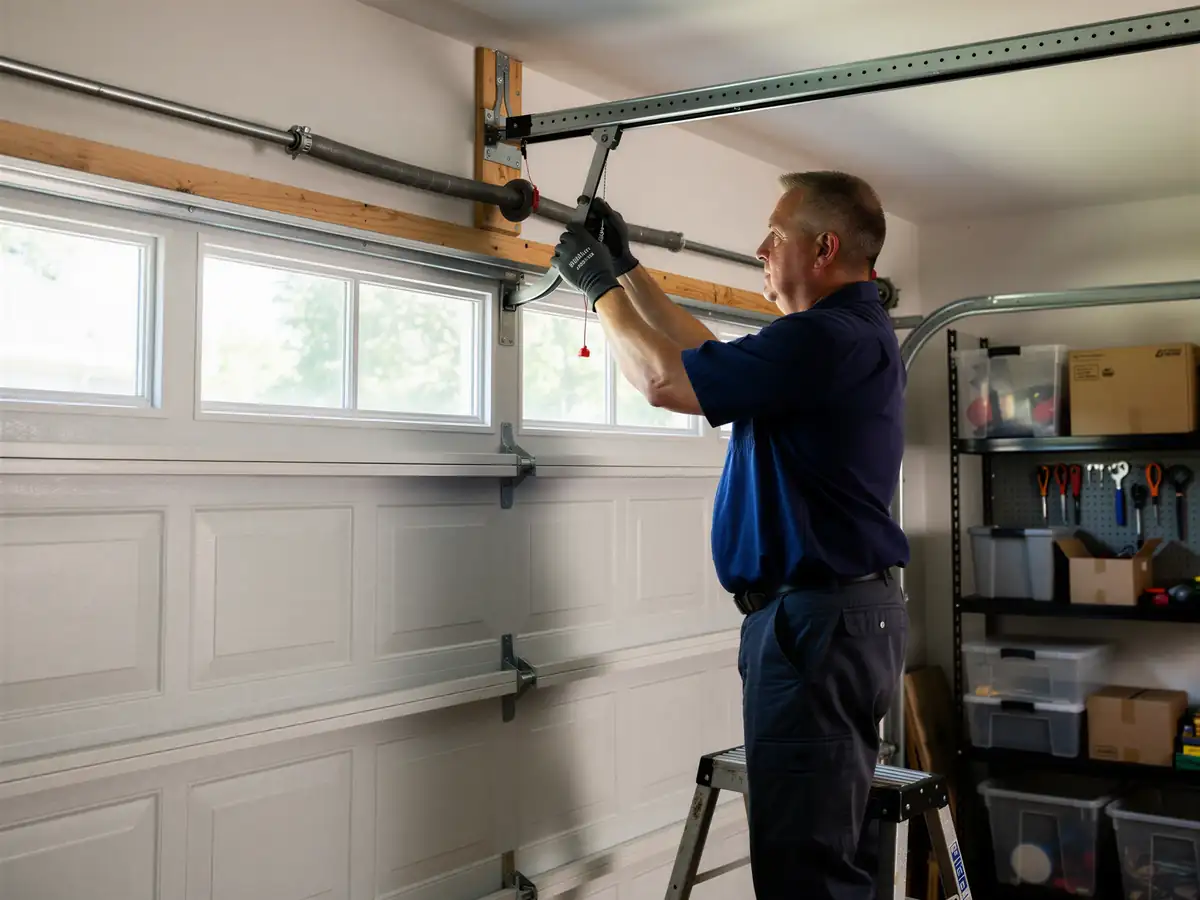
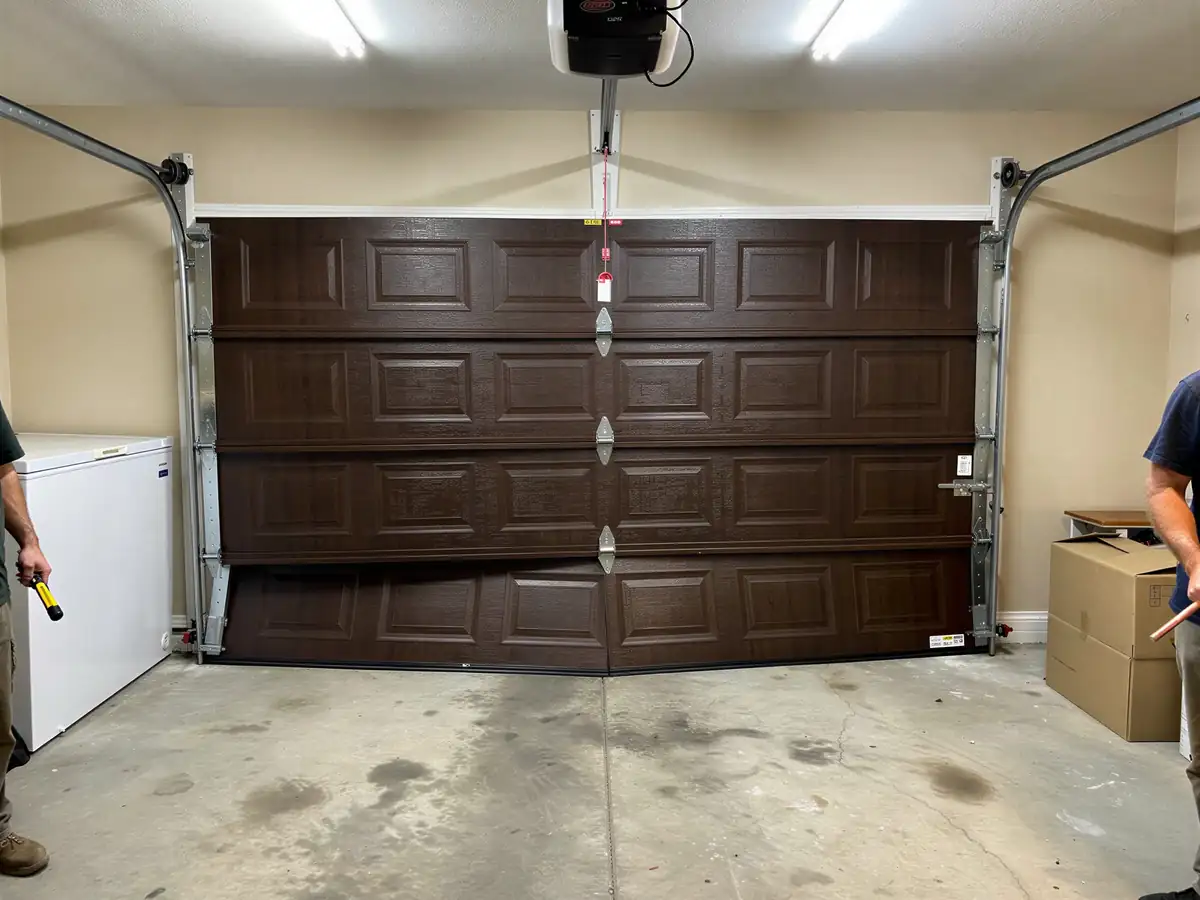
A door that jumped because a roller wore down and let the panel wobble free of the rail is a different repair than one where the track itself got bent - pulled away from the wall, kicked by a car bumper, or sprung by years of a loose bracket letting it flex.
For a worn roller or a loose bracket, the fix is straightforward
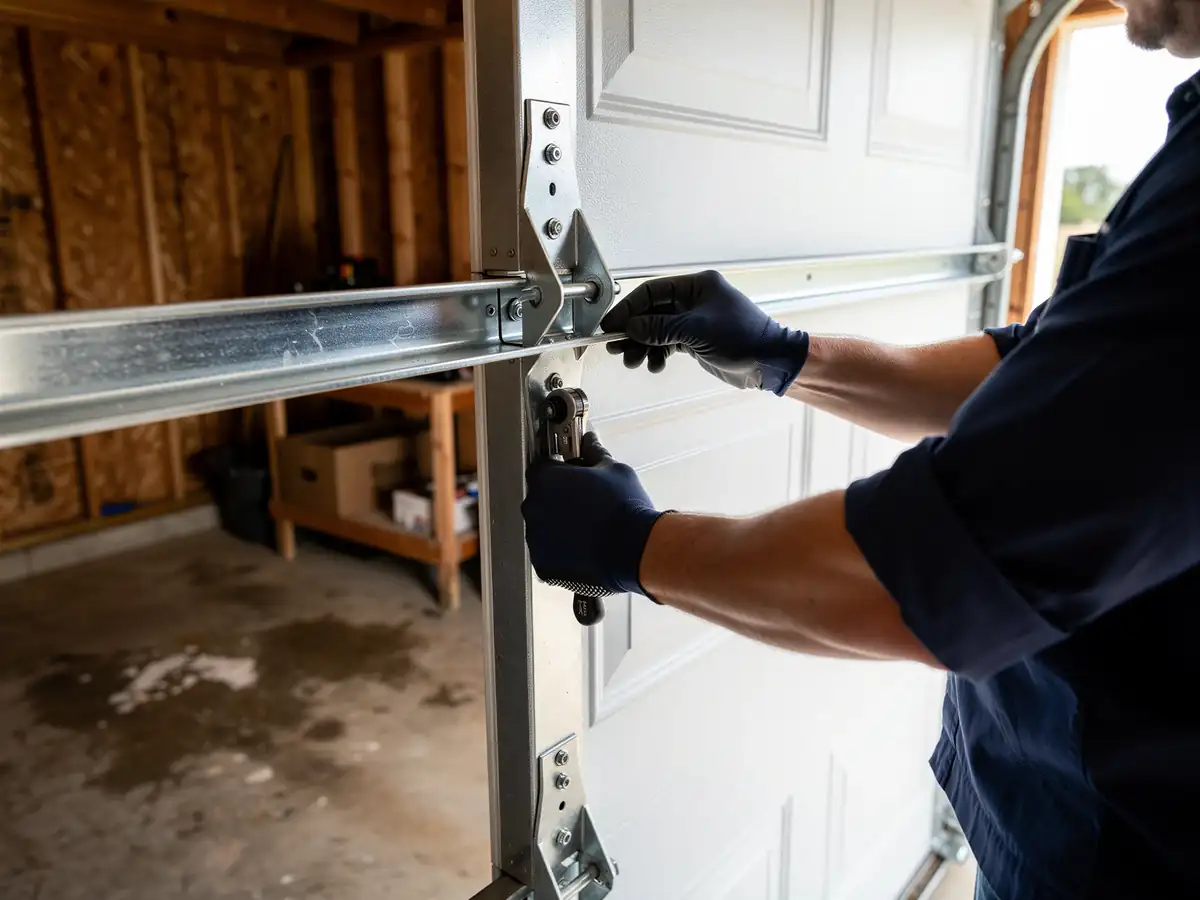
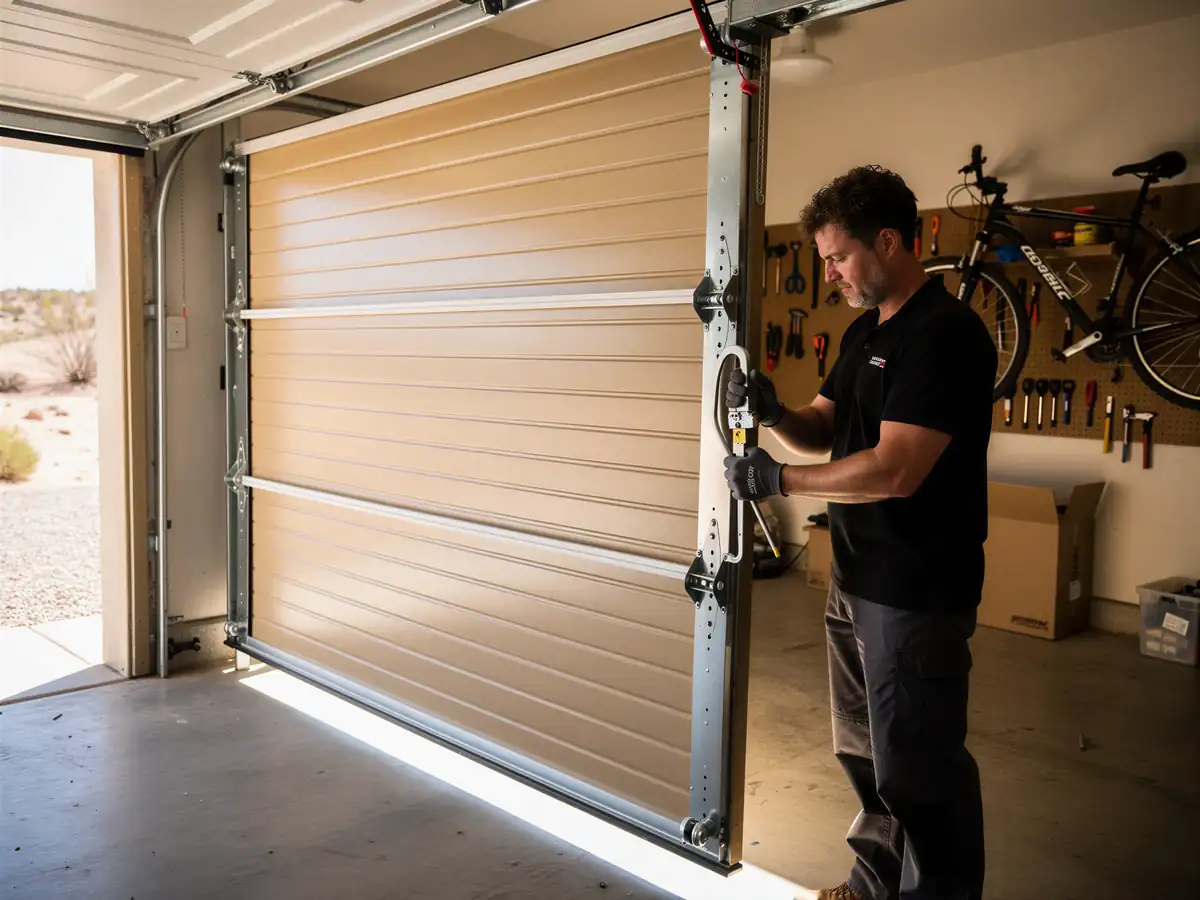
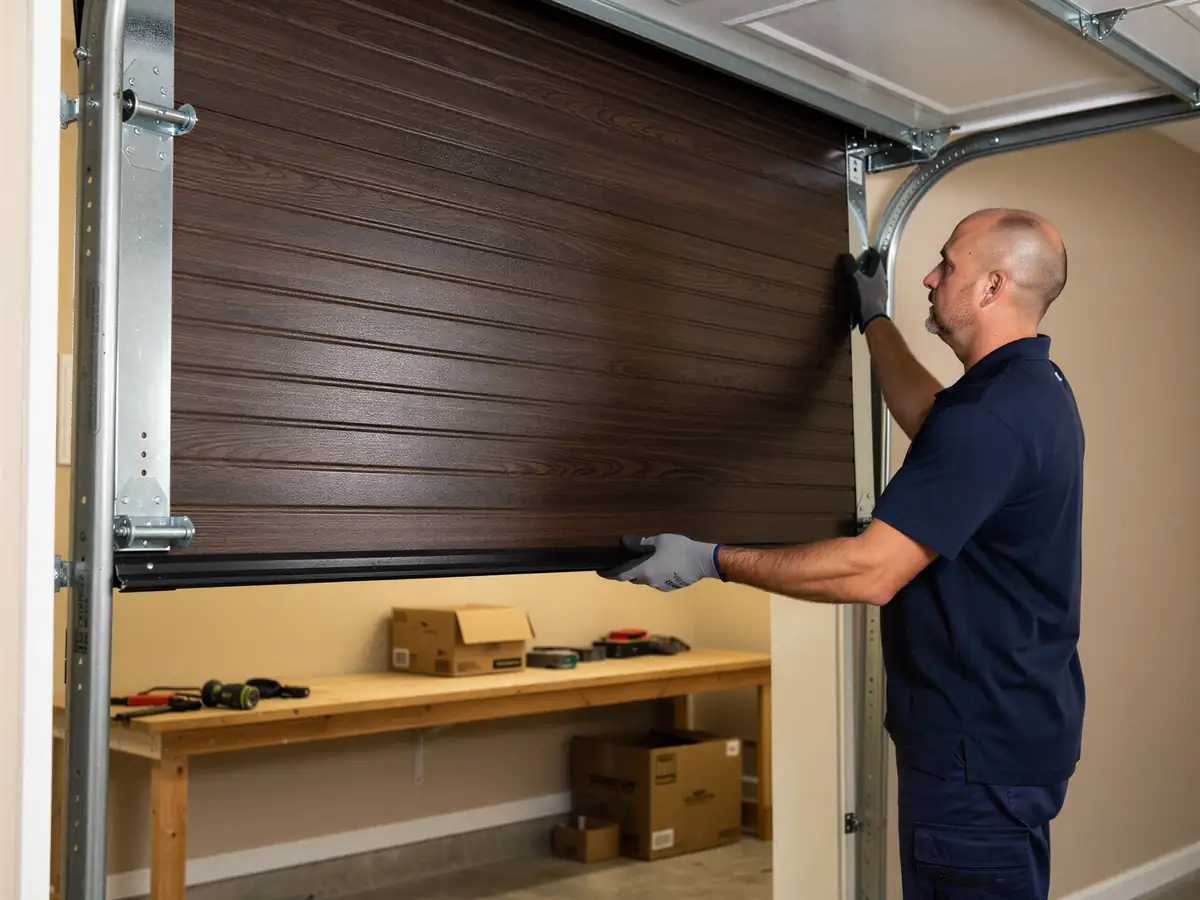
Realign the track, tighten or replace the bracket, swap the roller, and run the door through a full open-close cycle to confirm it tracks straight under spring tension. For a bent track, the honest answer is that you usually can't bend it back and trust it. Track that's bent enough to let a door derail once will let it happen again, so the section gets replaced rather than straightened.
One limitation worth saying plainly
If the track is bent in more than one place, or the bend is at a bracket point where the wall anchor has also pulled loose, that's closer to a full track and hardware replacement than a repair, and we'll tell you that on-site rather than patch something that will fail again in a season.
Where This Job Goes Sideways
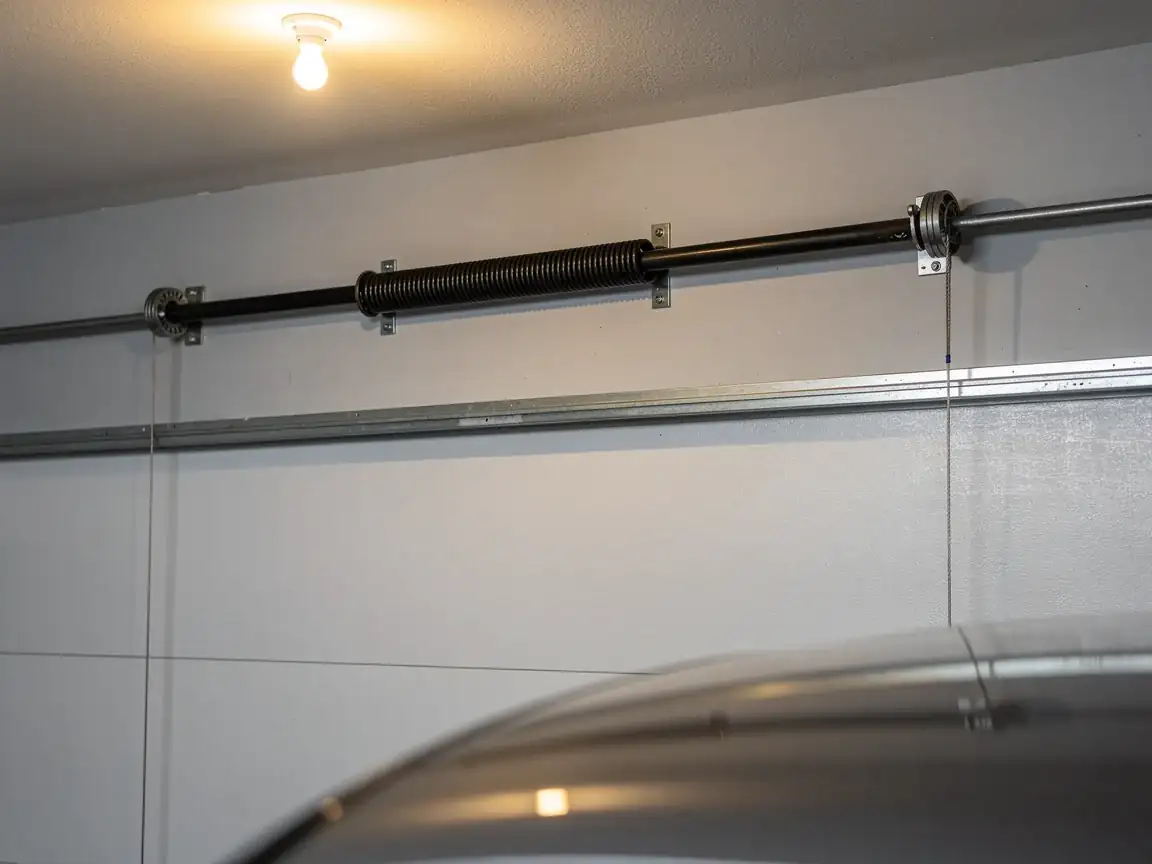
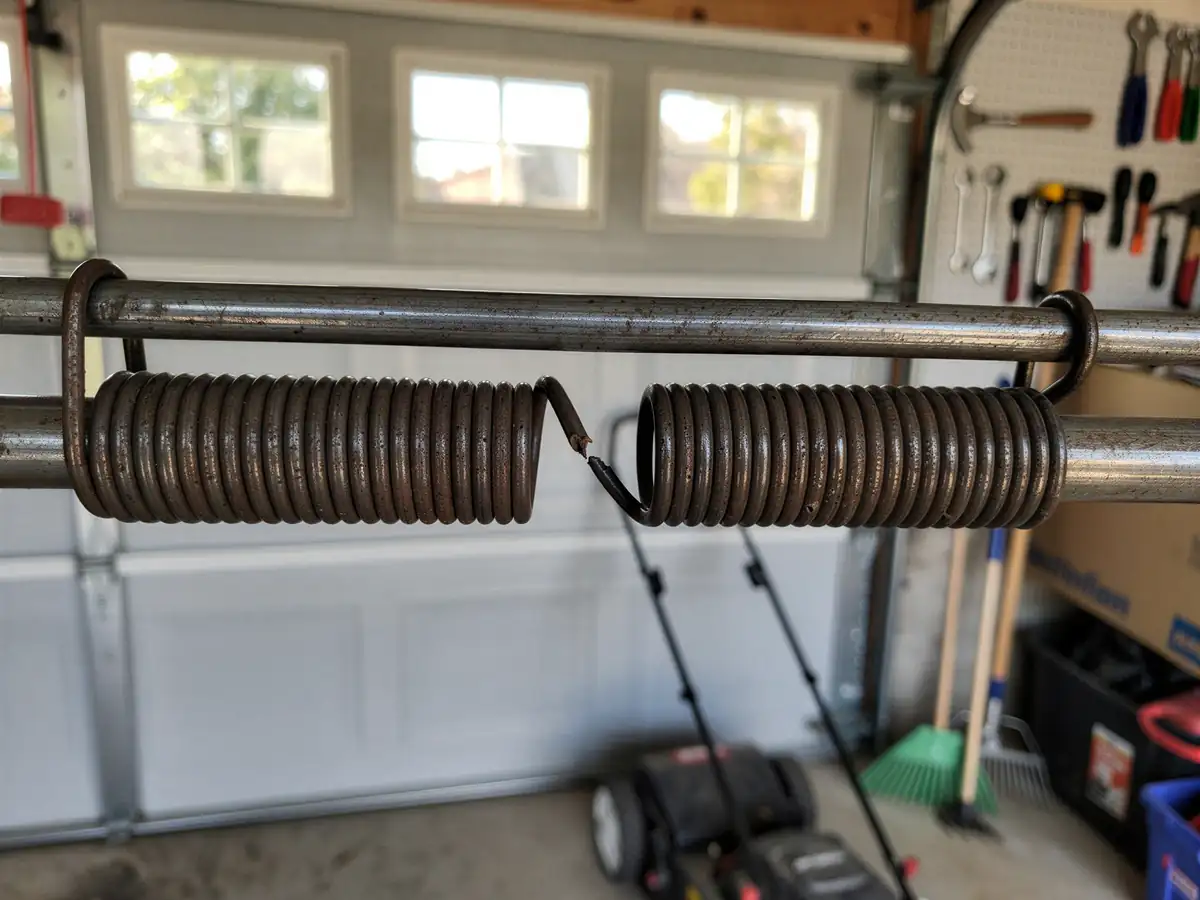
An off-track door looks like one problem but it's sometimes two. The most common complication we see is a door that jumped track at the same time a cable slipped off its drum - usually because whatever knocked the door off track also put slack in the cable system for a moment. Once that happens, the door isn't safe to force back into the opening by hand, because the spring is still under tension and the cable isn't where it needs to be to control the panel's weight.
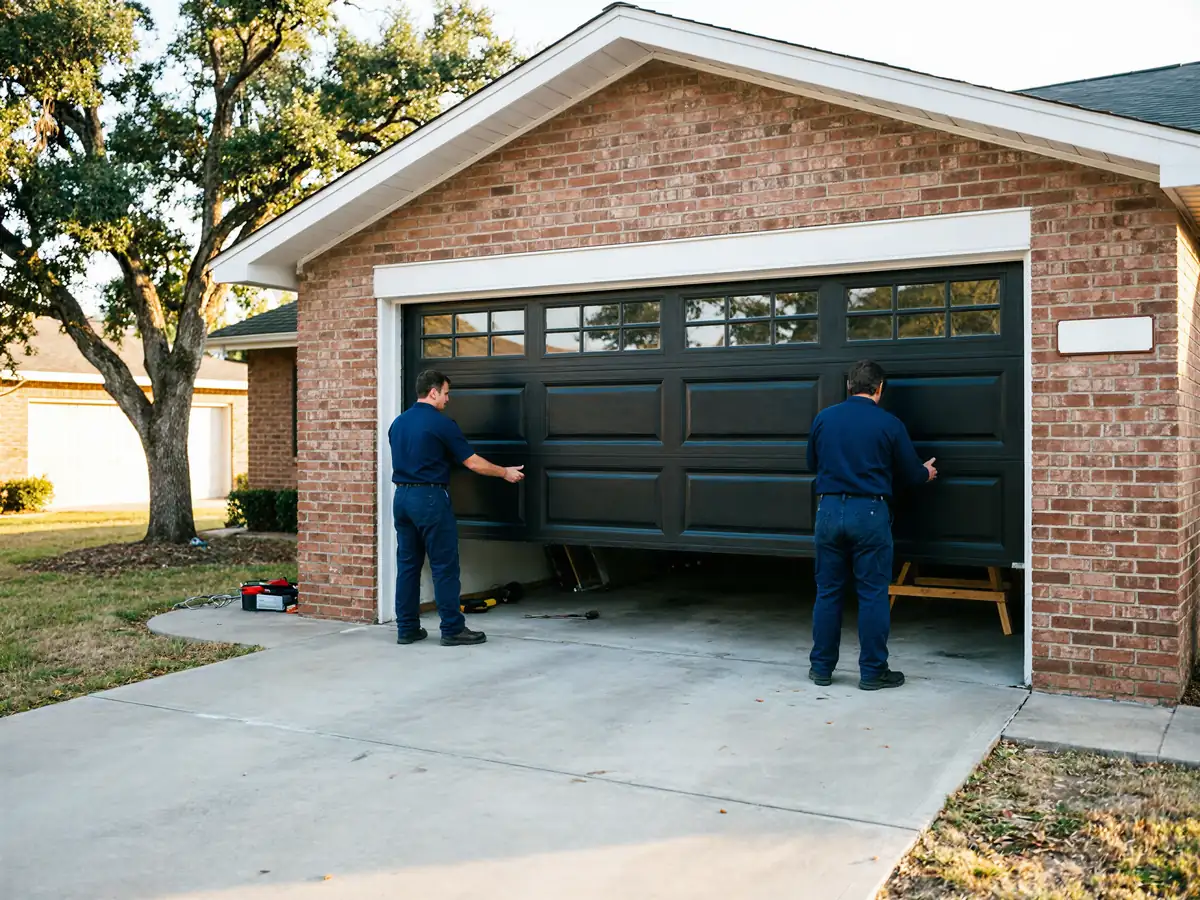
The other way this goes sideways is when someone's already tried to force the door back onto the track before calling. A panel pushed back into a bent track will often look fine sitting still and then jump again the first time the opener runs it under full travel. That's the scenario where a quick fix on the surface turns into a track and roller replacement anyway, just more of one.
Given Hewitt's housing is mostly 1994-era or so, a fair number of these calls also turn up an opener that's original to the house straining against a door that's no longer traveling straight - worth mentioning here even though opener repair itself is a separate job.