Stocked Parts
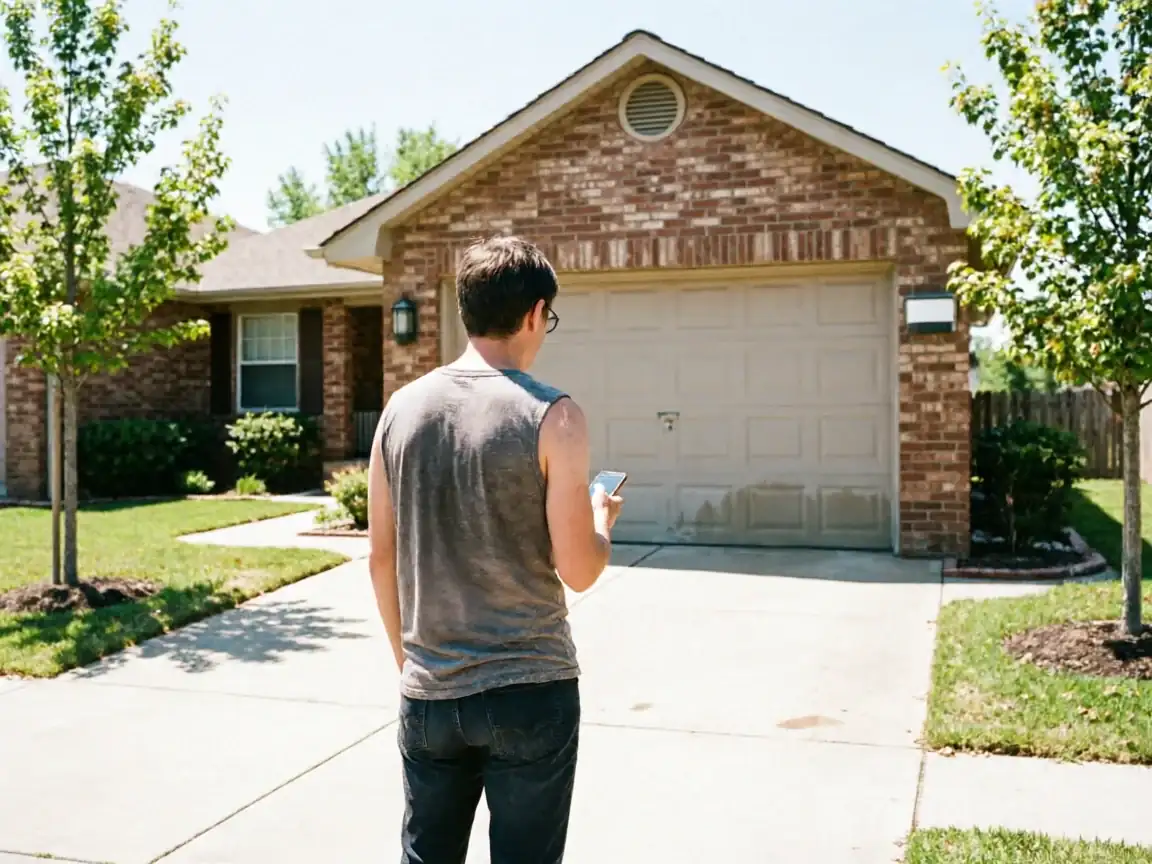
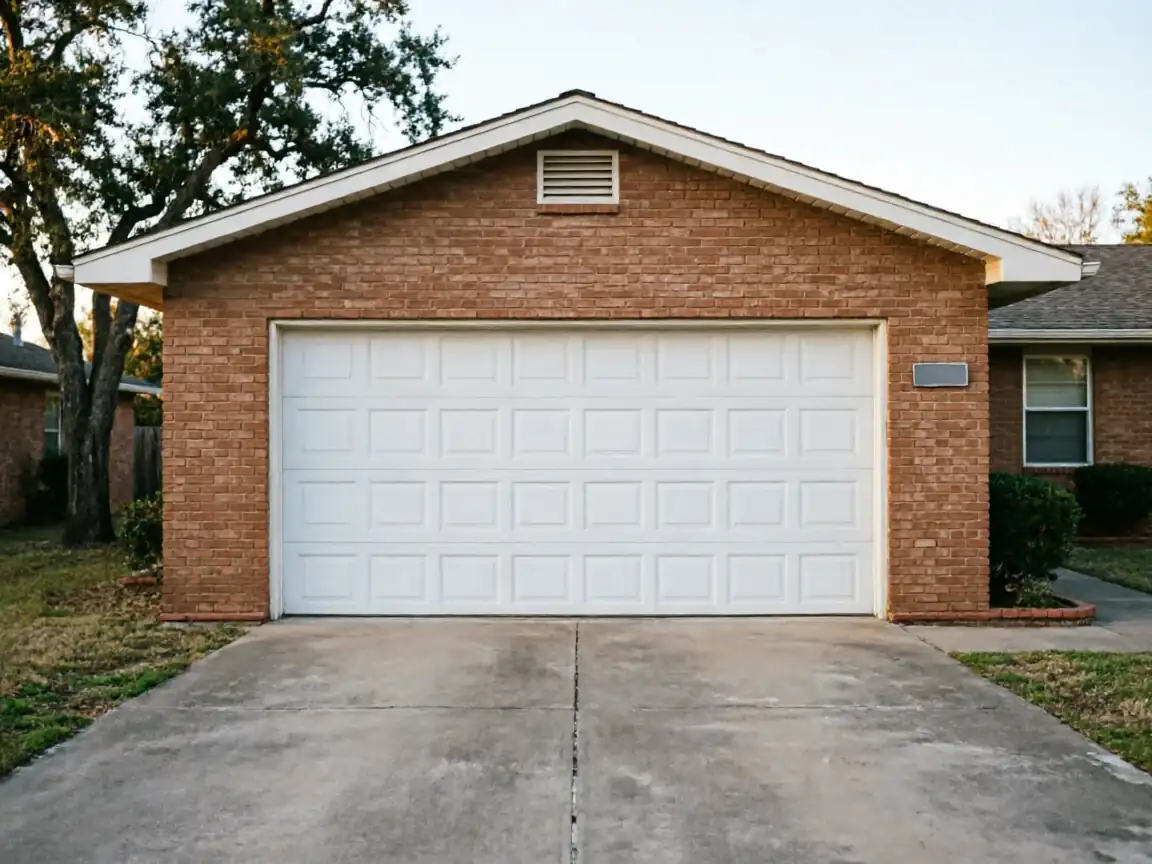
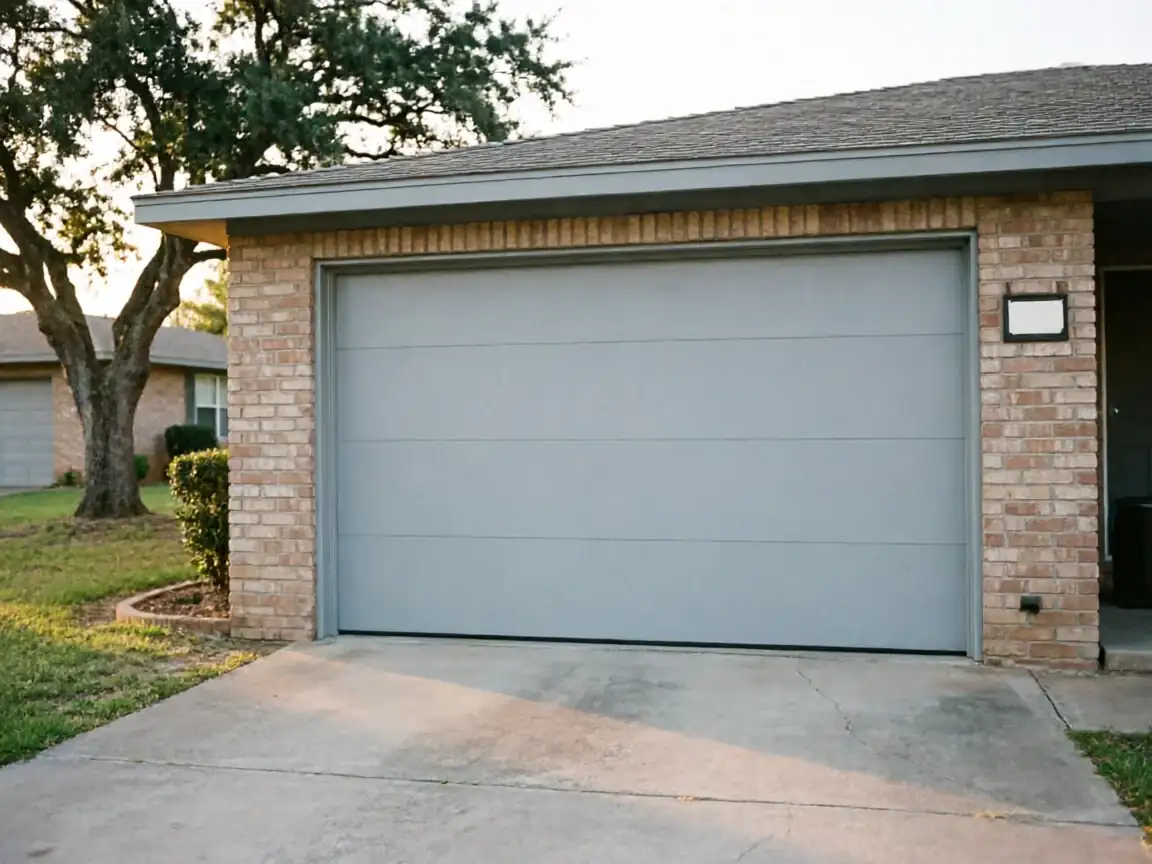
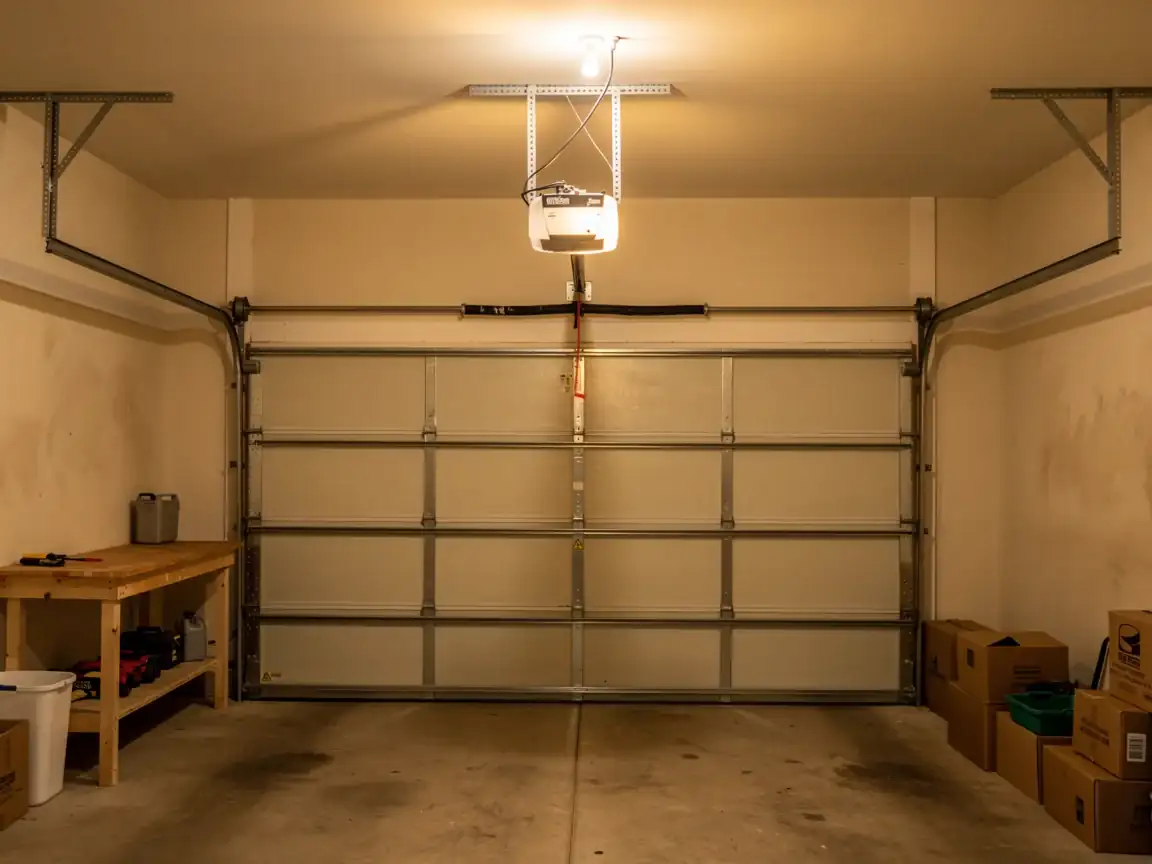
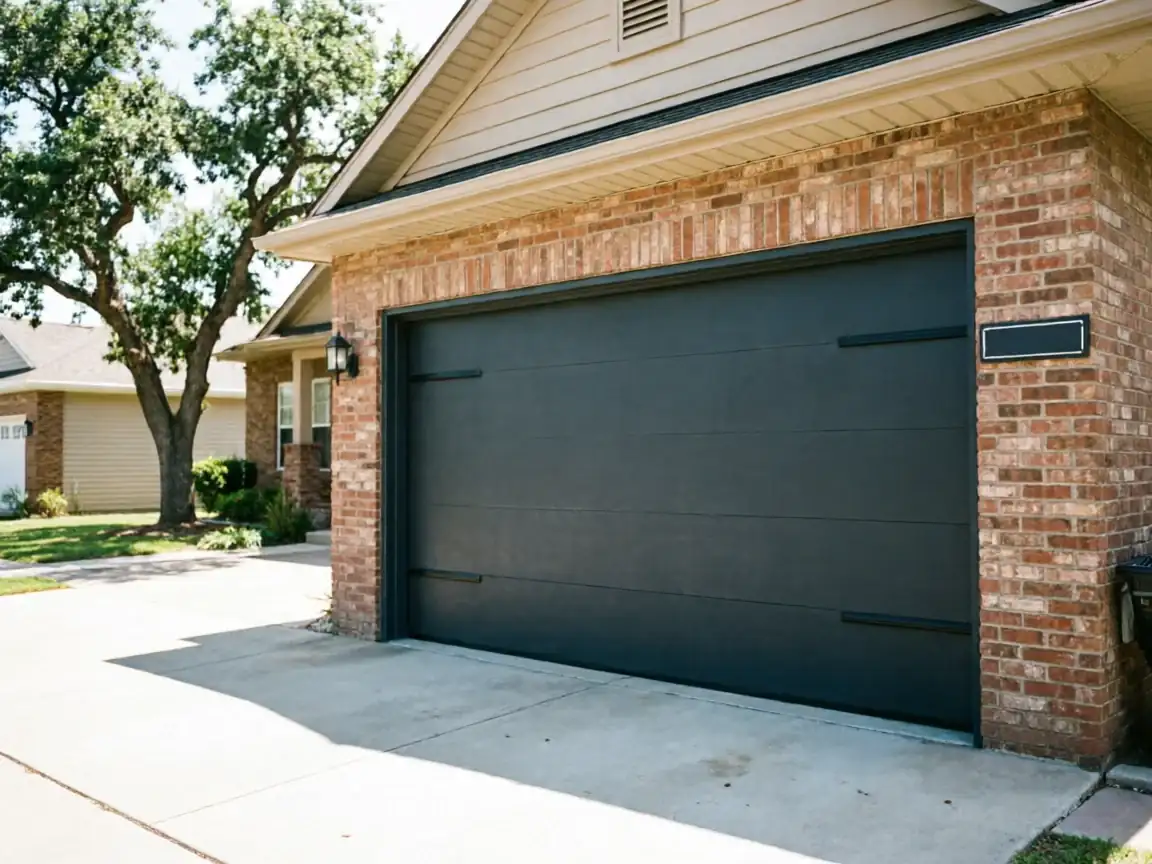
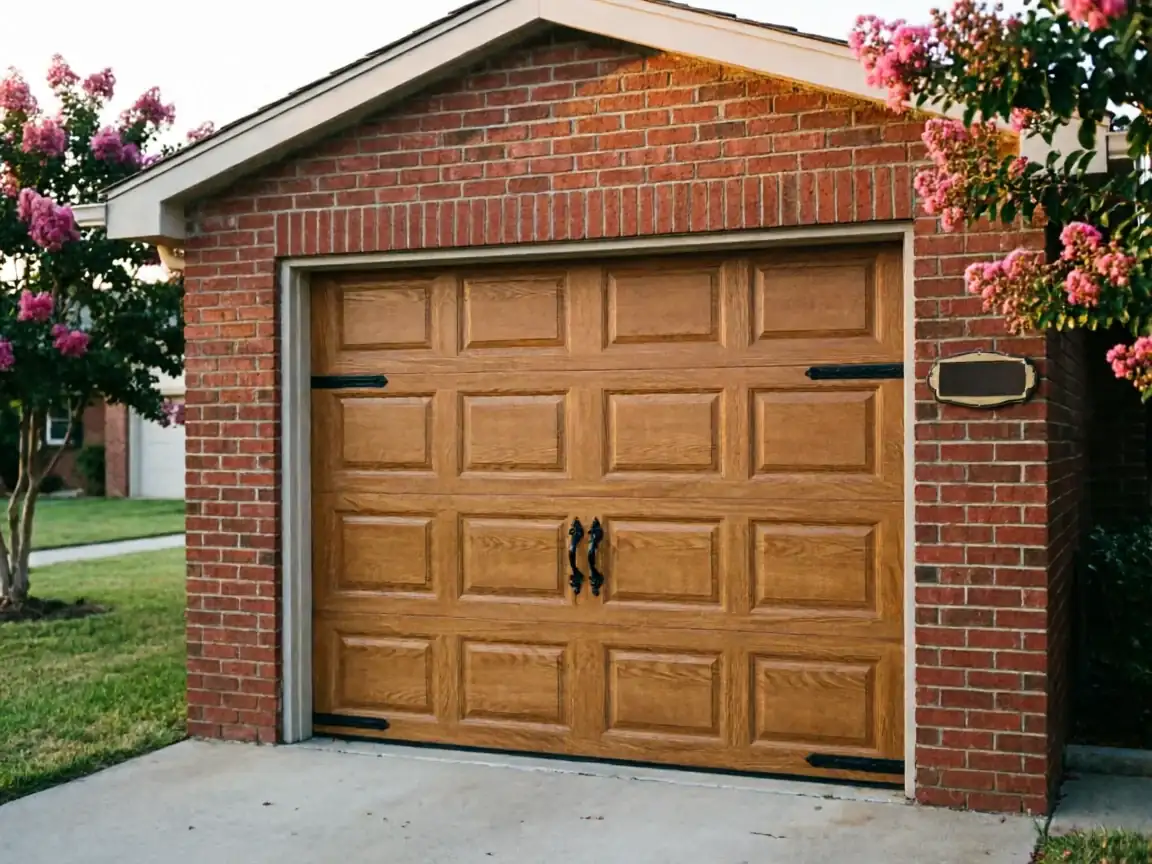
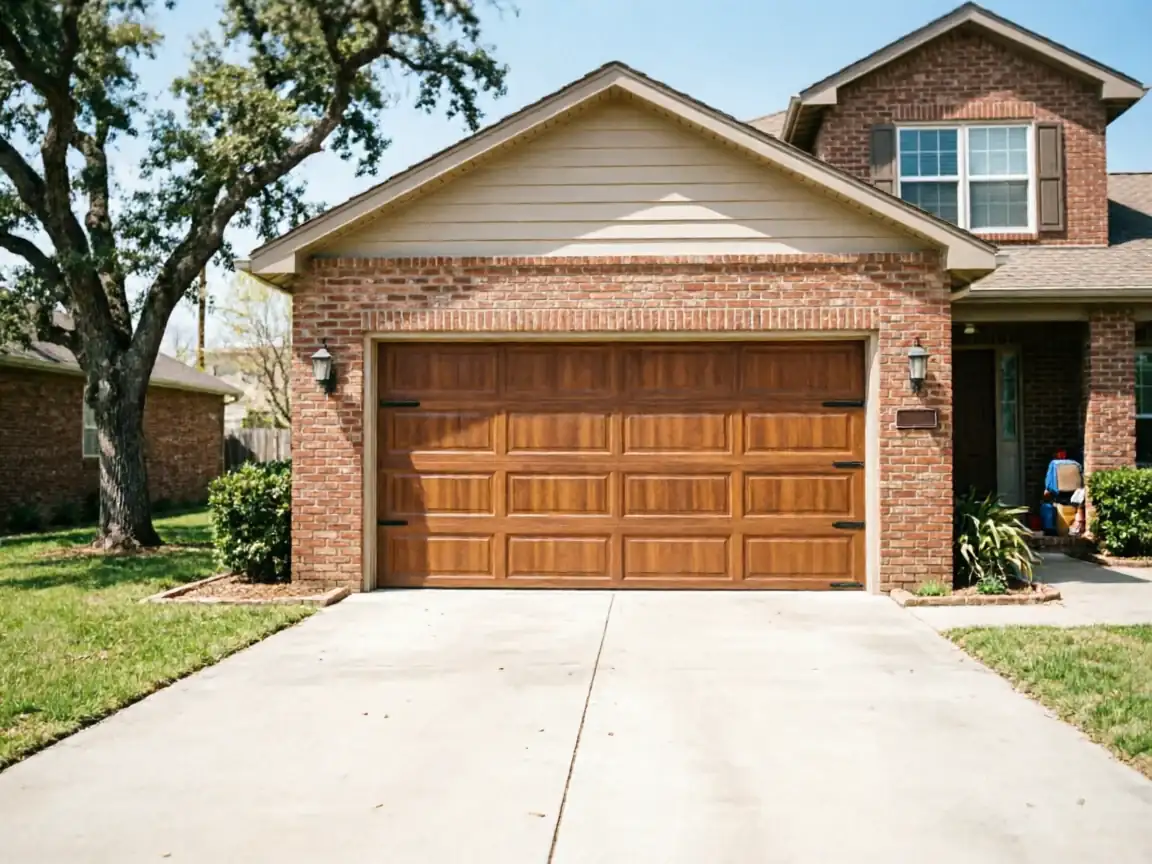
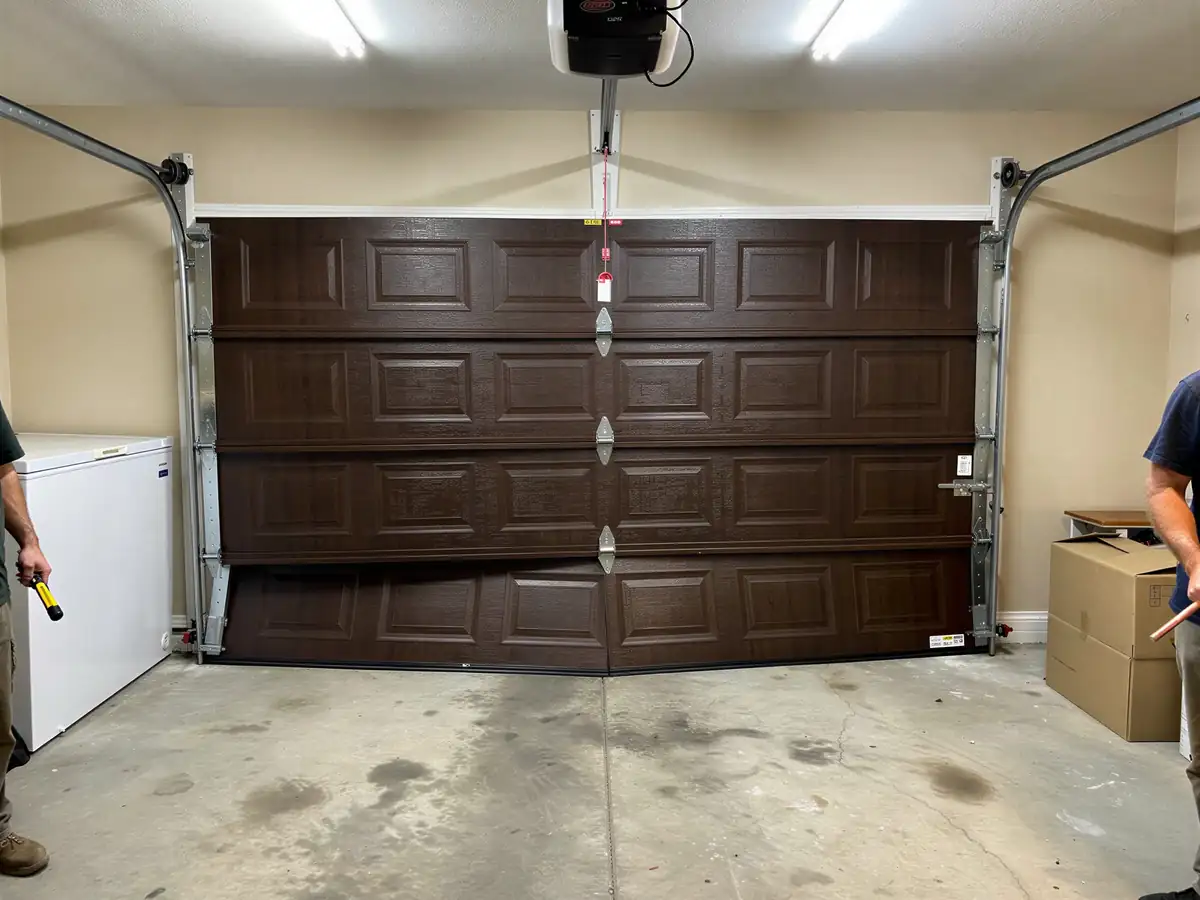
Hewitt sits about 7 miles from Waco, and the houses out here skew toward the newer end of the area's build range, with the broader service territory spanning 1959 to 1994 construction. That later build era matters for panels: most Hewitt garages run steel sectional doors with factory baked-on finish and a foam core, not the older wood or single-layer steel you see in some of the 1960s-era neighborhoods closer to the river. The common failure isn't warped wood, it's a dent that's cracked the finish and let moisture into the foam, or a bottom panel that's rusted out from ground splash.
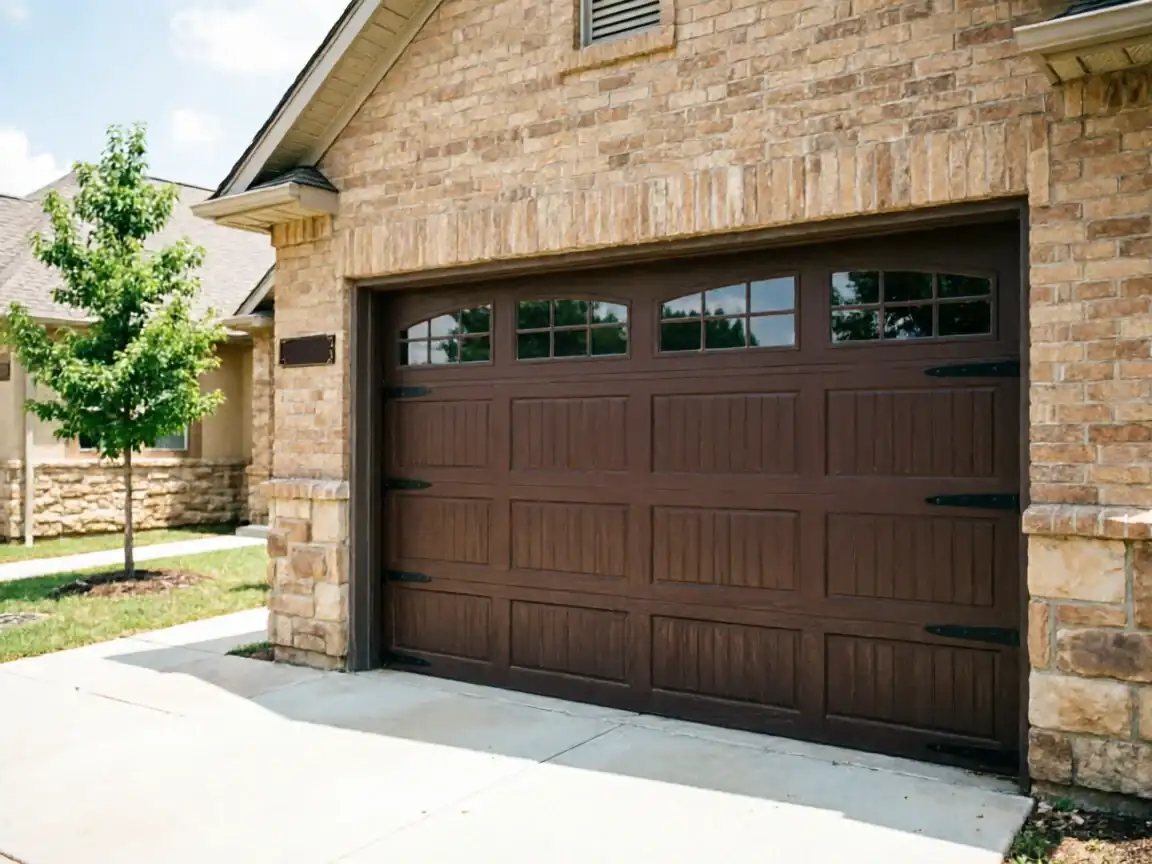
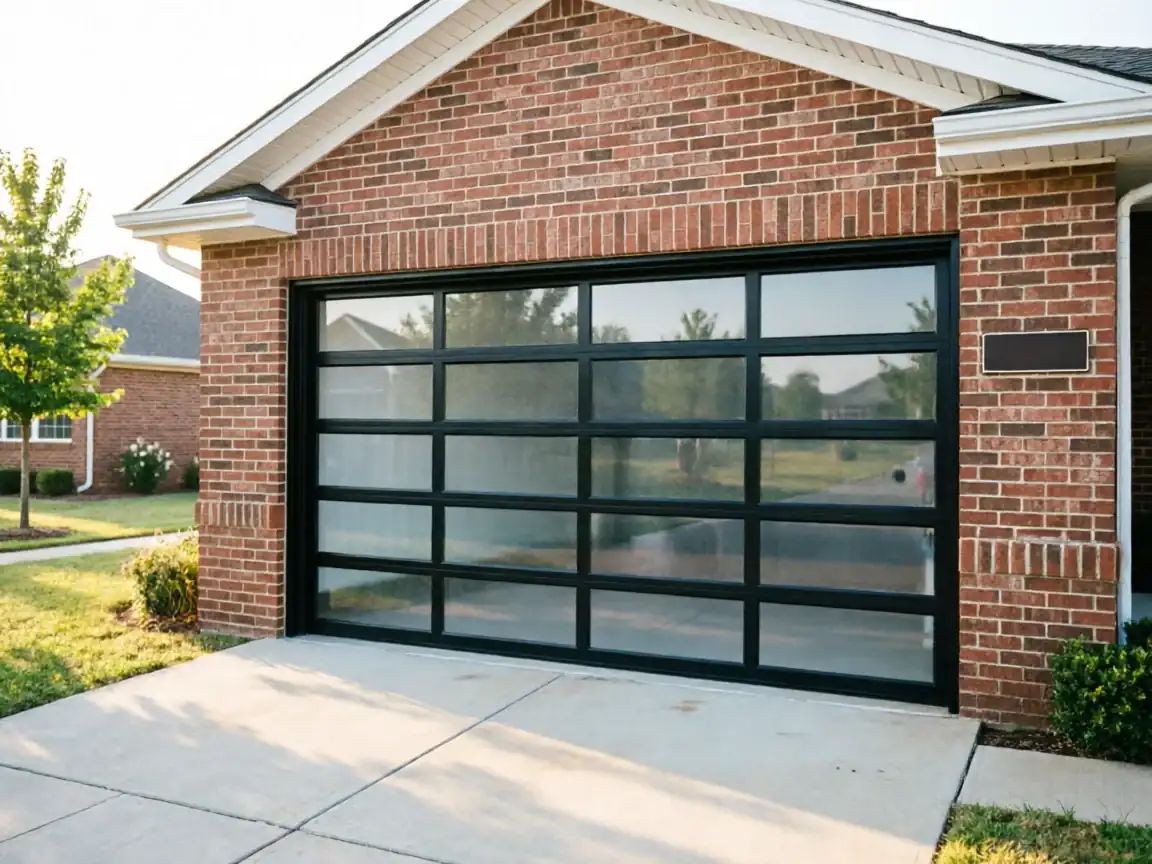
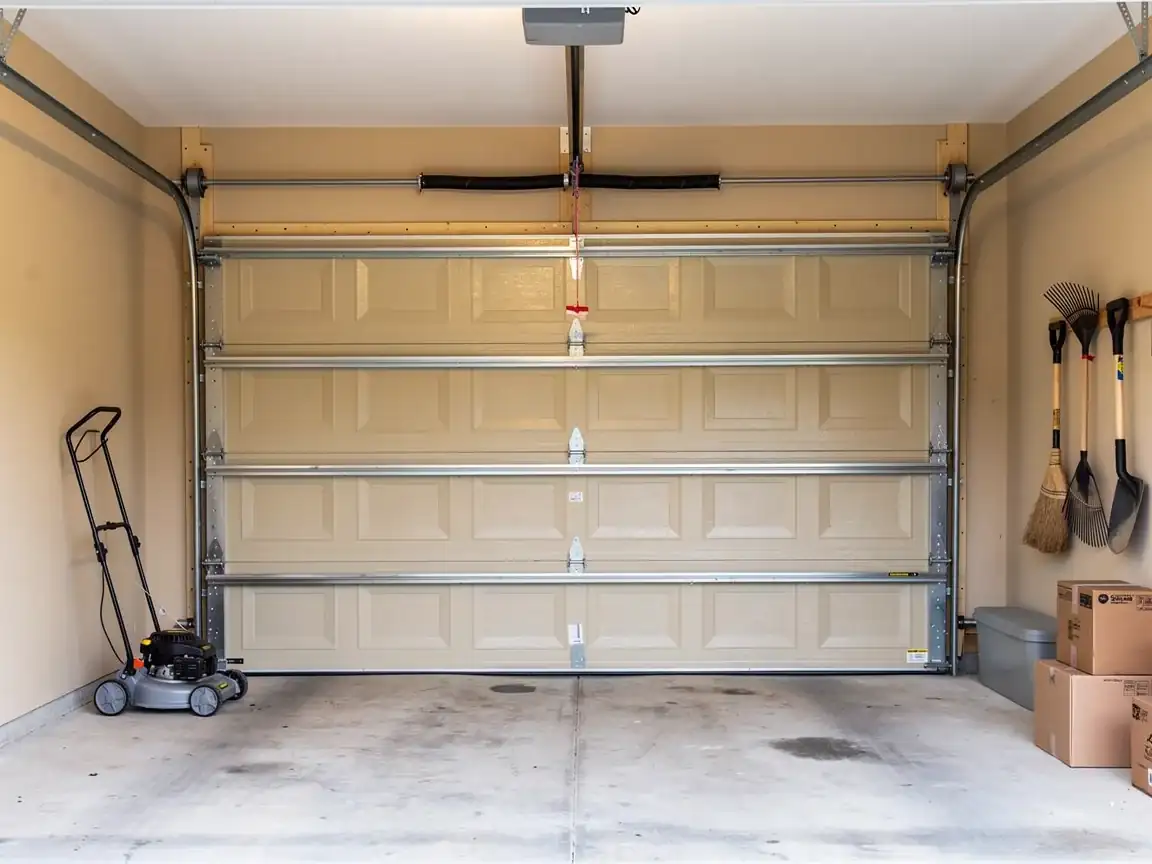
We carry standard-width steel sections in the finish ranges that match mid-80s-through-90s builds, plus the hardware that goes with them: end hinges, struts, and the fasteners those panels use. If your door is a less common width or an older raised-panel style from one of the earlier pockets in the area, we order the matching section rather than guess at a near-fit. One honest limit: specialty colors or discontinued profiles sometimes take longer to source than a standard white or almond section, and we'll tell you that lead time before you commit to the job.
How Long You Are Without the Door
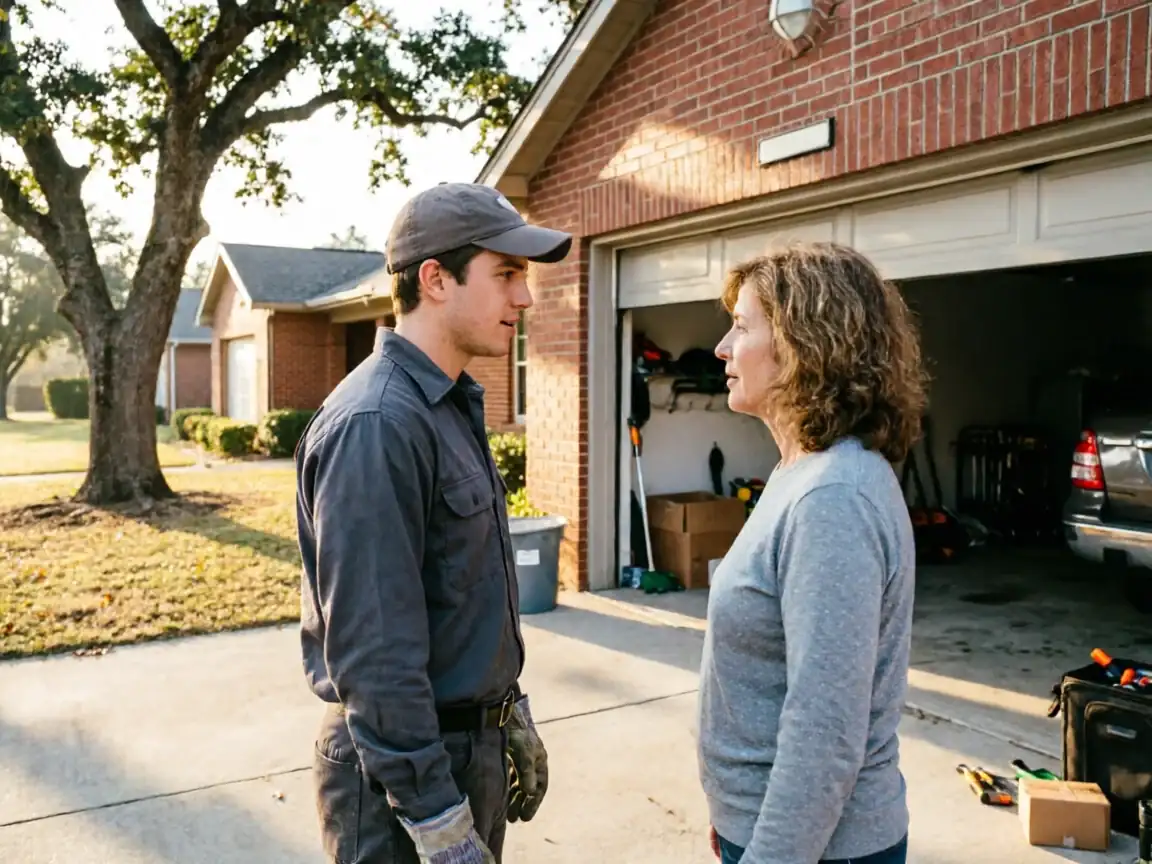
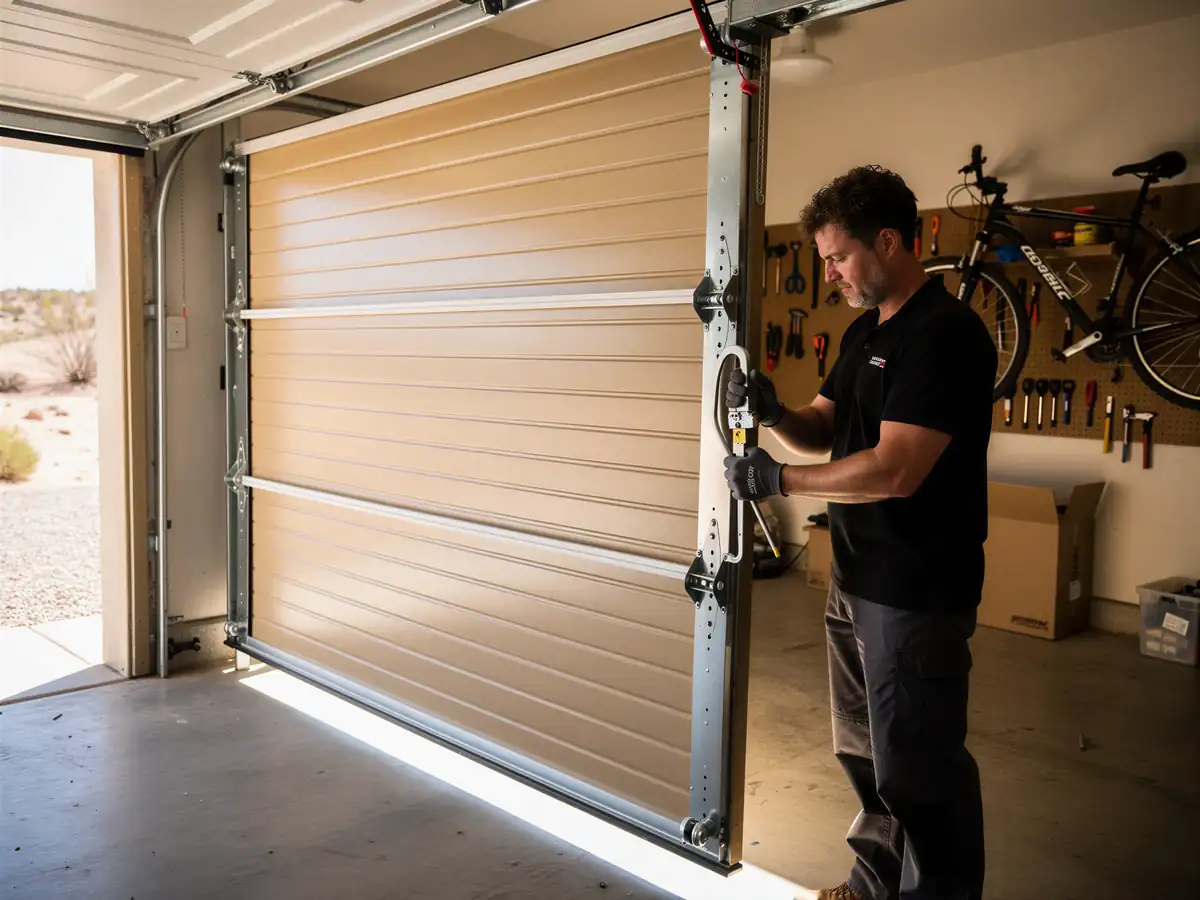
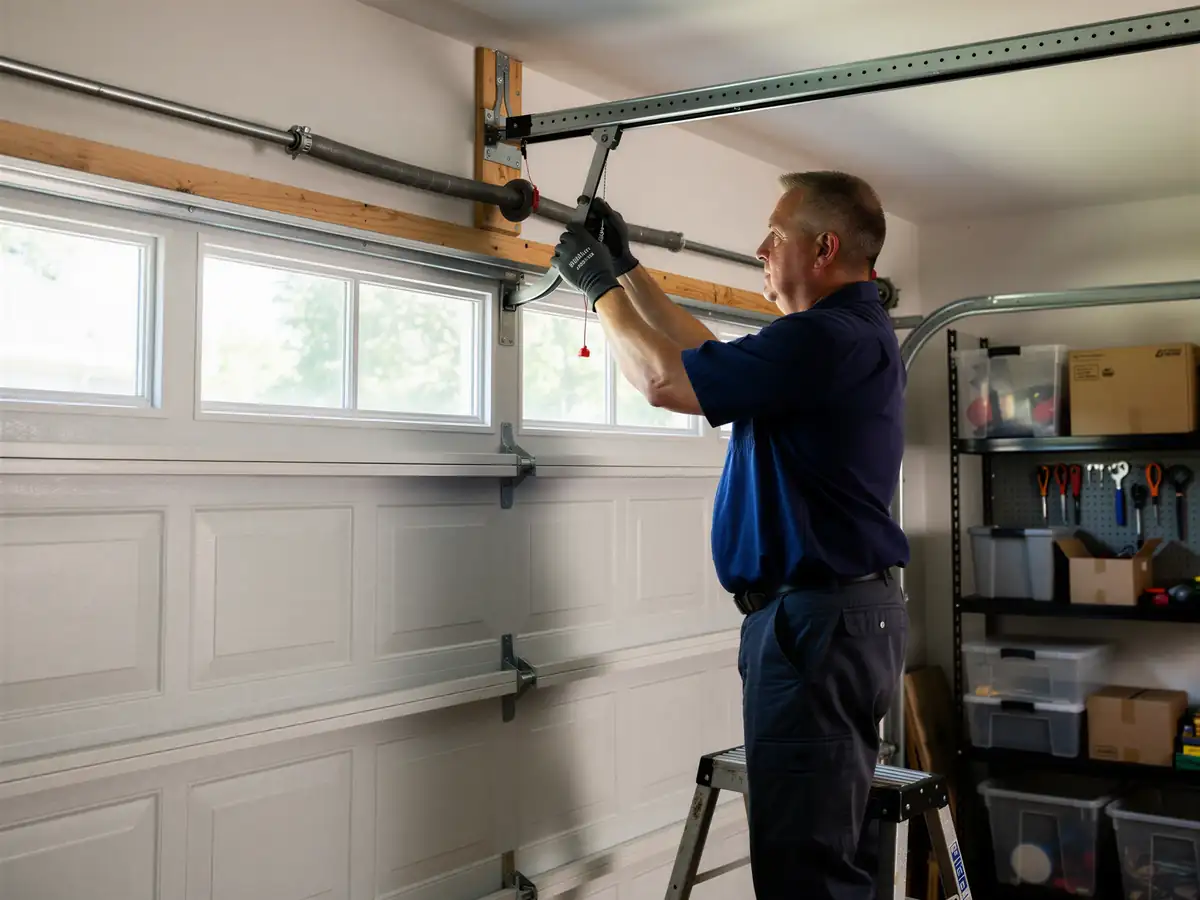
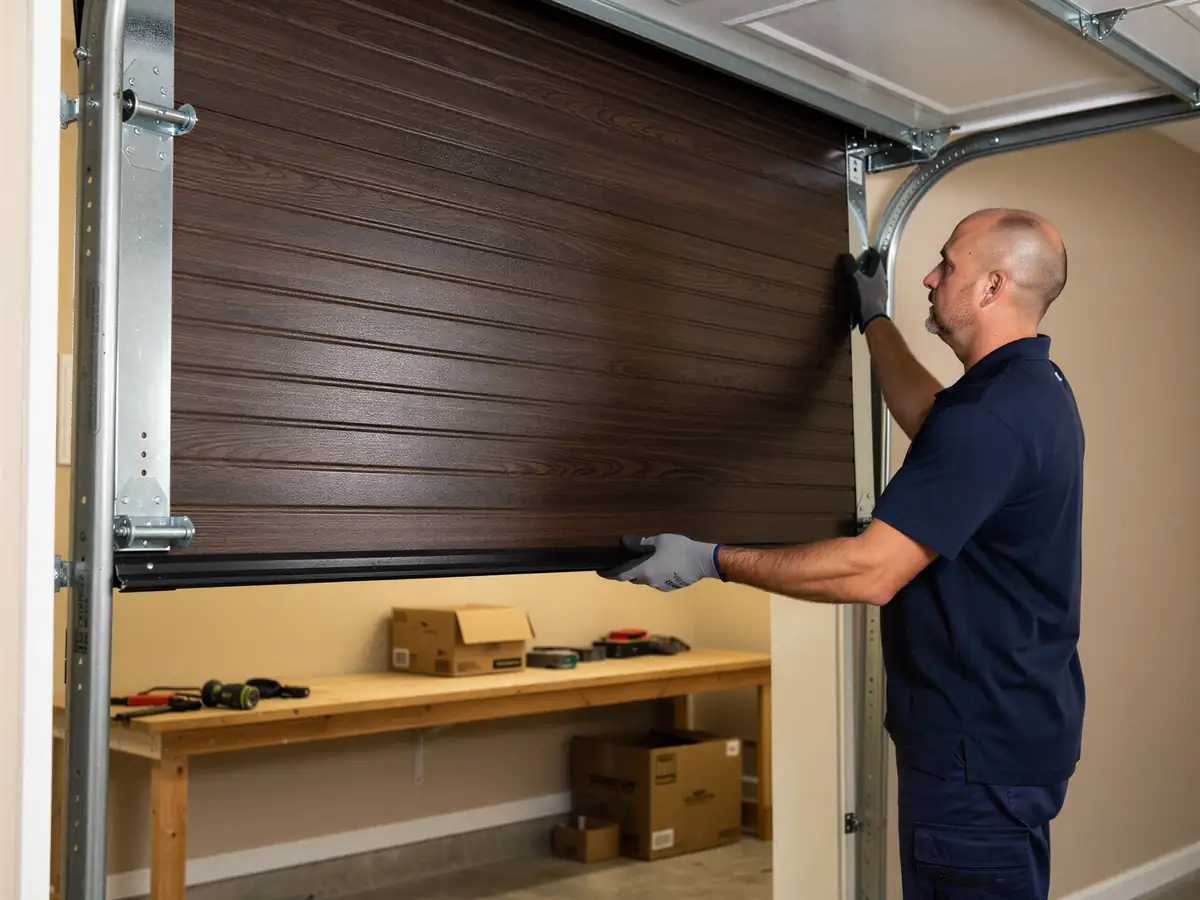
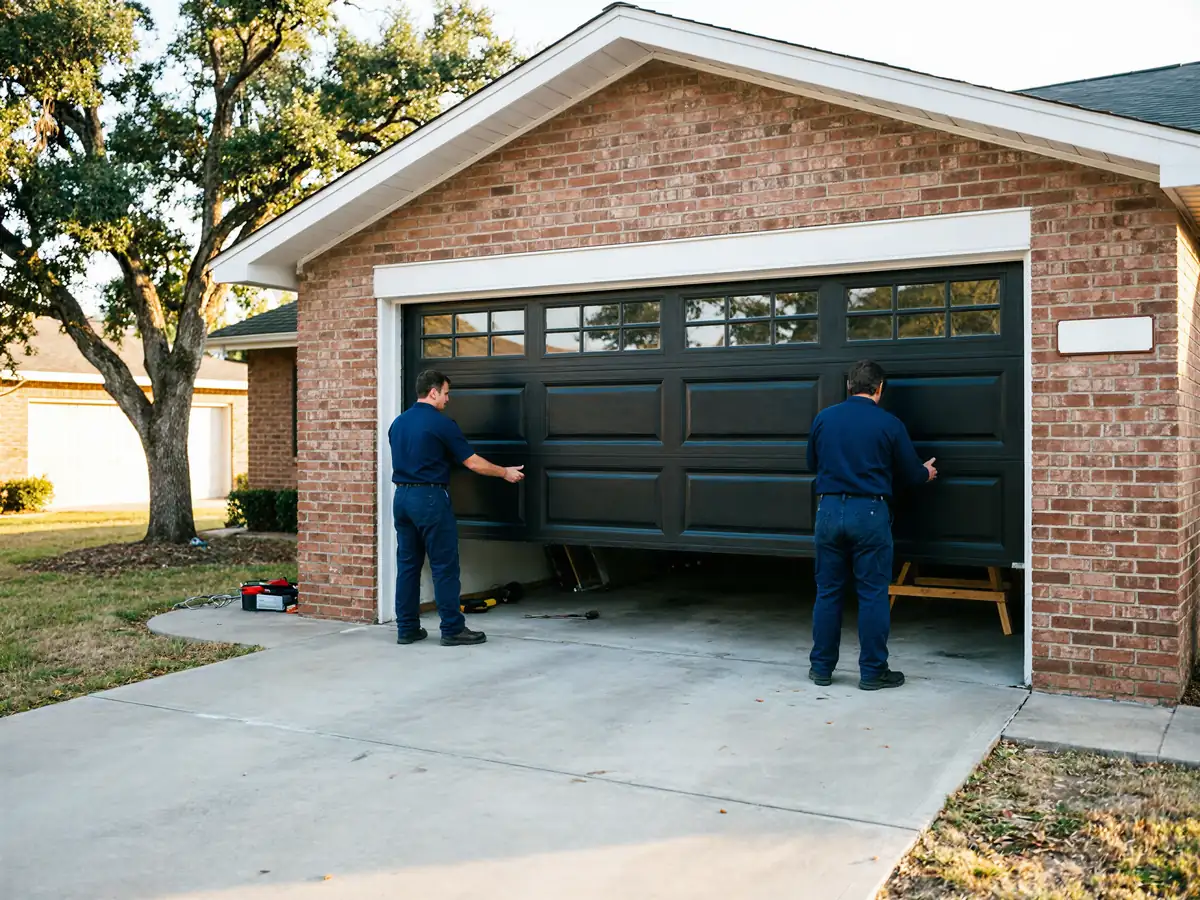
A single-panel swap on a steel sectional door is usually a same-visit job once the part is on the truck, because the section bolts to the existing end hinges and track without touching the rest of the door's balance. We come from Waco, so the trip itself adds time to scheduling, not to the repair once we're on site.
Where it stretches out is when the dent or rust has reached the panel's structural ribs or the bottom seal track, which is more common on doors nearing 30 years old. At that point we're not swapping one section, we're pulling two or three, and if the door is old enough that the manufacturer no longer makes a matching profile, you're looking at a full door instead of a panel order. We'll tell you straight if that's where your door is before we start pulling anything apart.
What the Repair Takes
Panel replacement starts with matching the section
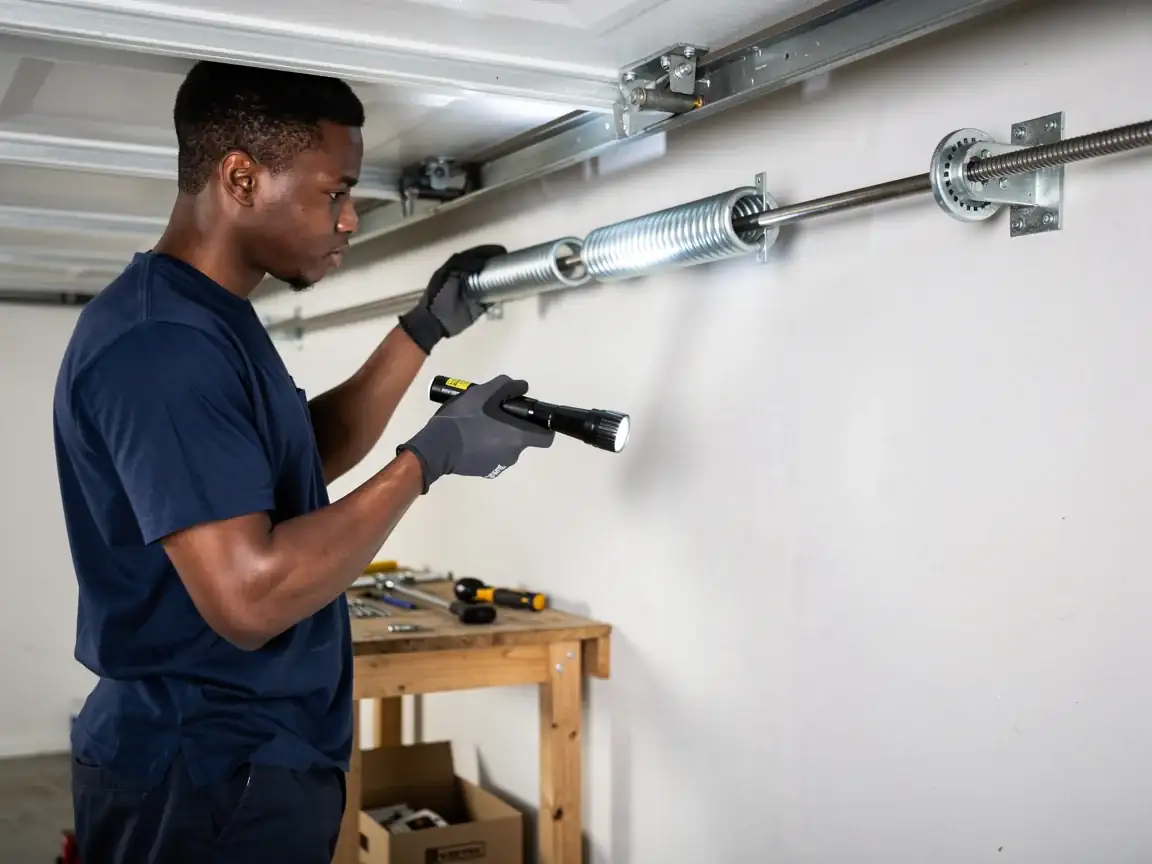
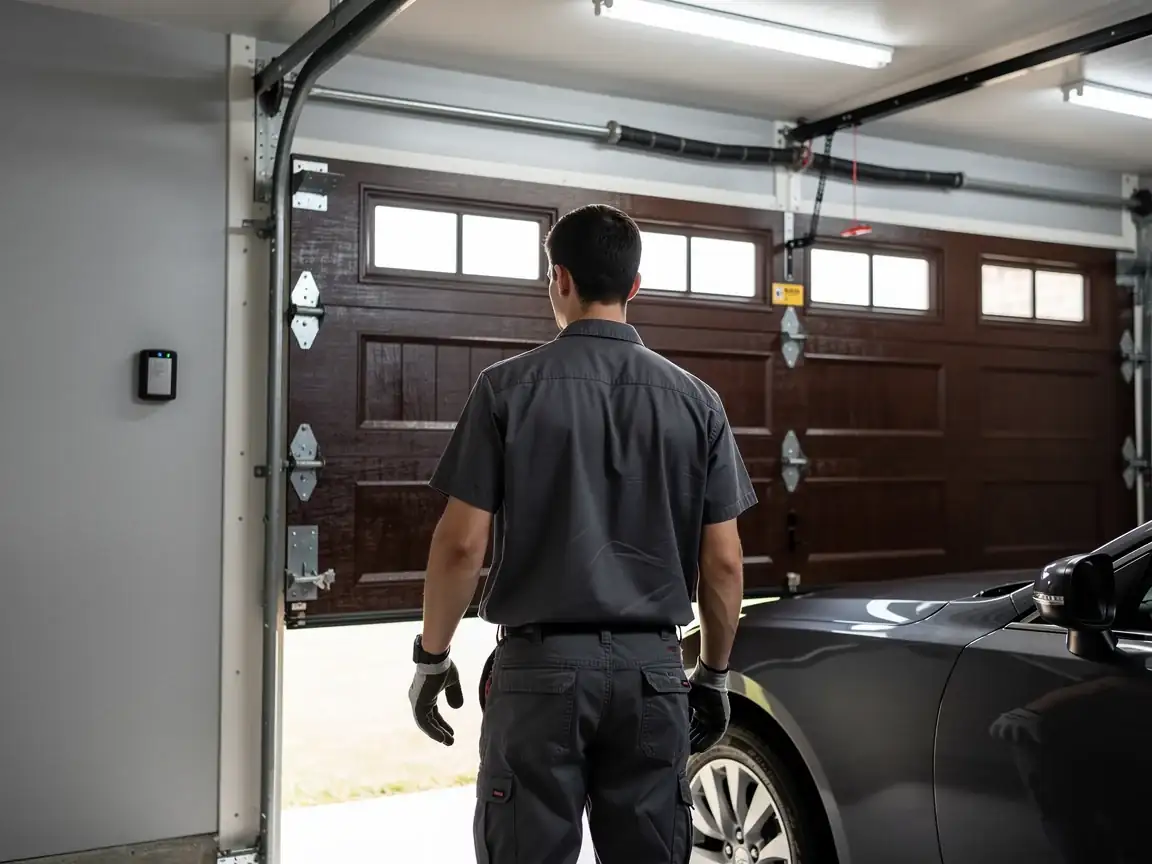
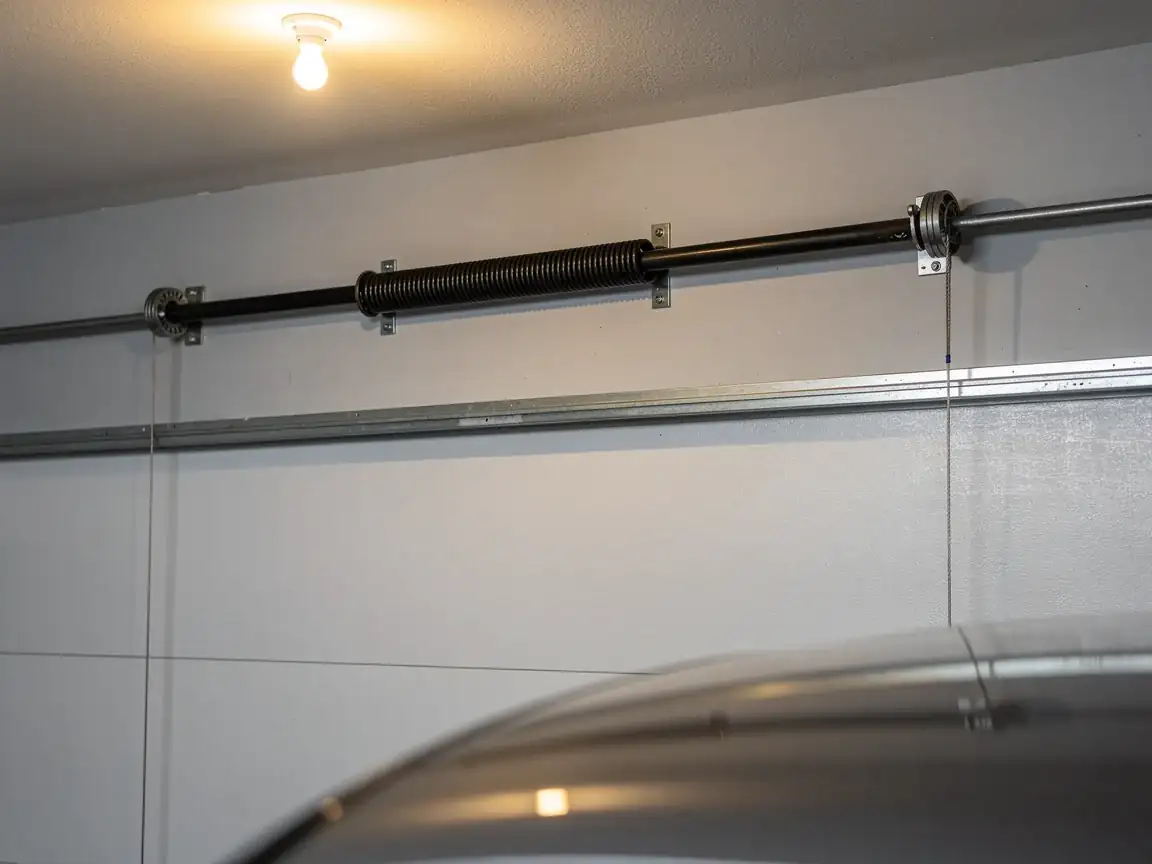
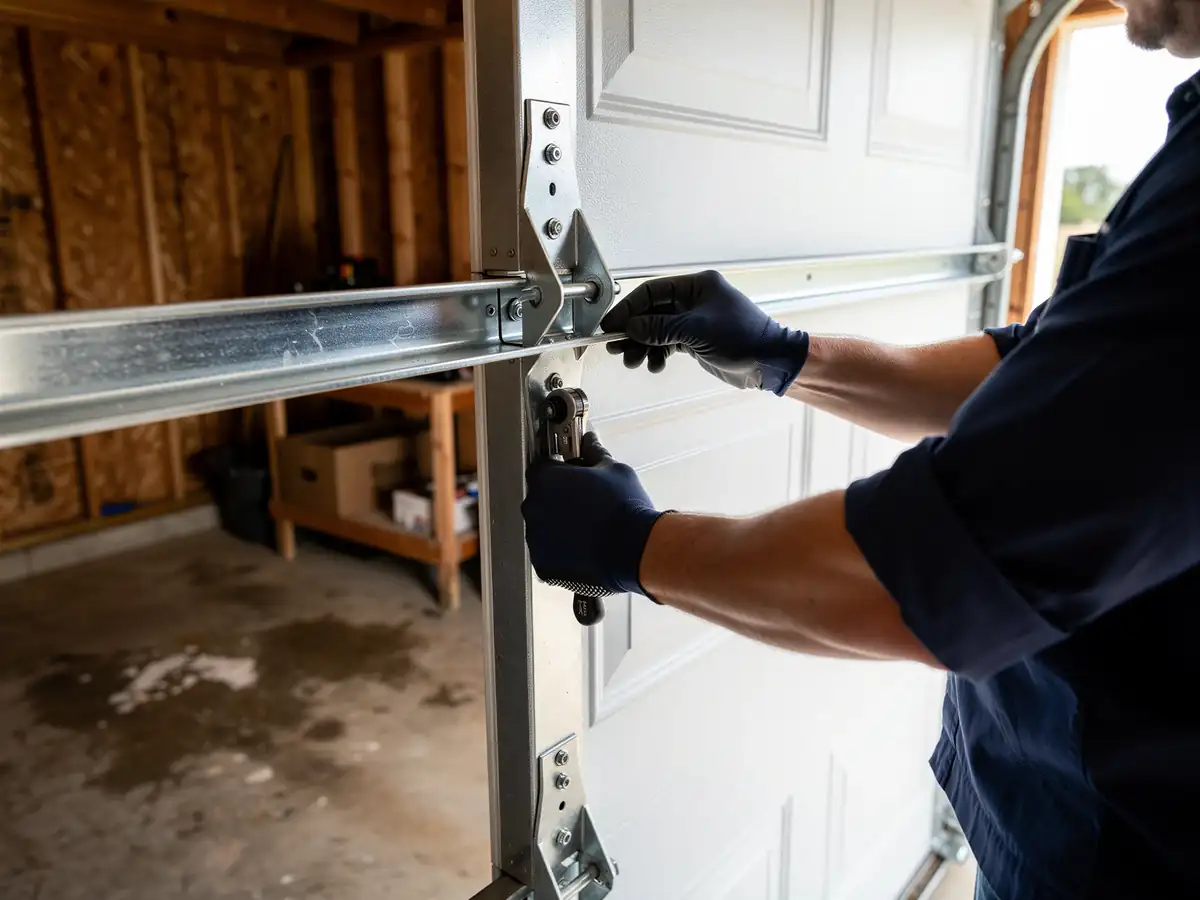
Width, hinge spacing, and finish, pulled from the existing door since most sectional panels aren't sold as universal parts. On a dented panel with intact ribs, we unbolt the end hinges, slide the damaged section out of the track, and bolt in the replacement, then recheck that the track alignment and spring tension haven't shifted from the impact.
Rust is a different job
If the bottom panel has corroded at the seam where it meets the weather seal, common on doors in this area given the moderate heat and humidity swings, we check the panel below the surface rust line before ordering, because surface rust and structural rust call for different fixes. A panel that's only surface-rusted can sometimes be cleaned and resealed instead of replaced, which costs less and keeps more of the original door intact. We'd rather tell you that than sell you a part you don't need.
Where This Job Goes Sideways
The job gets harder when the dent or rust sits on a panel next to the bottom roller track, because pulling that section means supporting the door's weight differently while it's open, not just unbolting and swapping. On doors from the earlier end of the area's build years, we also sometimes find that the panel profile was discontinued by the manufacturer years ago, which turns what looked like a one-panel fix into a full-door replacement conversation.
The other place it goes sideways is cosmetic mismatch: a new steel section, even in the same nominal color, won't always match a 20-year-old faded panel next to it under direct sun. We'll say so up front rather than let you find out after installation. If the mismatch bothers you more than the cost of doing the full door, that's worth deciding before we order the part, not after.