Stocked Parts
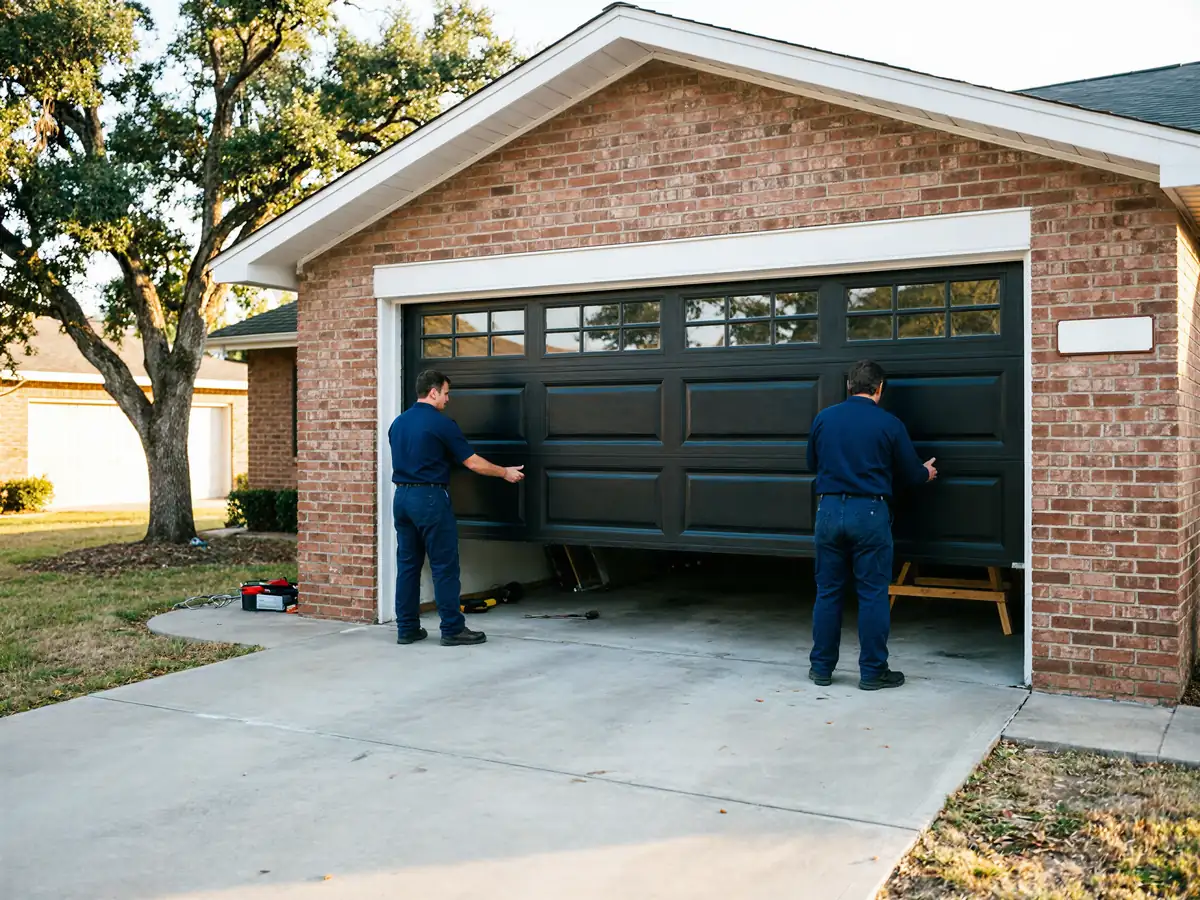
Hewitt is a short run out of Waco, about seven miles, which matters more for an install than a repair call. A spring fix is one trip. A new door is a measure visit, then a second trip with the door, the track, and the opener hardware loaded on the truck, so we try to get both legs of that right the first time rather than showing up with the wrong header clearance for the opening.
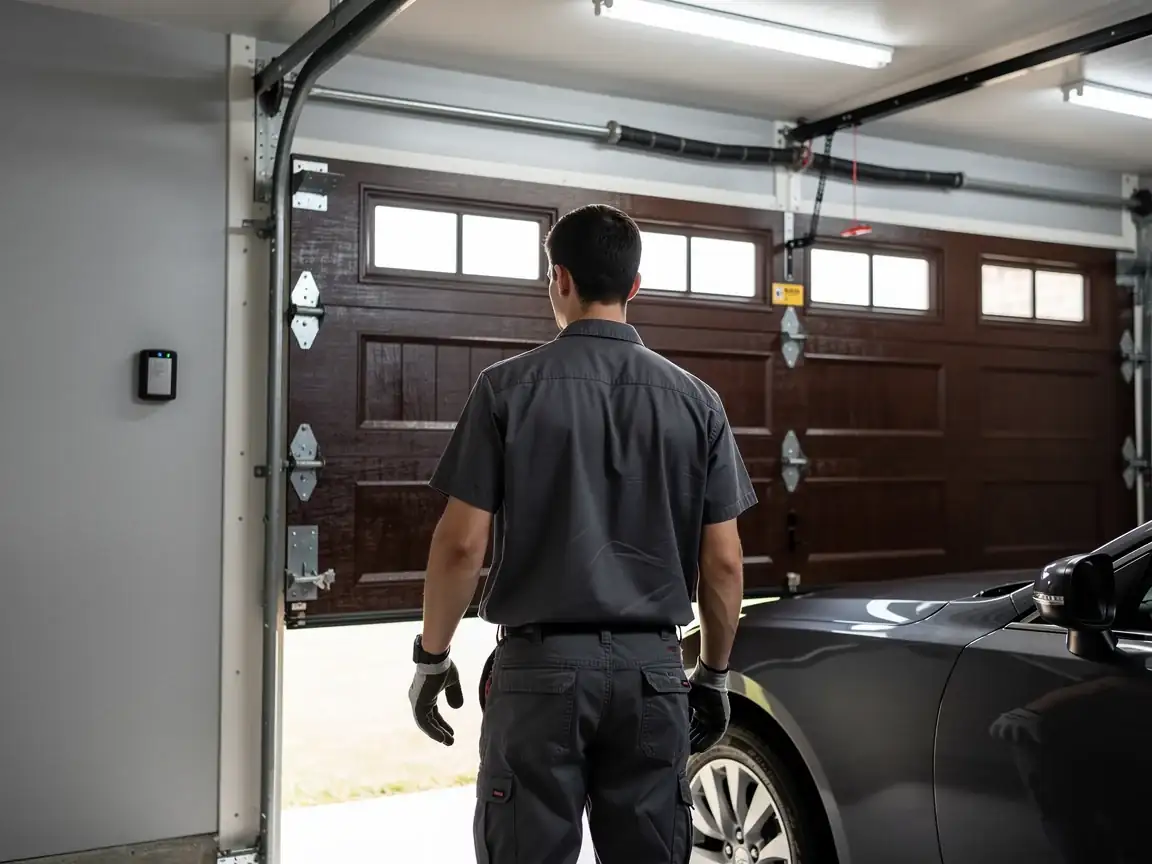
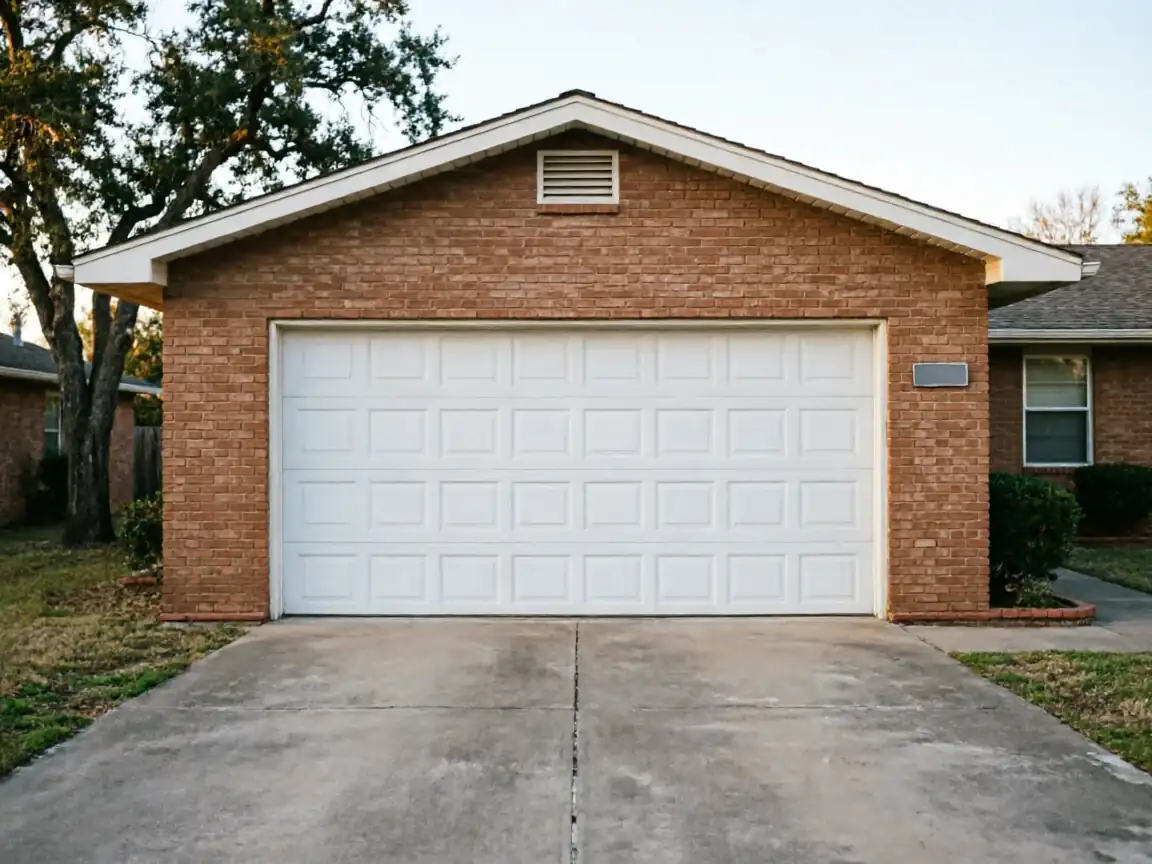
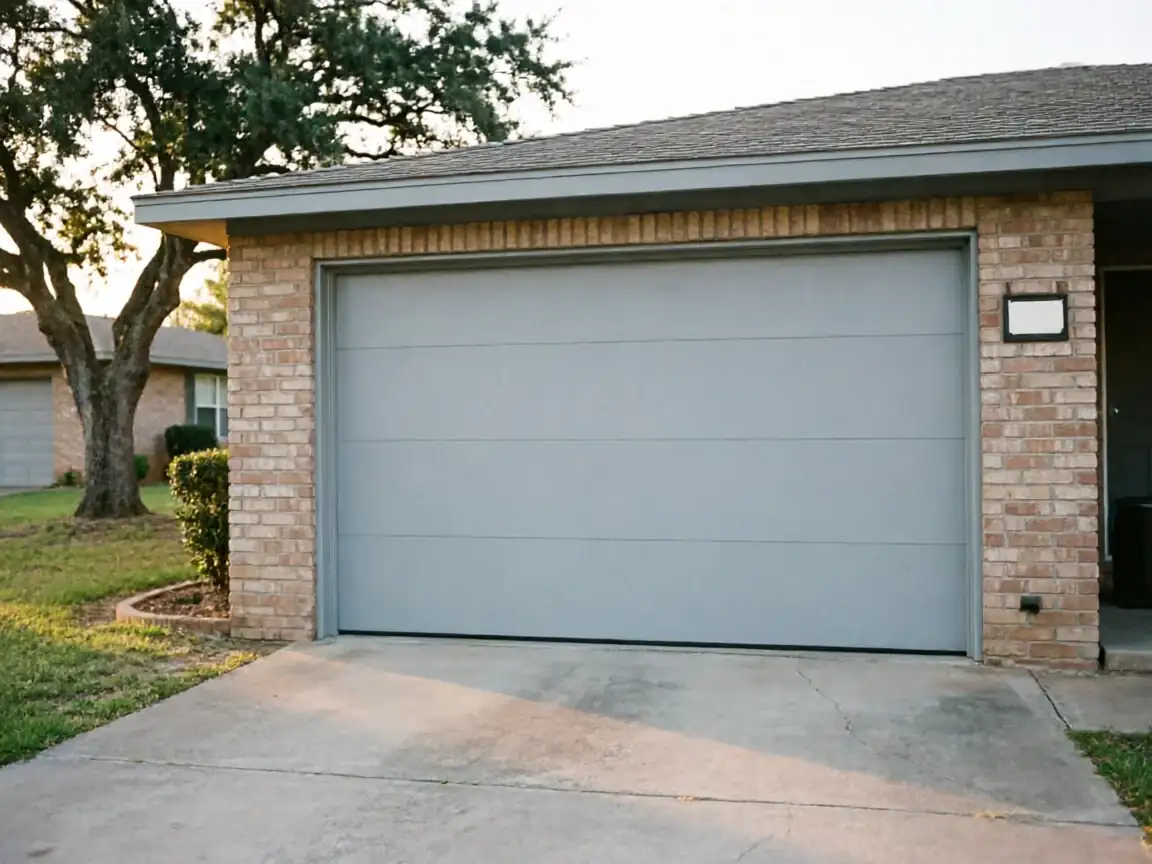
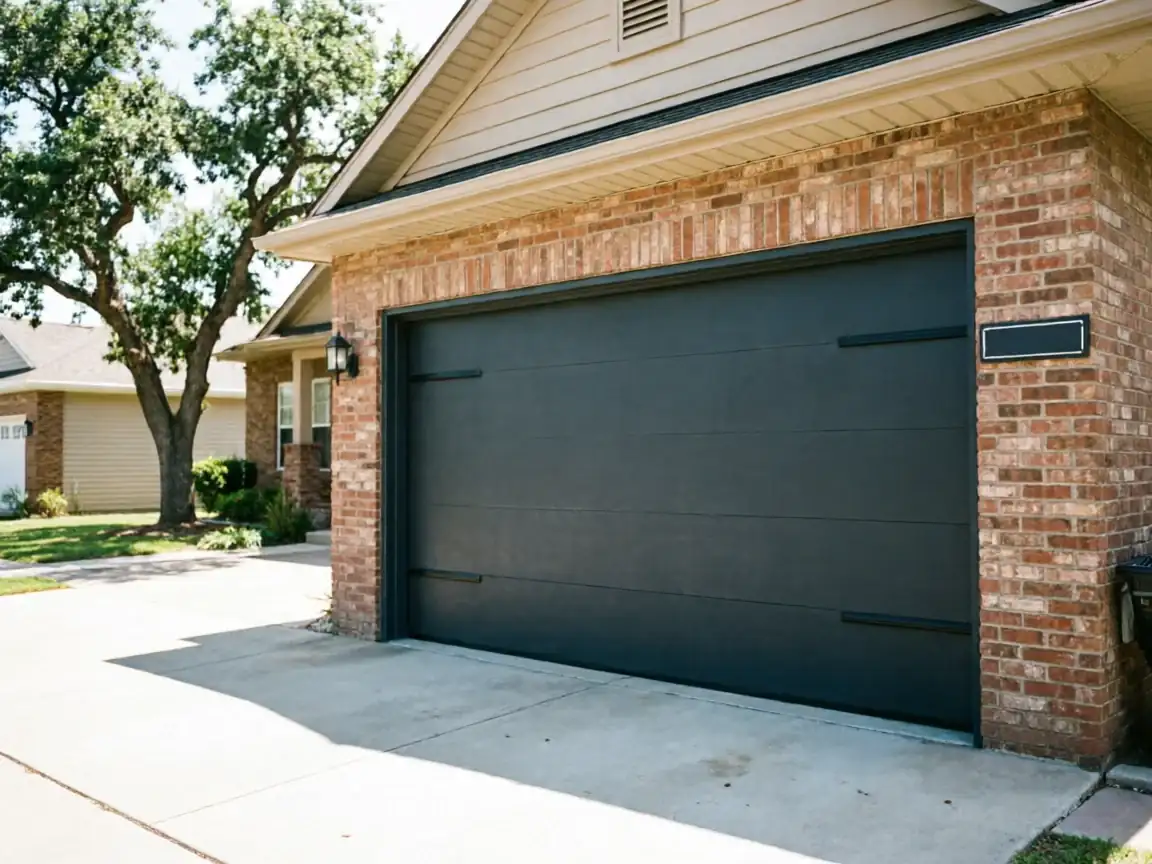
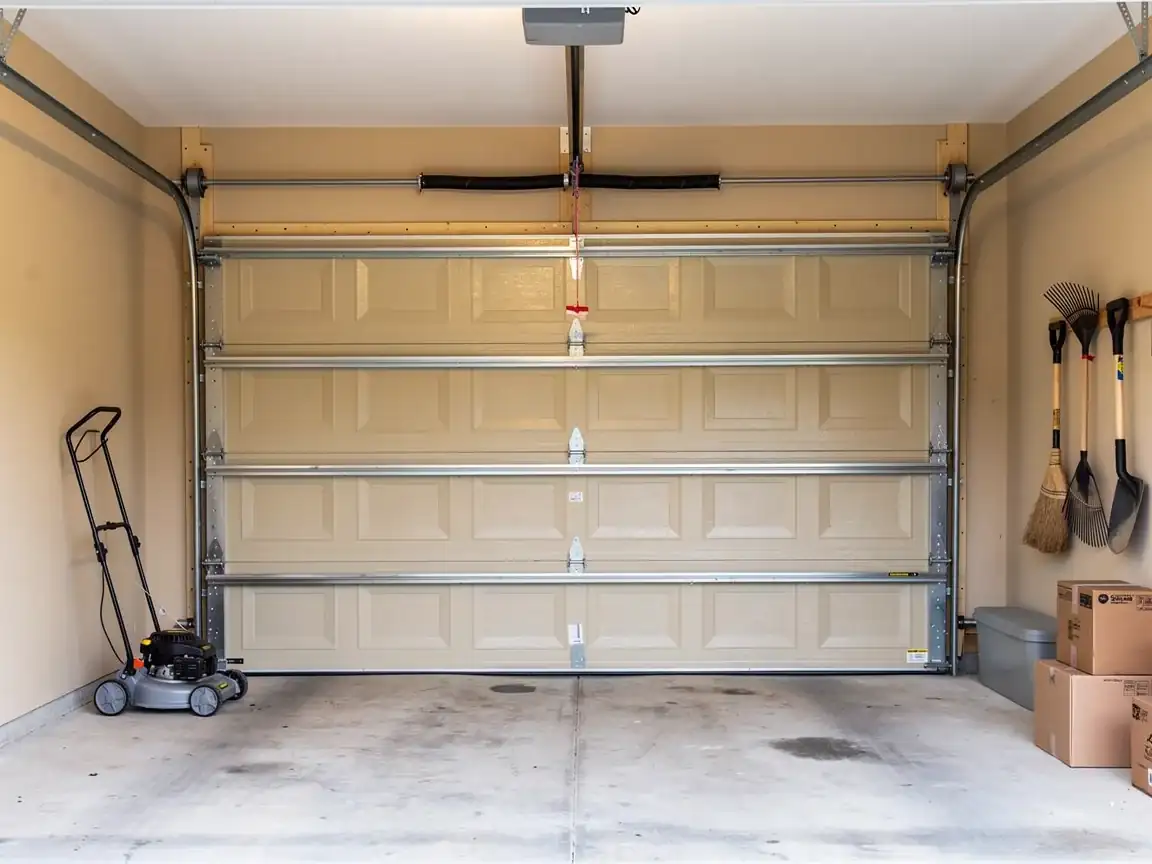
The truck carries standard steel sectional doors in the common widths - 16x7 and 9x7 - because that covers most of what's actually in the ground out here. With a median build year of 1994, Hewitt's garage openings mostly came factory-framed for a steel sectional door and a chain-drive opener, not the older wood slab doors with loose jambs that still turn up closer to Waco's older neighborhoods. That means fewer surprises at the header and fewer custom jamb kits needed on install day.
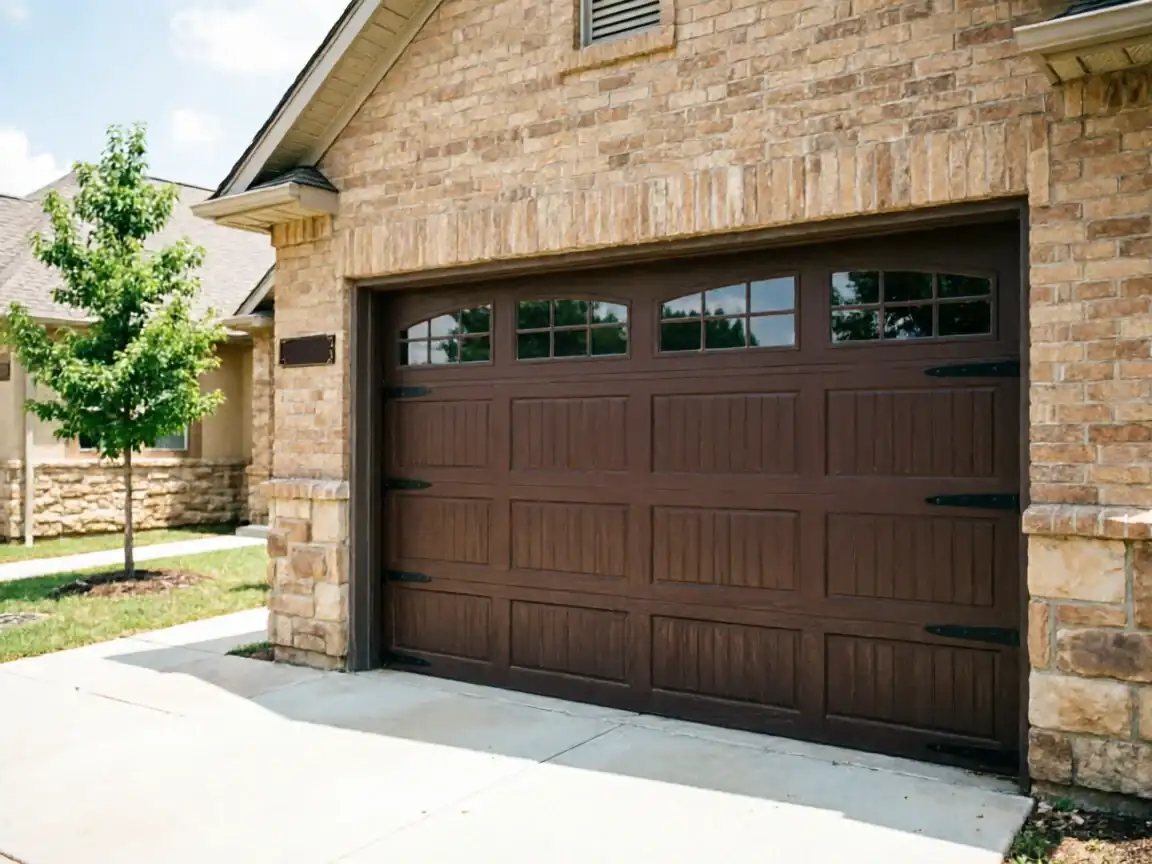
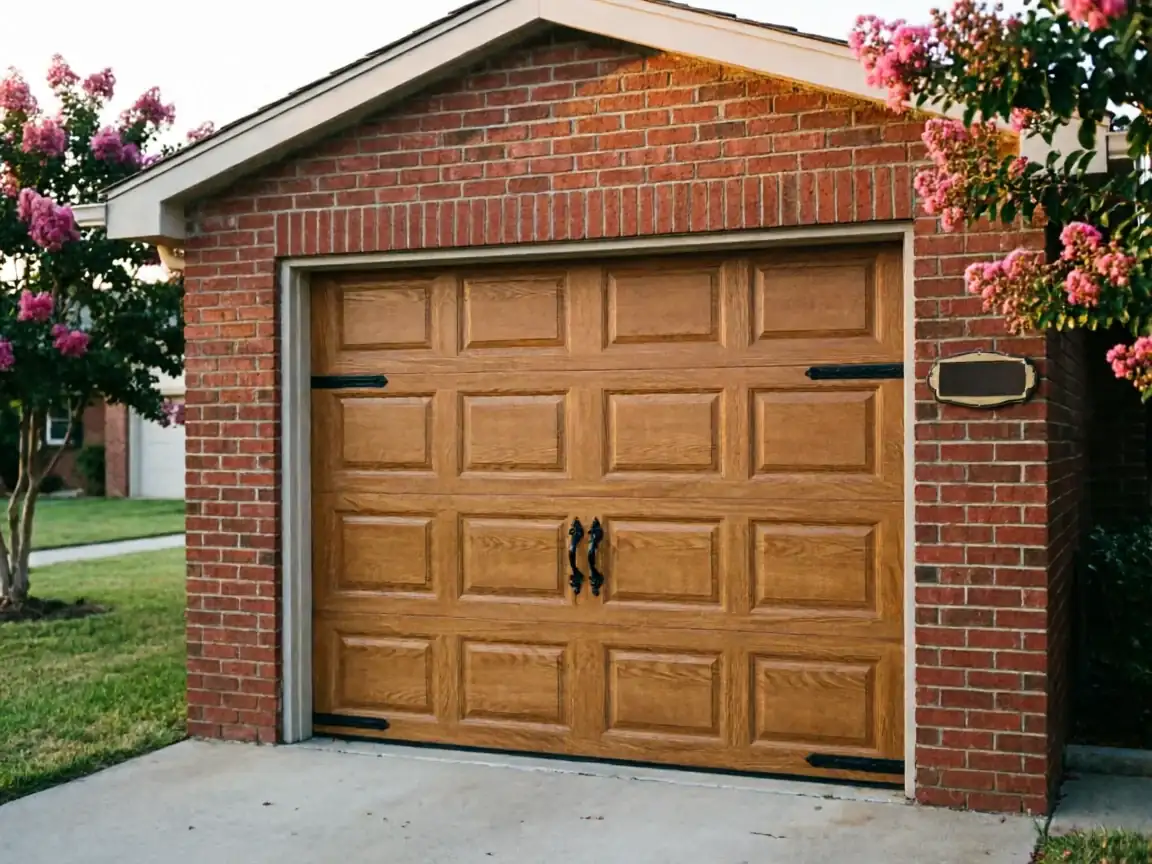
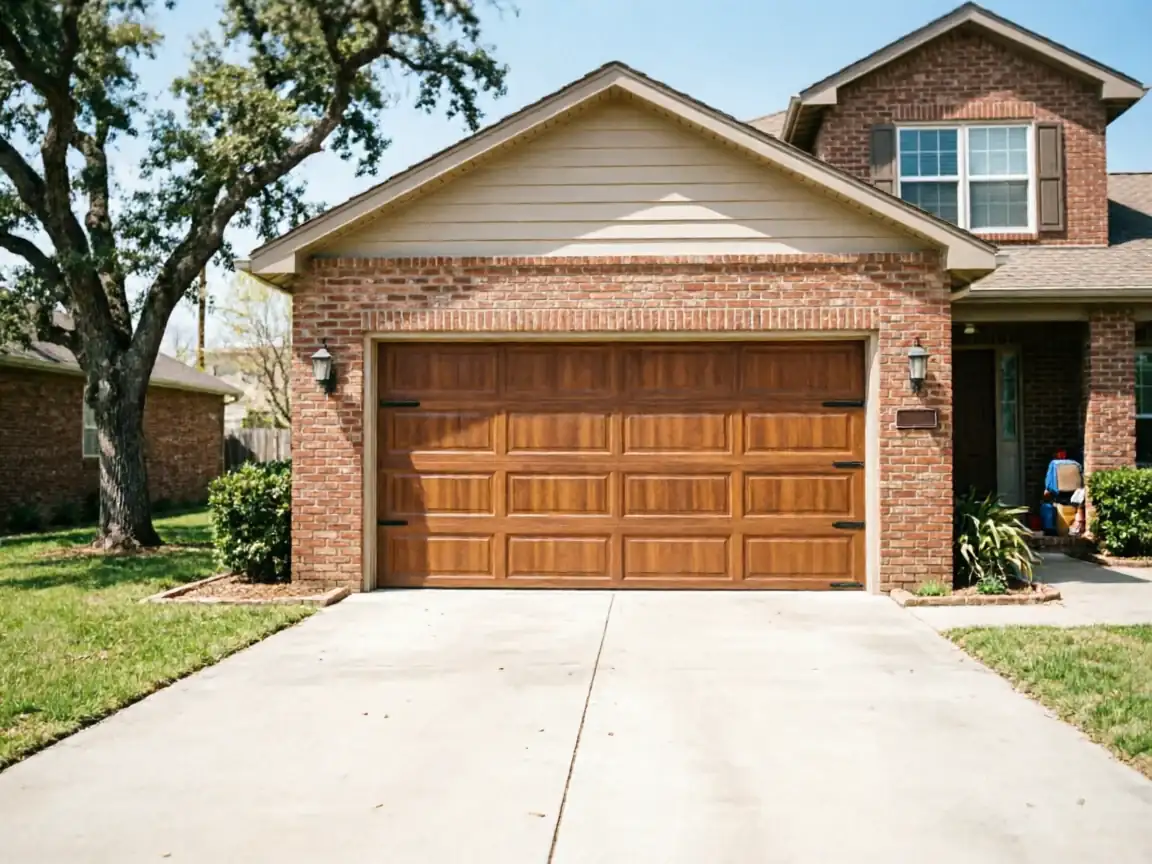
Where it gets slower: anything outside stock widths, insulated doors with a specific R-value spec, or a wood-composite or carriage-style door someone's set on. Those get ordered, not pulled off the truck, and that's the one honest limit on a same-week turnaround here.
How Long You Are Without the Door
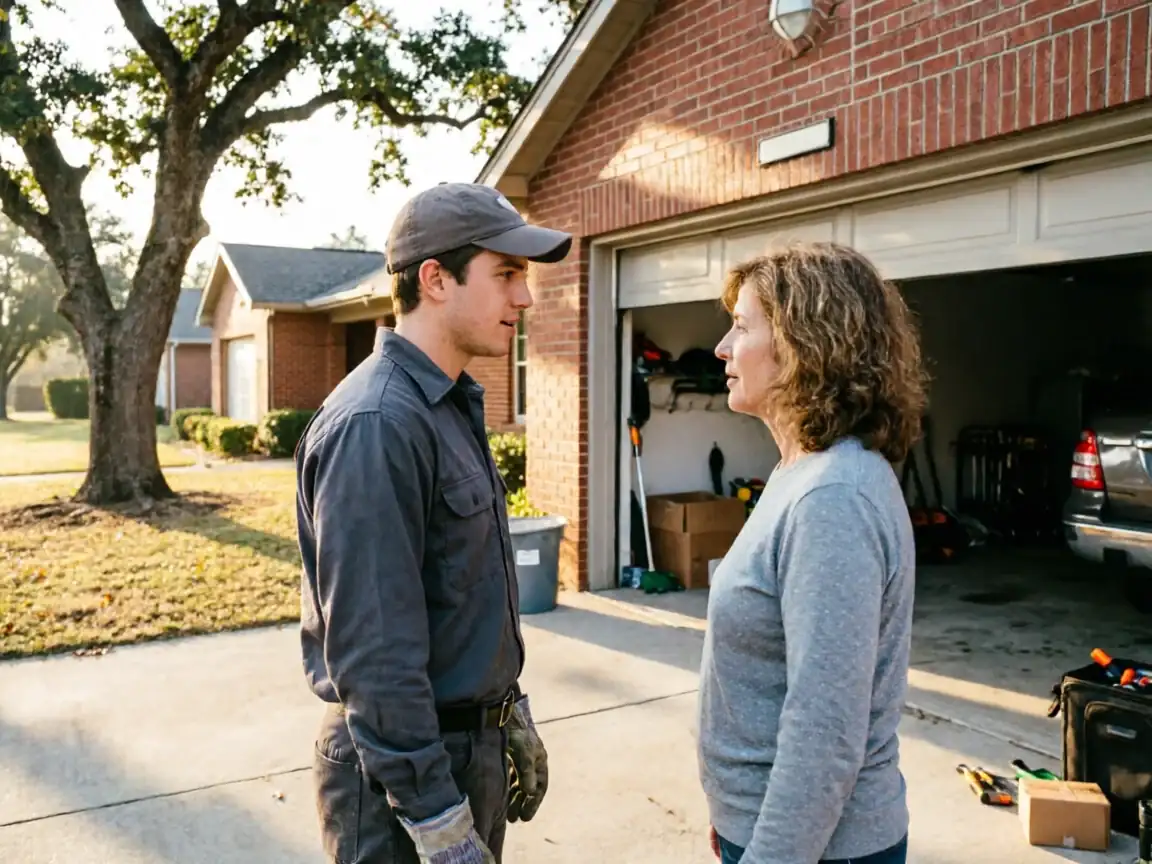
Because the drive is only seven miles, scheduling the measure and the install close together is realistic in a way it wouldn't be for a town further out on the list. The gap most homeowners feel isn't the install itself - a single door swap generally runs a few hours - it's the stretch between the measure visit and the day the actual door shows up on the truck, which depends on whether it's a stock width or something ordered.
For a standard steel sectional in a standard opening, that gap is short. The old door comes off, the new track and springs go up sized to the opening, and the opener gets remounted or replaced in the same visit. You're not living with a plastic sheet over the opening for a week.
Where it stretches out is custom sizing or insulation specs that aren't on the truck. If your opening doesn't match the common widths we carry, plan on the order lead time on top of the drive, not instead of it.
What the Repair Takes
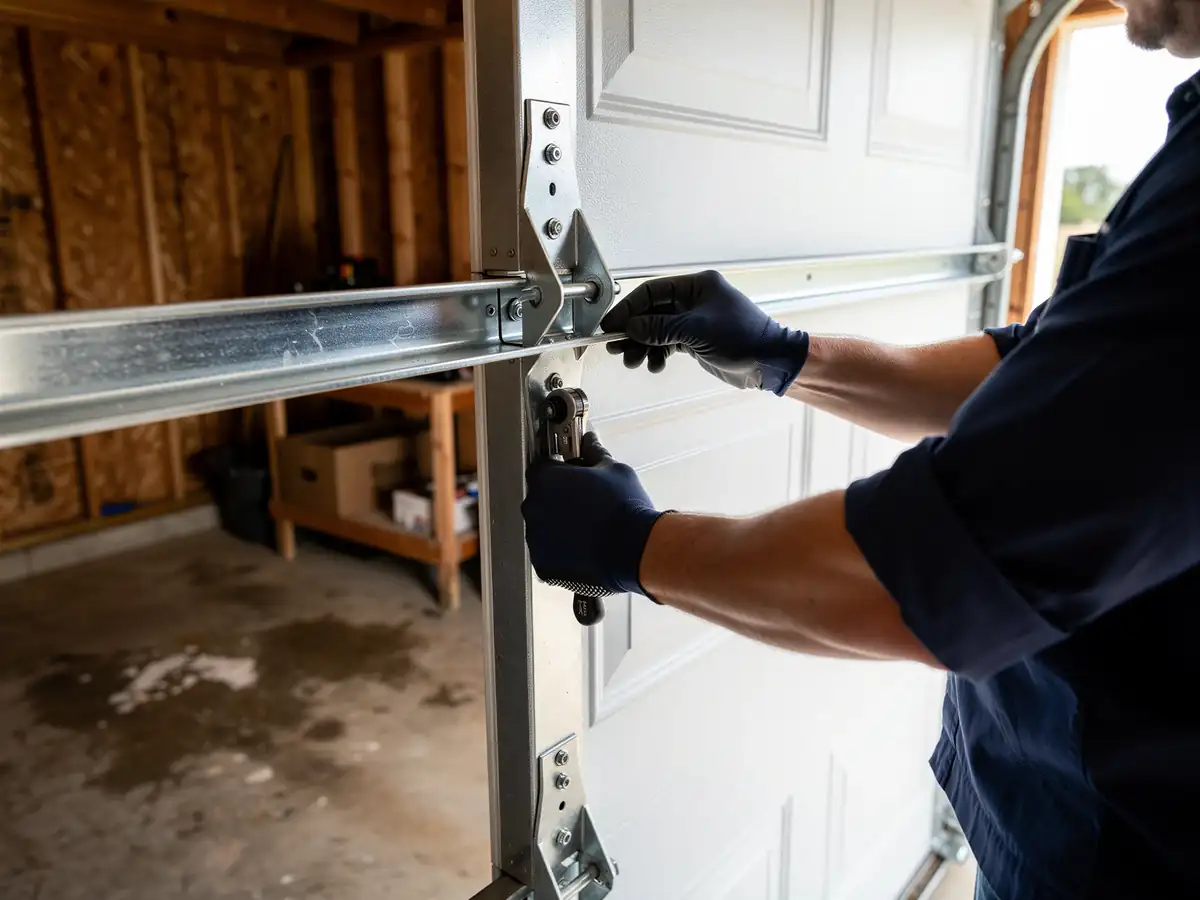
For most Hewitt installs, this is a straightforward swap
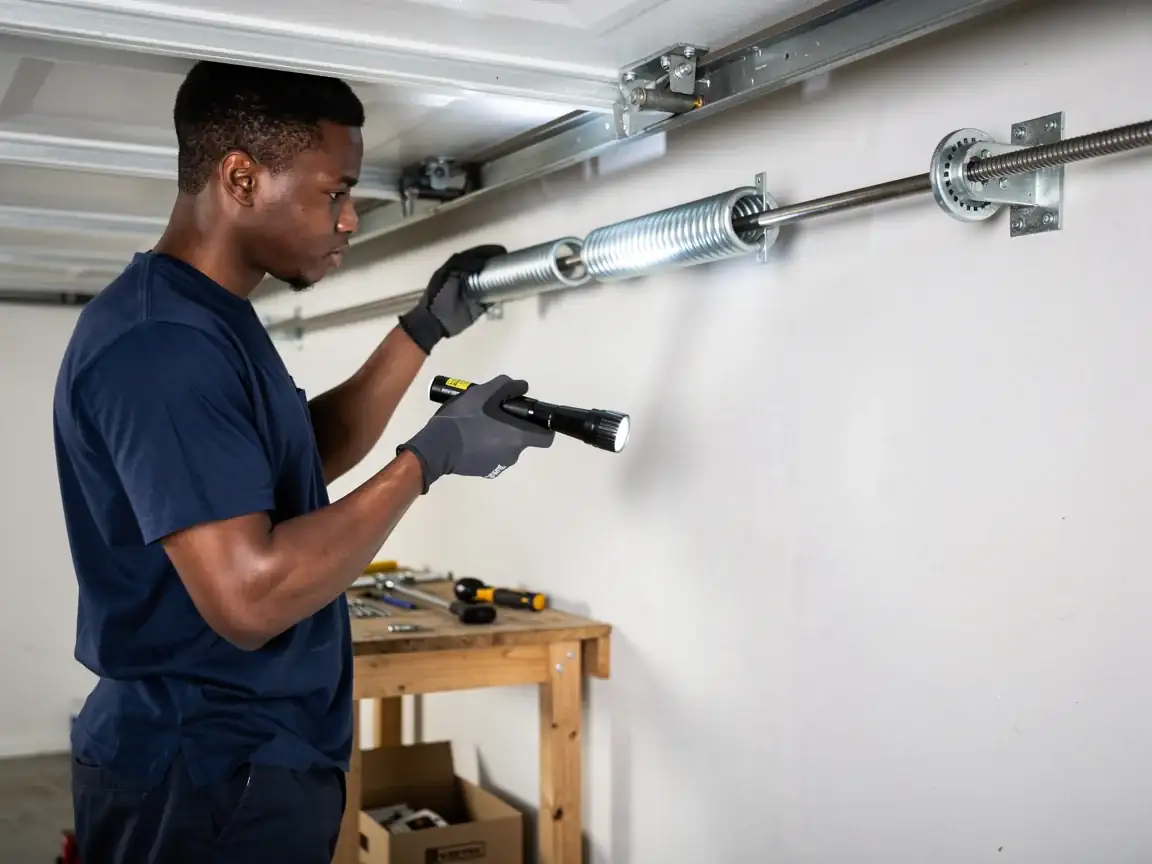
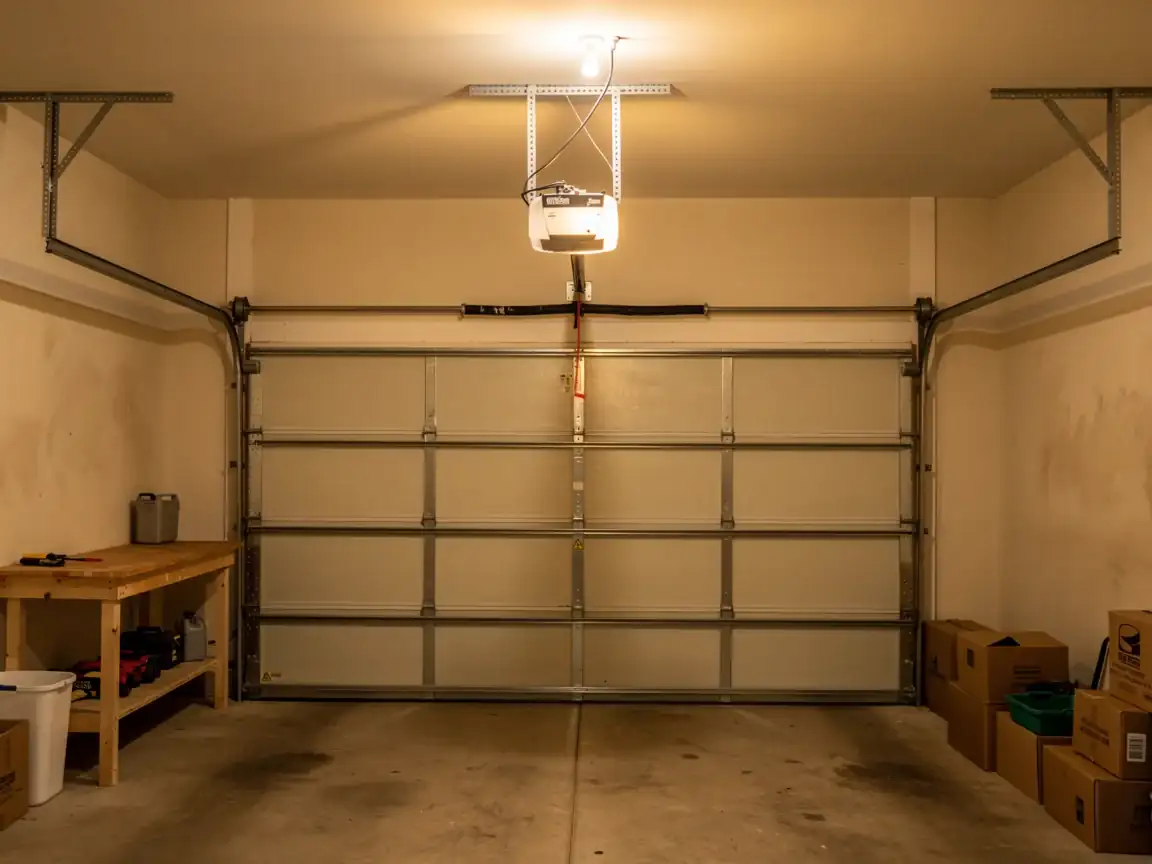
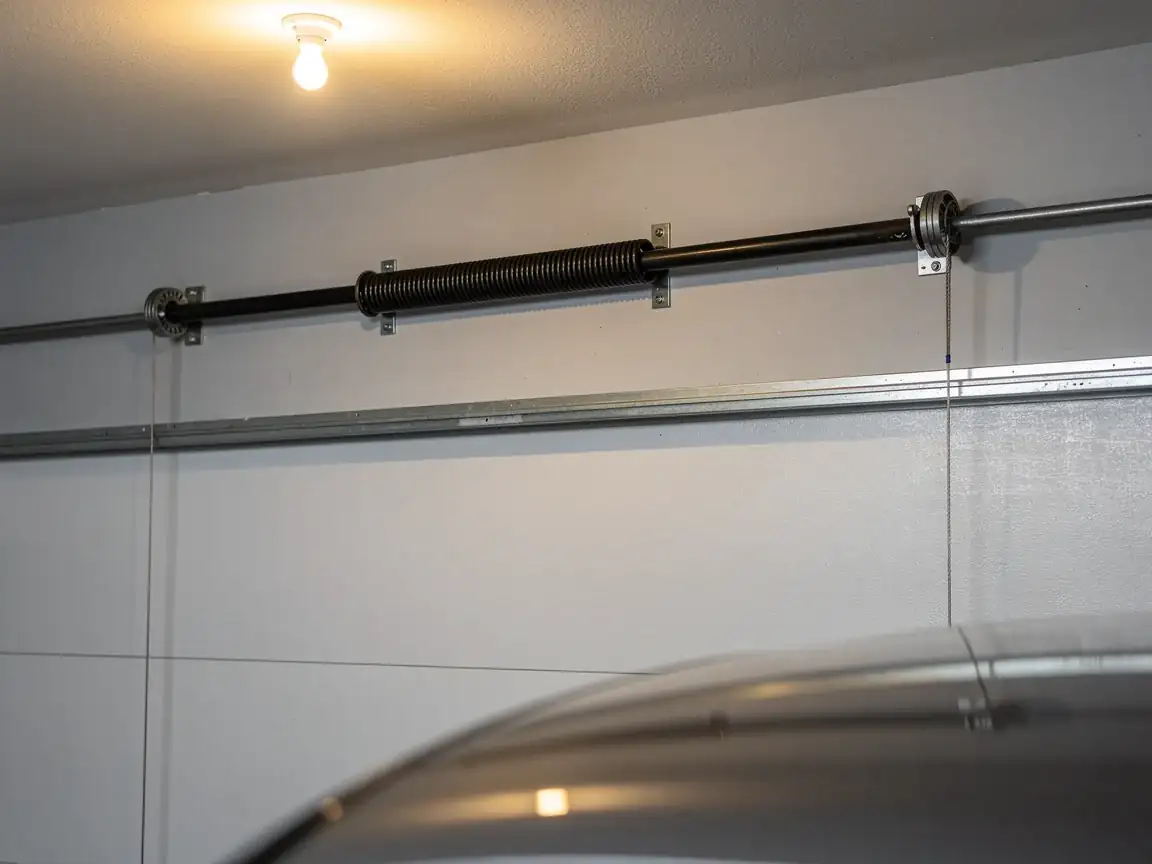
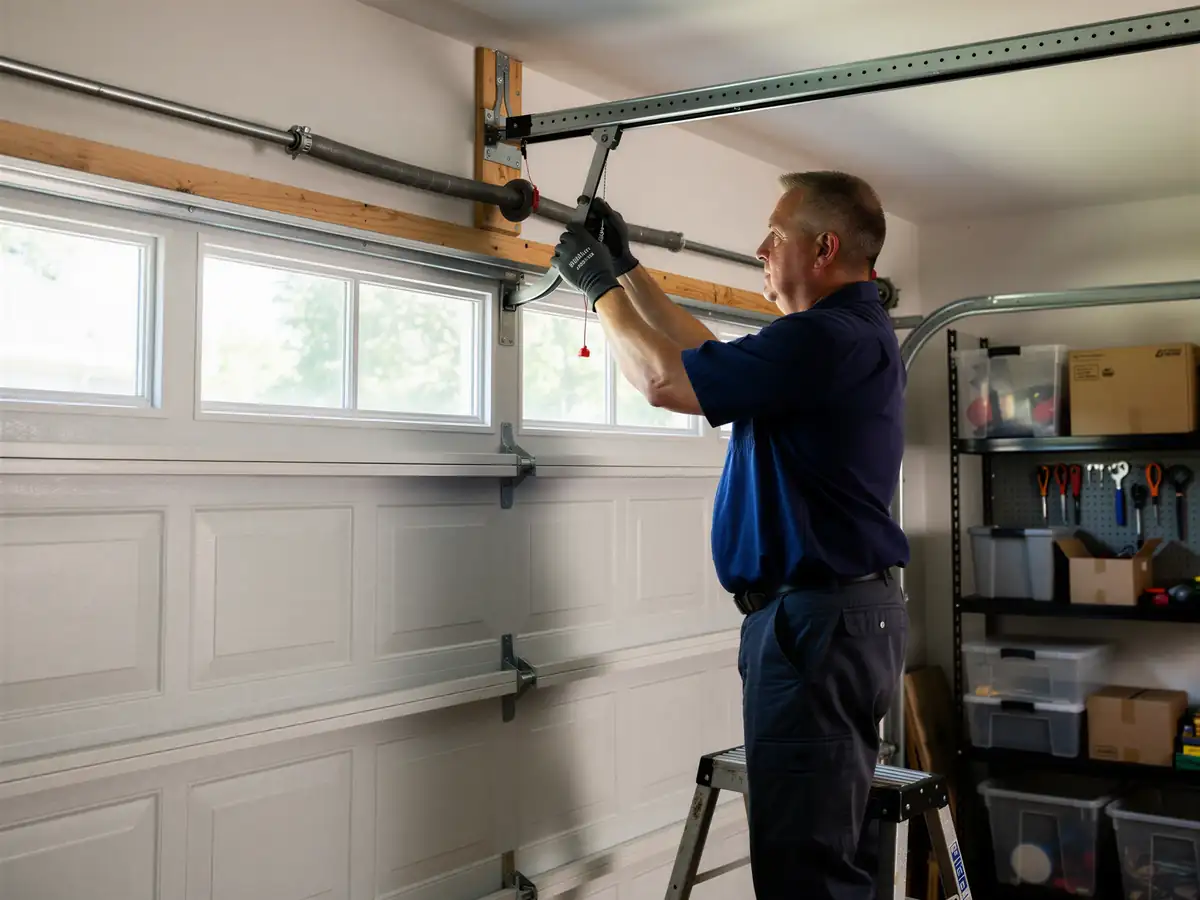
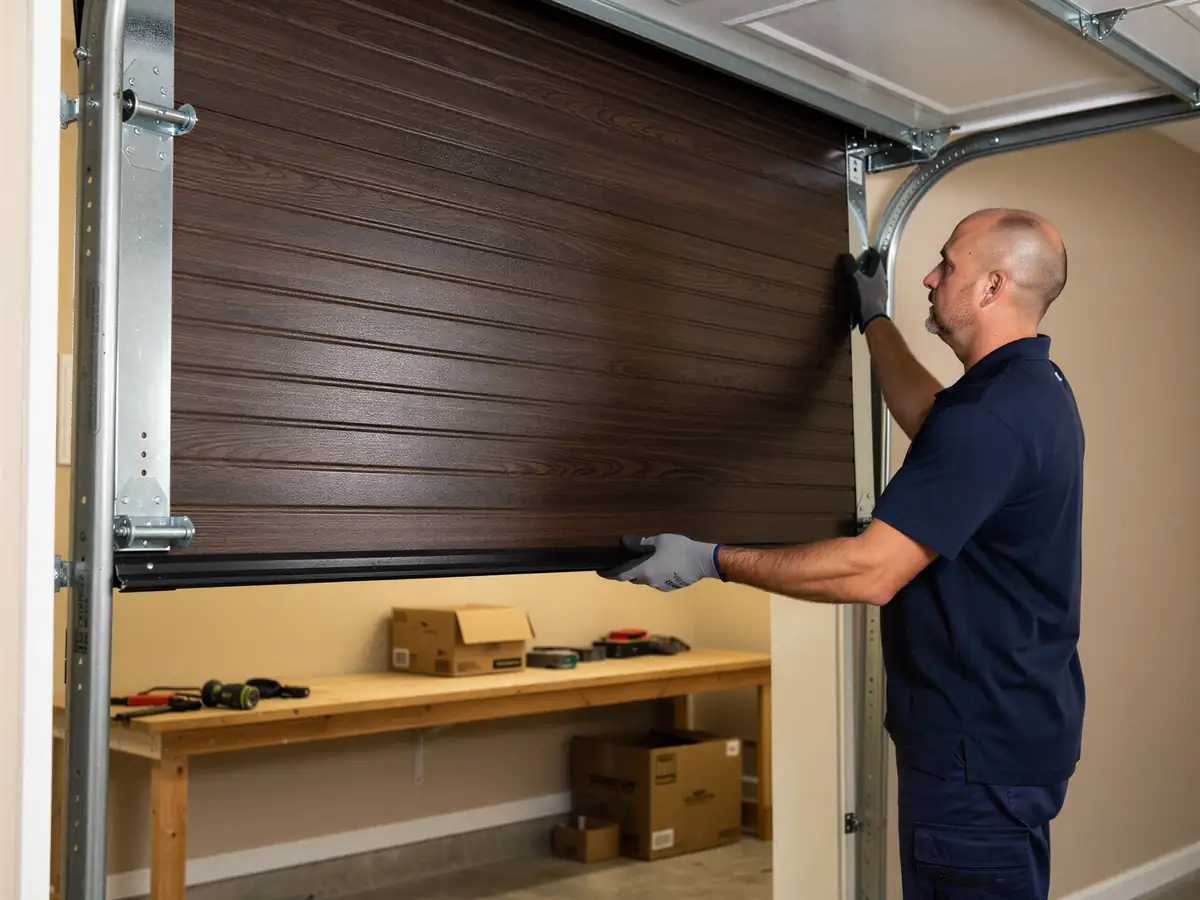
Old door and track out, new steel sectional door, torsion spring sized to the door's weight, and track set to the existing header height. Homes built around the area's median - 1994 - tend to have ceiling and header clearances already built for a factory garage door system, so there's usually no reframing involved.
What takes the time is getting the spring sizing right
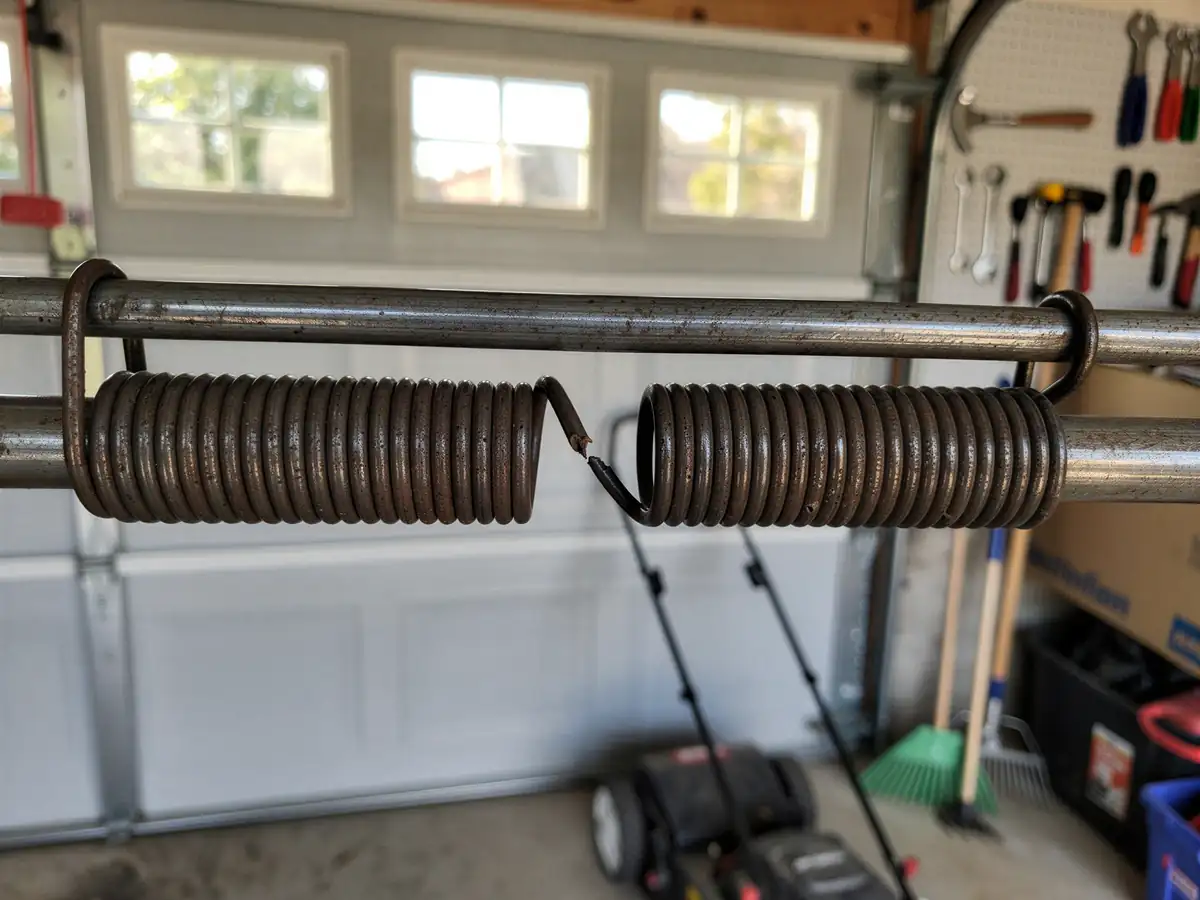
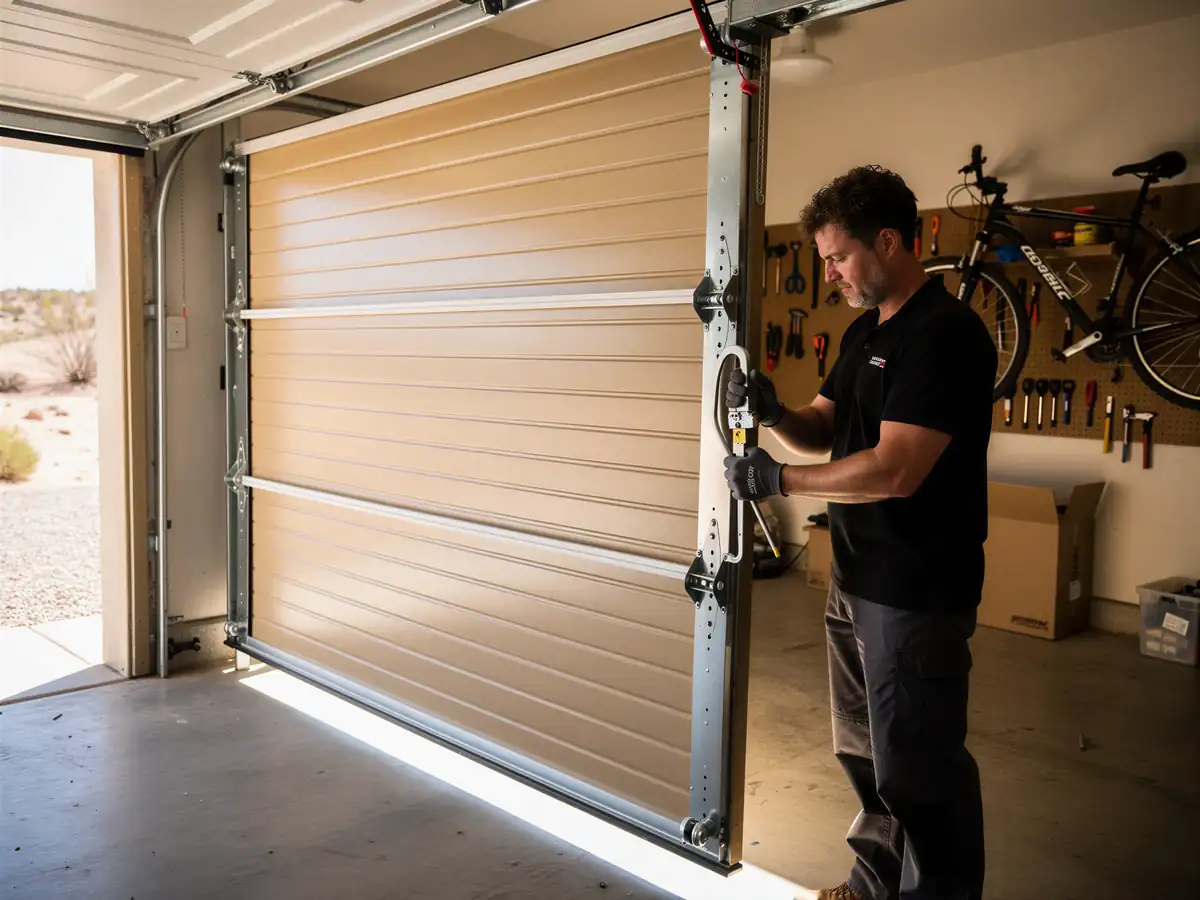
A heavier insulated door needs a different torsion spring than a lighter uninsulated panel, and guessing wrong means a door that's hard to lift by hand if the opener ever fails. We size the spring to the actual door going in, not a generic chart.
The climate here runs moderate on heat
Which is part of why steel sectional doors with factory weatherstripping hold up fine without extra sealing work - no special heat-rated hardware needed for a standard install. The job is mechanical, not custom carpentry, and that's exactly why it fits into one visit instead of two.
Where This Job Goes Sideways
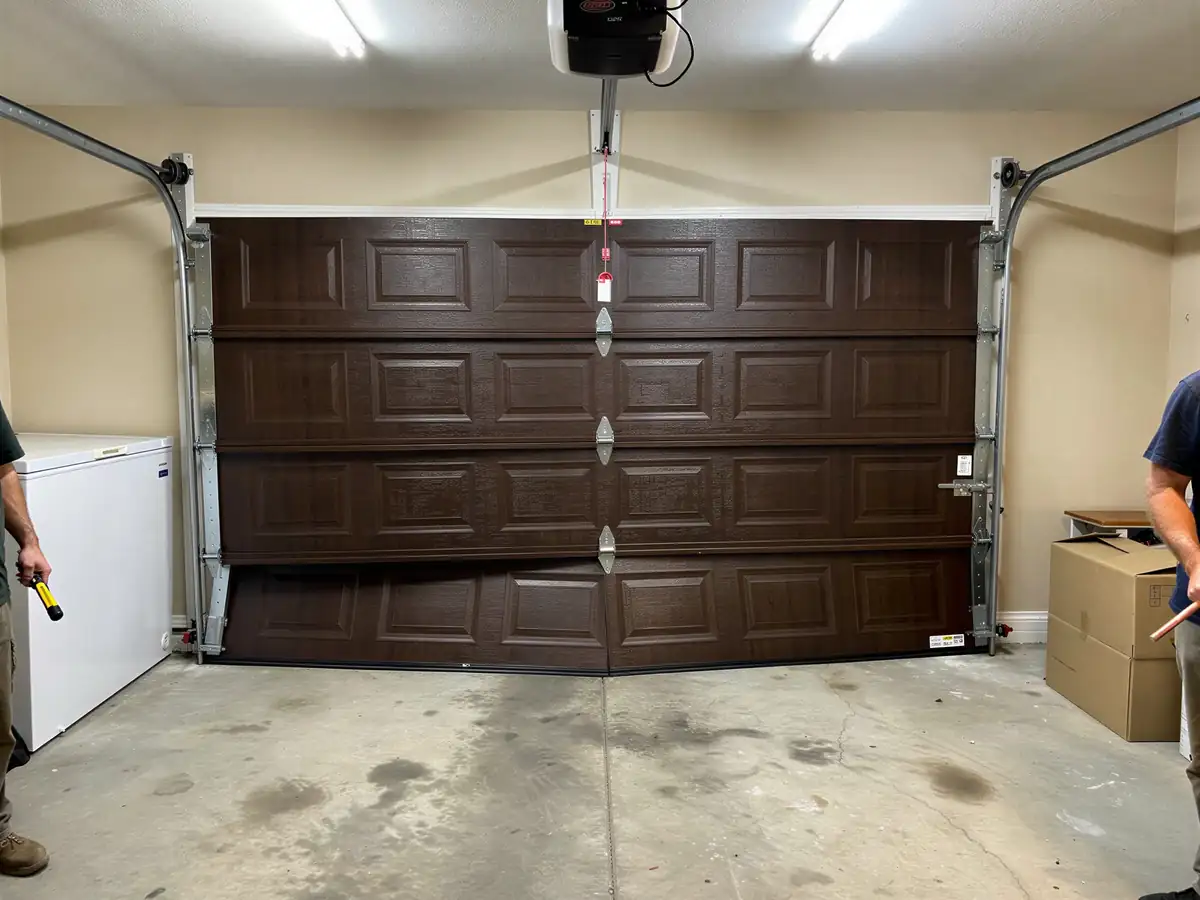
The install goes sideways in two specific situations we see repeatedly. First, garage conversions - a garage turned into a room and then turned back, where the opening has been reframed off the original dimensions. That opening doesn't match stock door sizes anymore, and we find out at the measure visit, not before.
Second, additions where the original opener mount point got covered by new drywall or a lowered ceiling for insulation. Hewitt's housing skews newer than a lot of the surrounding area - median year built 1994 - so this shows up less here than in older stock, but it still happens where a garage got finished out after the fact.
A median household income here running above the broader service area's figure also shows up in the job mix: more of these installs are full insulated steel upgrades rather than the base uninsulated panel, which changes the spring sizing and sometimes the opener's lift capacity. Honest limit: if the opening's been reframed or the headroom's been cut down by finish work, that's a measure-visit conversation before we quote anything, not a guess over the phone.