What You Pay
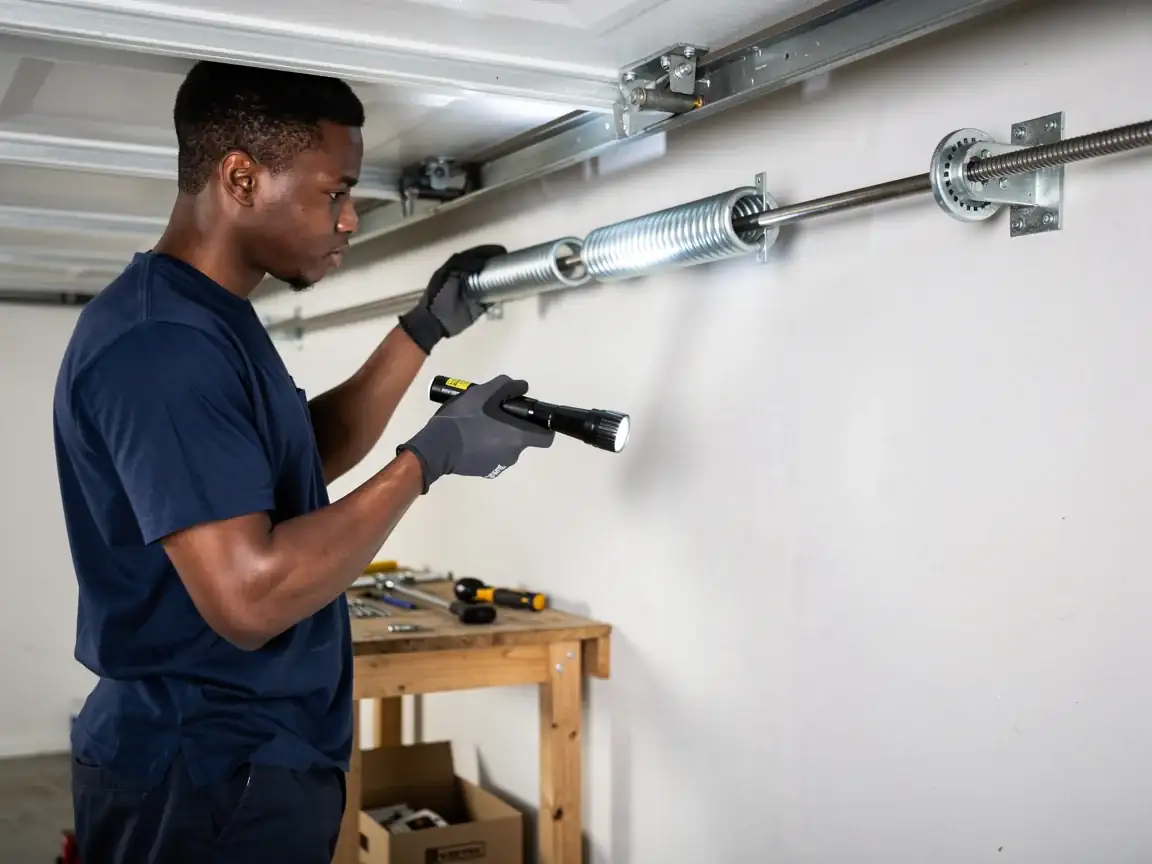
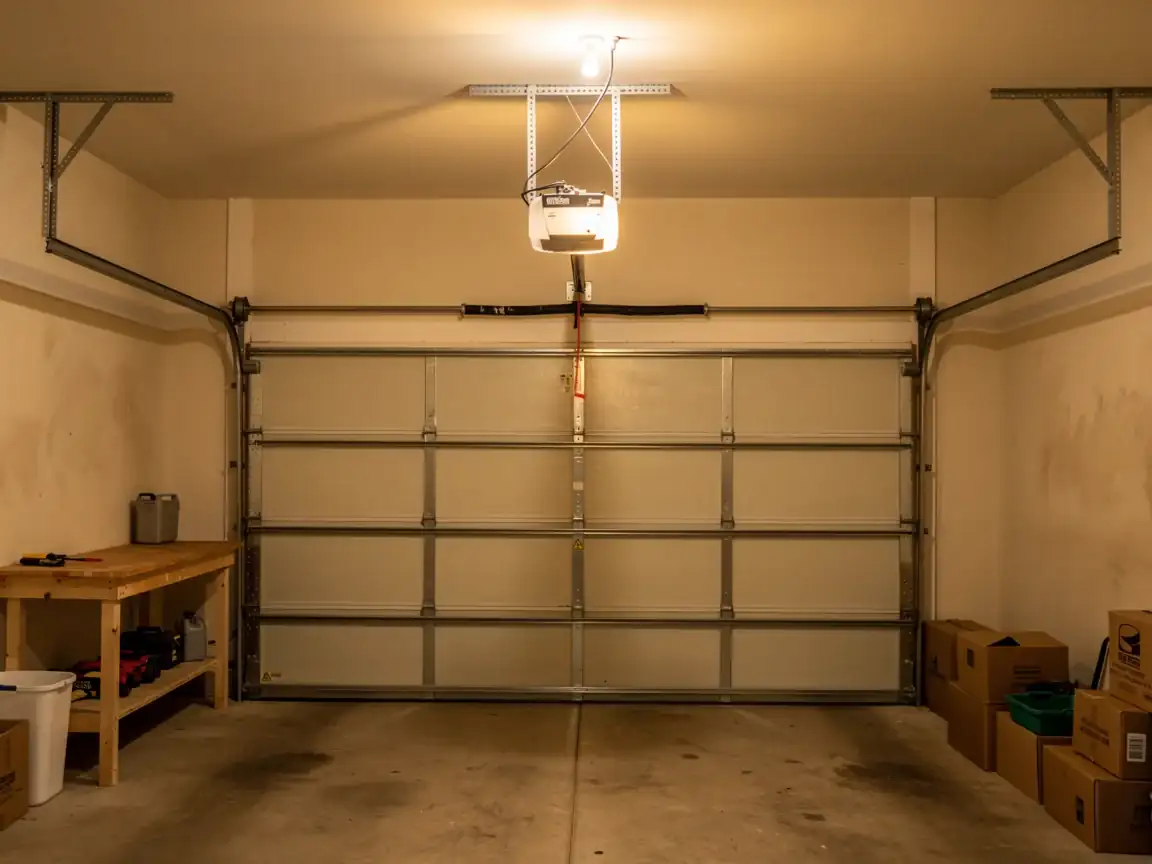
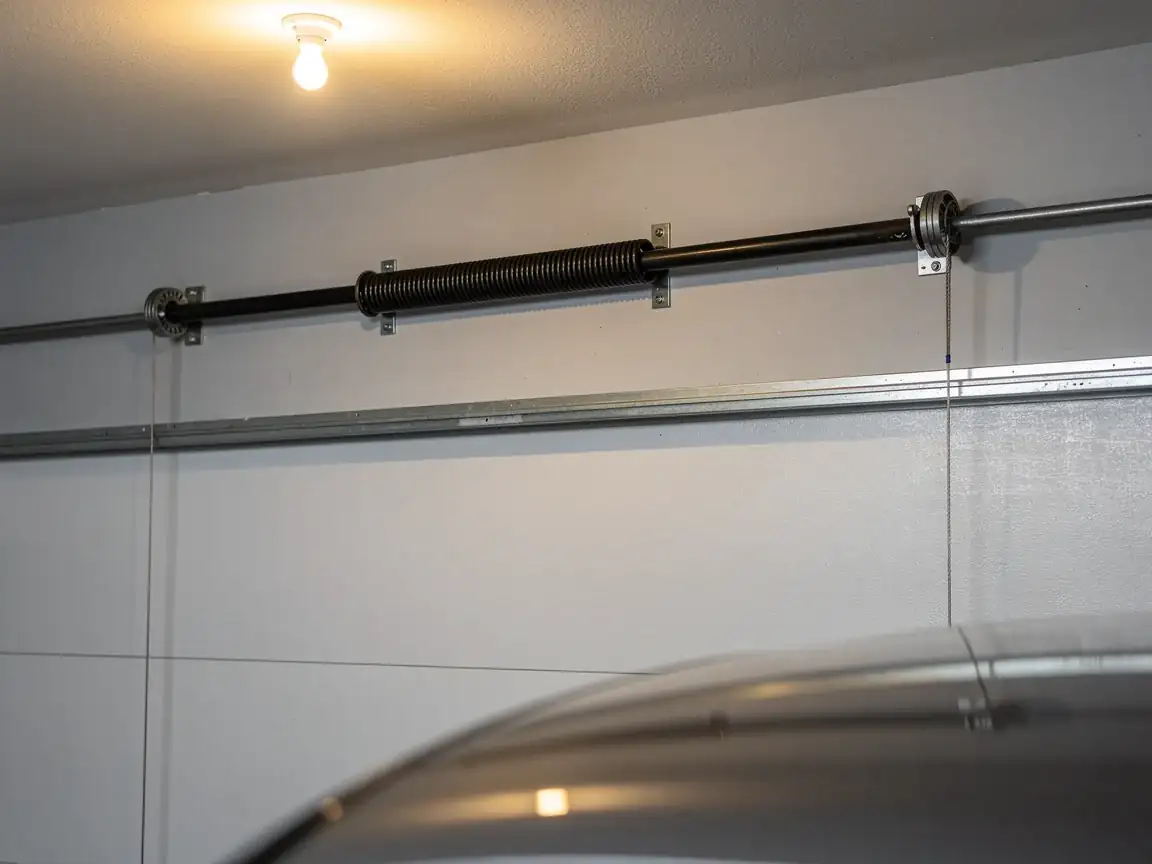
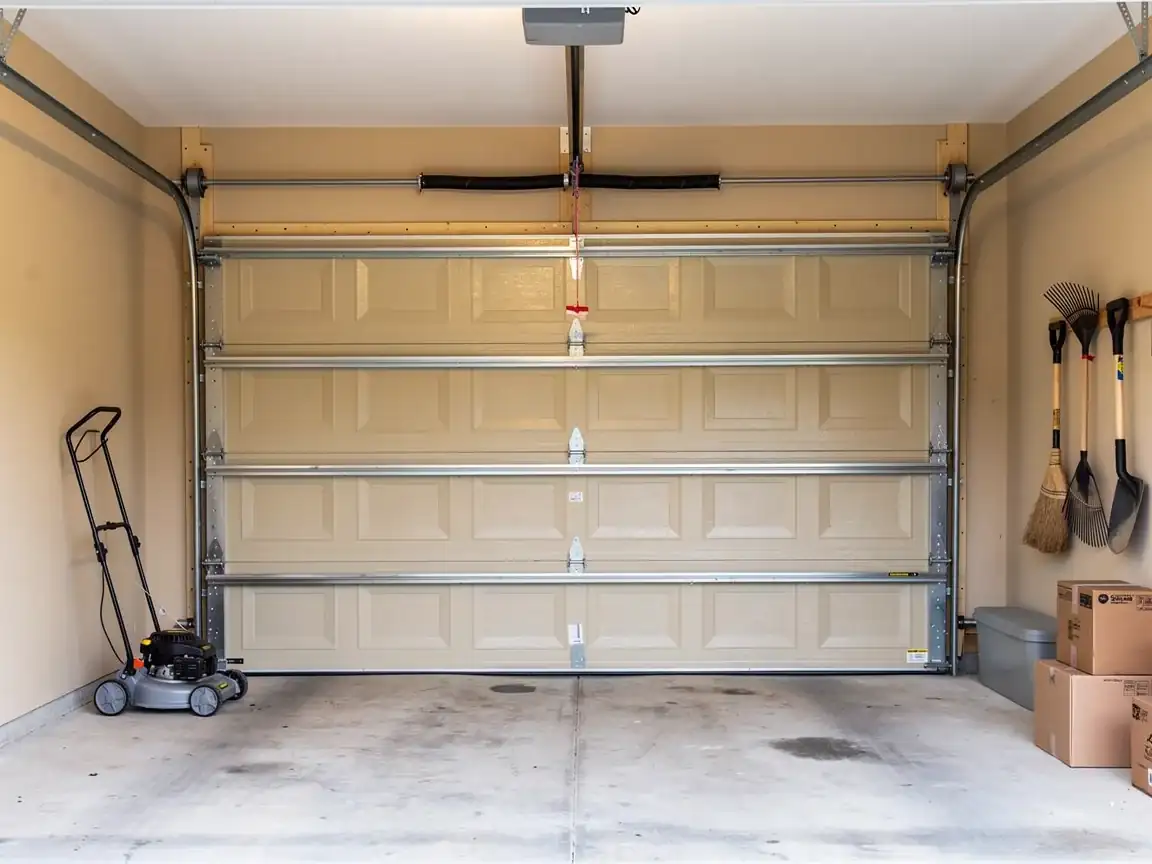
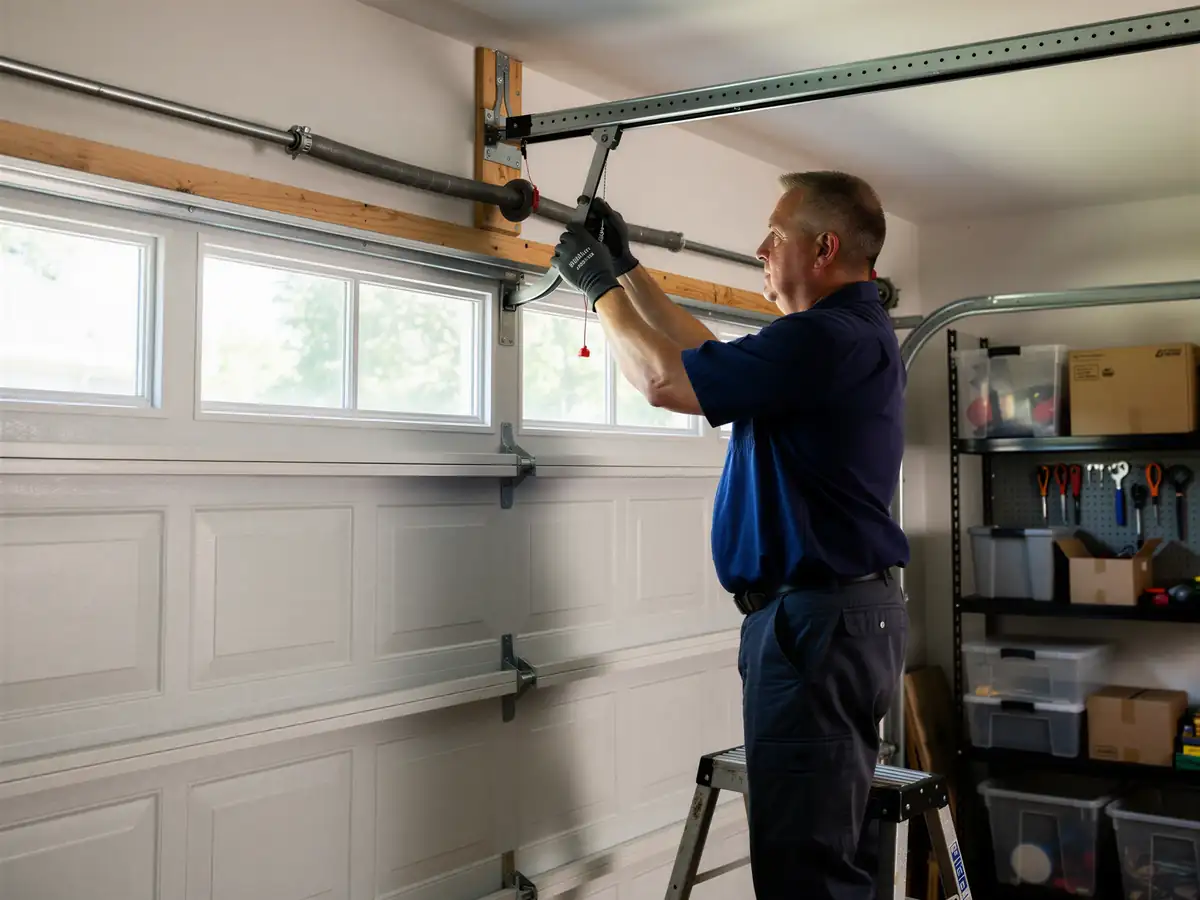
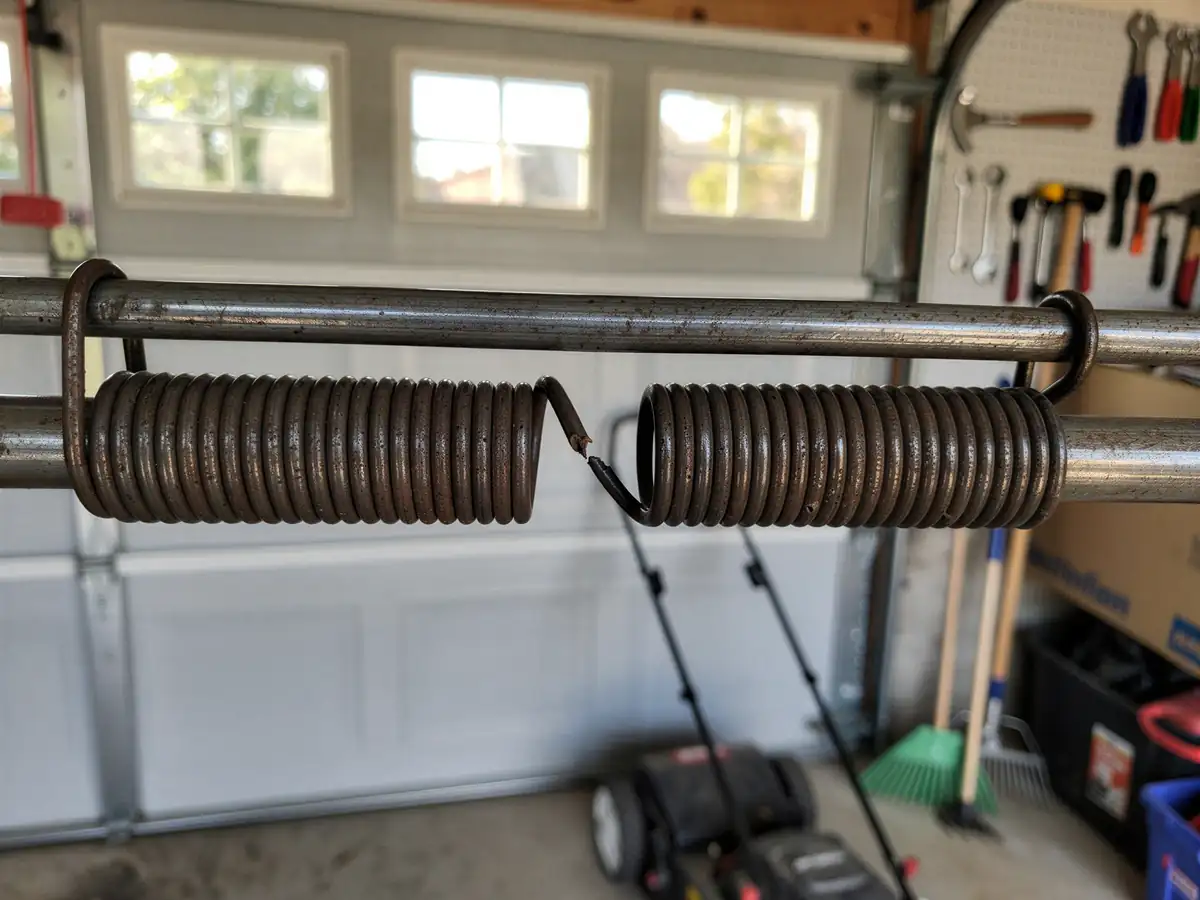
McGregor sits toward the newer edge of the 1959-1994 build window that covers most of this service area, but the town's own housing skews right around 1970 - older than Woodway or Robinson, closer in age to what you'd find in Bellmead. That matters for your wallet because a 1970 garage almost always shipped with extension springs mounted along the horizontal tracks, not the torsion bar over the header that's been standard since the 1990s. Extension spring sets are cheaper parts than torsion springs, but the safety cables that should run through them often got skipped or have since snapped, and that's not a part you skip twice. A torsion conversion costs more up front than a straight extension-spring swap, but it's the right call on a door this age if the opener is also due. We won't quote a number here with nothing in front of us - what you pay depends on whether we're replacing one spring, both, or converting the whole system, and that's a driveway call, not a phone guess. With 1,731 households in McGregor and a median income under $61,000 for the town, a lot of owners here are choosing the repair over the full replacement, and for a sound door, that's usually the right math.
How to Book
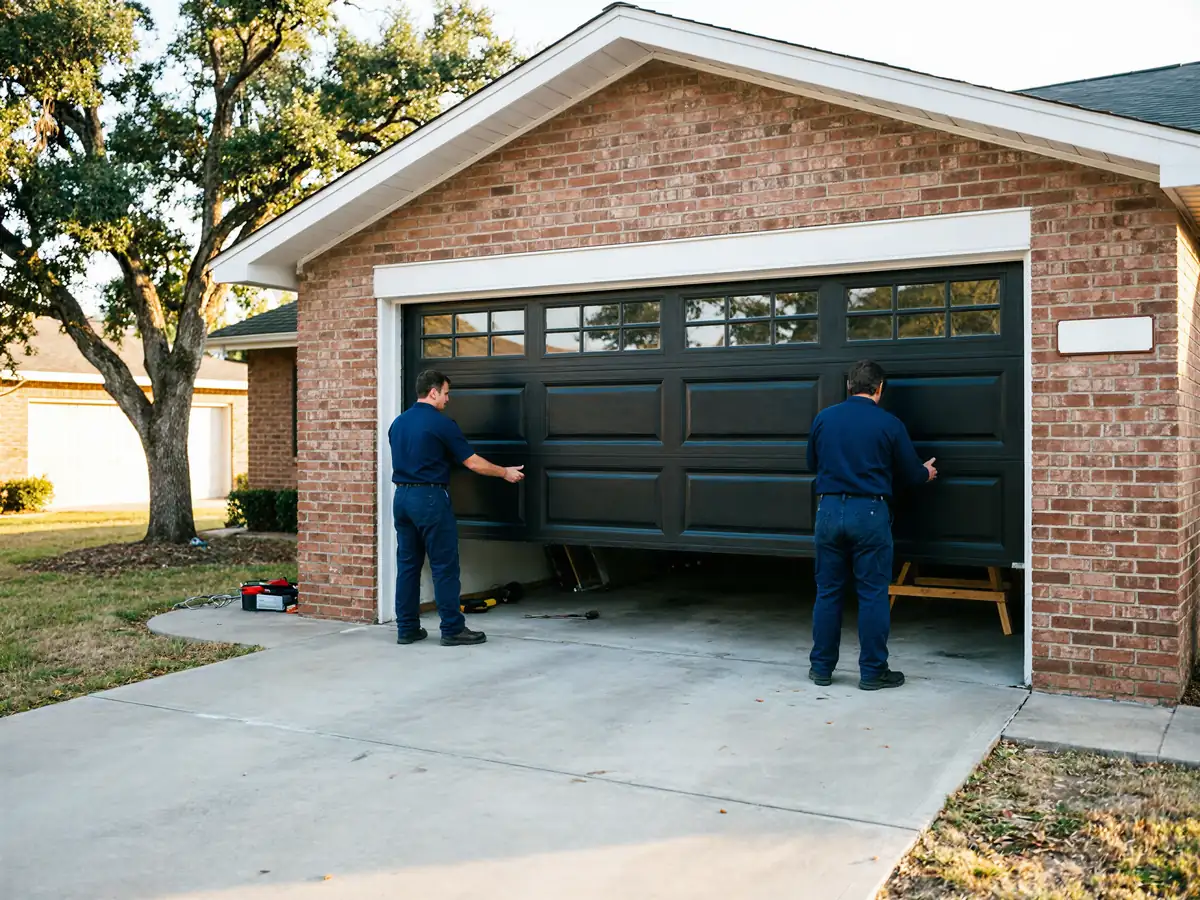
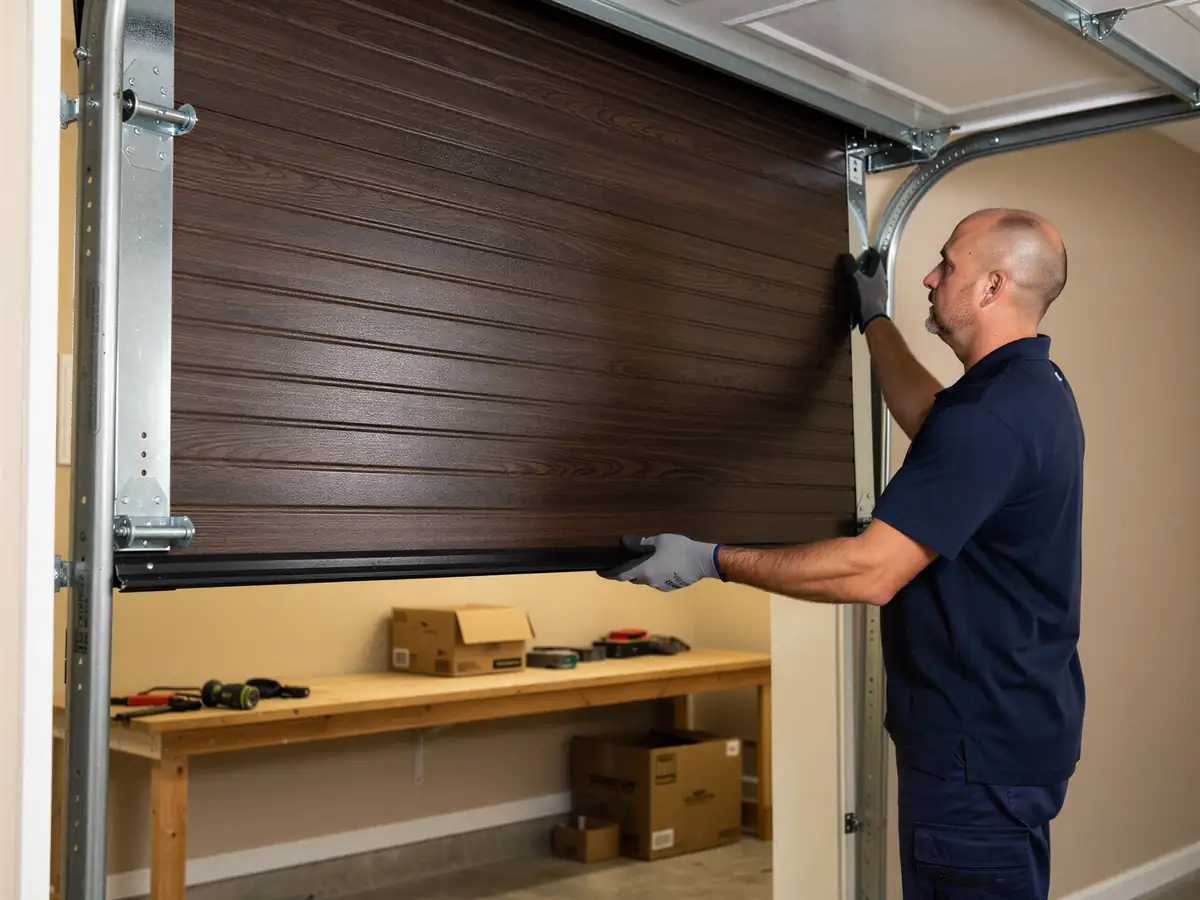
We're based in Waco, 17 miles from McGregor, so there's no local depot or branch here - the truck comes to you from Waco the same way it covers Robinson or Lorena. Call and tell us the door's age if you know it, or just the year the house was built; on a 1970-era McGregor home that one detail tells us whether to bring extension-spring stock or torsion parts before we ever leave the shop. We don't publish a fixed response window for McGregor specifically, since the drive varies with where in town you are and what the schedule looks like that day. If the opener is original or close to it, mention that too - parts for openers from that era aren't something every truck stocks, and knowing ahead saves a second trip.
How It Shows Up
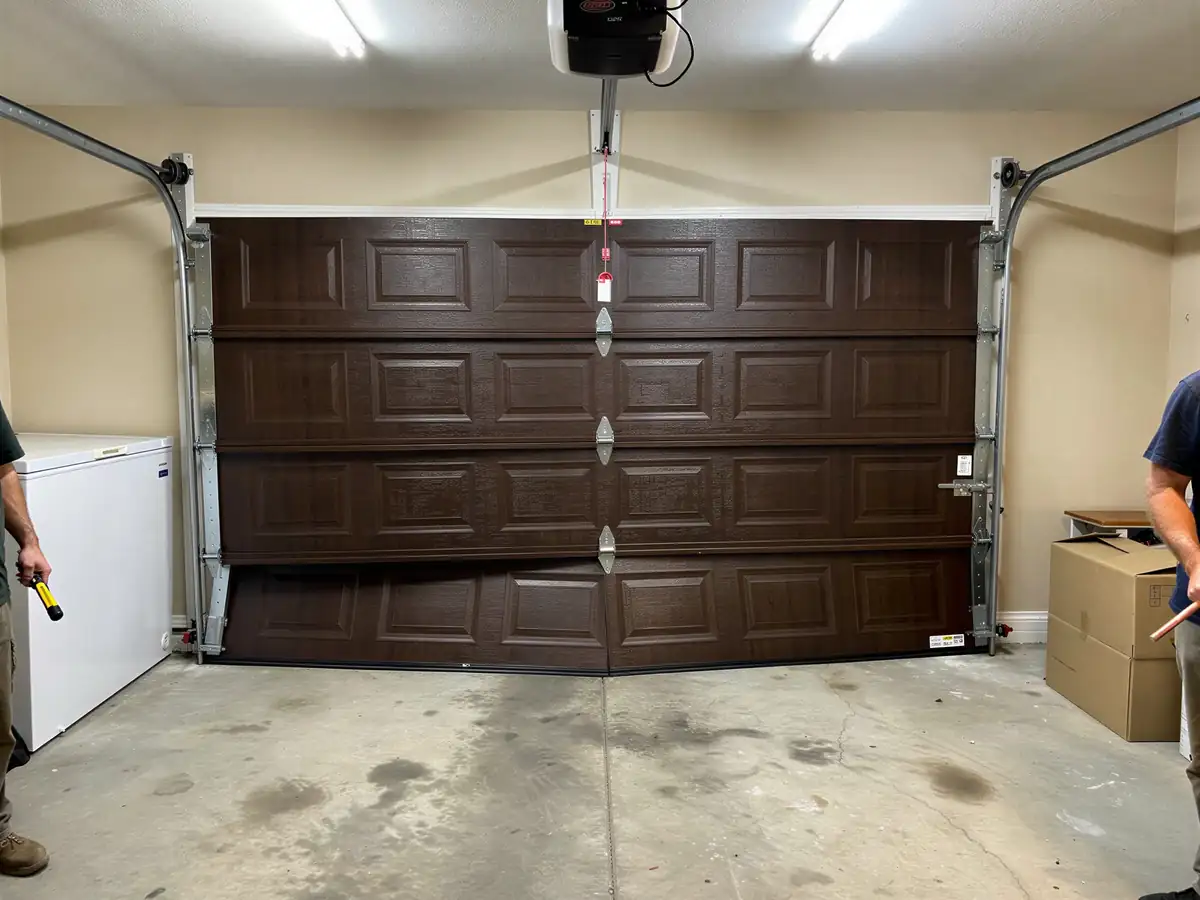
On a McGregor door from the 1970 era, the failure pattern is pretty consistent: the spring goes first, usually extension-style and usually on the side that gets more sun, since this area sits in a moderate-heat climate band that still cycles steel through real expansion and contraction every year. After the spring, it's the cables and pulleys, then the rollers - steel rollers from that period were never quiet and get louder as the bearings wear out. Openers on houses this age have usually already been replaced once, so if yours hasn't, the chain drive and the gear inside the unit are both candidates before the door hardware itself. What you won't see as much here, compared to houses built after the mid-80s shift to torsion-standard construction, is a torsion spring failure - simply because fewer McGregor garages have one installed yet. That's useful to know before you start troubleshooting: start with the springs and cables, not the opener logic board.