What You Pay
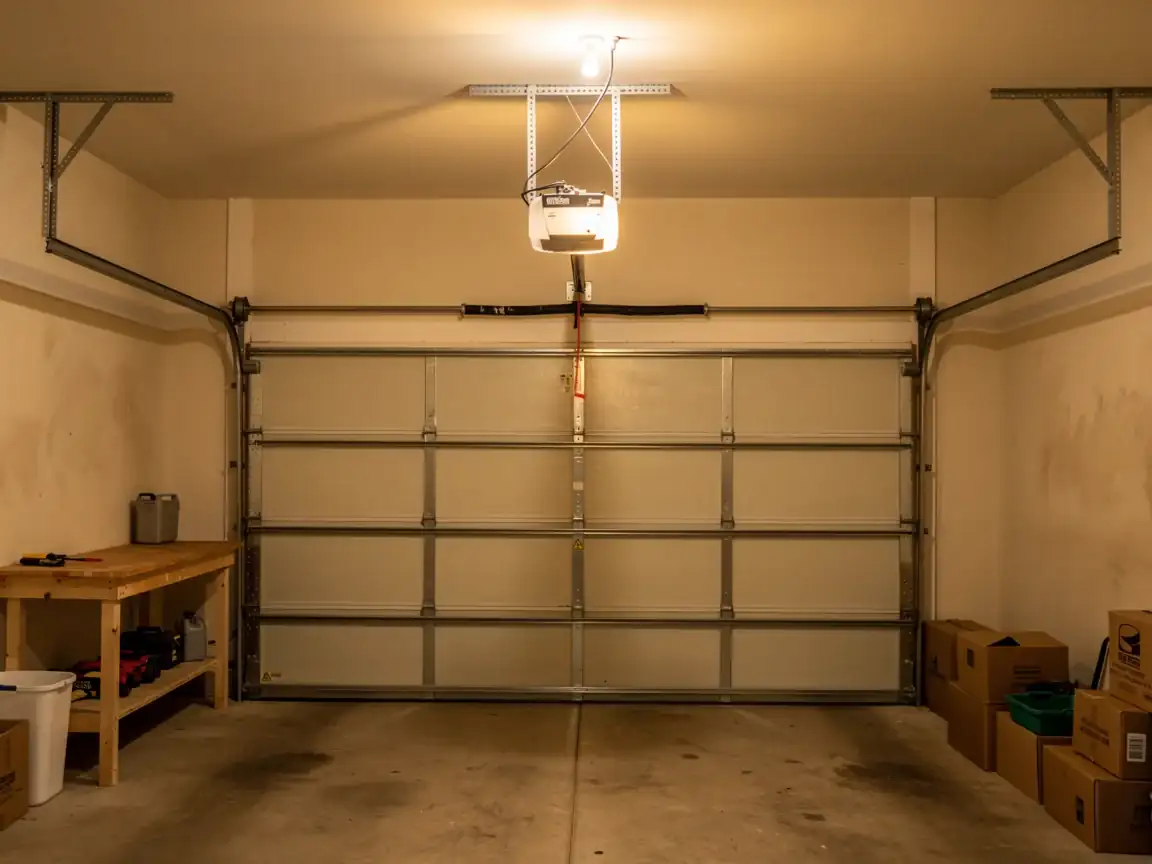
We don't have a flat number to quote you here, and anyone who gives you one sight-unseen is guessing. What drives the cost on a McGregor job is usually the door itself, not the opener. A lot of houses in this part of the county went up around 1970, which means single-car and narrow double doors that weigh less than what newer builders frame for - that can mean a lighter-duty opener does the job fine, which saves you money over the belt-drive unit a newer subdivision might need.
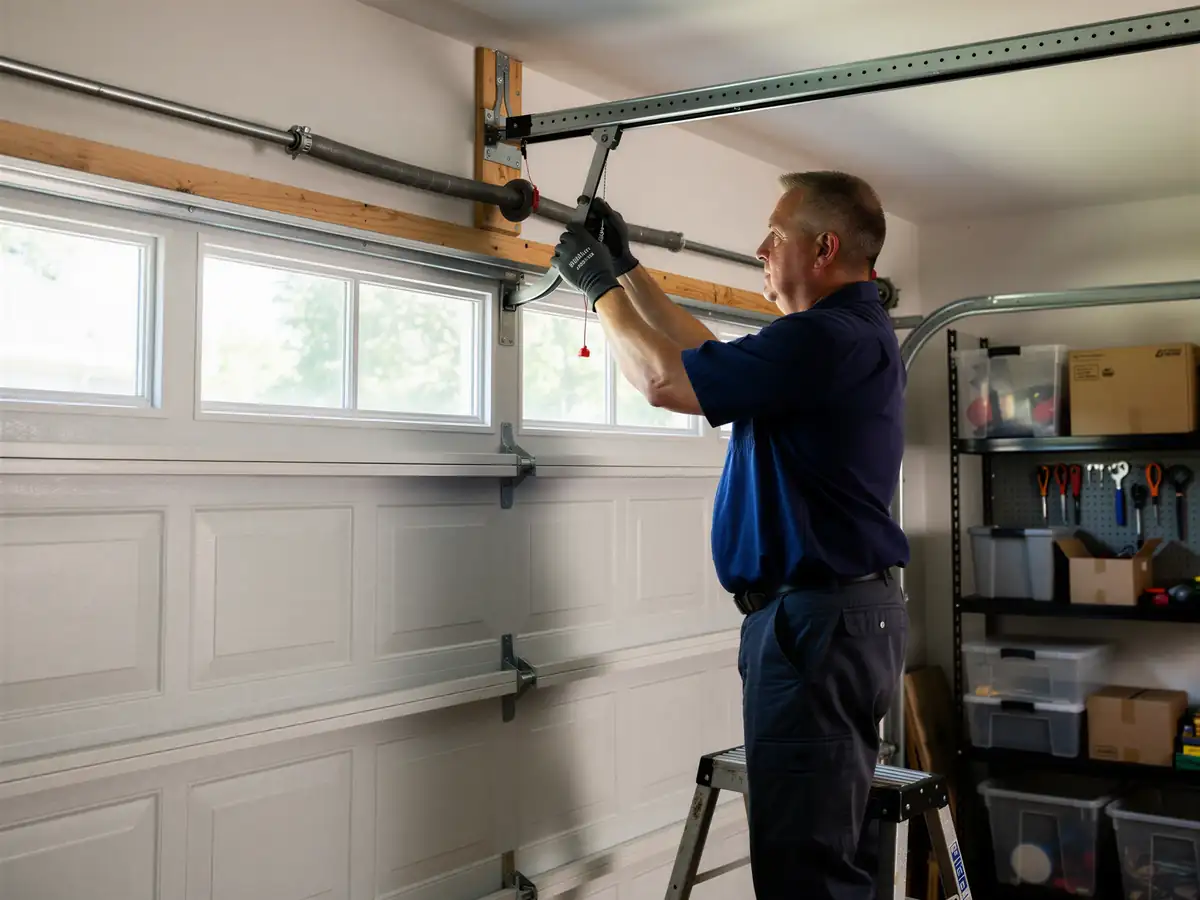
What raises the price is usually the bracket work: openers from that era were often mounted to headers that have since sagged, shifted, or been patched, and a new unit needs solid wood to bite into. If we have to add blocking or reinforce the header before we can hang the rail, that's extra material and labor on top of the unit itself. We'll tell you before we start, not after.
We travel from Waco for this job, about 17 miles each way, and that's built into how we schedule the day rather than tacked on as a separate line.
How to Book
Call or request a time through the site and tell us the age of the house if you know it - for McGregor that usually puts us in the 1970-ish build era, and that one detail changes what opener and bracket kit we load on the truck before we ever leave Waco. If you don't know the year, a photo of the current opener and the header above the door tells us almost as much.
We set a day, not a window measured in minutes, because we're coming from Waco and traffic on the way out is the variable we can't promise away. Once we're on site, a straightforward swap on a door that's already got sound track and hardware is usually done in one visit.
If your opener has failed completely and the door won't move, say so when you call - we bring a different kit for a dead unit than for a working one we're just replacing ahead of a breakdown.
Can You Do This Yourself
Mounting a new opener bracket to a header that's sagged or been shimmed over the decades is where most DIY installs in older houses go wrong
The unit holds for a few months, then starts pulling loose under the stress of daily cycling. If your header is original 1970s lumber and hasn't been reinforced, that's not a job to learn on your own garage.
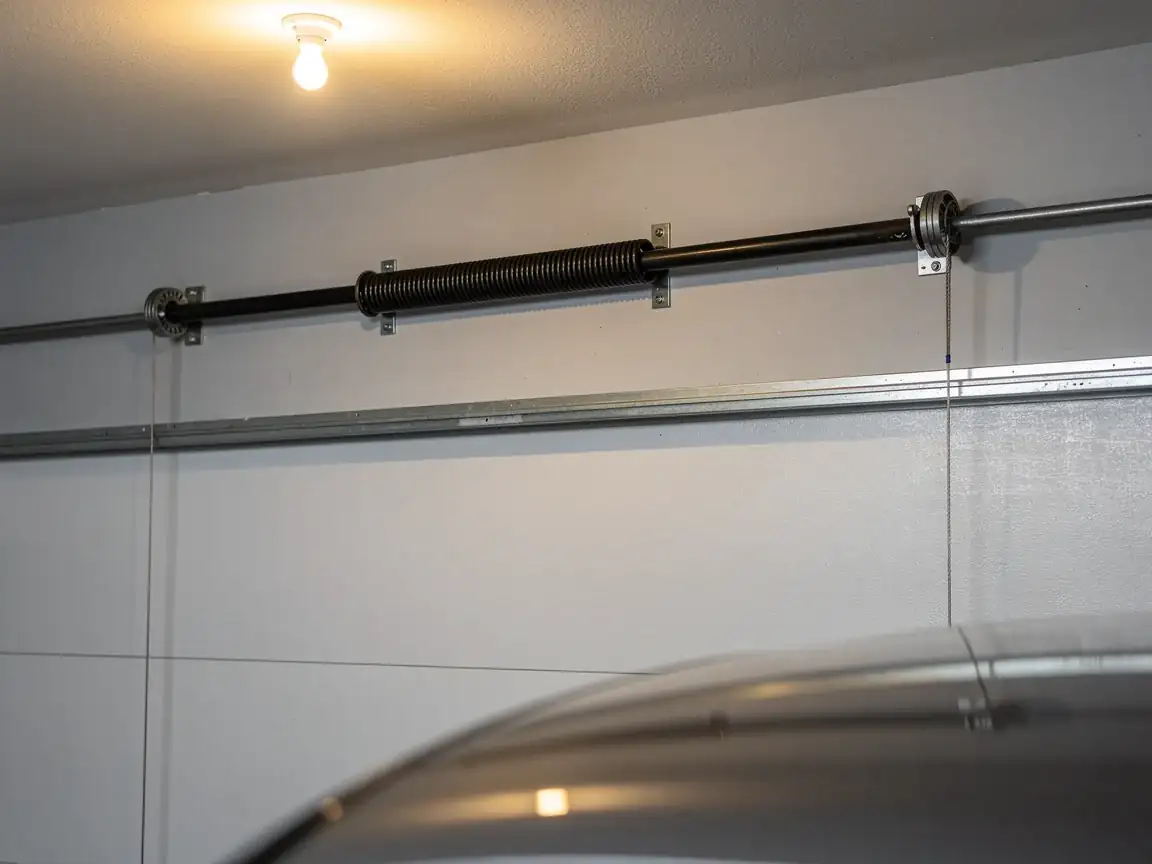
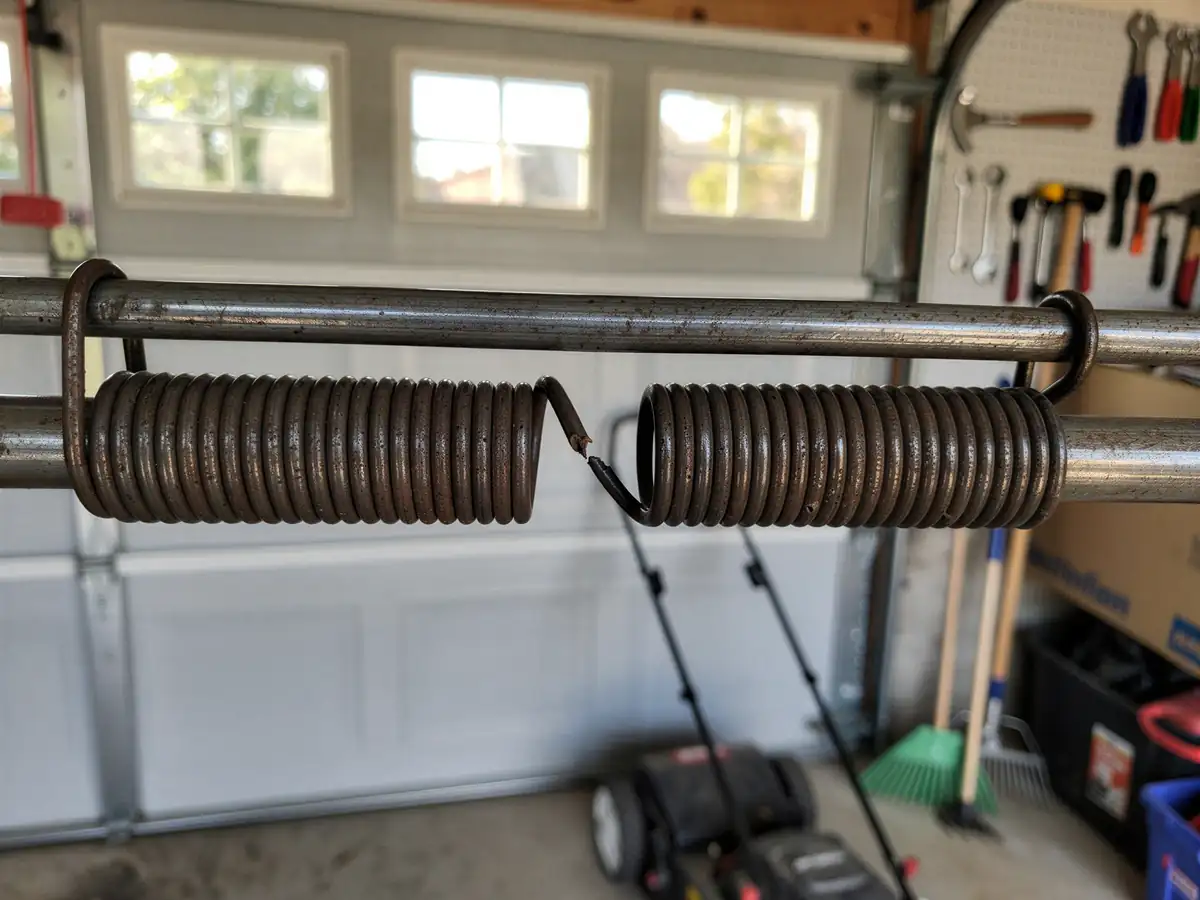
Swapping a modern opener onto a door with the original rollers and a worn torsion spring is another spot where DIY installs run into trouble fast
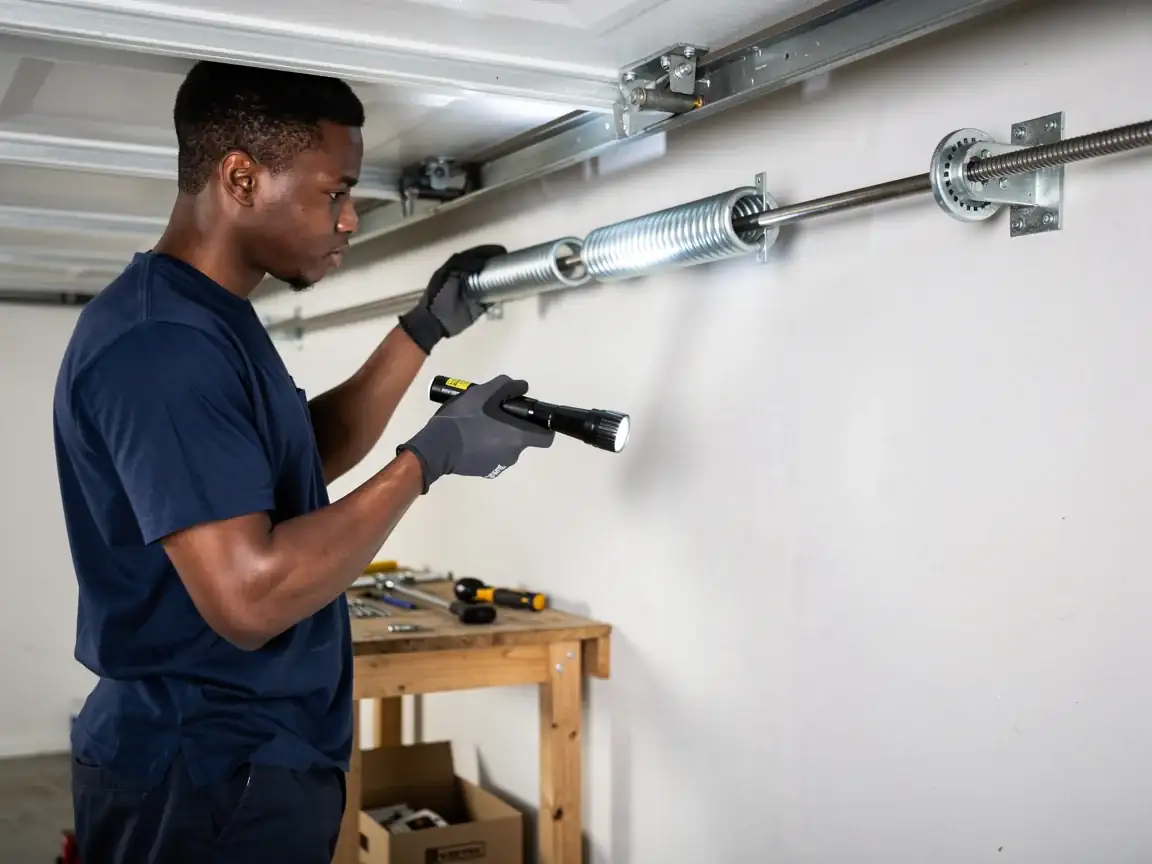
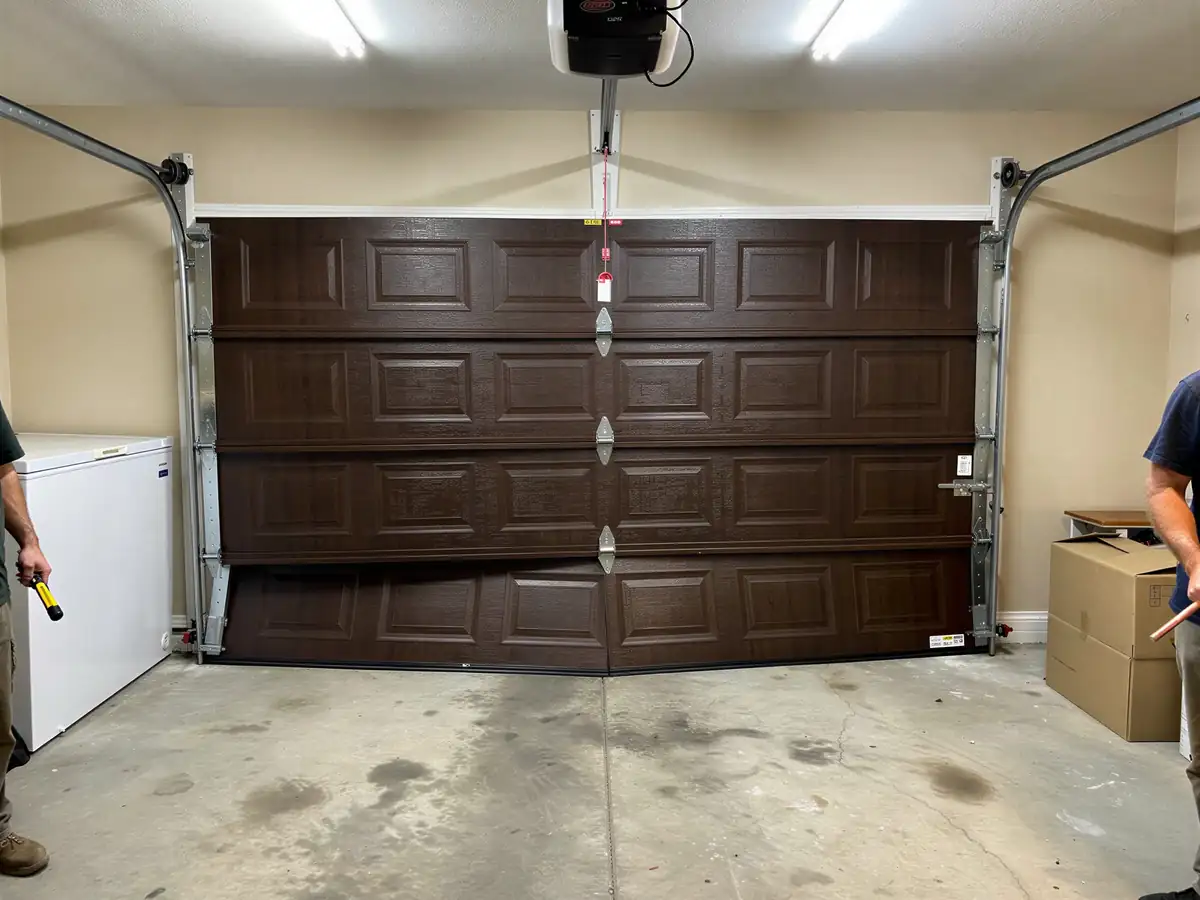
Because the new opener will expose weak spring tension or a bent track that the old, weaker opener was quietly working around. If your spring or cables look original to the house, that's worth a separate look before you spend money on a new motor.
We'll say plainly: if your door is still on its original 1970s hardware and running fine
A straight opener swap without addressing the track and spring first is often money that doesn't stick.
How It Shows Up
On a lot of the 1970-built houses out this way, the first sign isn't a dead motor - it's an opener that strains, reverses on its own, or takes two or three tries to get the door moving. That's usually not the opener failing on its own; it's an older door, heavier than it should be after decades of panel wear, asking more of a motor than it was built to give.
McGregor sits in a moderate-heat climate band, and summer heat doesn't baby older gearing - a motor that's already working hard against a stiff or sagging door wears out its gears faster than the same unit would in a newer, better-balanced house.
If you're hearing grinding before the door moves, or the light flickers and the unit hums without lifting, that's usually gear wear talking, not a dead circuit board. Worth a look before the whole unit quits on you mid-cycle.