What You Pay
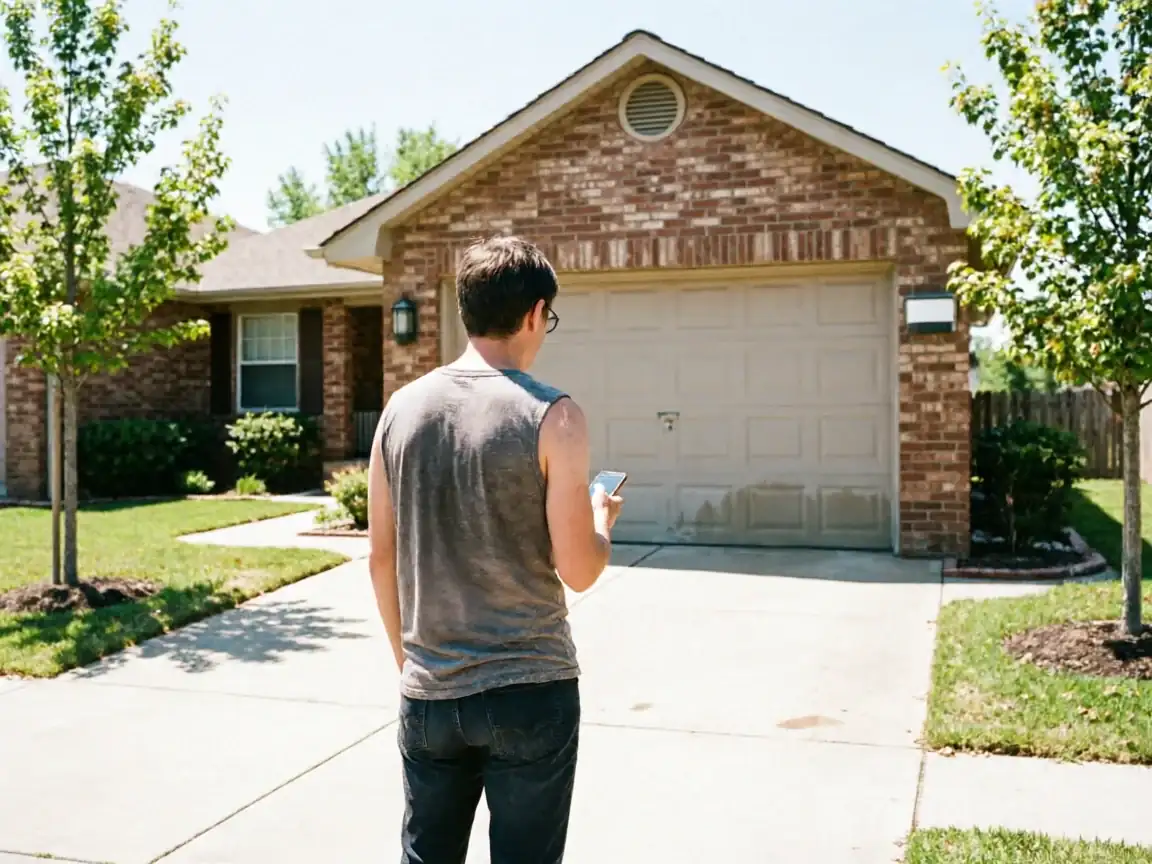
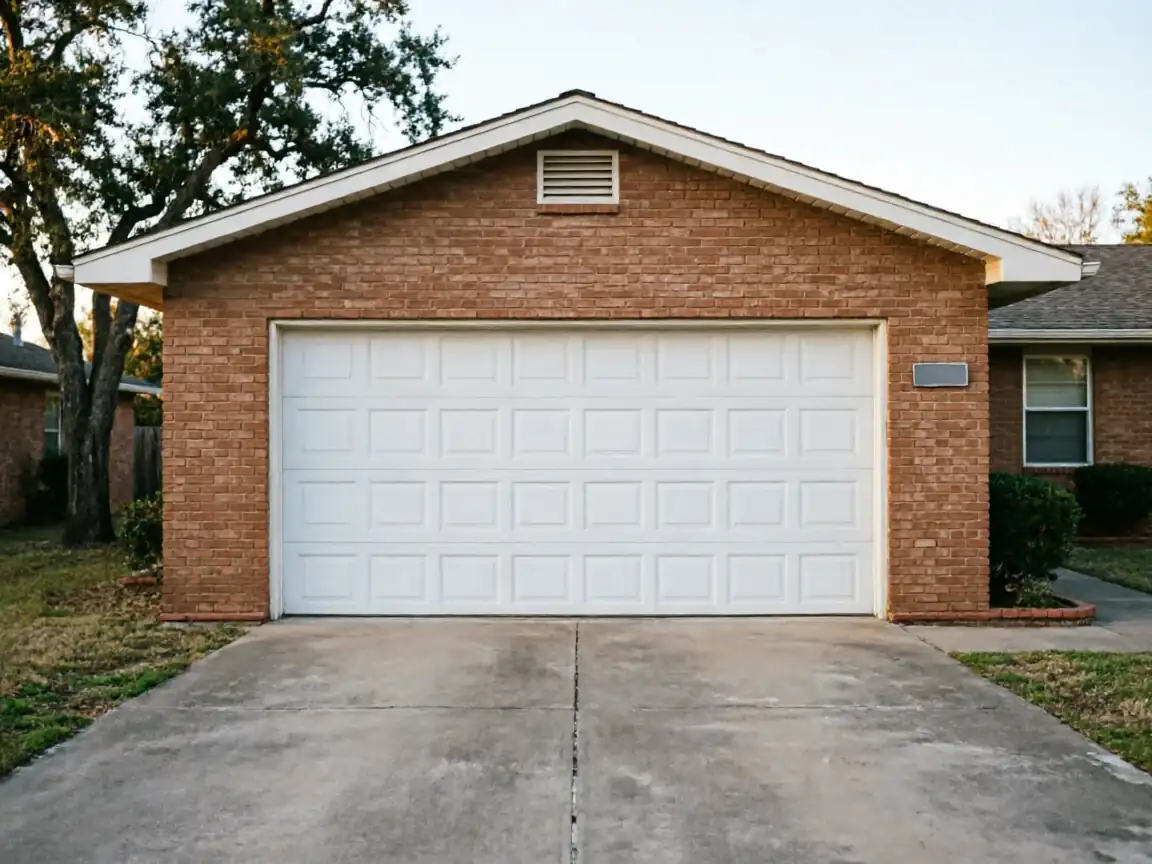
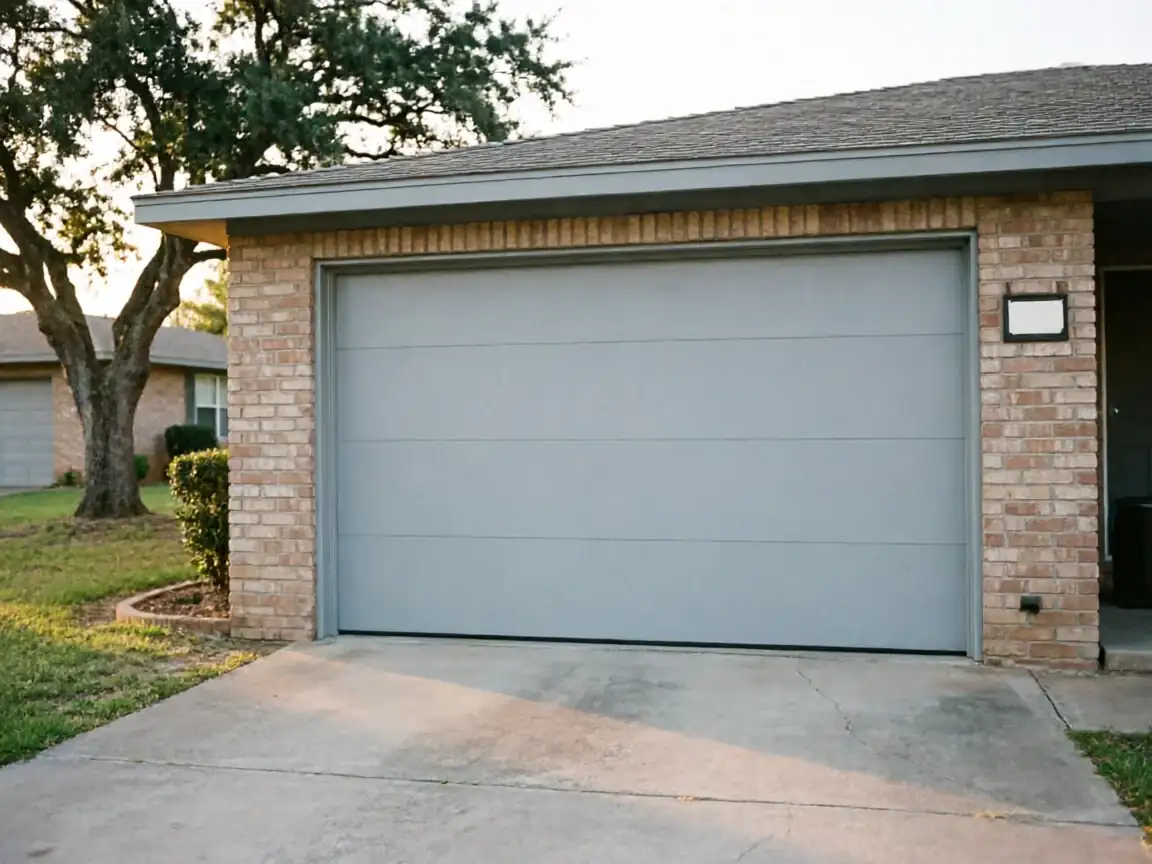
McGregor is a small town - about 1,731 households total - which means the openings we run into here aren't the mixed bag you'd see in a bigger suburb. A lot of the housing stock went up around 1970, well ahead of the service area's overall median build year of 1983, so the doors we're replacing tend to be older single-layer steel or the early insulated panels that came out in the following decade.
We don't post a flat price here because the job varies with door size, insulation level, and what's already on the track - a single 8-foot opening on a 1970s house costs less to fit than a wider double with modern bracing. McGregor's median household income runs around $60,889, noticeably under the area's $76,833, and that gap is worth knowing before you start pricing options: a mid-grade insulated steel door does the job for most houses here without stepping up to the premium lines some newer subdivisions ask for.
We'll give you a number specific to your opening and your house once we've seen it, not a range pulled from a different town's housing stock.
How to Book
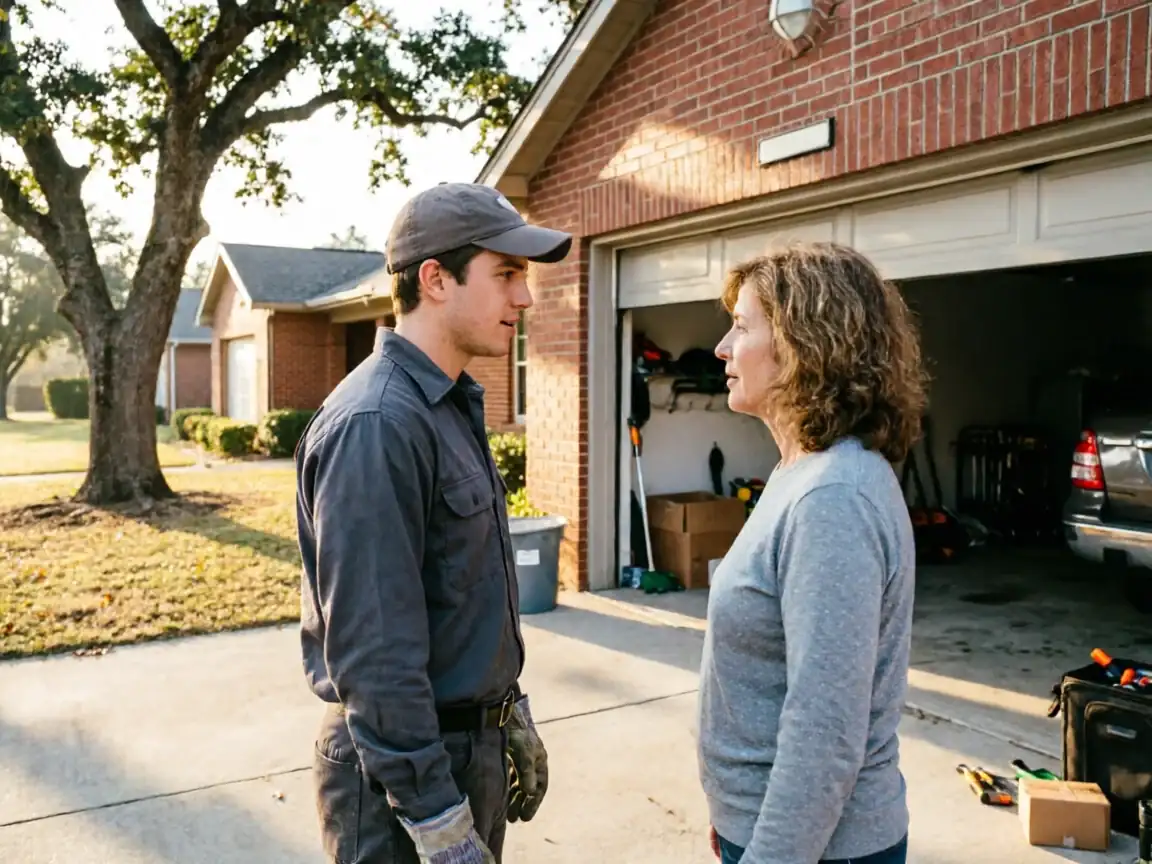
We don't keep a branch in McGregor - the crew runs out of Waco, 17 miles up the road, and that drive is part of how we schedule the day rather than something we hide. Book a new-install visit and we'll set a window that accounts for the trip, same as we do for any of the outlying towns we cover.
Start on the McGregor service page if you want to see what else we handle out this way, or go straight to the main installation page for the Waco area if you want the broader rundown on door lines and install process before you call. Either way, measurements and a photo of your current opening speed up the first conversation - with housing this age, the track and header setup isn't always what a newer spec sheet assumes.
Can You Do This Yourself
A full new-door install isn't a weekend DIY job
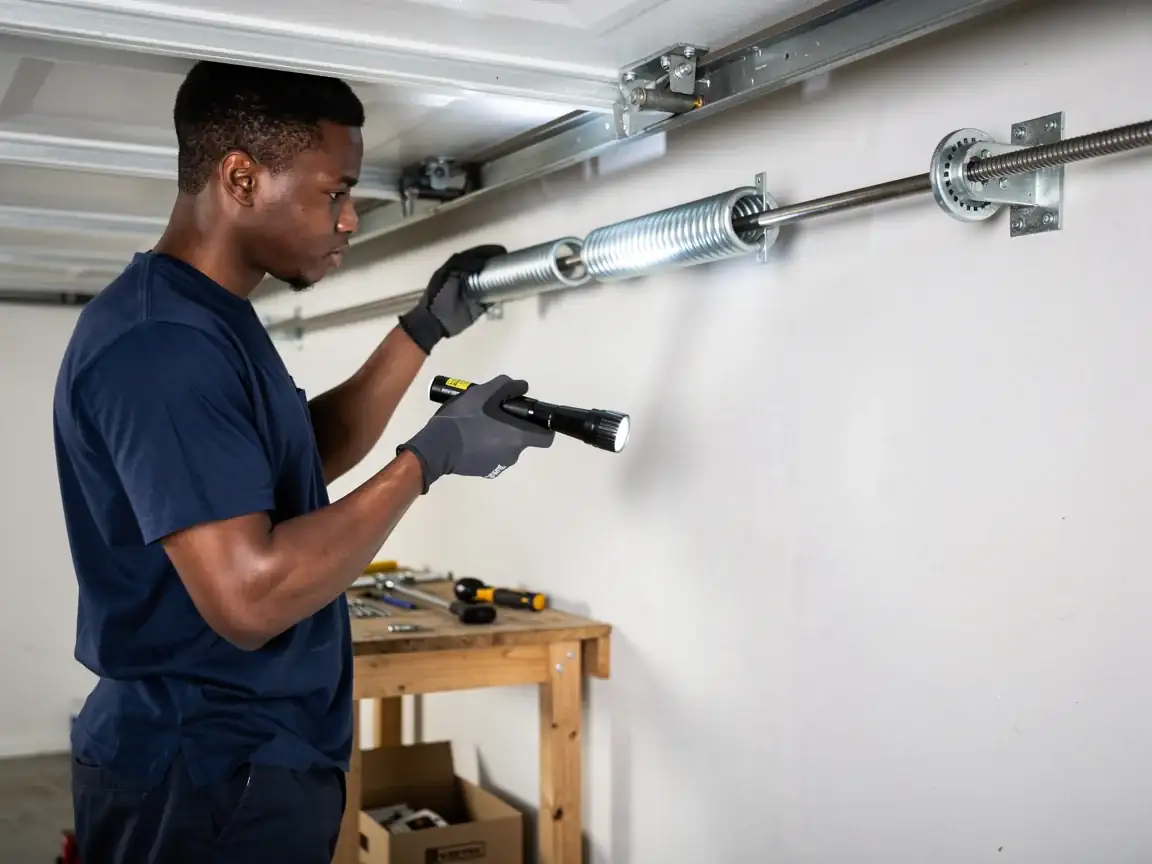
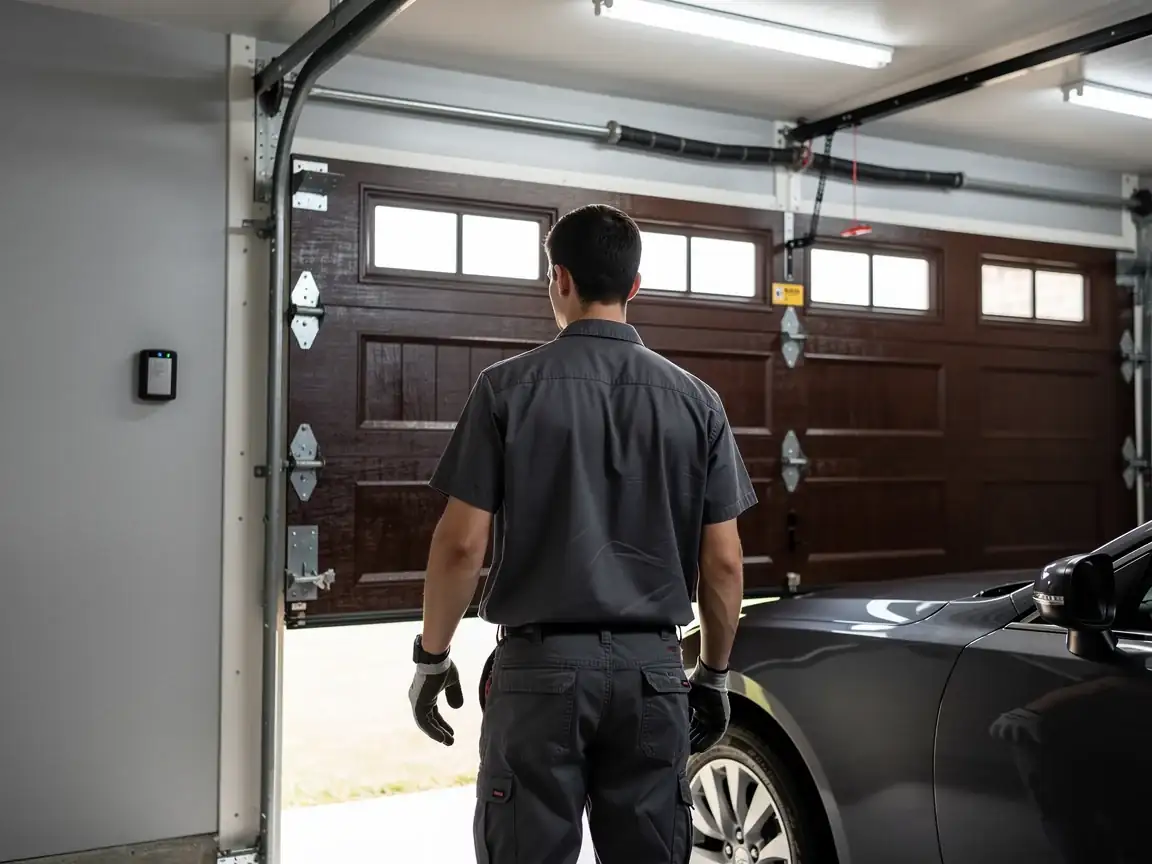
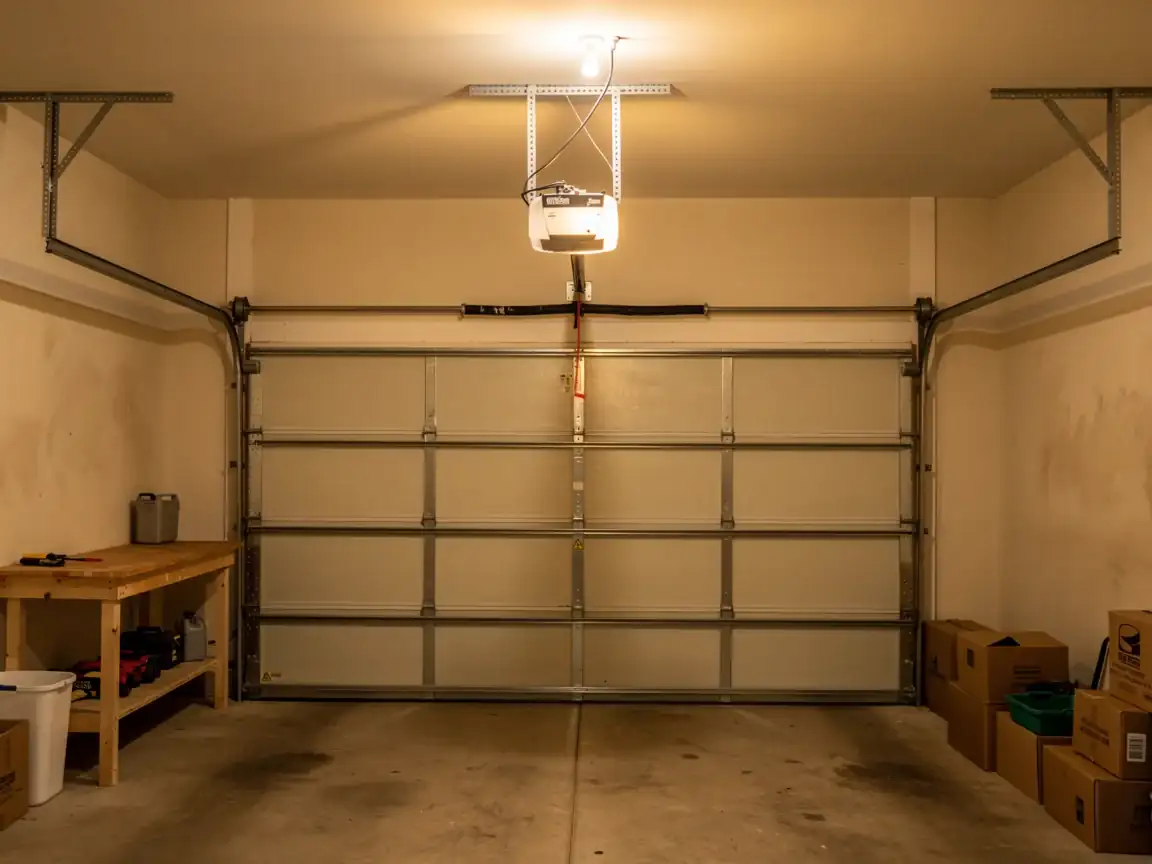
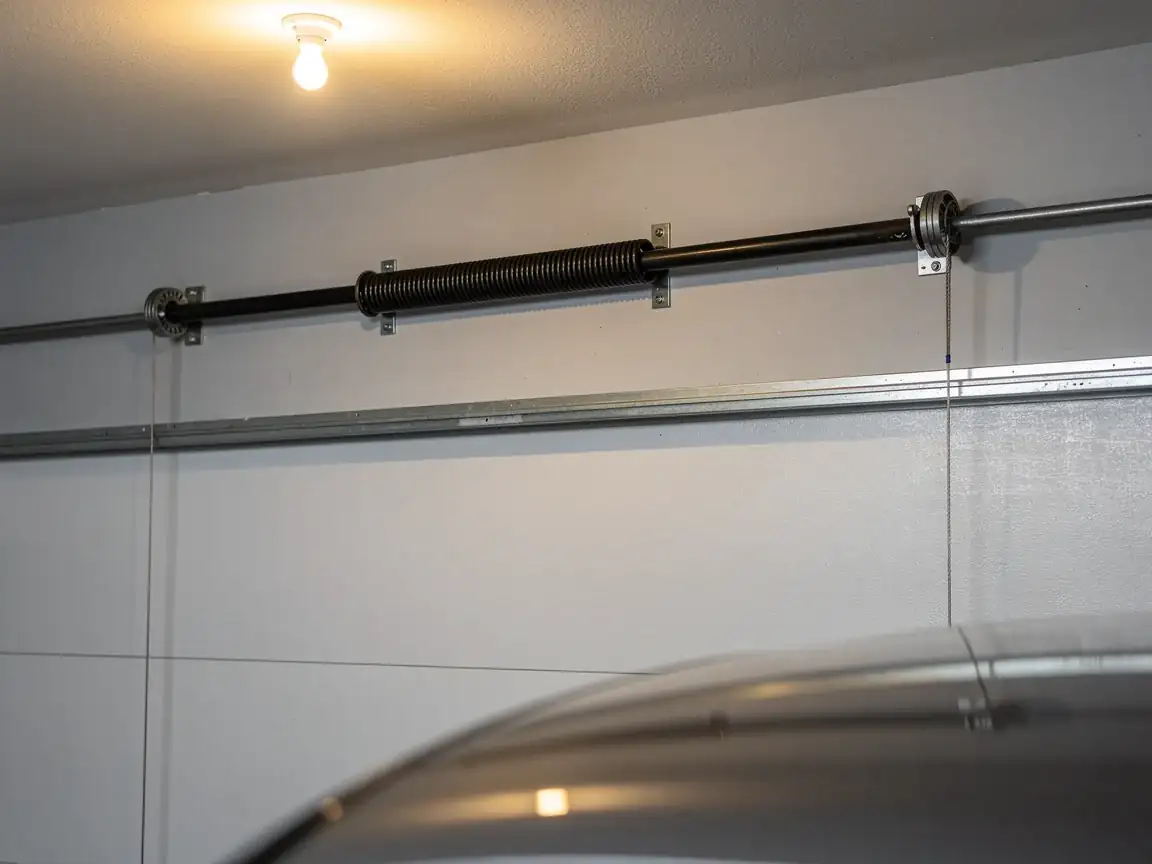
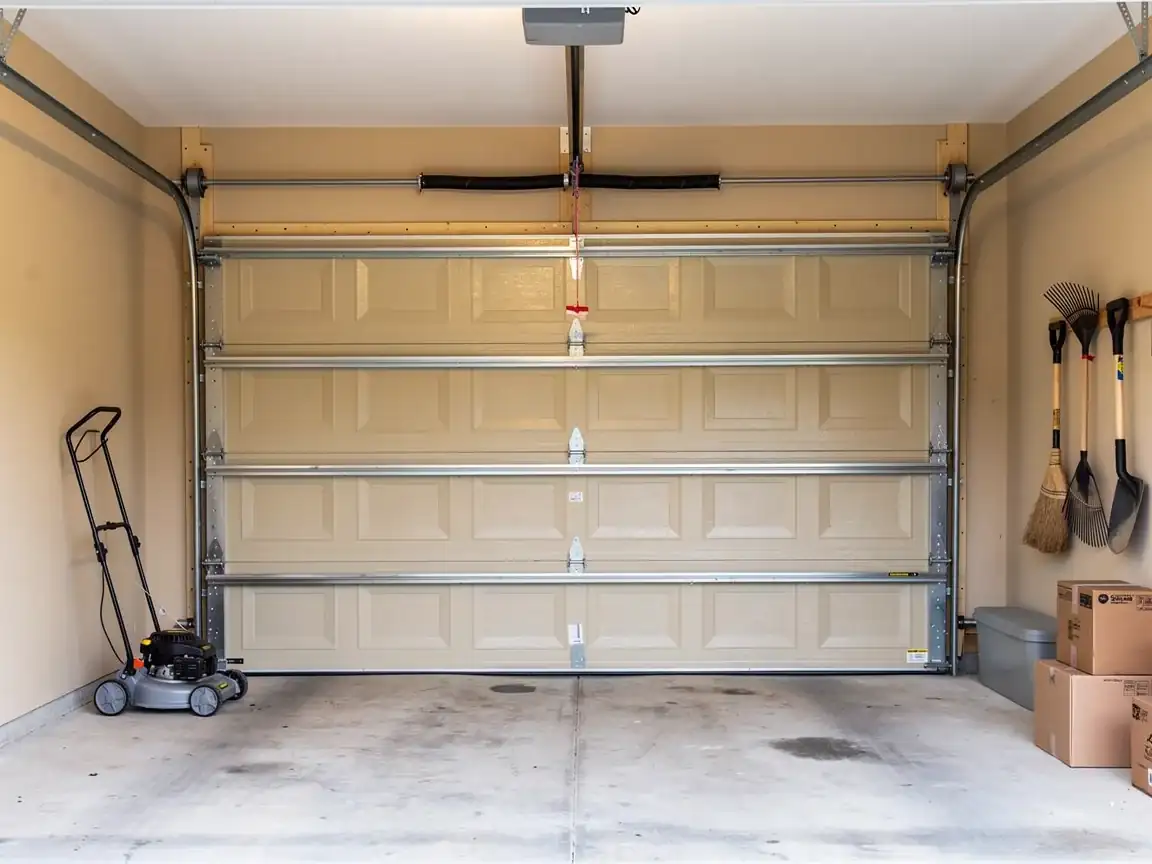
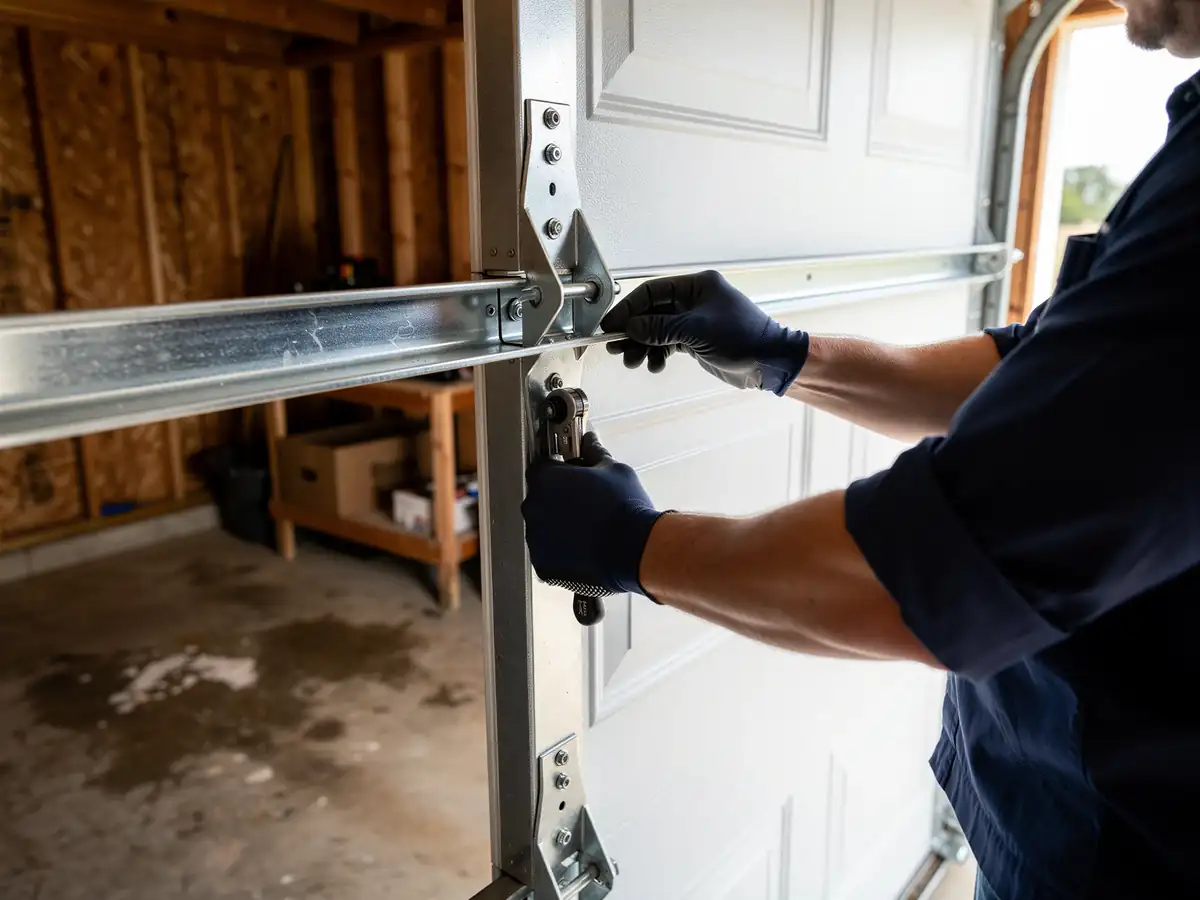
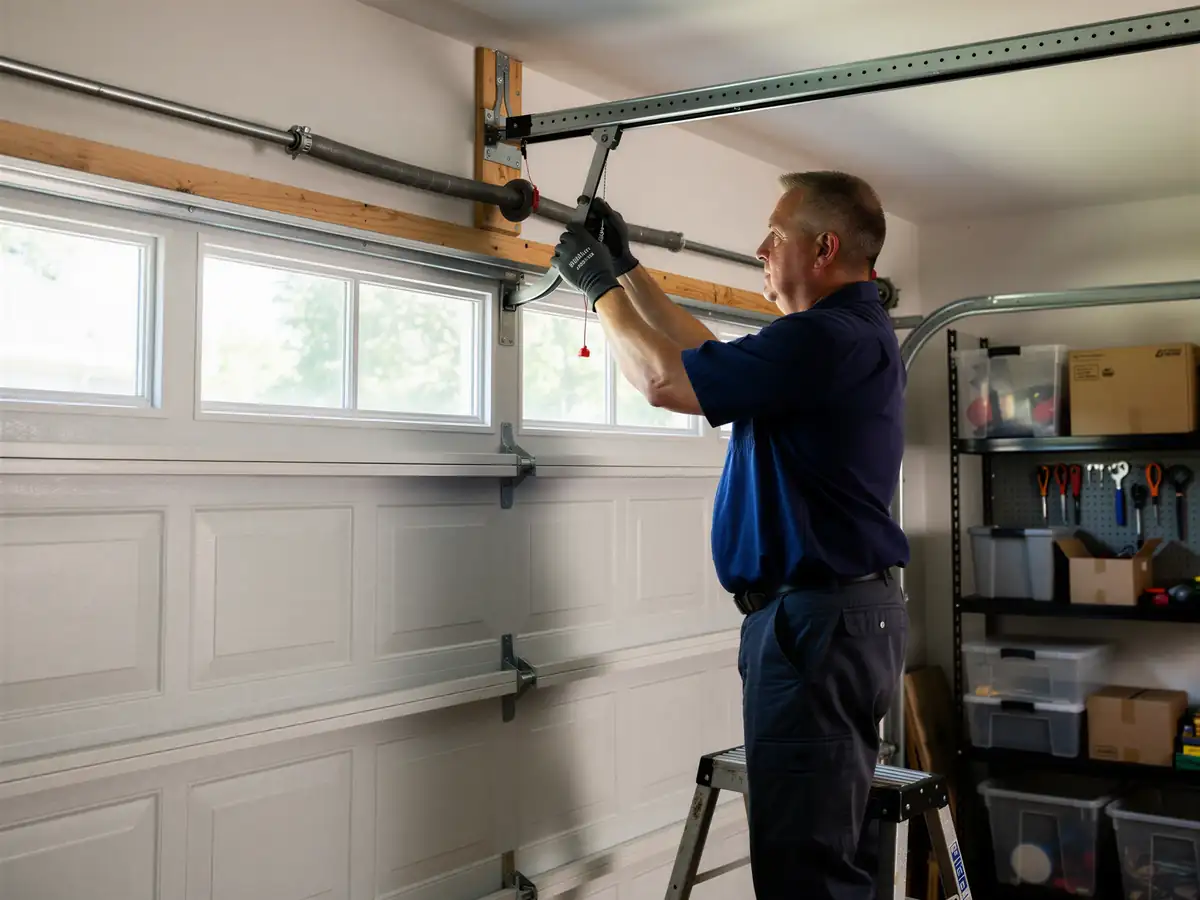
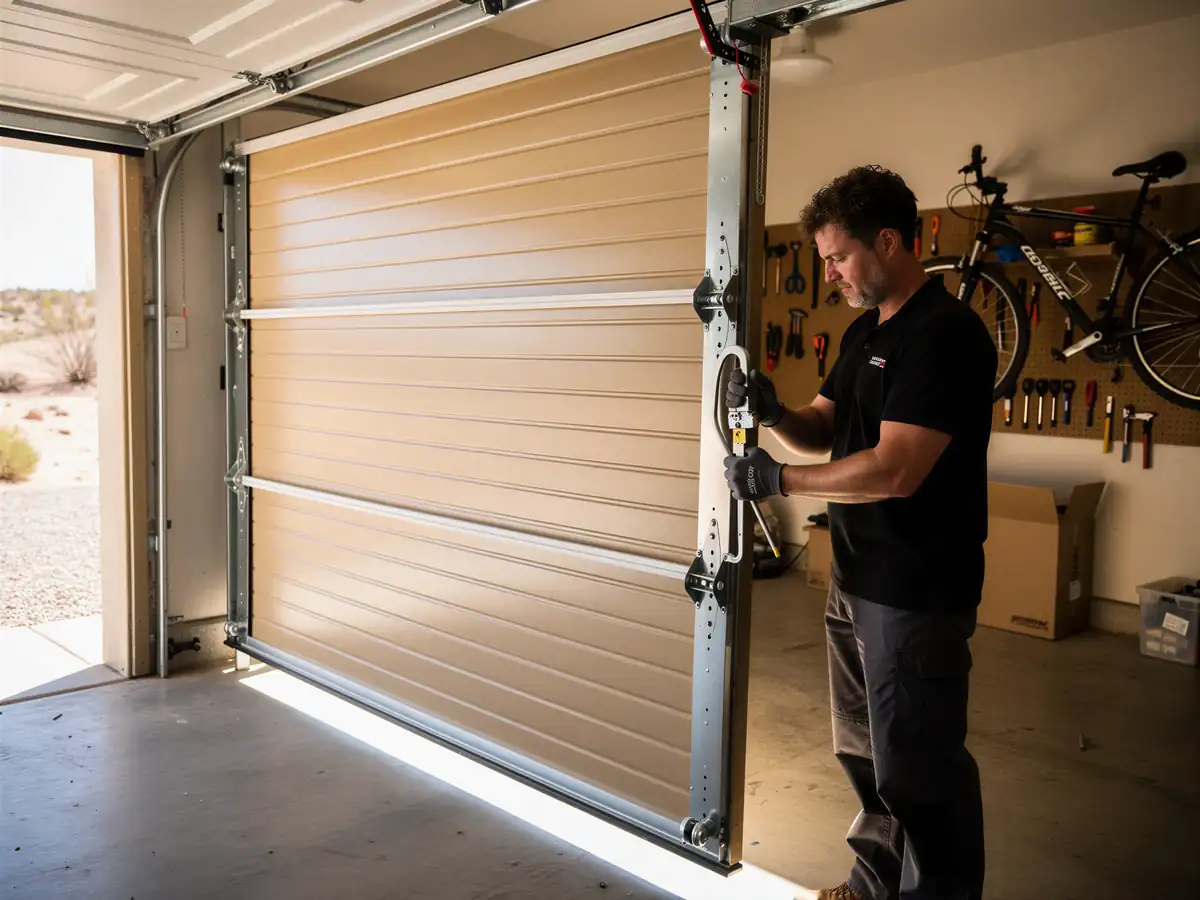
And I'll say that plainly rather than soften it. Hanging panels is only part of it - setting spring tension correctly on an opening built to 1970-era rough framing, squaring new track to a header that's shifted a little over fifty years, and getting the opener's travel limits right on a door that may not match current stock sizes. Get any of that wrong and you've got a door that drops fast or binds on the track, which is worse than the old door you started with.
Where a homeowner can reasonably do their own work
Swapping weatherstripping, replacing rollers, repainting panels, or handling the trim carpentry around a new opening before we show up. That part's straightforward and saves you money on the labor line.
The honest limitation on our side
We're driving in from Waco, so this isn't a job we can turn around same-day on a whim. Plan the install date a bit ahead rather than expecting a walk-up slot.
How It Shows Up
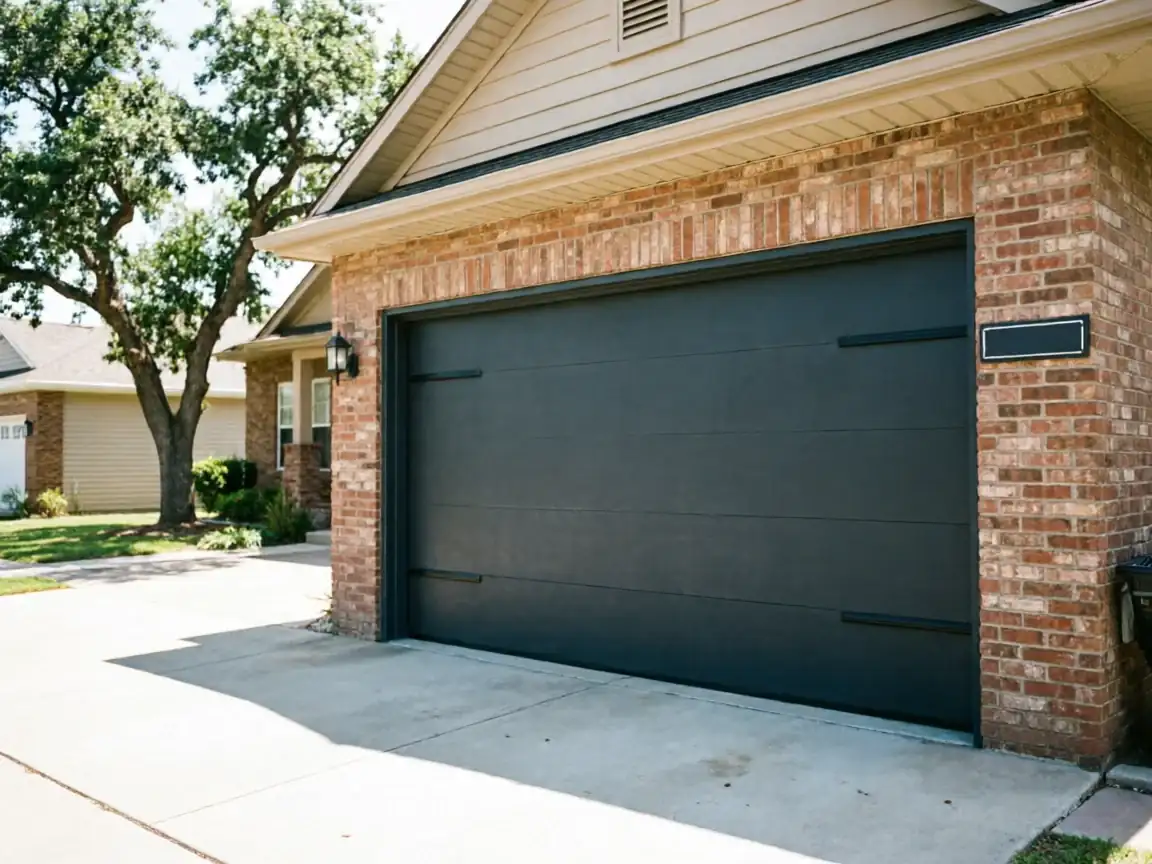
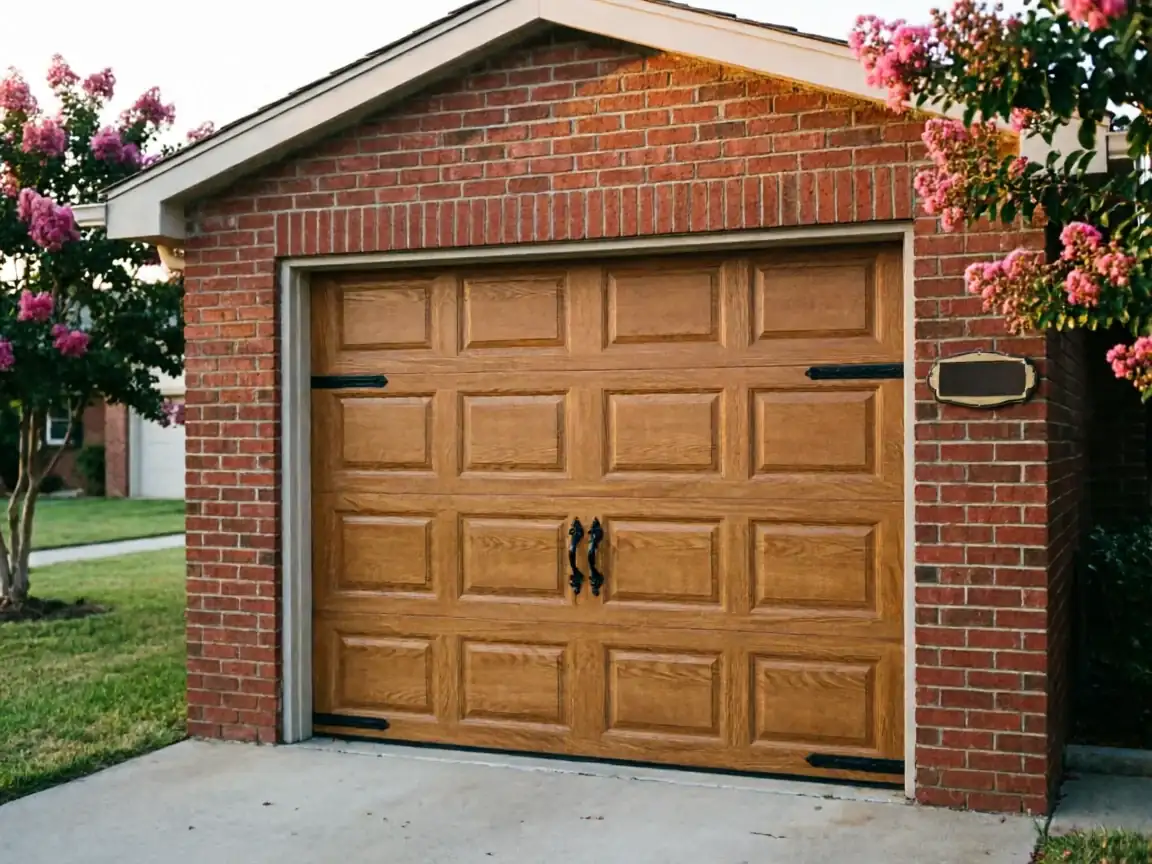
On a lot of McGregor's older lots, the garage opening itself is narrower than what newer construction uses, because it was framed when single-car and narrow-double doors were standard. That means a straight swap to a modern wide door sometimes means reworking the opening, not just hanging a new panel. We also see more side-mounted torsion setups on houses from that 1970 era than the center-mount hardware common in newer builds across the rest of the service area.
The moderate heat band this region sits in doesn't demand the heavy insulation packages you'd spec for a harsher climate, so a standard insulated steel door with decent weatherstripping covers most McGregor houses without over-buying on R-value. Where income runs tighter than the area average, that's a real cost saver worth knowing before you shop door lines.
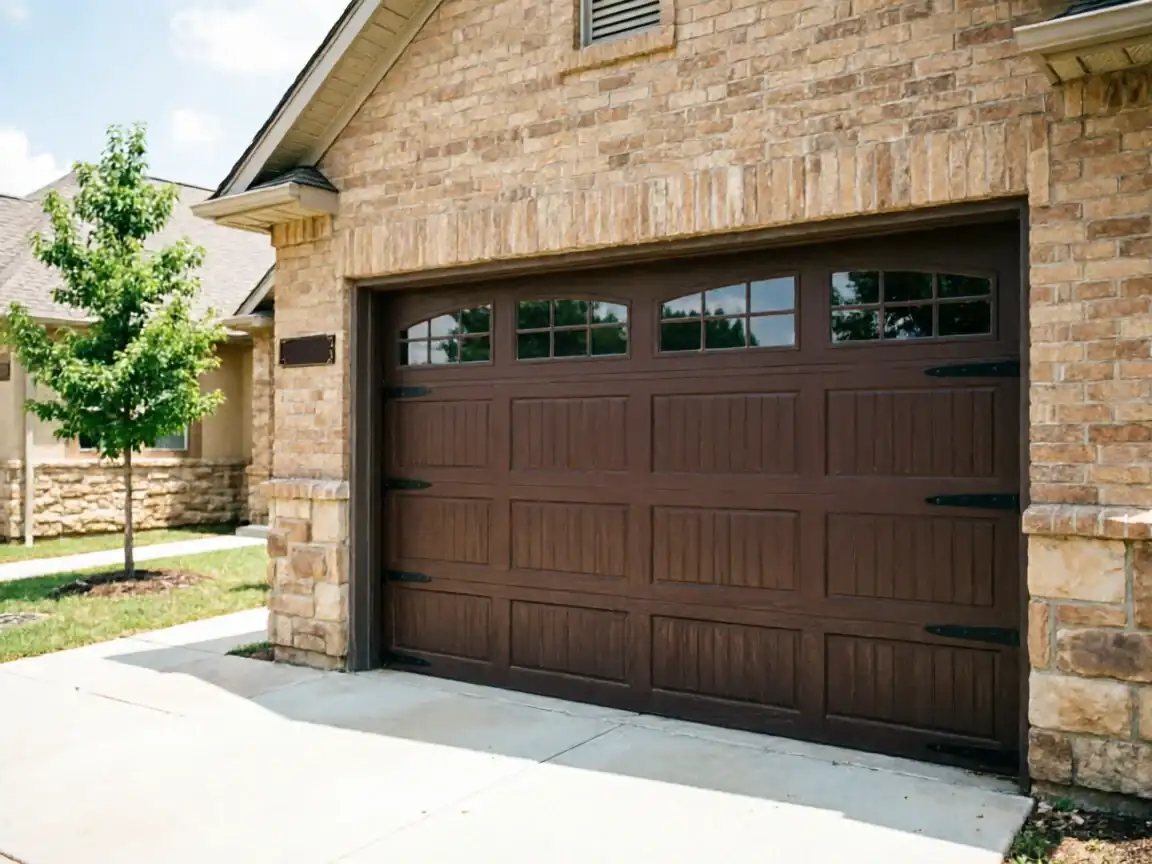
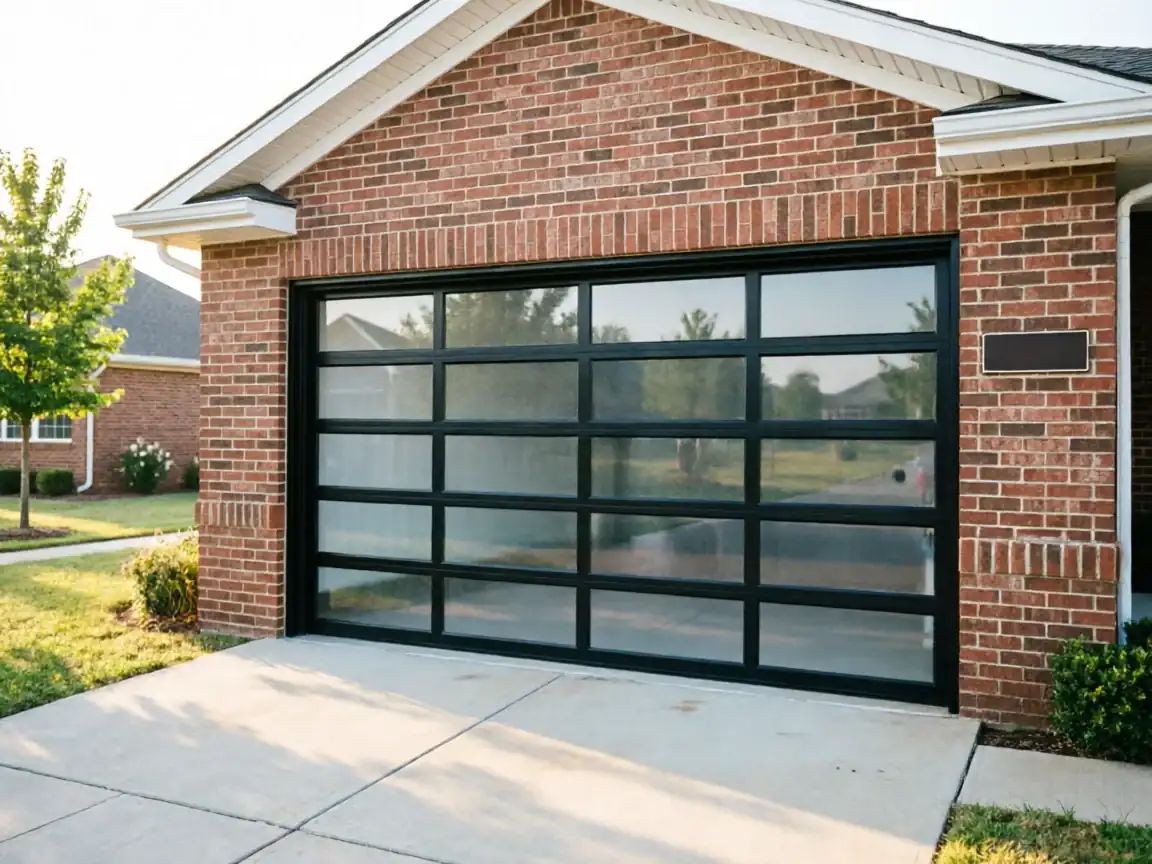
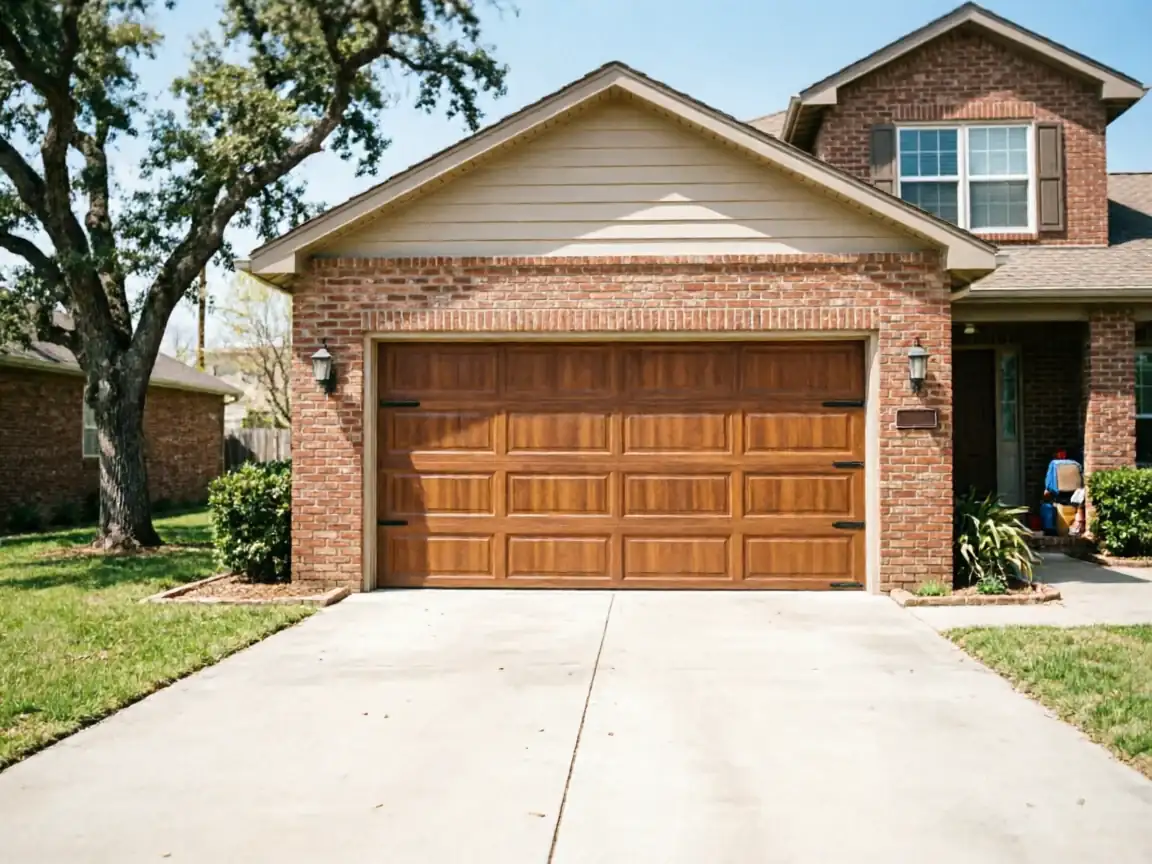
What doesn't show up here as often: oversized three-car openings or the newer carriage-style doors you see in subdivisions built after 2000 - McGregor's stock mostly predates that trend.