What You Pay
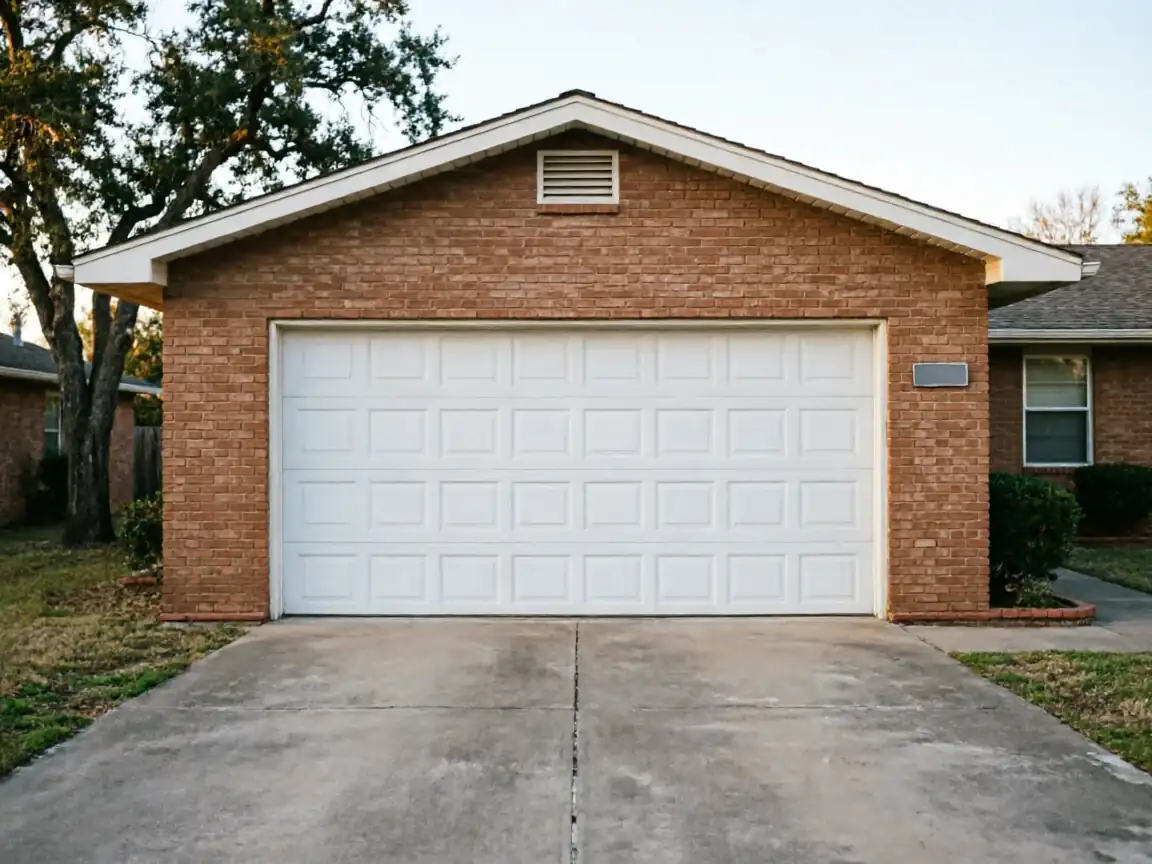
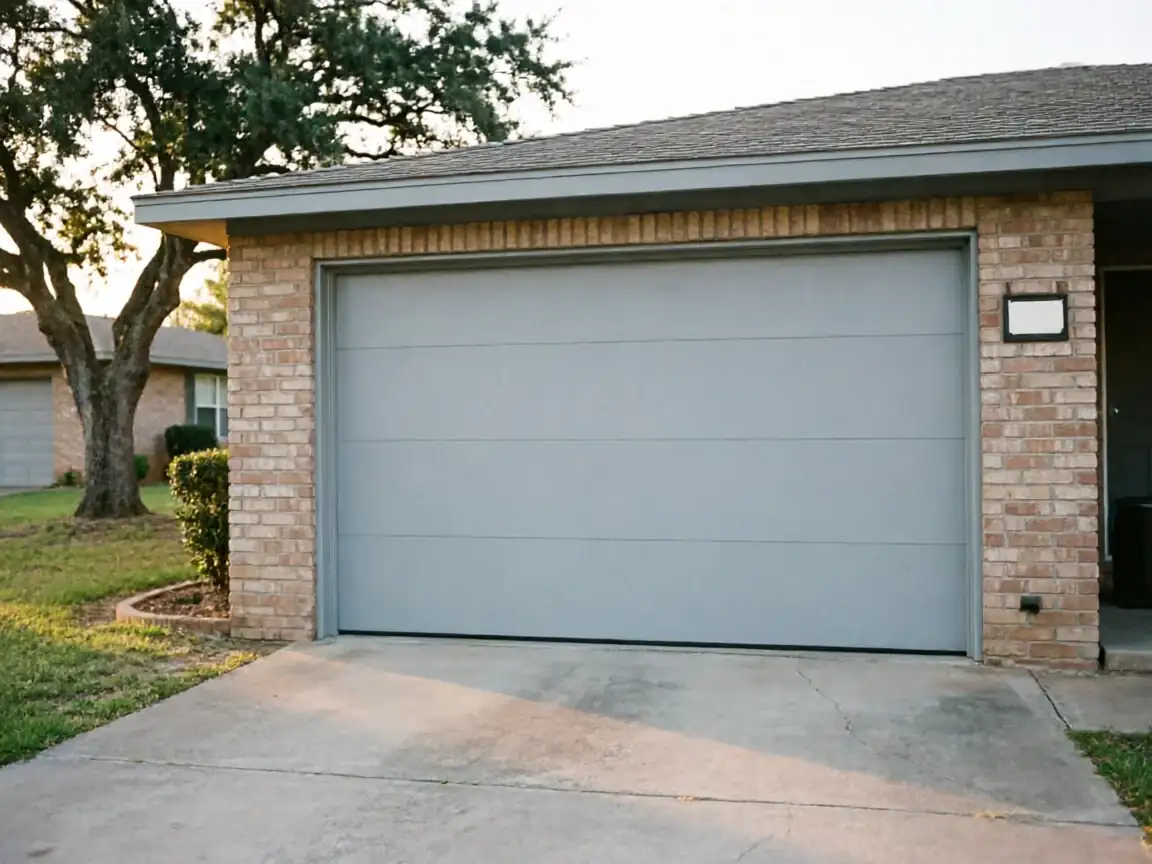
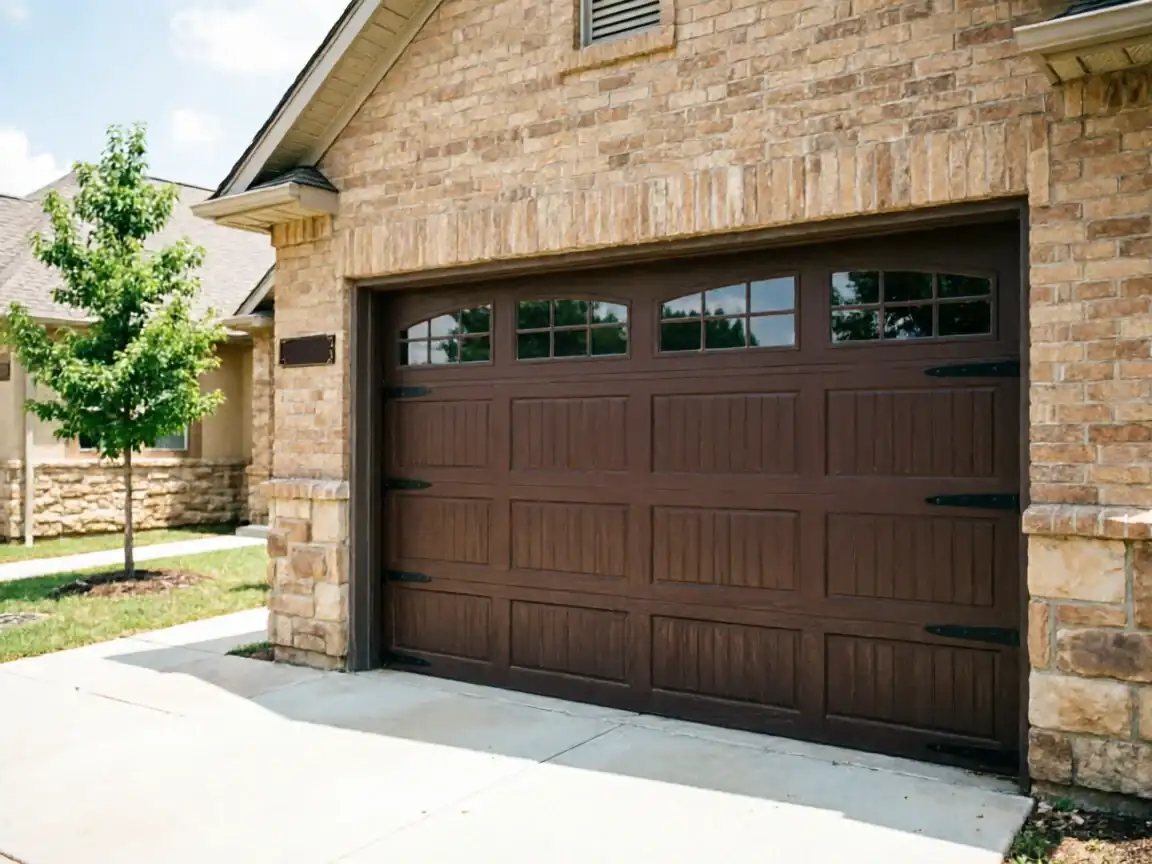
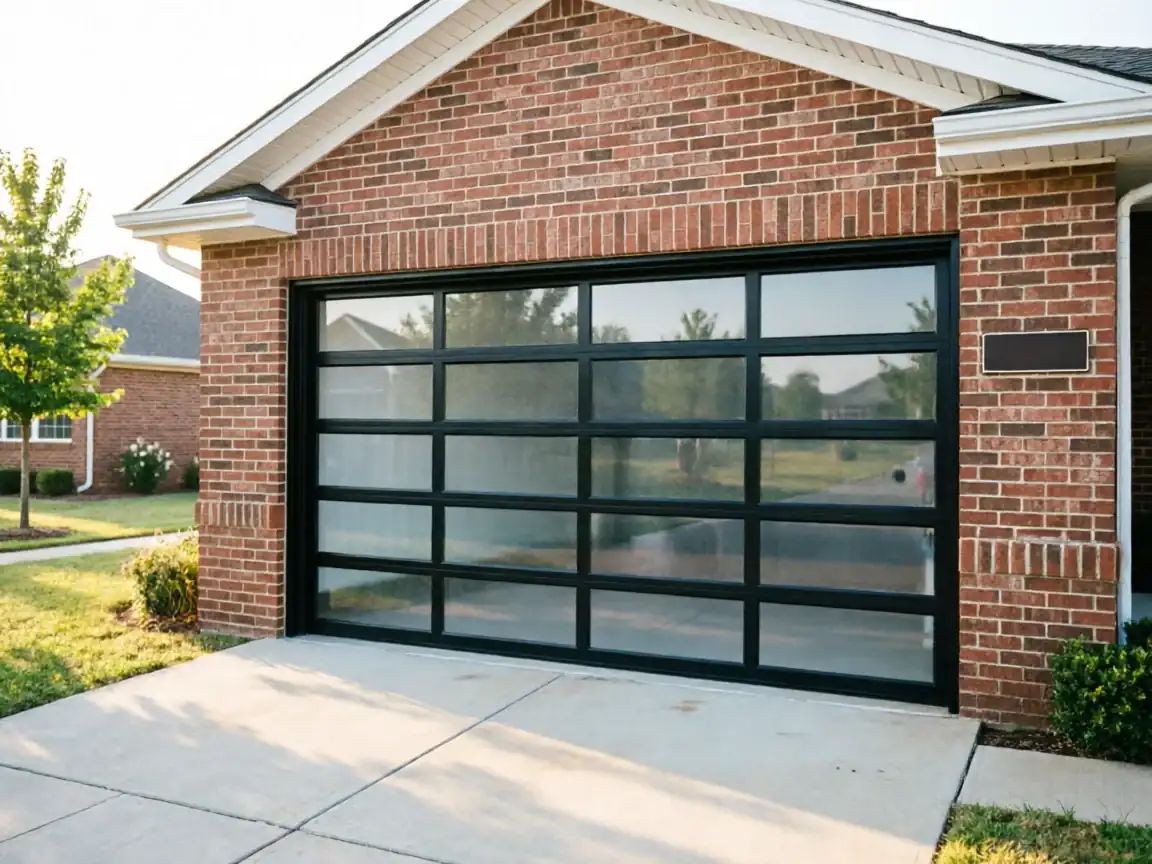
McGregor sits about 17 miles out from our shop in Waco, which is the farthest reach on our map for this kind of job, and that travel is a real line item we have to account for before anything else. Beyond the drive, cost comes down to what's actually broken and what it takes to match it. A single dented panel on a door built around 1970 - which describes a lot of McGregor's housing stock - often means a track width or a hinge spacing that newer stock sections don't match off the shelf. That can mean a special order instead of a same-day swap, and special orders take longer and cost more than a standard panel out of a Waco warehouse.
We don't quote a flat number here because we haven't seen your door. Median household income in McGregor runs lower than the wider service area average, and we try to be upfront that a full replacement isn't always the better financial move just because it's cleaner - sometimes one matched panel section is the right call even on an older door, and sometimes the hardware underneath is too far gone for a panel swap to make sense on its own.
How to Book
We travel from Waco to reach McGregor, so this isn't a job we can swing by on short notice the way we might for a street a few minutes from the shop. Booking means setting a day we're already routed out that direction, which keeps the trip reasonable for both of us. We ask for the make and rough age of the door, and if you can find a panel section number stamped on the inside edge, that saves a back-and-forth before we load the truck.
Because a fair number of McGregor's doors date to around 1970, we also ask homeowners here to check whether the door has ever been replaced at all. If it hasn't, we're likely looking at original track and hinge spacing, and we'd rather know that before the appointment than discover it standing in the driveway.
Can You Do This Yourself
A single bottom panel with surface rust or a lawnmower dent is sometimes a bolt-out
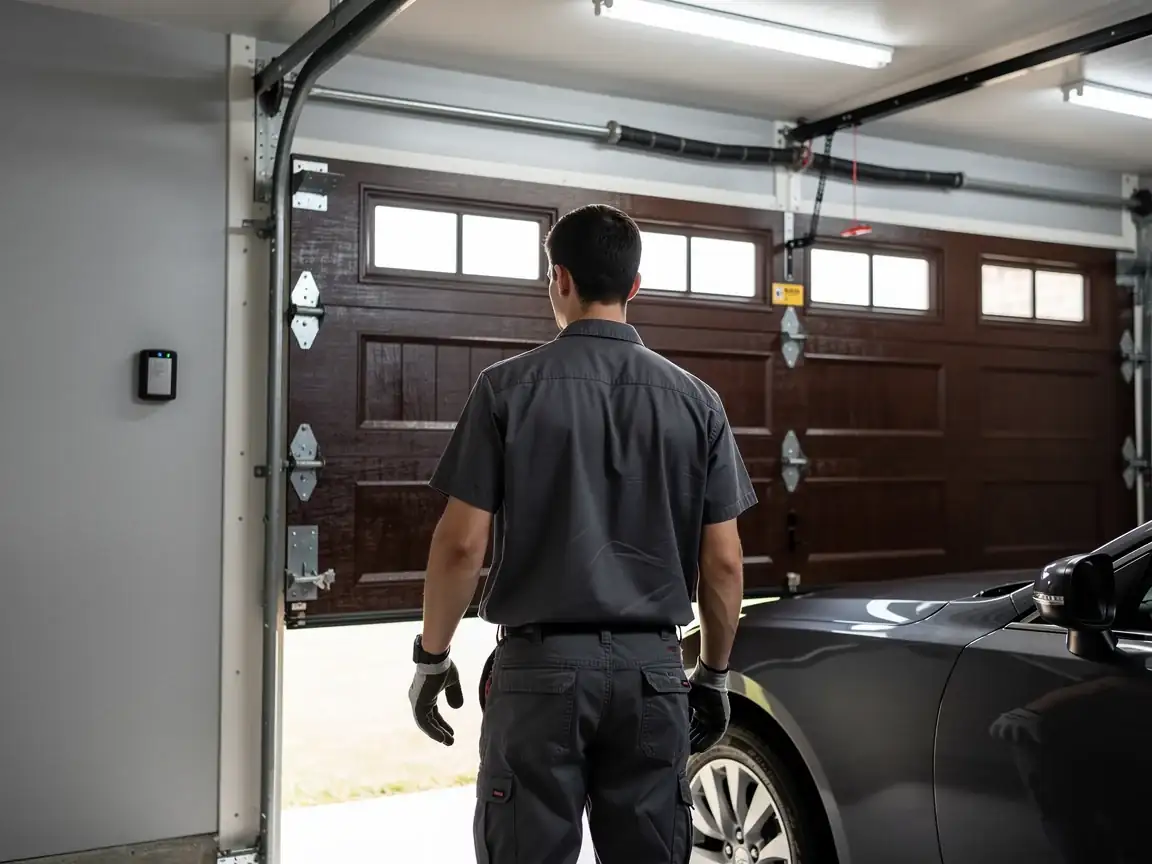
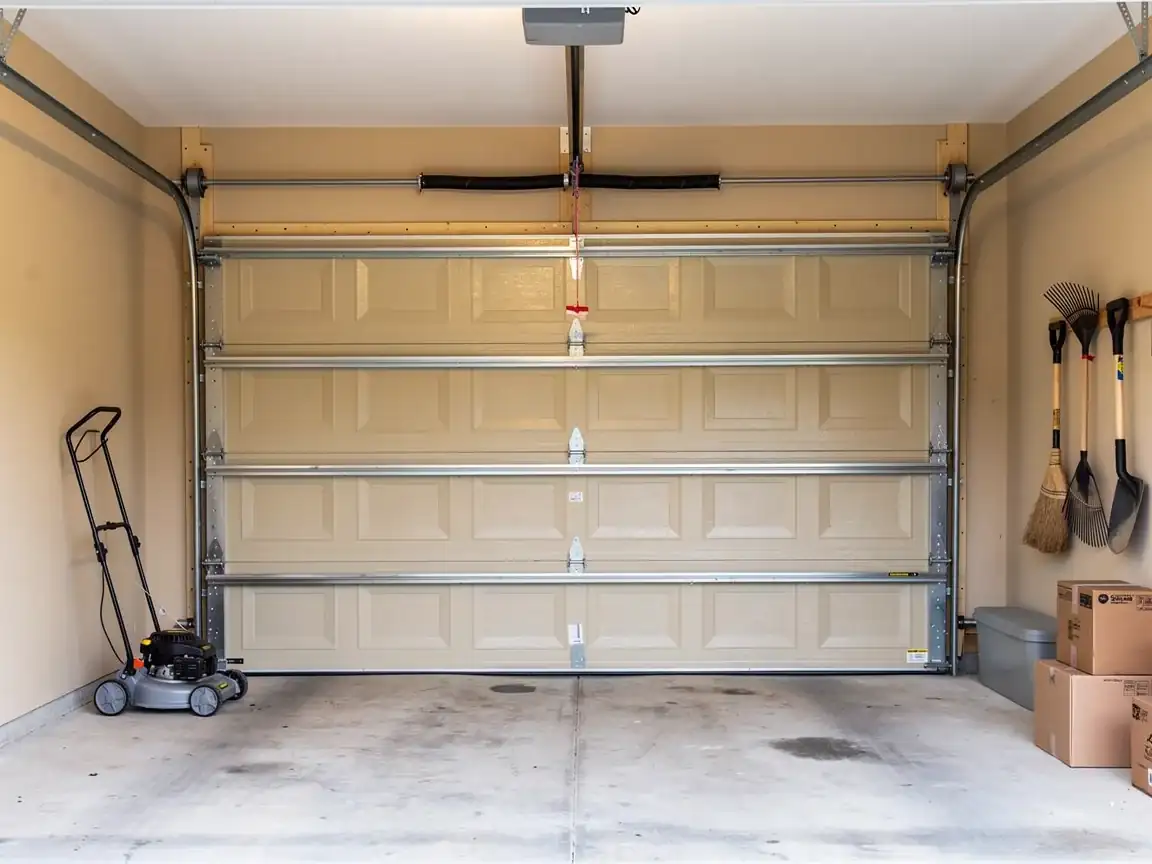
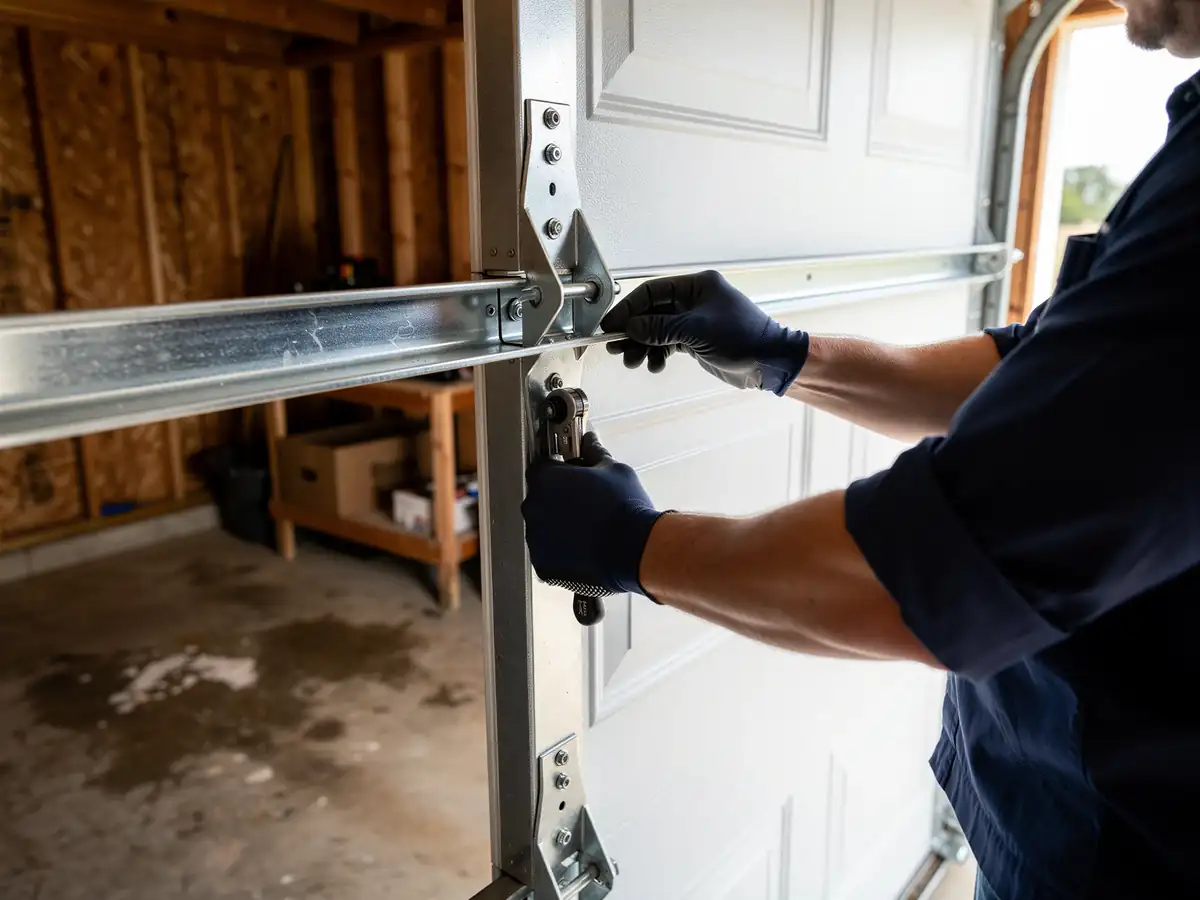
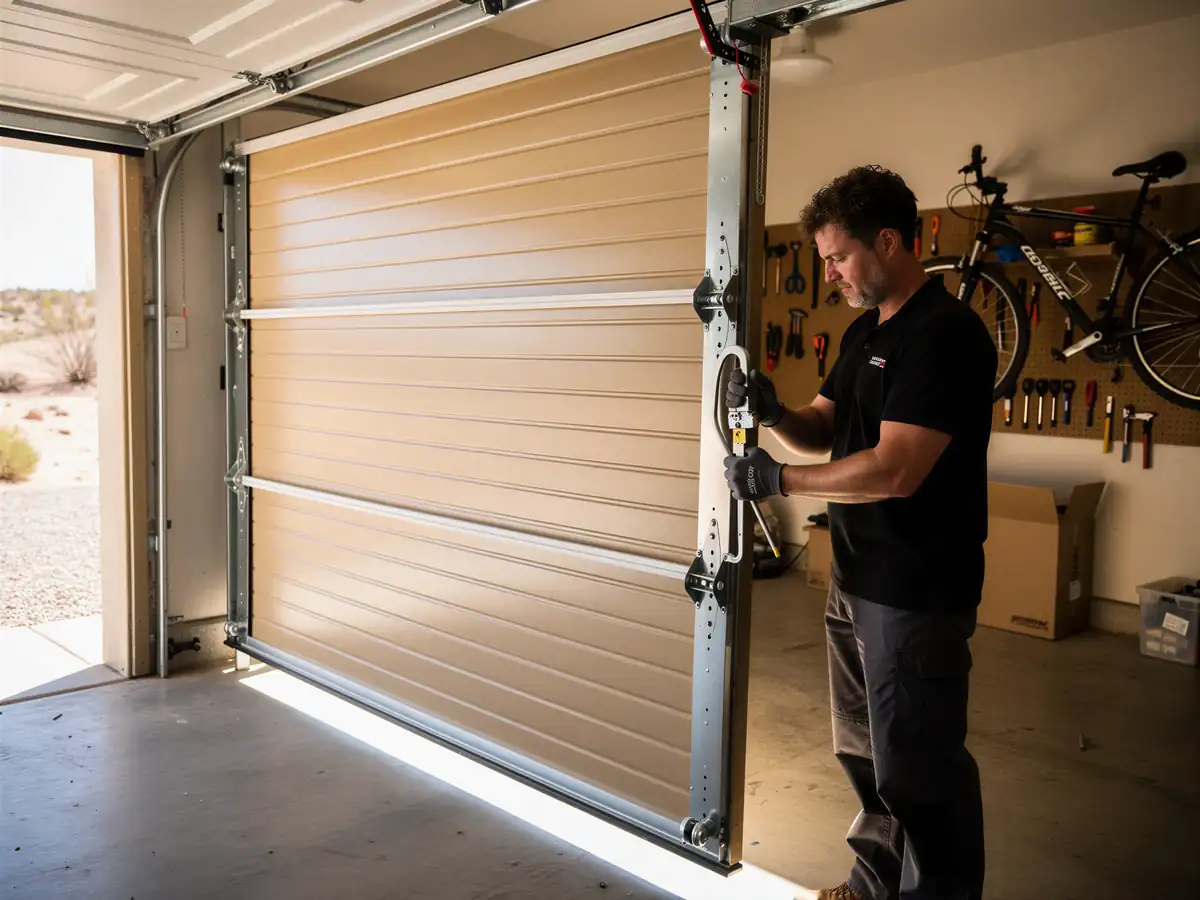
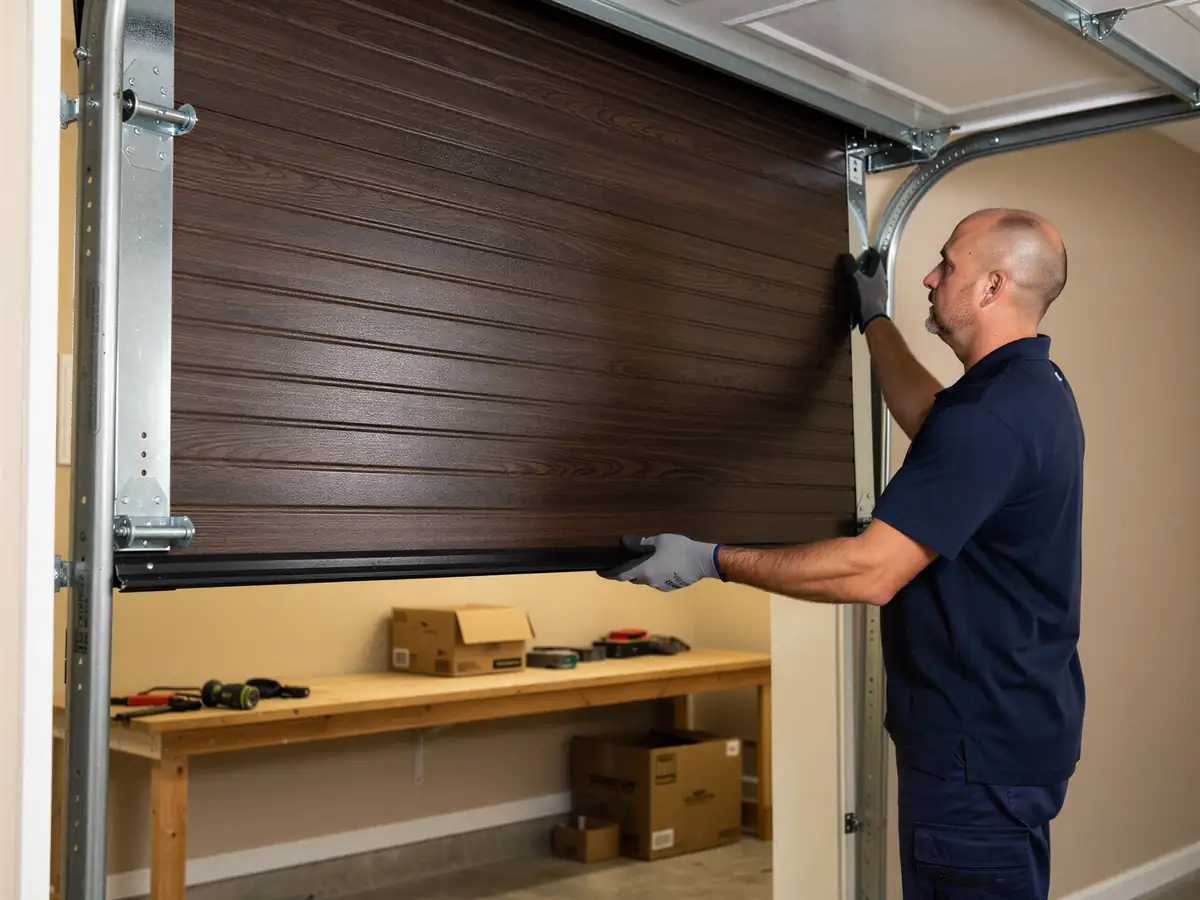
Bolt-in job if the replacement section matches exactly - same brand, same panel height, same hinge pattern. On a door built around 1970, that match is the hard part. A lot of that era's hardware was never swapped out, so the spacing and the hinge gauge can be different from what a current panel kit assumes, and a section that looks right in a catalog photo can bind the whole door once it's hung.
We'll say plainly: if your panel is cracked across a seam, if the door racks when it moves
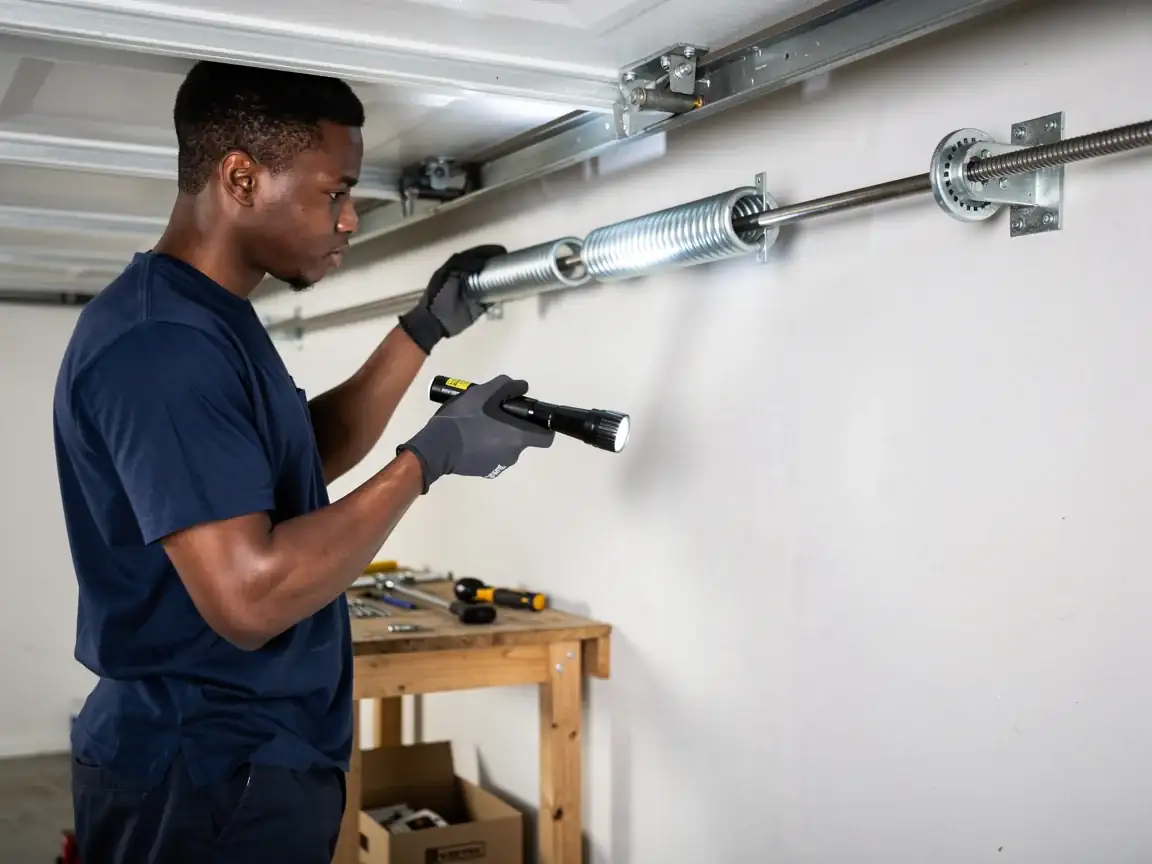
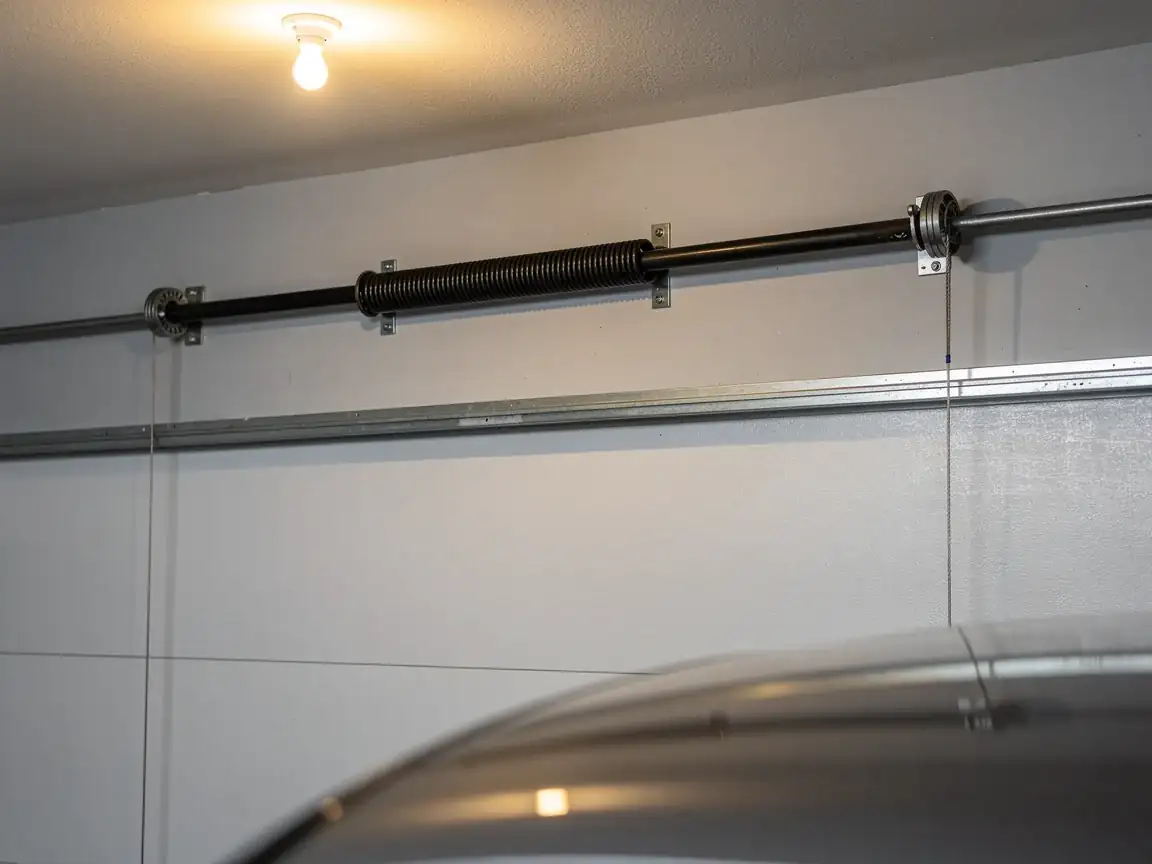
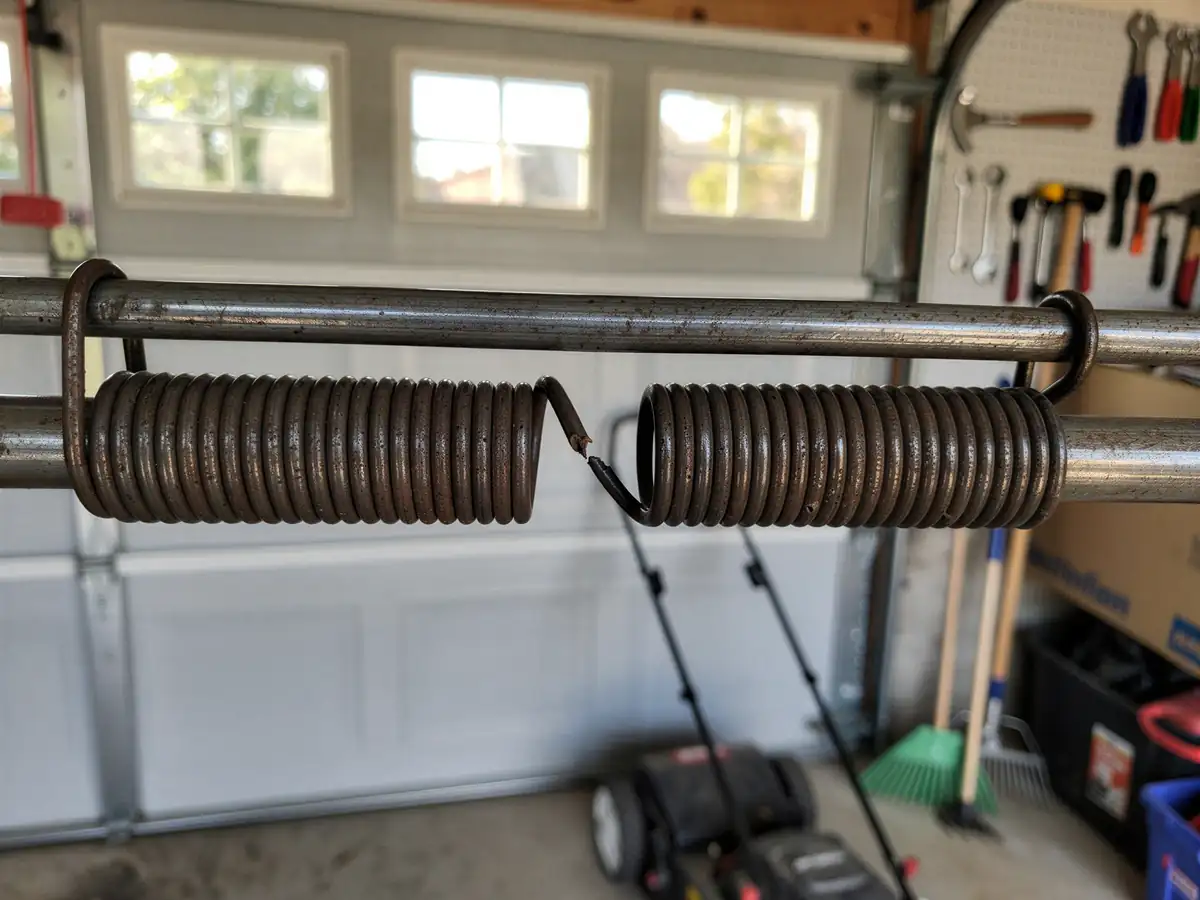
Or if more than one section is damaged, you're better off having someone look at the track and springs before buying a panel at all. Panel work on a door this old isn't a weekend project most people should start without knowing what's underneath.
How It Shows Up
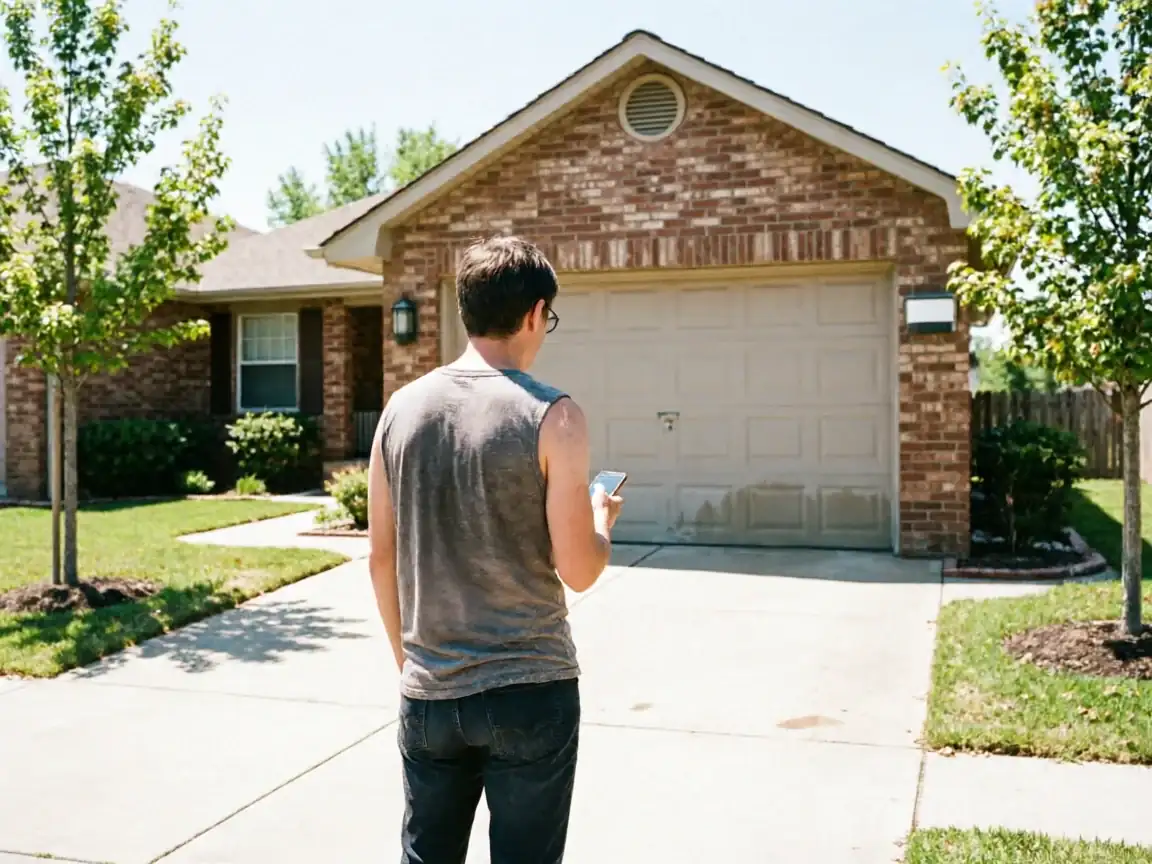
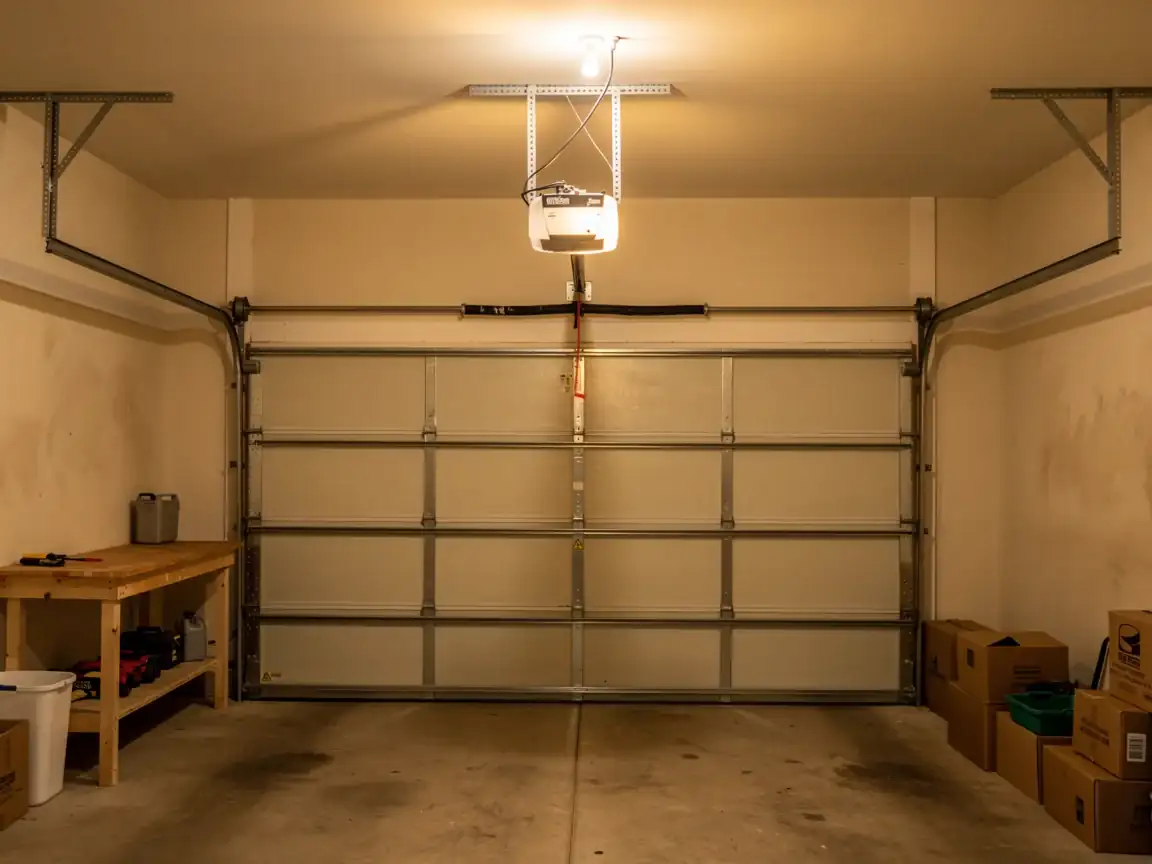
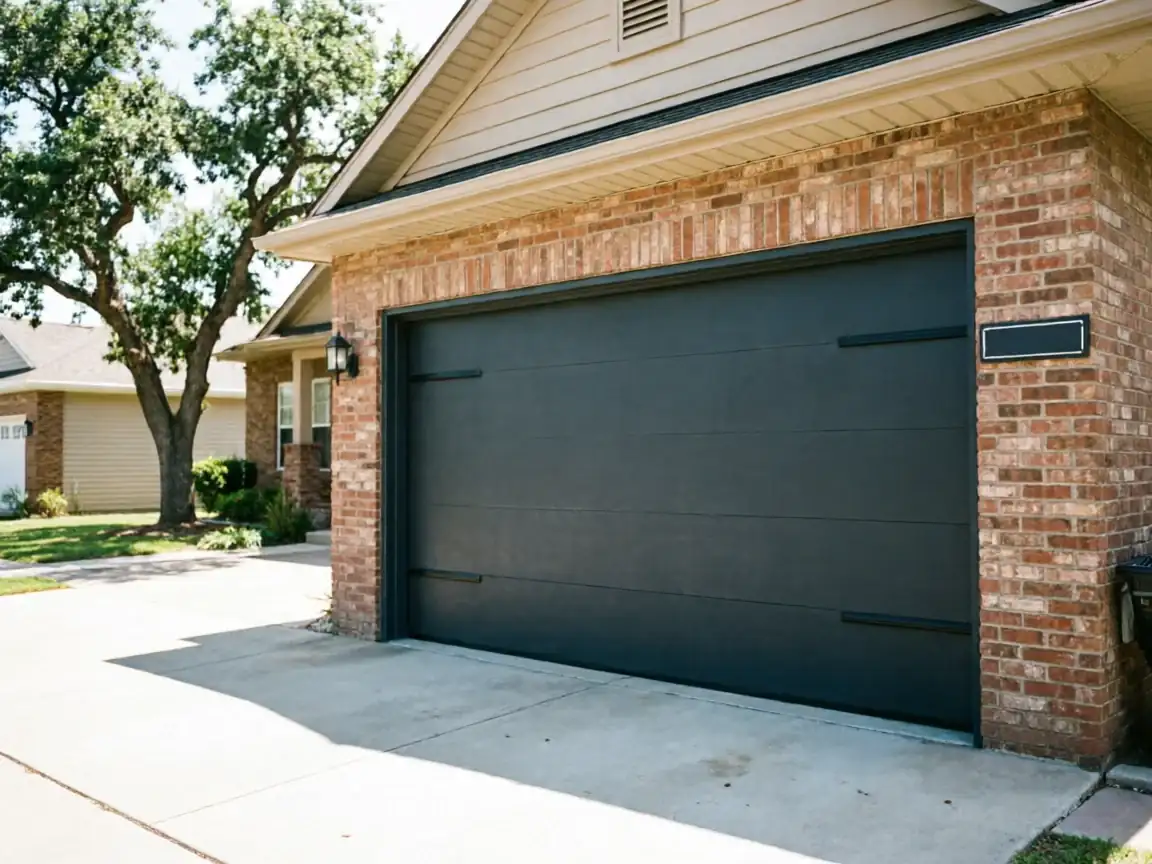
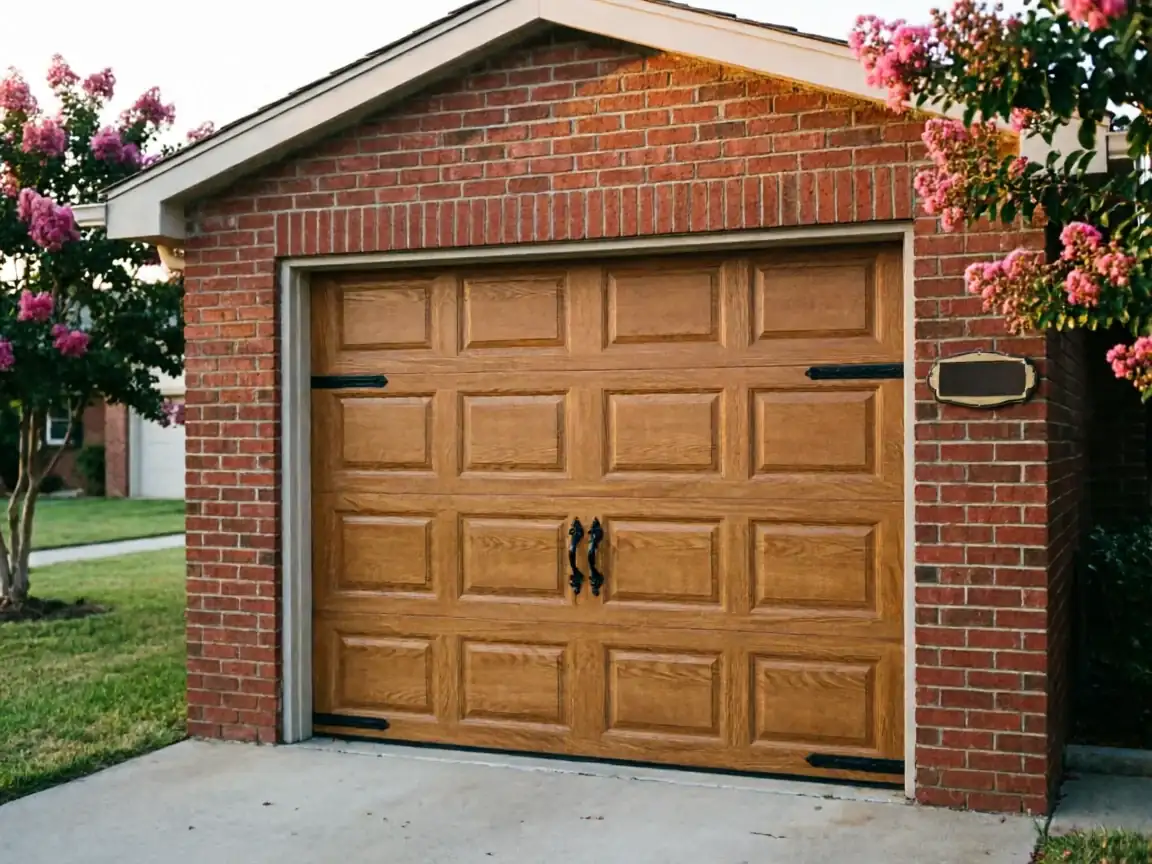
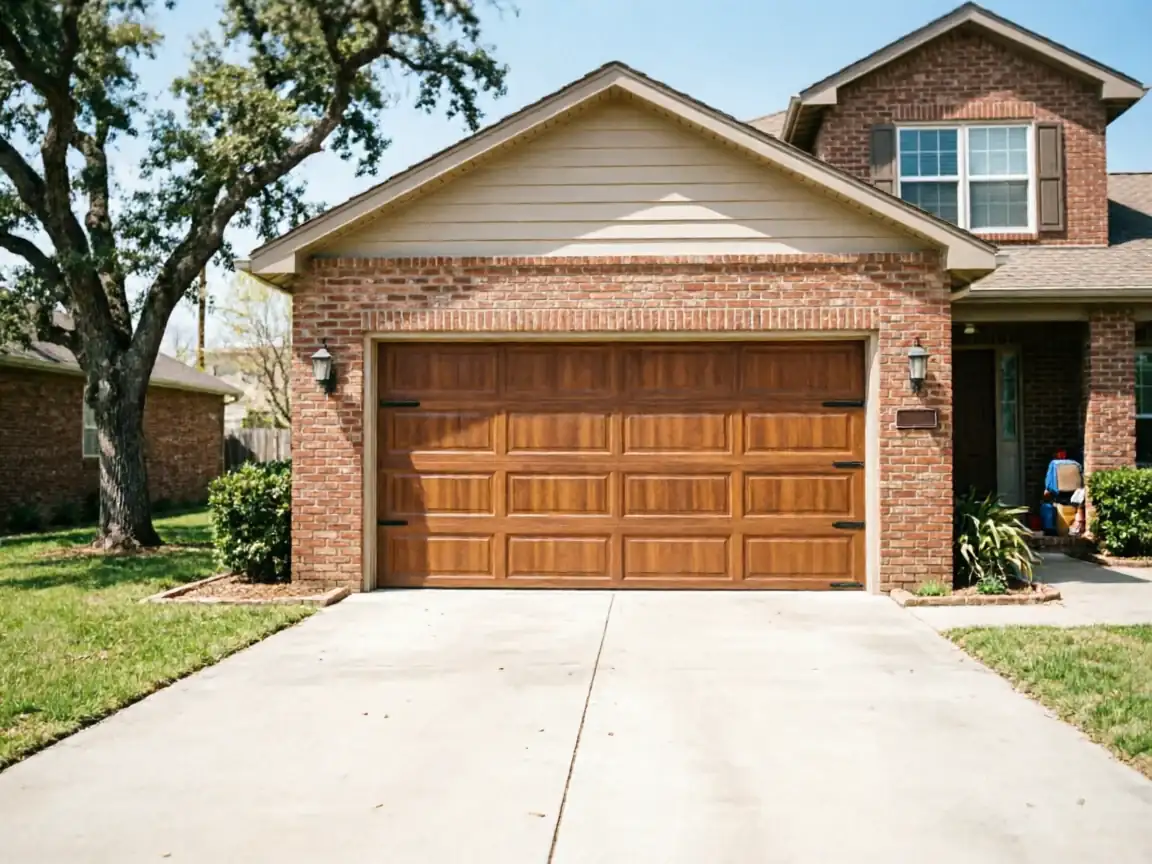
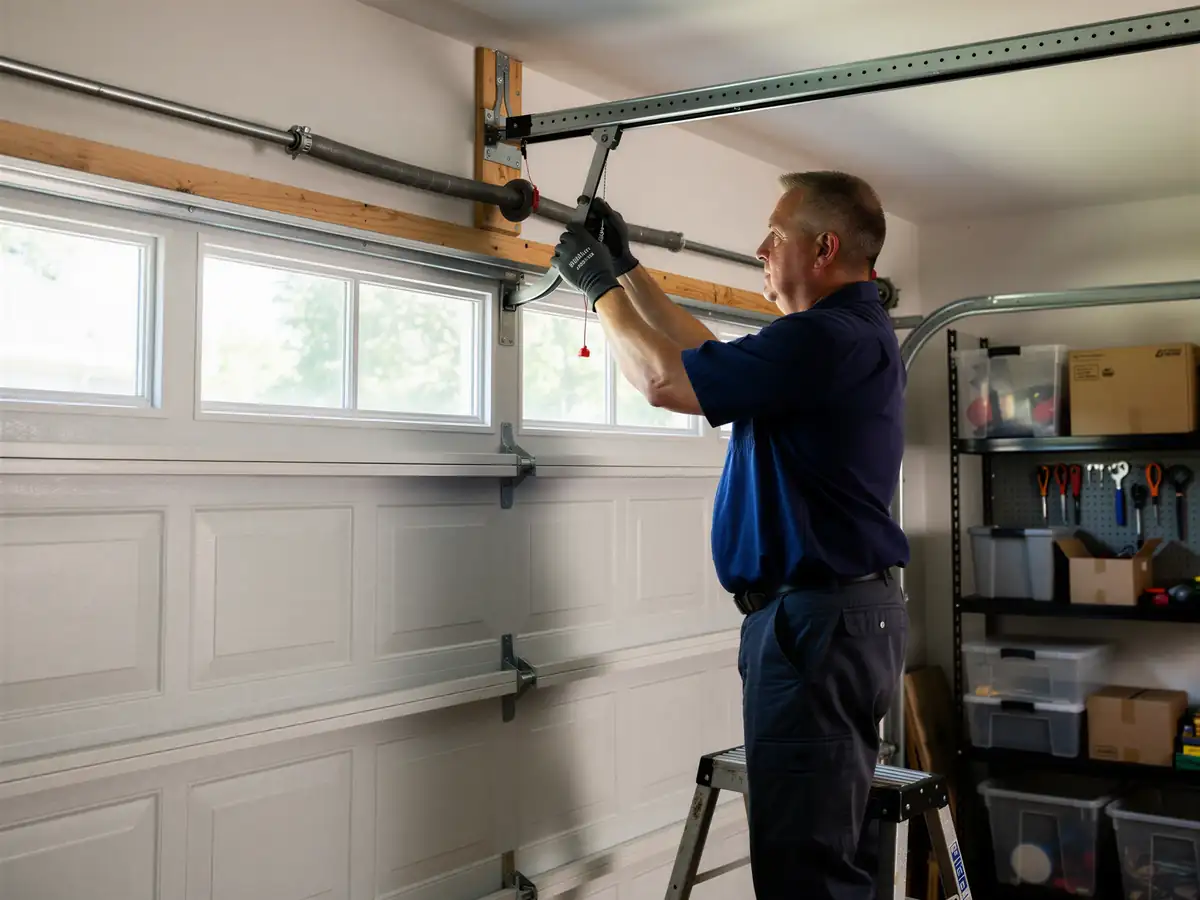
On a lot of McGregor's doors, which tend to date back to around 1970, panel damage doesn't show up as a clean single dent - it shows up as a seam that's started to separate, or a section that's gone soft from decades of sun and moisture working on the original material. With roughly 1,731 households in this town, a good number of these are still running the panel set the house came with, never replaced, which means the fasteners and hinges holding that panel in place are the same age as the panel itself.
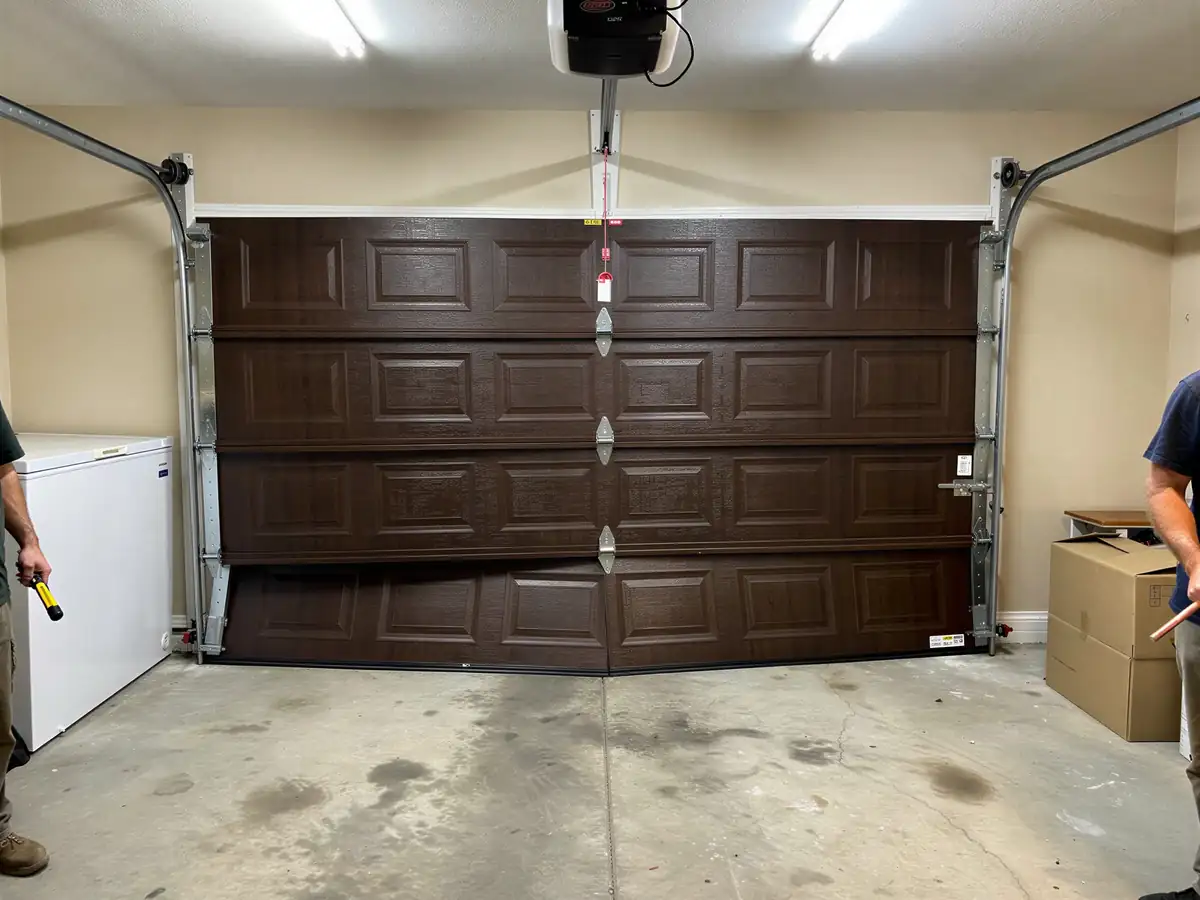
What we usually find is a door that still opens and closes fine but has one section that's visibly out of line with the rest - rust bleeding through paint, a bow where a basketball or a bumper connected years ago, or a corner that's pulled loose from the hinge. None of that is an emergency, but it's worth a look before a minor cosmetic issue turns into a section that won't stay seated in the track.