What You Pay
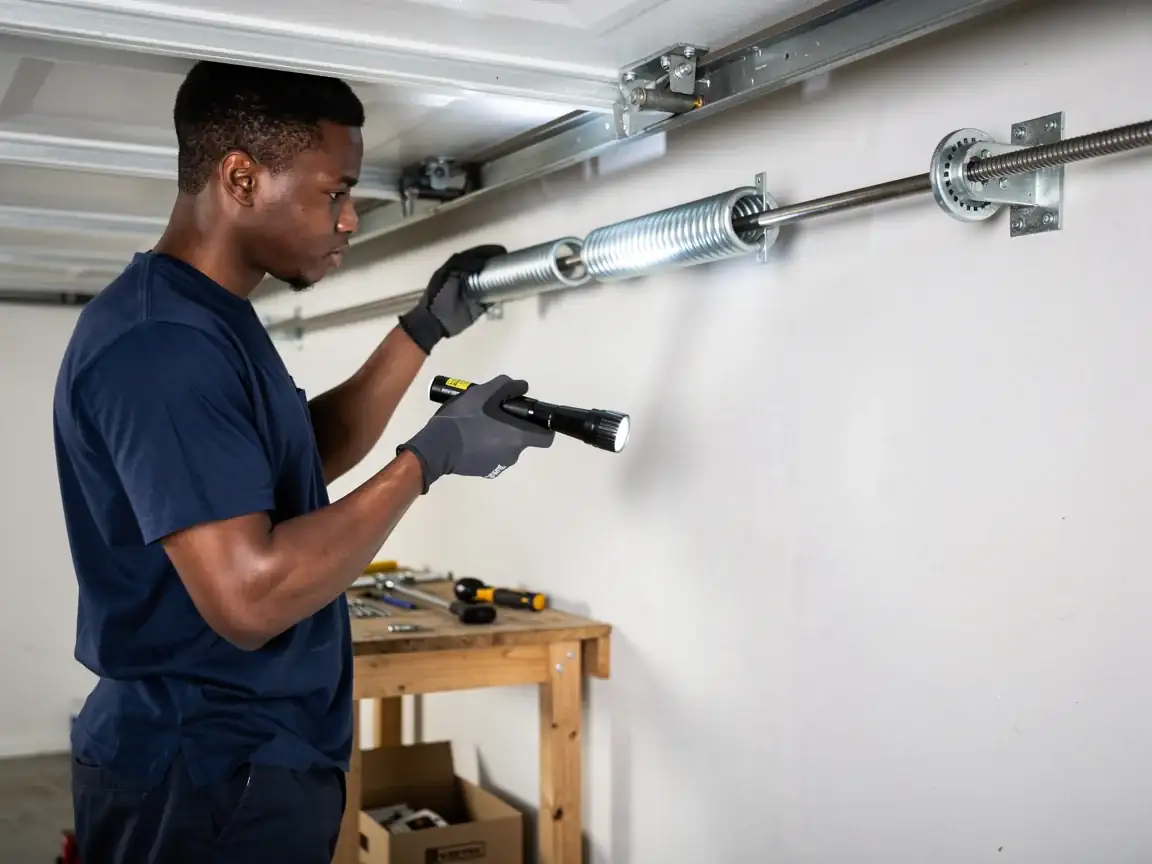
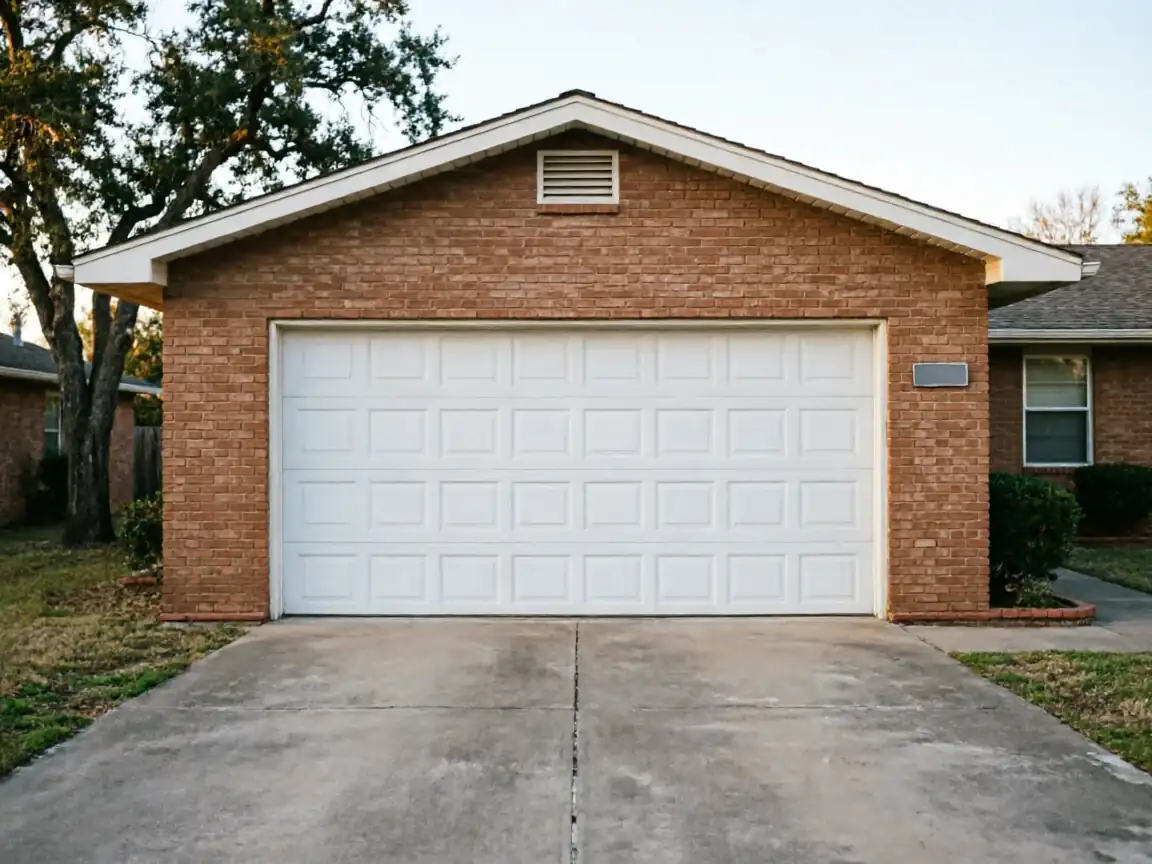
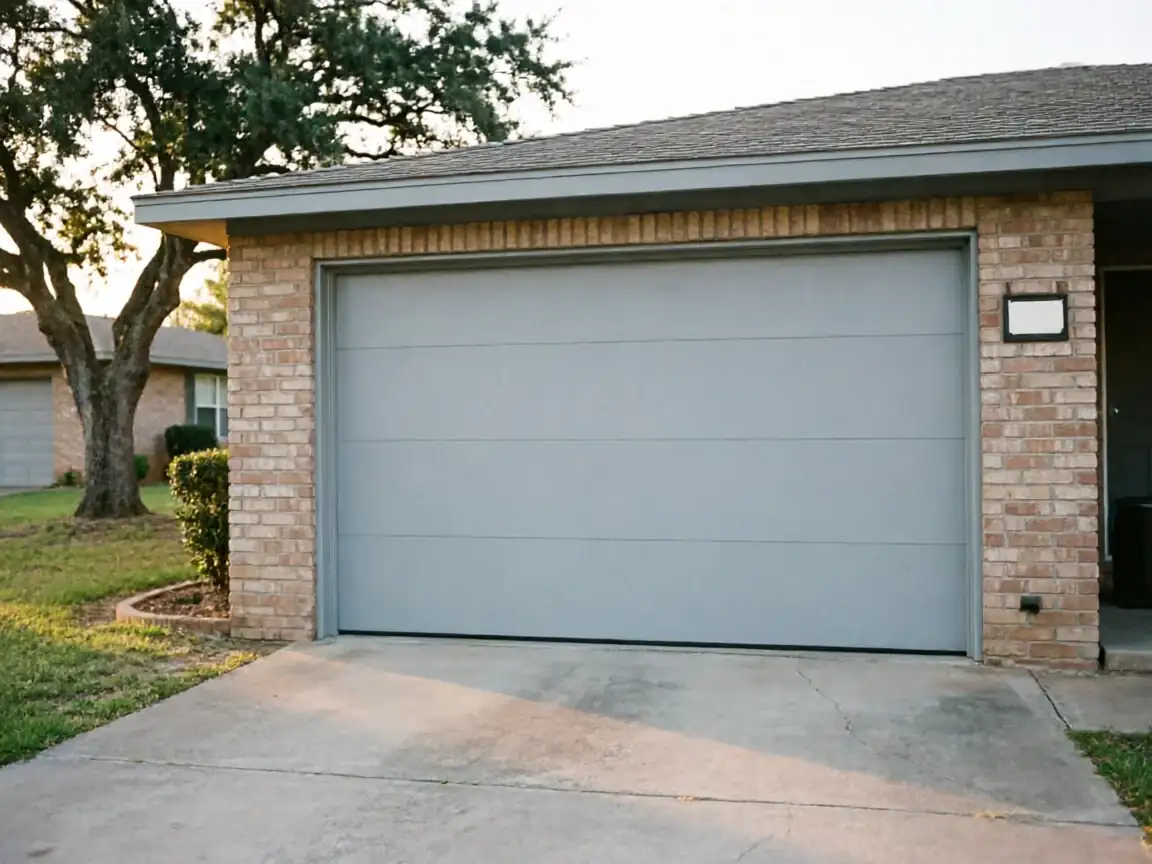
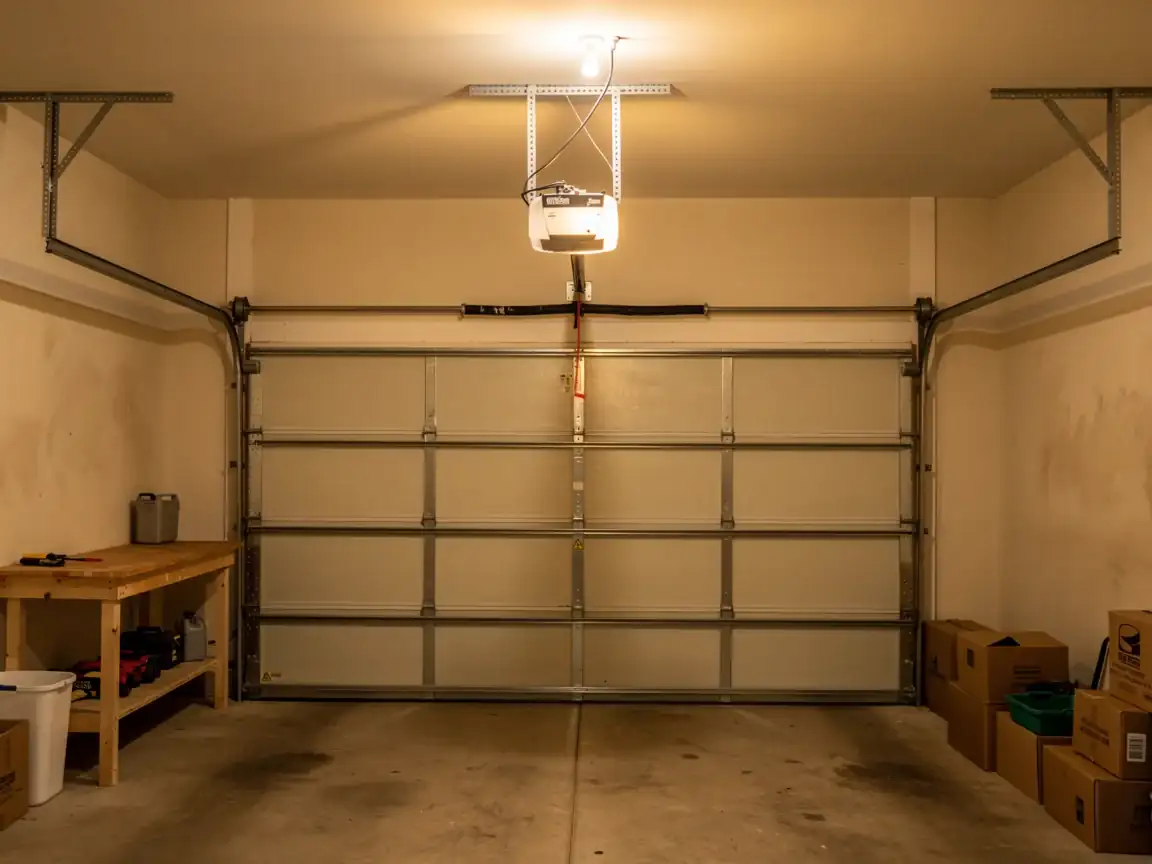
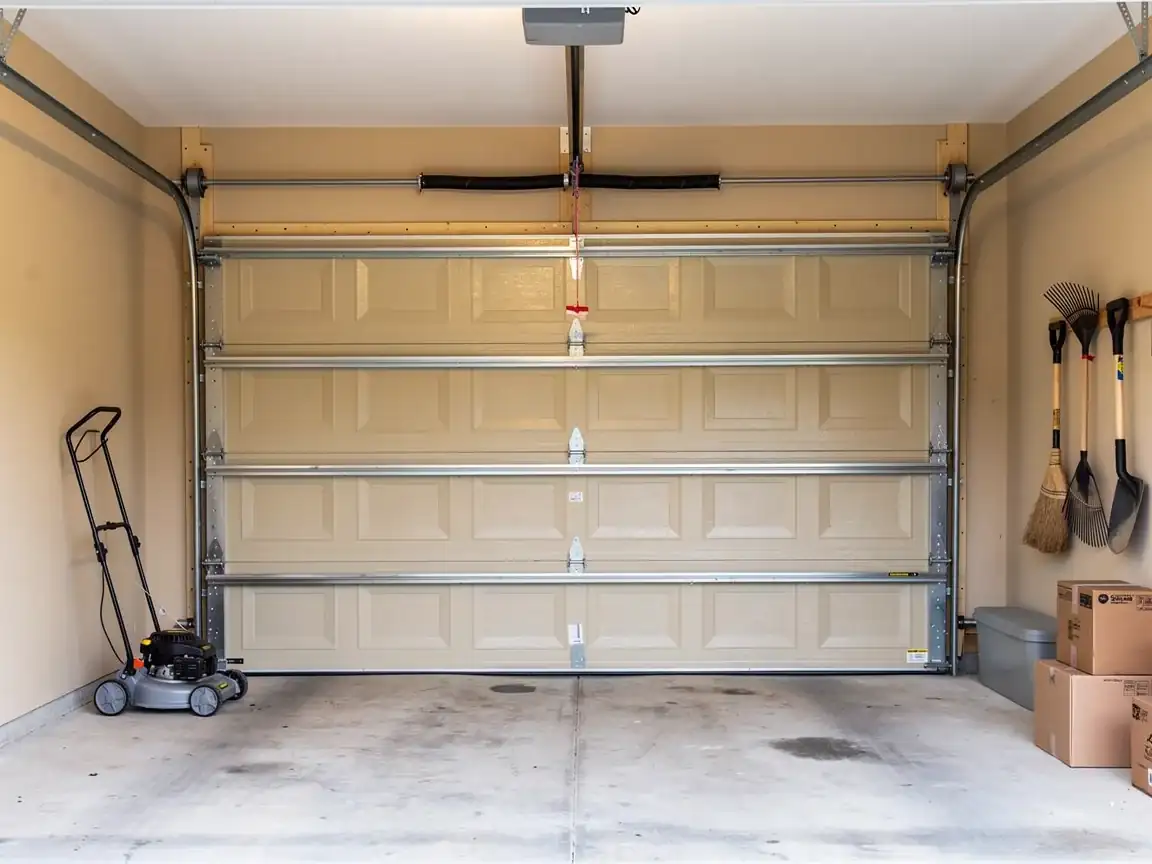
The house stock in McGregor centers on 1970, which puts most of the original garage doors here at a smaller single-car width than you'll find on the newer builds closer to Waco. A lot of these are still the plain steel sectional doors that shipped standard with torsion springs sized for a lighter, narrower door - not the heavier double-wide panels common in the subdivisions built after 1983 across the rest of the service area. That matters for pricing because spring weight and door width are what set the job, not the brand on the opener. A single torsion spring swap on a door this size and this age costs less than replacing a pair of springs on a wider double door, and it costs less again than it would if someone had already swapped in a heavier replacement door without upgrading the spring to match. We quote off the door in front of us, not off a phone estimate, because a 1970-era door can hide a mismatched spring from a prior repair.
The honest limit here: if the drum or the shaft is worn from running on the wrong spring tension for years, a spring-only fix won't hold, and we'll tell you that on site rather than sell you a spring that fails again in six months.
How to Book
We run this job out of Waco, 17 miles up the road, so McGregor calls go on the same route as the rest of the service area rather than a separate local crew. That's not a knock against the town - with 1,731 households here, it's not a market that supports its own depot, and we'd rather tell you that than invent one. Call and describe what the door is doing: won't lift, lifts partway and stops, cable hanging loose, or a loud bang followed by the door going dead. That description tells us whether we're bringing one torsion spring or a pair, and whether we need to check the drums while we're there. Booking by phone also lets us confirm the door width and lift type before the truck leaves, since a 1970-era single door and a later double door need different stock on the truck.
Can You Do This Yourself
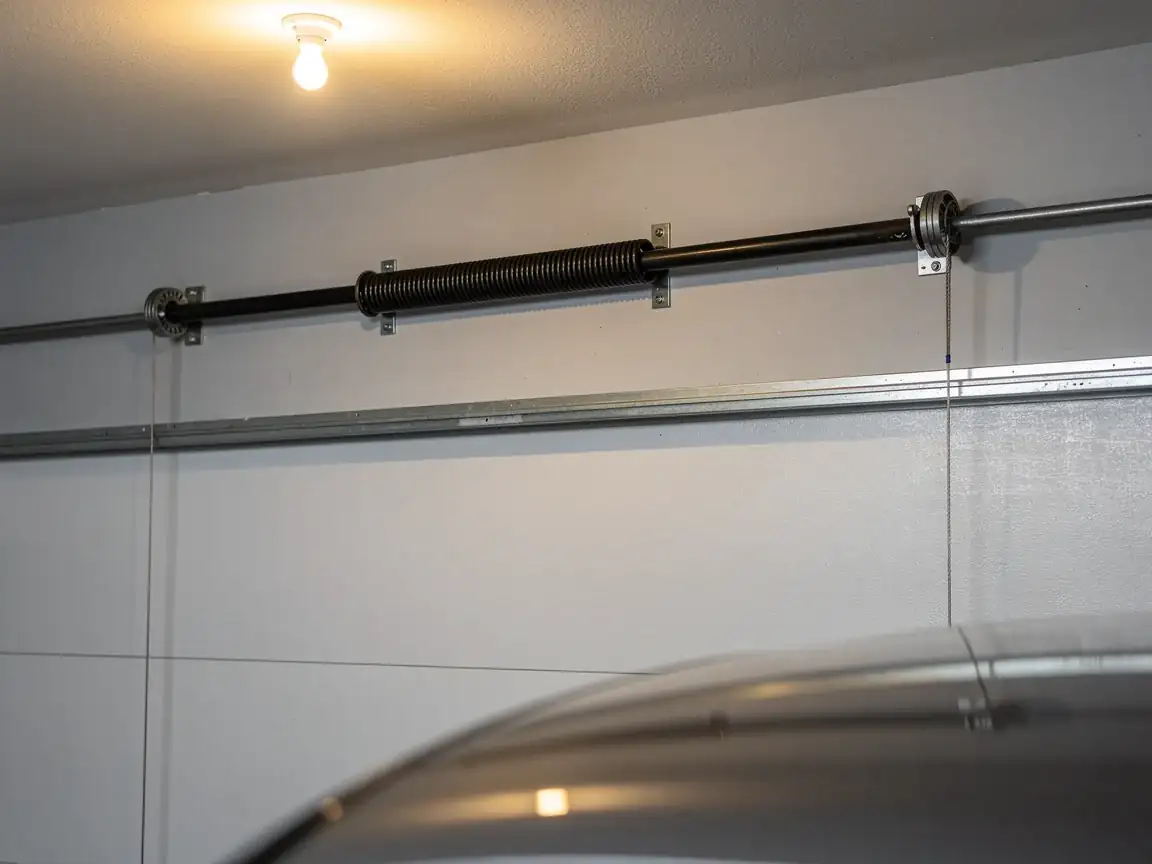
A broken torsion spring is under enough tension to break bones or worse
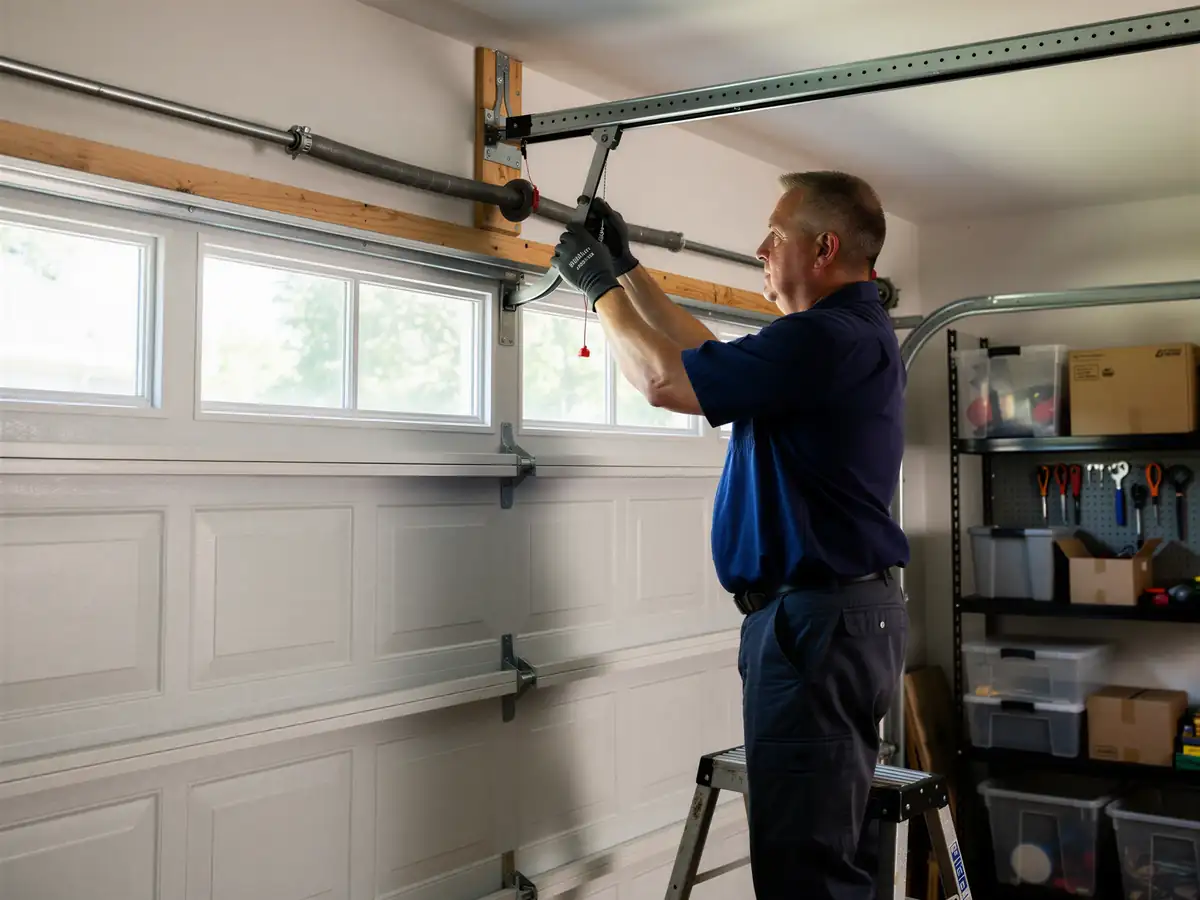
And that's true whether the door is the narrow 1970s single-car style common in McGregor or a wider modern double. Winding bars, a tensioned shaft, and a spring rated for a specific door weight aren't something to guess at from a video. If the door is an extension-spring setup instead - more likely on some of the older, lower-end builds from this era - the risk is lower but the rule is the same: the spring is storing energy that wants to leave fast.
What you can safely check yourself
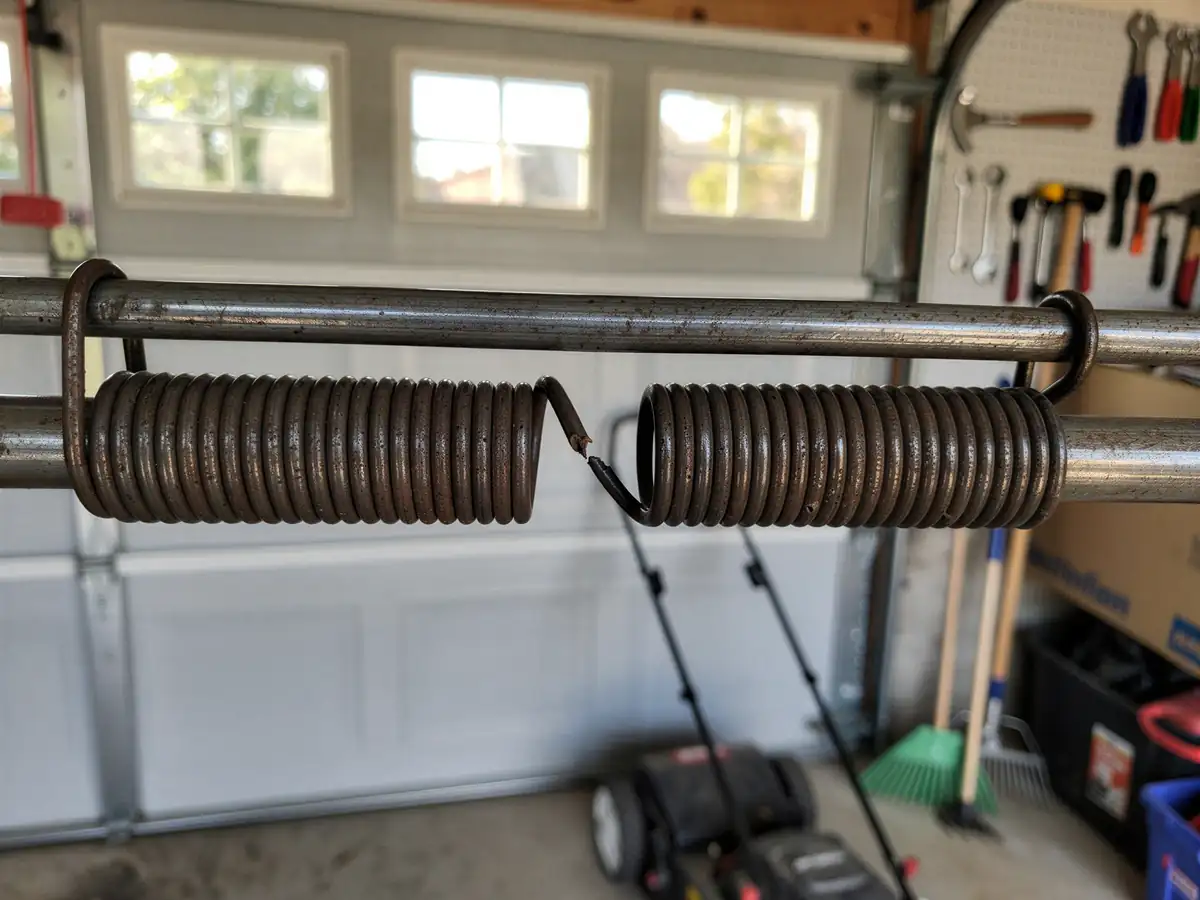
Whether the door is binding on the track, whether a cable has frayed, and whether the opener is even getting power. None of that requires touching the spring. If the door won't move and you can see a gap in a coiled spring above the door, stop there and call - that's the one job on a garage door that isn't worth saving money on.
How It Shows Up
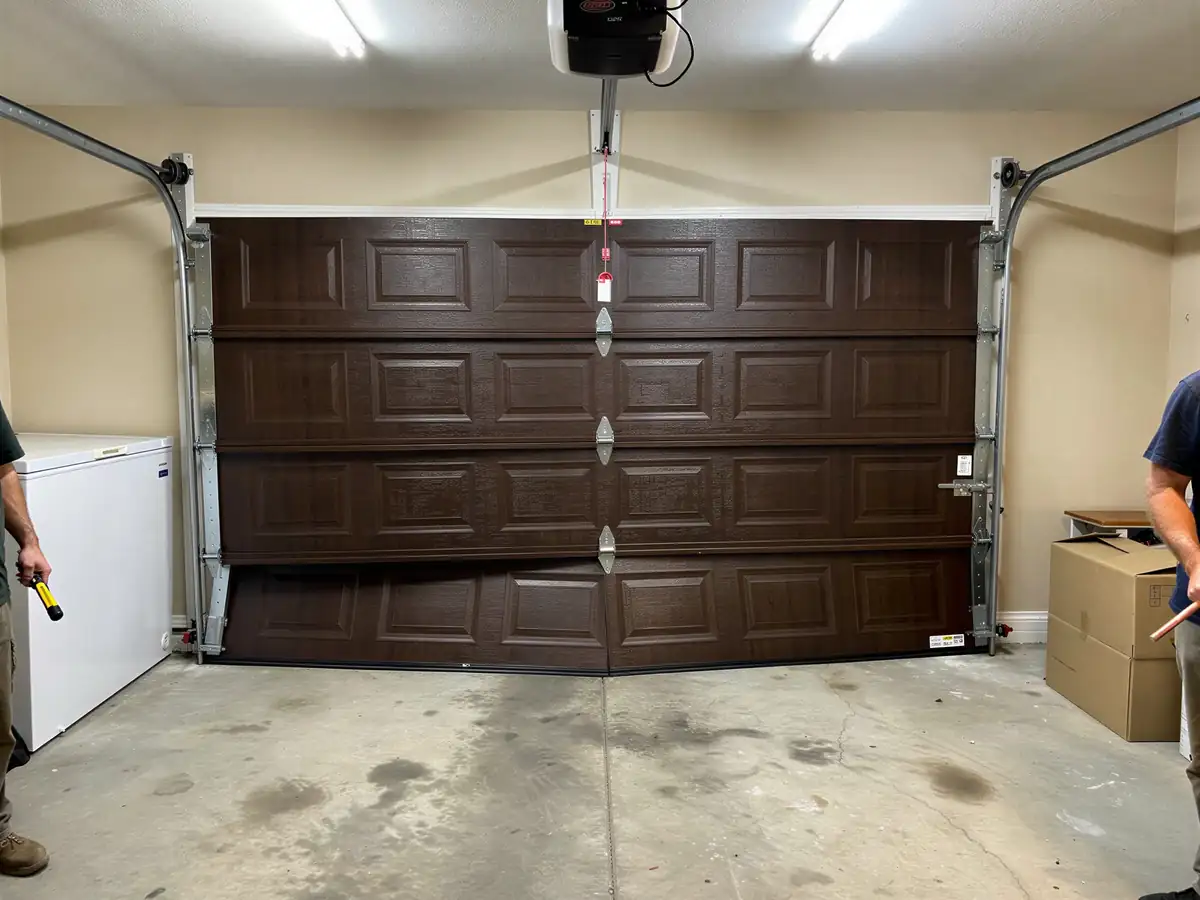
On the McGregor side of the service area, with median household income at $60,889, a fair number of these doors have gone years past the point where a homeowner elsewhere might have already replaced the spring preventively. That means the failure here tends to be sudden rather than gradual - a door that worked yesterday and won't lift today, often with a loud bang as the spring lets go. On a door built to the 1970 median age of this area, that bang is more likely a torsion spring failure than a cable issue, since the steel in a spring that old has usually seen more open-close cycles than the spring itself was rated for.
A second, quieter version: the door starts lifting slow and uneven, favoring one side, weeks before it finally stops. That's a spring losing tension gradually rather than snapping, and it's the version worth calling about before it becomes the loud version.