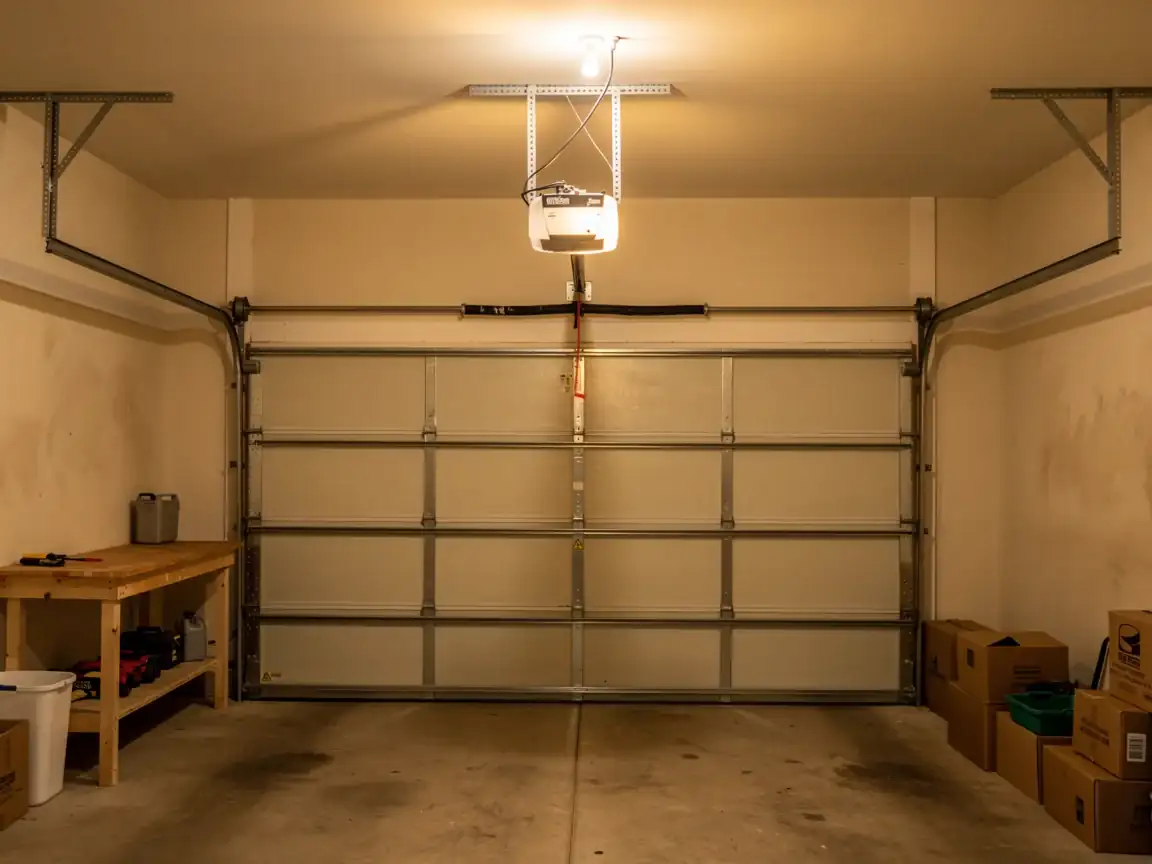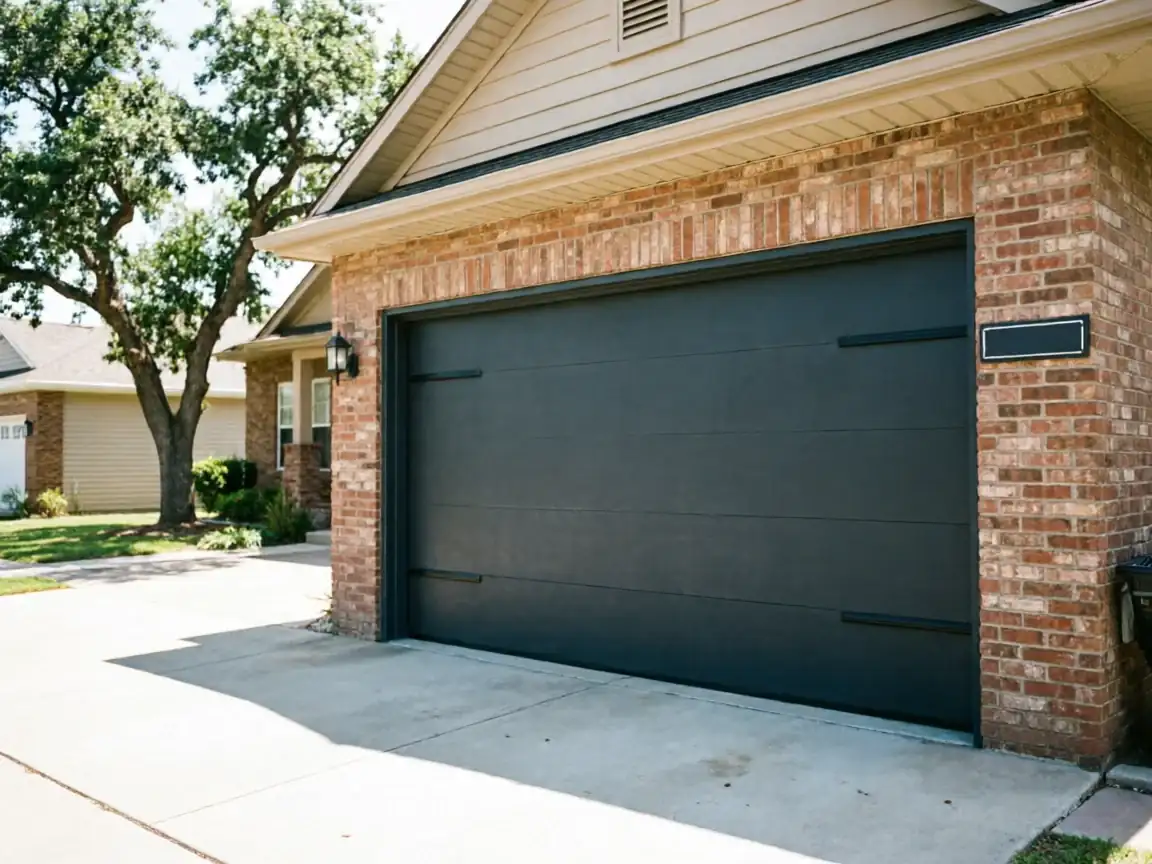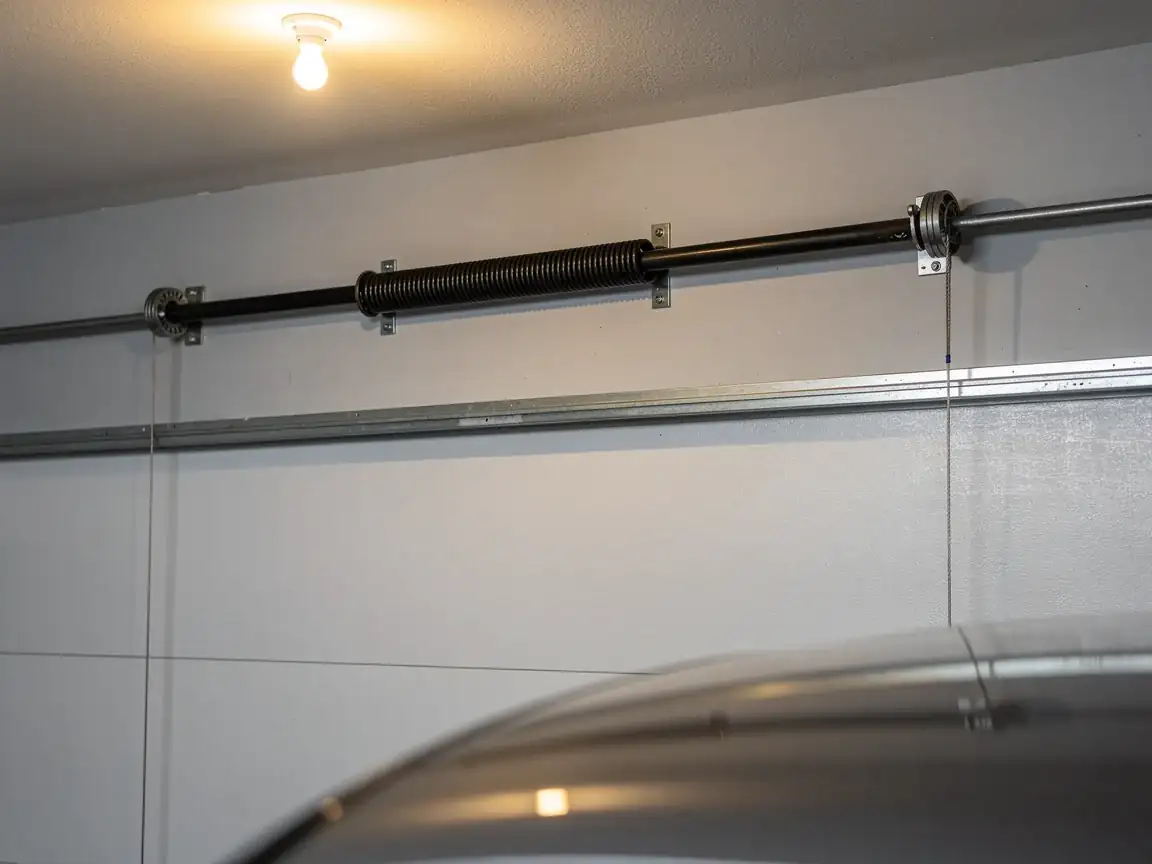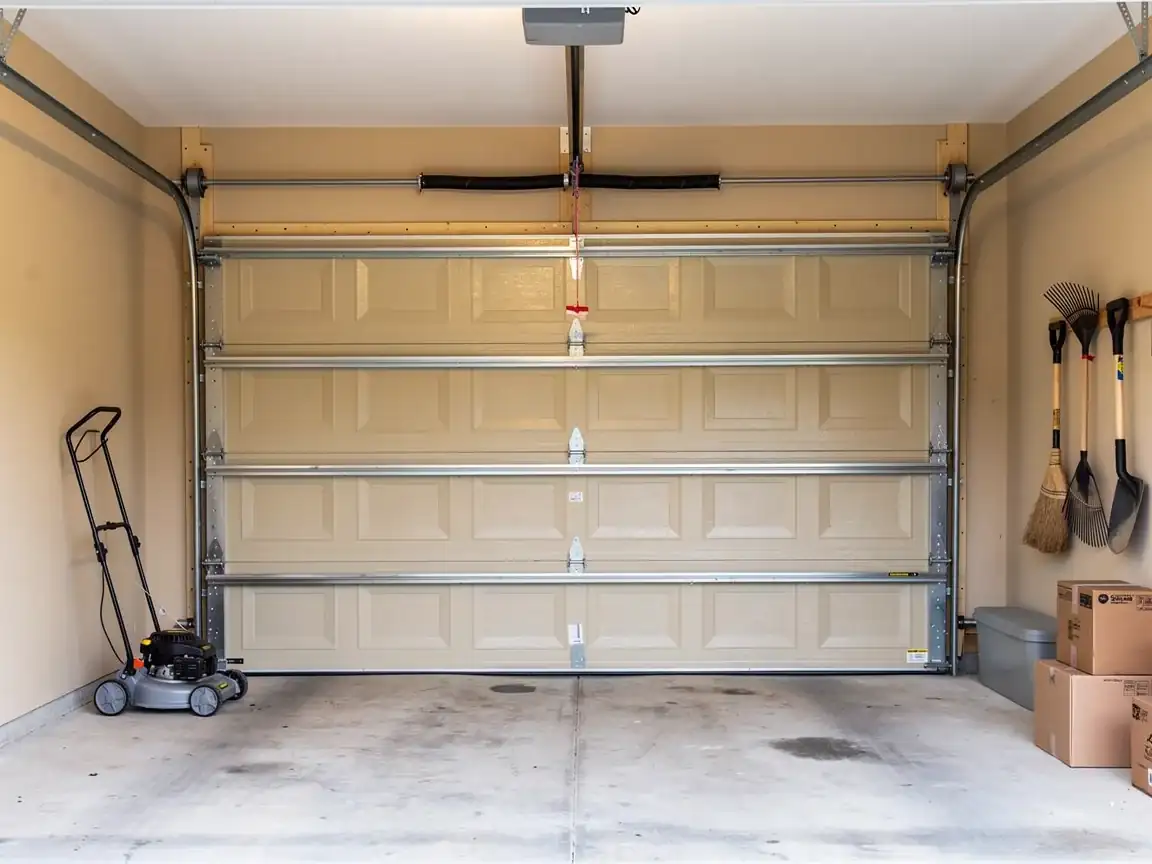
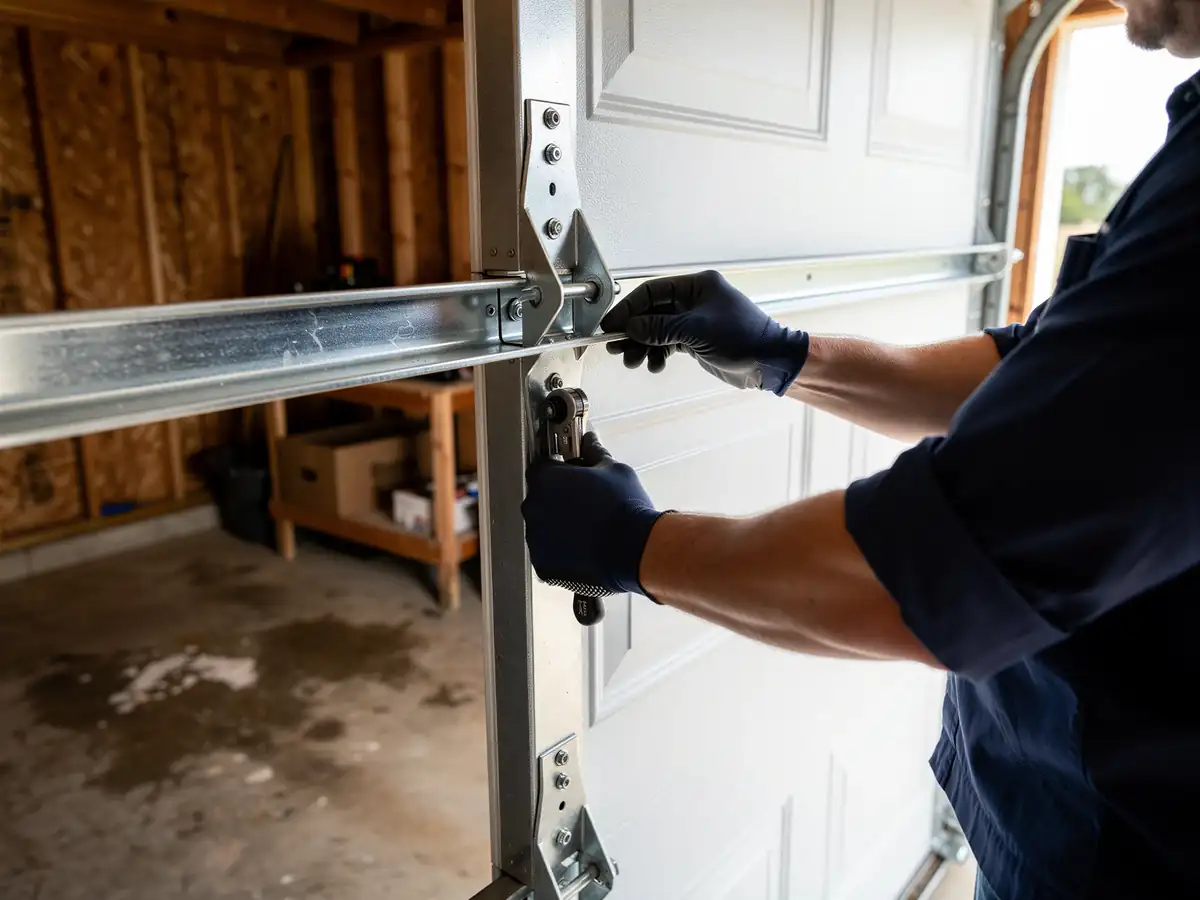
Stocked Parts
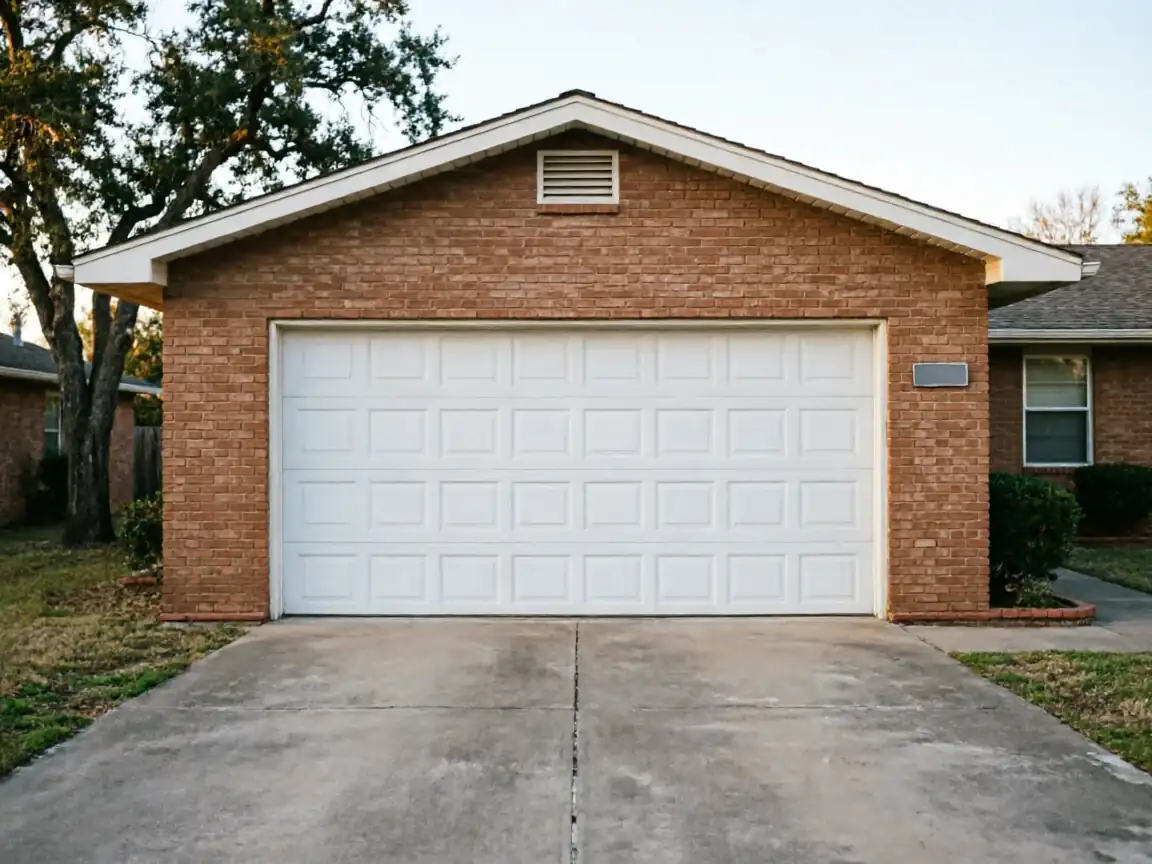
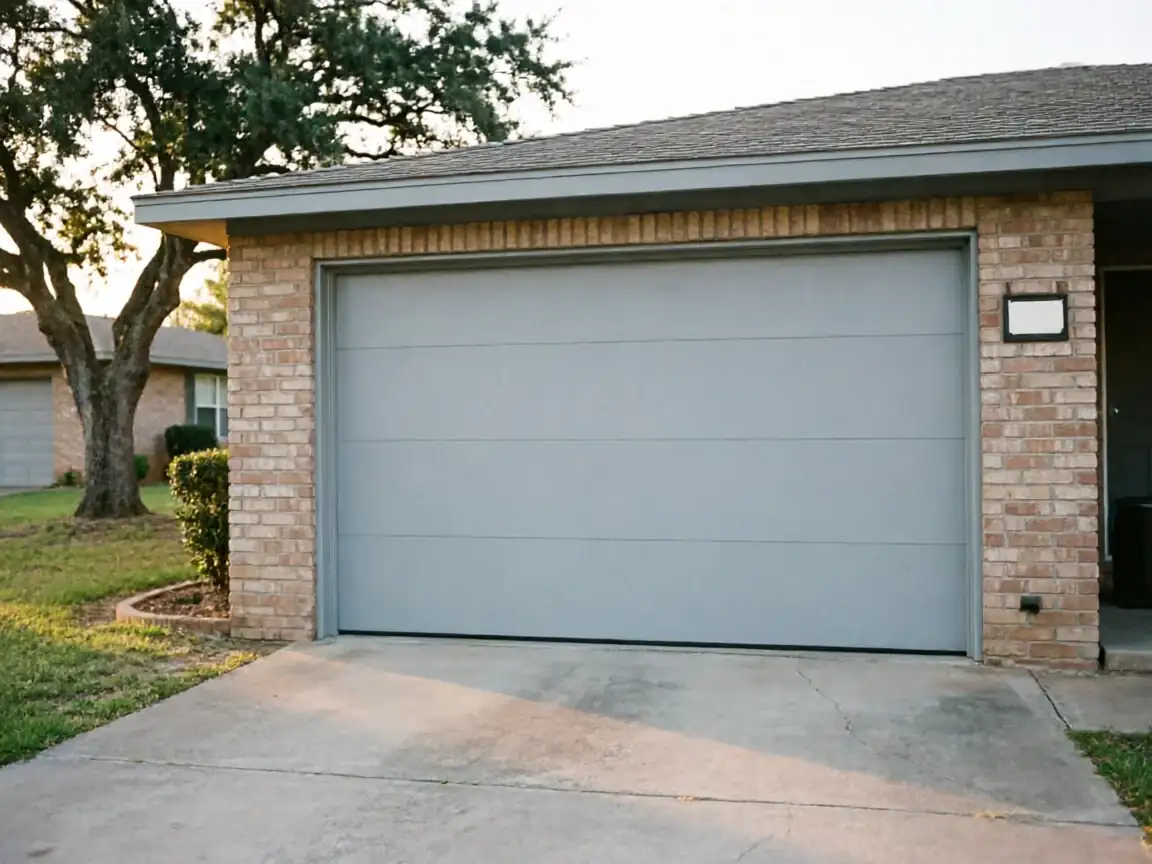
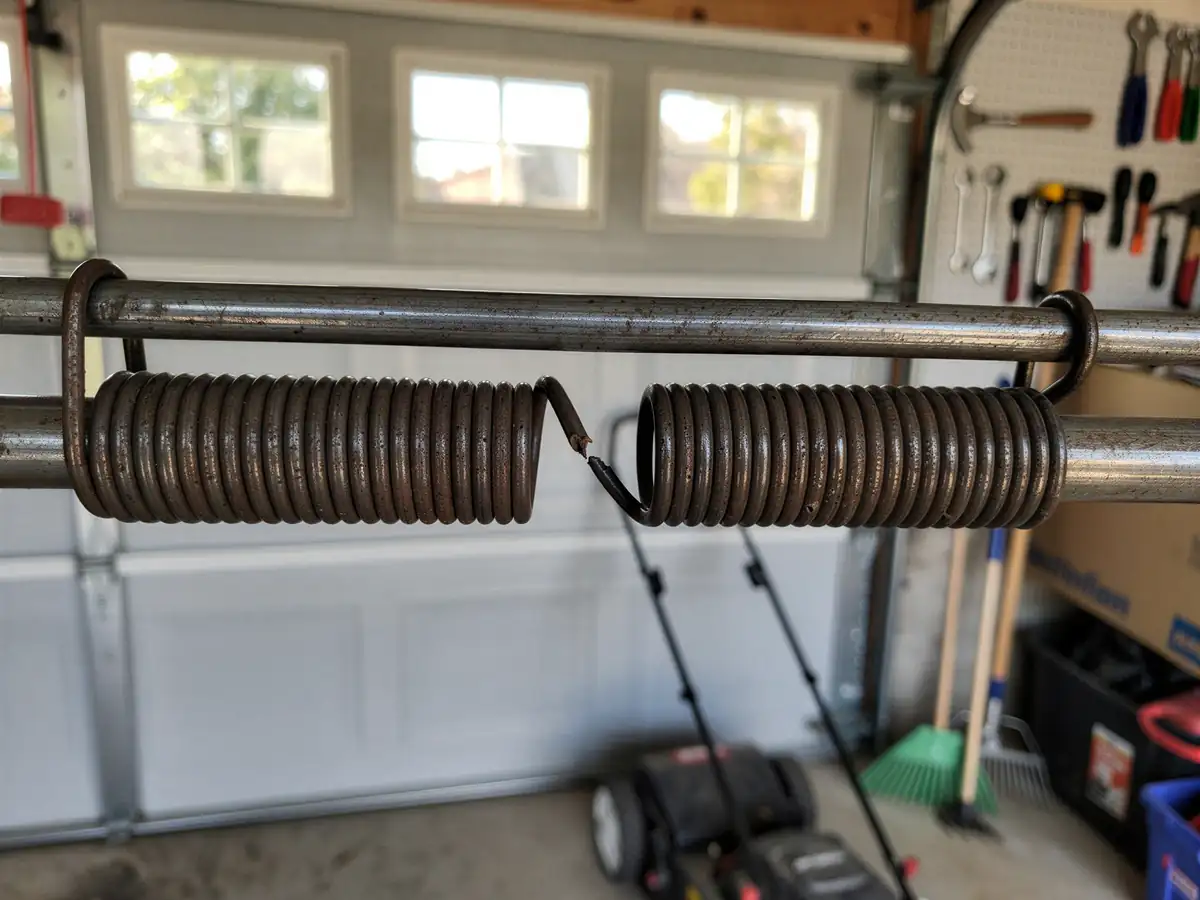
West's median home was built in 1959, which puts a lot of houses here ahead of the broader 1959-1994 range that covers the rest of the service area. That matters because doors from the late 1950s and early 1960s often ran lighter-gauge steel or even wood panels, hung on track widths and drum sizes that newer stock doesn't match. A torsion spring sized for a 2000s steel door won't sit right on a frame built when Eisenhower was in office. We carry a range of spring sizes and drums on the truck, but a door this old sometimes needs us to measure twice before we cut a spring, because the standard parts bin doesn't always have the match. If your opener bracket or track looks like it's never been touched since the house went up, tell us that on the call - it changes what we bring.
With only 942 households in West, this isn't a town where every hardware combination shows up twice. We'd rather ask a few extra questions up front about your door's age and panel material than show up with the wrong spring and have to drive back to Waco for the right one.
How Long You Are Without the Door
West sits about 18 miles out from our shop in Waco, which is farther than most of the towns we cover. That drive adds real time to the front end of any call, especially for anything that isn't a same-day emergency. We don't operate a branch in West - every job starts with a truck leaving Waco, so plan around that when you're scheduling rather than expecting a quick knock on the door.
Once we're on site, most spring and cable repairs on a single door run under two hours. Full opener swaps take longer, especially on an older door that needs bracket or track adjustment to accept a modern unit. If parts for an older door aren't on the truck, that adds a return trip, which on an 18-mile run is worth factoring into your day.
What the Repair Takes
A door that's original to a 1959 house usually means one of two things by now
It's been retrofitted with a newer opener bolted onto old track, or it's still running close to original hardware. Both show up differently on a service call. Retrofit jobs often have mismatched mounting points where someone made an opener fit a door it wasn't built for, and that shows up as noise, drift, or a door that reverses for no clear reason. Original hardware shows up as rust-seized hinges, rollers that have worn oval instead of round, and springs that were never rated for today's heavier insulated sections if the door's ever been replaced without upgrading the spring.
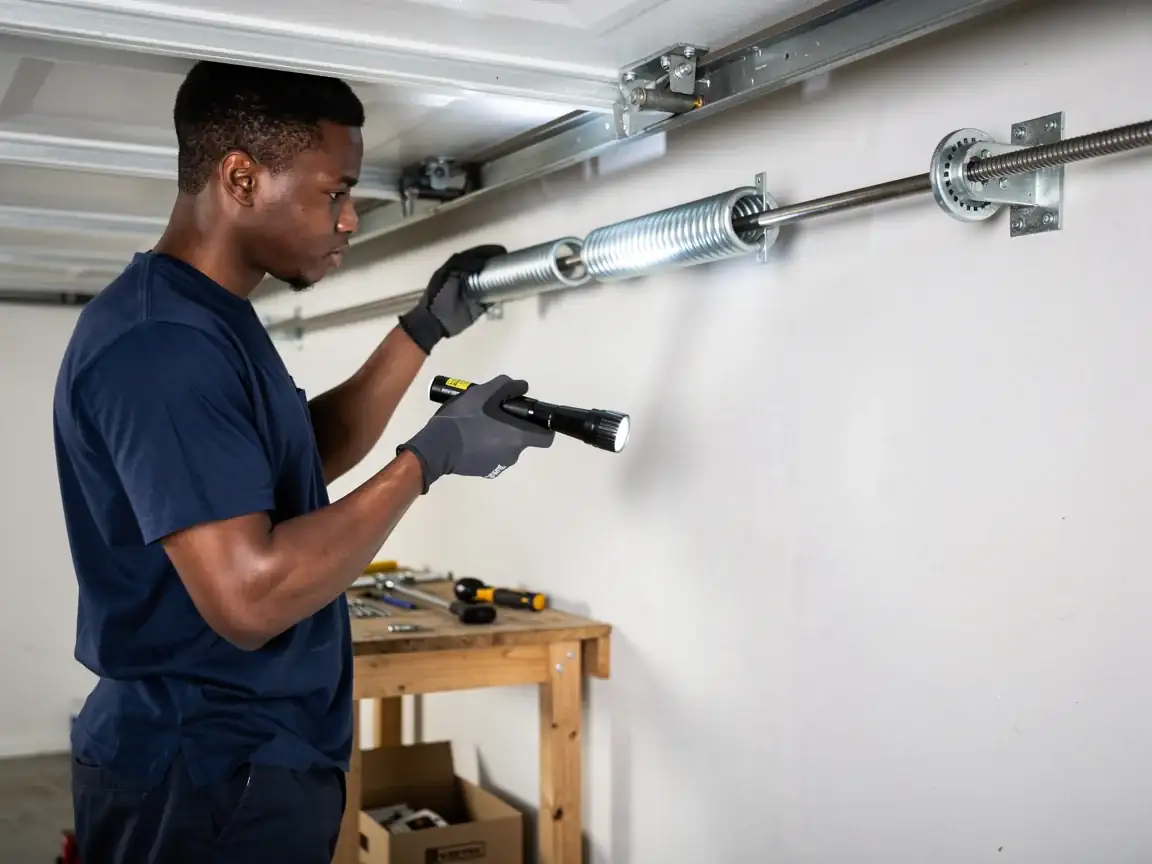
We check the drum and cable condition before touching a spring on anything this old
Because a cable that's frayed but still holding will often snap the moment the new spring takes a full cycle. That's a second trip we'd rather avoid, and you'd rather not pay for.
What You Pay
We don't have a published price list specific to West, and we're not going to invent one here. What we can tell you is that West's median household income, at $52,292, runs well below the $76,833 median across the broader service area, and that's part of why we try to give a firm number over the phone before the truck leaves Waco rather than padding a quote for a drive we're already making. Older hardware can add cost if a part has to be sourced rather than pulled off the truck, so ask directly whether your repair is a stock part or a special order before you commit to the appointment.
Why This Fails Locally
Doors going up in West around 1959 were built for a different climate expectation than what we design for today, even though our climate band here stays on the moderate heat side rather than extreme. Moderate heat still means steel expands and contracts enough over 65 years to work screws loose, warp panel seams, and dry out the lubrication on original hinges until they bind. On a door this old, that binding is often mistaken for a spring problem when it's really a track alignment issue that's been getting worse for a decade.
The other common failure is the opener itself. A lot of 1960s-era doors had openers added decades after the house was built, bolted to framing that was never engineered for the load. When that bracket finally pulls loose, it looks like a sudden opener failure, but the real cause has been working loose since before the opener was even new.
Where This Job Goes Sideways
The most common surprise on a West call is a door where the opener and the door itself are from two different decades
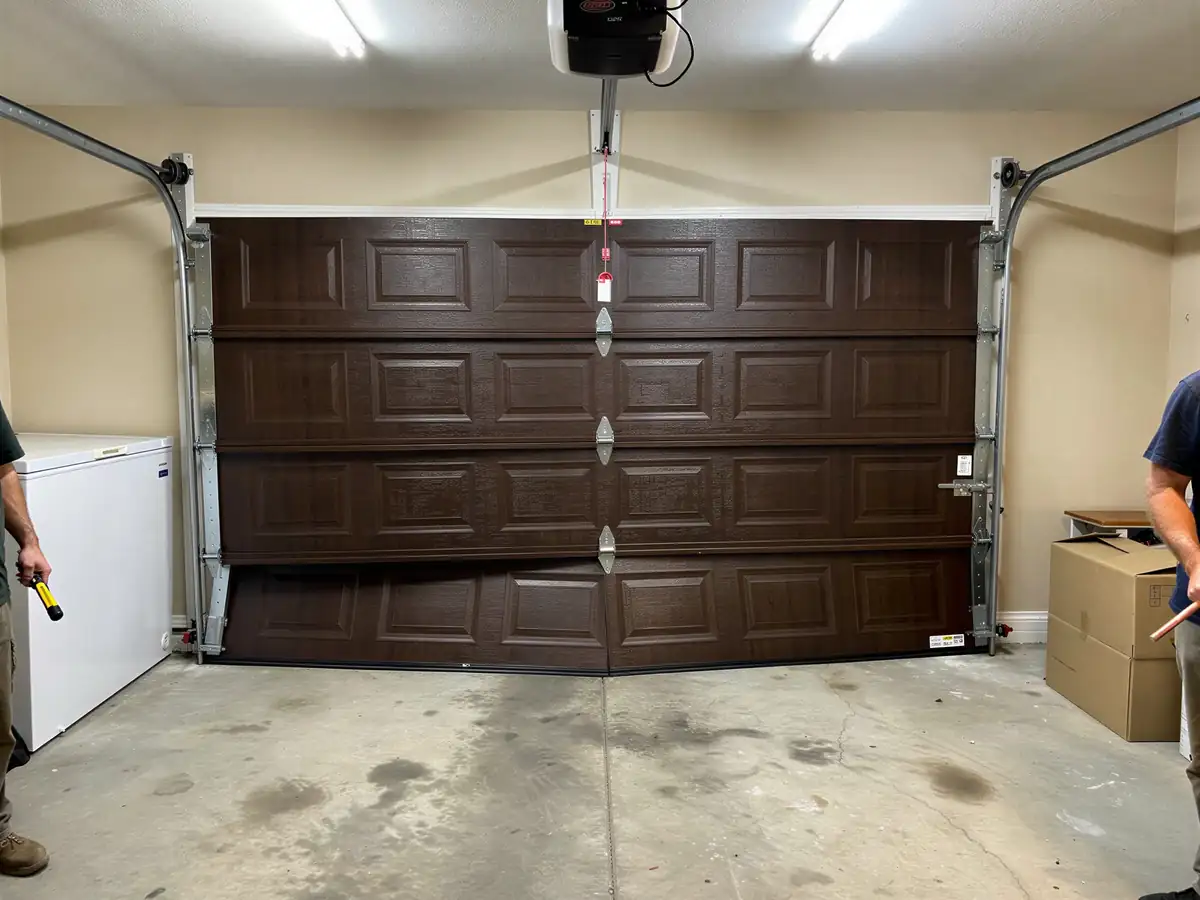
Someone replaced the opener at some point but kept the original track and drums, and the two don't talk to each other well - the opener's travel limits don't match the door's actual swing, so it either slams the last inch or reverses before it's shut. Fixing the opener alone doesn't fix that; the track geometry has to be checked too.
We'll be honest that on a door old enough to predate most current hardware standards
Sometimes the right call is replacement rather than repair, especially if the section seams are rusted through or the panel material isn't something we can patch. We'll tell you straight if that's where your door is instead of billing you for a repair that won't hold through the next West summer.