Stocked Parts
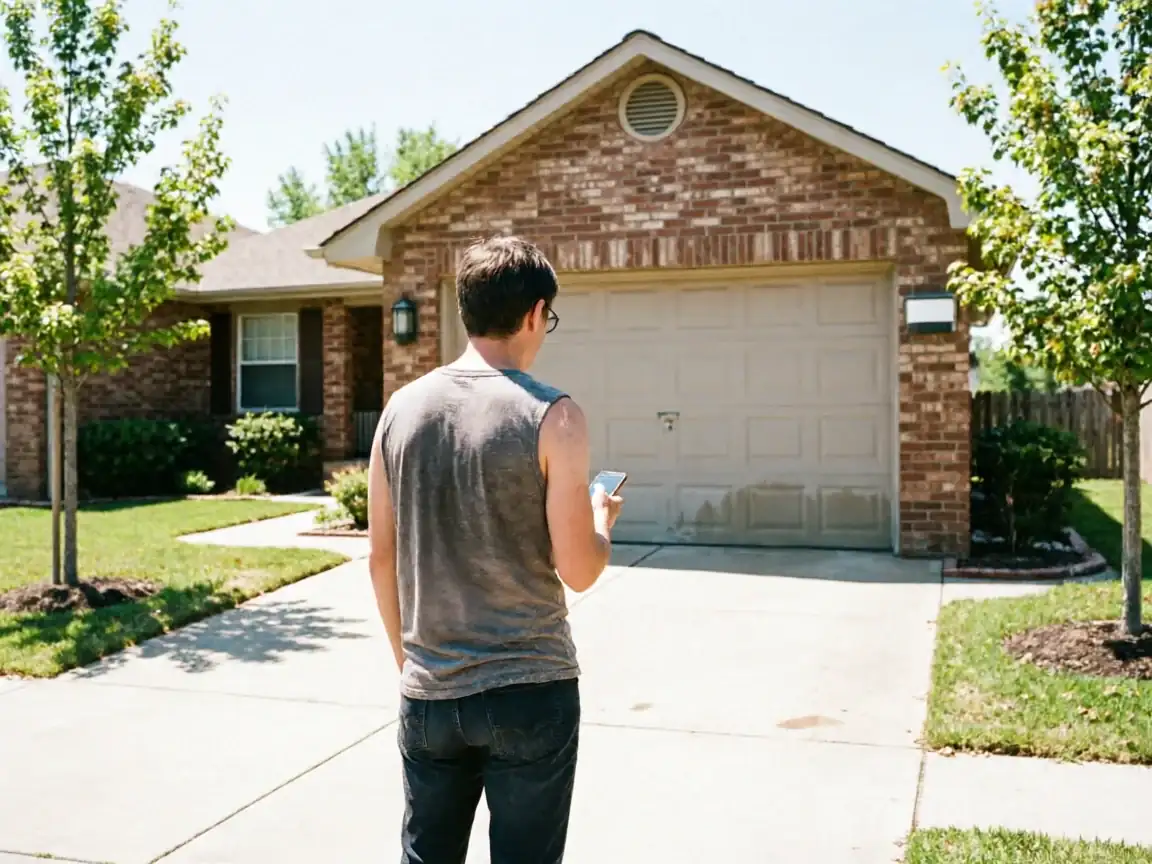
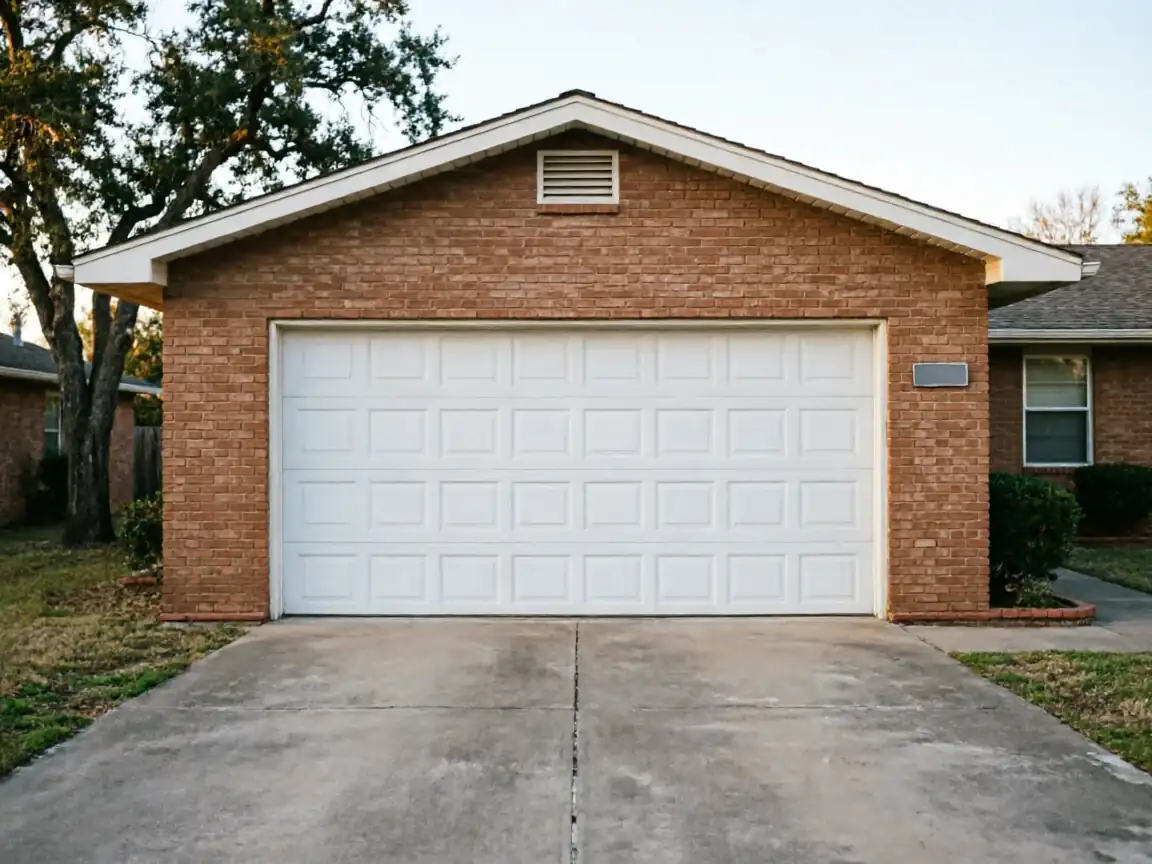
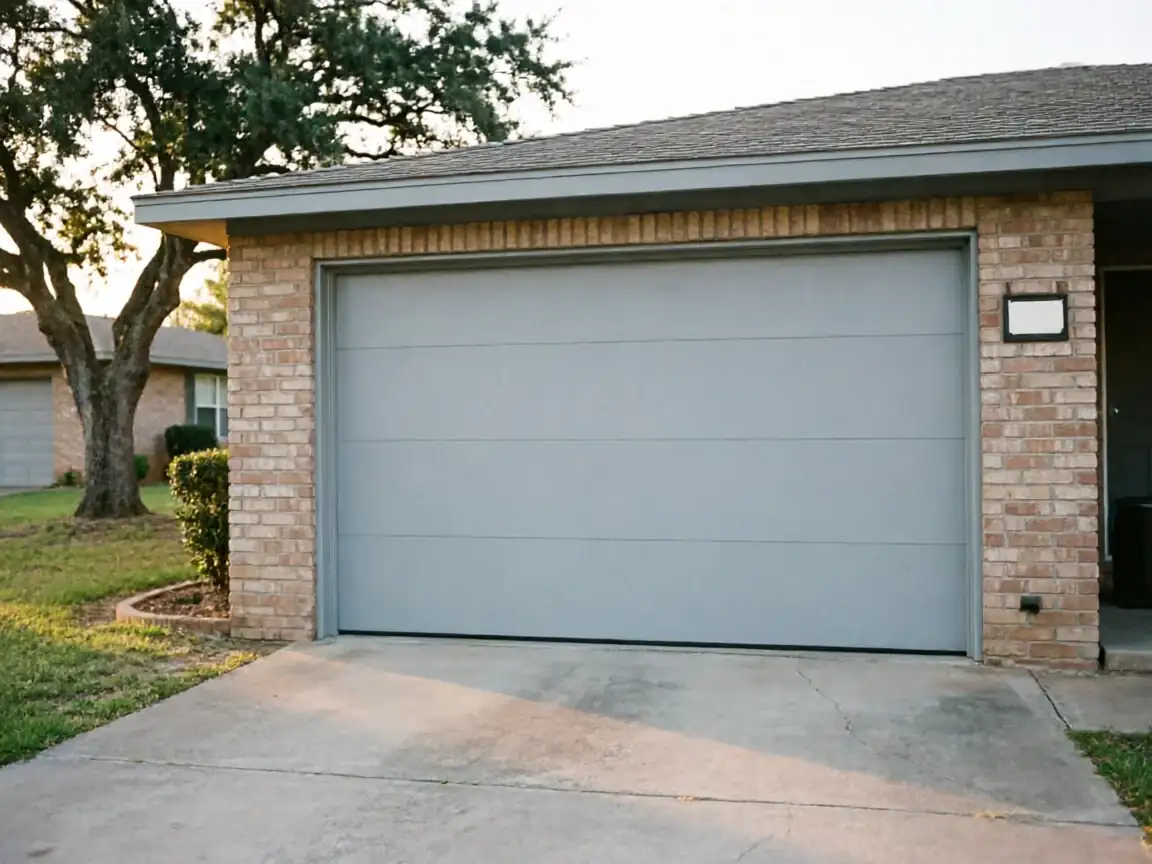
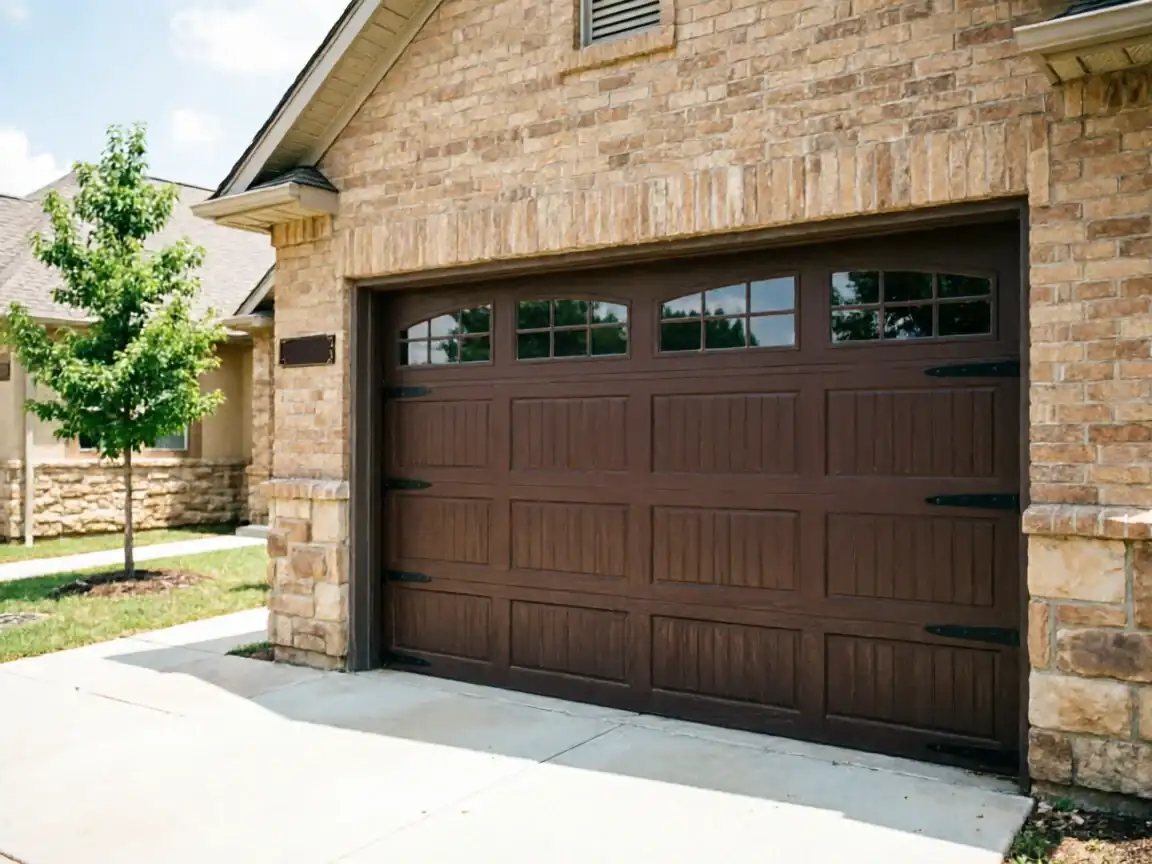
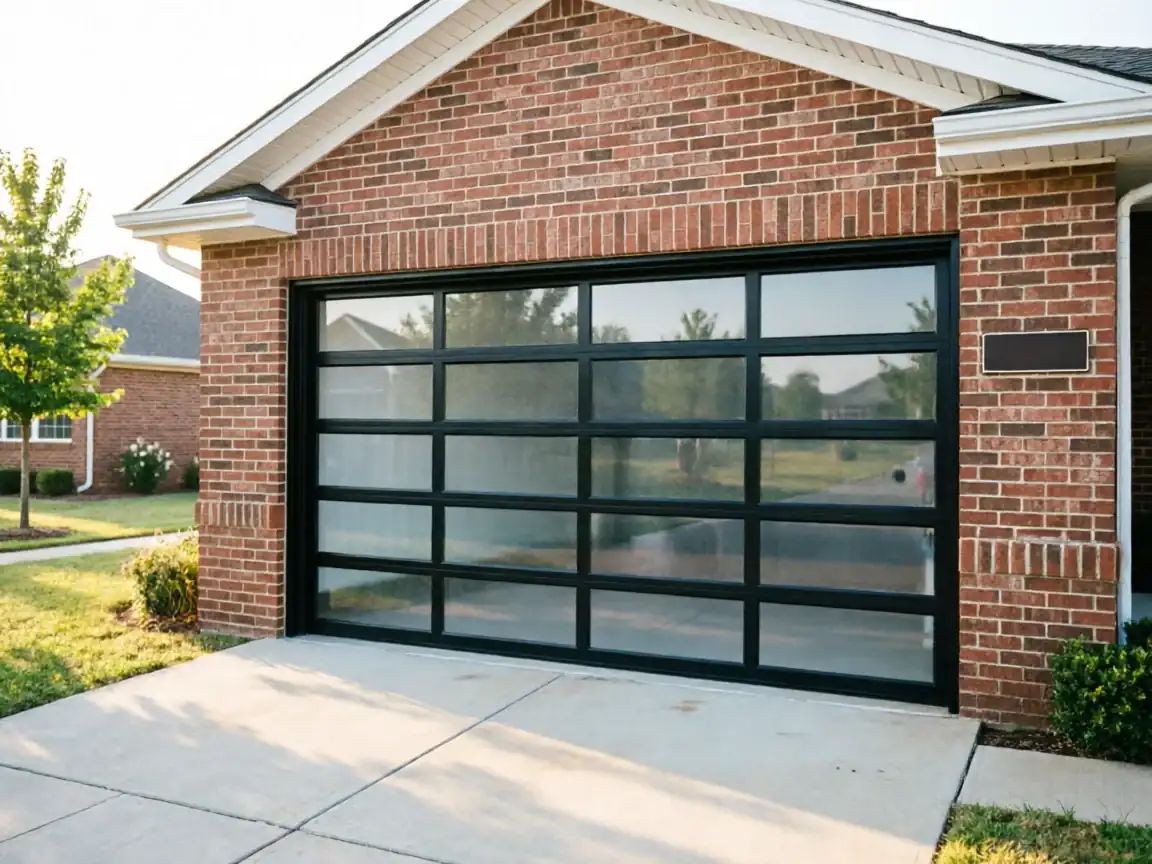
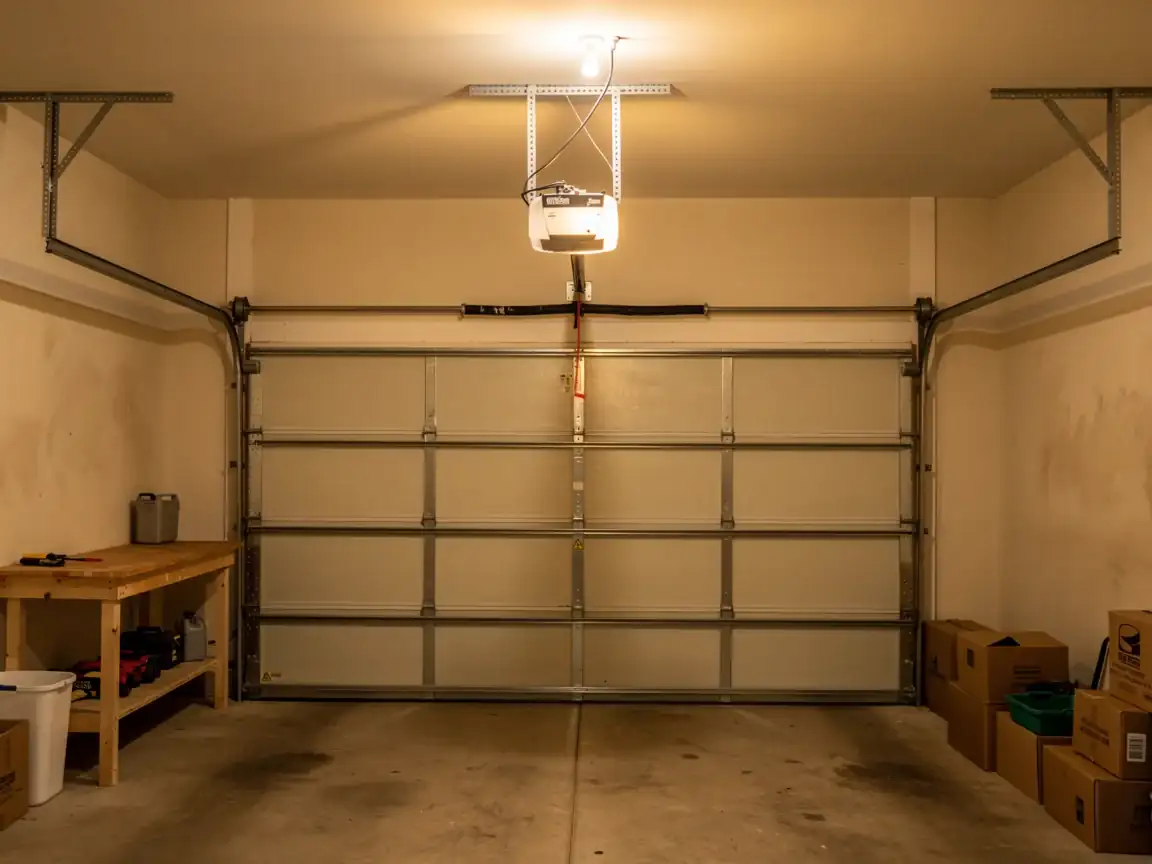
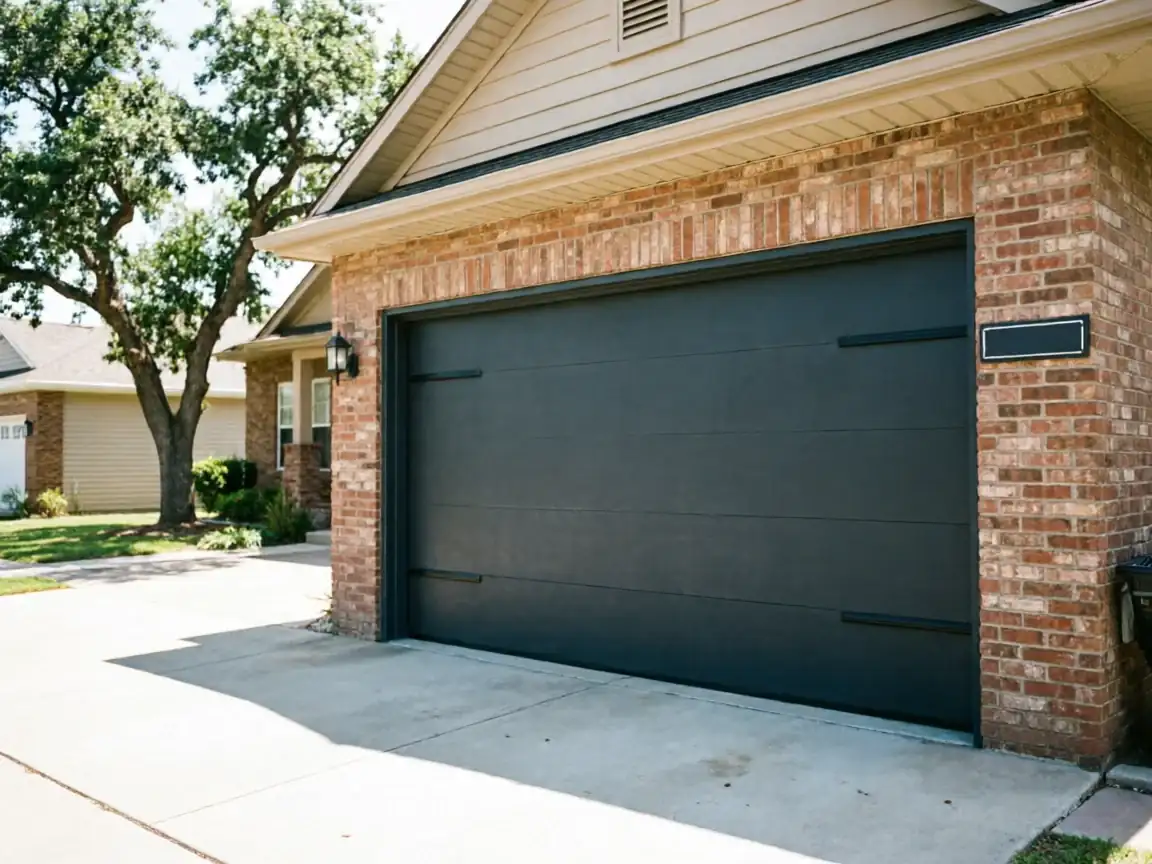
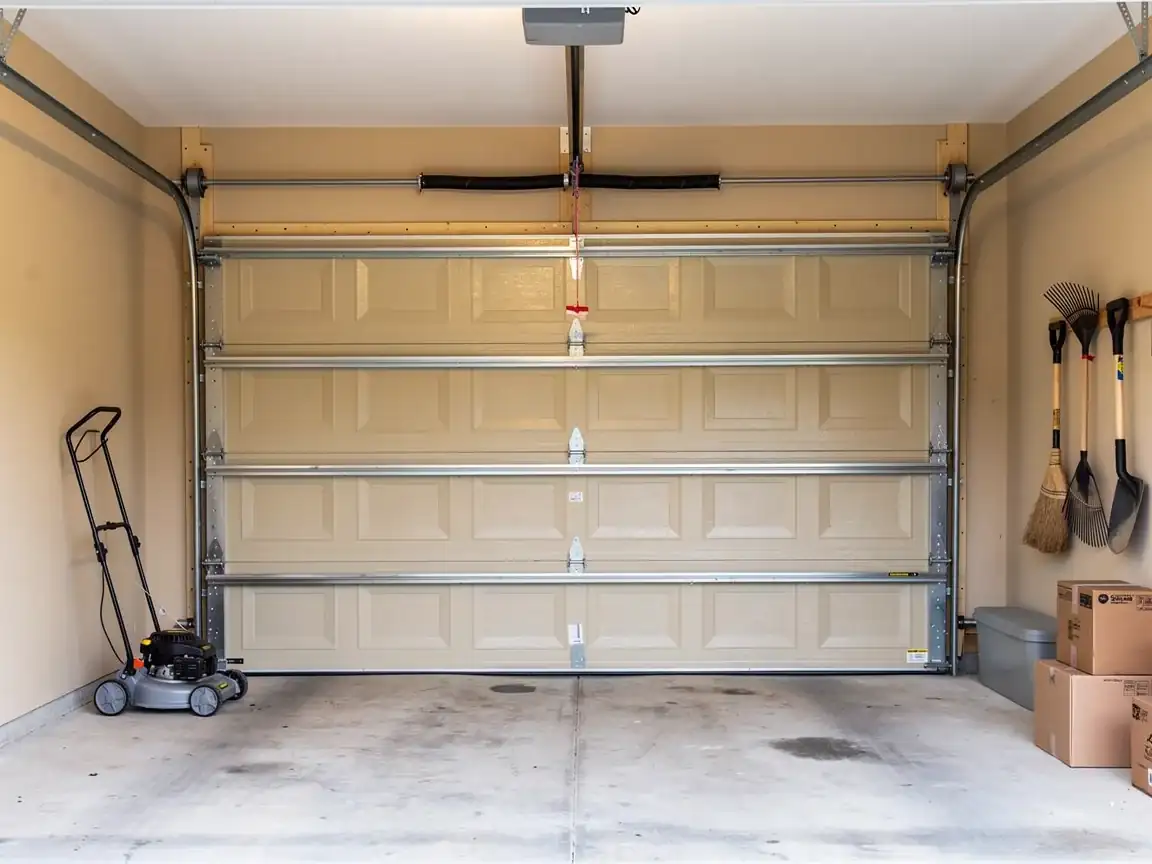
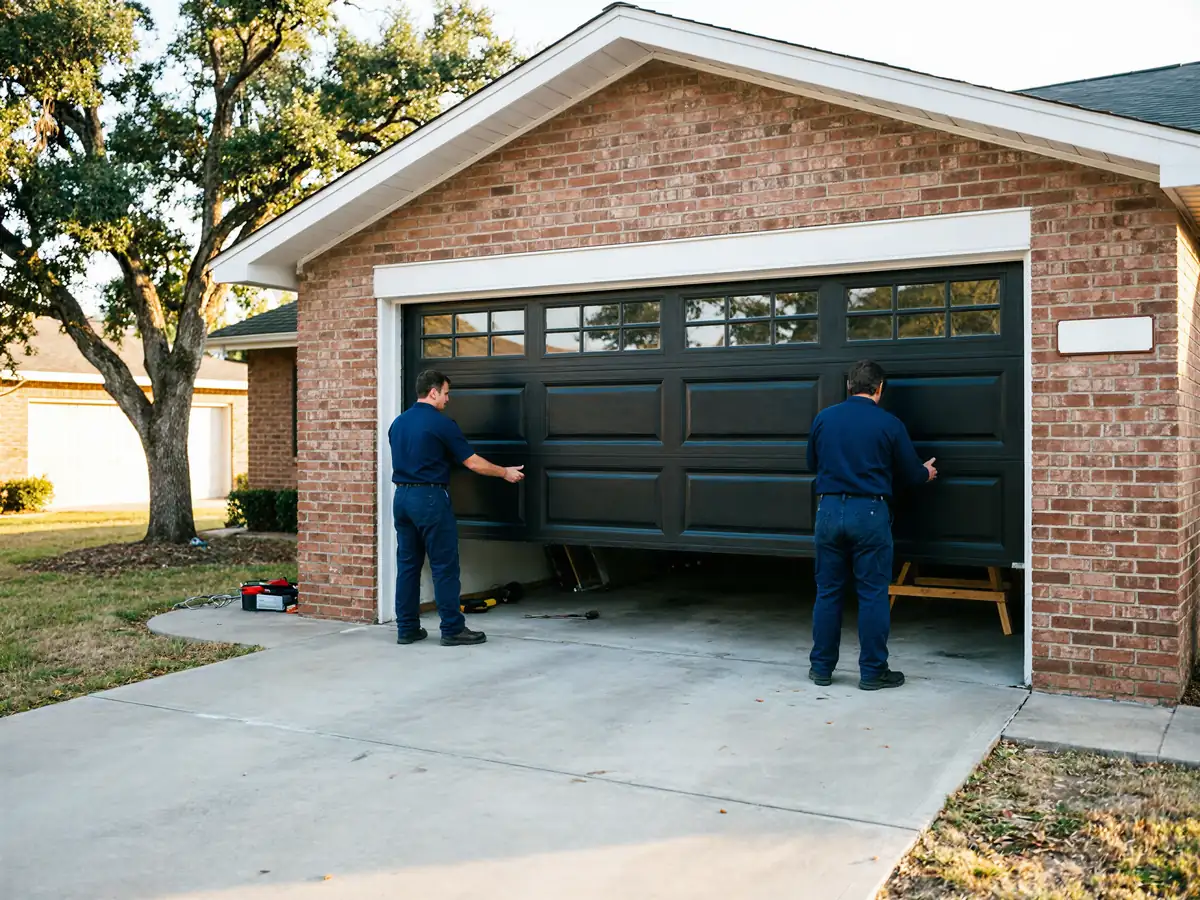
West's median home dates to 1959, a good two decades ahead of the 1983 median for the wider service area. That matters for panel work because a door built around then is more likely to run a section width or rib pattern that current manufacturers don't carry off the shelf. We don't keep a West-specific stock, since every job here comes out of Waco, but we do check section dimensions and hinge spacing against the door before we quote, because a mismatched panel on an old frame will bind the rollers within a season. When the exact match isn't out there anymore, the honest move is a full replacement set rather than one odd panel that never quite sits flush - we'll tell you which situation you're in before we cut anything.
How Long You Are Without the Door
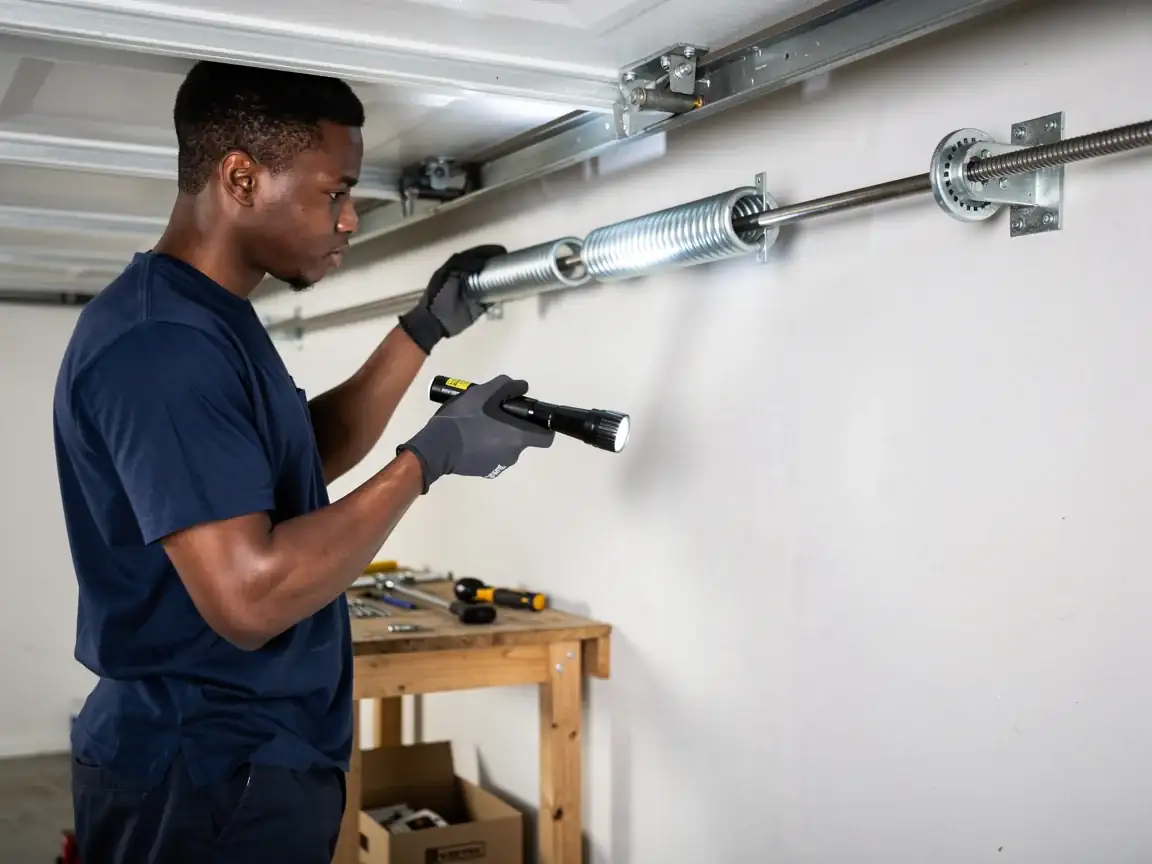
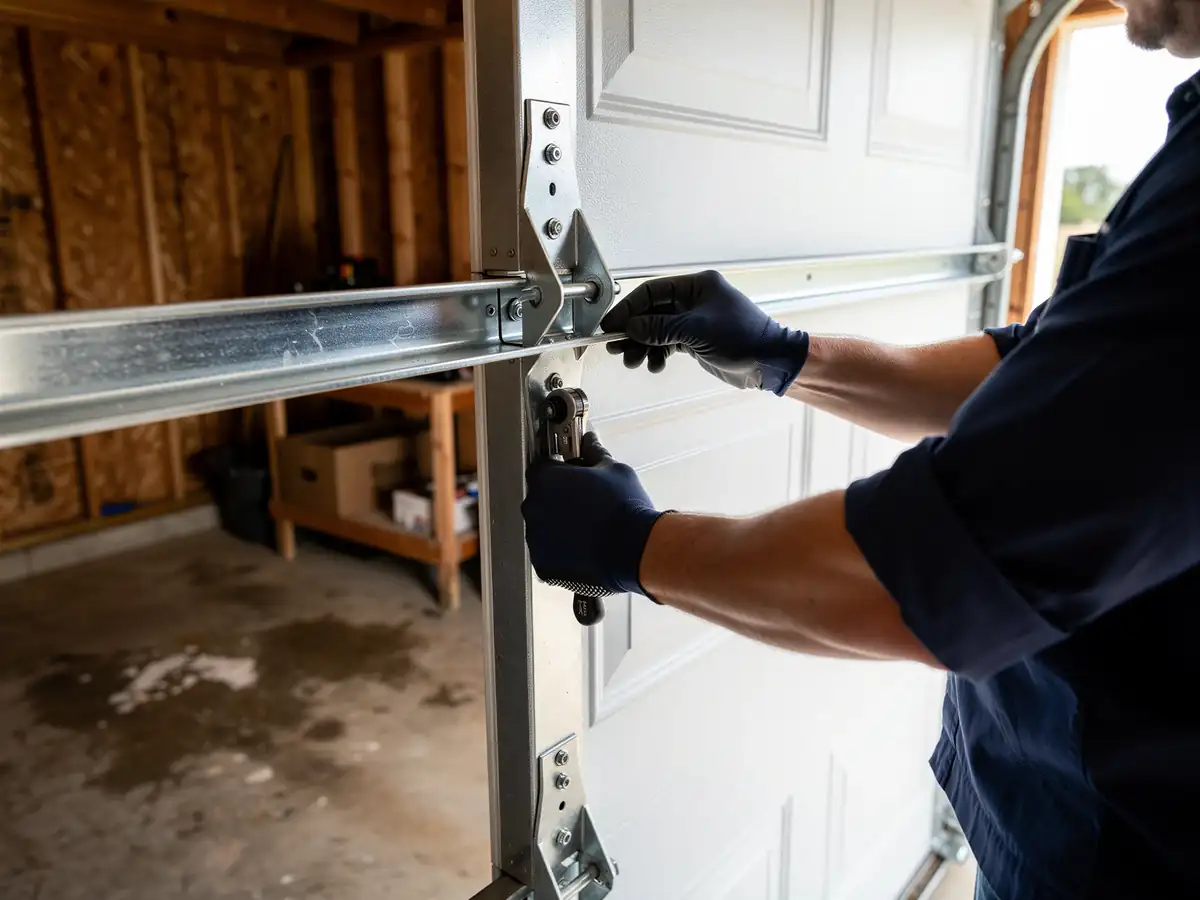
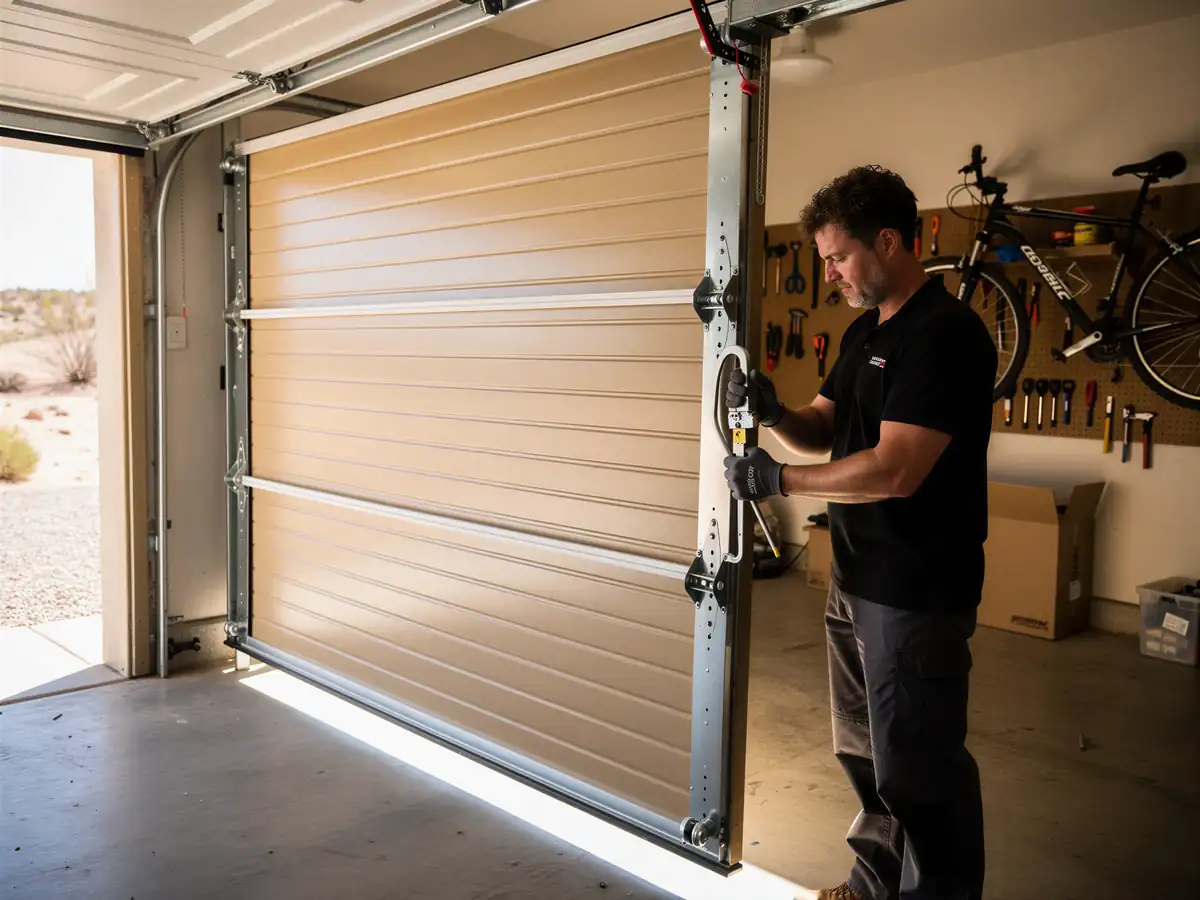
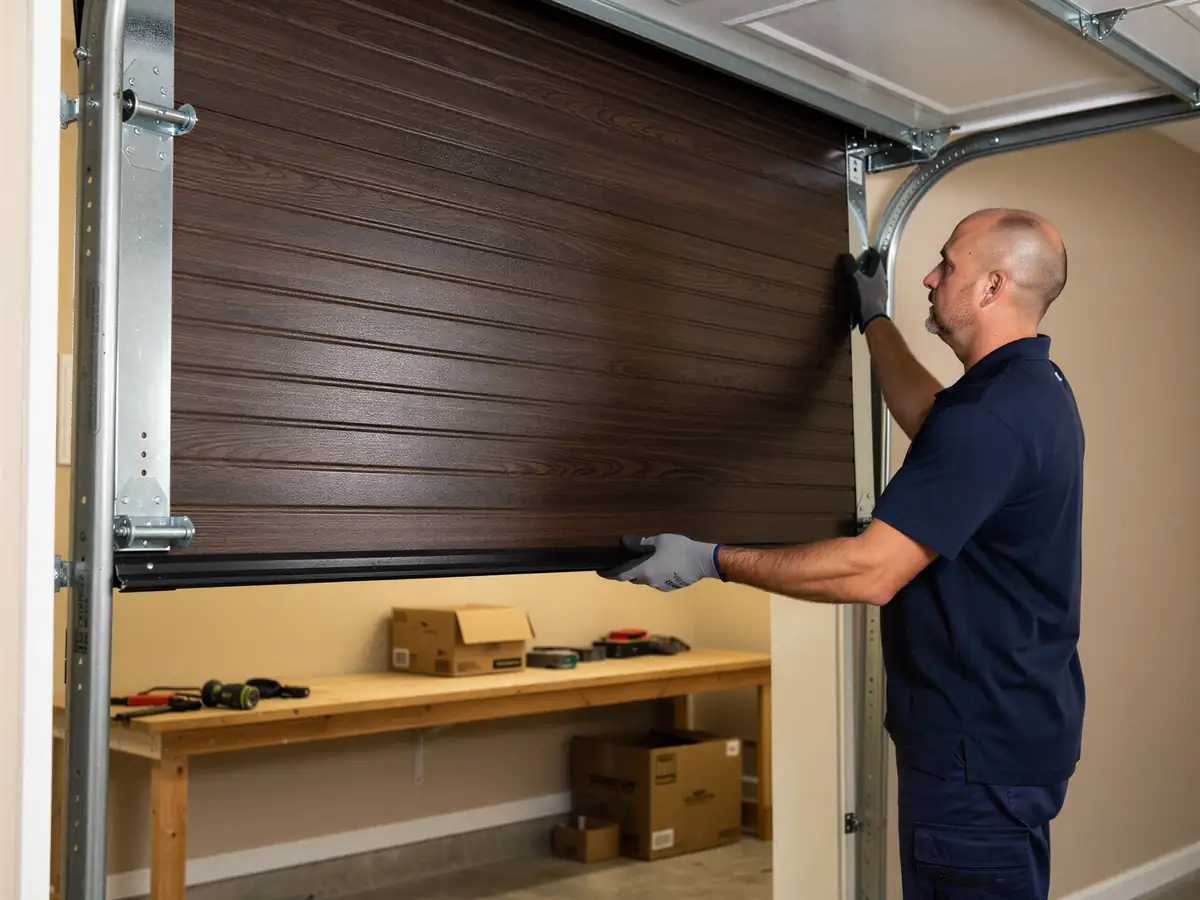
Since we travel to West from Waco, there's no local branch cutting down the drive time, so scheduling the visit is the first variable, not the labor itself. Once we're on site, swapping a damaged section on a double door usually clears in under half a day if the replacement panel is in stock. The wait gets longer when a 1959-era door needs a custom-matched or discontinued panel - that part has to be sourced before anyone touches a wrench, and we won't promise a date on that sourcing here because it depends on what's still manufactured versus what's been phased out.
What You Pay
West's median household income sits at $52,292, well under the $76,833 median across the wider area we cover. We mention that because it shapes the repair-versus-replace conversation differently here than in the newer subdivisions closer to Waco: a lot of West homeowners choose to replace the single damaged section and keep running the rest of the original door, rather than pay for a full matched set. That's a reasonable call on a door that's otherwise sound. It stops being reasonable once two or more panels have failed, because by then the color and the rib profile rarely match well enough to be worth the labor twice.
Why This Fails Locally
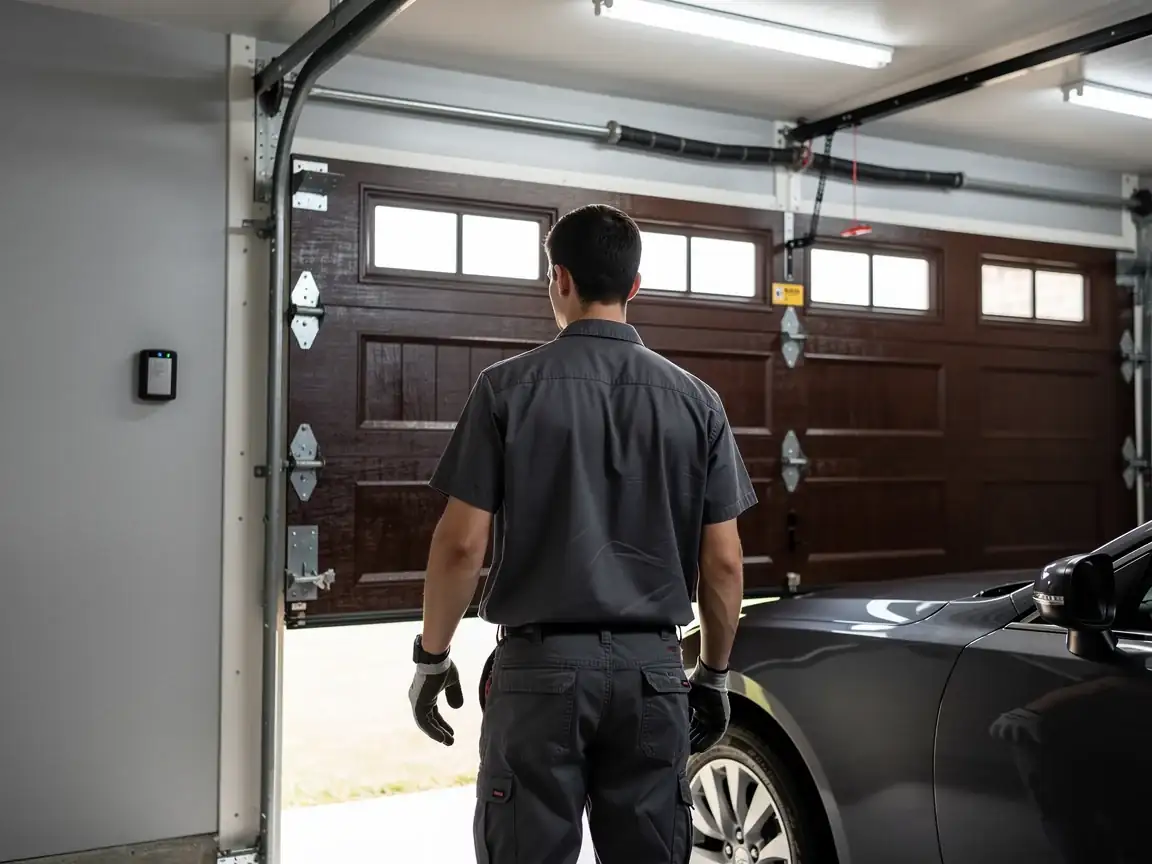
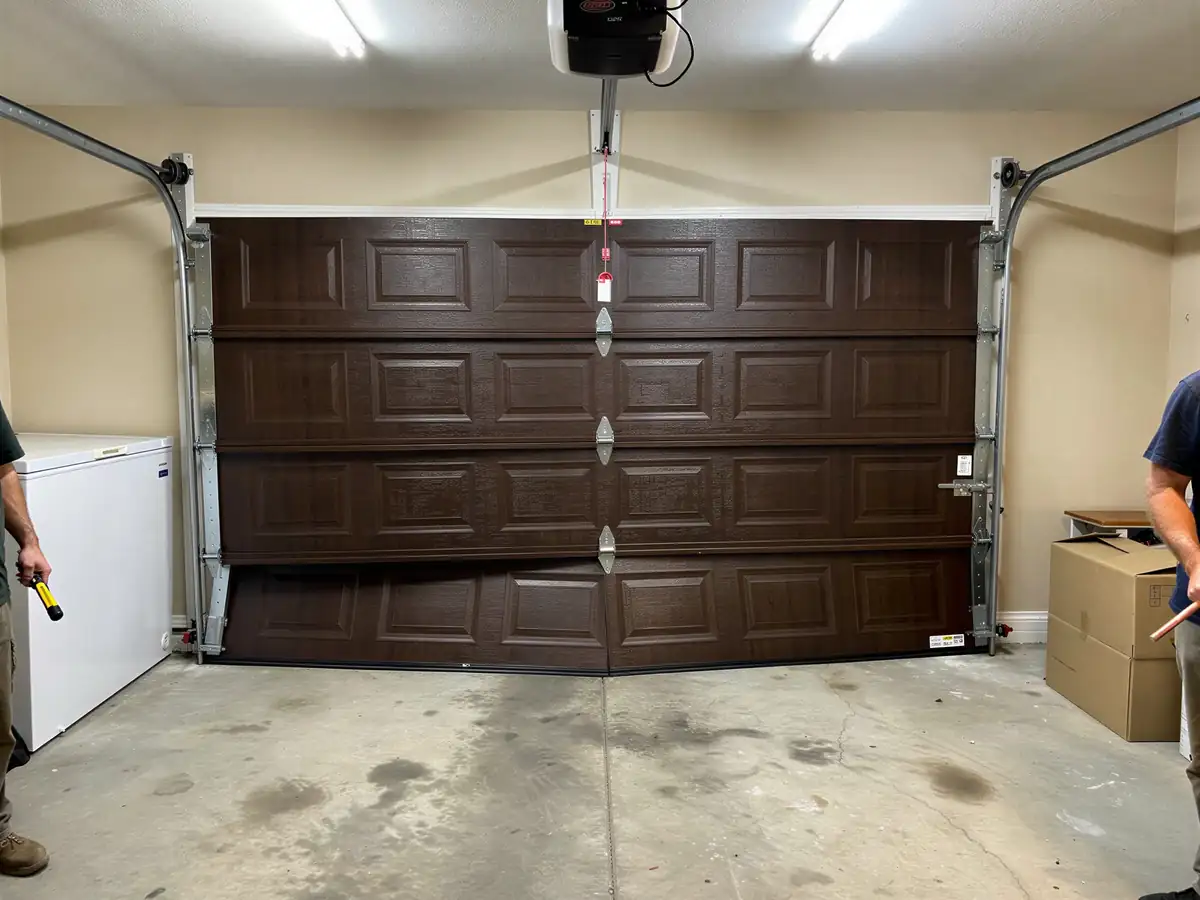
With a median build year of 1959, West has some of the oldest garage door stock in the area we serve - the F1 range for the broader region runs 1959 to 1994, and West sits right at that early edge. Steel gauges from that era dent and crease more readily than what's made now, and the original paint finish on a lot of these doors has thinned enough that a dent shows as bare metal, not just a dimple. A bumped panel on a door this old tends to crack along the original seam rather than just flex back, because the metal's had six-plus decades to fatigue.