Stocked Parts
The fault we see most in West isn't a dead motor - it's a bracket mismatch. The typical West house went up around 1959, a good two decades ahead of the 1983 median for the rest of the territory we cover. Garages from that era were framed for lighter doors and shorter headroom than anything built since, so the mounting hardware that ships with a standard opener kit often doesn't line up with the joists or the track curve already in the garage.
We carry adjustable rail kits, shorter-arm brackets, and both belt and chain-drive units on the truck, because we don't know which one a given West garage needs until we're standing in it. What we don't stock is anything built for newer post-2000 framing with pre-drilled joist ties - there's almost no call for it out here, and carrying it would be dead weight. If a job needs a part we don't have on hand, that's a special order, and we'll say so before we start rather than mid-job.
How Long You Are Without the Door
We run this job from Waco, 18 miles out, so there's no local branch adding or shaving time off the visit - the whole job happens in one trip once we're there. Swapping a working but outdated opener for a new unit on existing track usually finishes in the same visit. Where it stretches is when the 1959-era bracket work means cutting new backing into the header or reinforcing framing that's held up one opener already and may not hold a second without help.
We won't guess at a number for you here, because the two jobs aren't the same length and promising otherwise would be the kind of thing that sounds good on a page and falls apart on your driveway. What we can tell you: if your garage still has the original door track from the 1960s, plan on us checking that track before we touch the opener, since a tired track under a new motor is how call-backs happen.
What the Repair Takes
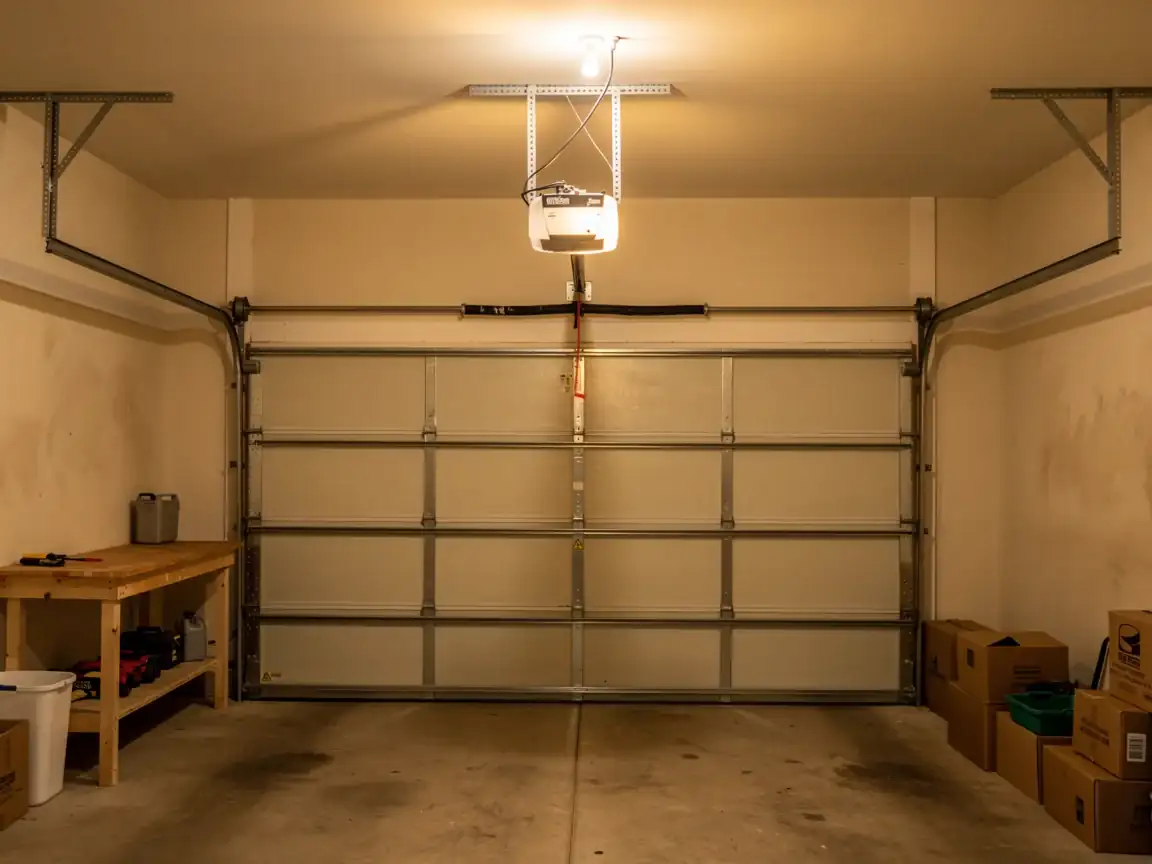
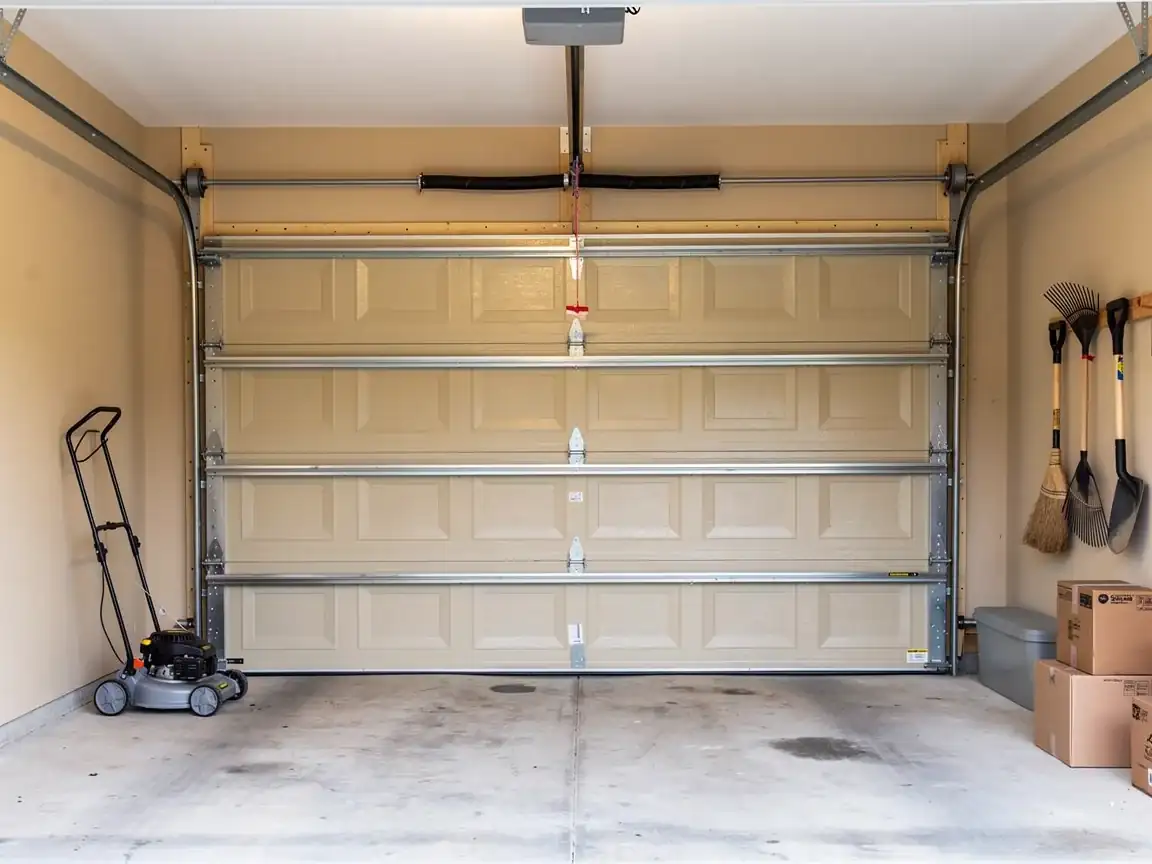
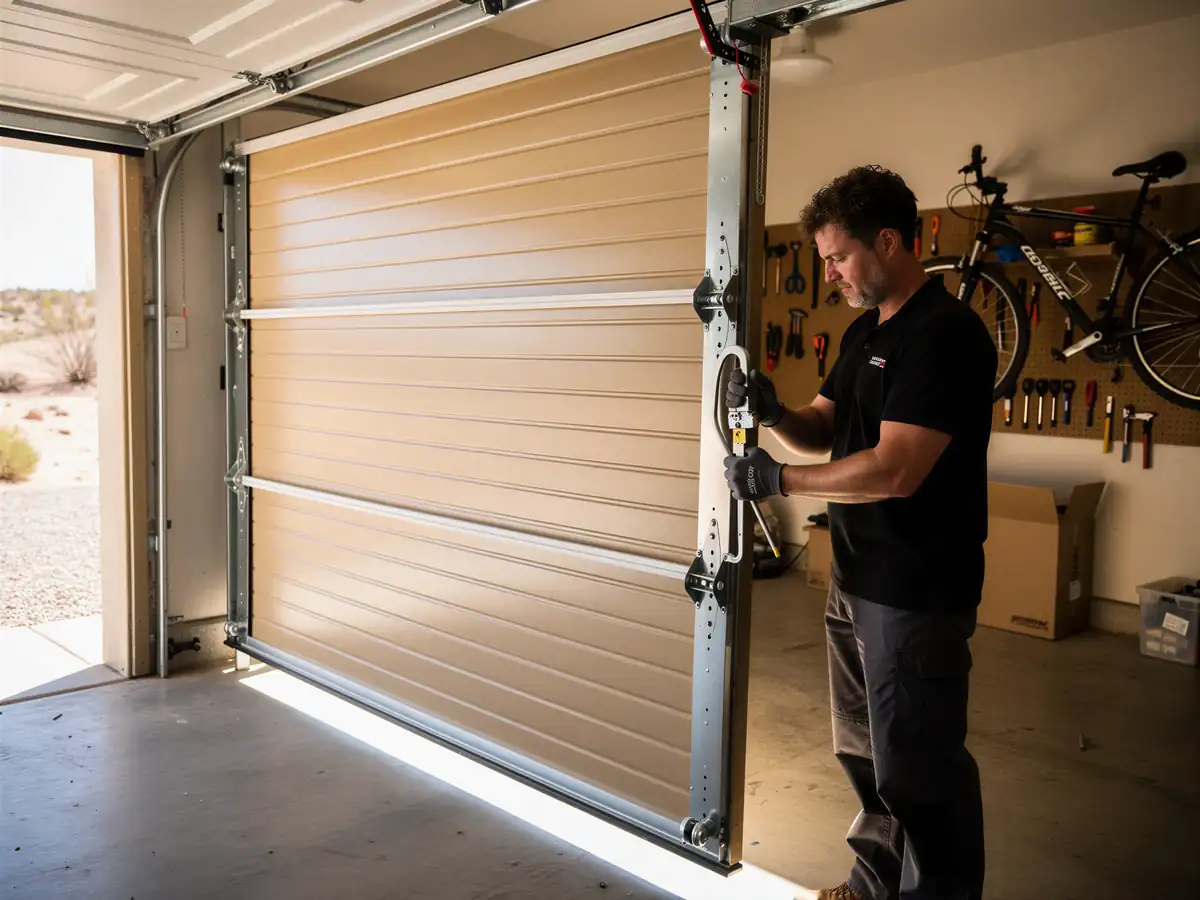
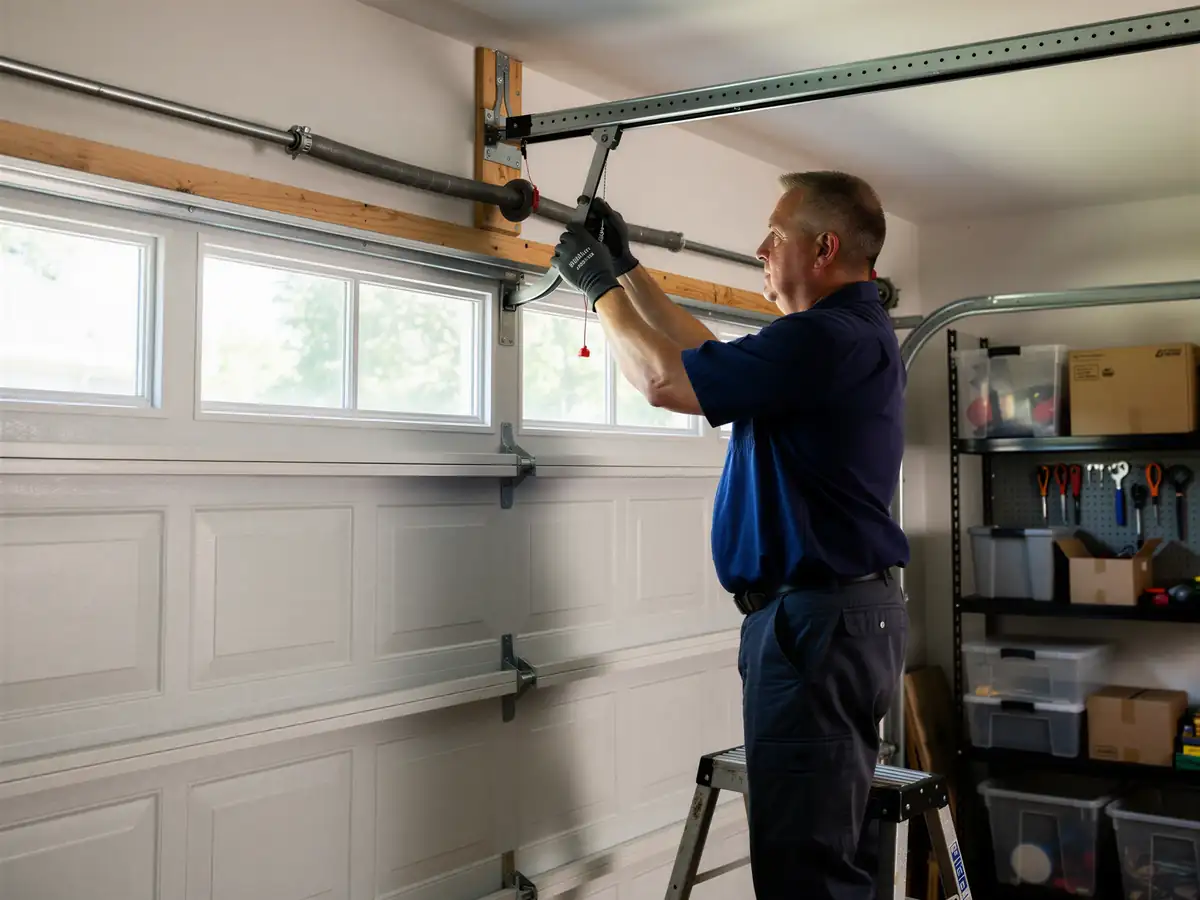
Installing a new opener on an older West garage starts with the track, not the motor
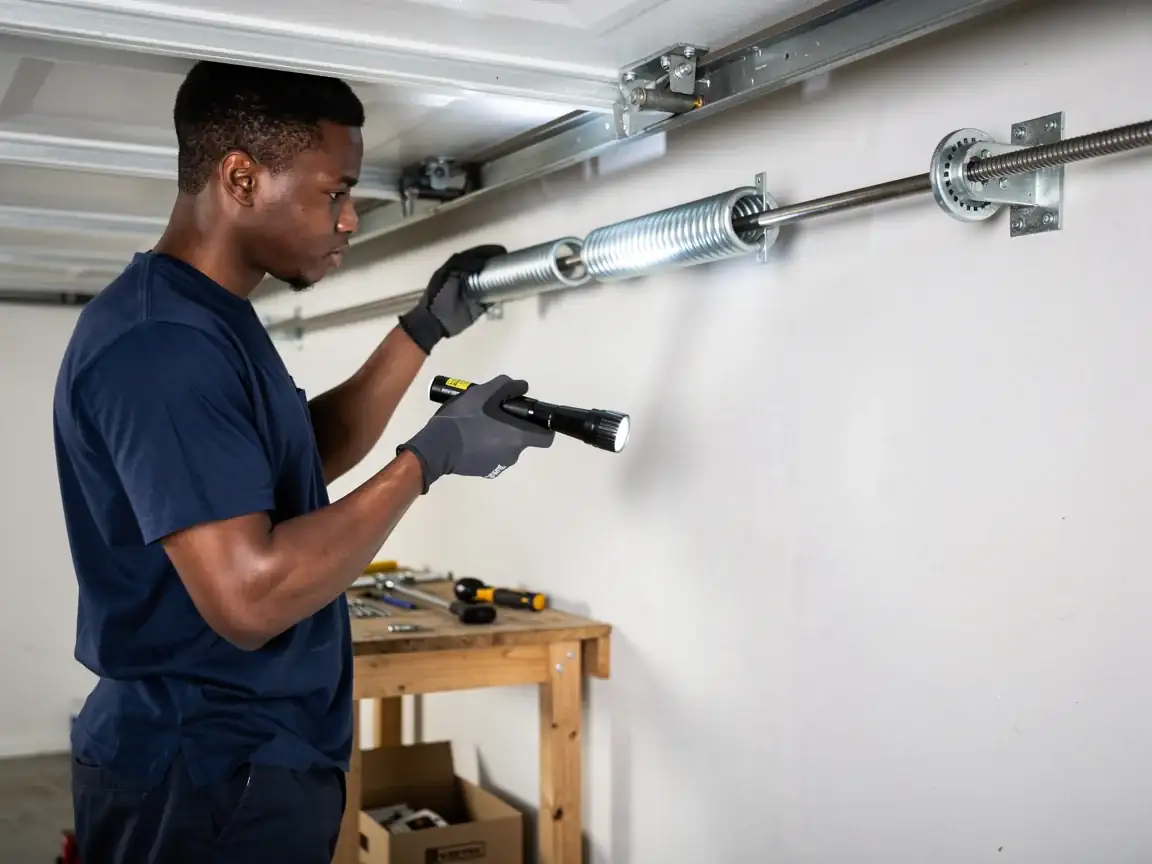
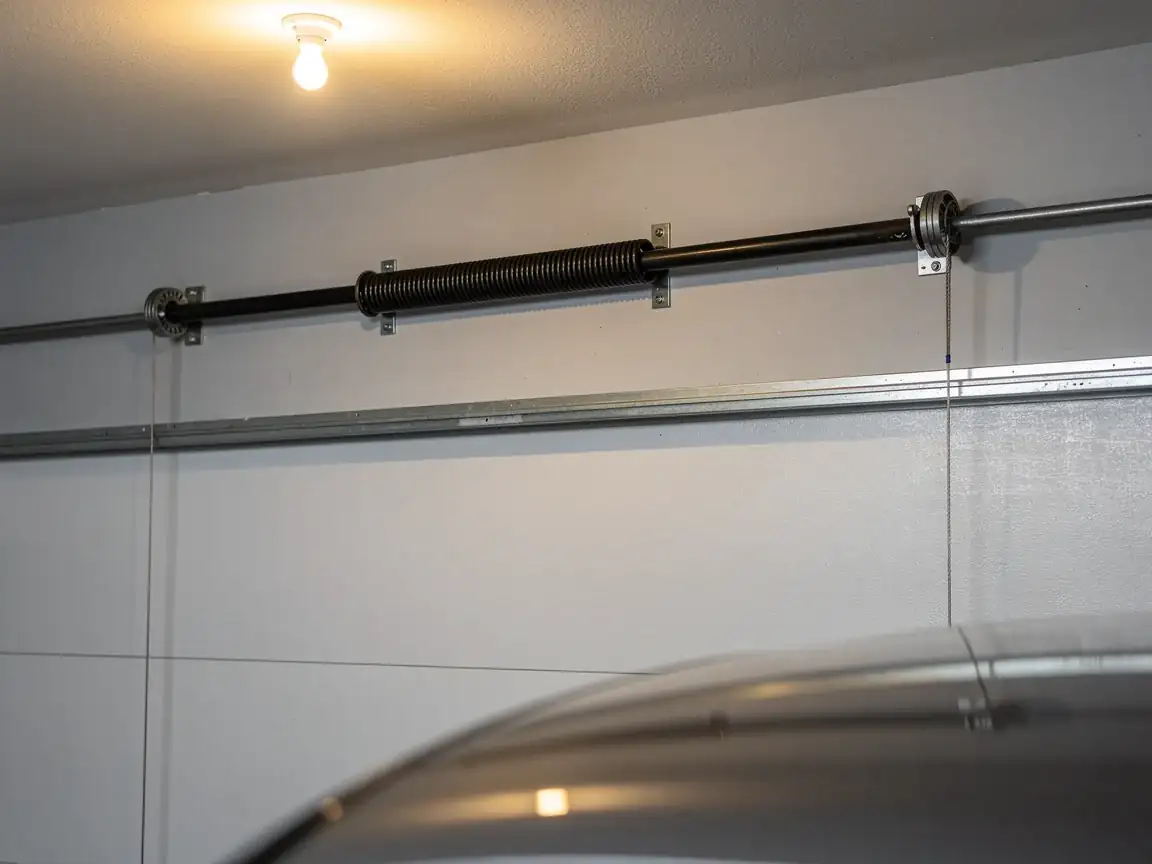
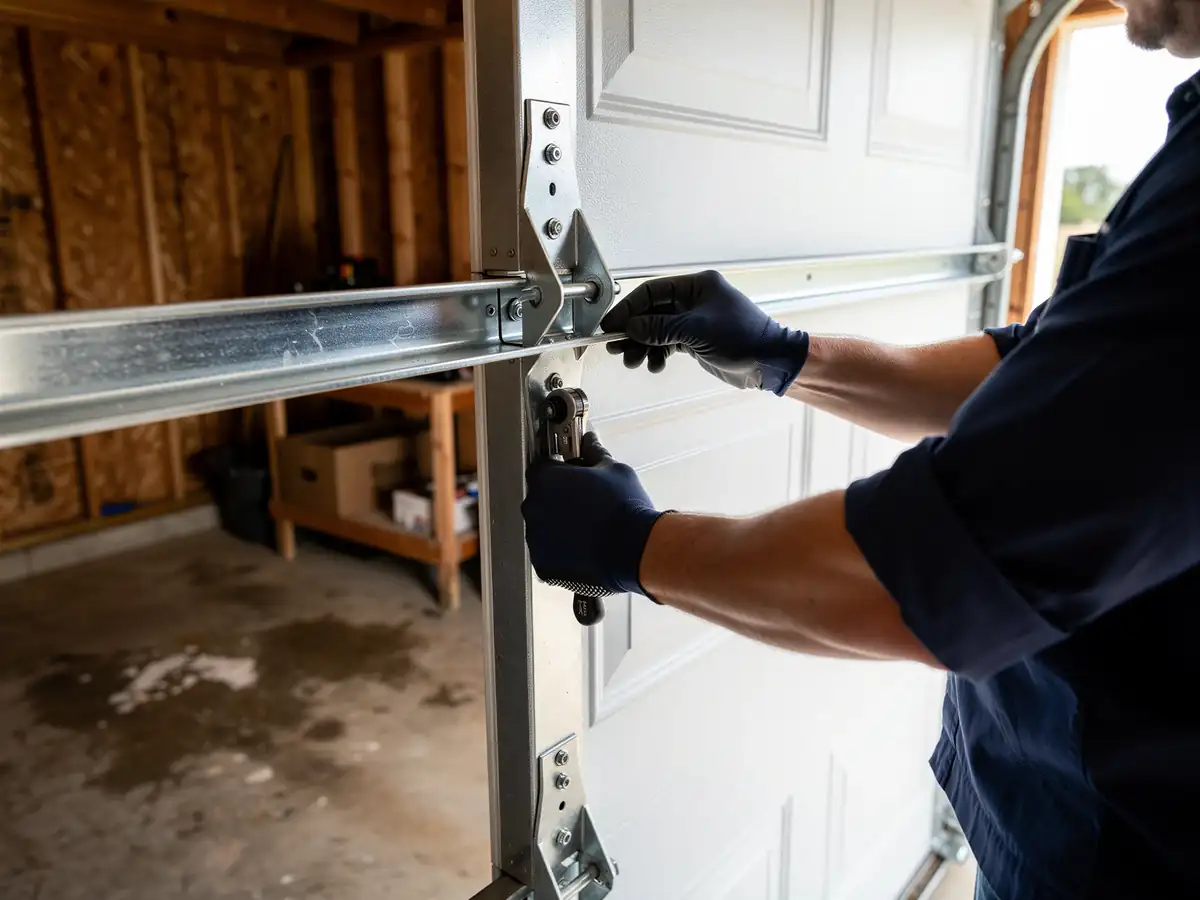
We check the curve and the horizontal rail for rust and play, because a chain or belt drive put on a worn track will chatter and wear out early no matter how good the unit is. Next is the header - on houses from this build era, the ceiling framing above the door often predates any opener at all, meaning we're adding backing where none exists rather than reusing a bracket.
After that it's wiring the safety reversal sensors, setting travel limits, and testing force settings against the actual weight of the door in front of us
Not a factory default. Older West garages sometimes have replacement doors that are heavier than what the original opener motor was sized for, so matching horsepower to the door on site matters more here than in a newer subdivision where the door and opener were installed together.
What You Pay
We don't post a flat number because the bracket and backing work varies house to house, and a page that promised one price for every West garage would be lying to someone. What we can speak to is context: the median household income in West is $52,292, noticeably under the $76,833 median across the rest of the service area. We keep that in mind when we lay out options - a reliable mid-range chain drive is often the right call here, not the premium belt-drive unit we'd default to recommending without asking.
We'll give you a number for your garage, in writing, before we start any bracket or backing work, and we'll tell you up front if a repair to the existing track is cheaper than the opener swap you called about. Sometimes it is.
Why This Fails Locally
The short version: openers in West are being asked to run on hardware that predates them. With a median build year around 1959, most of these garages were framed before automatic openers were common at all, which means the header, the track curve, and sometimes the door itself were never matched to a motor in the first place - they were matched to each other, and the opener got added later by whoever owned the house at the time.
That shows up as openers straining against resistance that has nothing to do with the motor: a track that's slightly bowed, a door panel heavier than the original, a header that flexes under load. Waco's moderate-heat climate band adds wear to belts and drive gears over time, but on a 1959 structure that heat stress lands on hardware that was already working harder than it should. Fix the motor without checking the frame it's bolted to, and you've fixed the wrong half of the problem.
Where This Job Goes Sideways
The job goes sideways when we find rot or structural give in the header once we're actually up there
Which happens more in a town with a 1959 median build year than it would in newer construction. We stop and talk to you before doing carpentry you didn't ask for - that's not an opener installation anymore, and we're not going to quietly fold it into the invoice.
It also goes sideways with wiring
Some of these garages still run on circuits that were never meant to carry a motor with safety sensors and a battery backup, and we won't wire a new opener into a circuit that isn't rated for it. With only 942 households in West, this is a small market where we're not making repeat trips to fix a job we rushed - we'd rather take the extra half hour and get the framing and wiring right the first time. If the garage needs an electrician before it needs an opener, we'll say that plainly.
- 942 households