Stocked Parts
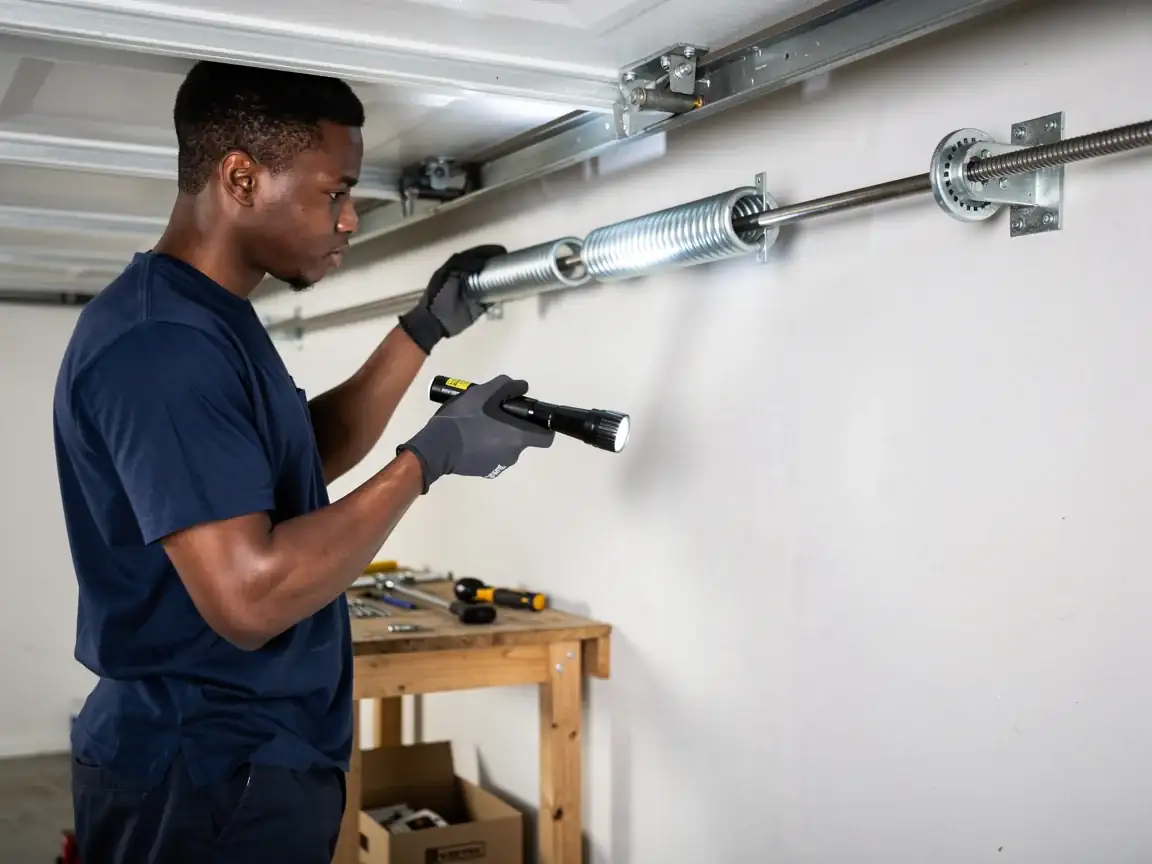
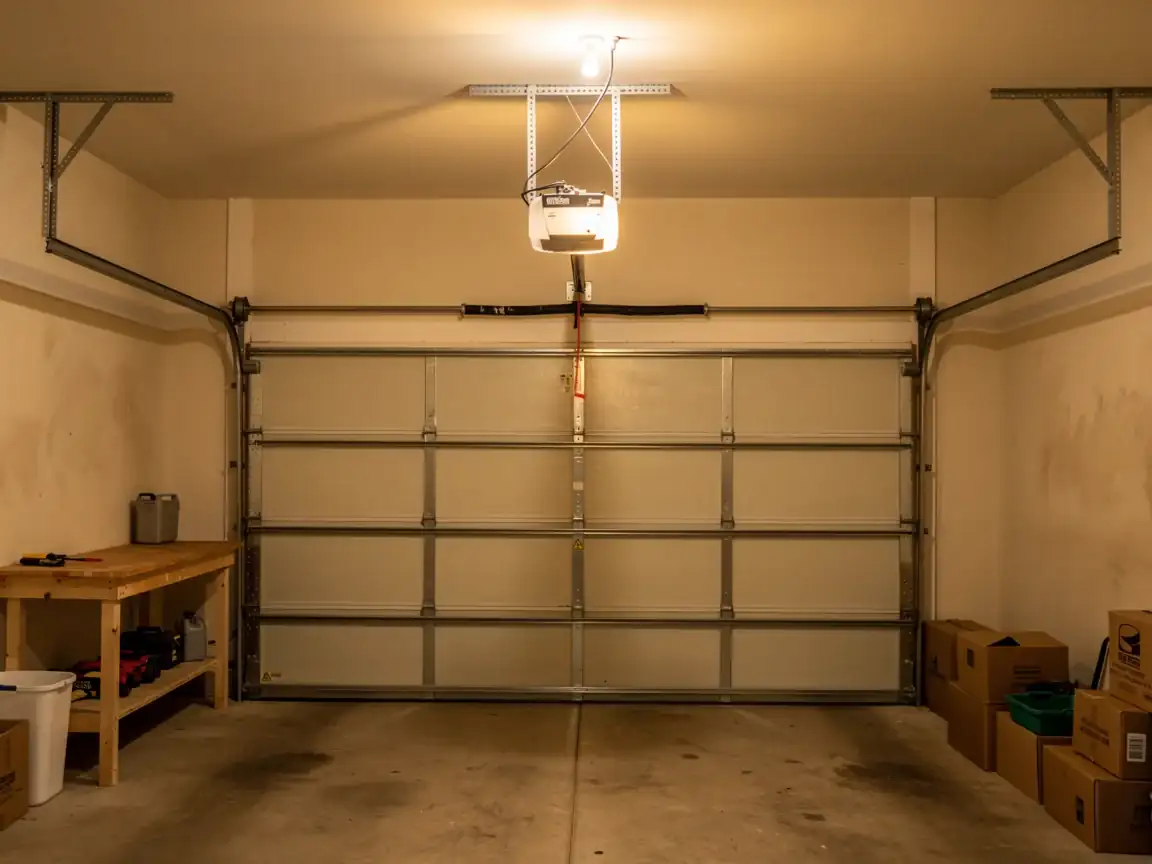
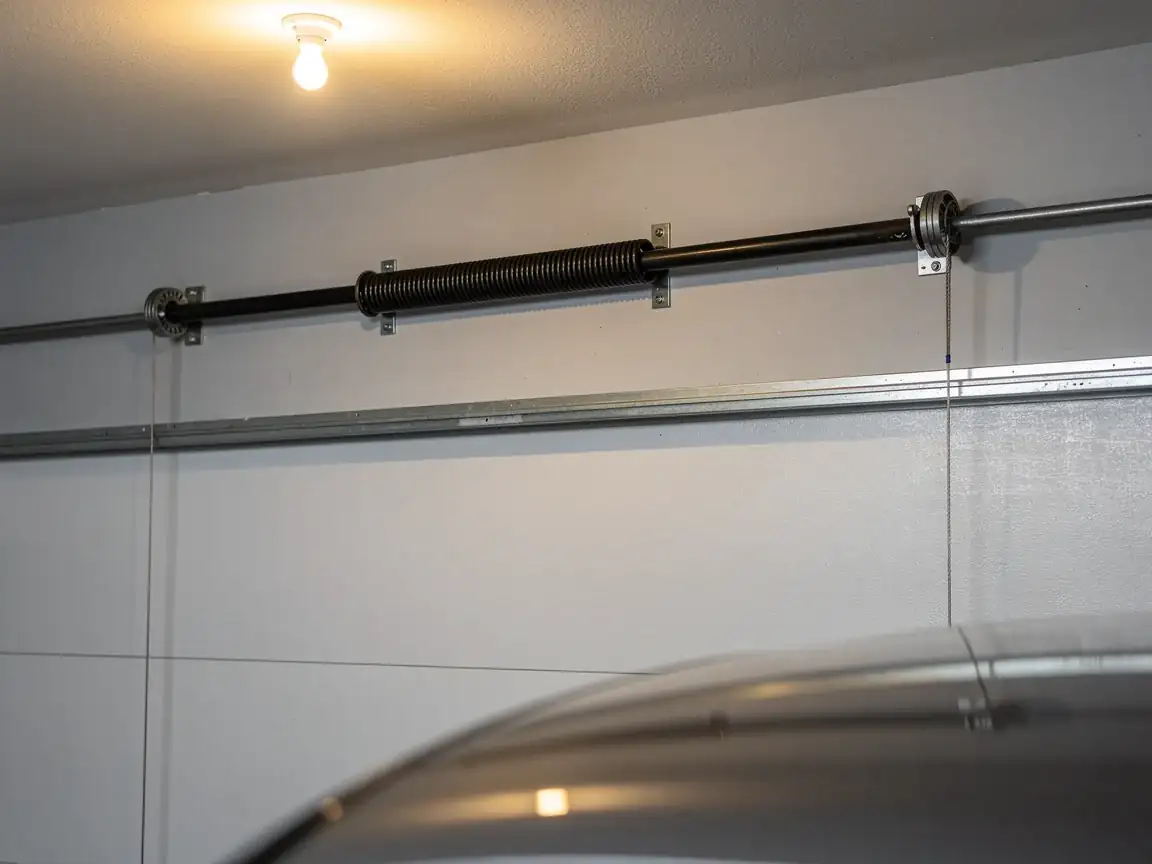
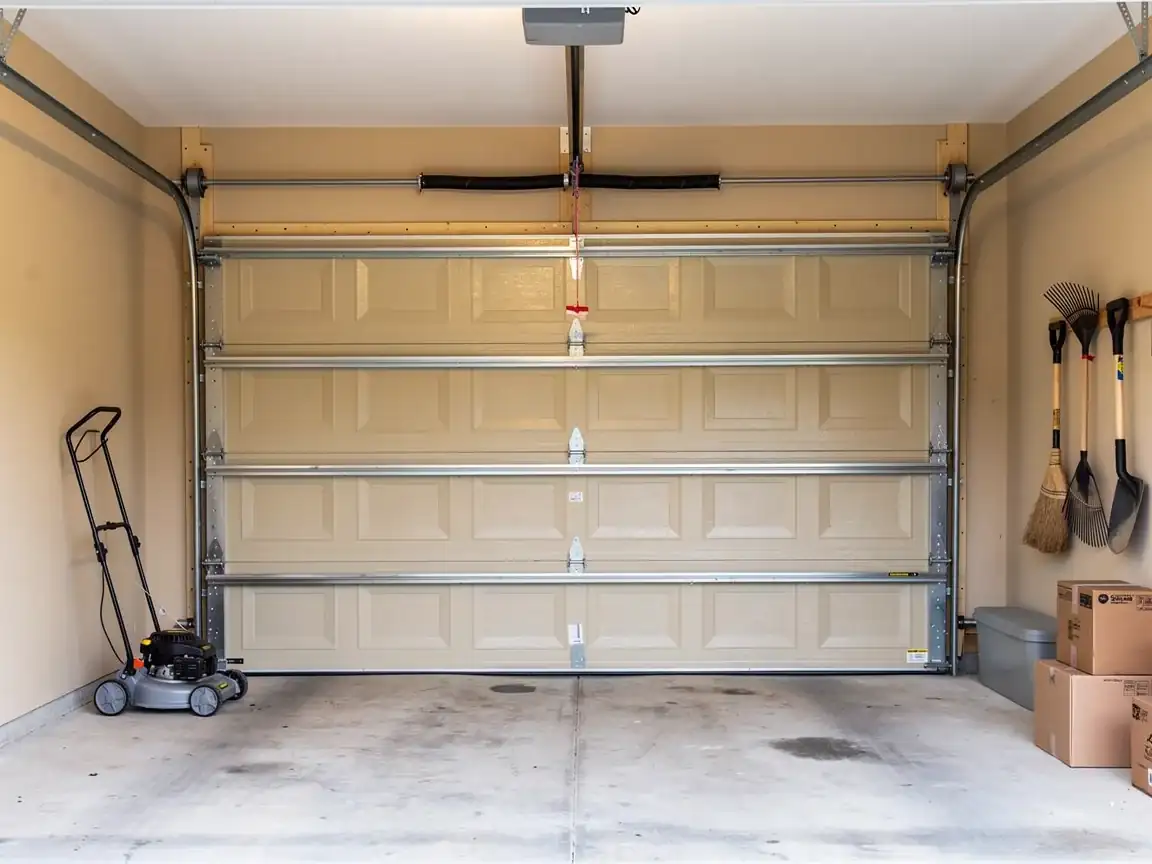
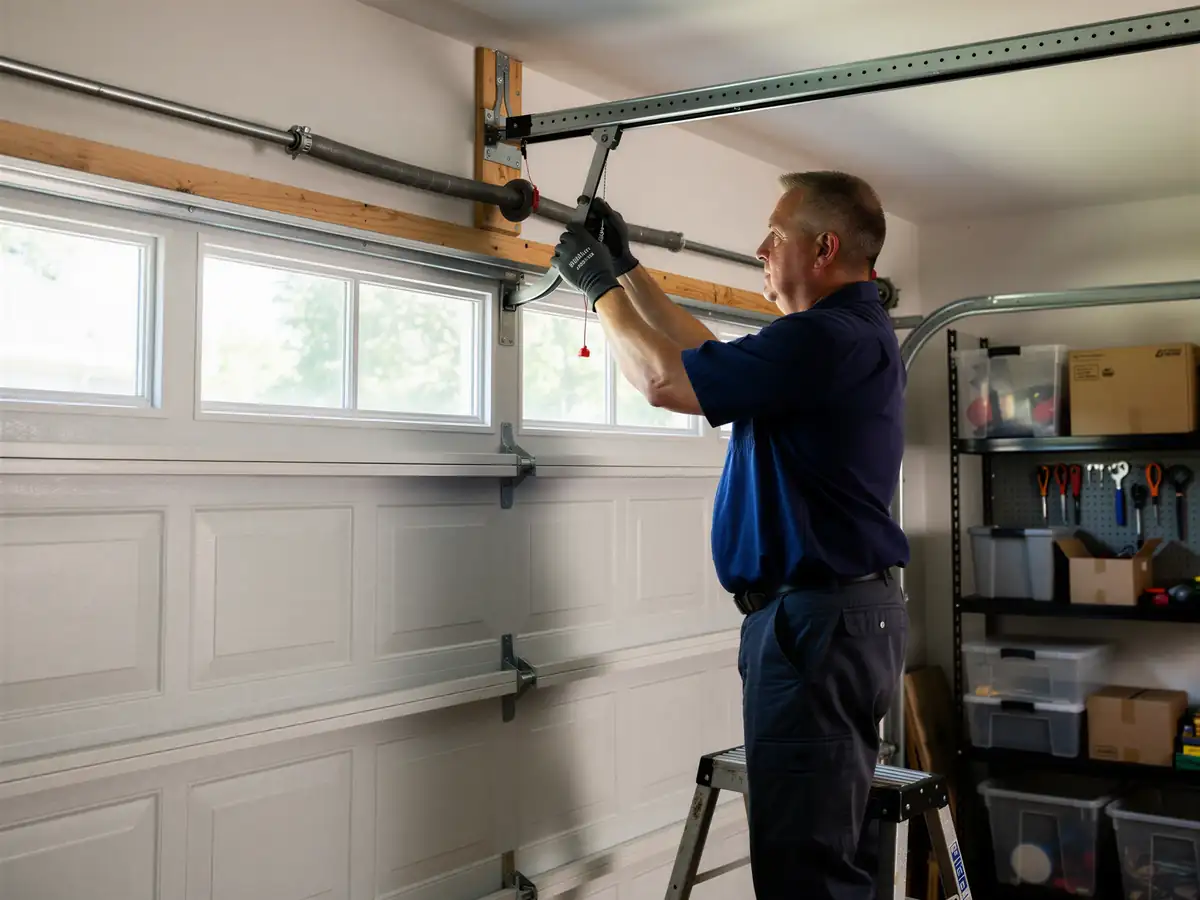
At a median household income of $52,292, a lot of West homeowners are weighing a $300 spring job against a $1,200 opener swap, and that math changes what maintenance should even cover. On a house built around 1959, the original hardware is long gone, but the replacement parts that went in during the 70s and 80s - standard torsion springs, steel rollers, basic chain-drive openers - are still common enough that we carry them on the truck. What we don't stock is anything specialty: oversized commercial-grade track, smart-opener control boards, custom panel inserts. If your door needs one of those, expect an order and a second trip. Most maintenance visits here are about catching a spring near the end of its cycle count or a track bent from years of use, not replacing exotic parts. Given the income level in this area, we try to flag what's wearing out before it becomes an emergency repair, because a $150 tune-up beats a $900 broken-spring call almost every time, and that gap matters more here than it might somewhere with a higher median income.
How Long You Are Without the Door
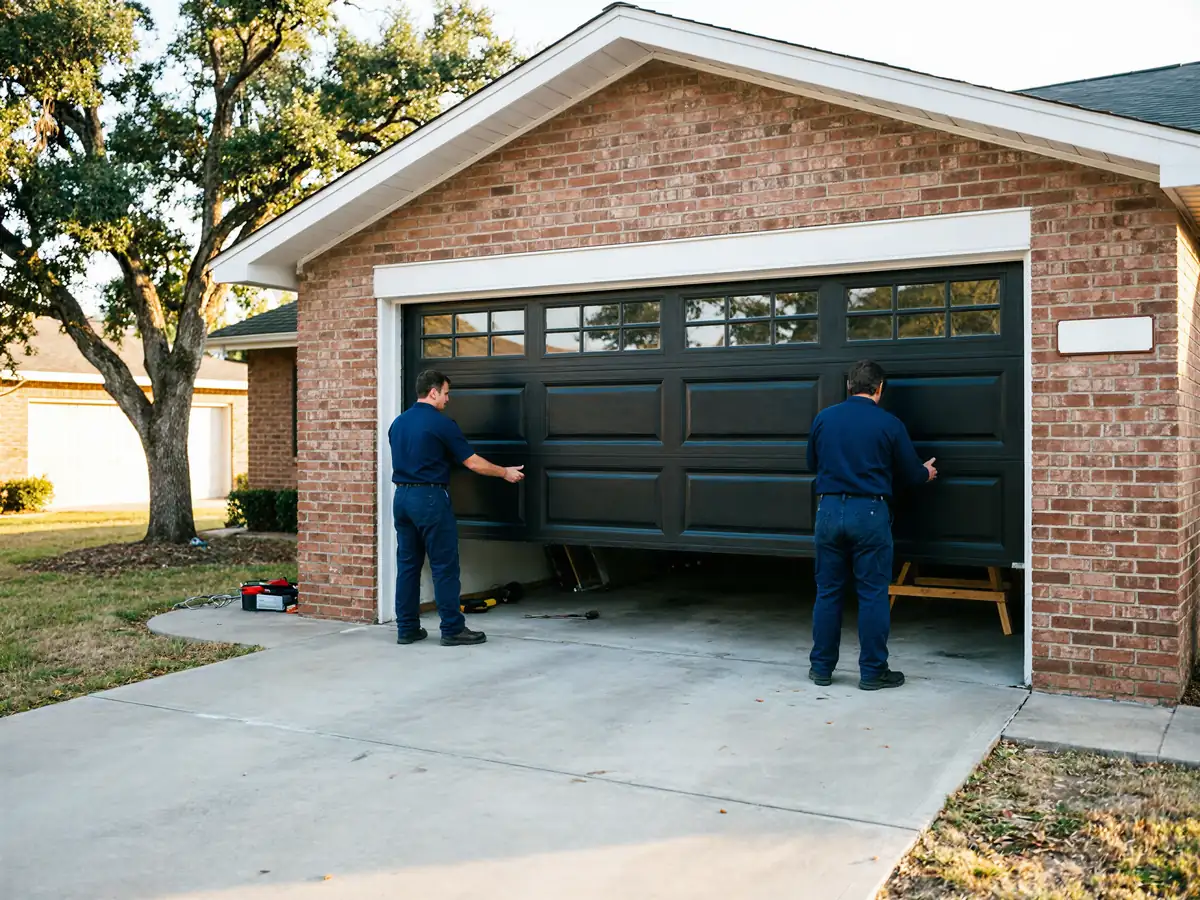
We run this job out of Waco, 18 miles away, so there's no local branch to shorten the drive. A routine maintenance visit is scheduled, not same-day emergency work, and that's worth knowing before you call. If the inspection turns up a part we don't carry on the truck - which happens more on older West houses where the opener or track isn't a standard size - you're looking at a return trip once the part comes in. We tell people this upfront rather than promise a turnaround we can't back from 18 miles out. For a house at the median income here, planning the repair instead of reacting to it is usually the cheaper path anyway: a scheduled fix means one trip, one labor charge, no after-hours rate.
What You Pay
We don't publish a flat maintenance price here because what a visit costs depends on what we find once we're under the door - and on houses from this era, we find more variance than on newer stock. What we can say is that we size the recommendation to the house and the wallet in front of us: at a median income of $52,292, a full opener replacement isn't the default suggestion when a $40 part and twenty minutes of adjustment solves the actual problem. We'll tell you plainly when a repair isn't worth sinking money into versus swapping the unit, and we'll tell you when it is. That honesty costs nothing and it's the main thing we control about the bill.
Why This Fails Locally
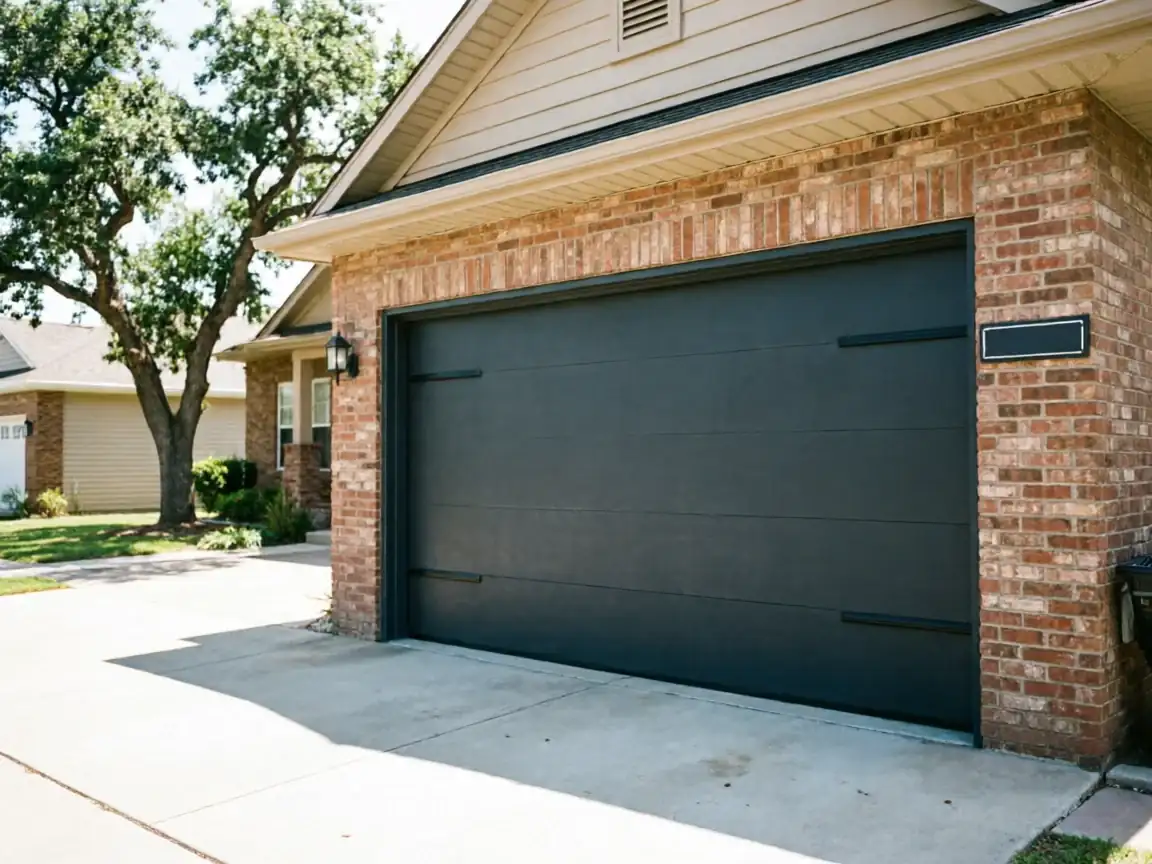
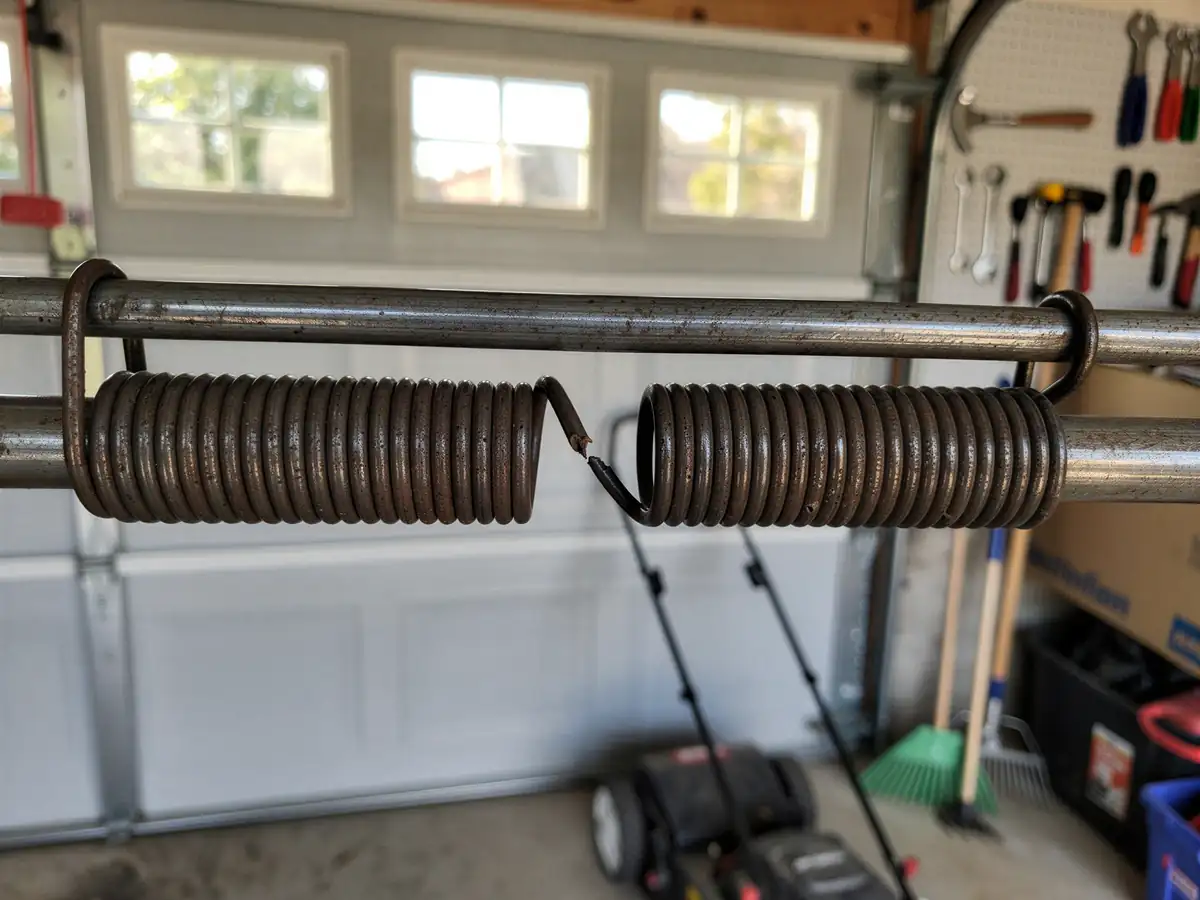
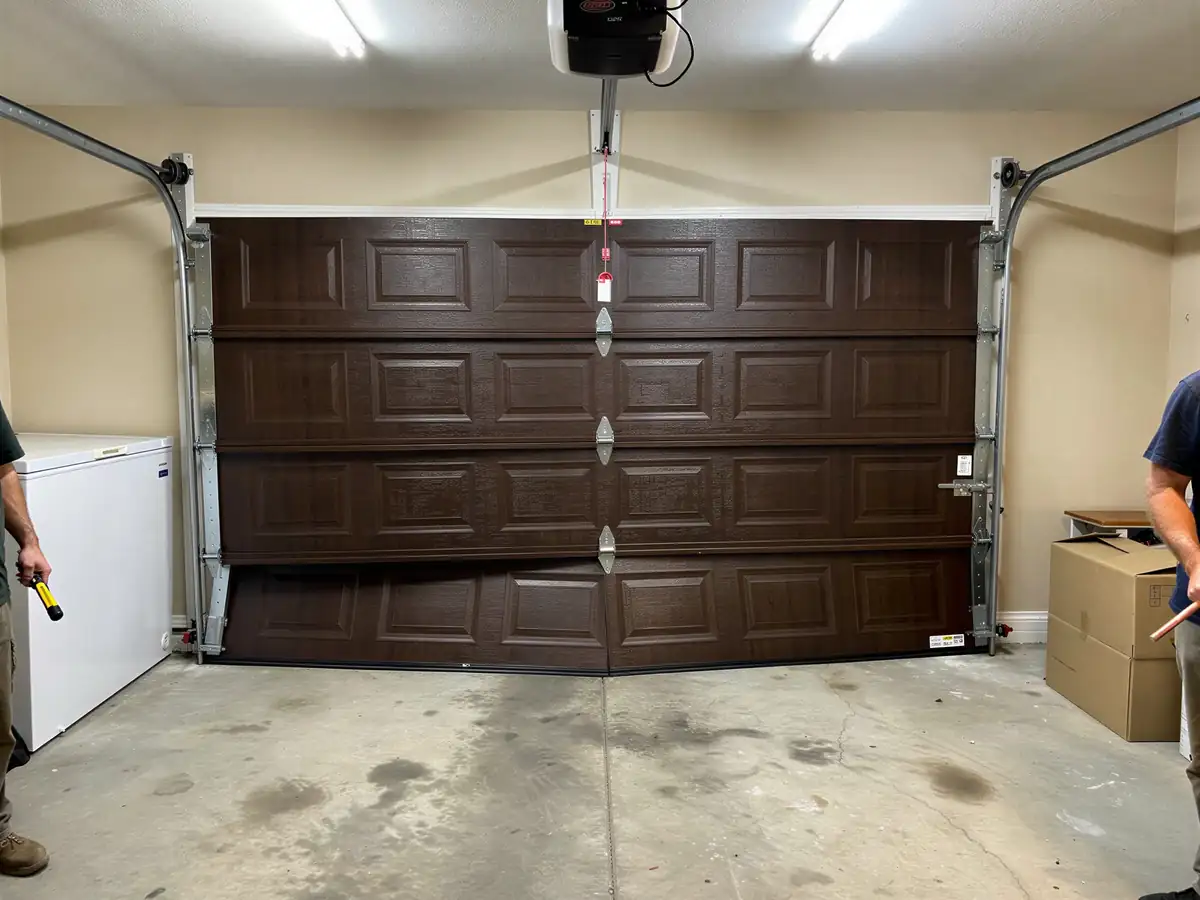
A door system installed when a house went up around 1959 has outlived its original design life several times over by now. Springs rated for a few thousand cycles have been swapped once or twice already, sometimes with a mismatched replacement that doesn't match the door's actual weight. That mismatch is the single biggest cause of early failure on older West houses - a spring under- or over-rated for the door wears out faster than it should, and nobody notices until it snaps. Moderate heat in this part of Texas isn't the dramatic failure driver that extreme cold or humidity would be elsewhere, but it still dries out lubrication and hardens weatherstripping over a long Texas summer, which is part of why a yearly check catches more here than a five-year gap would.