Stocked Parts
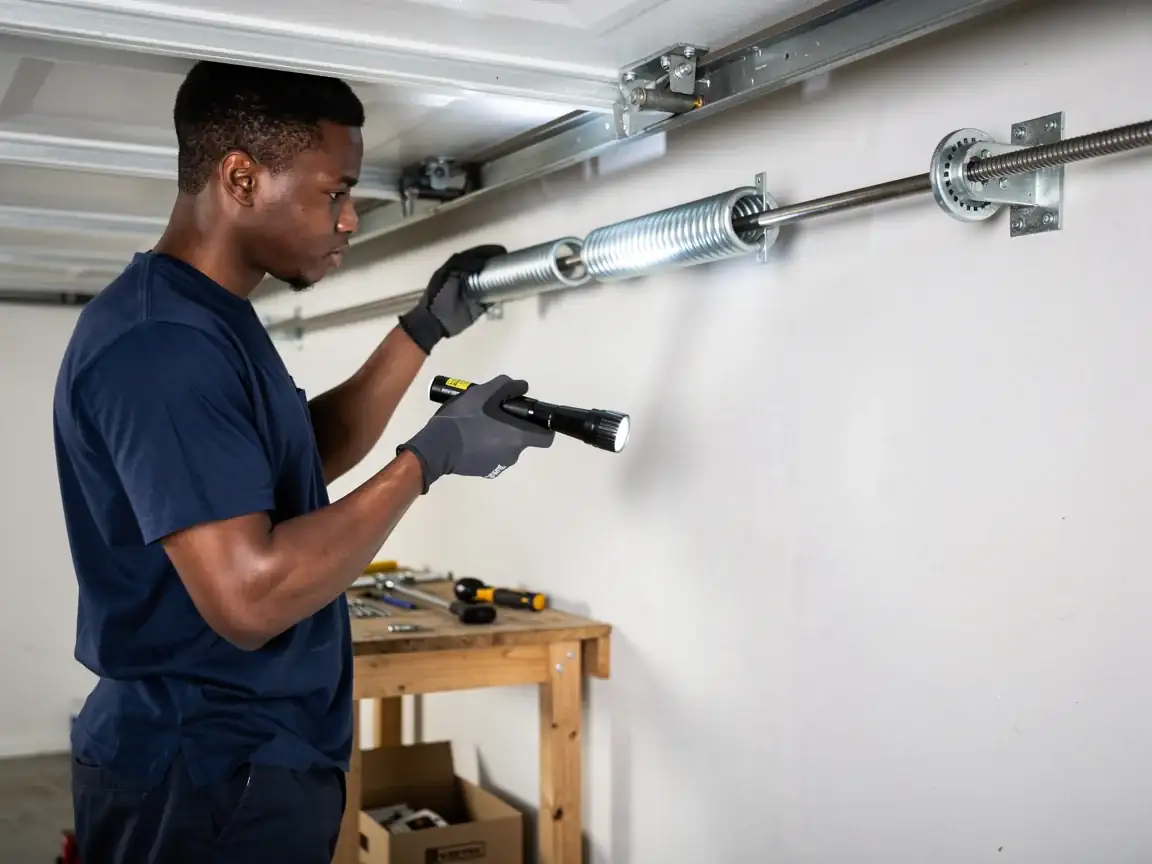
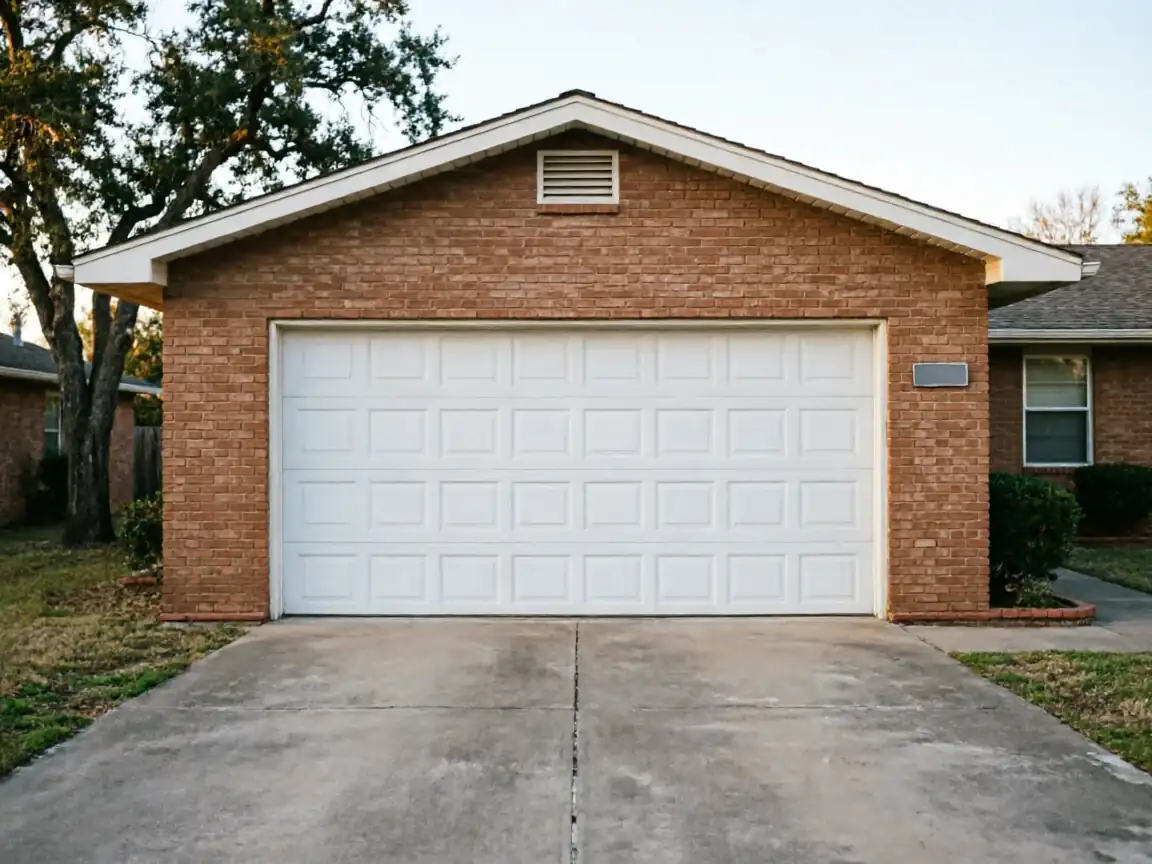
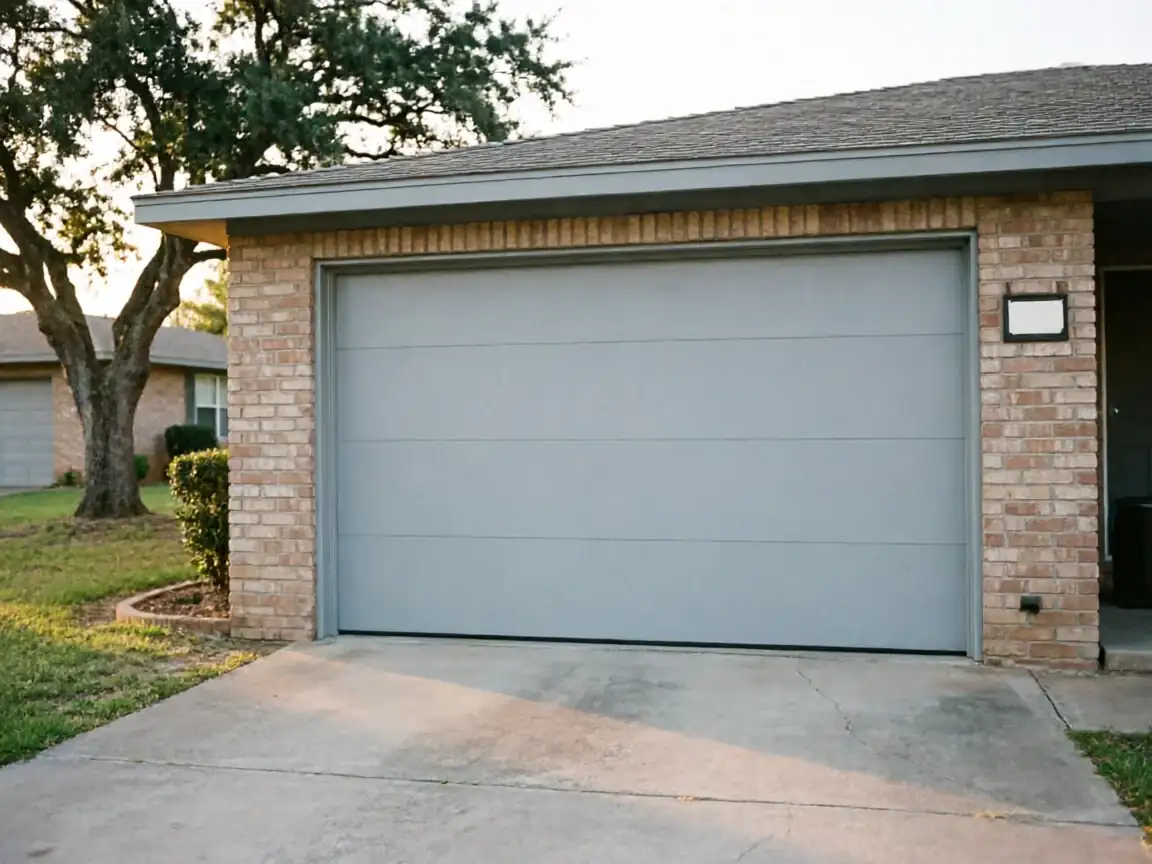
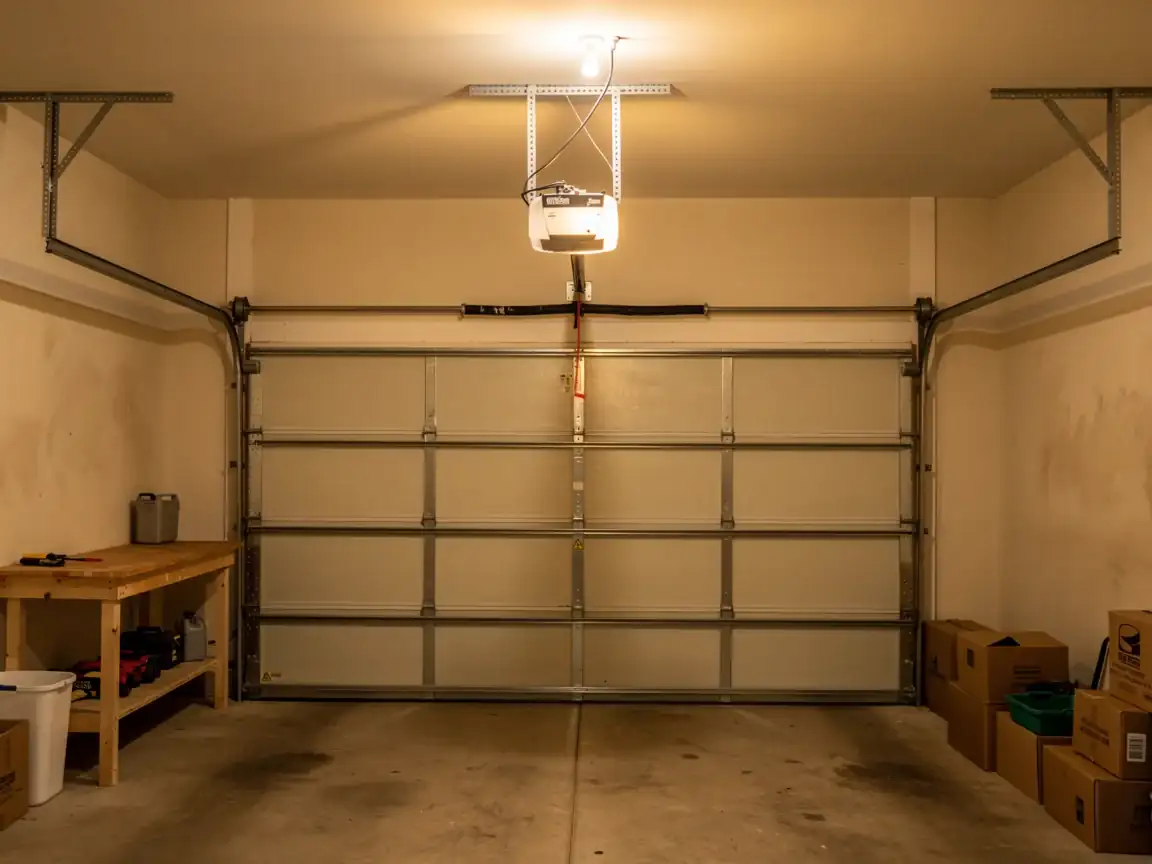
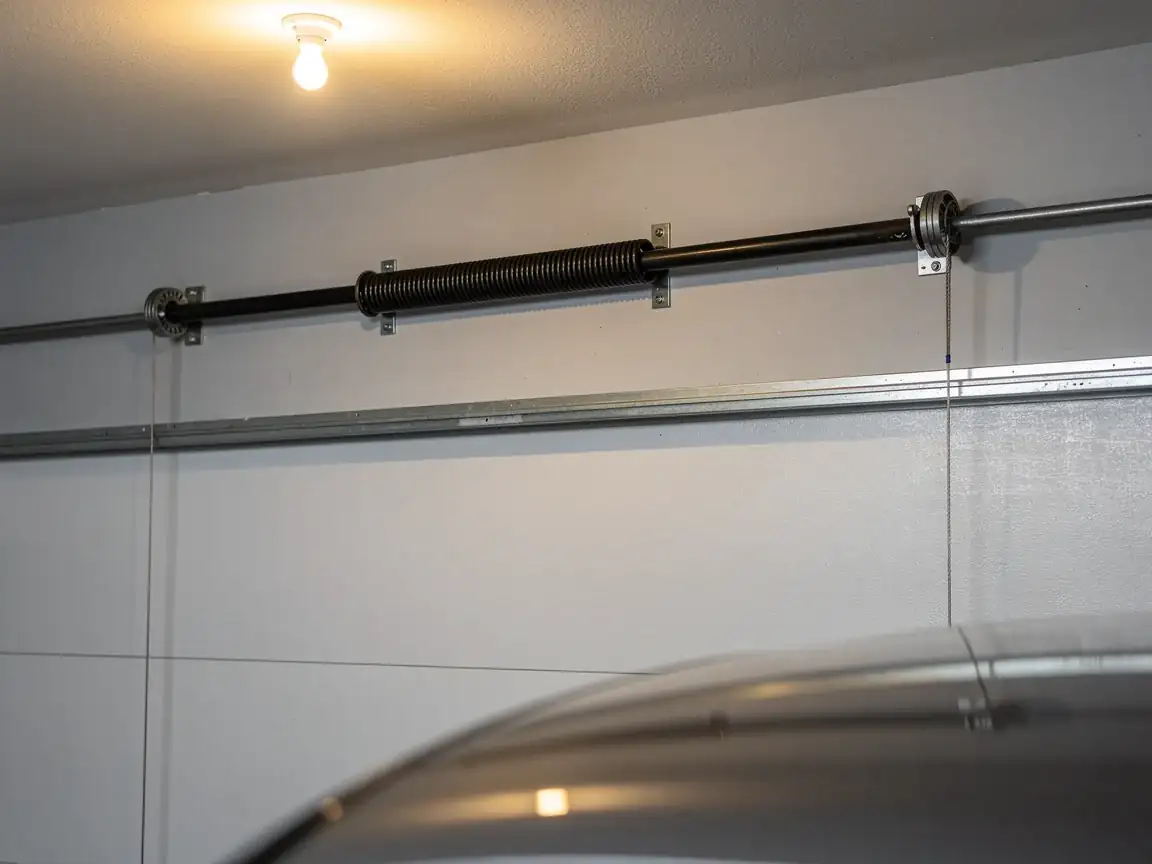
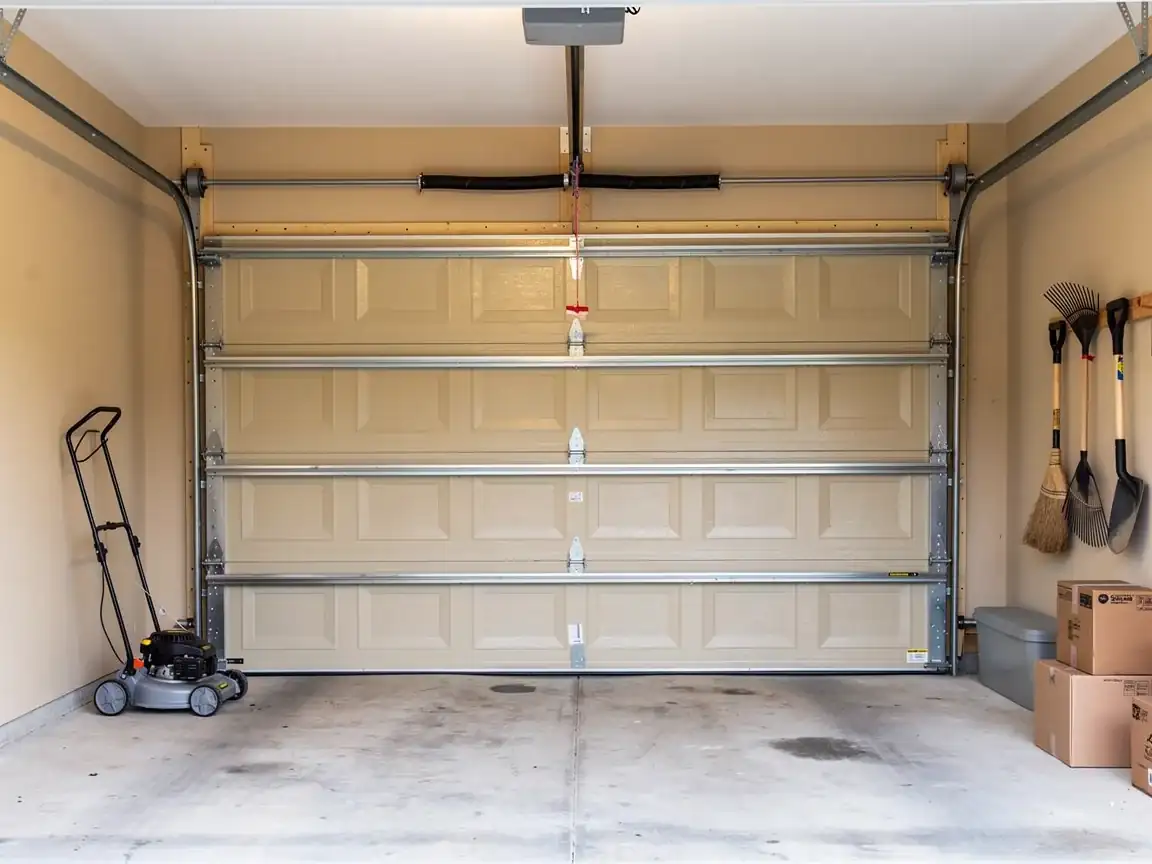
West sits eighteen miles from Waco, the longest drive on this company's service list, and that distance changes what goes on the truck before it ever leaves the yard. Houses in West tend to run older than what you'd find closer in toward Waco - a lot of this town's stock went up around 1959, well ahead of the area's 1983 median build year. That means more extension spring setups and fewer of the torsion systems that dominate newer construction, plus openers that have already been swapped once or twice over the decades. A tech heading to West loads extension cables, older-style pulleys, and a couple of opener logic boards that fit chain-drive units from that era, because showing up with only torsion parts on a job this far out means a wasted trip. It's not a guess - it's planning around what the housing stock actually is, not what it is everywhere else in the service area.
How Long You Are Without the Door
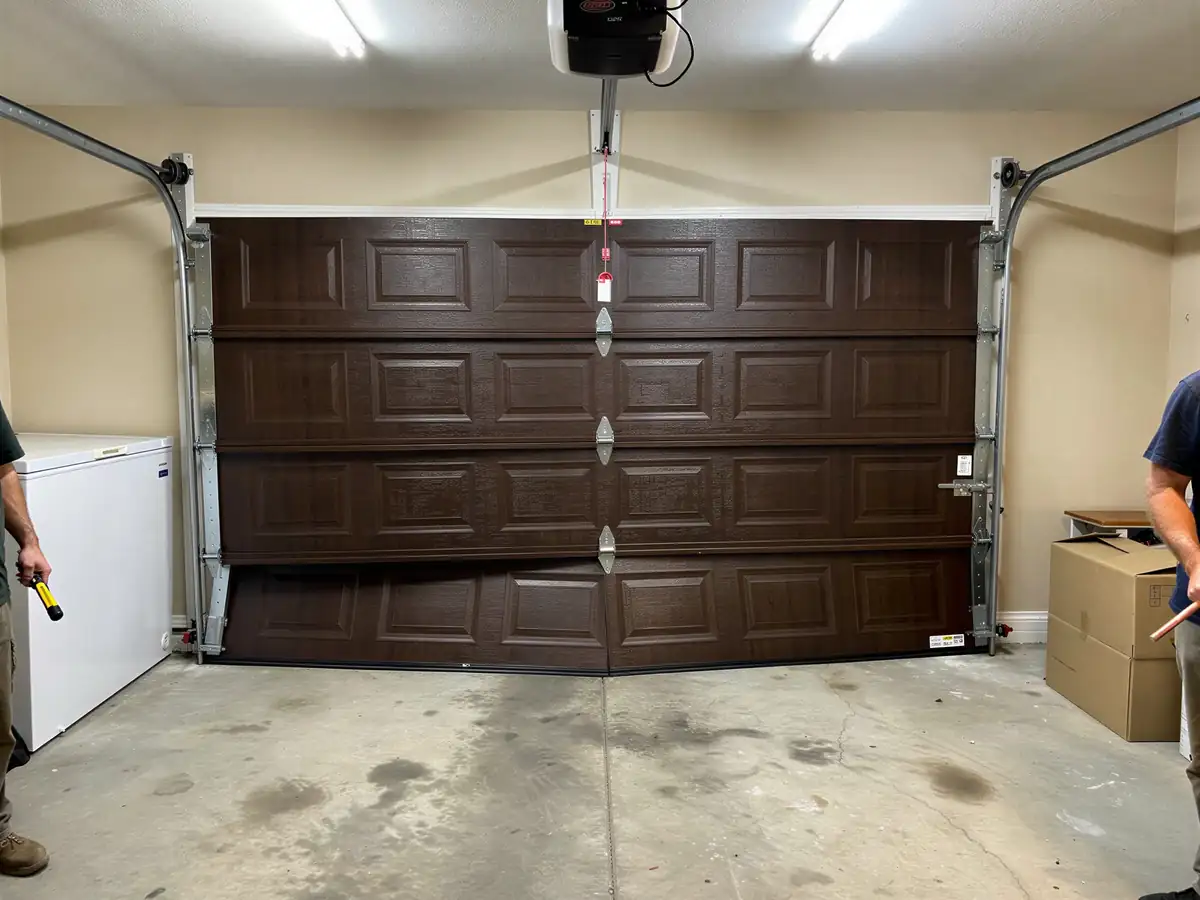
The honest answer: longer than it would be on a call ten minutes from Waco. Eighteen miles each way adds real drive time to both the diagnosis trip and, if a part isn't on the truck, the return trip. We don't quote a fixed response window for West because the company doesn't run a branch or depot out this way - every call here starts with a drive from Waco, and traffic or the order of the day's route can shift things. What we can tell you is that a door left open on a house in this area, especially with a smaller household count than the denser suburbs closer in, isn't something we'd leave hanging if it can be secured same visit - propping, bracing, or a manual override while the right part gets sourced, even if the full fix needs a second trip.
What You Pay
We don't post a flat price for West because the job varies with what's actually wrong and what parts it needs, and we're not going to quote a number we can't back up. What's worth knowing locally: West's median household income runs at $52,292, well under the $76,833 median across the wider service area. That doesn't change what a spring or opener costs to fix, but it does mean we try to be straight about what's worth repairing versus replacing on an older door, rather than defaulting to a full teardown when a targeted fix will hold. If a repair on a sixty-year-old track system is going to cost close to what a new door would, we'll say so before we start, not after.
Why This Fails Locally
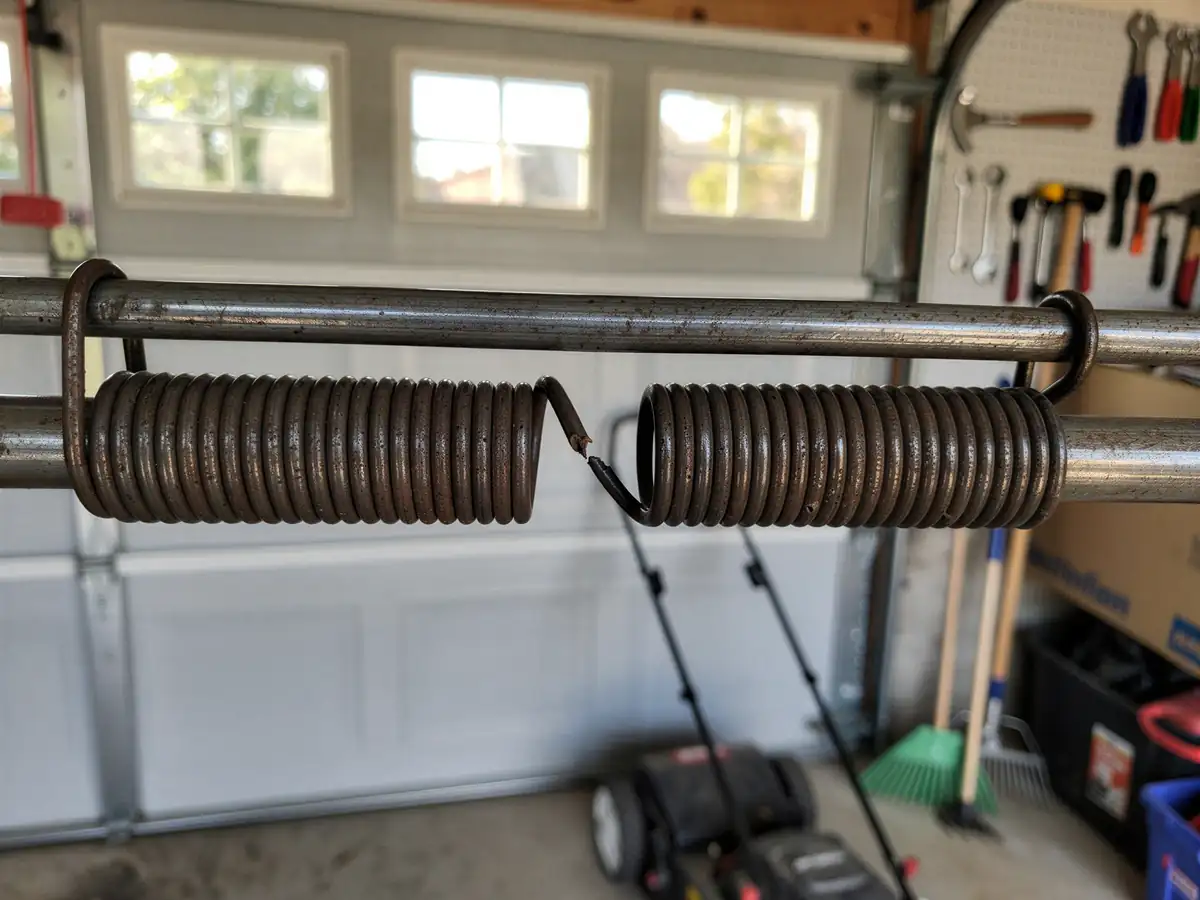
The failure pattern in West tracks the housing. With most homes dating to around 1959, decades before the area's 1983 median, a lot of these garages still carry original or close-to-original hardware: extension springs on side brackets instead of torsion bars, lighter-gauge track, and openers that have been replaced once but mounted on hardware that never was. That combination fails in a specific way - the spring goes first, and because the pulley and cable setup is older, a snapped extension spring here is more likely to also take out a worn pulley on the same call than it would on a newer torsion setup. With only 942 households in West, this isn't a high-volume call type, but it's a consistent one, and it's different from what shows up in the newer construction closer to Waco.