Stocked Parts
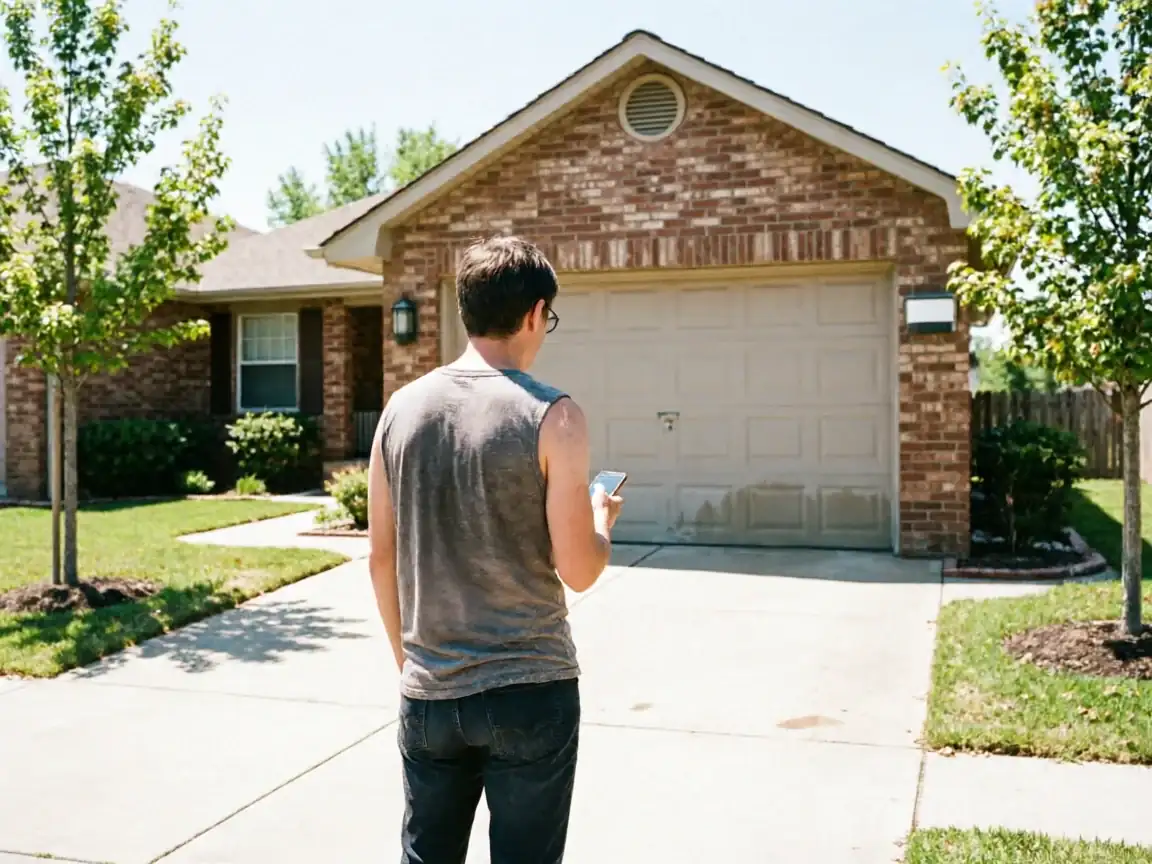
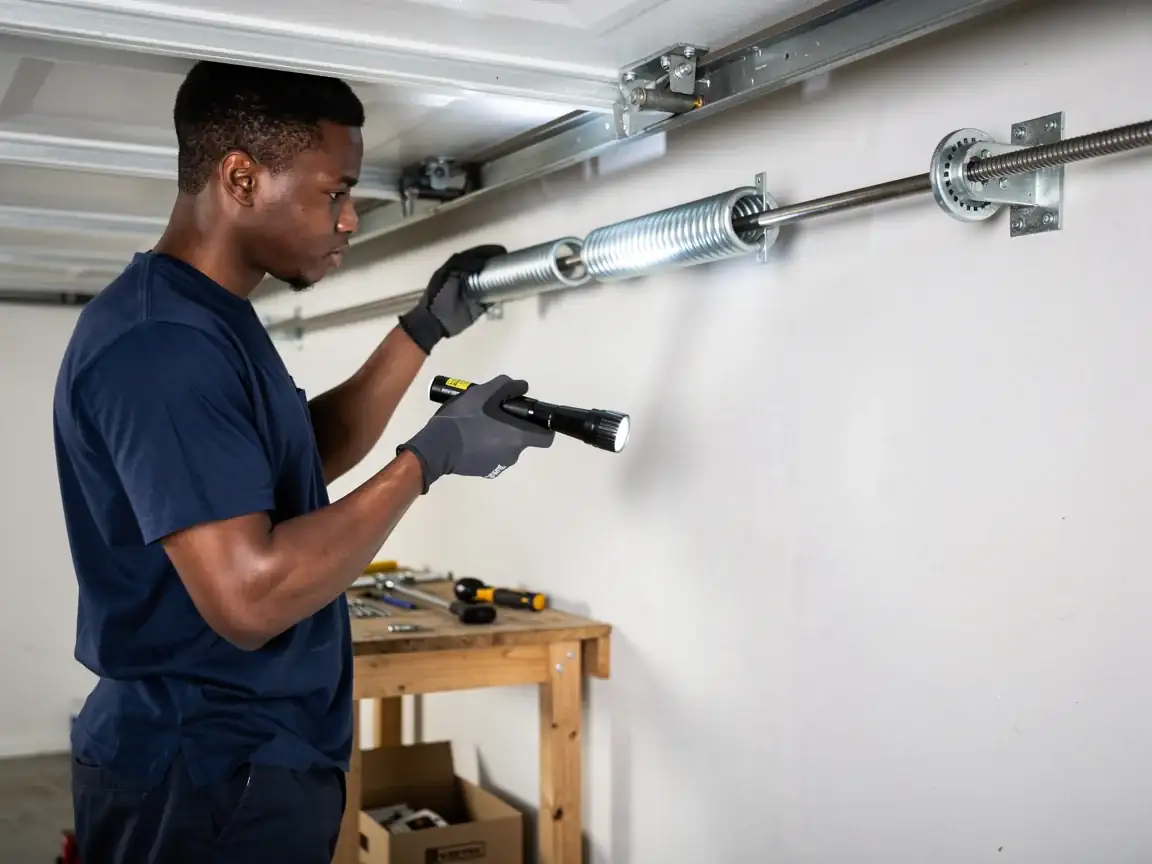
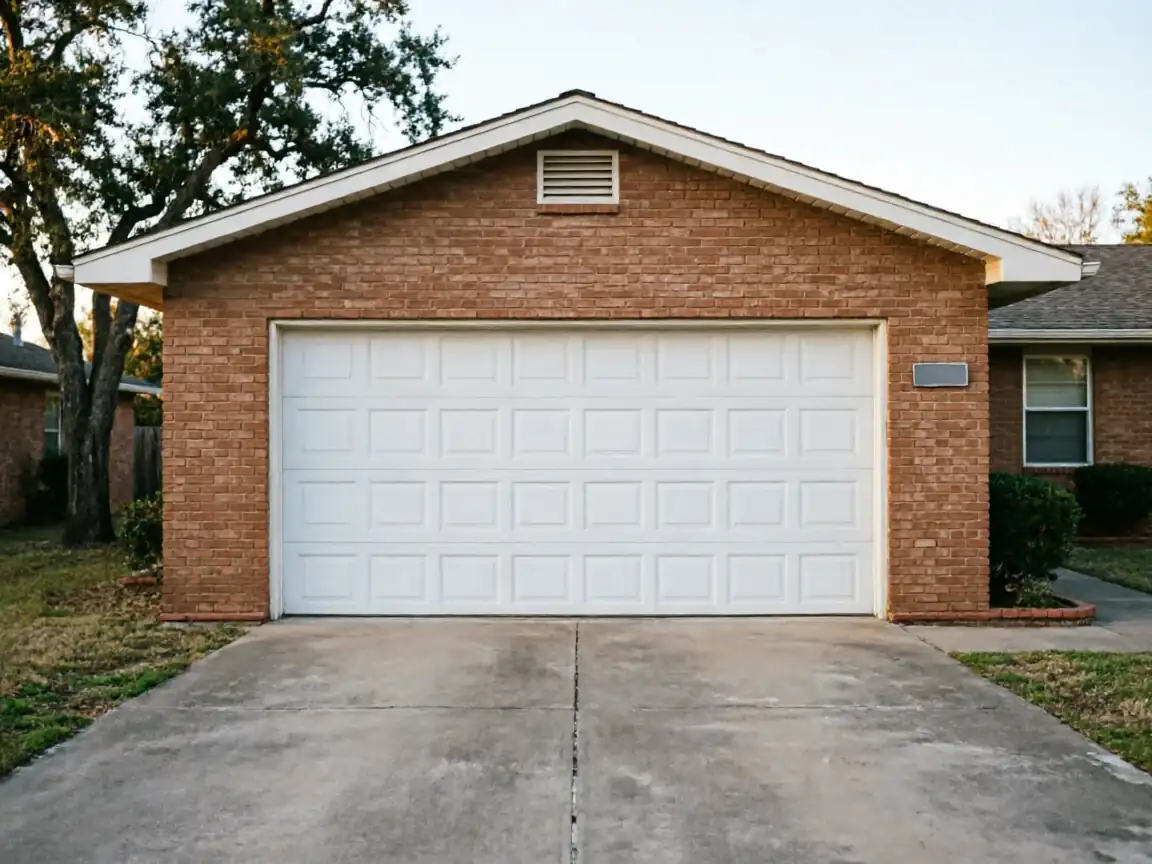
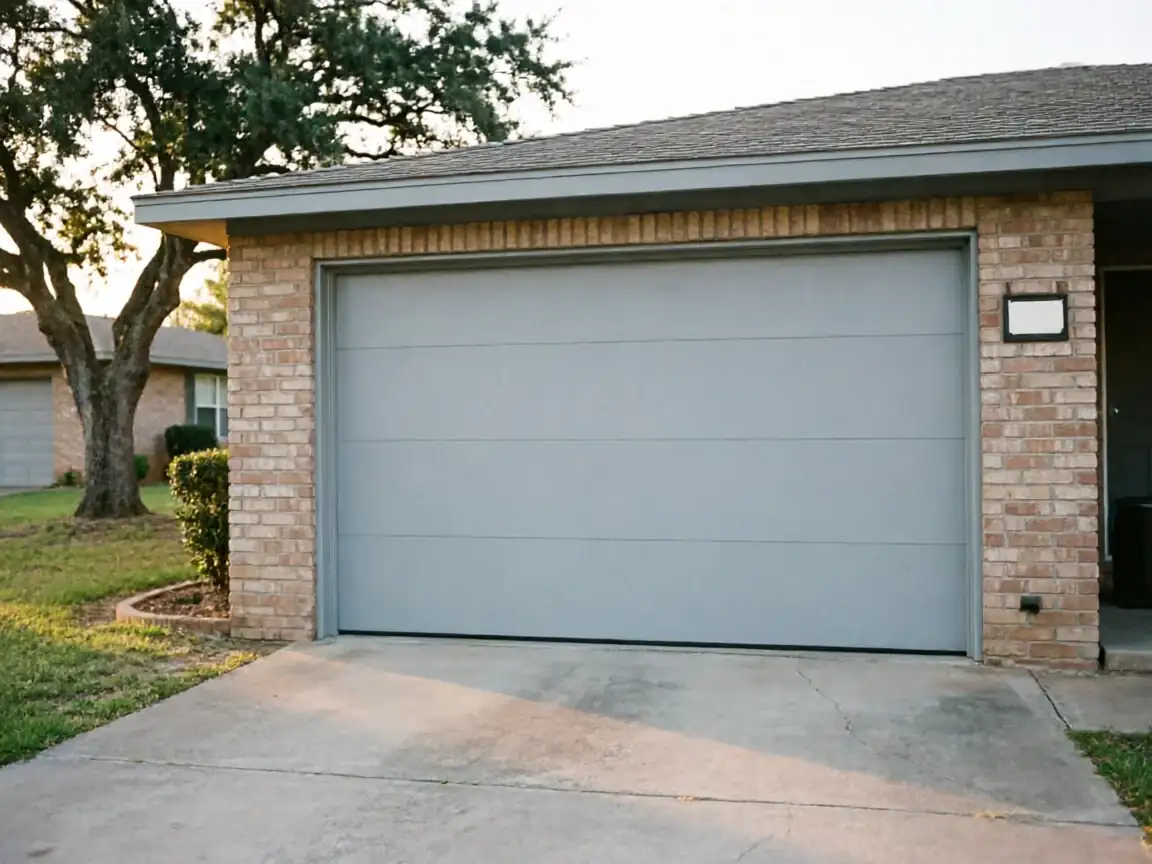
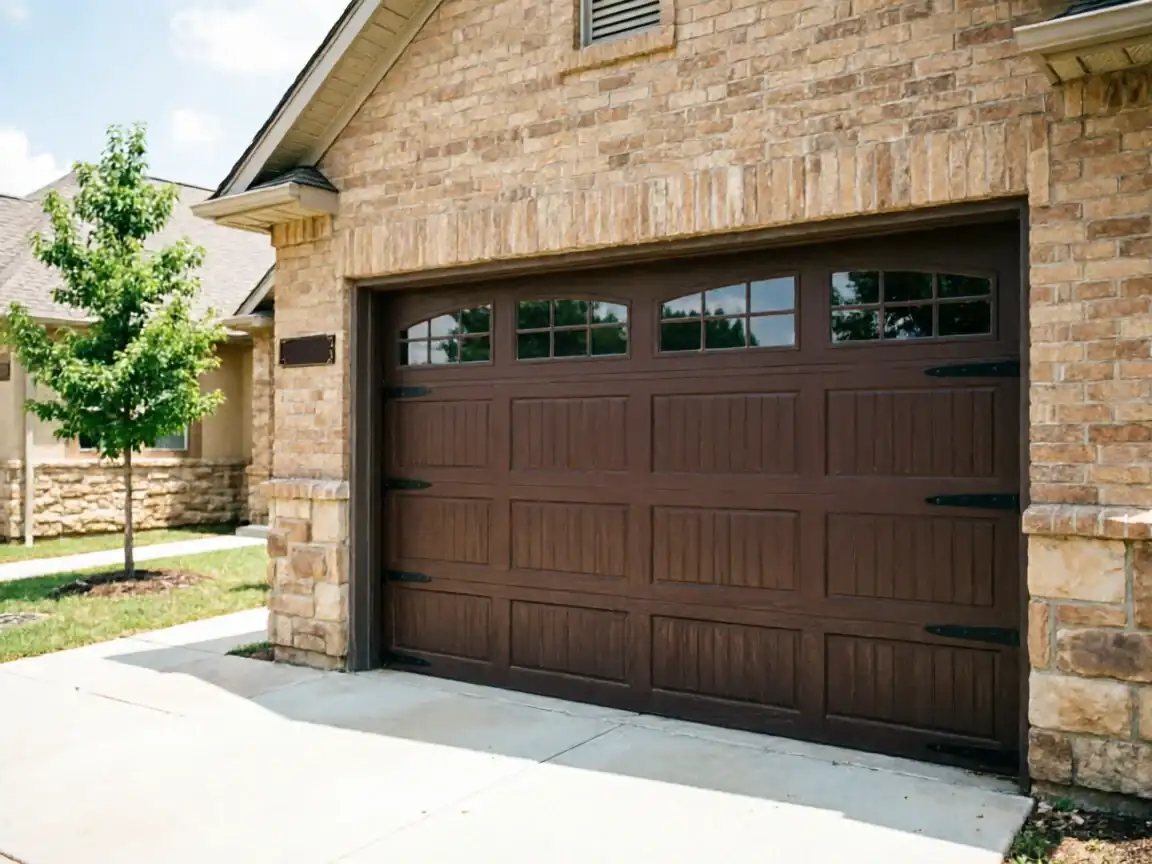
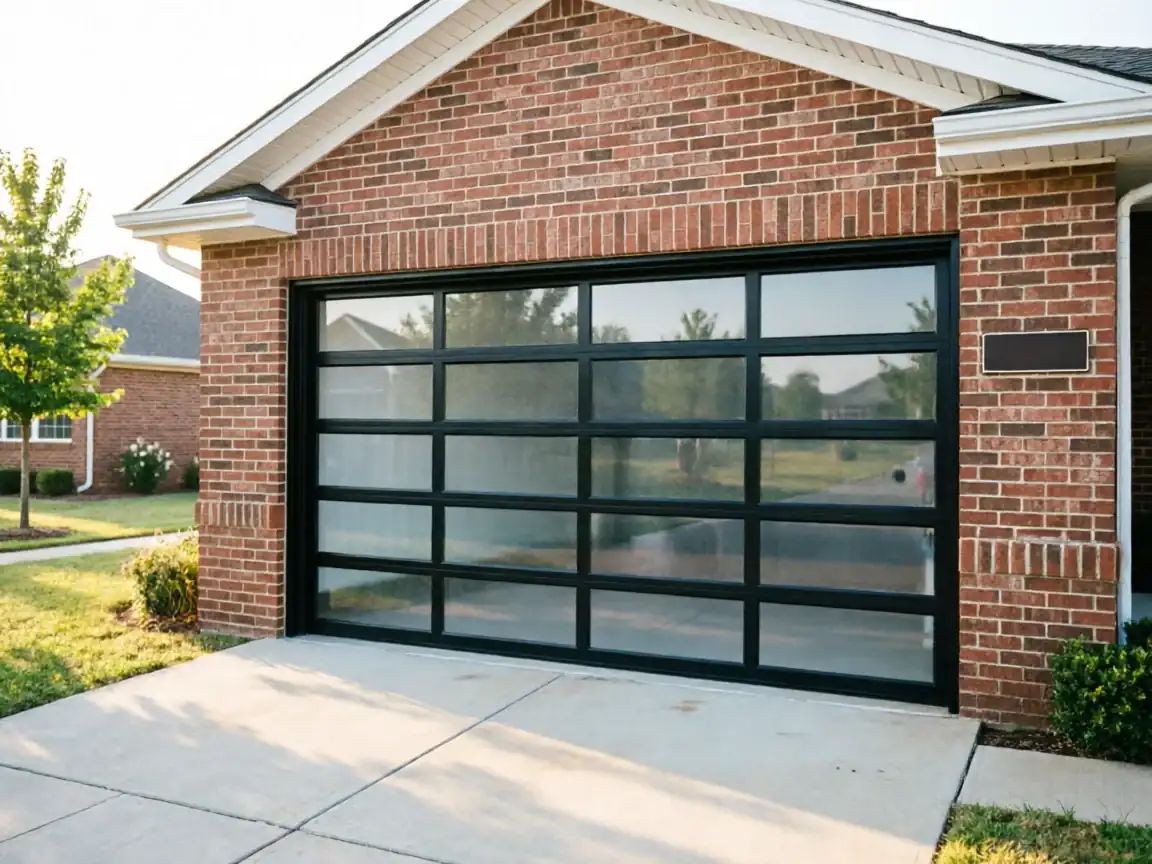
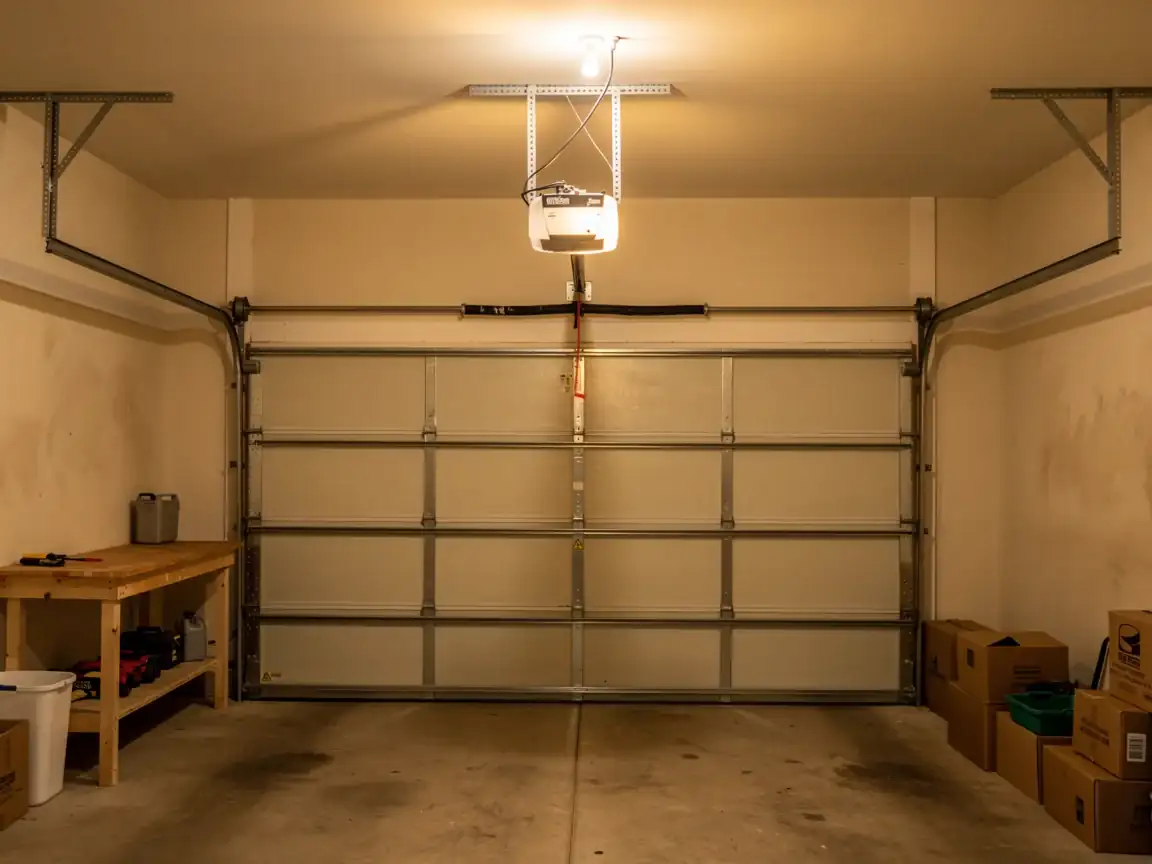
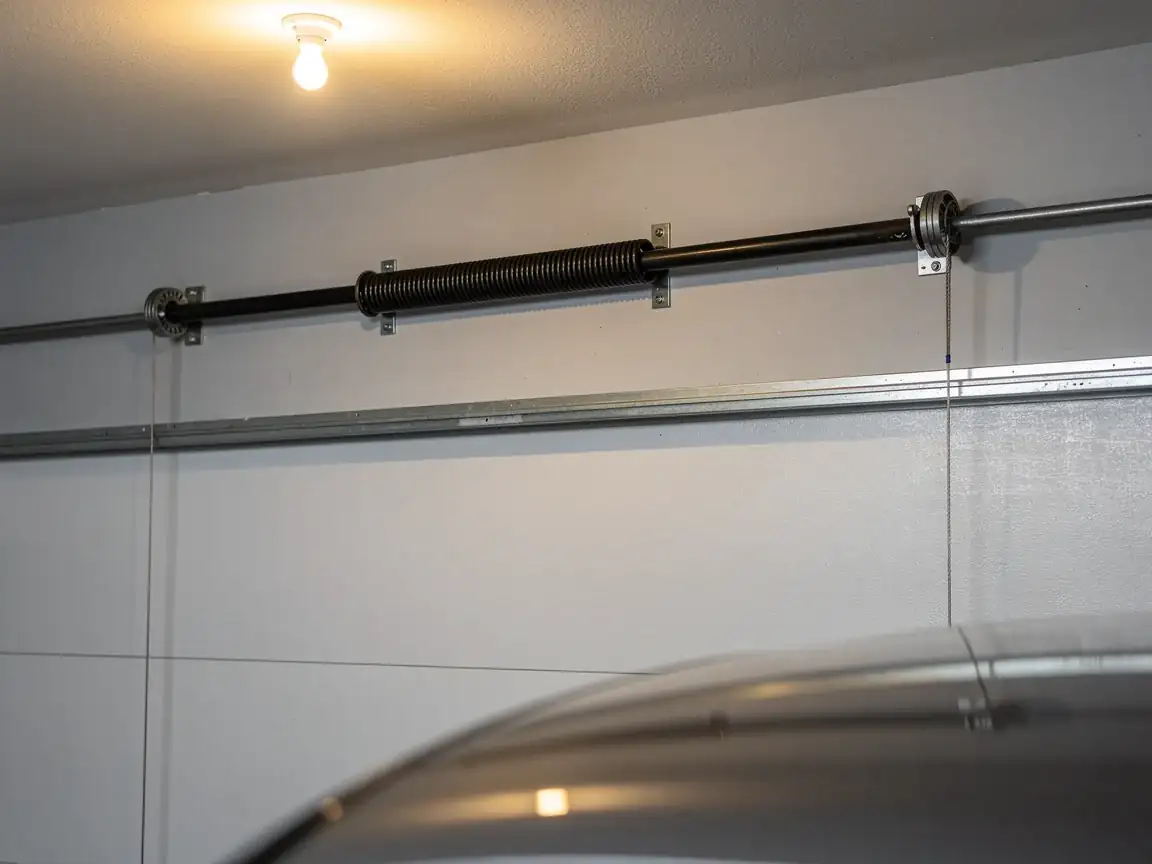
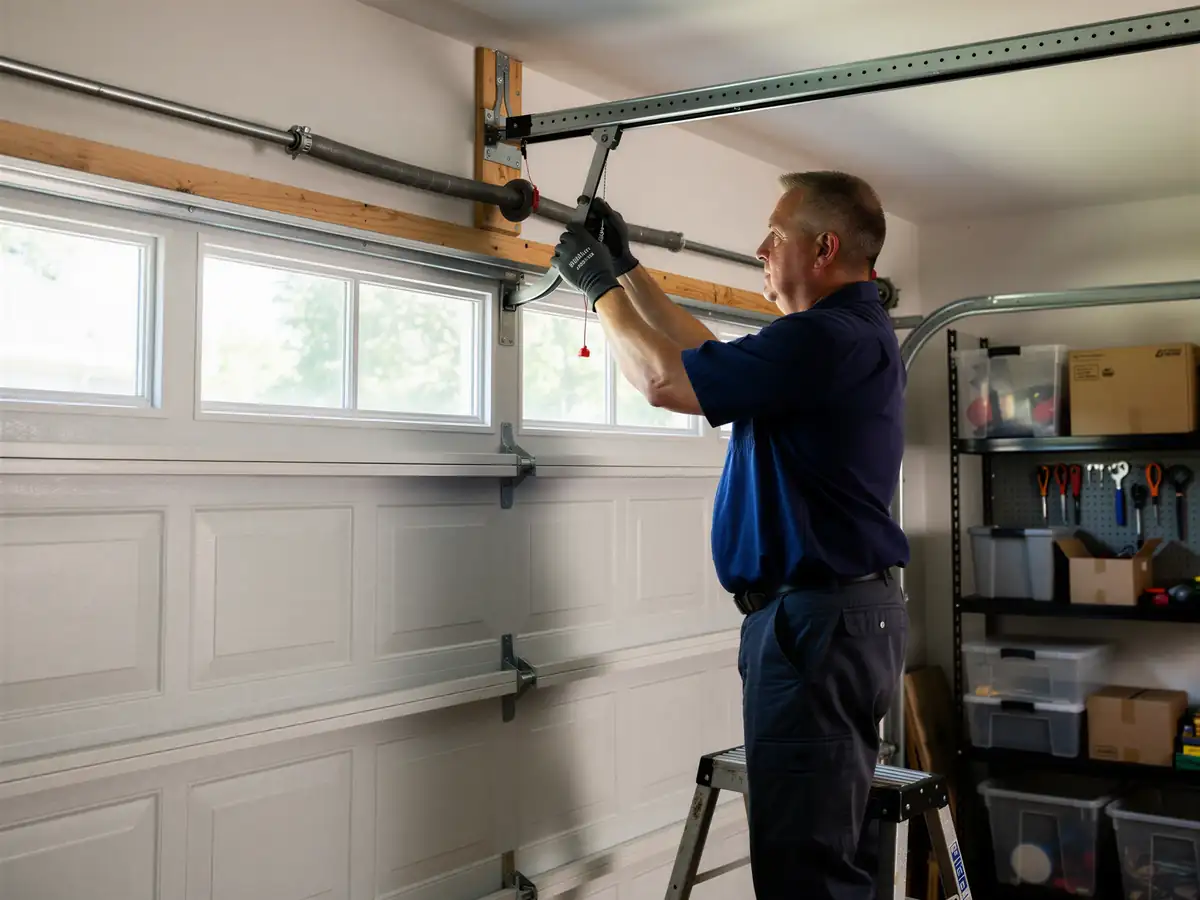
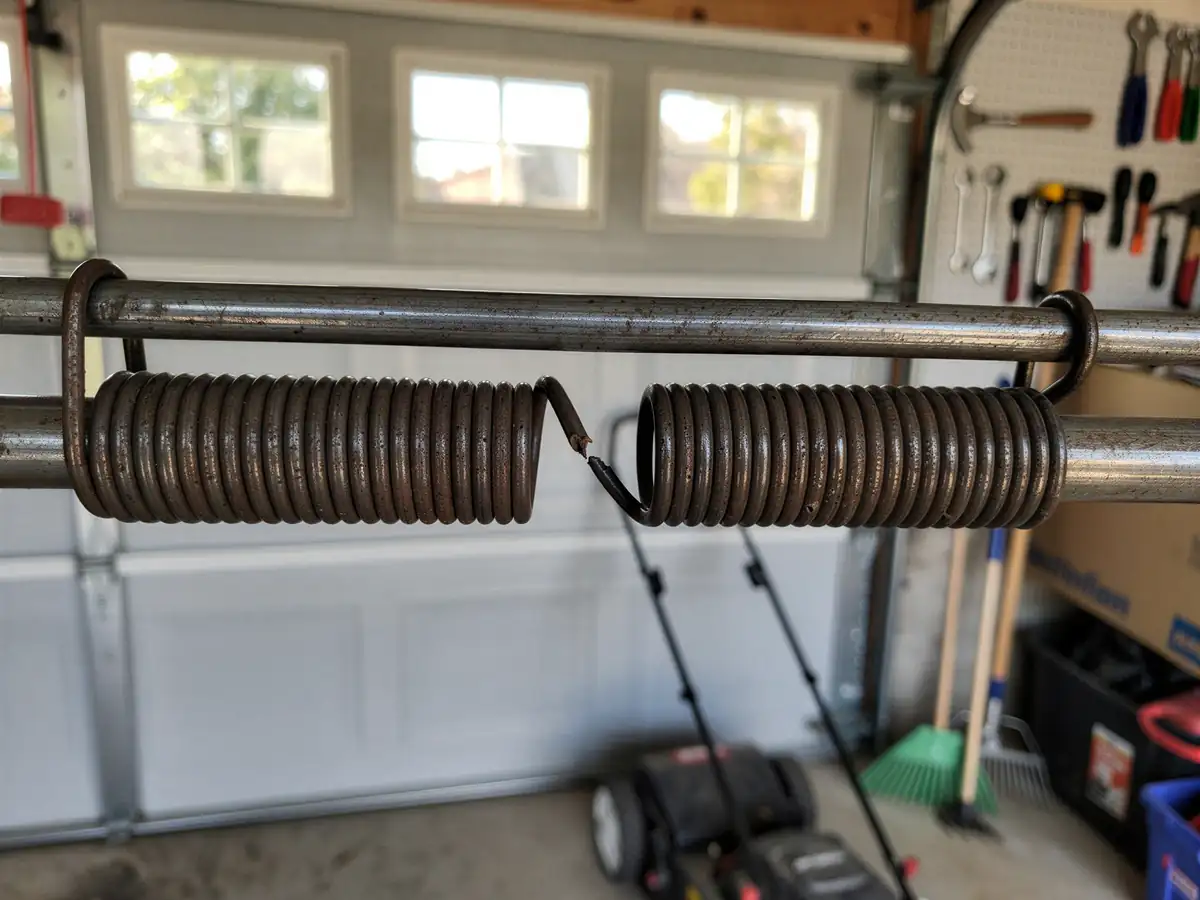
Most of the truck's stock is built around what the 1980s and 90s houses across the service area need: aluminum track, nylon rollers, galvanized cable sized for lighter sectional doors. West doesn't match that. Houses here cluster around a median build year of 1959, almost a quarter-century older than the wider area's 1983 median, and that means steel track on bent brackets, sometimes bolted to a wood jamb instead of a steel frame. The tech carries universal brackets and track sections that cover both eras, but if your door uses an odd roller size or a track profile that stopped being made decades ago, that part gets sourced rather than pulled off the shelf. It's worth saying plainly: this isn't a depot town, so whatever isn't already on the truck means a second stop, not a same-day fix.
How Long You Are Without the Door
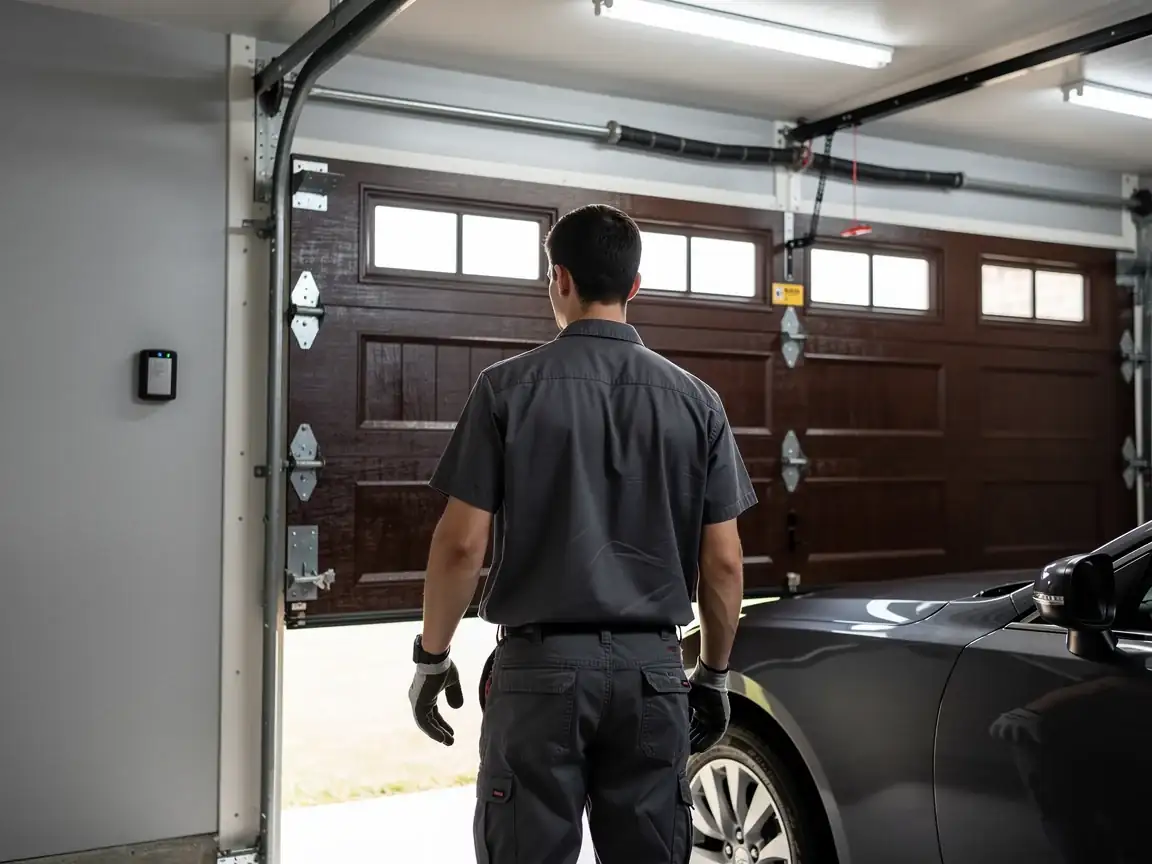
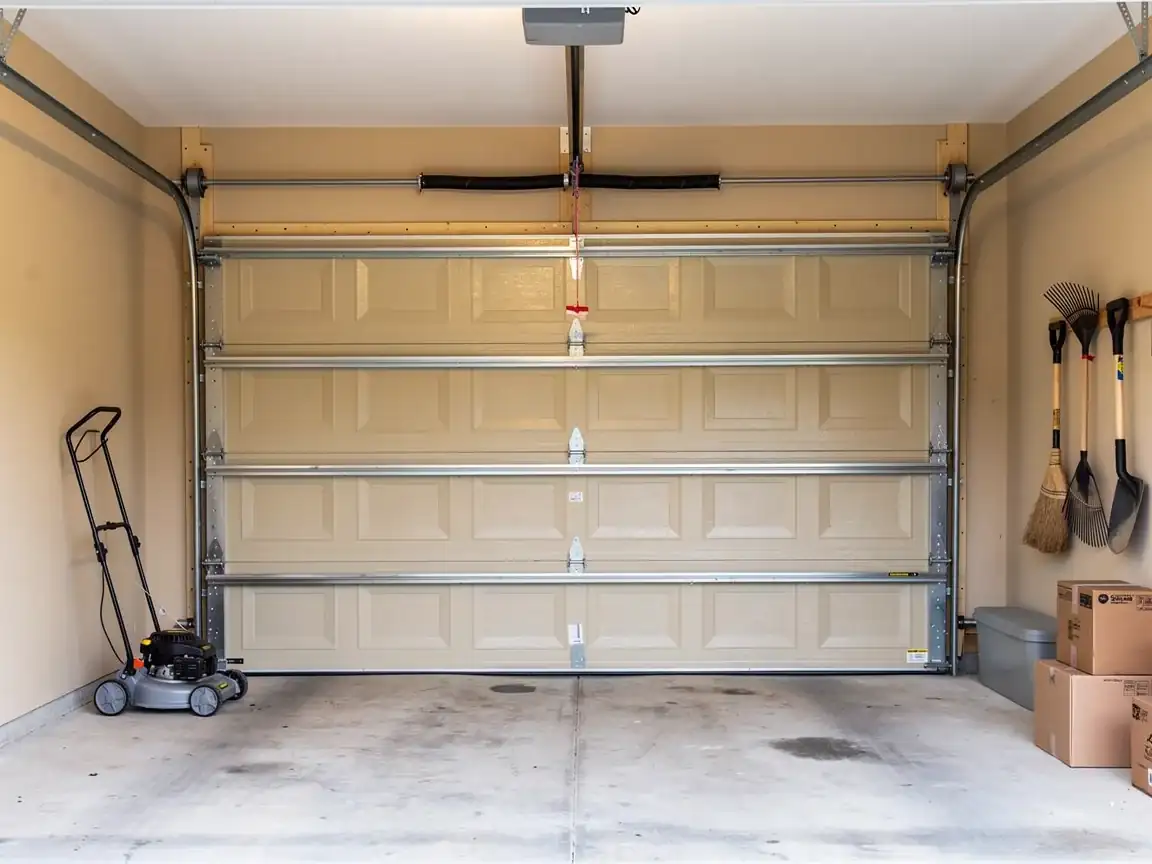
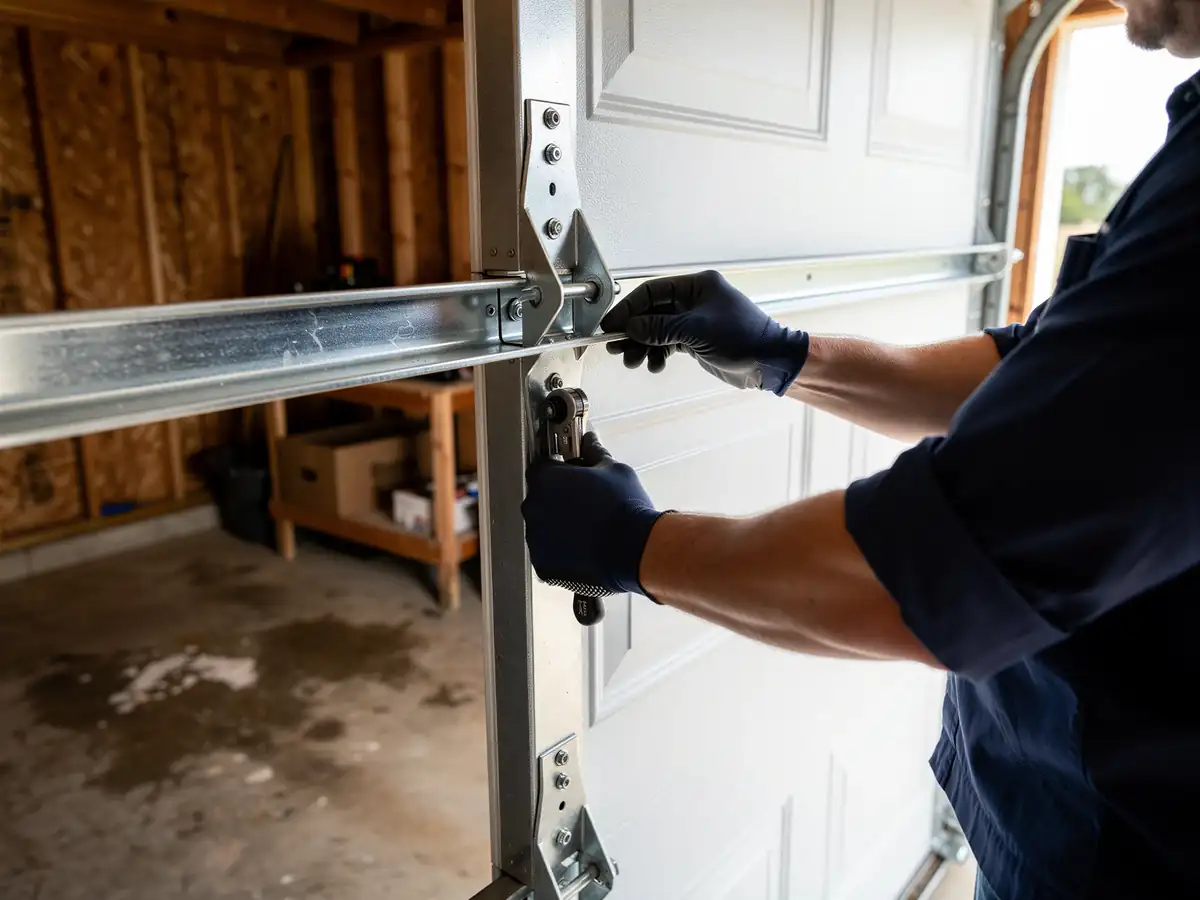
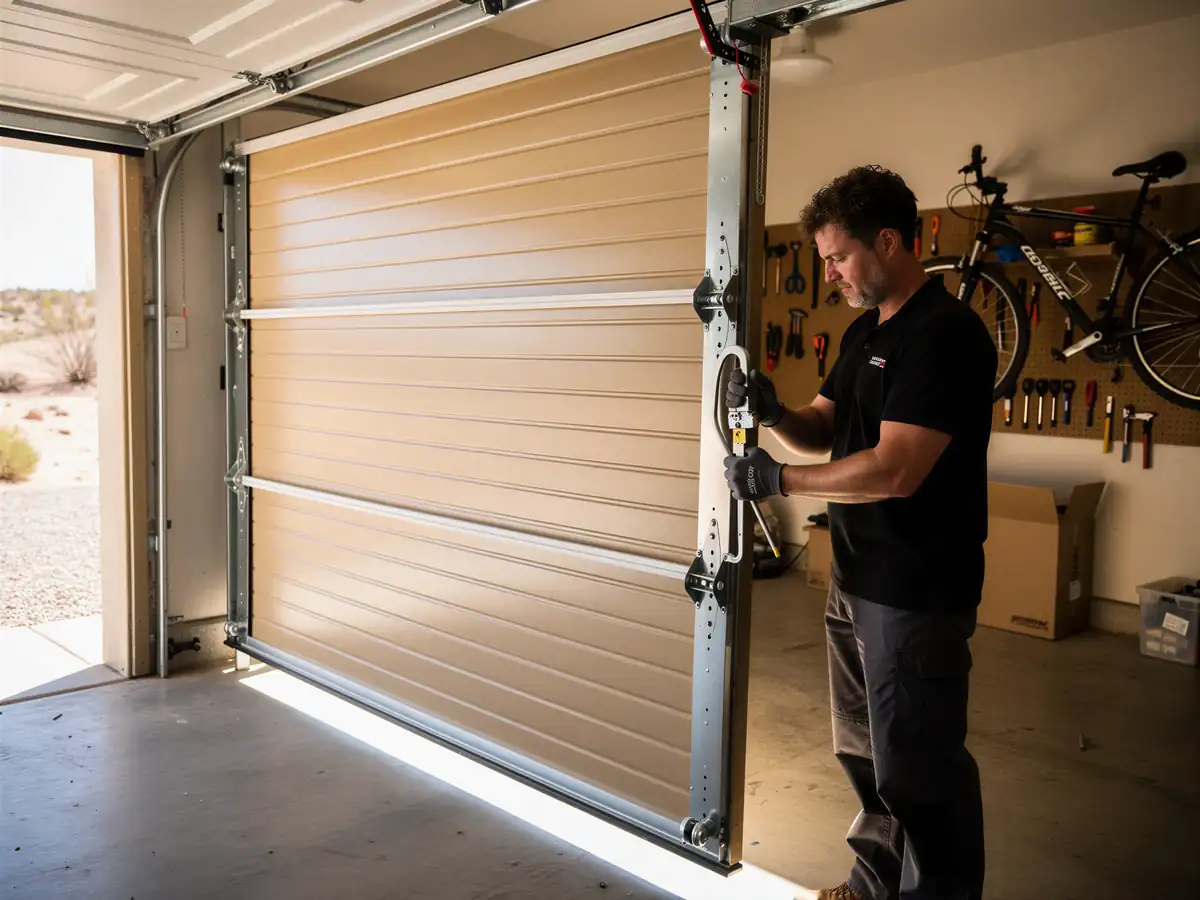
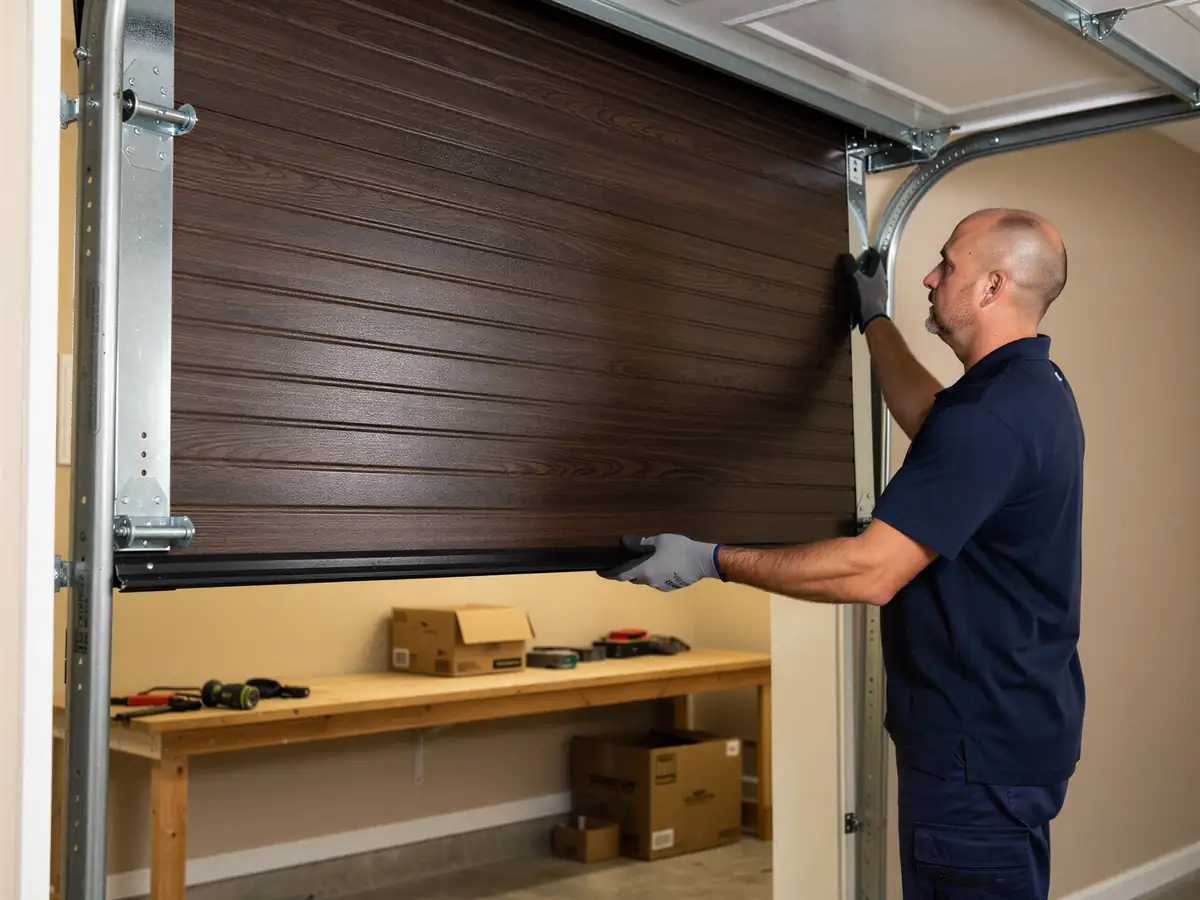
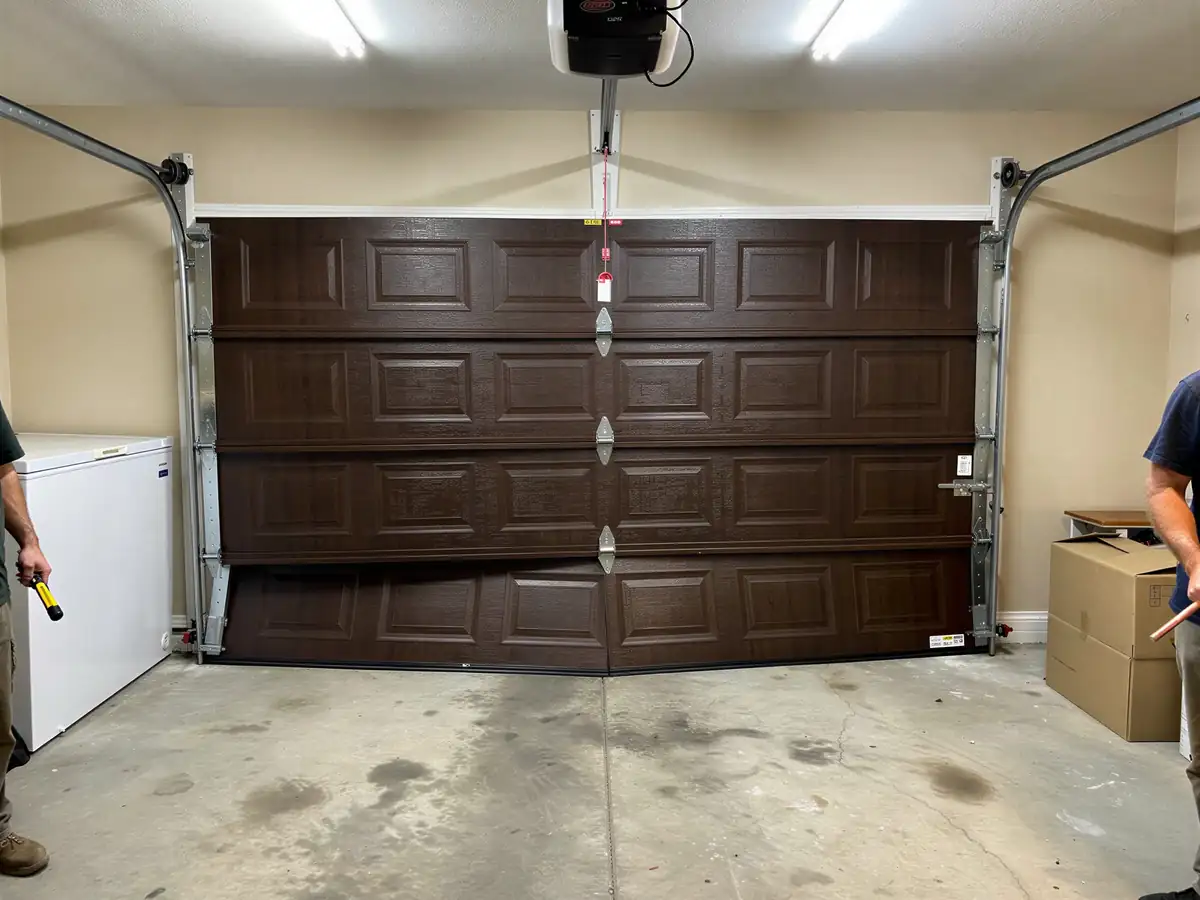
An off-track door usually means the door is stuck open, stuck shut, or hanging crooked on one side, and none of those are safe to force. The actual repair time once a tech is on-site is usually under an hour for a straightforward re-track. The bigger variable here is the 18-mile run from Waco, which eats more of the day than the repair itself does. If the bracket or track on your door is the older style common in West's 1959-era housing, and it needs a part that isn't standard stock, you're looking at a return trip rather than a one-visit job. Nobody here is promising a depot-fast turnaround because there isn't a depot in West; there's a truck making a longer drive than it would to the newer subdivisions closer to Waco.
What You Pay
What a job costs here depends more on what's actually wrong than on the drive. A simple re-track with no broken parts costs less than one where a bent track section or a worn roller set needs replacing. West's median household income sits at $52,292, noticeably below the $76,833 median across the rest of the service area, and that's part of why the honest answer matters here more than most places: if a door is only off track because of one loose bracket, that's a small job, and there's no reason to talk you into more. If the track is bent in multiple spots or the opener has been straining against a door that won't sit right, replacing worn sections now is usually cheaper than a repeat call in a few months.
Why This Fails Locally
Houses in West went up mostly around 1959, well before the service area's typical 1980s-90s build. That older stock tends to have single-track systems mounted on wood door jambs rather than the steel framing newer houses use, and sixty-plus years of settling moves those jambs more than people expect. A jamb that's shifted even a little throws the track out of plumb, and an out-of-plumb track is the single biggest reason a roller walks off the rail. Add in moderate heat swings typical for this part of Texas, which expand and contract wood and steel at different rates year over year, and you get slow, repeated loosening at exactly the brackets holding the track to the jamb. This isn't a defect in the door - it's what happens to hardware this old sitting on wood framing that's moved over six decades.